Archive for the ‘Regulation’ Category
API provides free access to industry standards
Posted in Regulation, tagged API, safety, standards on October 28, 2010| Leave a Comment »
And here is the final SEMS rule
Posted in accidents, Regulation, tagged accidents, API RP 75, BOEM, BOEMRE, drilling, Gulf of Mexico, offshore oil, production, regulations, safety, SEMS on October 7, 2010| Leave a Comment »
Safety and Environmental Management Systems
This rulemaking will incorporate in its entirety and make mandatory the AmericanPetroleum Institute’s Recommended Practice 75, Development of a Safety andEnvironmental Management Program for Offshore Operations and Facilities, with respectto operations and activities under the jurisdiction of BOEMRE. This final rule will applyto all OCS oil and gas and sulphur operations and the facilities under BOEMREjurisdiction including drilling, production, construction, well workover, well completion,well servicing, and DOI pipeline activities.
The rule will become effective on November 15, 2010.
Post-Macondo Drilling Safety Rule Posted by the Federal Register
Posted in drilling, Regulation, tagged BOEM, BOEMRE, drilling, Drilling Safety Rule, Gulf of Mexico, macondo, offshore oil, safety, well control on October 7, 2010| Leave a Comment »
The complete interim final Drilling Safety Rule is now posted on the Federal Register site. This rule was announced on 30 September along with the Safety and Environmental Management System rule. The latter rule has not yet been posted by the Federal Register.
The Drilling Safety Rule is effective immediately. With regard to comments:
While BOEMRE will not solicit comments before the effective date, BOEMRE will accept and consider public comments on this rule that are submitted within 60 days of its publication in the Federal Register. After reviewing the public comments, BOEMRE will publish a notice in the Federal Register that will respond to comments and will either:
1. confirm this rule as a final rule with no additional changes, or
2. issue a revised final rule with modifications, based on public comments.
NOPSA CEO Jane Cutler on Leadership
Posted in Regulation, tagged Australia, Jane Cutler, leadership, macondo, NOPSA, safety on October 3, 2010| Leave a Comment »
I’m privileged to work with some great people who are passionate about improving safety. This role within NOPSA provides me with a great opportunity to make a difference and allows me to foster a really proactive work culture, removing obstacles that make it harder for people to do their work well.
Almost everyone involved with offshore safety is passionate about their work and wants to make a difference. Unfortunately, they are often frustrated by administrative and organizational processes that prevent them from identifying and addressing important safety issues in the most effective and efficient manner. While there has been much post-Macondo talk about safety policy, there has been little discussion about the organizational constraints that stifle initiative and creativity within regulatory programs. The focus should be on enabling bright and dedicated people to create and sustain an optimal regulatory environment for safety achievement by the operating companies and their contractors.
Drilling and Safety Management Rules Announced
Posted in accidents, Offshore Energy - General, Regulation, tagged accidents, blowouts, Deepwater Horizon, drilling, macondo, offshore oil, regulations, safety, safety management, SEMS, well control on September 30, 2010| 2 Comments »
Today, BOEM released fact sheets describing the Drilling Safety and Safety and Environmental Management (SEMS) rules. The complete documents will be available for review as soon as they are published in the Federal Register.
Based on the fact sheet, the Drilling Safety Rule does not appear to include any significant surprises. The rule seems to be generally consistent with the recommendations in Secretary Salazar’s 27 May Safety Measures Report to the President (the “30-Day Report”). This is an Interim Final Rule that will be effective upon publication.
According to the fact sheet, the SEMS Rule will incorporate all elements of API RP 75 into BOEM regulations. This is an improvement, in my opinion, from the proposed rule which incorporated only 4 elements of RP 75. The effective date for this rule is not indicated in the fact sheet.
BOEMRE Addresses “Idle Iron”
Posted in accidents, Offshore Energy - General, Regulation, tagged abandonment, BOEMRE, decommissioning, Gulf of Mexico, idle iron, safety on September 16, 2010| 1 Comment »
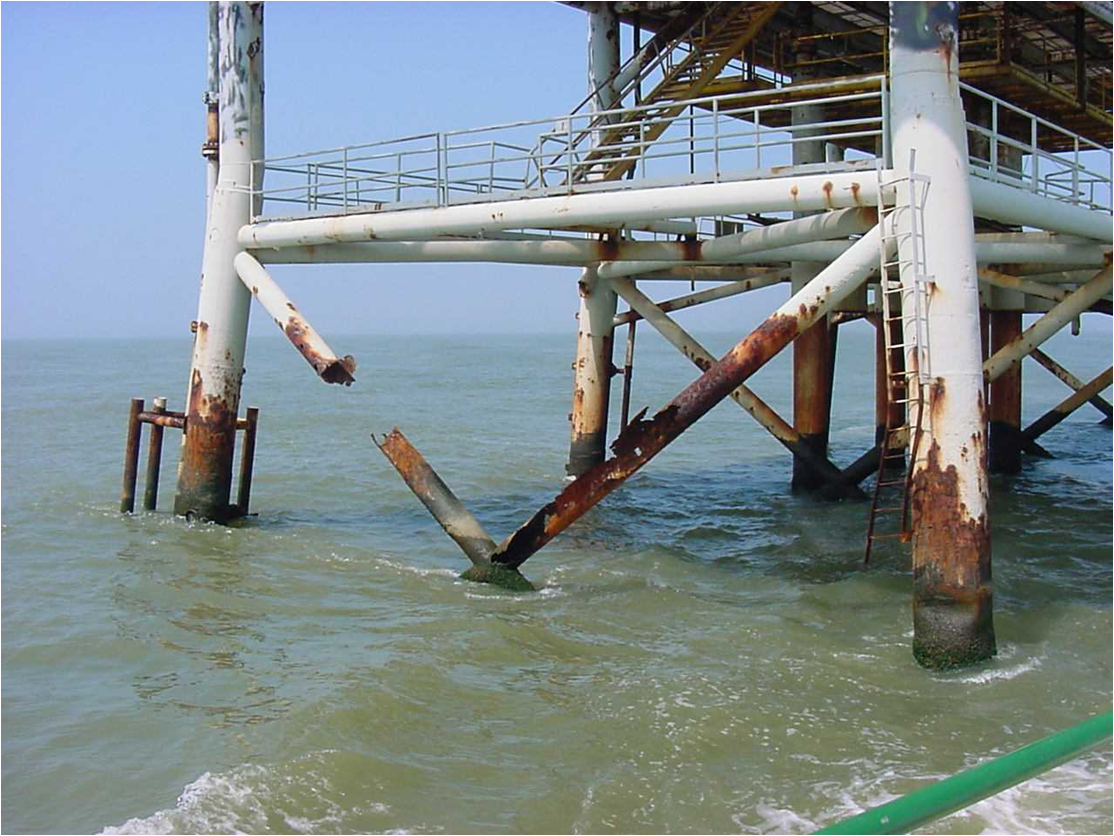
The Bureau of Ocean Energy Management, Regulation, and Enforcement (BOEMRE) has issued a Notice to Lessees and Operators (NTL) that specifies deadlines and other requirements for plugging and abandoning non-producing wells and removing platforms that no longer have utility. In my view, this regulatory action is necessary, appropriate, and consistent with authority provided in the Subpart Q (for quit :)) Decommissioning regulations. Post-hurricane experiences have demonstrated the enormous costs, operational challenges, and safety and environmental risks associated with plugging damaged wells and removing toppled platforms.
International Regulators’ Offshore Safety Conference, 18-20 October, Vancouver
Posted in conferences, IRF, Offshore Energy - General, Regulation, tagged international, IRF, macondo, Montara, safety, vancouver on June 8, 2010| Leave a Comment »
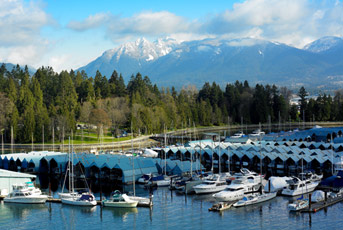
Vancouver, BC, Canada
The program for the International Regulators’ Offshore Safety Conference has been updated to include keynote presentations on the Montara and Macondo blowouts, and roundtable sessions that will address the lessons learned and how they should be applied by operators, contractors, and regulators. The presentations, discussions, and debates are sure to be thought provoking and informative. If you would like to participate, visit the conference website for more information.
Will Other Nations Learn the Lessons from Montara?
Posted in accidents, Offshore Energy - General, Regulation, well control incidents, tagged Australia, blowouts, Magne Ognedal, Montara, offshore oil, Regulation, safety on April 20, 2010| Leave a Comment »
My experience is that you unfortunately often need a major accident or even a disaster to engender political support for streamlining regulatory regimes. Moreover, history shows that major accidents apparently must happen in your own jurisdiction to have such an effect on political support. Magne Ognedal
Magne’s astute comment repeatedly came to mind while I was reading the Montara testimony. Our political systems are good at reacting, but are not so good at making tough decisions when the spotlight is elsewhere. Crises provide the political capital needed to make major changes, but seldom yield the best solutions.
Will the Montara blowout provide the impetus needed for other countries to review and improve their offshore regulatory regimes? These Montara issues should be of concern to all of us:
- Multiple regulators with unclear divisions of responsibility
- Regulatory gaps and overlap
- Ineffective use of standards and best practices
- Lack of clarity regarding operator and contractor responsibility and accountability
- Balancing goal-setting with prescription
- Monitoring operations effectively without taking “ownership”
- Applying regulatory resources efficiently and where the risk is greatest
- Absence of meaningful performance measures for operators and regulators
- Authority to remove rogue operators
- Ability to update standards and regulations in a timely manner
- Weaknesses in training programs for operators, contractors, and regulators
I’ll stop at ten (now eleven :)).
Many of these issues will be discussed at the International Regulators’ Offshore Safety Conference in Vancouver (18-20 October). I hope you plan to attend!
 Bud's Offshore Energy (BOE)