Feeds:
Posts
Comments

Archive for the ‘energy policy’ Category

  • While the text of the announcement implies otherwise, the new name prioritizes the “transition” over concerns about energy supply, security, and reliability. In that regard, the timing seems questionable.
  • Why not the North Sea Energy Authority (NSEA) or UK Offshore Energy Authority (UKOEA)?
  • Will OPEC+ be impressed? Perhaps China will add a few coal-fired power plants in honor of the name change.
  • Dan Yergin understands that energy transitions are complicated. Quoting Yergin’s outstanding article in the Atlantic:

The term energy transition somehow sounds like it is a well-lubricated slide from one reality to another. In fact, it will be far more complex: Throughout history, energy transitions have been difficult, and this one is even more challenging than any previous shift.

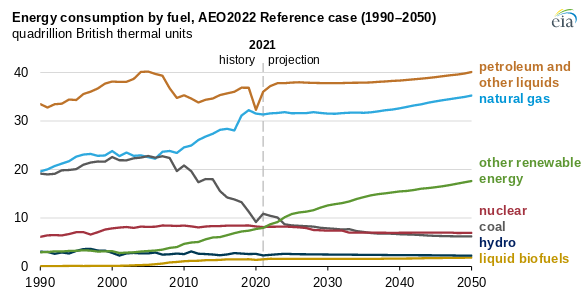
The 19th century is known as the “century of coal,” but, as the technology scholar Vaclav Smil has noted, not until the beginning of the 20th century did coal actually overtake wood as the world’s No. 1 energy source. Moreover, past energy transitions have also been “energy additions”—one source atop another. Oil, discovered in 1859, did not surpass coal as the world’s primary energy source until the 1960s, yet today the world uses almost three times as much coal as it did in the ’60s.
Read Full Post »

“Norway cannot escape the unpleasant fact: this is a form of war profit”, daily paper Dagbladet wrote in an editorial. “While Ukraine is being destroyed, and most other countries are mainly feeling the negative effects of the war, such as higher energy prices, higher food prices and general inflation, we are making a gain”, it said.

thelocal.no

While such introspection is commendable, energy supply issues in Europe would be far worse were it not for Norway’s actions including:

Read Full Post »

EIA

While demand will remain strong, supply is a concern:

“Capex cuts by international oil companies and national oil companies in 2020 was about 35%,” he said. “We’re now showing another 23% reduction in capex levels” from pre-pandemic levels this year. In 2019, E&P companies spent $525 billion, an amount which plummeted to $341 billion in 2021, he added. “We have to get back to $525 billion over several years until 2030 to restore market balance,” McMonigle said. “I’m afraid what we’re seeing with the energy crisis is on our doorstep.”

Joseph McMonigle, World Oil Congress

Read Full Post »

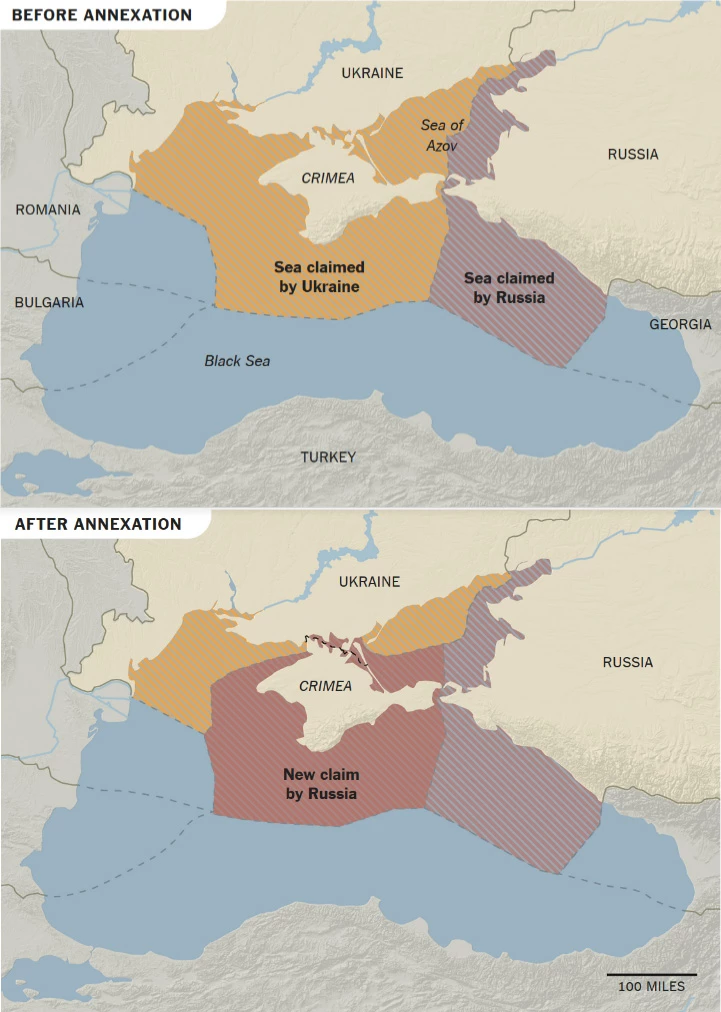
Per our previous post on this topic, the Ukranian shelf may contain more than 70 Tcf of natural gas, most of which was seized by Russia along with Crimea. This illegal seizure of resources in 2014 should be considered as part of any long-term settlement and before easing sanctions on Russia.

For those who want to learn more, this 2018 article by Ukranian journalist Kostiantyn Yanchenko has proven to be particularly insightful. A few key points:

when in 2014, two-thirds of the former Ukrainian water area passed to Russia with the occupation of Crimea, only a few experts assumed that the struggle for control over energy resources might have been among the main reasons for annexation. Against the background of Moscow’s famous explanation “Why Crimea? Be[cause]Kosovo!”, this version looked unconvincing, but there are many reasons to give it a second glance.

The naysayers often argue that Russia doesn’t have the technology to extract gas on the deep-water shelf. This is true, at least now. However, as researchers note, Russia’s short-term objective was not to benefit from the Black Sea gas but to block its production by the Western companies and hence secure its own positions in the European market. 

Furthermore, Russia largely relies on an energy leverage in international relations. Thus, “The Energy Strategy of Russian Federation Until 2020” starts with the statement: “Russia has significant reserves of energy resources and a powerful fuel and energy complex, which is the basis for economic development, an instrument for domestic and foreign policy.”

Read Full Post »

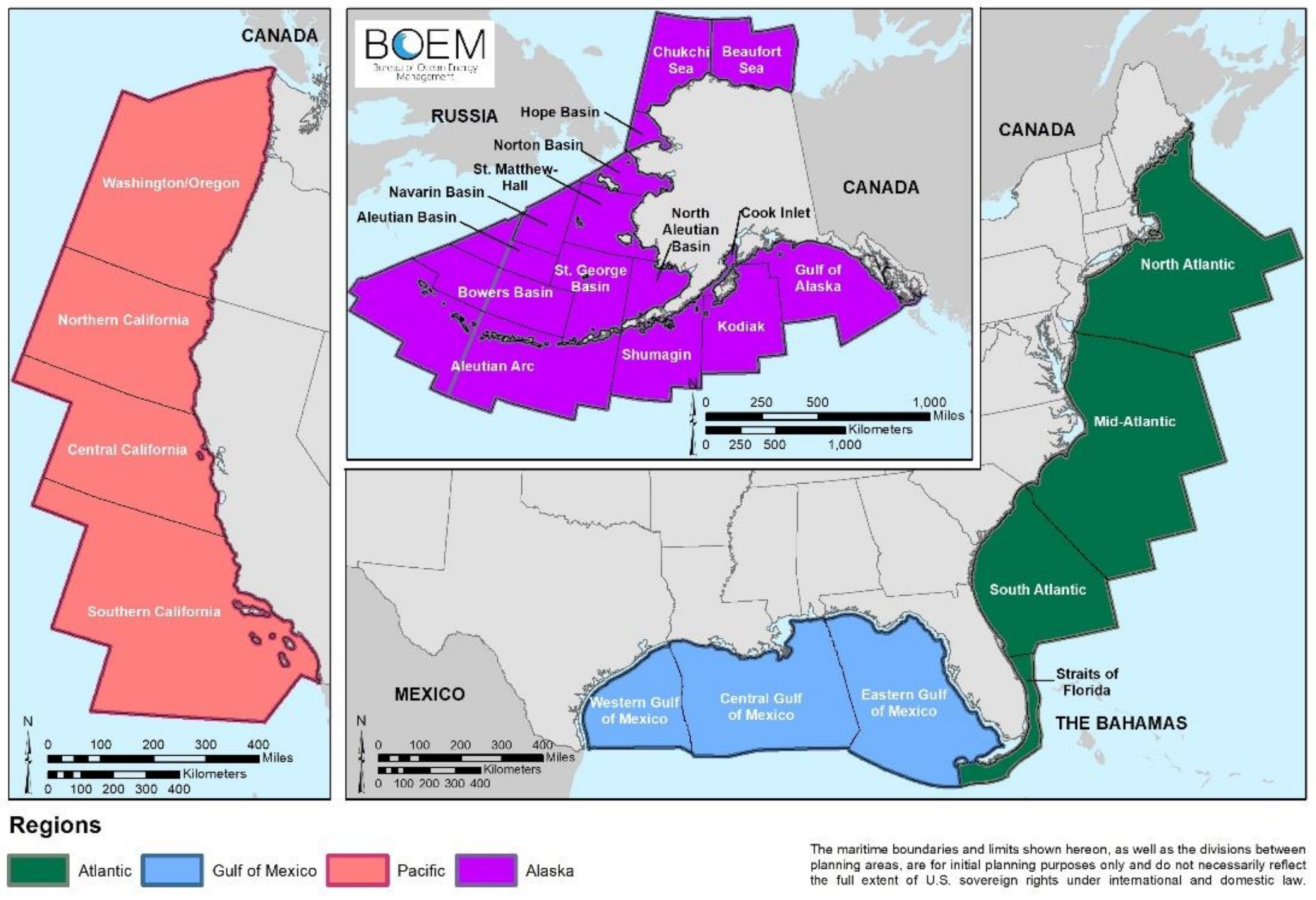
lease sale statistics

Read Full Post »

This is what major oil companies are up against. Meanwhile China expands coal production and consumption without having to worry about groups like this.

ClientEarth, a Shell shareholder, notified the energy major on Monday that it would commence legal proceedings against the company’s 13 executive and non-executive directors for what it said was the board’s failure to adopt a strategy that “truly aligns” with the 2015 Paris climate agreement. The not-for-profit group, which has a strong record of winning climate-related cases, wrote to Shell in advance of petitioning the High Court of England and Wales for permission to bring the claim.

Financial Times

Read Full Post »

Consistent with our concerns about the lack of investment in offshore exploration and production, Aramco CEO Amin Nasser made this comment at CERAWeek in Houston:

“Today, we only have 2% of effective spare capacity, which is an imbalance,” Nasser said. “You need a resilient and strong spare capacity to make sure that you can absorb any supply shocks. Look at what’s happening. Before the Ukraine crisis, the spare capacity was declining fast.

Oxy CEO Vicki Hollub’s comments further justify our concerns about US over-reliance on shale production. She noted these impediments to production growth in the Permian Basin, the world’s largest shale basin:

  • Severe supply-chain constraints 
  • Labor shortages
  • Few already drilled wells ready to be completed
  • Rig shortages

Read Full Post »

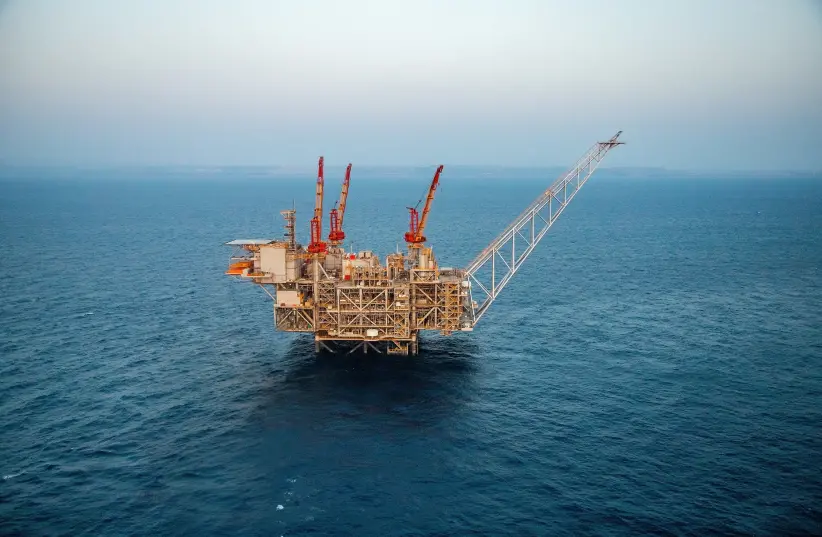
Leviathan platform, offshore Israel

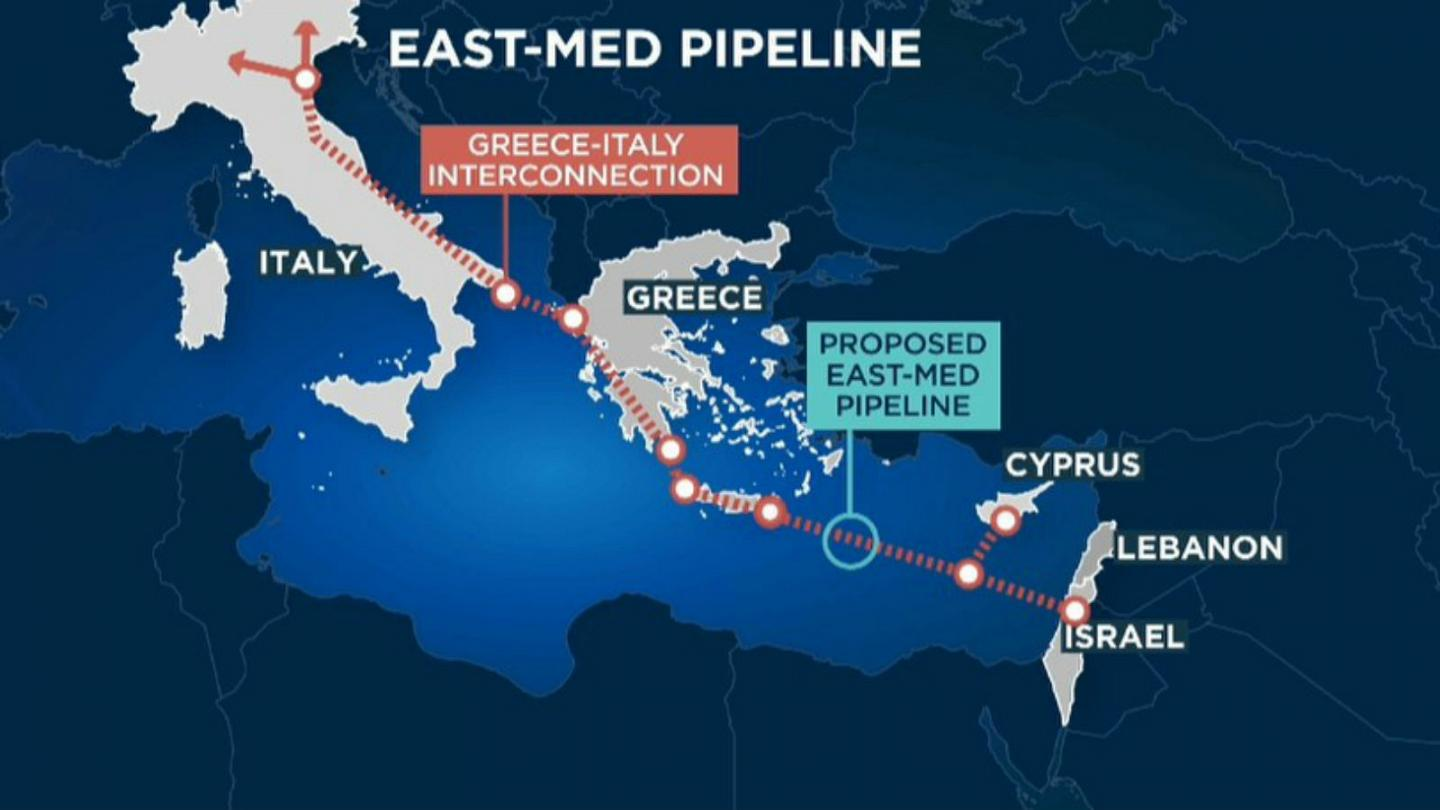
Gas reserves in the Eastern Mediterranean Basin are enormous:

Now the U.S. Geological Survey estimates that as much as 122 trillion cubic feet of gas and 1.7 billion barrels of oil lie in the eastern Mediterranean basin. That amount of gas is equivalent to about 76 years of gas consumption in the European Union.

Forbes

Another US energy/foreign policy blunder?

Last January, the US informed Israel, Greece and Cyprus that they no longer supported the proposed EastMed natural-gas pipeline from Israel to Europe citing the need to “(allow) for future exports of electricity produced by renewable energy sources, benefiting nations in the region.”

Jerusalem Post

It’s time to move forward with this strategically important energy project. Chevron is now the main player in the Eastern Mediterranean after their 2020 acquisition of Noble Energy.

Read Full Post »

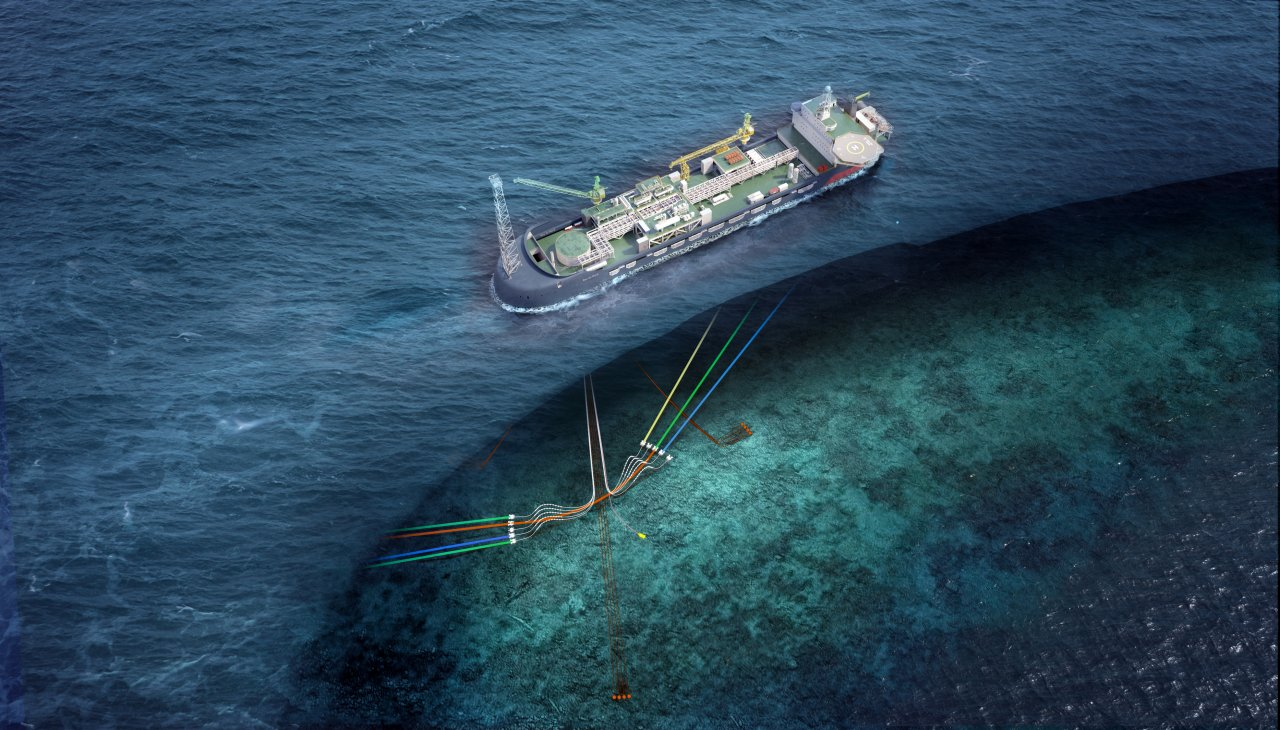
Equinor images

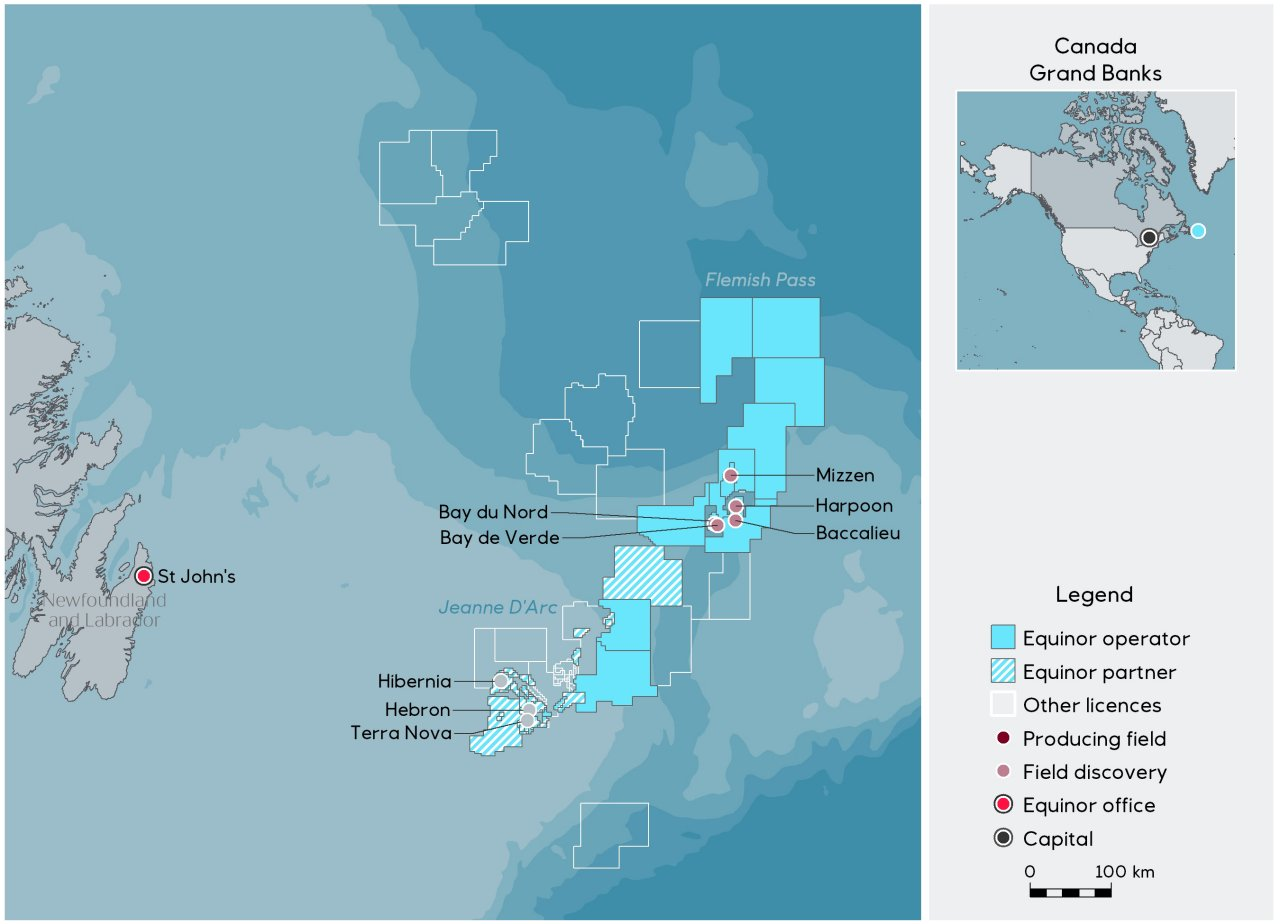
A decision on the proposed Bay du Nord oil project off the coast of Newfoundland will be delayed by another 40 days, according to Federal Environment Minister Steven Guilbeault.

Ottawa’s decision for the project was set for Sunday, but was originally scheduled for Dec. 6. The 40-day delay means a decision could come by April 13.

The project has reportedly caused a division within Prime Minister Justin Trudeau’s cabinet, according to Radio-Canada, which reported in February that several Liberal ministers from Ontario, Quebec and British Columbia want to reject Bay du Nord. 

CBC

The delays in Ottawa are disappointing for the following reasons:

  1. Recent polling indicates very strong support among Newfoundlanders for offshore oil and gas operations and the Bay du Nord project. Newfoundland Premier Andrew Fury fully supports the project.
  2. The Impact Assessment Agency of Canada concluded that “the Bay du Nord Development Project is not likely to cause significant adverse environmental effects, taking into account the implementation of mitigation measures.”
  3. Equinor is a responsible offshore operator with a strong track record in Norway and elsewhere.
  4. The importance of “free world” oil and gas production has never been more obvious. That will continue to be the case for the life of this project and beyond.
  5. The project would generate $3.5 billion in revenues to the Government of Newfoundland and Labrador and provide estimated in-province employment of 22.3 million-person hours for the life-of-field.

Read Full Post »

Remember that only 5 weeks ago Judge Contreras (DC Federal Court) vacated OCS Lease Sale 257 because  BOEM didn’t analyze the benefits of higher oil and gas prices (as a result of lower US offshore production) in reducing international consumption and GHG emissions. The about that!

Lease Sale 257 wouldn’t have helped get us through this crisis, but would have most definitely reduced our vulnerability to future crises.

473 days since the last US offshore oil and gas lease sale.

Read Full Post »

« Newer Posts - Older Posts »