Feeds:
Posts
Comments

Archive for the ‘energy policy’ Category

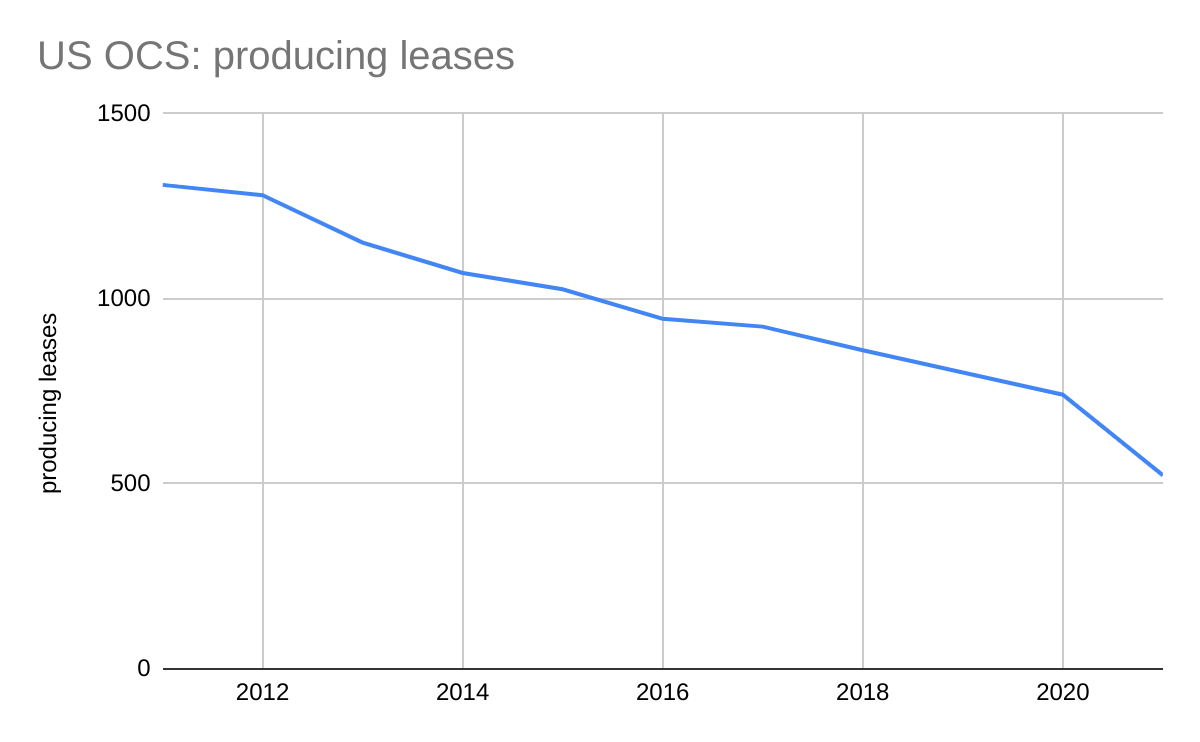
Department of the Interior spokesperson: “there are 10.9 million acres of offshore federal waters already under lease to industry,” and “of those, the industry is not producing on more than three-quarters (75.7% or 8.26 million acres).”

Fox Business

As if the preventable expiration of the 5 year leasing program wasn’t bad enough, we get to hear the non-producing leases bit yet again. This pitch was popularized during the oil embargoes in the 1970’s and resurfaces whenever it is deemed to be politically helpful.

New comments:

Old comments:

  • 539 days since the last US offshore oil and gas lease sale
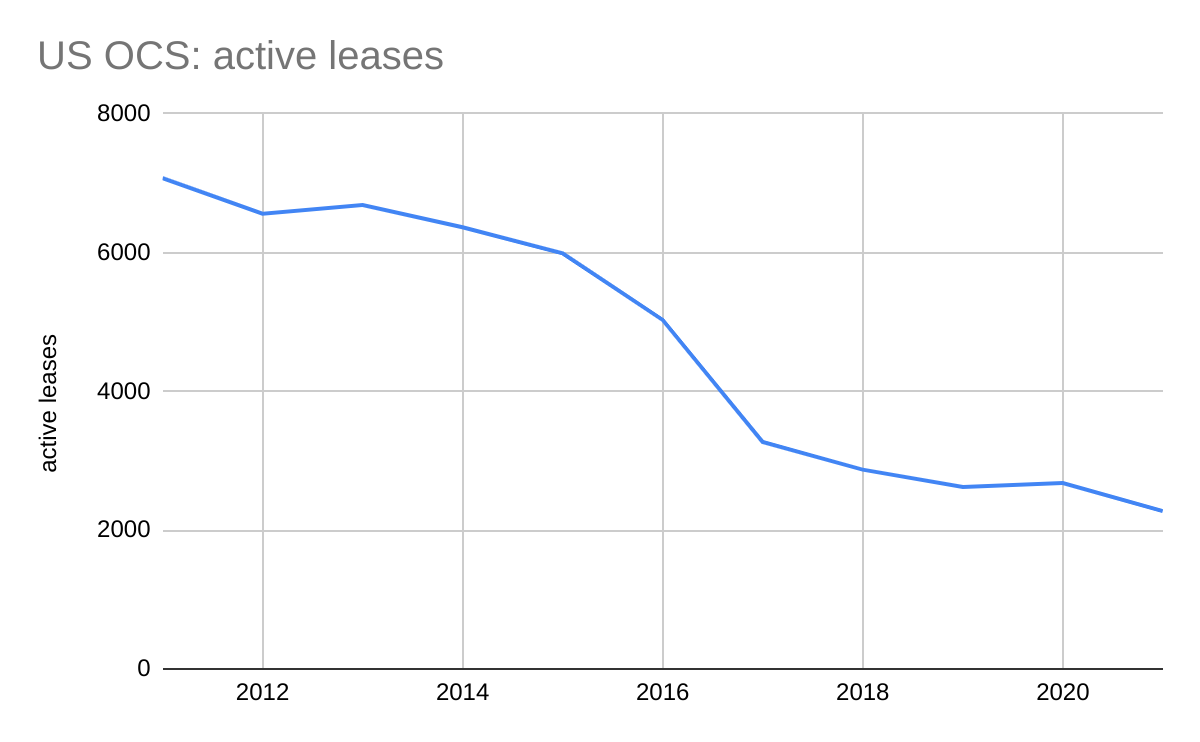
  • 182 lease sales since 1954, but none since 2020
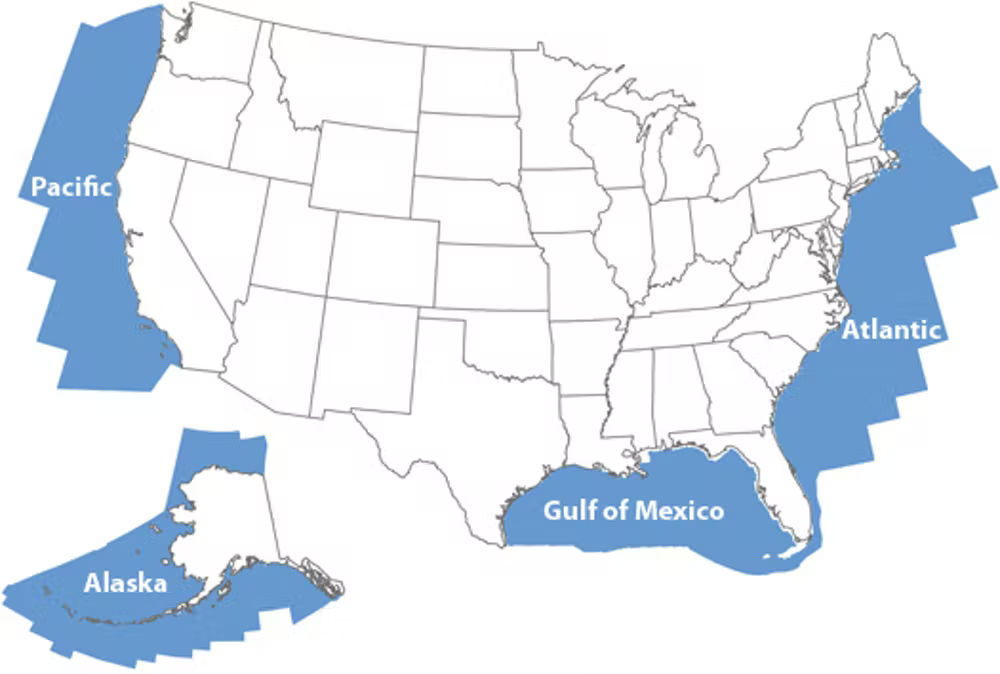
  • Only 0.5% of US offshore land is leased for oil and gas exploration and production (assuming commercial quantities of oil and gas are discovered).
  • When you acquire a lease, you are not purchasing oil and gas. You are acquiring the right to explore for, and hopefully produce, those resources. Most leases will never produce.
  • Drilling strategies are linked to geophysical data and geologic information obtained in drilling other wells in the area and region.
  • Leases expire if they are not producing by the end of the lease term, which is 5 to 10 years depending on location.
  • You pay bonuses for all leases and annual rental fees for non-producing leases. None of these payments are returned if no discoveries are made.
  • US offshore leases are among the smallest in the world, only a fraction of the sized of those offered by most other nations with offshore oil and gas programs. This complicates exploration and often makes development contingent on the acquisition of additional tracts at future sales.
  • Oil is where you find it, not where you or the government think it is or want it to be.
Read Full Post »

Background:

Questions:

  • What are the costs per ton of offshore carbon sequestration including emissions collection, offshore wells and platforms, the associated pipeline infrastructure, ongoing operational and maintenance costs, and decommissioning?
  • What is the timeframe given that the starting point is likely years away?
  • How long would CO2 sequestration continue.
  • Who pays? Polluters? Federal subsidies? Tax credits?
  • Who is liable for:
    • safety and environmental incidents associated with these projects?
    • CO2 that escapes from reservoirs, wells, and pipelines (now and centuries from now)?
    • decommissioning?
    • hurricane preparedness and damage?
  • For Gulf of Mexico sequestration, how much energy would be consumed per ton of CO2 injected? Power source? Emissions?
  • To what extent will these operations interfere with other offshore activities?
  • Relatively speaking, how important is US sequestration given:
  • What are the benefits of offshore sequestration relative to investments in other carbon reduction alternatives?
  • Will BOEM conduct a proper carbon sequestration lease sale with public notice (as required by BOEM regulations) such that all interested parties can bid?
    • What will be the lease terms?
    • Environmental assessment?
    • How will bids be evaluated?
  • What happens to the Exxon bids if the Judge’s Sale 257 decision is reversed?
  • What is the status of the DOI regulations mandated in the legislation with an 11/15/2022 deadline?
    • When will we see an Advanced Notice or Notice of Proposed Rulemaking?
    • Given that DOI has no jurisdiction over the State waters and onshore aspects of these projects, what is the status of parallel regulatory initiatives?
  • Finally and most importantly, how does drilling offshore sequestration wells instead of exploration and development wells increase oil and gas production?
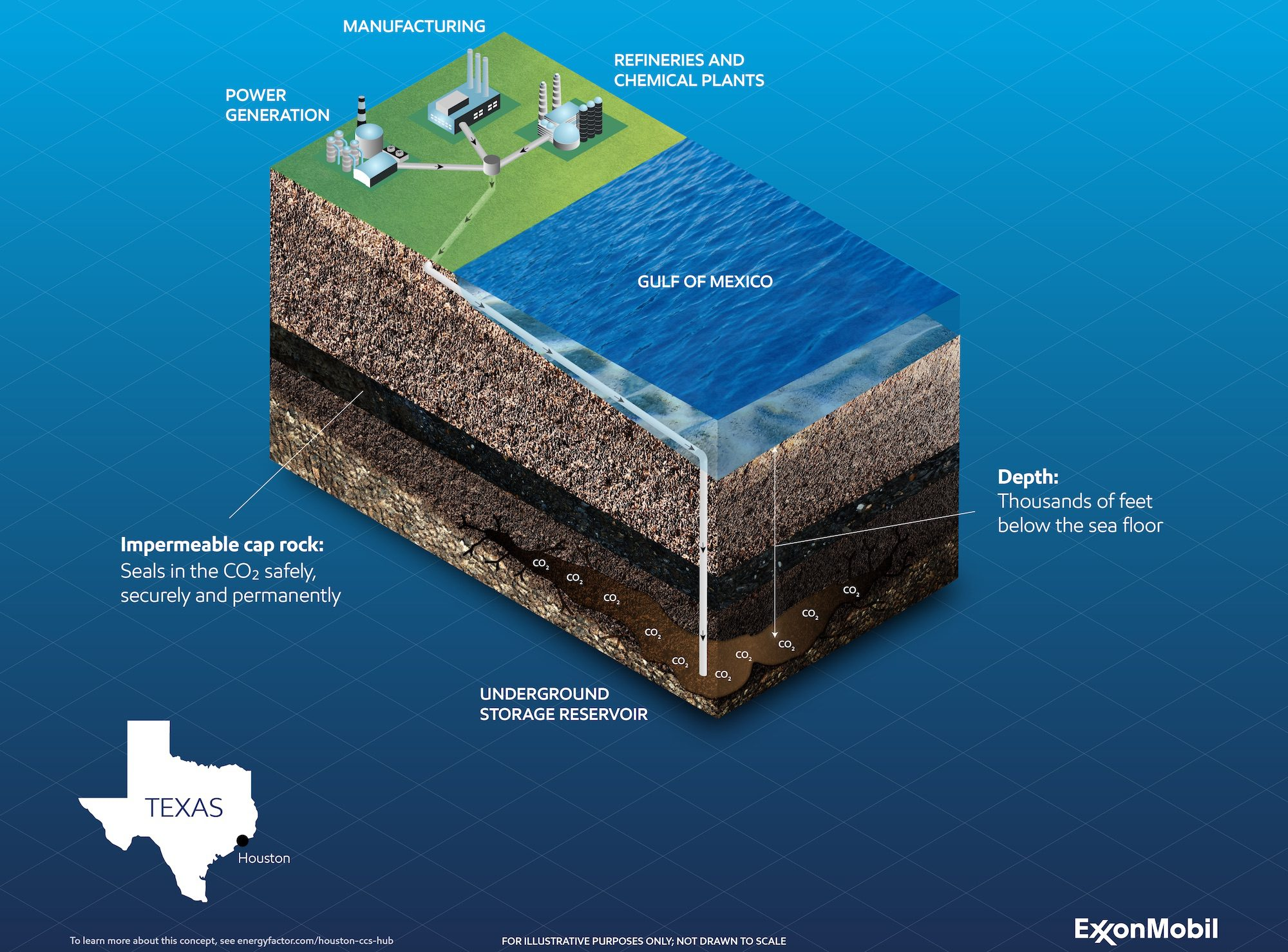
highly simplified conceptual diagram

Read Full Post »

The Senate Judiciary Committee (with bipartisan support no less) has passed the old, stale, hypocritical, and insulting “No Oil Producing and Exporting Cartels Act” or “NOPEC”. Congress is again engaging in what it does best – blaming others. When oil prices are high, OPEC, nonproducing leases, and price gouging are the targets of choice.

Note the NOPEC language pasted below, particularly the highlighted text. Our government has proven quite capable of limiting production without OPEC’s help. This is especially true for the US offshore sector, which could be responsibly producing at least 1 million more BOPD with fewer access restrictions and timely leasing. Less than 0.5% of the US OCS is currently open to exploration and development.

Other than for grandstanding purposes, how is this bill helpful? Haven’t we been pleading with OPEC to increase production? Even the White House seems to think NOPEC is a bad idea:

White House spokesperson Jen Psaki said the administration has concerns about the “potential implications and unintended consequences” of the legislation, particularly amid the Ukraine crisis. She said the White House is still studying the bill.

Reuters

NOPEC Bill – SEC. 7A. OIL PRODUCING CARTELS.

“(a) In General.—It shall be illegal and a violation of this Act for any foreign state, or any instrumentality or agent of any foreign state, to act collectively or in combination with any other foreign state, any instrumentality or agent of any other foreign state, or any other person, whether by cartel or any other association or form of cooperation or joint action—

(1) to limit the production or distribution of oil, natural gas, or any other petroleum product;

“(2) to set or maintain the price of oil, natural gas, or any petroleum product; or

(3) to otherwise take any action in restraint of trade for oil, natural gas, or any petroleum product,when such action, combination, or collective action has a direct, substantial, and reasonably foreseeable effect on the market, supply, price, or distribution of oil, natural gas, or other petroleum product in the United States.

Read Full Post »

letter

One important action your administration can take to ensure American energy independence is to publish a new Five-Year Outer Continental Shelf Oil and Gas Leasing Plan (“Five-year Plan”) as required under the Outer Continental Shelf Lands Act of 1953. Finalizing the Five-year Plan, with frequent area-wide leases, would help bring millions of additional barrels of U.S. oil to market. According to a recent analysis by Energy and Industrial Advisory Partners, a further delay of federal offshore leasing could result in 500,000 fewer barrels of domestic oil produced per day, 60,000 lost jobs, and a $900 million per year decrease in federal conservation funding.
.

The four Democrats are Texas Representatives Vicente Gonzalez, Sylvia Garcia, Henry Cuellar and Lizzie Fletcher.

Meanwhile, the Senate approved language supporting the issuance of a new 5 Year Program ASAP. Four Democrats -Joe Manchin (D-WV), Kyrsten Sinema (D-AZ), John Hickenlooper (D-CO), and Mark Kelly (D-AZ) – voted for the measure.

When will we hear from the Department of the Interior on the status of the 5 Year Program? It has now been 532 days since the last US offshore lease sale.

Read Full Post »

When you withdraw oil from the Strategic Petroleum Reserve, eventually you have to replace it. But don’t worry, DOE has got this.

WASHINGTON, D.C. — The U.S. Department of Energy (DOE) today announced it is initiating a long-term replenishment plan for America’s Strategic Petroleum Reserve (SPR) to ensure that it will continue to deliver on its mission as an available resource to alleviate domestic and global crude oil supply disruptions. The buyback process will begin with a call for bids to repurchase a third of the 180 million emergency barrels released as part of a coordinated action with our international partners … 

Feel better now?

Read Full Post »

OCS Lands Act, 43 U.S. Code § 1332 – Congressional declaration of policy

(3) the outer Continental Shelf is a vital national resource reserve held by the Federal Government for the public, which should be made available for expeditious and orderly development, subject to environmental safeguards, in a manner which is consistent with the maintenance of competition and other national needs;

Current reality:

  • International energy markets (and consumers) are under stress
  • US is withdrawing 1 million BOPD from the Strategic Petroleum Reserve
  • Very limited access to offshore land for oil and gas operations
  • 182 lease sales since 1954, but none since 2020
  • Gulf of Mexico operations history
    • 55,000 wells drilled
    • 23 billion bbls of oil produced
    • 192 trillion cu ft of gas produced
  • Gulf of Mexico – current status
    • Oil production remains relatively stable (1.7 million BOPD) owing to past deepwater discoveries
    • Drilling is at historic low levels – only 31 well starts YTD (5/4/2022), only 8 of which were deepwater exploratory wells
    • Current levels of production are not sustainable without new leases and increased exploration

https://budsoffshoreenergy.com/2022/02/28/us-offshore-leasing-time-for-action/

https://budsoffshoreenergy.com/2022/04/04/500-days/

Read Full Post »

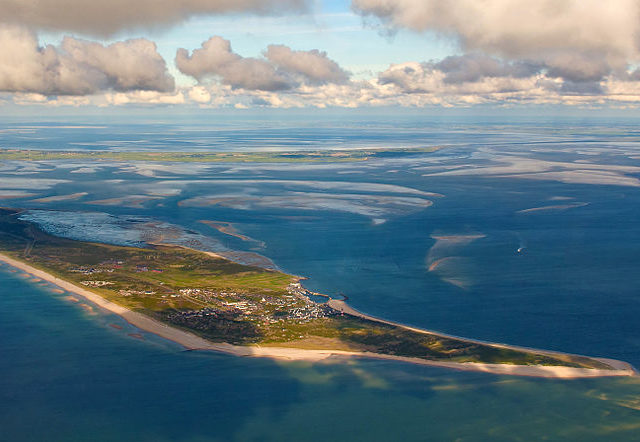
Wadden Sea

Germany will work with the Dutch exploration and production company, ONE-Dyas, to operate a gas field in the North Sea above Schiermonnikoog and the German Wadden island of Borkum, Dutch broadcaster NOS reported on Wednesday.

The announcement was made on Tuesday by Bernd Althusmann, economy minister of the state of Lower Saxony, NOS reported.

“We cannot afford to ask the Netherlands for more gas and continue to refuse to extract our own gas,” Althusmann said.

EURACTIV

Meanwhile, the US offshore program continues to be paralyzed.

Read Full Post »

Why U.S. Oil Companies Aren’t Riding to Europe’s Rescue

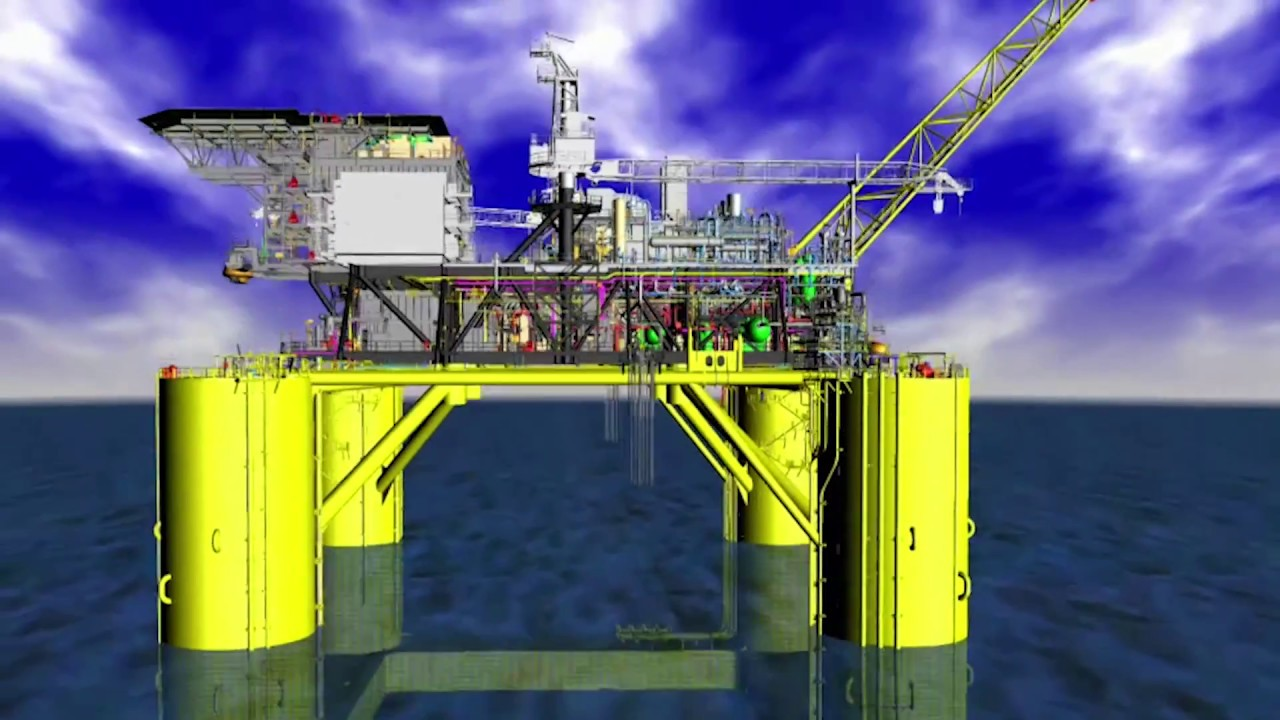
This article is primarily about Texas shale oil production. Offshore production, particularly in deepwater areas, is much more capital intensive, requires longer lead times, is exclusively on government leases, and is highly regulated by multiple agencies. These factors weigh against quick responses to market conditions. A Bloomberg article about Shell’s Vito project provides a good offshore perspective.

Vito

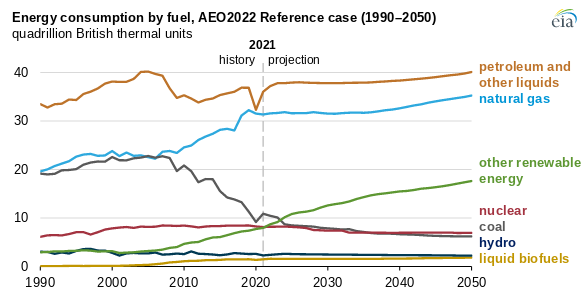
Another important factor in the offshore sector is that the major oil and gas producers seem to be going through an identity crisis, torn between what they are and what they (aided by some loud and powerful voices) think they should be. The future of these companies is dependent on how they navigate through all of this. The need for oil and gas is clearly not going away (see EIA projection below). Who will provide the supply and where will it be produced?

Read Full Post »

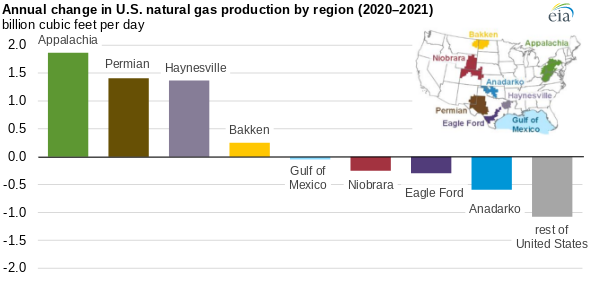
The administration has taken steps toward a resumption of leasing on Federal onshore lands, which account for only 7% of domestically produced oil and 8% of our natural gas. While this is a positive step, our economy is largely being driven by production on private lands, absent which we would have a serious supply crunch. This new EIA graphic illustrates where the growth in natural gas production has been, and most of that growth has been on private land.

The growth in US oil production has been largely dependent on the Permian Basin:

Industry leaders have raised concerns about the extent to which Permian production can continue to grow and the country’s over-reliance on shale production.

There are no private offshore lands, and the future of US offshore production is almost entirely in the hands of the Federal government. It has now been 525 days since the last offshore lease sale. The Administration chose not to appeal the DC Federal Court decision vacating Sale 257, leaving that to the State of Louisiana and API (parties that actually support offshore oil and gas leasing).

It’s disappointing that the reasoning behind the judge’s Sale 257 decision has received so little attention, especially given that it hinged on BOEM not analyzing the benefit of high oil prices. (i.e. <leasing = <production = >prices = <intl consumption = < CO2) The decision was issued as Russian troops were amassing on the Ukraine border only 28 days before the invasion. Oil prices (WTI) had already reached $87/bbl and would soon spike to $120/bbl, so the decision embracing higher oil prices was (at best) bad timing. Keep in mind that this was not a matter of BOEM failing to consider GHG issues; BOEM had conducted those assessments. The judge’s decision was specific to BOEM not analyzing the GHG benefits of reduced foreign consumption as a result of the higher prices associated with reduced leasing.

Meanwhile, The 5 year program, without which offshore leasing cannot proceed, expires in June. Fellow Democrats Manchin and Kelly sent a letter to the President on 31 March urging the Administration to develop and implement a new 5 year program without delay. There is no online evidence of a response. Presumably, the 5 year program issue will be addressed in the bipartisan energy legislation that Senator Manchin is drafting.

Read Full Post »

Paul Post – Mardi Gras, New Orleans

The offshore world lost an outstanding petroleum geologist when my friend and former colleague Paul Post passed away last week. His detailed obituary is linked.

Paul was the world’s leading authority on the oil and gas resource potential of the US Atlantic. He was also a gifted speaker who was skilled at presenting technical data to lay audiences. As Paul explained it, the US Atlantic has not been explored in paleo deep- and ultra-deepwater areas using exploration concepts proven successful in analogous West African and South American settings where massive discoveries have been made.

Paul estimated that the US Atlantic could contain 21.4 billion BOE with the major caveat that the presence of a working petroleum system was required and that could only be determined through drilling. At this point, the probability of major discoveries was thus modest, but the resource potential (should discoveries be made) was massive.

Unfortunately, Paul’s theories may never be tested. Prior to the 2020 elections, our self-described “energy dominance” President cynically withdrew the prospective Mid and South Atlantic areas through 2032. He had already withdrawn the highly prospective Eastern Gulf of Mexico in response to Florida political interests (even though the best EGOM prospects are more than 100 miles from Florida’s coast). Our current energy deficit President seems content to not hold any offshore lease sales while drawing down our strategic reserves.

Oh well, it was a great privilege to have known Paul and worked with such a dedicated professional. I’ll close with a couple of his favorite quotes:

“Uncertainty is an essential and nonnegotiable part of a forecast.”

Nate Silver, The Signal and the Noise

“The time to hesitate is through.”

Jim Morrison, Poet, Songwriter, and Lead Singer of The Doors

Read Full Post »

« Newer Posts - Older Posts »