Feeds:
Posts
Comments

Archive for the ‘energy policy’ Category

None of the plaintiffs issued a press release or otherwise announced the lawsuit on their websites.

How often do Attorneys General from 3 States sue the Federal government without broadly publicizing their actions? Neither the AG for Louisiana, Texas, nor Mississippi issued a press release to announce their suit to block BOEM’s financial assurance rule.

The limited media coverage of the lawsuit originated from a single Reuters article. Apparently Reuters learned about the suit and reached out to the litigants. Their article quoted Louisiana Attorney General Liz Murrill as follows:

This is a really egregious direct assault on intermediate level producers of oil and gas, and that affects a lot of business in our state,” Murrill told Reuters in an interview.

That quote is all we have from the AGs. Why the absence of announcements:

State of Louisiana et al v. Deb Haaland et al

Plaintiff:State of Louisiana, Louisiana Oil & Gas Association, State of Mississippi, State of Texas, Gulf Energy Alliance, Independent Petroleum Association of America and U S Oil & Gas Association
Defendant:Deb Haaland, U S Dept of Interior, Bureau of Ocean Energy Management, Elizabeth Klein, Steve Feldgus and James Kendall
Case Number:2:2024cv00820
Filed:June 17, 2024
Court:US District Court for the Western District of Louisiana
Presiding Judge:James D Cain
Referring Judge:Thomas P LeBlanc
Nature of Suit:Other Statutes: Administrative Procedures Act/Review or Appeal of Agency Decision
Cause of Action:28 U.S.C. § 2201 Constitutionality of State Statute(s)
Jury Demanded By:None

Read Full Post »

This action figure of Willie Mays making his signature basket catch has been a prized possession since 1957. Baseball was, by far, the most important American sport back then and Willie was a megastar. I was a Phillies fan, but loved Willie, as did baseball fans everywhere. Below is a 7 minute video that nicely captures the man and his game.

From an offshore energy perspective, the US offshore program also had “rookie” status when Willie joined the Giants in 1951. BSEE’s borehole file lists 93 wells spudded prior to July 1, 1951 in what became the Federal waters of the Gulf. Per BOEM’s structures file, 27 platforms had been installed by that date. The Submerged Lands Act and OCS Lands Act were enacted 2 years later to provide a framework for the leasing and development that followed.

Read Full Post »

What’s their solution?

Since the States don’t seem to think there is much risk, perhaps they would like to guarantee decommissioning expenses. Have they looked into the Cox bankruptcy? How about Platforms Hogan and Houchin and the complex decommissioning challenges in the Pacific. Are they comfortable with taxpayer funding for offshore decommissioning?

BOE recently defended the new BOEM rule. If anything, the rule is too lax in that compliance and safety records are not considered in determining financial assurance requirements and lessees may use reserve estimates to reduce supplemental assurance amounts.

Read Full Post »

Your tax dollars at work. Highway project? No, Federally funded decommissioning in the Matagorda Island area of the Gulf of Mexico.

This unprecedented use of Federal funds for offshore facility decommissioning does not reflect favorably on lease management practices.

Hopefully, this is not the tip of the iceberg, but most of the estimated $4.5 billion in decommissioning liabilities associated with the Cox bankruptcy loom, as do legal questions regarding liability for Platforms Hogan and Houchin Santa Barbara Channel, and the 1130 remaining pre-1997 platforms. What portion of those liabilities cannot be assigned to prior owners with sufficient financial resources to cover the decommissioning costs?

https://www.youtube.com/watch?v=0nU-Fl-gfUg

Read Full Post »

At Sale 261, Repsol was the sole bidder for 36 nearshore Texas tracts in the Mustang Island and Matagorda Island areas (red blocks at the western end of the map above). Exxon acquired 163 nearshore Texas tracts (blue in map above) at Sales 257 (94) and 259 (69).
  • The 199 oil and gas leases that were wrongfully acquired for carbon disposal purposes remain idle with the government collecting rental payments at the rate of $10/acre/yr ($7 for Sale 257 leases). Collectively, this amounts to approximately $10 million/yr.
  • Presumably, the lessees cannot claim CCS tax credits for their bonus and rental payments.
  • The primary term for these leases is only 5 years, and the clock is ticking. The 94 oil and gas leases acquired by Exxon at Sale 257 for carbon disposal purposes are approaching the end of their second year. They would be almost a year older if litigation hadn’t delayed the issuance of Sale 257 leases (break for Exxon?).
  • No exploration plans have been filed for any of these leases. Presumably Exxon and Repsol do not intend to drill any wells unless the leases are converted to authorize carbon disposal.
  • The “Infrastructure Bill,” signed 2 days before Sale 257, required the Secretary of the Interior to promulgate regulations not later than one year after the date of enactment (11/15/2021). That deadline has long passed.
  • The delay in the regulations is understandable given the complex lease management, operational, and environmental issues.
  • Like the practices and operations they are intended to enable, the regulations are certain to be divisive. Neither the offshore industry nor the environmental community are of one mind on these issues, particularly with regard to the acquisition of oil and gas leases for carbon disposal purposes.
  • Energy Intelligence suggests that final carbon disposal regulations will be promulgated this year. This is highly unlikely, given that a proposed rule must first be published for public comment.
  • Interior could seek to demonstrate “good cause” for a direct final or interim final rule. However, such an attempt at corner-cutting is unlikely, especially given the controversy associated with carbon disposal.
  • Publication of a proposed rule prior to the election is unlikely – too controversial.
  • Presumably, the regulations will establish a competitive process for the conversion of any oil and gas leases.
  • The leases that were wrongfully acquired at Sales 257, 259, and 261 should not be extended for any period of time, even if their expiration date approaches before a competitive process is established.

Closing comment: “Sequestration” is a euphemism that is being incorrectly applied to soften the reality of disposing carbon beneath the Gulf of Mexico. Sequestration implies storage for later use and that is clearly not the intent. Because carbon disposal is arguably dumping, a special exemption from the Marine Protection, Research, and Sanctuaries (Ocean Dumping) Act of 1972 had to be added to the Infrastructure Bill.

Read Full Post »

DUBAI, June 13 (Reuters) – OPEC does not see a peak in oil demand in its long-term forecast and expects demand to grow to 116 million barrels a day by 2045, and may be higher, the secretary general said on Thursday.

The International Energy Agency said in a report on Wednesday it sees oil demand peaking by 2029, levelling off at around 106 million barrels per day (bpd) towards the end of the decade.

Hathaim Al Ghais, writing in Energy Aspects, called the IEA report “dangerous commentary, especially for consumers, and will only lead to energy volatility on a potentially unprecedented scale”.

IEA’s credibility has been questioned in recent years, while OPEC’s forecast have been reasonably accurate.

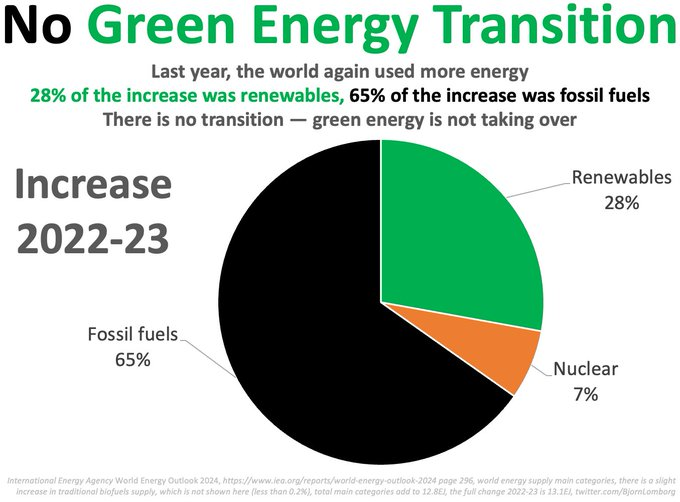
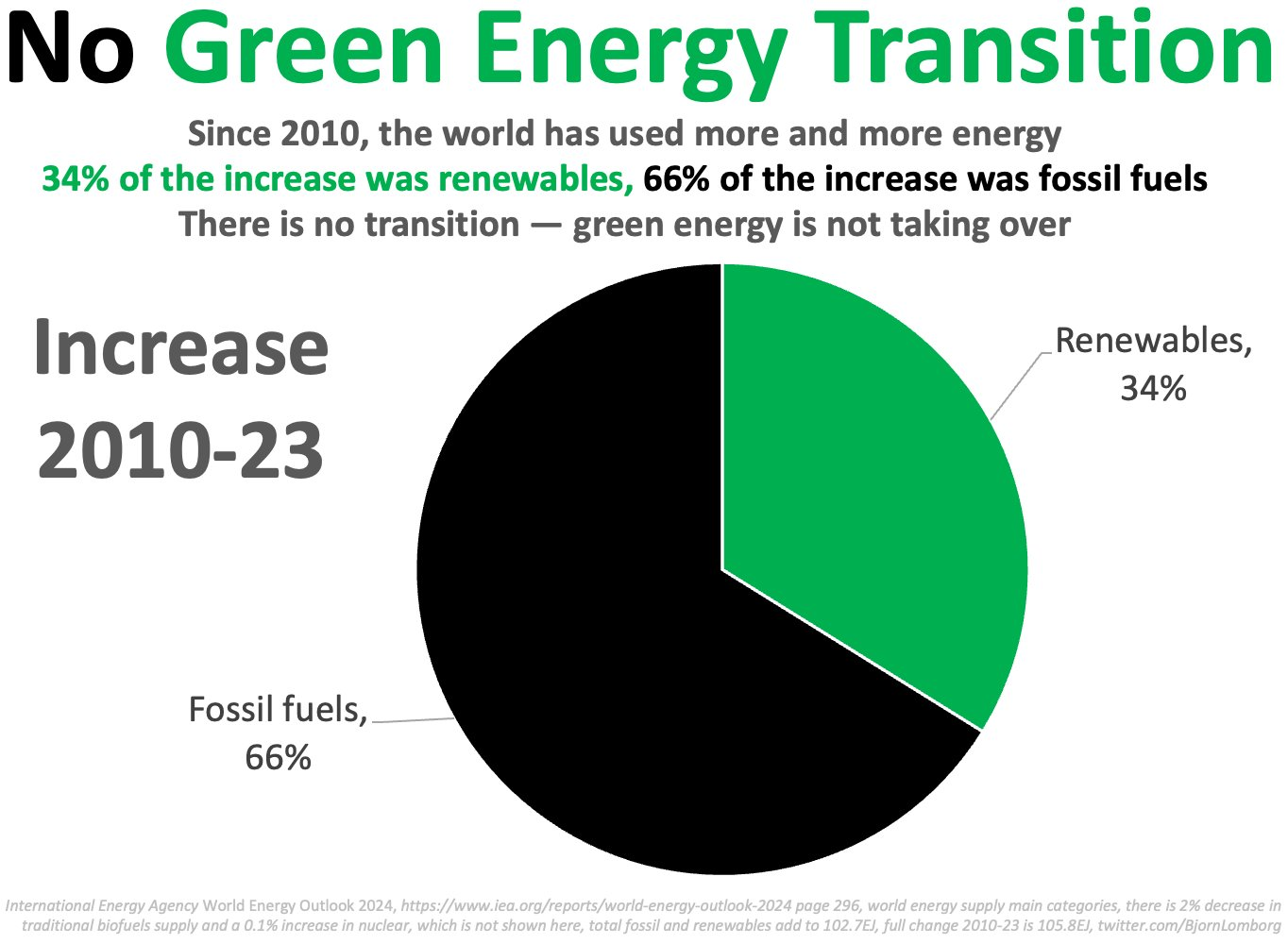
Perhaps the most likely path to oil demand peaking by 2029 is a worldwide recession that the energy policies encouraged by IEA could precipitate. Energy policy in the US and elsewhere suffers from the illusion that a transition to an economy based on intermittent energy sources is imminent. Remarkably, the authors of our 5 year offshore leasing plan were concerned that offshore production would continue for too long. That line of thought led to a 5 year plan no lease sales except for 3 that are a prerequisite to issuing new wind leases.

Read Full Post »

or moving in reverse!

24 million bbls have been added since the reserve was drained to the historic low of 347 million bbls last July. At this rate and assuming no further sales, the SPR will be refilled in a scant 15 years!

Read Full Post »

Based on BOEM and BSEE lease and well data for the past 10 years, LLOG’s Dome Patrol field appears to have reached first production in the shortest time for any new deepwater field. Less than 6.5 years after acquiring the Mississippi Canyon lease, LLOG began producing from a single Dome Patrol well (Mississippi Canyon Block 505) that is tied back to the Who Dat subsea infrastructure.

Lease No.Lease DateField Discovery DateFirst ProductionOperatorField NameWater Depth
G358277/1/20167/14/202012/15/2022LLOGDome Patrol3225′

Karoon Energy recently acquired a 30% interest in Dome Patrol as part of their Who Dat acquisition. Their presentation on that acquisition is informative.

Dome Patrol was the nickname for the outstanding linebacker corps of the New Orleans Saints during the late 1980s and early 1990s, and is thus consistent with the Who Dat theme.

Read Full Post »

NZ oil and gas fields

April 2018: New Zealand is halting all new offshore oil and gas exploration to become a global leader in the fight against climate change, the centre-left government said Thursday, but opponents accused it of “economic vandalism”.

June 2024: The country’s coalition government is preparing to invite energy companies to resume exploration in the three major offshore fields that supply most of its gas. It comes after National Grid operator Transpower was last month forced to warn families to limit their electricity usage to avoid a shutdown during a cold snap.

Will the policy changes, the details of which remain to be announced, be sufficient to attract E&P investors?

Read Full Post »

Rick Carrier became the first allied soldier to discover the Buchenwald concentration camp. The next day, April 11, 1945, he marched into the camp with Patton’s Third Army and liberated the prisoners.

More than a half century later, and after leading a successful effort to protect the American bald eagle, he was the first person to submit an offshore wind application to the Minerals Management Service.

Rick Carrier with life partner Lynn Ramsey, in Poland, following the 2012 March of the Living. Photo courtesy Lynn Ramsey.

Rick wanted nothing from the government except the opportunity to demonstrate his green hydrogen concept with a single turbine in the Atlantic. He did not ask for any subsidies or research grants. This war hero from the greatest generation just wanted to continue doing great things for the country and the world.

Unfortunately, the Energy Policy Act of 2005 had yet to be enacted, and the framework for permitting such projects had not been established. While we tried to find a way to make the project possible, the legal obstacles were too great.

It was an honor to have worked with Rick on his green hydrogen initiative. RIP.

Read Full Post »

« Newer Posts - Older Posts »