The oil industry has a long history of dealing with the correlative rights issues associated with oil drainage from competitive reservoirs. Similar issues are arising in the offshore wind industry.
Orsted claims that four nearby wind farms in the Irish Sea could result in a drop in Orsted’s annual energy production of up to 5.34%, and is seeking mitigation or compensation.
This is all rather familiar to the oil industry and its regulators, particularly the call for compensation!
“The California Coastal Commission is simply out of control and has veered far from its purpose of protecting the coast,” said Rep. Kiley. “From blocking SpaceX rocket launches to obstructing fire prevention projects, the Commission has repeatedly threatened the safety of Californians and weakened our national defense, while needlessly undercutting innovation and economic progress. The need to rein in the Commission has become urgent as we face the challenge of rebuilding Los Angeles following the fires. ”
The bill (attached), introduced by Kevin Kiley (CA), would amend the Coastal Zone Management Act (CZMA) to expedite important coastal activities, including national security initiatives, critical infrastructure development, and disaster mitigation and recovery efforts. Key provision:
‘‘(2) LIMITATION ON OBJECTION.—An objection or other challenge by a coastal state to an activity subject to a conclusive presumption of concurrence under paragraph (1) may not delay or otherwise prevent the activity from proceeding.”
While perhaps unlikely to be enacted, the bill addresses regulatory authority that many perceive to be unchecked and abusive. Congressional attention is clearly warranted.
Is Germany taking energy masochism to a new level?:
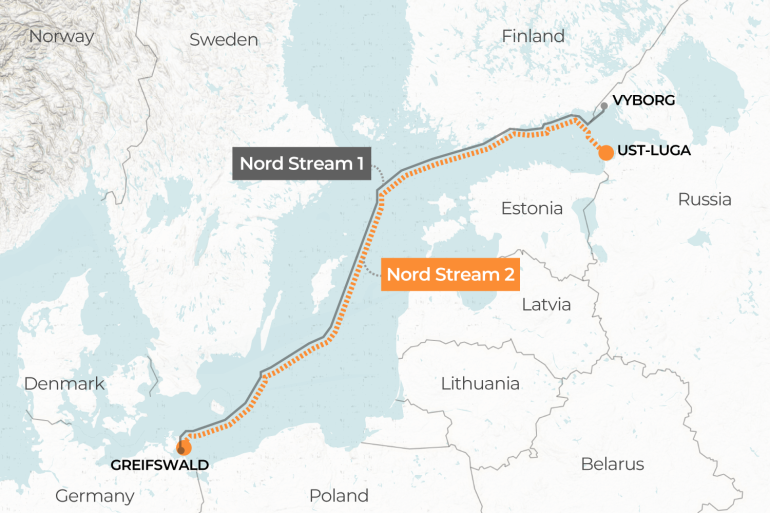
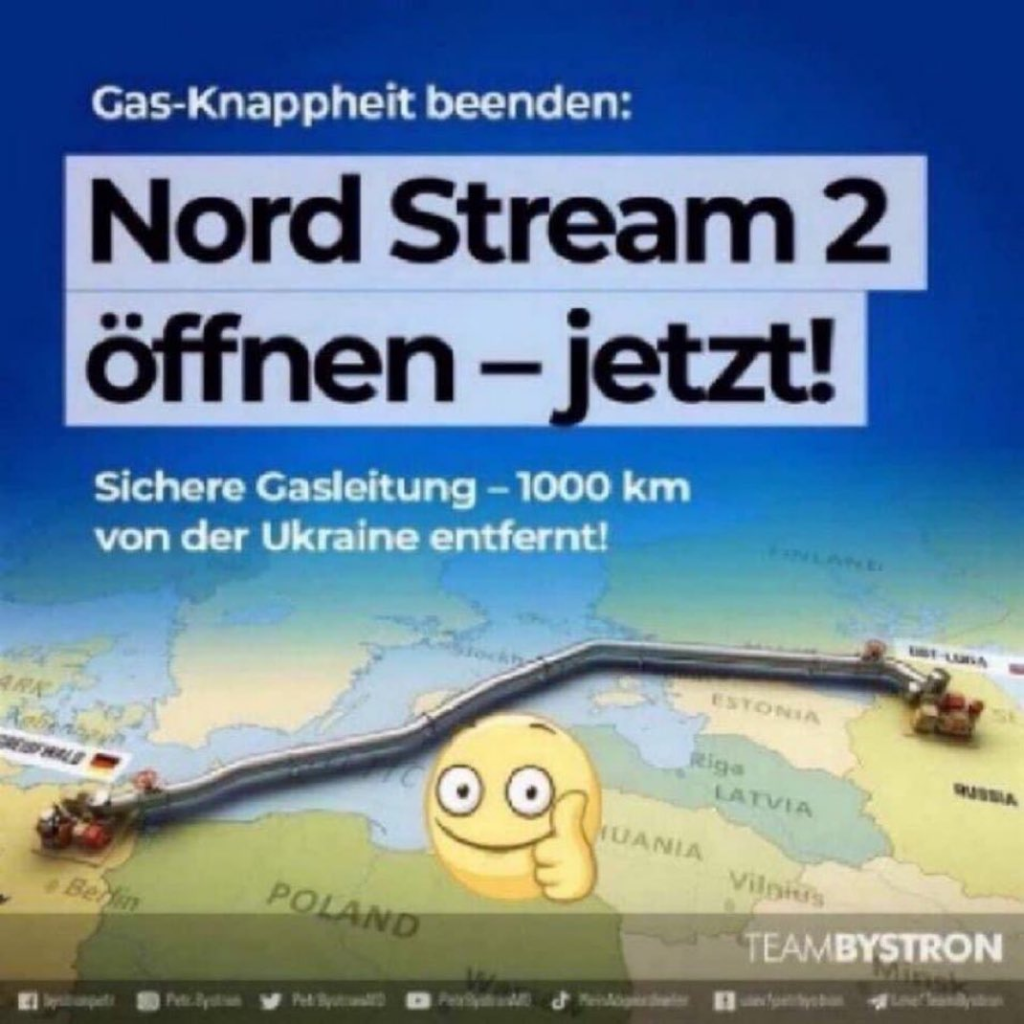
MSN: “Germany is exploring levers to prevent the resumption of Nord Stream 2. The pipeline may allegedly be restarted under an agreement between the US and Russia as part of the settlement of the war in Ukraine, Bild reports.“
“According to Bild and the Financial Times, secret talks have been going on between representatives of Russia and the United States for several weeks now about American investors buying the damaged Nord Stream 2 pipeline in the Baltic Sea.“
Good questions by Swedish engineer and independent Nord Stream investigator Erik Andersson:
“Wow! Why on earth would Germany stop gas through Nord Stream 2 if the war ends and USA approves it?“
“Richard Grenel who was involved in sanctioning NSP2 in 2019 is mentioned as a player in the article. After the explosions 2022, Grenel said the first Trump admin was against NS2 but not NS1 which was delivering an acceptable amount of gas without making Germany too dependent on Russia. I wonder if the current Trump admin still think that two out of the four Nord Stream pipelines could be opened without creating a dangerous dependency on Russia?“
The Alternative für Deutschland (AfD) party, supports a Nord Stream restart. Despite the AfD’s strong second place finish in the recent national elections, the leading CDU party is trying to keep the AfD out of the governing coalition.
Politico.EU: “NATO will send around 10 ships to guard important underwater infrastructure in the Baltic Sea by the end of the week, Finnish newspaper Yle reported on Tuesday.
Why increase operating costs and expose platform operations to power disruption risks when there is no net environmental benefit?
BP has announced it will cut its renewable energy investments and instead focus on increasing oil and gas production.
The energy giant revealed the shift in strategy on Wednesday following pressure from some investors unhappy its profits and share price have been lower than its rivals.
BP said it would increase its investments in oil and gas by about 20% to $10bn (£7.9bn) a year, while decreasing previously planned funding for renewables by more than $5bn (£3.9bn).
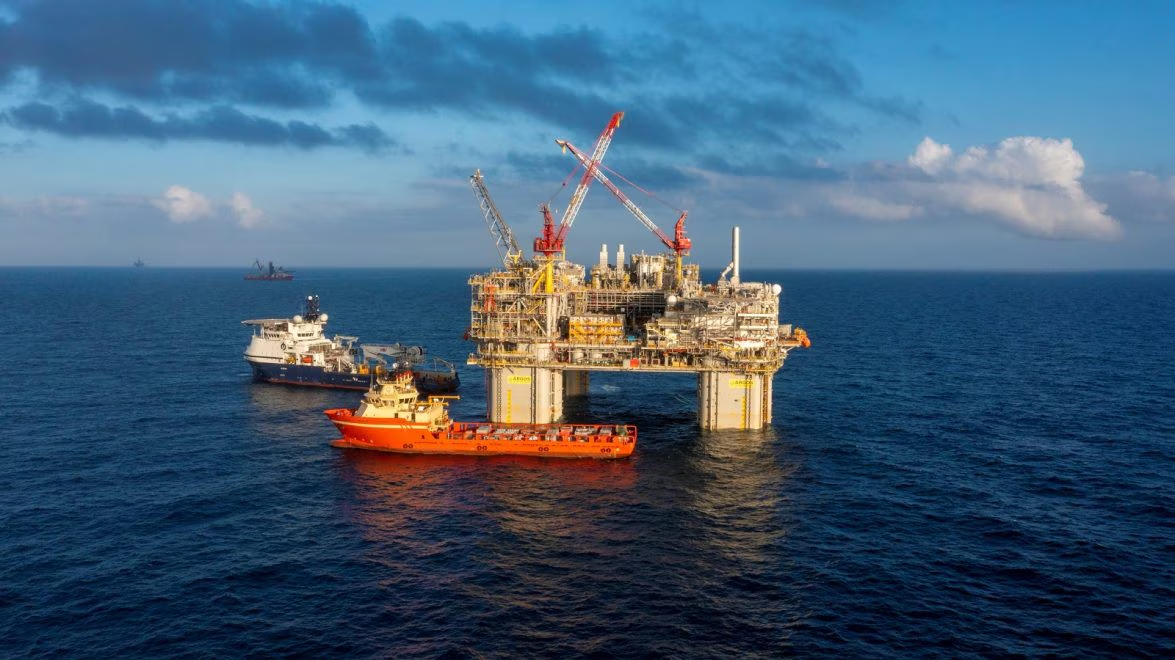
The future looks like this: BP Argos floating production unit, Gulf of America – simpler, safer, greener
It’s more than okay to be an oil and gas producer – no need to apologize or pretend to be something else. Oil and gas are, and will continue to be, essential to economies worldwide. Companies should focus on safely and cleanly achieving production objectives.
If a company thinks other types of energy investments make good business sense, they should engage in those activities. However, they should not do so to curry favor with anti-oil factions who can never be placated. Attempts to do so will only weaken your company.
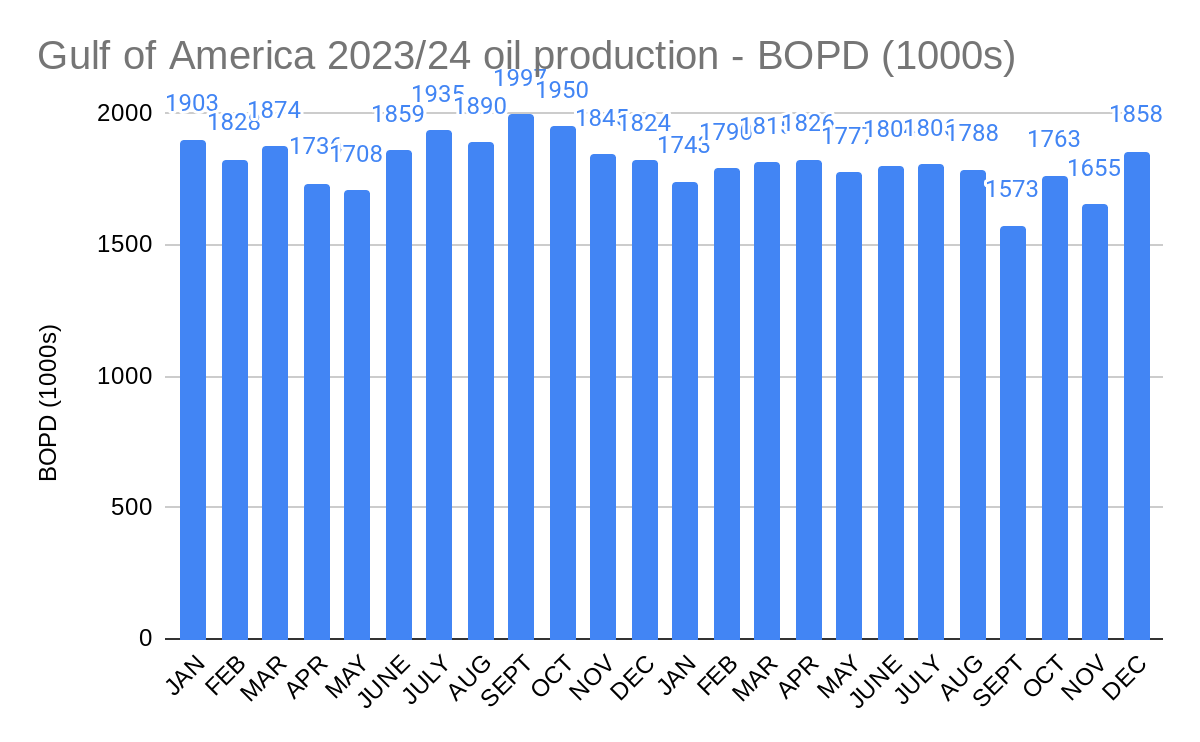
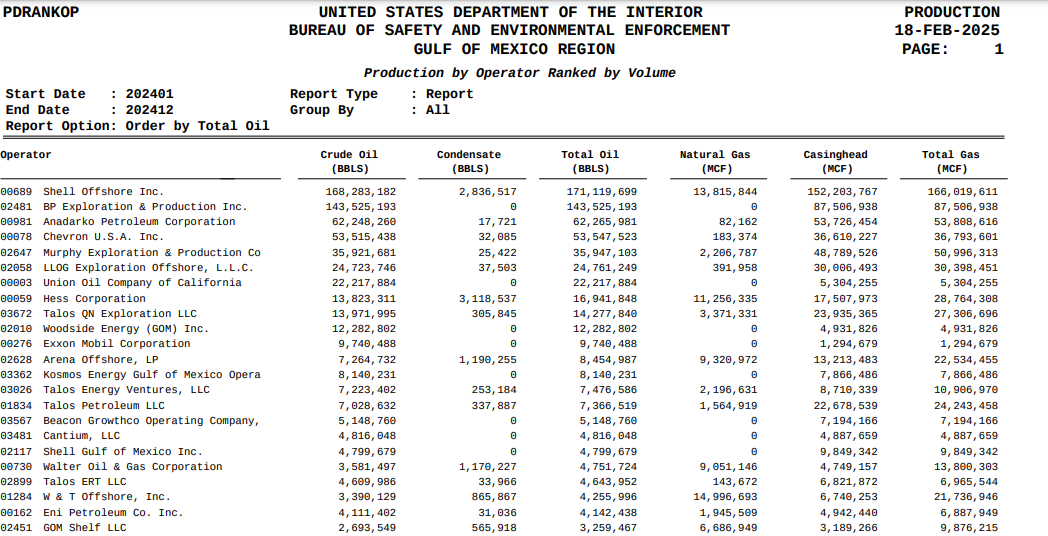
BP is doing well in the Gulf of America – no. 2 producer in 2024.
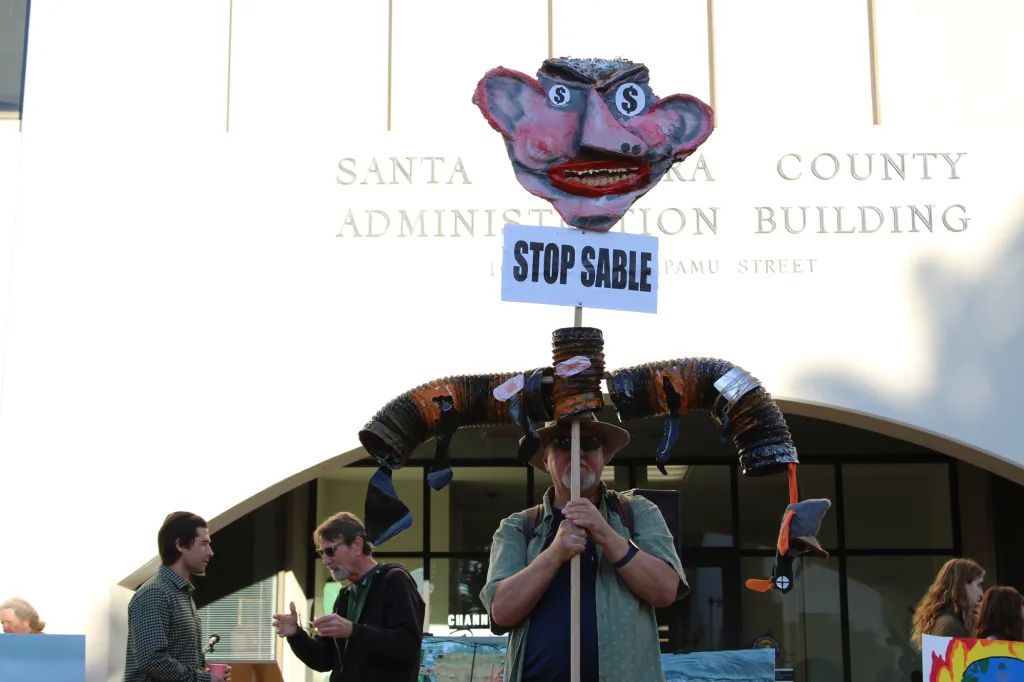
The Santa Barbara County Board of Supervisors tie vote on the transfer of permits from Exxon to Sable has both sides declaring victory! (And I thought I was the only one who was confused!)
“During Wednesday’s meeting of the county Planning Commission, Lisa Plowman, director of Planning & Development, expressed uncertainty about the future of the permits and said the split vote meant that the board took no action.
“We are in the process of (…) determining what that actually means in the long run for Sable and the opponents,” Plowman said.”
“The county has not in recent memory had a tie vote under this section. The county is looking into what happens next.”
Sables’ take: “Sable is pleased the appeals failed and the Planning Commission’s approval of the Santa Ynez Unit permit transfer to Sable stands. We look forward to continuing to work with the county to finalize the permit transfer and to safely restarting production as soon as possible.”
Environmental Defense Center’s take: “We applaud the Board of Supervisors’ decision to NOT transfer permits to Sable to operate a defective pipeline and dangerous processing facilities on our shores.”
Just when you thought this couldn’t get more complicated!😖😣
The Board voted 2-2 to uphold the approval of the transfer of permits from Exxon to Sable. The tie vote meant the appeal of the previous approval failed.
Interestingly, one of the Supervisors reportedly slammed the California Coastal Commission for being politically motivated and abusing the law.
Now that the favored wind industry is struggling, the Washington Post is conveniently endorsing an “all of the above” energy policy and urging Interior Secretary Burgum to “stand up for wind energy.” Where was this support for “all of the above” when offshore oil and gas leasing was halted, important pipeline approvals were being denied, States were banning hydraulic fracturing, nuclear plants were stalled, and coal workers were being told to “learn how to code?”
WP: “Opponents of wind power — many of them tied to the fossil fuel industry — have taken note and are furiously lobbying the government to block projects already under construction, as well.”
Comments:
The fossil fuel industry is frequently accused of supporting groups that oppose wind energy, yet names and details are never provided.
Most opponents of offshore wind are members of grass roots groups that have no connection to the oil and gas industry.
Supporting anti-wind groups would be foolish from legal, political, and public relations standpoints.
Wind opposition would also be contrary to the business plans of most oil and gas companies, some of which are/were major wind energy investors.
Lastly, most anti-wind groups are also opposed to offshore drilling. Would “Big Oil” fund groups like this?
WP: “China’s capacity for wind power is already three times that of the United States.”
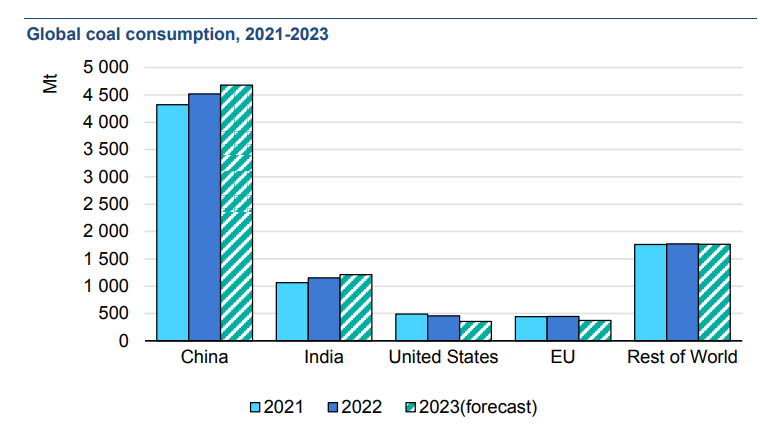
Comment: Does this make China an environmental leader? Does the WP also support China’s world-leading and still growing coal consumption (see below)?
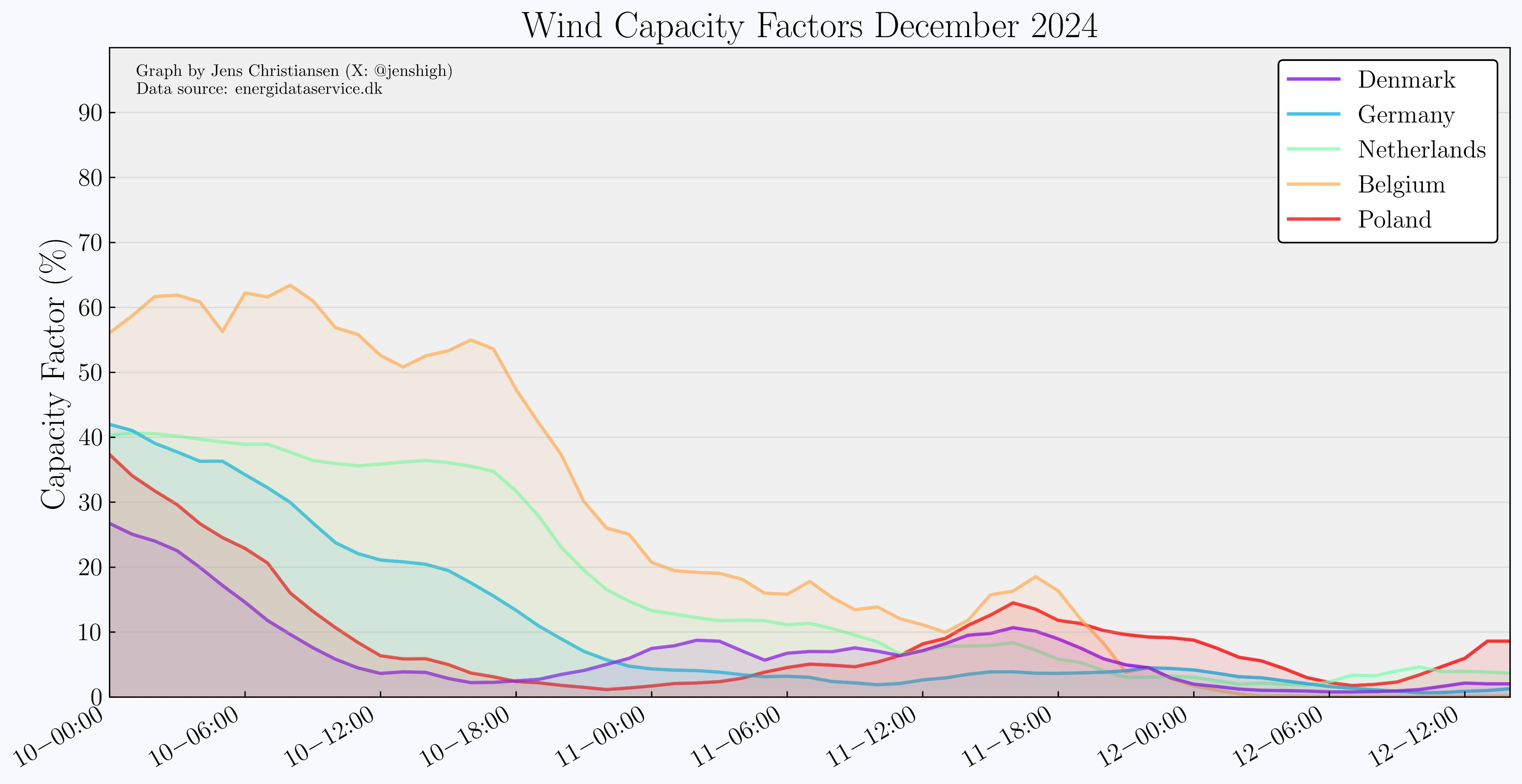
WP: “Denmark derives about 60 percent of its total energy from wind.”
Comment: Is the WP unconcerned about the intermittency of wind power, the dramatic fluctuations in capacity factors, and the need for alternate power sources, typically coal and natural gas? How do these wind capacity factors look (chart below)? Does the WP support other Danish climate policies like the tax on cow emissions?
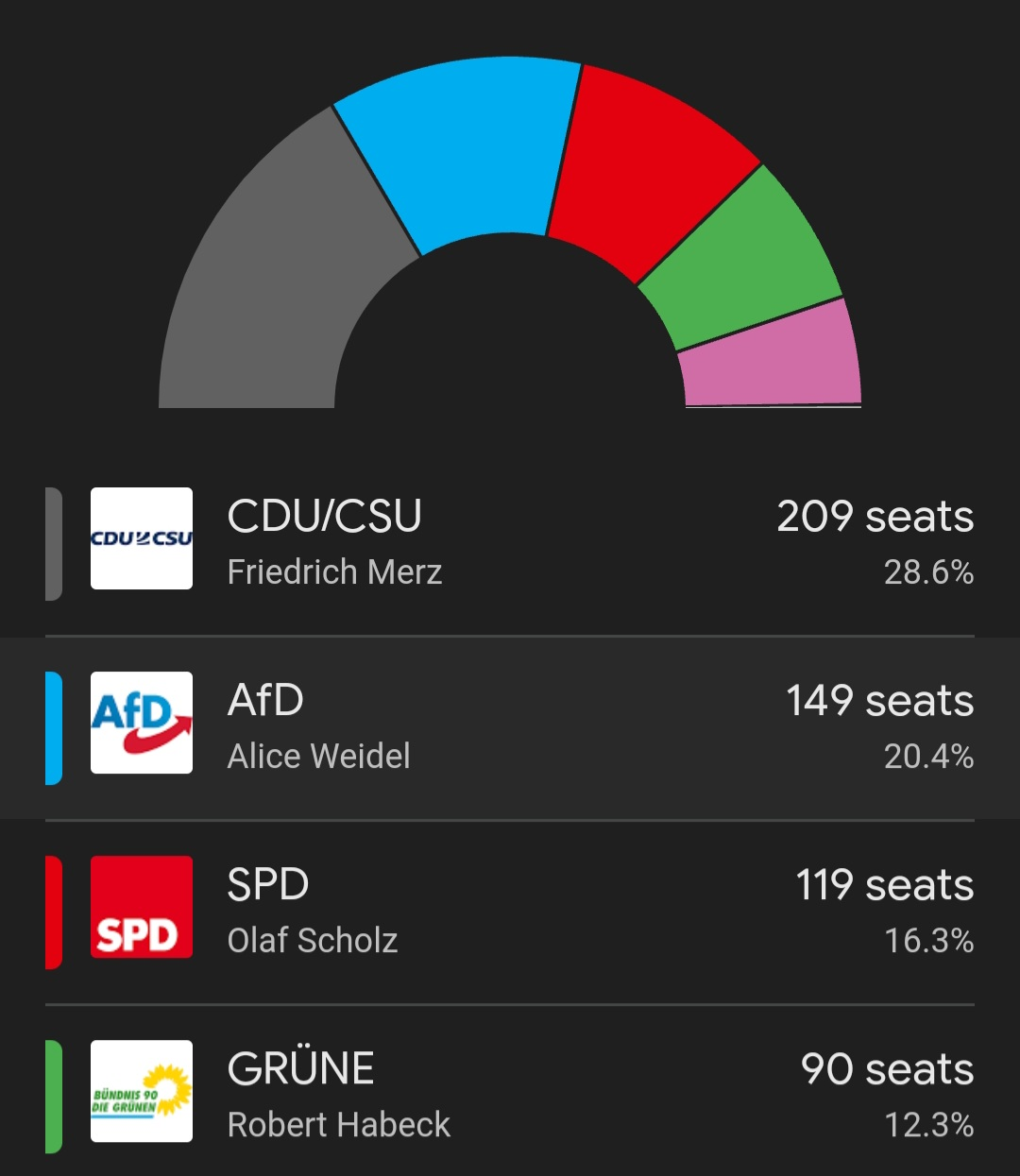
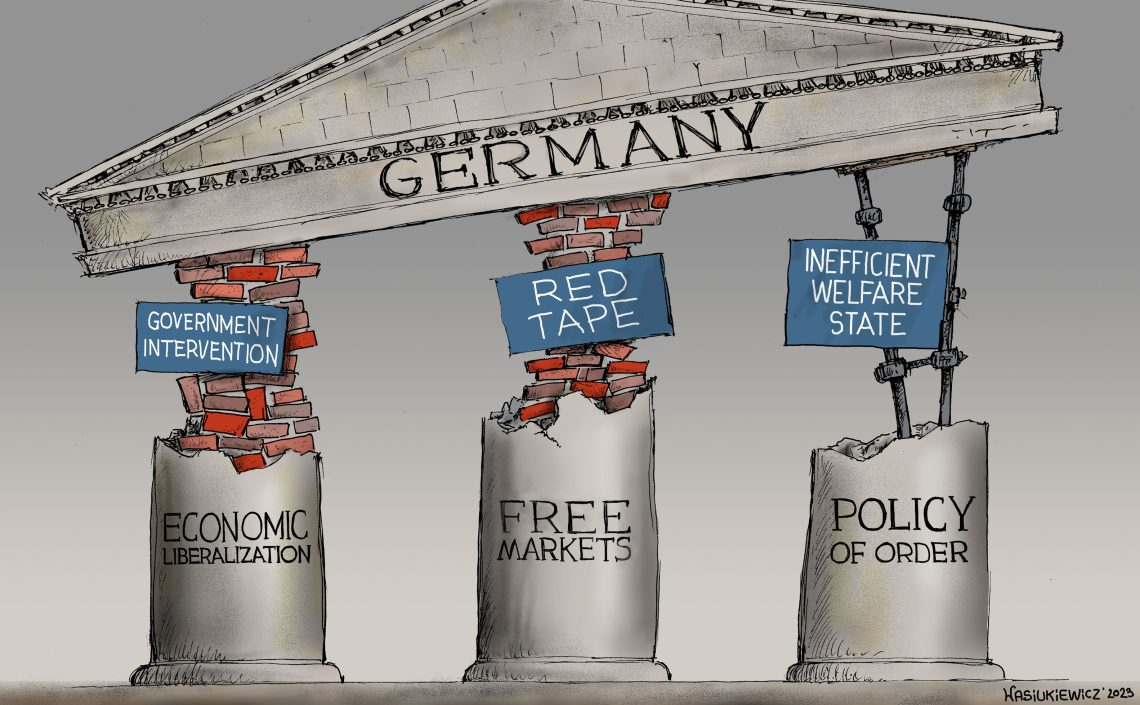
The nominally conservative CDU has vowed not to form a coalition with the “far-right” (actually conservative libertarian) AfD, and will thus have to join hands with the left-leaning SPD and Greens. This doesn’t bode well for the significant changes many believe are needed.
On the plus side for AfD supporters, the party’s growth in just 8 years has been most impressive:
2017: AfD – 0 seats (4%)
2021: AfD – 94 seats (12%)
2025: AfD – 150+ seats (20%)
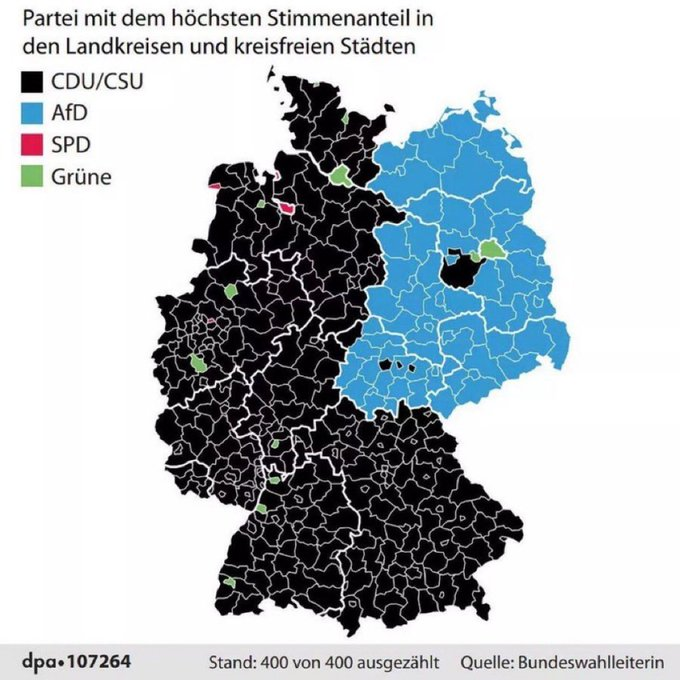
AfD was dominant in the East which fears a return of the Marxism they experienced prior to the “Wende.”
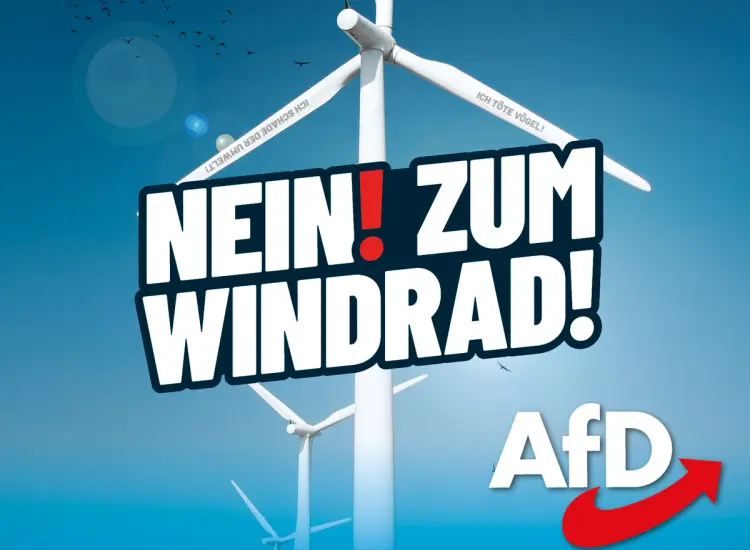
AfD’s energy policy (p.77) seems pretty sensible given the supply and cost challenges facing Germany. A few highlights:
The AfD supports “Protection of the Environment”, but not the “German Climate Protection Policy” and plans for “decarbonization” and the “Transformation of Society”. They want to end the perception of CO² as an exclusively harmful substance and stop Germany’s maverick policy in the reduction of CO² emissions.
Because the average output is so variable, renewable energy generators are not viable replacements for conventional large power stations.
Renewable sources necessitate a massive expansion of the electric grid systems and jeopardize grid stability.
Fracking: Explore Opportunities and Risks, Involve Citizens
Nuclear Energy: Explore Alternatives, Grant Lifetime Extensions in the Interim


 Bud's Offshore Energy (BOE)