Through her research of Pennsylvania’s Marcellus Shale play, Lee found that highly concentrated lithium was found in the produced water (water produced as a byproduct during the extraction of oil and natural gas) along with produced natural gas and oil.
“We found lithium in the petroleum-based rock brines, which opens new pathways to address the shale plays as a substantial source of lithium, given that they are ubiquitous in the U.S.,” Lee said.
University of Houston
Archive for the ‘climate’ Category
Lithium shortage? Petroleum engineers to the rescue!
Posted in climate, drilling, energy, tagged Kyung Jae Lee, lithium, Marcellus Shale, Pennsylvania, Petroleum Engineer, University of Houston on May 23, 2022| Leave a Comment »
As energy prices soar, remember these 3 things…
Posted in climate, energy policy, Gulf of Mexico, Offshore Energy - General, tagged 5 year leasing plan, DC Federal Court, India coal, Lease Sale 257, oil prices on May 18, 2022| Leave a Comment »
- Gulf of Mexico Lease Sale 257 was vacated on 1/27/2022 because DC Federal Court Judge Contreras ruled that BOEM failed to consider the “positive” effect that higher prices (the logical result of lower production) would have on reducing foreign consumption and the associated GHG emissions. Think about that in the context of the timing and magnitude of this ruling. Why did the court fail to consider the other logical consequences of tight oil supplies and higher prices – increased coal consumption and energy poverty? To avoid the latter, India, the world’s second largest coal producer and consumer, is boosting coal production to record highs.
- The Administration, which had only proceeded with Sale 257 because a prior court ruling invalidated the President’s leasing pause, chose not to appeal the decision by Judge Contreras. Why appeal a decision that is consistent with your agenda?
- The legislatively mandated 5 year leasing program, without which no Federal offshore leases sales may be conducted, expires at the end of June. This is why last week’s cancellation of the 3 remaining sales in the current 5 year program was rather meaningless. Despite bipartisan congressional support for prompt completion of a new 5 year plan, this does not appear to be a high priority for the Department of the Interior. The only hope for a sale this year might be a successful appeal by Lousisiana and API of Judge Contreras’s Sale 257 ruling.
Interesting shareholder votes
Posted in climate, energy policy, Uncategorized, tagged bp, Chevron, ConocoPhillips, energy transition, Exxon, Marathon, Oxy, Shell, targets on May 17, 2022| Leave a Comment »
From Reuters article:
- bp: Only 15% of shareholder votes backed a call for the company to accelerate its energy transition, compared with the 21% in favor in a similar vote last year.
- Oxy: Only 17% of investors backed a call for emissions-reduction targets. (I wonder how Buffett voted 😀)
- Marathon: 16% supported a measure calling for the company to report on how its transition plans affected workers and communities
- ConocoPhillips: 42% supported an emissions-reductions targeting measure vs. 58% last year.
Exxon, Shell, and Chevron are on deck!
Important hydrogen transmission study
Posted in climate, Offshore Wind, Wind Energy, tagged hydrogen embrittlement, hydrogen transmission, PG&E, Rick Carrier on May 17, 2022| Leave a Comment »
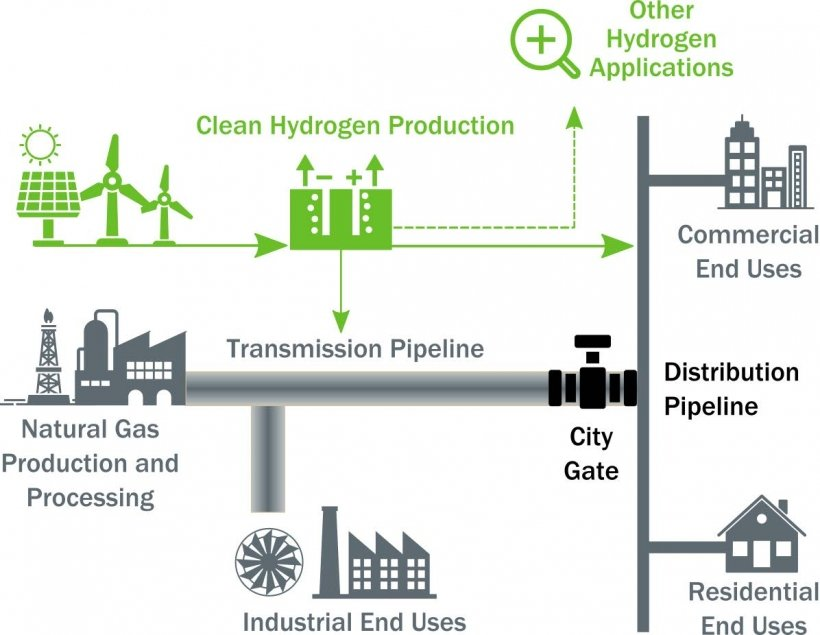
PG&E will conduct a study of different levels of hydrogen blends in a multi-feed, multi-directional natural gas pipeline system that is separate from its current natural gas transmission system.
The study will help to determine the extent to which hydrogen can be transported in natural gas pipelines without introducing embrittlement and other pipeline safety risks.
Good advice to industry execs from Congressman Donalds
Posted in climate, energy policy, Offshore Energy - General, Uncategorized, tagged bullying, Byron Donalds, Congress, JustSayNo on May 16, 2022| Leave a Comment »

The video below is from 6 months ago but is even more relevant today. Those who produce nothing but insults shouldn’t be dictating corporate strategy.
Amen Byron!
Questions about Gulf of Mexico carbon sequestration
Posted in CCS, climate, energy policy, Gulf of Mexico, pipelines, Regulation, tagged BOEM, carbon sequestration, CCS, DOI, Exxon, Gulf of Mexico, infrastructure bill, Lease Sale 257, OCS Lands Act on May 12, 2022| Leave a Comment »
Background:
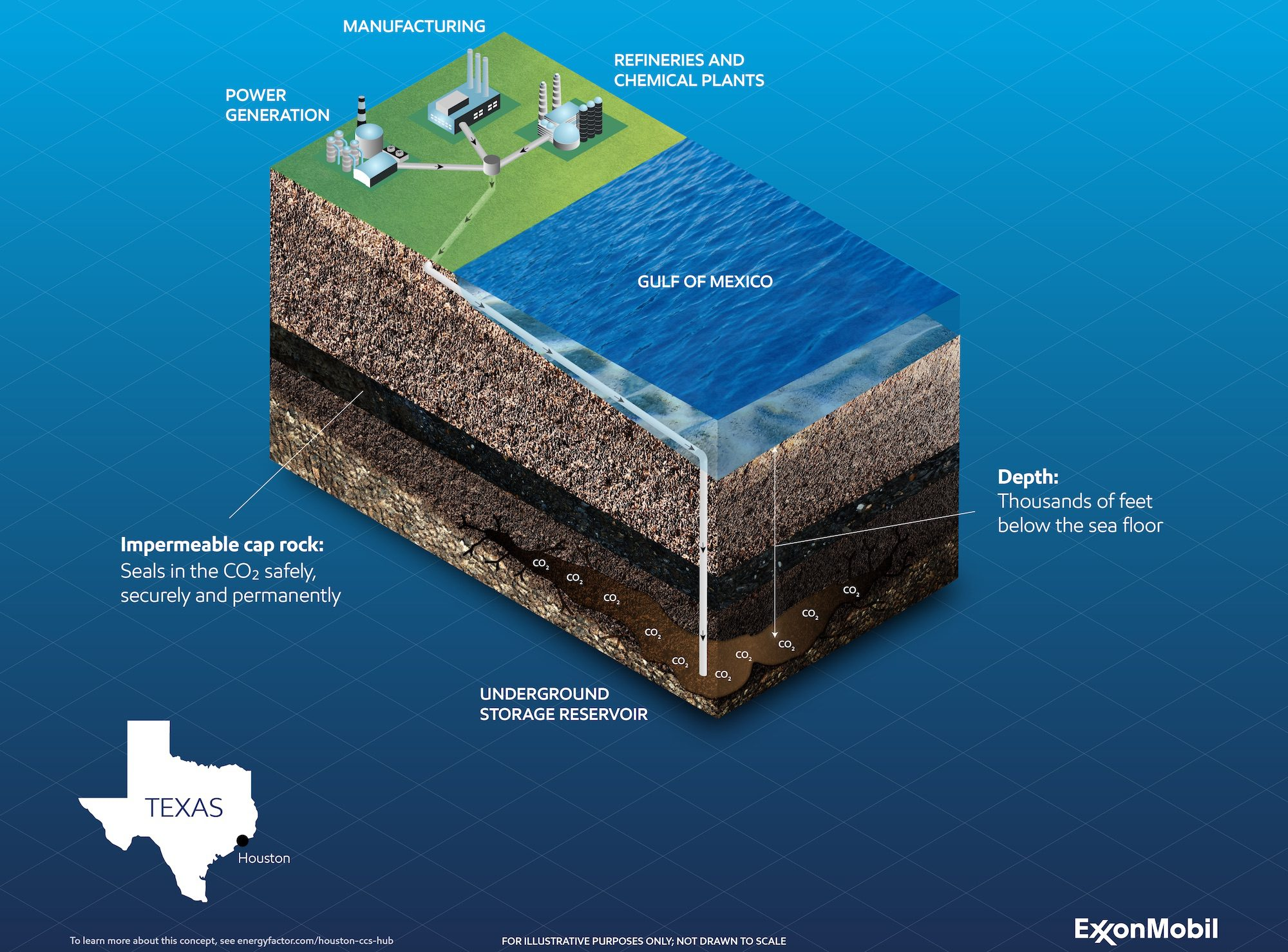
- A provision in the “Infrastructure Bill” that was enacted on 11/15/2021 amended the OCS Lands Act to provide for offshore carbon sequestration.
- Because carbon disposal is arguably dumping, the legislation included an exemption from the Marine Protection, Research, and Sanctuaries (Ocean Dumping) Act of 1972.
- The bill mandated that the Secretary of the Interior (DOI) promulgate implementing regulations within one year (l.e. by 11/15/2022).
- These provisions were added to the bill without debate and their inclusion was a surprise to most observers. Presumably, DOI had the opportunity to review the text, because that is standard practice.
- The legislation also authorized $2.5 billion for commercial sequestration projects.
- 2 days after the Infrastructure Bill was signed (11/17/2022), Exxon was the only bidder (Oil and Gas Lease Sale 257) on 94 nearshore tracts off the Texas coast. The sale notice did not mention carbon sequestration; nor had DOI assessed the potential environmental impacts of sequestration as required by NEPA.
- Sale 257 was vacated by the DC Federal Court for reasons unrelated to the sequestration bids.
Questions:
- What are the costs per ton of offshore carbon sequestration including emissions collection, offshore wells and platforms, the associated pipeline infrastructure, ongoing operational and maintenance costs, and decommissioning?
- What is the timeframe given that the starting point is likely years away?
- How long would CO2 sequestration continue.
- Who pays? Polluters? Federal subsidies? Tax credits?
- Who is liable for:
- safety and environmental incidents associated with these projects?
- CO2 that escapes from reservoirs, wells, and pipelines (now and centuries from now)?
- decommissioning?
- hurricane preparedness and damage?
- For Gulf of Mexico sequestration, how much energy would be consumed per ton of CO2 injected? Power source? Emissions?
- To what extent will these operations interfere with other offshore activities?
- Relatively speaking, how important is US sequestration given:
- the steady progress that is being made via natural gas and renewables?
- the massive emissions elsewhere?
- the continued growth in worldwide coal consumption?
- What are the benefits of offshore sequestration relative to investments in other carbon reduction alternatives?
- Will BOEM conduct a proper carbon sequestration lease sale with public notice (as required by BOEM regulations) such that all interested parties can bid?
- What will be the lease terms?
- Environmental assessment?
- How will bids be evaluated?
- What happens to the Exxon bids if the Judge’s Sale 257 decision is reversed?
- What is the status of the DOI regulations mandated in the legislation with an 11/15/2022 deadline?
- When will we see an Advanced Notice or Notice of Proposed Rulemaking?
- Given that DOI has no jurisdiction over the State waters and onshore aspects of these projects, what is the status of parallel regulatory initiatives?
- Finally and most importantly, how does drilling offshore sequestration wells instead of exploration and development wells increase oil and gas production?
Gulf of Mexico flaring data sets don’t match
Posted in climate, Gulf of Mexico, natural gas, Offshore Energy - General, tagged Argonne, BSEE, EIA, flaring data, Gulf of Mexico, ONRR, UMich, venting, World Bank on May 5, 2022| Leave a Comment »
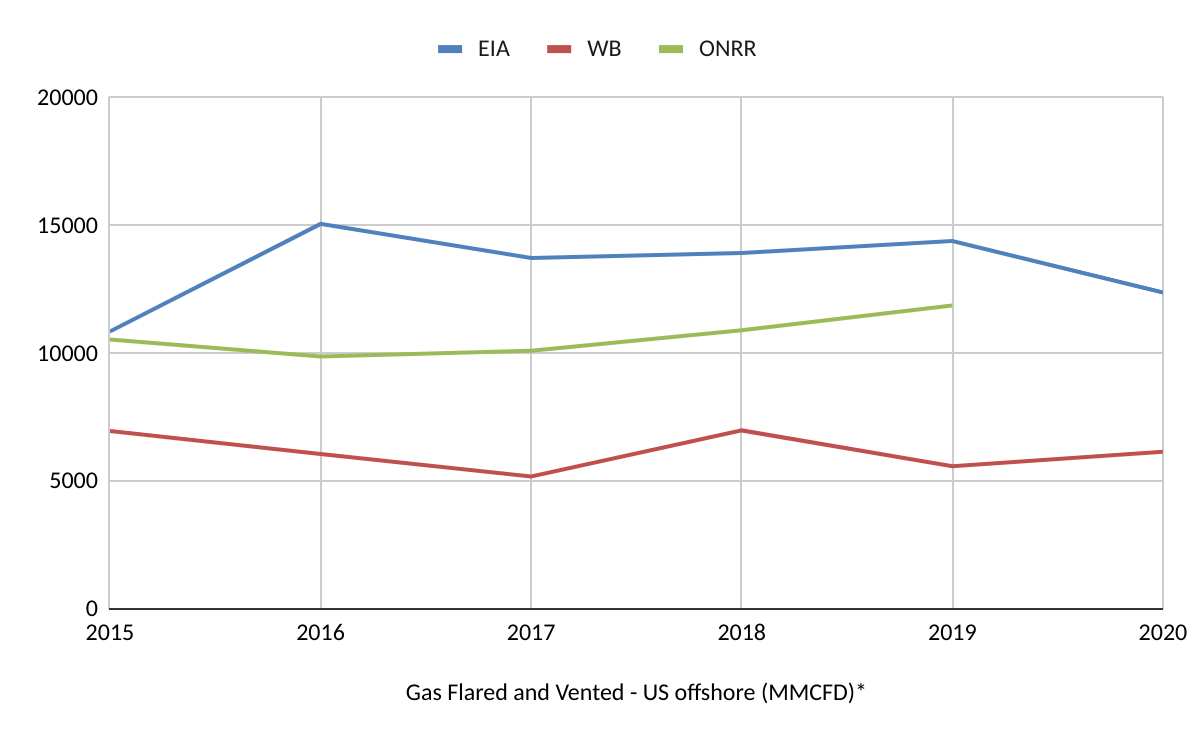
Given the importance of flaring and venting from both environmental and resource conservation standpoints, accurate and reliable data are necessary and should be readily available to the public. ONRR has advised me that they will begin posting flaring and venting data on their website within 2 months. This is a positive step. Currently, data from the 3 primary sources differ considerably.
Data Sources:
- US Energy Information Administration (EIA): Per EIA, their flaring and venting data are received directly from the Bureau of Safety and Environmental Enforcement (BSEE).
- Office of Natural Resources Revenue: ONRR is a sister bureau of BSEE within the Department of the Interior. Per BSEE regulations, all flared or vented gas must be reported to ONRR. As noted above, ONRR will begin regularly posting flaring and venting data within the next 2 months. This is a most welcome and positive step and may help address these inconsistency issues.
- World Bank Global Gas Flaring Reduction Partnership: “a multi-donor trust fund composed of governments, oil companies, and multilateral organizations committed to ending routine gas flaring at oil production sites across the world.”
Comments:
- The EIA (from BSEE) and ONRR flaring/venting numbers should be the same given that the ONRR data are reported in accordance with BSEE regulations, and BSEE is presumably providing ONRR data to EIA. This needs to be clarified.
- The World Bank’s gas flaring estimates are based on observations from satellites. This explains their lower numbers given that vented gas would not be detected and some flares might be missed.
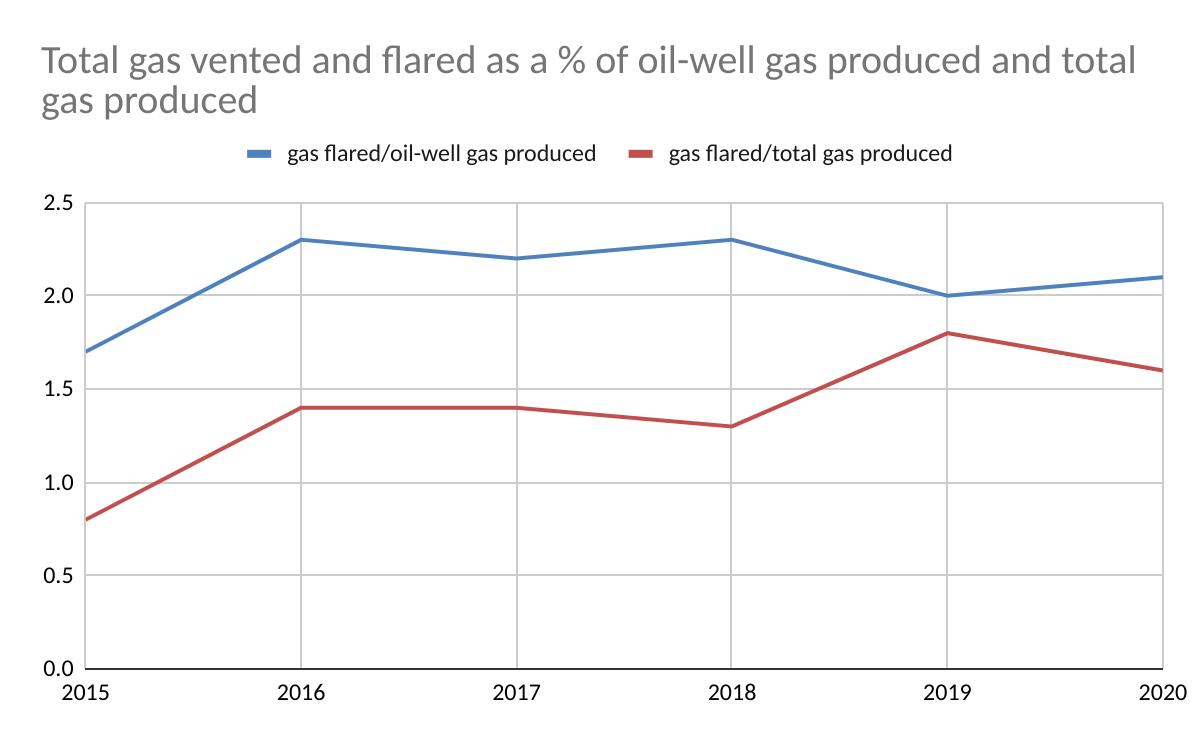
- In a 1/2021 interview with World Oil, the exiting BSEE Director commented that the “industry has consistently achieved a ratio of less than 1.25% of flared, vented gas to produced gas.” However, based on EIA flaring and venting data (from BSEE per EIA) and EIA gas production data, the volume of gas flared/vented exceeded 1.25% of the gas produced from 2016-2020 and was as high as 1.8% in 2019. (See the chart below.) Even if the lower ONRR flaring/venting totals are used, those volumes exceeded 1.25% in 2019 (1.5%).
- BSEE/ONRR should make more detailed flaring/venting data available so that the differences between facilities and sectors (e.g. deepwater vs. shelf) could be assessed. Efforts should also be made to post these data in a more timely manner. At this time, 2021 data are still not available.
Reports of interest:
- Argonne report for BSEE (2017):
- p. 17 – “The 2015 BSEE/BOEM study on reducing methane emissions observed that “while natural gas production has declined, …vented and flared gas volumes as a percentage of produced natural gas are increasing” and noted that additional investigation is needed to determine why.” This is consistent with my observations and is probably due in large part to the fact that most gas production is now from oil-wells (e.g. associated gas).
- p. 24 – “Argonne estimates, in 2015, platform startups for deep-water floating structures accounted for roughly 15% of the total annual flaring volume on the OCS and an additional 20% of the annual total resulted from monthly spikes associated with compressor outage, pipeline maintenance, and well-unloading.”
- Univ. of Michigan study (2020): “Large, older facilities situated in shallow waters tended to produce episodic, disproportionally high spikes of methane emissions. These facilities, which have more than seven platforms apiece, contribute to nearly 40% of emissions, yet consist of less than 1% of total platforms.”
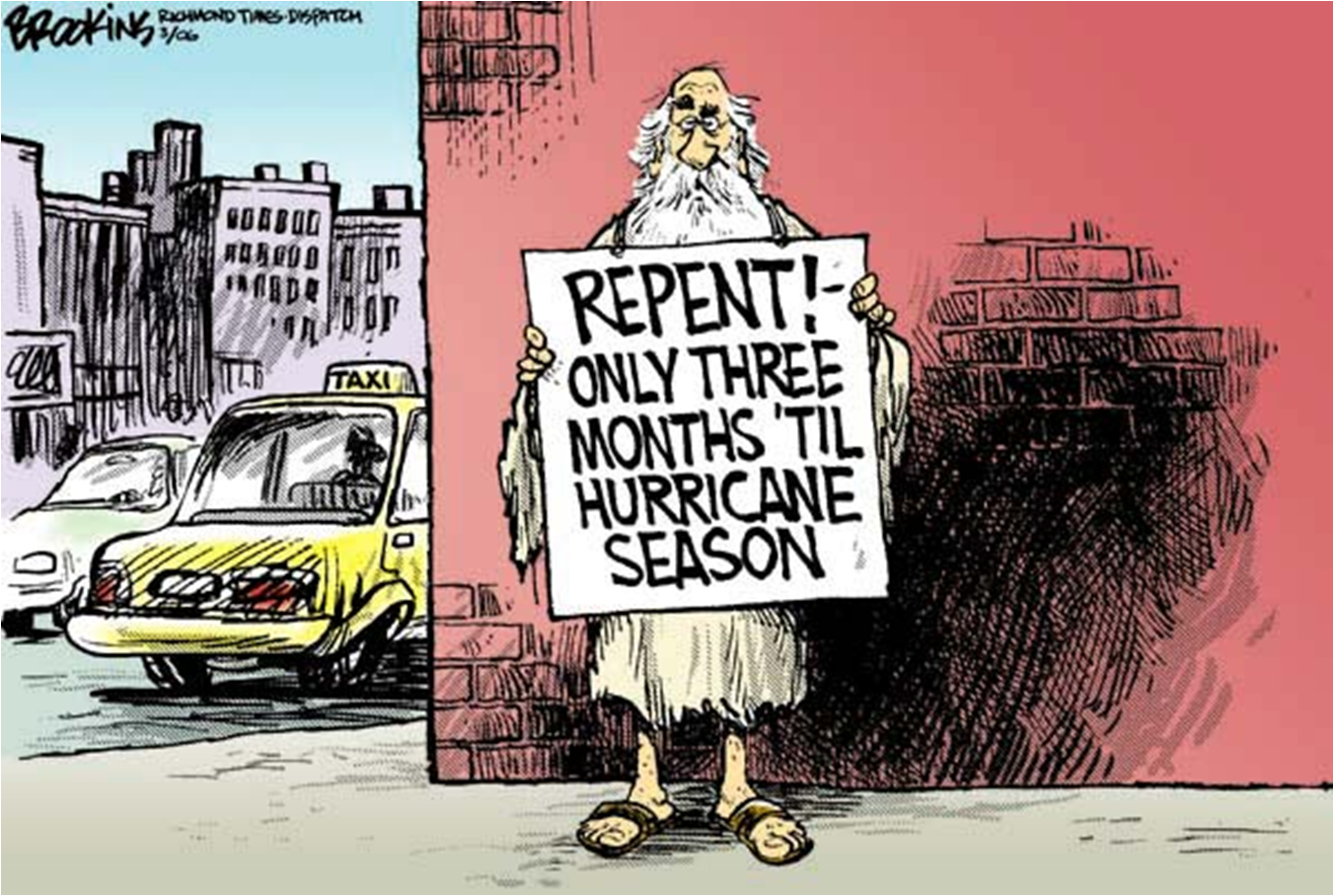
For the heretics who have doubted climate evangelists like Al Gore, John Kerry, and AOC, and who continue to support responsible offshore production…..
Posted in climate, hurricanes, Offshore Energy - General, Uncategorized, tagged Al Gore, AOC, climate, hurricanes, John Kerry on May 3, 2022| Leave a Comment »
Fellow Democrats Manchin and Kelly urge President Biden to implement 5 year program “without delay”
Posted in climate, energy policy, Gulf of Mexico, Offshore Energy - General, tagged 5 year leasing plan, Gulf of Mexico, Senator Kelly, Senator Manchin on April 1, 2022| Leave a Comment »
The current 5 year leasing program expires on June 30, 2022. Absent a new program, no lease sales may be held.
We are writing to urge you to develop and implement a new Five-Year Program for oil and gas production in the Gulf of Mexico without delay.
SPR Withdrawal and the US offshore oil and gas program
Posted in climate, energy policy, Gulf of Mexico, Offshore Energy - General, tagged Gulf of Mexico, offshore oil and gas, SPR release on April 1, 2022| Leave a Comment »
In addition to the obvious concerns about depleting the strategic petroleum reserve, further mortgaging our economic future, and increasing national security risks, the directive to withdrawal 1 million BOPD from the Strategic Petroleum Reserve for 6 months raises a few comments specific to US offshore production:
- The 1 million BOPD withdrawal is equivalent to ~60% of the daily production from the entire Gulf of Mexico offshore sector. How will this massive 6-month withdrawal will effect regional markets and logistics?
- Will the Dept. of Energy have to assess the GHG effects associated with their withdrawal of oil from the SPR? More specifically, will DOE be required to assess the increase in GHG emissions as a result of the increased foreign oil consumption that will result from the reduction in oil prices? This is what Judge Contreras ordered BOEM to do when he vacated Gulf of Mexico sale 257.
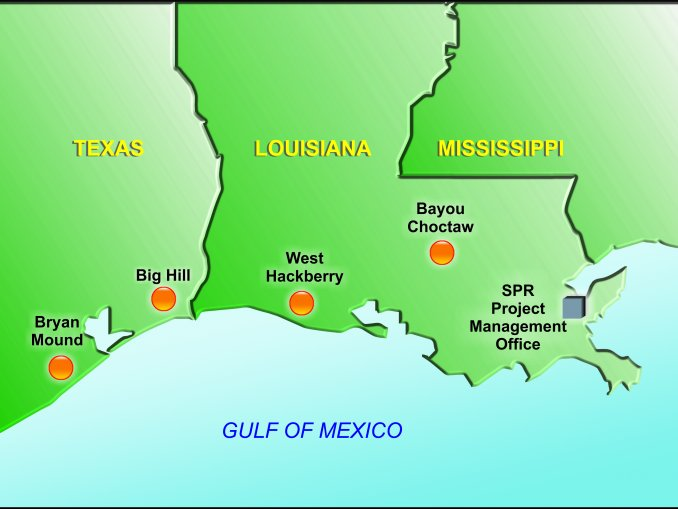
- If it’s okay to produce and consume oil from the SPR facilities (mapped below), why is new leasing and exploration being constrained in the adjacent Gulf of Mexico?