
The video below is from 6 months ago but is even more relevant today. Those who produce nothing but insults shouldn’t be dictating corporate strategy.
Amen Byron!
Posted in climate, energy policy, Offshore Energy - General, Uncategorized, tagged bullying, Byron Donalds, Congress, JustSayNo on May 16, 2022| Leave a Comment »
The video below is from 6 months ago but is even more relevant today. Those who produce nothing but insults shouldn’t be dictating corporate strategy.
Amen Byron!
Posted in CCS, climate, energy policy, Gulf of Mexico, pipelines, Regulation, tagged BOEM, carbon sequestration, CCS, DOI, Exxon, Gulf of Mexico, infrastructure bill, Lease Sale 257, OCS Lands Act on May 12, 2022| Leave a Comment »
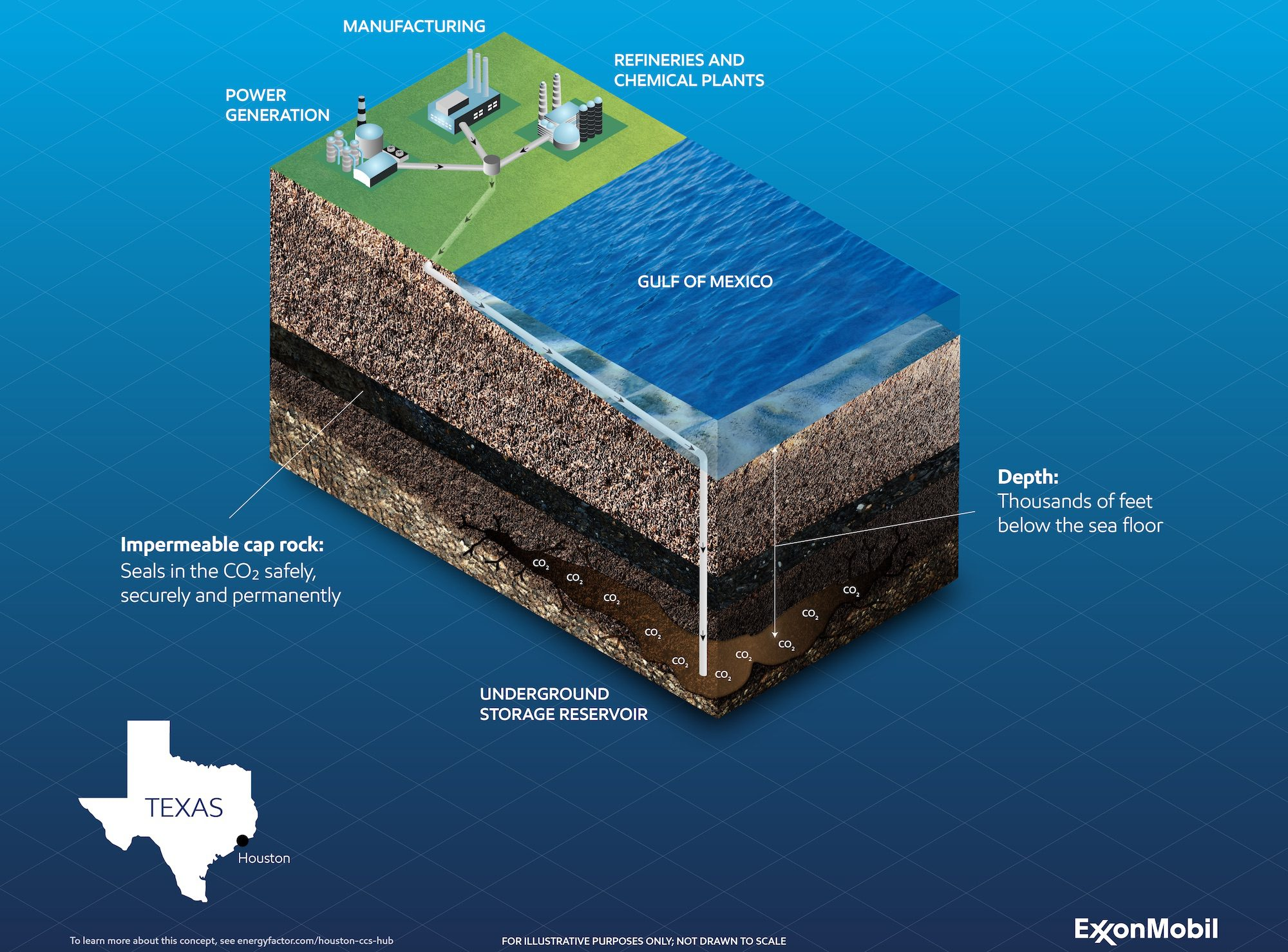
Background:
Questions:
Posted in climate, Gulf of Mexico, natural gas, Offshore Energy - General, tagged Argonne, BSEE, EIA, flaring data, Gulf of Mexico, ONRR, UMich, venting, World Bank on May 5, 2022| Leave a Comment »
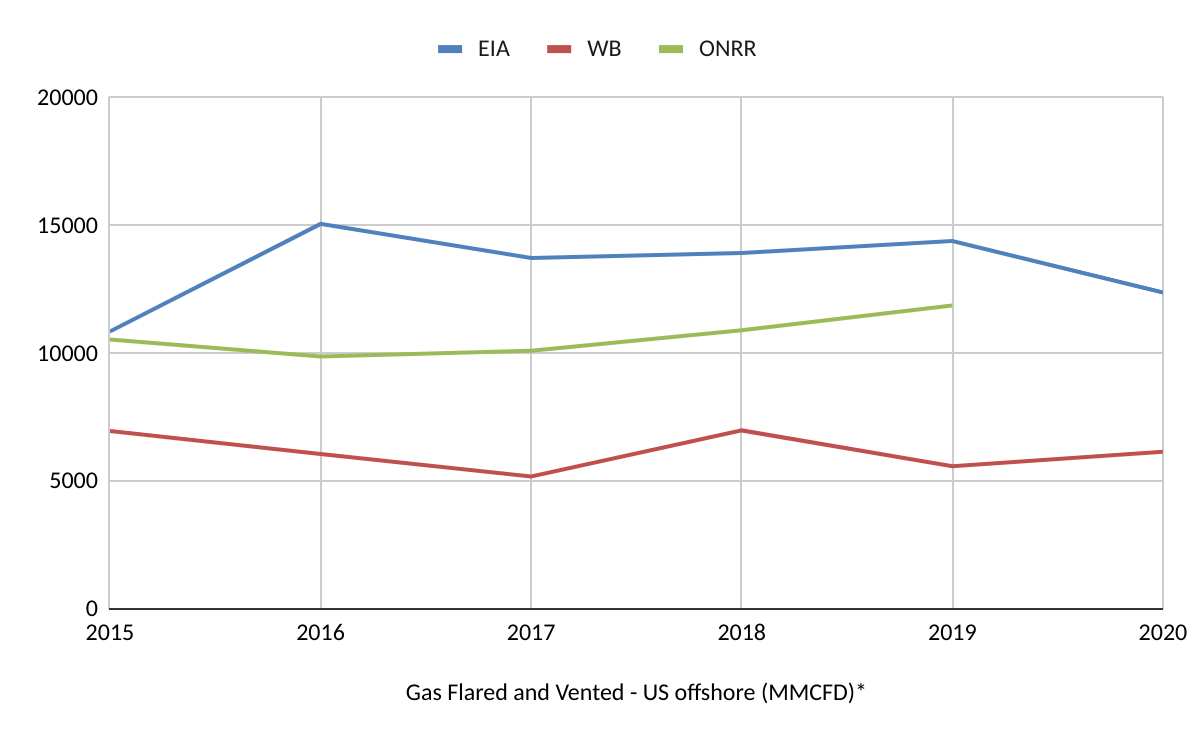
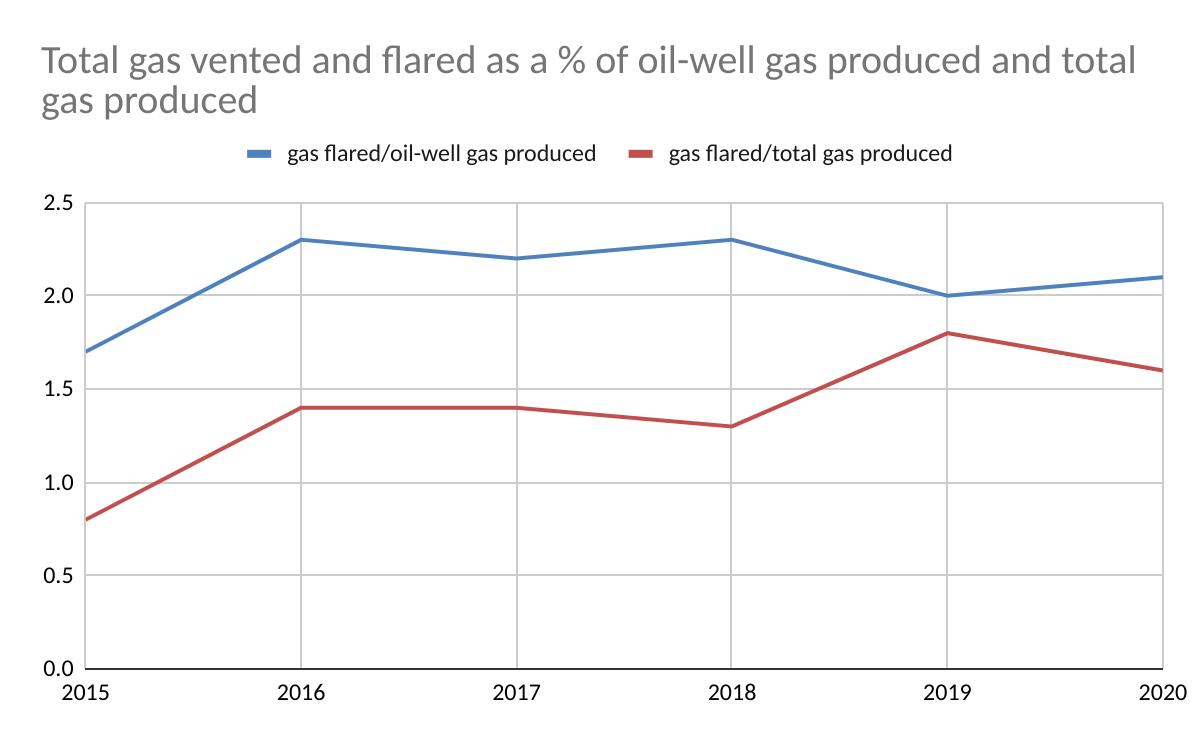
Given the importance of flaring and venting from both environmental and resource conservation standpoints, accurate and reliable data are necessary and should be readily available to the public. ONRR has advised me that they will begin posting flaring and venting data on their website within 2 months. This is a positive step. Currently, data from the 3 primary sources differ considerably.
Data Sources:
Comments:
Reports of interest:
Posted in climate, hurricanes, Offshore Energy - General, Uncategorized, tagged Al Gore, AOC, climate, hurricanes, John Kerry on May 3, 2022| Leave a Comment »

Posted in climate, energy policy, Gulf of Mexico, Offshore Energy - General, tagged 5 year leasing plan, Gulf of Mexico, Senator Kelly, Senator Manchin on April 1, 2022| Leave a Comment »
The current 5 year leasing program expires on June 30, 2022. Absent a new program, no lease sales may be held.
We are writing to urge you to develop and implement a new Five-Year Program for oil and gas production in the Gulf of Mexico without delay.
Posted in climate, energy policy, Gulf of Mexico, Offshore Energy - General, tagged Gulf of Mexico, offshore oil and gas, SPR release on April 1, 2022| Leave a Comment »
In addition to the obvious concerns about depleting the strategic petroleum reserve, further mortgaging our economic future, and increasing national security risks, the directive to withdrawal 1 million BOPD from the Strategic Petroleum Reserve for 6 months raises a few comments specific to US offshore production:
Posted in climate, conferences, energy policy, tagged COP26, OPEC, UAE Energy Minister on March 29, 2022| Leave a Comment »
COP26 bans oil industry. Is this helpful?
UAE Energy Minister Suhail al-Mazrouei has most definitely not forgotten:
“I think in COP 26 all the producers felt they were uninvited and unwanted but now we are again superheroes, it’s not going to work like that,” he said.
Reuters
Posted in climate, energy policy, Russia, Uncategorized, tagged China, climate litigation, Russia, Shell on March 15, 2022| Leave a Comment »
This is what major oil companies are up against. Meanwhile China expands coal production and consumption without having to worry about groups like this.
ClientEarth, a Shell shareholder, notified the energy major on Monday that it would commence legal proceedings against the company’s 13 executive and non-executive directors for what it said was the board’s failure to adopt a strategy that “truly aligns” with the 2015 Paris climate agreement. The not-for-profit group, which has a strong record of winning climate-related cases, wrote to Shell in advance of petitioning the High Court of England and Wales for permission to bring the claim.
Financial Times
Posted in climate, drilling, energy, Uncategorized, tagged Quaise Energy, super-hot geothermal, ultradeep geothermal on March 14, 2022| Leave a Comment »
Wind and solar energy are likely to continue growing in importance over the next several decades, but massive space requirements and intermittency may prevent these energy sources from ever being dominant. On the other hand, geothermal power could prove to be the ultimate energy solution if we can effectively drill deep beneath the surface and tap into superheated rock.
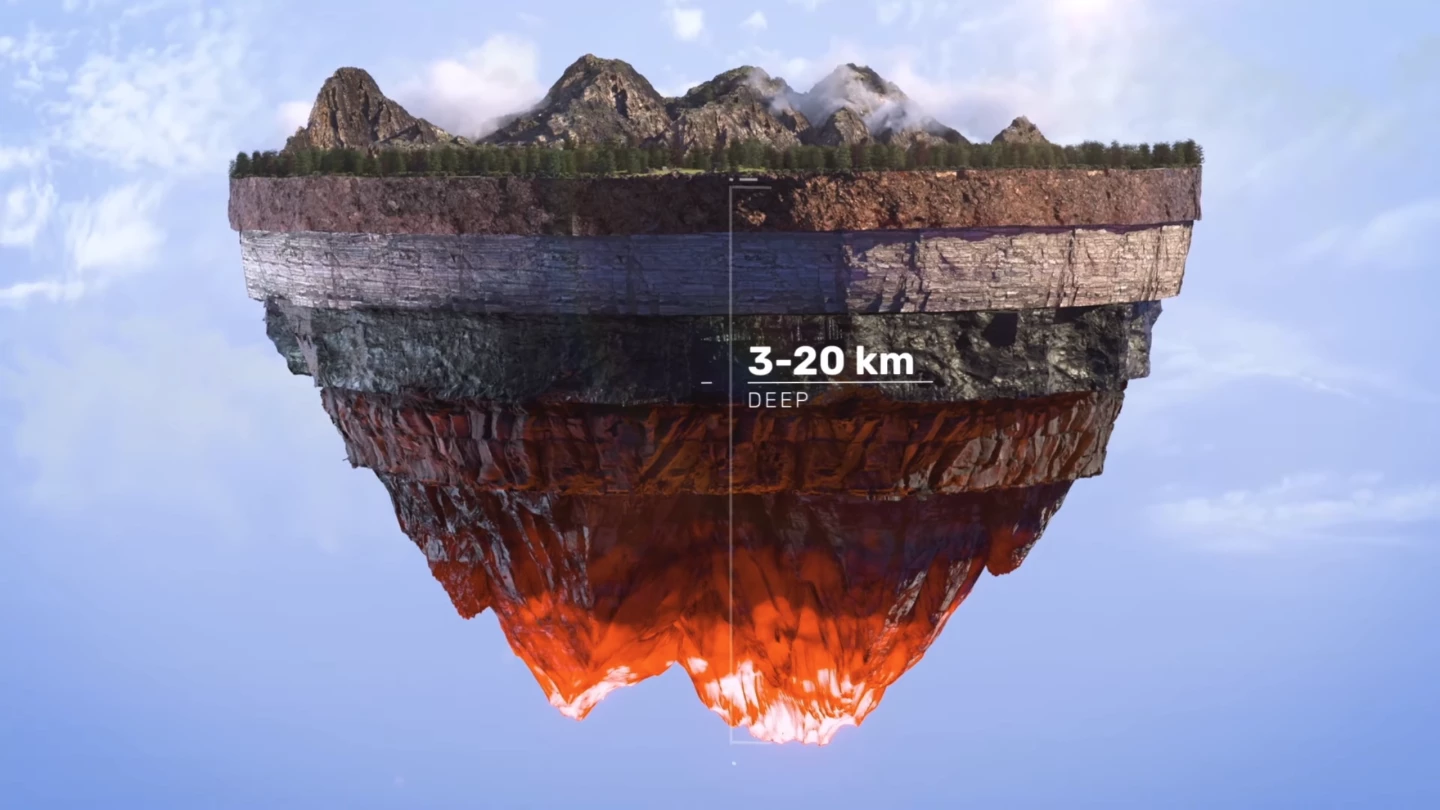
Quaise Energy, headed by ex-Schlumberger/MIT engineer Carlos Araque, is developing a radical new approach to ultra-deep drilling. Quaise will use conventional rotary drilling technology to reach basement formations before switching to high-power millimeter waves that vaporize boreholes through rock and provide access to deep geothermal heat. Quaise’s timeline calls for operation of their first full-scale hybrid drilling rig in 2024 and their first super-hot geothermal system in 2028. Those interested in energy solutions should follow their progress.
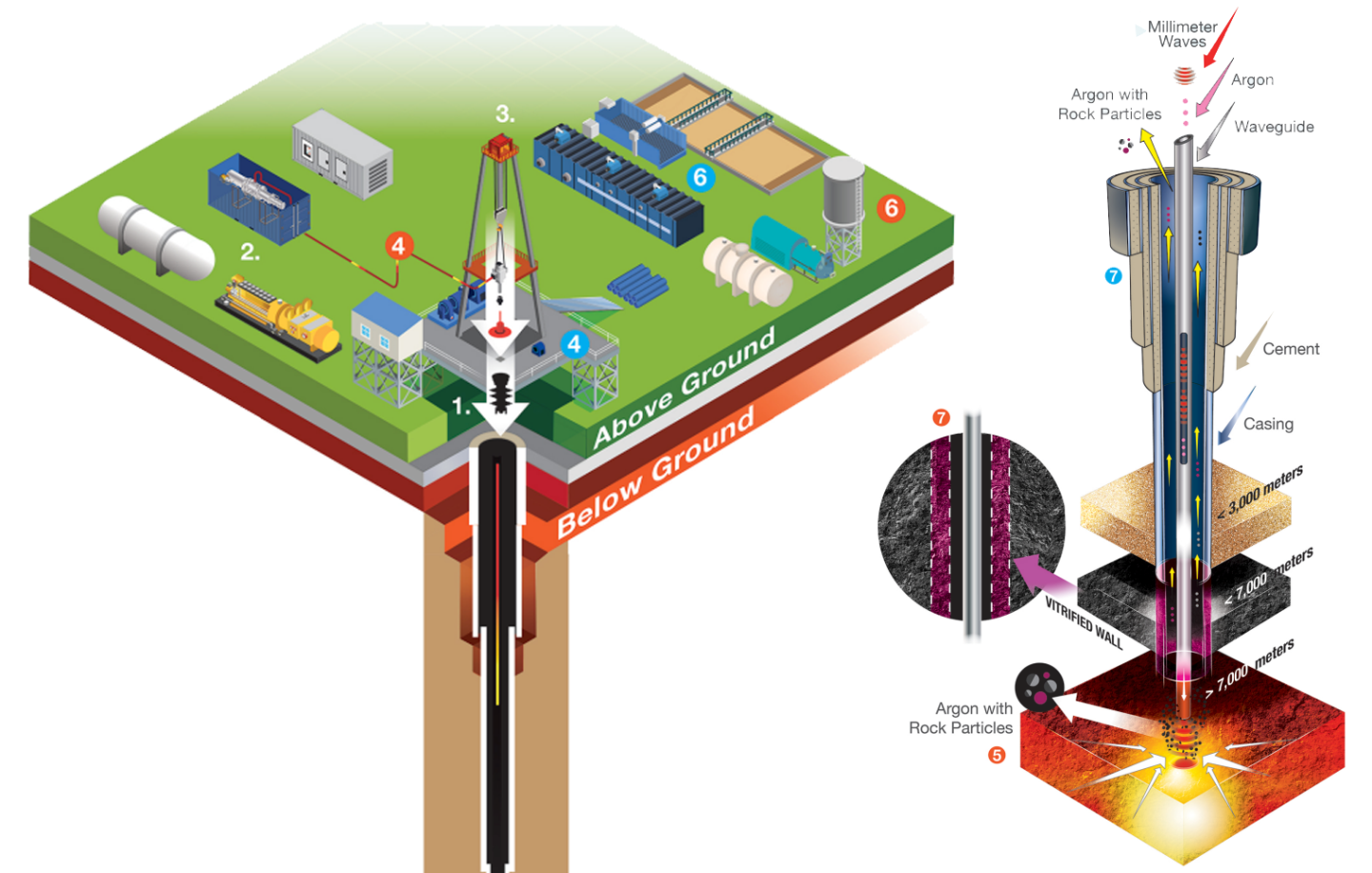
Here is Quaise’s promotional video:
Posted in climate, energy policy, Gulf of Mexico, Offshore Energy - General, Uncategorized, tagged energy security, Gulf of Mexico, Lease Sale 257, offshore oil and gas, oil prices on March 7, 2022| 2 Comments »
Remember that only 5 weeks ago Judge Contreras (DC Federal Court) vacated OCS Lease Sale 257 because BOEM didn’t analyze the benefits of higher oil and gas prices (as a result of lower US offshore production) in reducing international consumption and GHG emissions. The about that!
Lease Sale 257 wouldn’t have helped get us through this crisis, but would have most definitely reduced our vulnerability to future crises.
 Bud's Offshore Energy (BOE)