Ponder this: What if the responsible party was not BP or one of the other “supermajors” (i.e. Shell, Chevron, ConocoPhillips, ExxonMobil, and Total)? This would have been the likely scenario:
- The responsible party, which we’ll call Company XYZ, would have quickly exhausted its financial resources, including insurance. Bankruptcy would be a high probability.
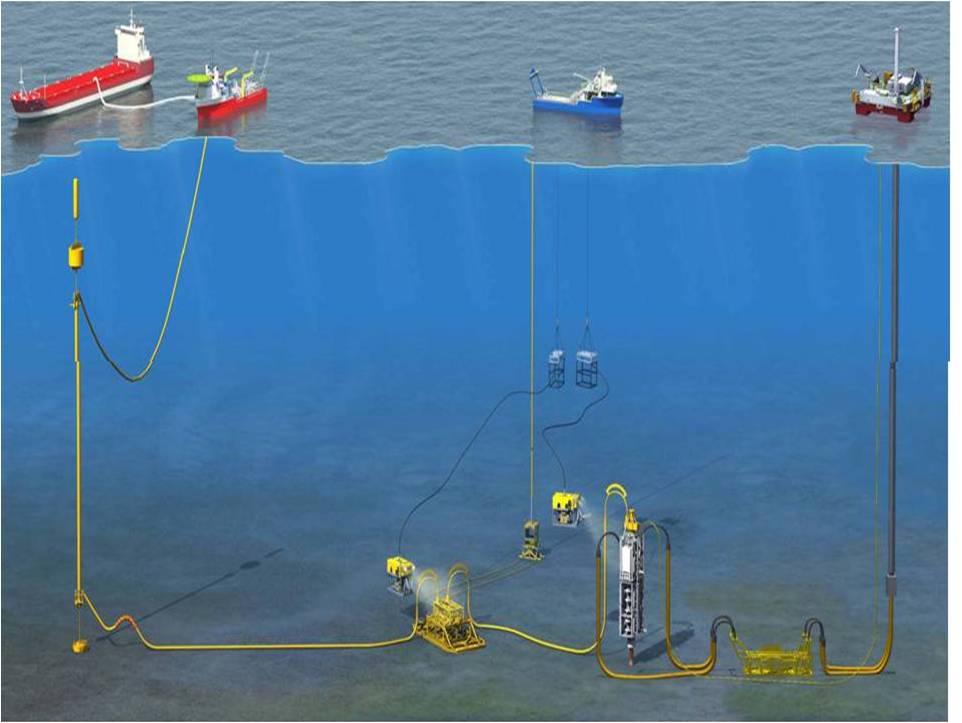
- XYZ would have to control costs and would not contract a second relief well rig, employ an armada of support vessels and ROVs, fund protective barrier islands, or install a complex floating production system for oil containment and recovery purposes. The Federal government could, of course, direct XYZ to do all of these things, but how could XYZ comply?
- The Oil Spill Liability Trust Fund would be exhausted. The per barrel production and transportation fees would have to be quickly and significantly increased to pay the ongoing spill response costs.
- XYZ would limit damage payments to the $75 million maximum specified in the Oil Pollution Act of 1990. Congress could, of course, change that limit, but could they do so retroactively?
- In light of the above, the entire mess would become the responsibility of the Federal government. The government would have to design and manage the relief well operations, subsea collection programs, and all aspects of the spill response. All this would have to be accomplished amidst loud (think vuvuzela noise levels) public criticism, finger-pointing, and emergency hearings and litigation. Multiply the current level of acrimony and discontent by 100 and you get a sense of how ugly this would be.
What happens to the Macondo field? We don’t know much about the size of the Macondo reservoir(s), but we have certainly learned about the impressive flow potential. After the well is plugged and the regulatory issues are addressed, will BP seek to develop the field, assign their interests to other companies, or relinquish their leases? Will BP even have the option of making these choices, or will the Federal government seek to disqualify the company from developing the field?
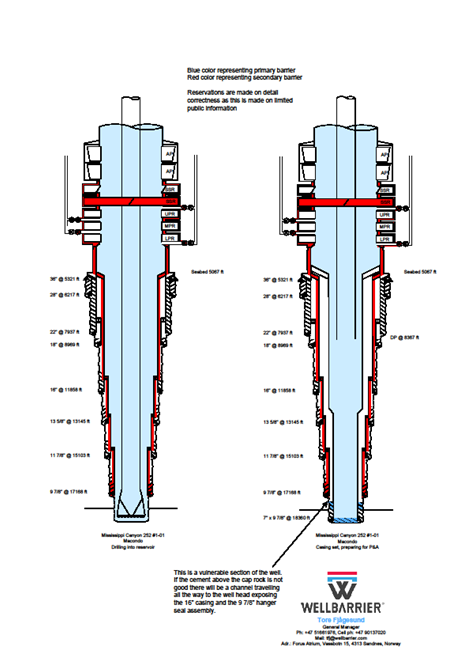
Relief well plans: While BP has done a better job of providing technical information, the precise relief well target has not been specified. In that regard, BOE has received a number of complaints from engineers and other interested parties. Since the region and nation are literally and figuratively dependent on this well for relief, the public needs to know more about the plan. We now have the casing program details for the well that is flowing (thanks to DOE), so the key piece of information needed is the specific intercept point in the well bore. We also need to know the suspected flow path(s) for the oil. Surely BP and the Unified Command have an informed opinion on that important matter. Again, the right to confidentiality on these matters was forfeited when the well blew out.