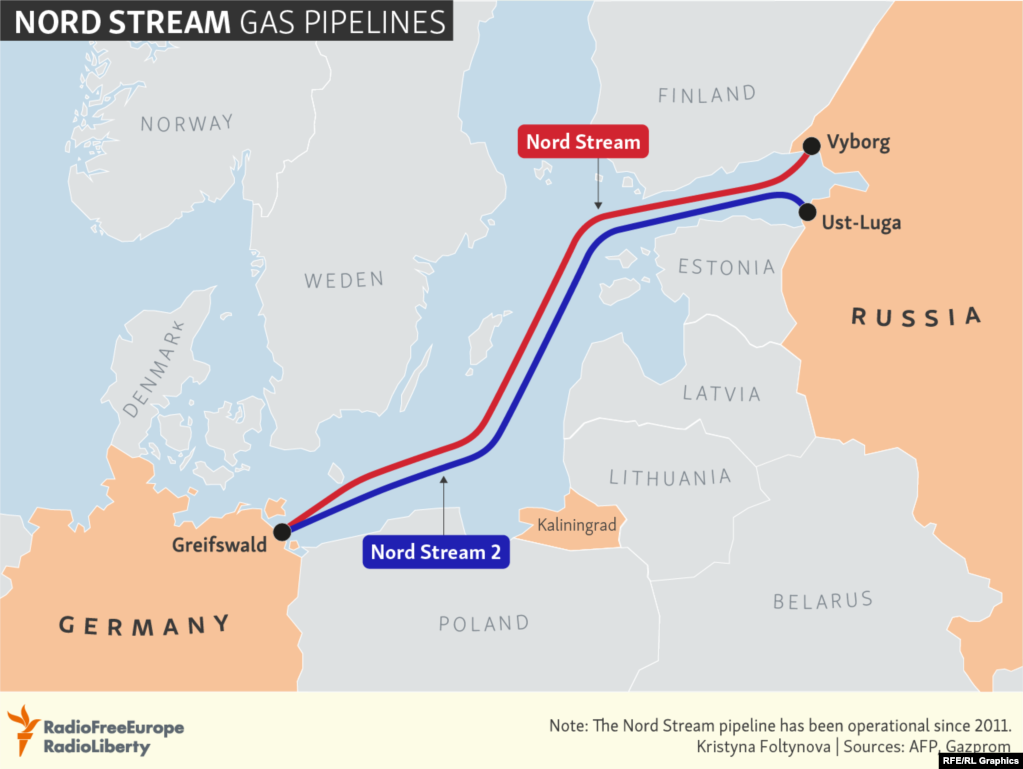
Nord Stream AG, or the operator of Nord Stream 1 pipeline, sent a specially equipped vessel on Thursday to investigate damage to the pipelines under the Baltic Sea.
Nord Stream AG, whose majority shareholder is Russia’s state energy giant Gazprom, said the chartered vessel arrived at the location of damage in Sweden’s exclusive economic zone.
The vessel, bearing the Russian flag, would have specialists aboard to assess the damage within a day and investigation would take three to five days, the company said.
Nord Stream AG said it didn’t have relevant permits to conduct an investigation until now.
Comments on BSEE’s proposed revisions to the Well Control Rule are due in 27 days (by Nov. 14). Given the fundamental importance of well control to offshore safety and pollution prevention, all interested parties are encouraged to comment. Although some of the proposed revisions are rather nuanced, the document is neither long nor complex.
My completely independent comments are being drafted and will be posted here after they have been submitted to Regulations.gov.
My comments will explain why the proposal may reduce the rigor of the BOP system performance standard and will address a related shear ram issue. The comments will also discuss the management of BOP equipment failure and other safety data, the use of independent third parties and standards development organizations, dual shear rams on surface BOP stacks, ROV intervention capabilities, and BOP test data reporting and management.
Germany’s navy is contributing to the investigation into the Nord Stream 1 and 2 gas pipeline leaks, said Defence Minister Christine Lambrecht, who added that the situation must be clarified and those responsible must be identified quickly.
Russia’s FSB security service is investigating the damage sustained by the Nord Stream gas pipelines under the Baltic Sea as “international terrorism”, the Interfax news agency cited the general prosecutor’s office as saying on Wednesday.
On November 8, 2011, the Nord Stream project was formally opened at a ceremony in Germany attended by Chancellor Angela Merkel and Russian President Dmitry Medvedev.
The quote below is encouraging. Hopefully, the technical team will be able to function independently, and will have strong leadership. I would like to see participation by the Petroleum Safety Authority of Norway.
“There are good teams in place to handle pipeline accidents, there are emergency pipe inventories and experts for onshore and offshore,” Jens Schumann, managing director of gas pipeline grid company Gasunie Deutschland, said.
Nord Stream AG has started mobilization of all necessary resources for a survey campaign to assess the damages in cooperation exchange with relevant local authorities. Currently, it is not possible to estimate a timeframe for restoring the gas transport infrastructure. The causes of the incident will be clarified as a result of the investigation.
Contrary to some post-Macondo commentary, well control has always been the highest priority of the US offshore regulatory program. This was the case regardless of the administration, party in power, responsible bureau, or politics of the day. The first specific well control requirements were in OCS Order No. 2 (Drilling) which dates back to 1958.
Continuous improvement must always be the objective; hence the many revisions to these regulations over the years.
BSEE’s recently proposed Well Control Rule includes updates that should be reviewed by all who are interested in drilling safety and well control regulations. I will be submitting comments to the docket and will post some of those comments on this blog. I hope others take the time to review the relatively brief BSEE proposal and submit comments
Industry comments are typically consolidated which limits the technical discussion and diversity of input. Consensus industry recommendations tend to be less rigorous from a safety perspective than some companies might submit independently. There are also far fewer operating companies than there were in the past. Most of you surely remember Texaco, Gulf, Getty, Amoco, Arco, Mobil, Unocal, and other important offshore operators that have merged into even larger corporations. This further limits the diversity of input.
Of course, the operating company is fully accountable for any safety incident at an OCS facility, including well control disasters like the 1969 Santa Barbara and 2020 Macondo blowouts. This should be ample incentive for comprehensive safety management programs. Unfortunately, risk management, culture, and human/organizational factors are complex, and good intentions don’t always lead to good results.
Although the operating company is legally accountable, the regulator and industry as a whole also bear some responsibility for safety performance. What is the purpose of the regulator if not to prevent safety and environmental incidents? Also, the industry can do better in terms of assessing data, updating standards, and publicly calling out poor performance.
On a more positive note, the offshore industry has collectively had some spectacular well control successes. Perhaps most impressive is this: Prior to 2010, 25,000 wells had been drilled in US Federal waters over the previous 25 years without a single well control fatality, an offshore safety record that was unprecedented in the U.S. and internationally. That number of offshore wells over a 25 year period is by itself a feat that will never again be achieved in any offshore region worldwide. The well control safety record makes that achievement extraordinary.
In addition to the penalty and reimbursement elements of the plea agreement, there are two Amplify commitments that may be of particular interest to BOE readers:
New leak detection system for the pipeline: More information on the leak detection improvements for this low pressure oil pipeline would be helpful.
Notification to regulators of all leak detection alarms:
Which regulators? DOT? BSEE? State? All?
Real time reporting or periodic compilations? With real time reporting for every alarm, the distinction between the pipeline operator and regulator(s) would be blurred and new organizational and competence risks would be added. The probability of communications errors and delayed decisions would increase, and the operator would no longer be accountable for bad decisions.
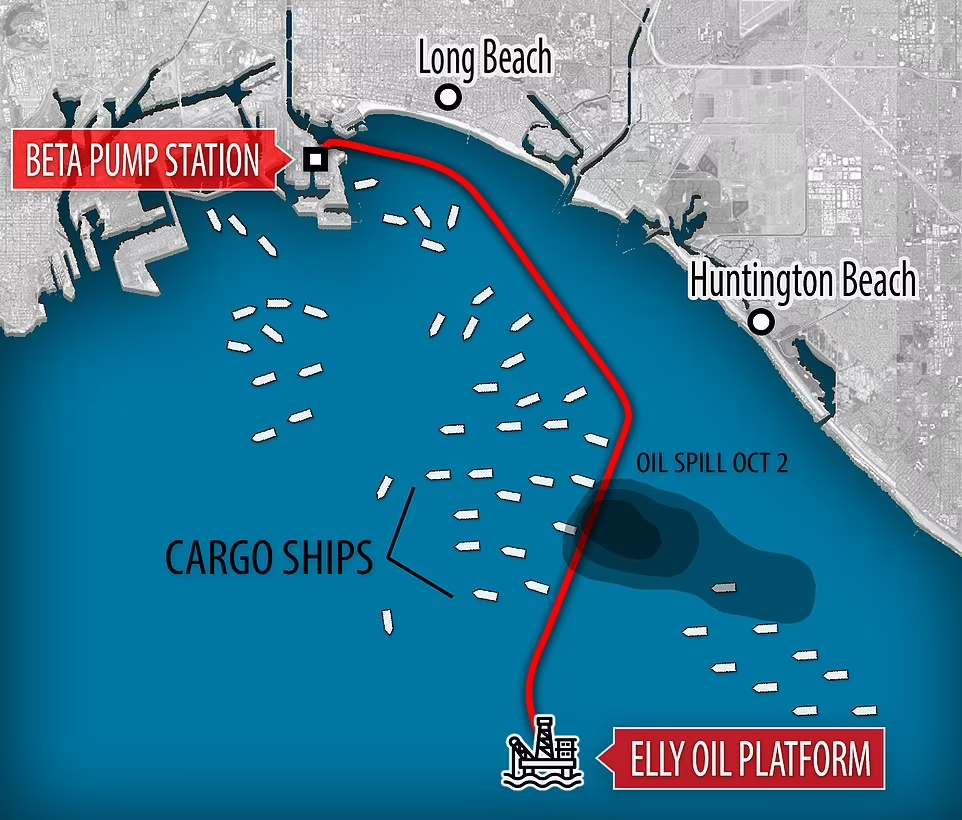
Also, given that the investigating agencies have still not issued their report on the October 2021 spill and no action has yet been taken against the shipping companies that caused the pipeline rupture, the congratulatory Coast Guard, EPA, FBI, and DOT quotes in the announcement seem rather premature and self-serving.
Martyn Willsher, Amplify’s President and Chief Executive Officer, commented, “We are pleased to have reached an agreement in principle regarding the civil litigation resulting from the Southern California Pipeline Incident last October. Although we are unable to provide additional detail at this time, we negotiated in good faith and believe we have come to a reasonable and fair resolution. We will continue to vigorously pursue our substantial claims for damages against the ships that struck our pipeline, and the Marine Exchange of Southern California that failed to notify us of the anchor strikes.”
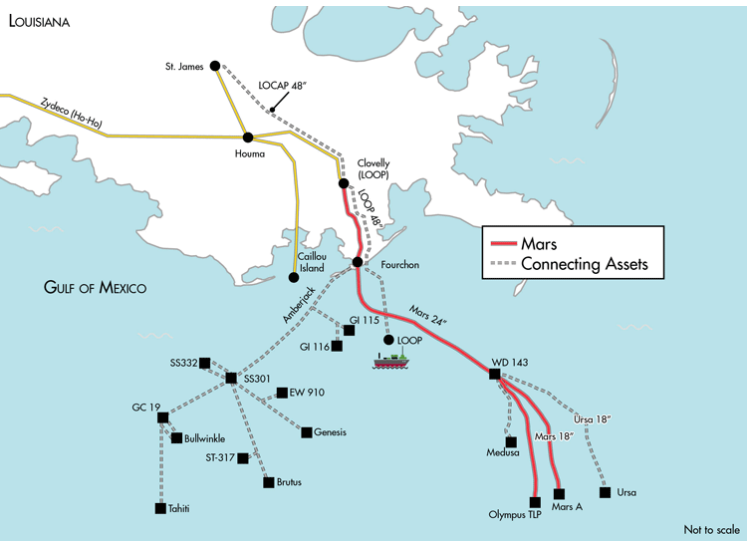
Assuming no significant tropical storm shutdowns this month, we should get a good read on the impact of the pipeline outage when the EIA production data for August are posted.



 Bud's Offshore Energy (BOE)
Comments on BSEE’s proposed Well Control Rule are due by Nov. 14
Posted in drilling, Offshore Energy - General, Regulation, well control incidents, tagged BOP, BSEE, comments, Well Control Rule on October 18, 2022| Leave a Comment »
Comments on BSEE’s proposed revisions to the Well Control Rule are due in 27 days (by Nov. 14). Given the fundamental importance of well control to offshore safety and pollution prevention, all interested parties are encouraged to comment. Although some of the proposed revisions are rather nuanced, the document is neither long nor complex.
My completely independent comments are being drafted and will be posted here after they have been submitted to Regulations.gov.
My comments will explain why the proposal may reduce the rigor of the BOP system performance standard and will address a related shear ram issue. The comments will also discuss the management of BOP equipment failure and other safety data, the use of independent third parties and standards development organizations, dual shear rams on surface BOP stacks, ROV intervention capabilities, and BOP test data reporting and management.
Read Full Post »