Feeds:
Posts
Comments

Archive for March, 2025

OCS Lease Sale 259 was mandated by Congress, and was held on March 29, 2023, two days before the deadline established in the Inflation Reduction Act. Ah, but compliance with environmental law, which is of course subject to interpretation, was still required.

So the formula for eNGOs in such cases is to sue on NEPA grounds in a friendly Federal court. In the case of Sale 259, the plaintiffs asserted that BOEM’s climate change and Rice’s whale analyses were inadequate.

With regard to climate change, the reality is that incremental Gulf of America production will have virtually no effect on petroleum consumption and global GHG emissions. Increased GoA production will actually have a slight positive effect on worldwide GHG emissions given the relatively lower carbon intensity for deepwater Gulf production.

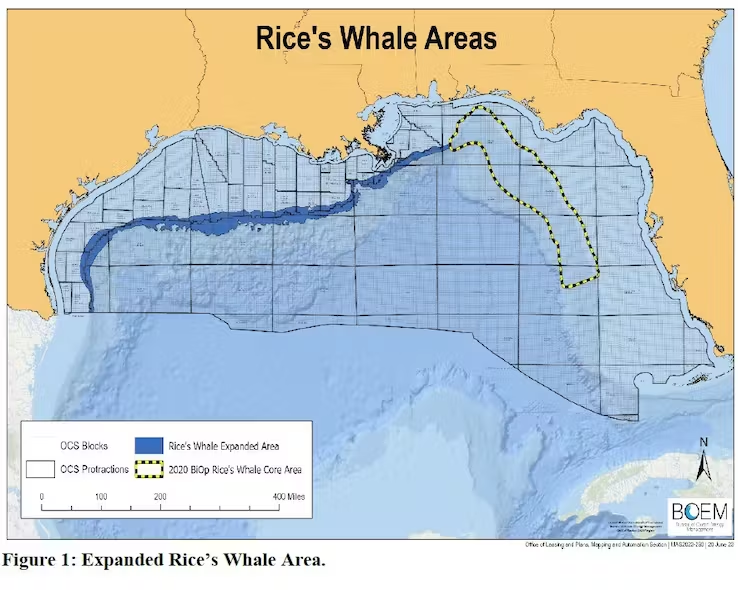
With regard to the Rice’s whale, Darren Ireland’s analysis is compelling:

Based on the limited data available on the use and occurrence of Rice’s whale in the central and northwestern GOMx (one acoustic study (Soldevilla et al. 2022b), one confirmed sighting (NMFS 2018a) and a few unconfirmed sightings (Rosel et al. 2021)), there is insufficient scientific evidence to determine that essential features for Rice’s whale conservation are indeed present in the central and northwestern GOMx. In fact, data on the life-history requirements of Rice’s whale even in the core habitat are still lacking and need further investigation.

Unsurprisingly, Judge Amit P. Mehta of the US District Court for the District of Columbia, has ruled that BOEM’s environmental assessments on climate change and the Rice’s whale were deficient, and has ordered the parties and intervenors to jointly submit a proposed briefing schedule by April 3, 2025. “The court will also order additional briefing on remedy” (e.g. onerous operating restrictions).

In case you haven’t suffered enough, the judge’s full opinion is attached.
Read Full Post »

pictured:TMC pilot trials

Lars Herbst brought this bold and rather surprising deepsea mining development to my attention. Let the screaming begin!

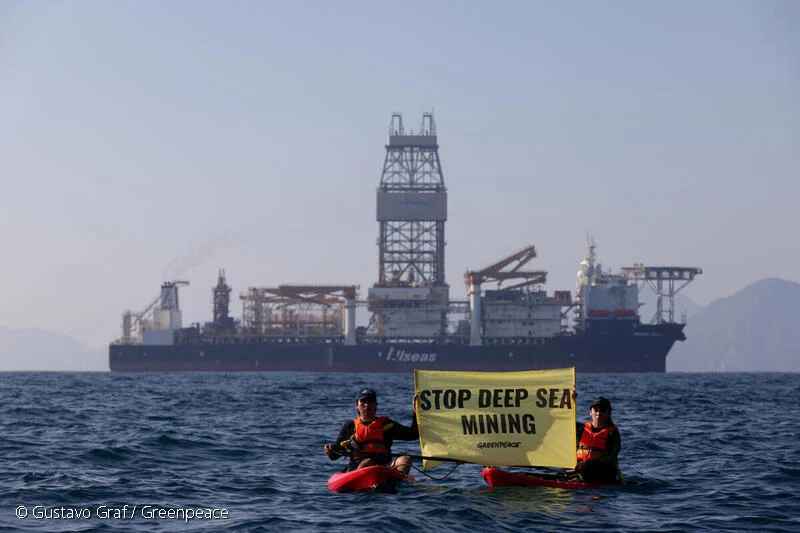
NEW YORK, March 27, 2025 (GLOBE NEWSWIRE) (emphasis added) — TMC the metals company Inc. (Nasdaq: TMC) (“TMC” or the “Company”), an explorer of the world’s largest undeveloped resource of critical metals for building infrastructure, power generation, transmission, and batteries, today announced that its subsidiary The Metals Company USA LLC (“TMC USA”) has formally initiated a process with NOAA under the U.S. Department of Commerce to apply for exploration licenses and commercial recovery permits under existing U.S. legislation, the Deep Seabed Hard Mineral Resources Act of 1980 (DSHMRA).

Following extensive legal diligence on DSHMRA, NOAA’s implementing regulations and other applicable environmental protection legislation, the Company strongly believes that the U.S. seabed mining code offers the greatest probability of securing a permit for commercial recovery of deep-sea mineral resources in a timely manner.

Gerard Barron, Chairman & CEO of The Metals Company, commented: “Over the last decade, we’ve invested over half a billion dollars to understand and responsibly develop the nodule resource in our contract areas. We built the world’s largest environmental dataset on the CCZ, carefully designed and tested an offshore collection system that minimizes the environmental impacts and followed every step required by the International Seabed Authority. But, despite collaborating in good faith with the ISA for over a decade, it has not yet adopted the Regulations on the Exploitation of Mineral Resources in the Area in breach of its express treaty obligations under UNCLOS and the 1994 Agreement.

“We believe we have sufficient knowledge to get started and prove we can manage environmental risks. What we need is a regulator with a robust regulatory regime, and who is willing to give our application a fair hearing. That’s why we’ve formally initiated the process of applying for licenses and permits under the existing U.S. seabed mining code. After extensive legal review and constructive engagement with NOAA and other officials across the U.S. government, we believe the United States offers a stable, transparent, and enforceable regulatory path. TMC USA expects to submit applications to NOAA in the second quarter of 2025. We’re encouraged by the growing recognition in Washington that nodules represent a strategic opportunity for America—and we’re moving forward with urgency.”

Previous deepsea mining posts

Greenpeace photo

Read Full Post »

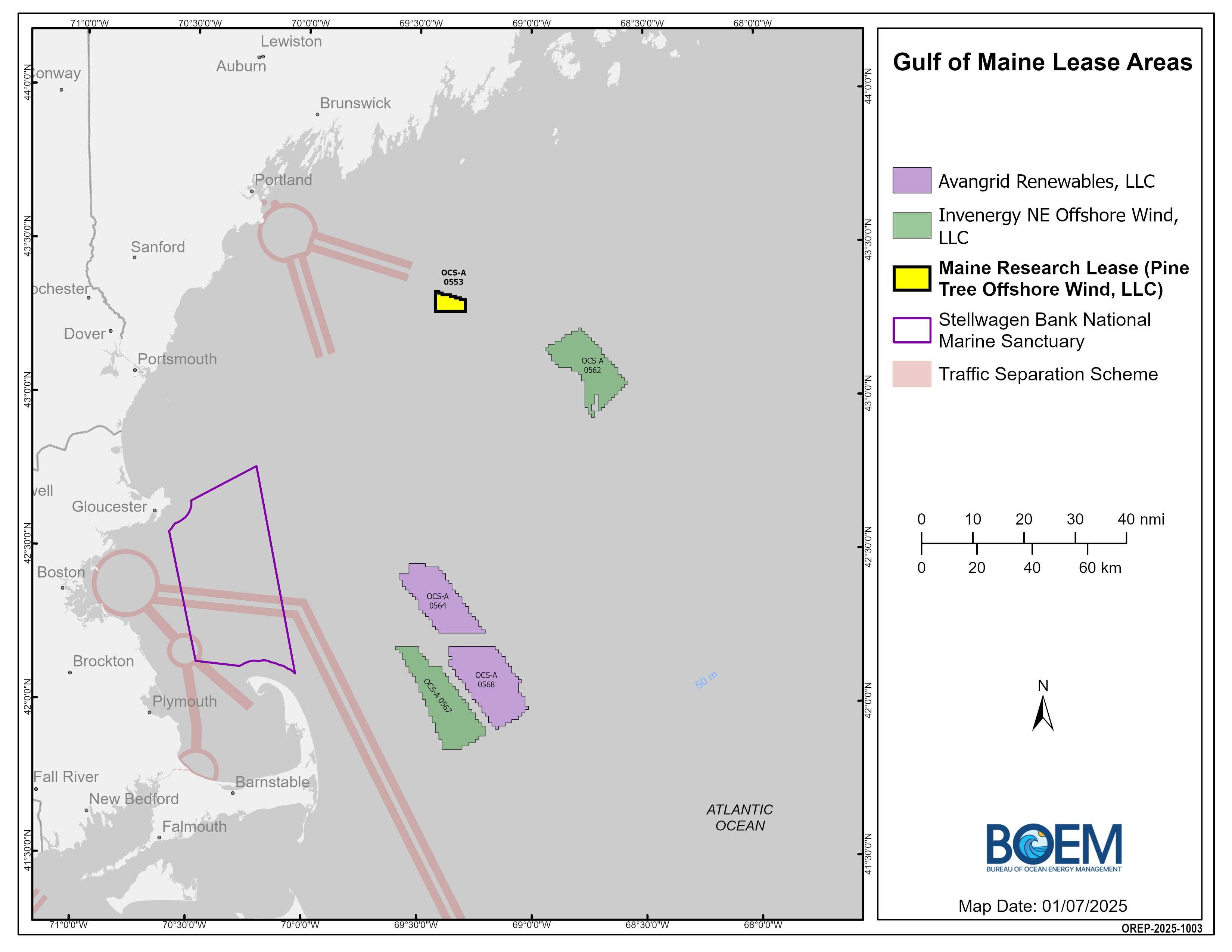
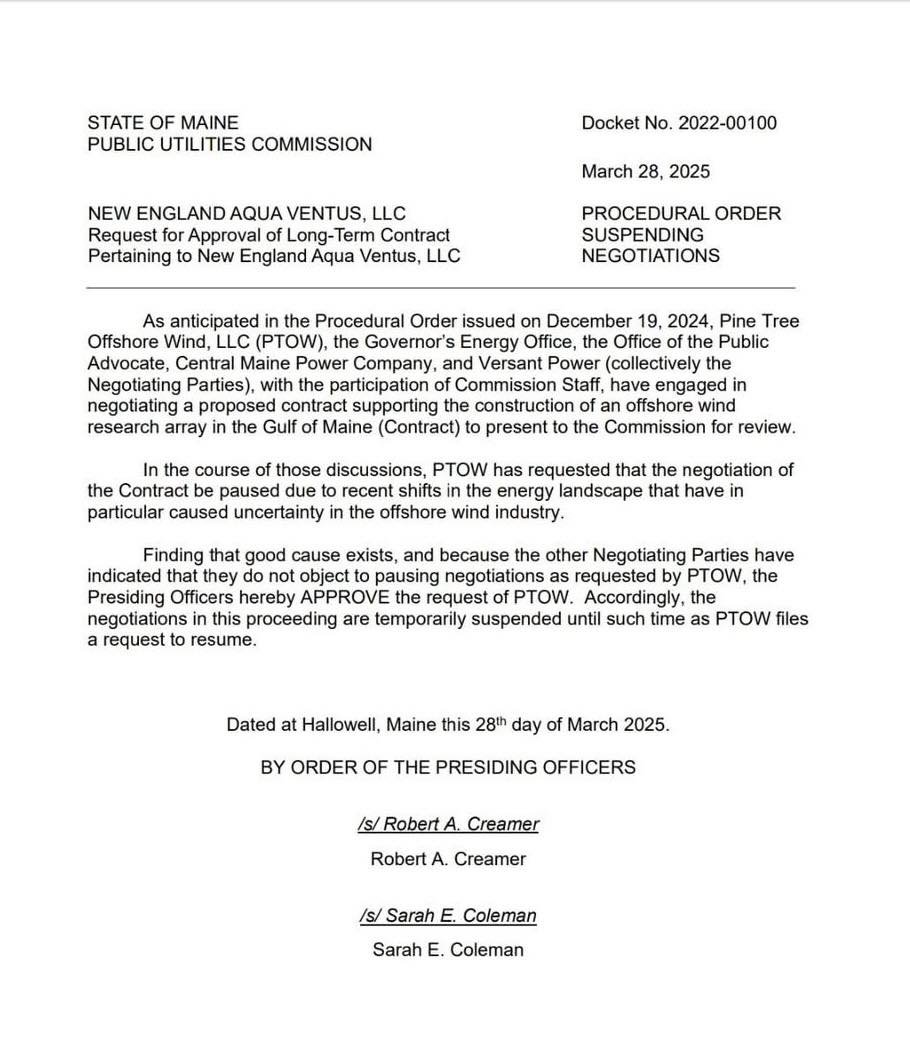
In this case, it’s a State of Maine research project for up to 12 floating turbines. This type of project is not viable without large subsidies which are apparently not forthcoming. See the Notice below.

Read Full Post »

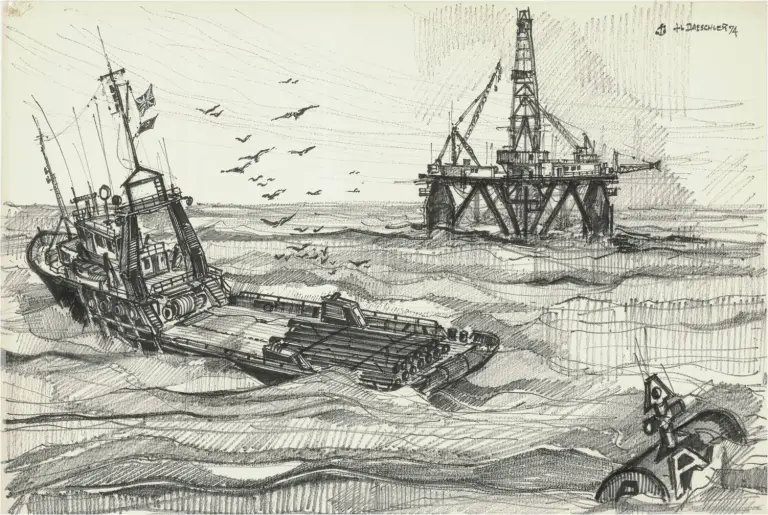
Waiting on Weather” by JL Daeschler

JL Daeschler, pioneering subsea engineer, outstanding artist, and BOE contributor, lives in Scotland. He shared these concerns about the state of the UK offshore industry:

Since projects have been shelved, contractors have left the country – so no drill rigs, no exploration, no pipelines, and no crane barges. The list of disciplines put out of work is far longer.
The big international operators have left looking for better opportunities overseas with milder environments and cheaper manpower support. Air travel, modern communication systems, and immediate electronic access to information and support facilitate operations anywhere in the world.
So what is left in the UK sector of the North Sea are the few installations running towards the end of production. Their years are numbered.
The North Sea could have had a sustainable greener and safer project profile if the momentum had been kept. It’s like an oil & gas pandemic, except you do not work from home if you operate rigs and vessels. No research, no strategy, and no money !!!

Read Full Post »

Scotsman letter

Industry sources tell us, authoritatively, that the North Sea could produce around half of all the oil and gas the UK will need up until at least 2050 – if new projects are developed. Meanwhile, as instead we shut down our existing wealth, China continues burning dirty coal and making us more dependent on their products.

As it stands, Offshore Energies UK (OEUK) says the UK is on track to produce just four billion of the 13-15bn barrels of oil and gas the country will need over the next 25 years.

It is time for those making decisions in London and Edinburgh to put away all the green zealotry nonsense and get the UK powerhouse moving again. Given 25 years they could make a good start on installing small, clean, nuclear plants dotted across the UK to help in great part to pick up the load.

We need planning, not zealotry. It is now even more clear the green emperor is not wearing clothes. When will Energy Secretary David Miliband be convinced?

Alexander Mckay

Edinburgh

And from an offshore worker @Deano9981:

As someone who actually works in the North Sea on oil rigs I have heard almost all my life how the oil and gas will be gone in 10 years. 35 years in this industry and the first time I am likely to be unemployed is because of the government. Not the end of oil fields.

Read Full Post »

The organization Friends of Oceano Dunes is determined to preserve the long history of off-road vehicle use on Pismo-Oceano beach. See the video below and the historic photos from Bob2000.com.

The Coastal Commission, which dislikes off-road vehicles as much as they dislike offshore oil and gas operations (well maybe not quite that much! 😉) lost a court case with some similarities to the suit filed by Sable Offshore.

Noozhawk: In an opinion filed Monday, the Second Circuit Court of Appeals found that the commission’s attempt to ban off-road vehicles at the Dunes contradicts the language of the Local Coastal Plan put in place by San Luis Obispo County.

The Court ruled that the decision to open or close the Dunes to vehicles fell under the jurisdiction of the county, not the Coastal Commission.

Sable’s dispute with the Commission is similar in that Sable contends that their pipeline repair and maintenance activities are in compliance with Santa Barbara County’s Coastal Zoning Ordinance, Local Coastal Program (LCP), and the Coastal Act. Will Sable also be victorious in Court?

Read Full Post »

Excerpt from the expedition summary:

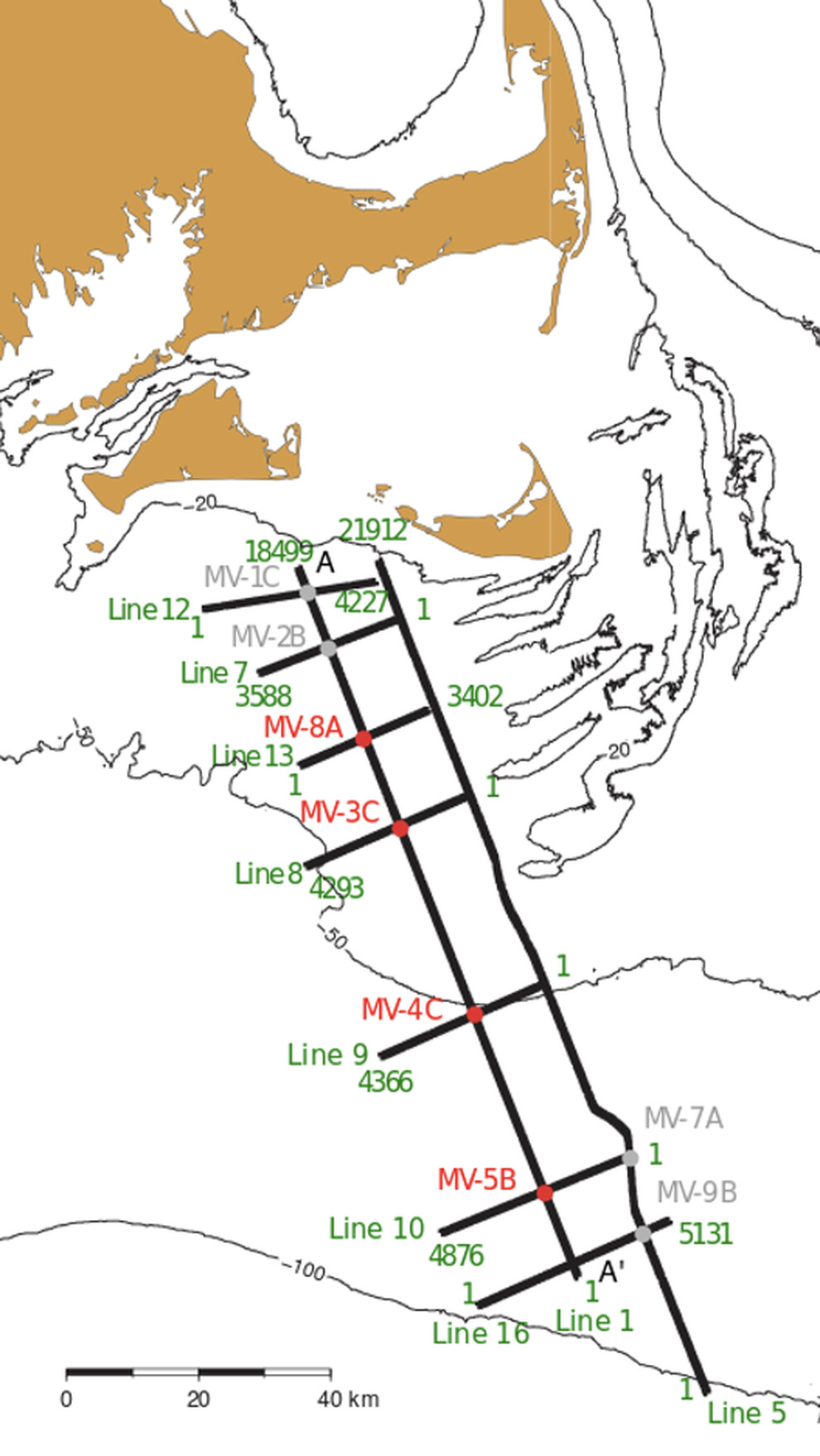
The northeast coast of the United States is perhaps the best understood example of an offshore freshwater system, and multiple studies have been undertaken to determine the origin and volume of offshore freshwater. Coring and sampling the subseafloor offshore Massachusetts, USA, will provide data for understanding the processes driving emplacement of freshwater lenses offshore New England and elsewhere globally, and lead to a better understanding of this worldwide hydrogeological phenomenon. This is essential for protection and sustainable management of offshore freshwater systems and for better understanding biogeochemical and elemental cycling in continental shelf environments.

With regard to the potential freshwater resources (from the Nantucket Current):

“I’m just excited about the science, and that finally, after all these years, someone’s trying to get the truth,” said Nantucket Water Department director Mark Willett. “Computers predicted it. Everybody thinks it’s there. These guys are the first ones in the world who are going to go drill a hole and prove it.”

Willett and (lead scientist Brandon) Dugan are particularly intrigued by the possibility that the offshore freshwater aquifer could be connected to a lower, untapped aquifer beneath Nantucket that Willett calls “ancient glacier lake Nantucket.”

“If it is connected and it’s young water that’s being recharged actively today, that’s really exciting, because it’s a renewable source,” Dugan said.

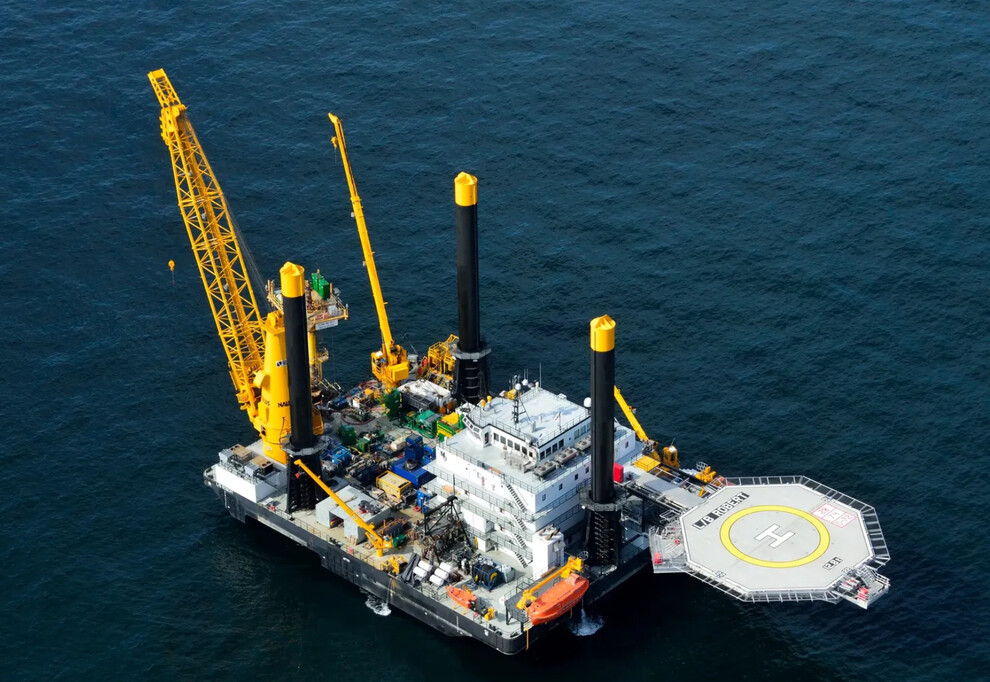
The liftboat Robert will drill 3 wells to depths of 300-400 feet between May 1 and August 32.

Read Full Post »

In February, EPA Region 2 asked the agency’s Environmental Appeals Board to remand Atlantic Shores’ air emissions permit back to the Region for reconsideration. That remand (attached) was granted on 14 March over the objections of Atlantic Shores Offshore Wind.

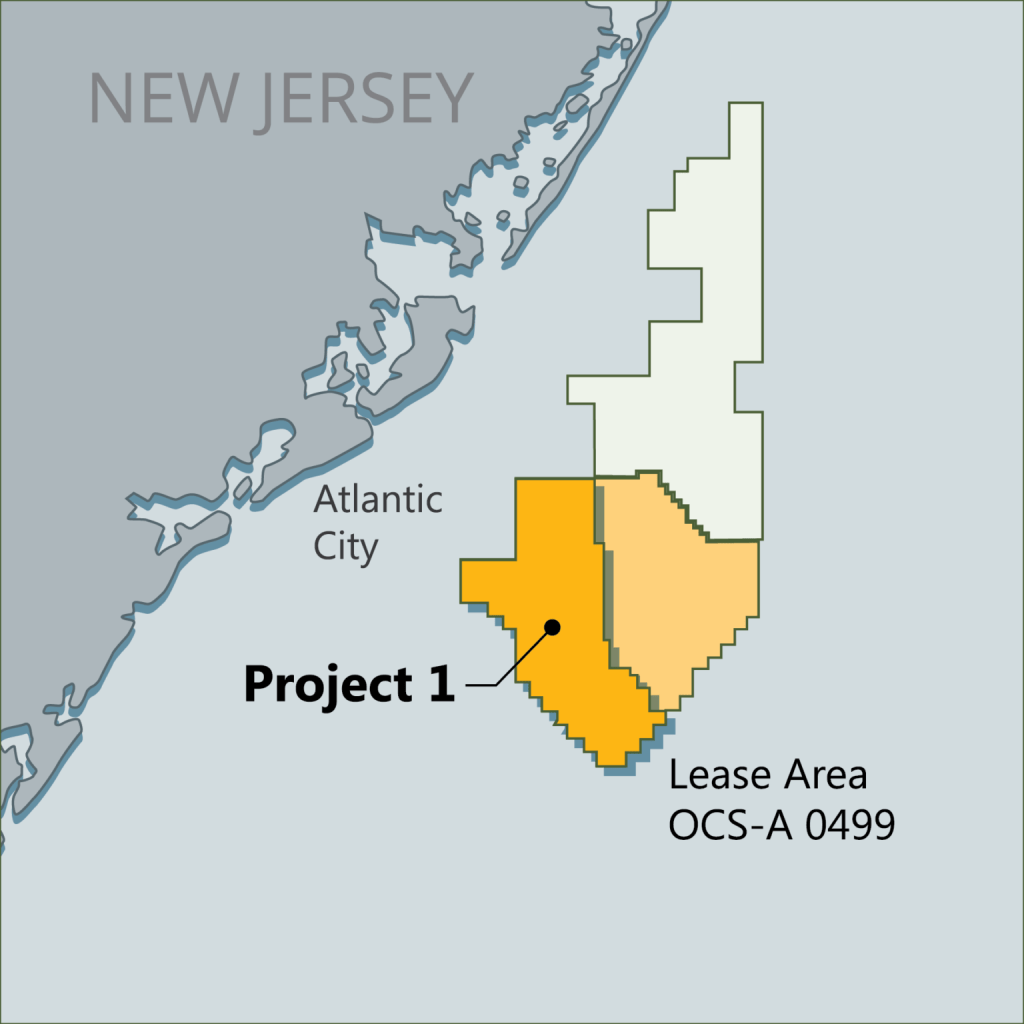
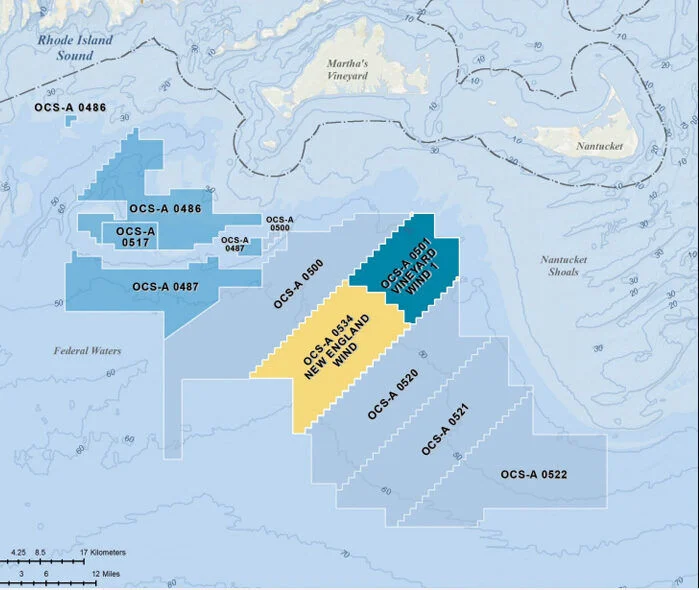
Atlantic Shores Offshore Wind still exists despite the exit of 50% partner Shell and a $940 million write down by the remaining owner EDF. The diagram depicts Atlantic Shores South (0499) and North (0549) lease areas.

EDF intends “to preserve the company and its future development.” Whether or not they can hold the leases indefinitely without pursuing development remains to be seen. BOEM’s diligence regulations for offshore wind projects are vague, and neither the Construction and Operations Plans nor BOEM’s Record of Decision (Atlantic Shores South) include work schedules.

Does EDF have the right to sit on the lease until the financial and regulatory environment is attractive? That is not allowed for oil and gas leases, and rightfully so. (See a related post on Total’s wind lease.)

Meanwhile, ACK for Whales has petitioned EPA Region 1 to reopen and reanalyze the air permits for permits for the New England Wind 1 and 2 projects asserting that:

  • The analysis does account for emissions related to and resulting from blade failures, which would warrant emergency repairs or replacement activities.
  • The decision to group Vineyard Wind 1, New England Wind 1 and New England Wind 2, as a single stationary source is both legally questionable and could have the effect of masking localized emission spikes.
  • Insufficient consideration of cumulative vessel emissions could lead to 1-hour NO₂ exceedances.
  • The emissions from pile driving are not adequately modeled in isolation or synergistically.

Read Full Post »

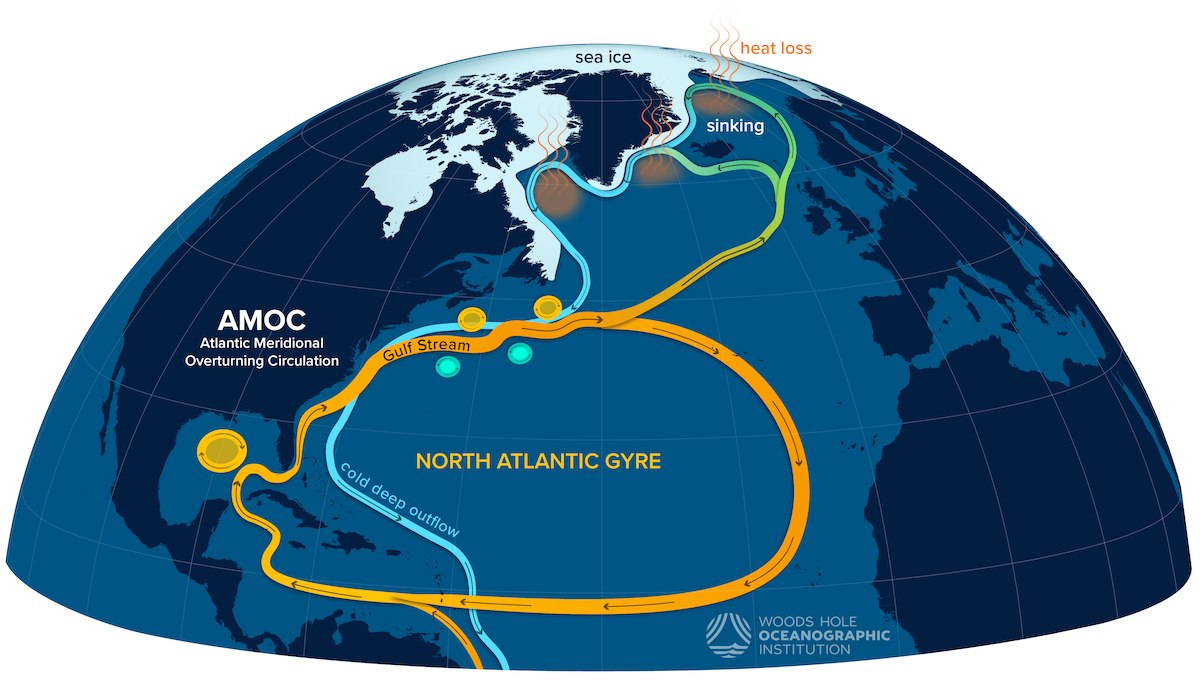
WHOI graphic: The AMOC not only distributes the ocean’s heat, moisture, and nutrients, but regulates the Earth’s climate and weather.

Contrary to alarmist forecasts that climate change could cause the Atlantic Meridional Overturning Circulation (AMOC) to collapse as soon as 2025, an important Woods Hole study found that the AMOC has not declined in the last 60 years.

“Based on the results, the AMOC is more stable than we thought,” co-author Linus Vogt said. “This might mean that the AMOC isn’t as close to a tipping point as previously suggested.”

Of course, the usual caveat about past performance not necessarily being predictive applies:

Co-author Nicholas Foukal: “That doesn’t say anything about its future, but it doesn’t appear the anticipated changes have occurred yet.”

Perhaps the urgent warnings about the collapse of the AMOC, if not unfounded, were at least premature.

Read Full Post »

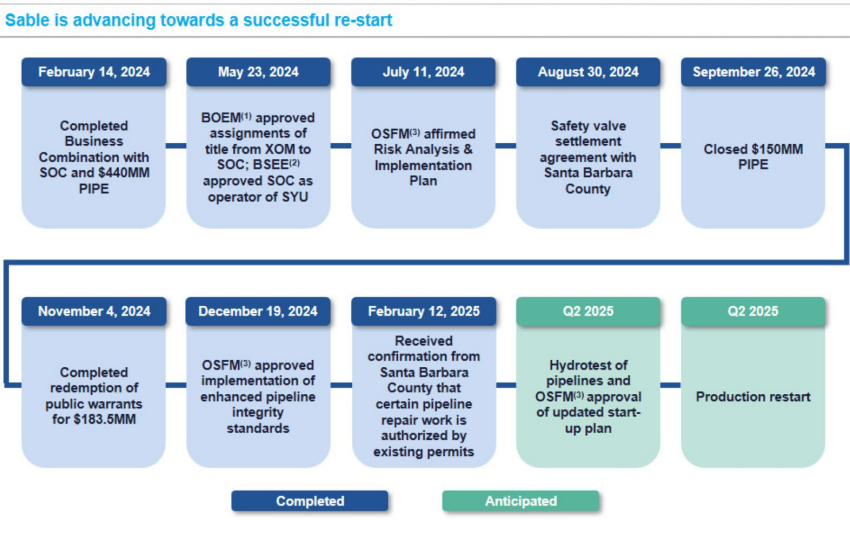
Attached is a recent Sable Offshore presentation for investors. Notably, Sable is now projecting to resume Santa Ynez Unit production in Q2 2025 (see slide below). John Smith thinks this is unrealistic, and I have to agree.

It’s tough for an offshore producer to succeed in California, but Sable is making a strong effort. Exxon must agree, because they have extended Sable’s first production deadline to 3/1/2026, which reflects a more plausible Q1 2026 restart. Additional extensions seem likely if necessary given that Exxon’s other options aren’t very attractive.

Read Full Post »

Older Posts »