Feeds:
Posts
Comments

Posts Tagged ‘Walter Oil and Gas’

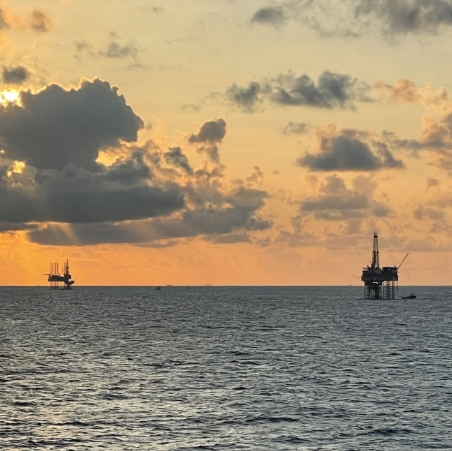
Walter platform with helicopter debris in foreground

Read Full Post »

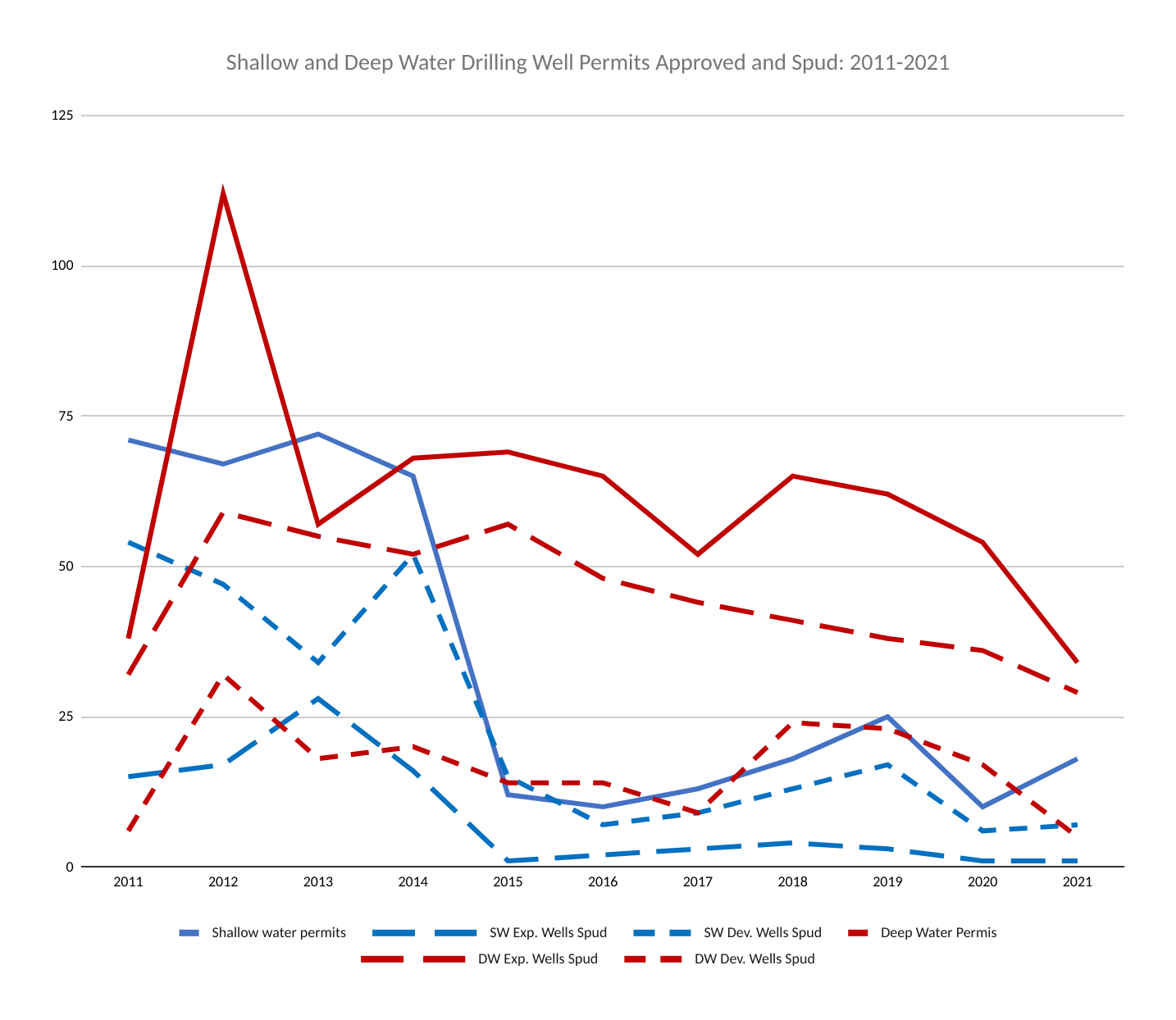
Lars Herbst analyzed GoM permitting and drilling activity from 2011 to 2021. His data and observations are summarized below.

  • Shelf (shallow water) exploratory drilling is at historic low levels with only a single exploration well drilled in both 2020 and 2021. That trend appears to have continued into 2022, as only one shelf exploration well (drilled by Contango) has been spudded YTD.
  • 2021 also saw a significant drop in deep water development wells.
  • Over the time period examined, deep water development is led by deepwater exploration. The same cannot be said for the development of shallow water leases where prospects are more mature and data are more available.
  • The only shelf well drilled in 2021 (Walter Oil and Gas) was in relatively deeper water (566 feet). That well was drilled with a deepwater semisubmersible (the Valaris 8503). This is the shallowest water depth for a GoM semisubmersible drilling operation in recent history. The rig had a modified DP/moored configuration with explosive disconnects on the mooring lines so the rig could move off location if needed during an emergency disconnect scenario. That mooring disconnect would also let the rig evade hurricanes without the need for anchor handling vessels. 
  • The 2012 spike in deepwater permit approvals is the result of the Macondo drilling moratorium backlog.
GOM OCS New Drilling Well Permits and Well Spuds 2011-2021
YearNew Shallow Water Drilling Well Permits ApprovedShallow Water Expl.; New Well SpudsShallow Water Dev.; New Well SpudsNew Deep Water Drilling; Well Permits ApprovedDeep Water Exp.;
New Well Spuds
Deep Water Dev.;
New Well Spuds
201171155438326
20126717471125932
2013722834575518
2014651652685220
201512115695714
20161027654814
2017133952449
201818413654124
201925317623823
20201016543617
2021181734295
TOTAL38190261676491182
Note: Only includes new wells not sidetrack or bypass boreholes.

Read Full Post »

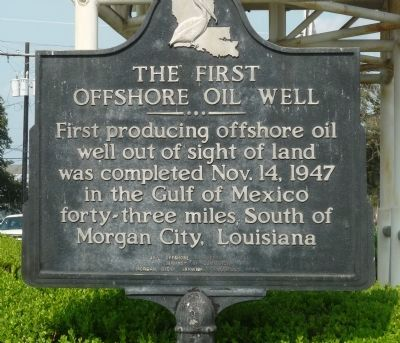
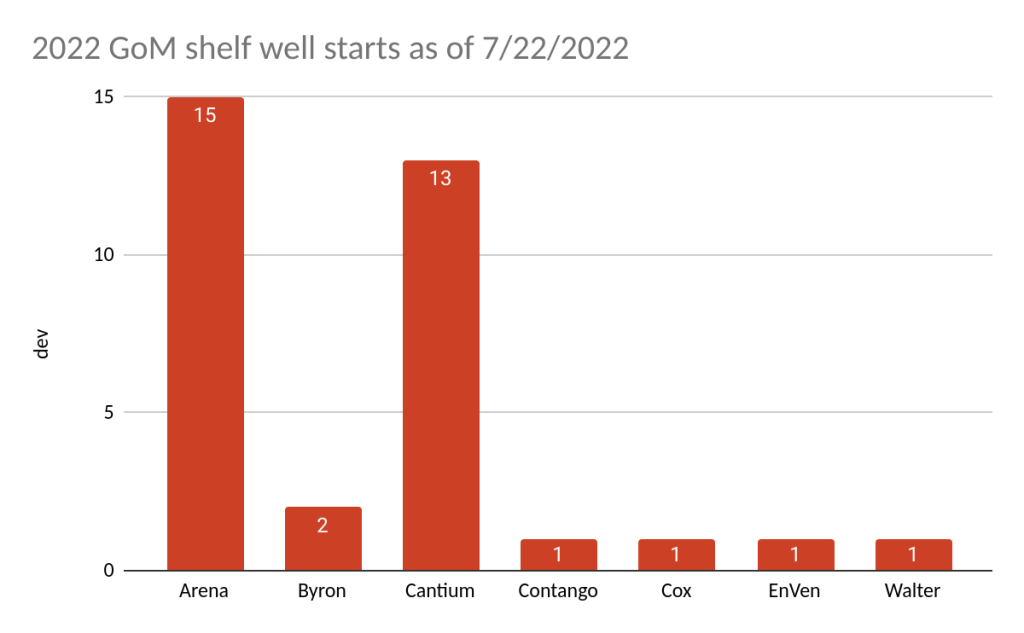
While 93% of GoM oil and 76% of the natural gas is now produced on deepwater leases, successful operations on the shallow waters of the shelf continue 75 years after the first OCS platform was installed. Three of our compliance honor roll companies, Arena, Cantium, and Walter, have successful shelf operations. Arena and Walter are top ten gas producers and top twenty oil producers. Cantium also has solid production numbers and along with Arena is the leading 2022 development well driller on the shelf (see chart below). Other shelf operators like Cox Operating LLC are significant shelf producers.

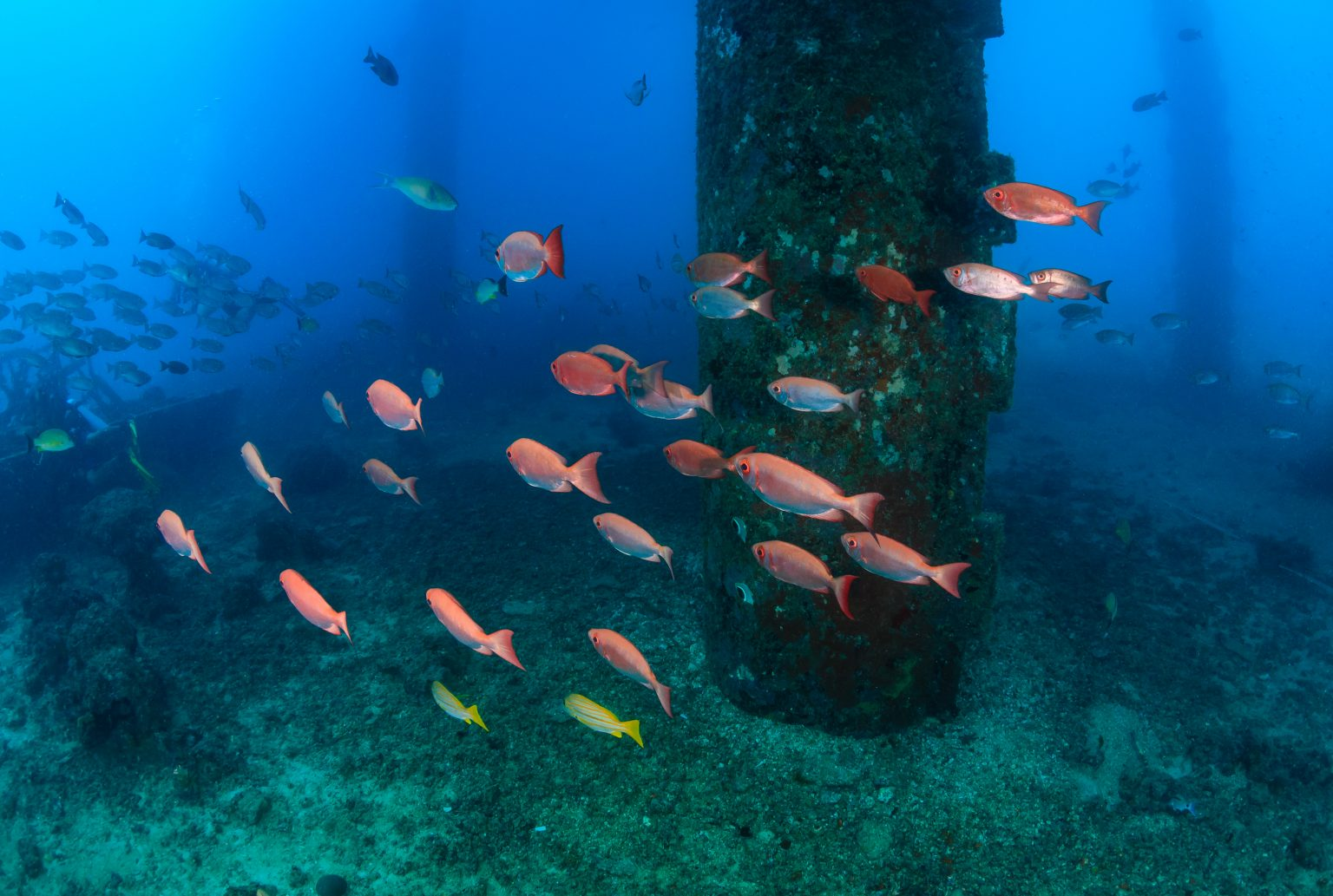
Without much hype, shelf operators continue to find and extract oil and gas from beneath the shallow waters of the GoM. The 1700 shelf platforms that remain provide energy for our economy and important hardbottom substrate for marine life. Keep it going! Only 25 more years until the 100th anniversary! 😀

Read Full Post »

While the Fieldwood Energy violations drove up the number of Incidents of Non-Compliance (INCs) in the Gulf of Mexico in 2021, most operating companies appear to have had good compliance records. Among companies that were subjected to at least 10 facility inspection and drilled at least one well, BHP Billiton, Eni US, and Murphy (listed alphabetically) had the most impressive compliance records. These three operators were cited for 7 or fewer INCs, none of which required a facility to be shut-in. Other operators that exceeded those activity thresholds and had excellent compliance records were (listed alphabetically) Anadarko, ANKOR Energy, Chevron, EnVen, Shell, and Walter Oil and Gas.

In the Pacific Region, Beta Operating Co., Chevron (now overseeing the former Signal Hill properties), and Exxon had excellent compliance records, although none of these facilities produced for the full year. In Alaska, Hillcorp had an excellent record at the Northstar Unit. (This is a gravel island facility in the State waters of the Beaufort Sea, but some of the wells produce from portions of the reservoir that are in the Federal sector).

Unfortunately, only summary inspection data are posted online. Without knowing the specific violations and circumstances, it’s not possible to fully assess the risk exposure. These oil and gas operations are conducted on public lands and are monitored by Federal employees. Inspection data and reports should be publicly accessible without having to submit Freedom of Information Act requests.

As has previously been discussed, incident updates should also be posted in a timely manner. Reference is made to this important recommendation in the 2016 National Academies report entitled Strengthening the Safety Culture of the Offshore Oil and Gas Industry:

Recommendation 4.2.2: Because accident, incident, and inspection data all are needed to identify and understand safety risks and corrective actions, the committee recommends full transparency such that regulators make all these data readily available to the public in a timely way, taking into consideration applicable confidentiality requirements.

Read Full Post »

« Newer Posts