Feeds:
Posts
Comments

Posts Tagged ‘Vito’

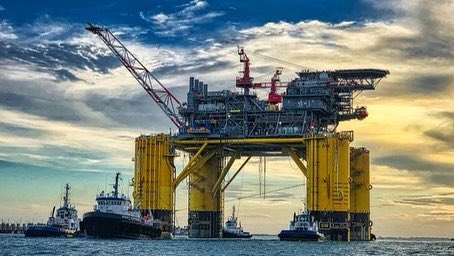
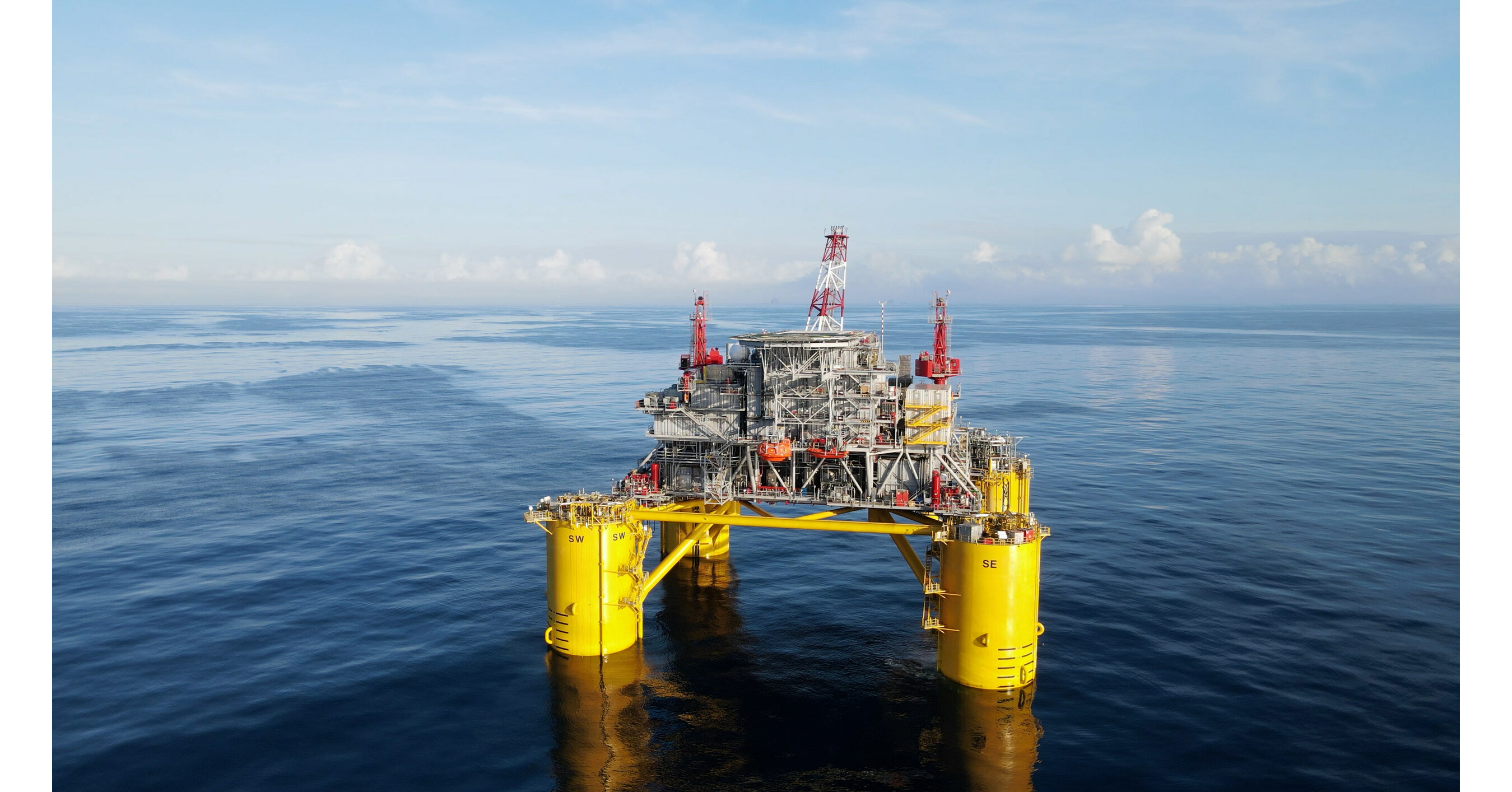
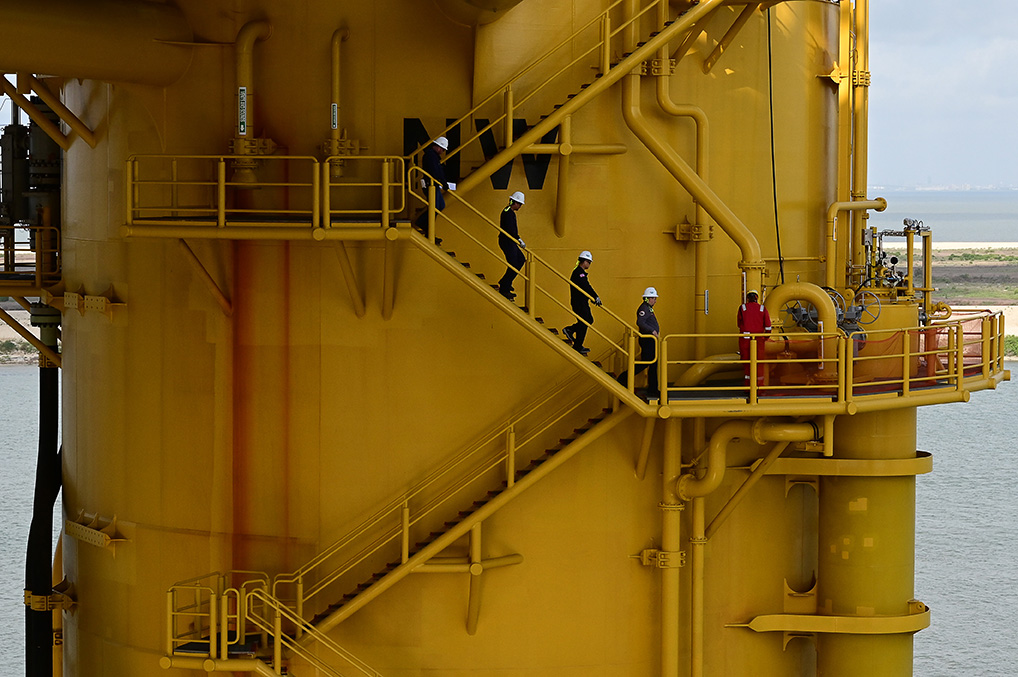
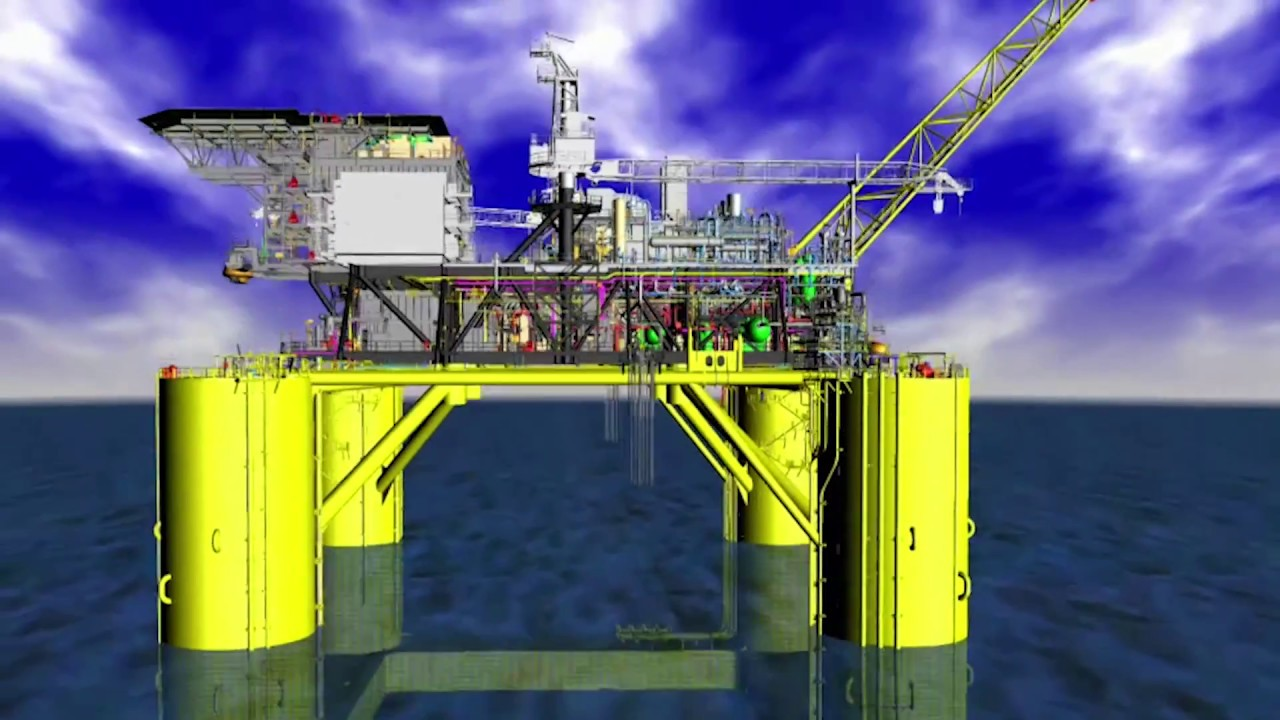
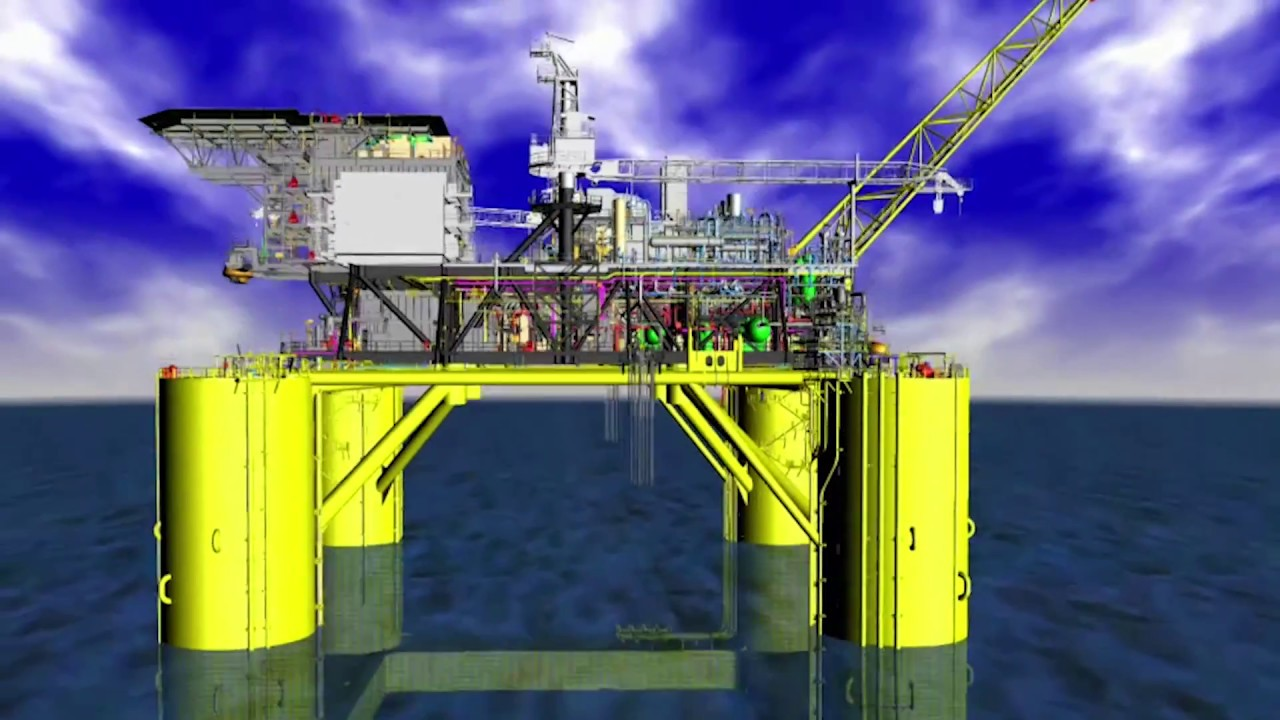
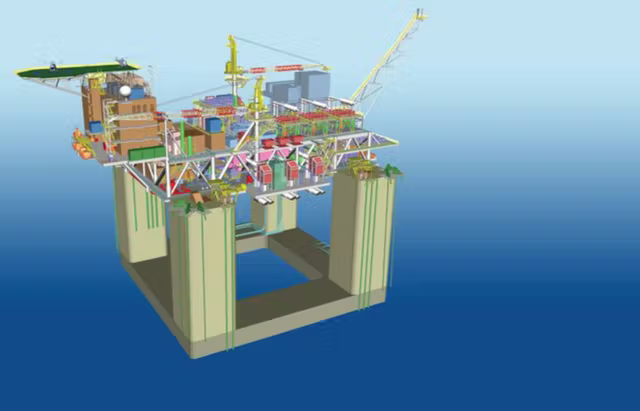
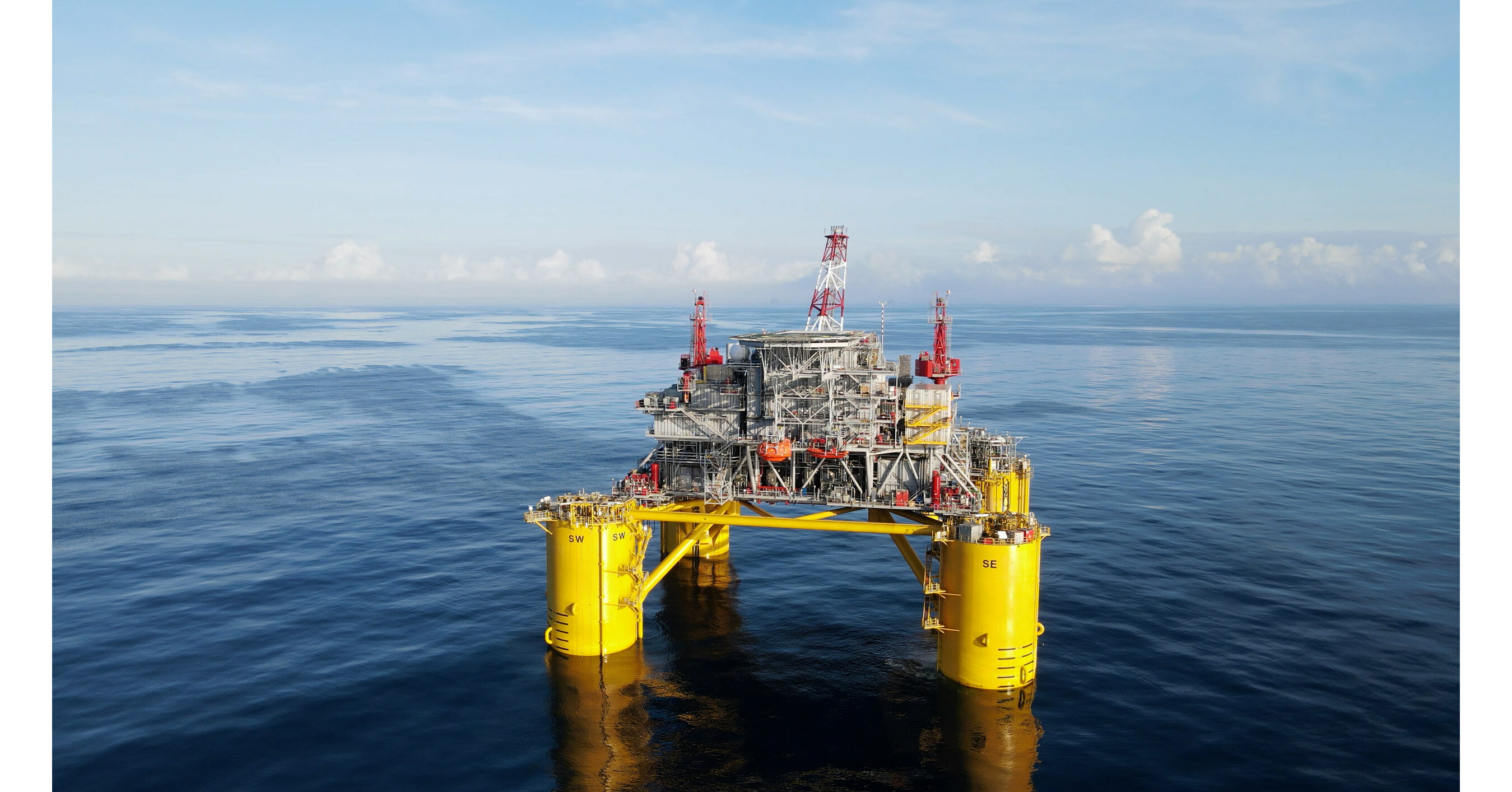
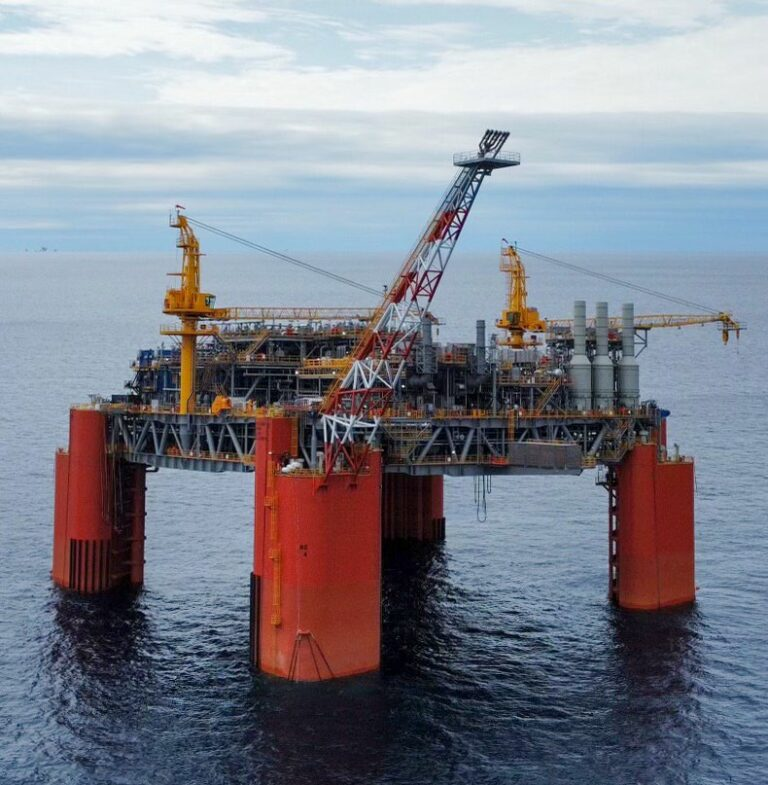
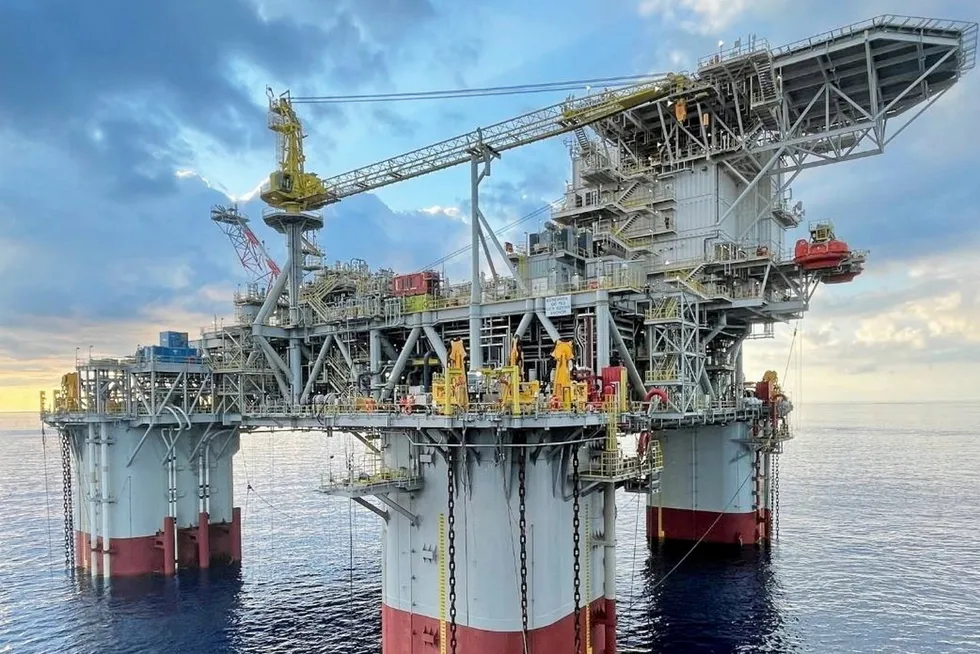
Shell’s Whale floating production unit began producing this month:

  • estimated peak production:100,000 barrels of oil equivalent per day (boe/d)
  • water depth – 8600 ft
  • 200 miles south of Houston
  • estimated recoverable resource: 480 million boe.
  • first oil only 7.5 years after discovery (includes COVID delay)
  • Vito clone: replicates 99% of the hull design and 80% of the topsides from Vito.
  • high efficiency gas turbines and compression systems
  • ~ 30% lower greenhouse gas (GHG) intensity over its life cycle than the already efficient levels being achieved at Vito. (Why the push to run electric cables from shore to North Sea platforms with ample gas production?)

All 5 of the new simpler, safer, greener floating production units are now online:

platformoperatorfirst production
King’s QuayMurphyApril 2022
VitoShellFeb 2023
ArgosbpApril 2023
AnchorChevronAug 2024
WhaleShellJan 2025

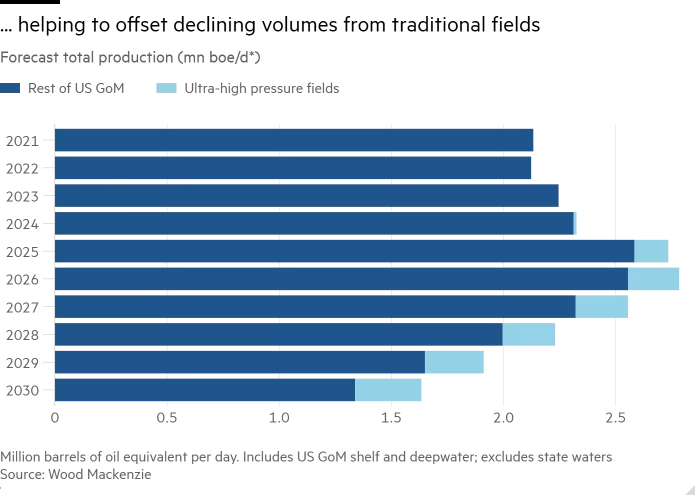
This is all good, but what is next? Will technological advances once again sustain GoM production? The short answer appears to be yes!

The efficiencies achieved with the simpler platform designs combined with the high pressure (>15,000 psi) technology developed over the past 2 decades will facilitate production from the highly prospective Paleogene (Wilcox) deepwater fans. (For those interested in learning more about the geology, see the excellent presentation by Dr. Mike Sweet, Univ. of Texas, that is embedded in this post.)

Three major high-pressure projects, ala Chevron’s Anchor, are anticipated:

platformoperatordiscovery datefirst production
Kaskidabp20062029
SpartaShell20122028
ShenandoahBeacon20092025 Q2

The Gulf still has high production potential if properly managed with consistent lease sales.

Will Florida budge by supporting the lifting of the EGOM leasing moratorium? Here is why they should.
Read Full Post »

Four of the five simpler, safer, greener deepwater platforms featured on this blog are now producing. The 5th platform (Whale) is on location and scheduled to begin production later this year.

platformoperatorfirst production
King’s QuayMurphyApril 2022
VitoShellFeb 2023
ArgosbpApril 2023
AnchorChevronAug 2024
WhaleShelllate 2024

These platforms are in 4000 to 8600′ of water, are expected to reach peak production rates of 100-150,000 boe/day, and have favorable emissions characteristics on a per barrel basis.

This is all good, but what is next? Will technological advances once again sustain GoM production? The short answer appears to be yes!

The efficiencies achieved with the simpler platform designs combined with the high pressure (>15,000 psi) technology developed over the past 2 decades will facilitate production from the highly prospective Paleogene (Wilcox) deepwater fans. (For those interested in learning more about the geology, see the excellent presentation by Dr. Mike Sweet, Univ. of Texas, that is embedded below.)

Chevron’s Anchor is the first deepwater, high-pressure development. Three similar deepwater hub platforms (table below) will begin production over the next 5 years. These host platforms will also facilitate additional production from nearby fields. Each will have production capacities of approximately 100,000 boe/day. Note the long lead times in achieving first production given the technological issues that had to be evaluated and addressed.

platformoperatordiscovery datefirst production
Kaskidabp20062029
SpartaShell20122028
ShenandoahBeacon20092025

Wood Mackenzie sees these high pressure projects as the key to sustaining GoM production rates. Their projections for 2024 and 2025 seem optimistic based on 2024 YTD data, which adds to the importance of the projected new production.

Related: Movin’ on up to 20,000 psi BOP equipment

Read Full Post »

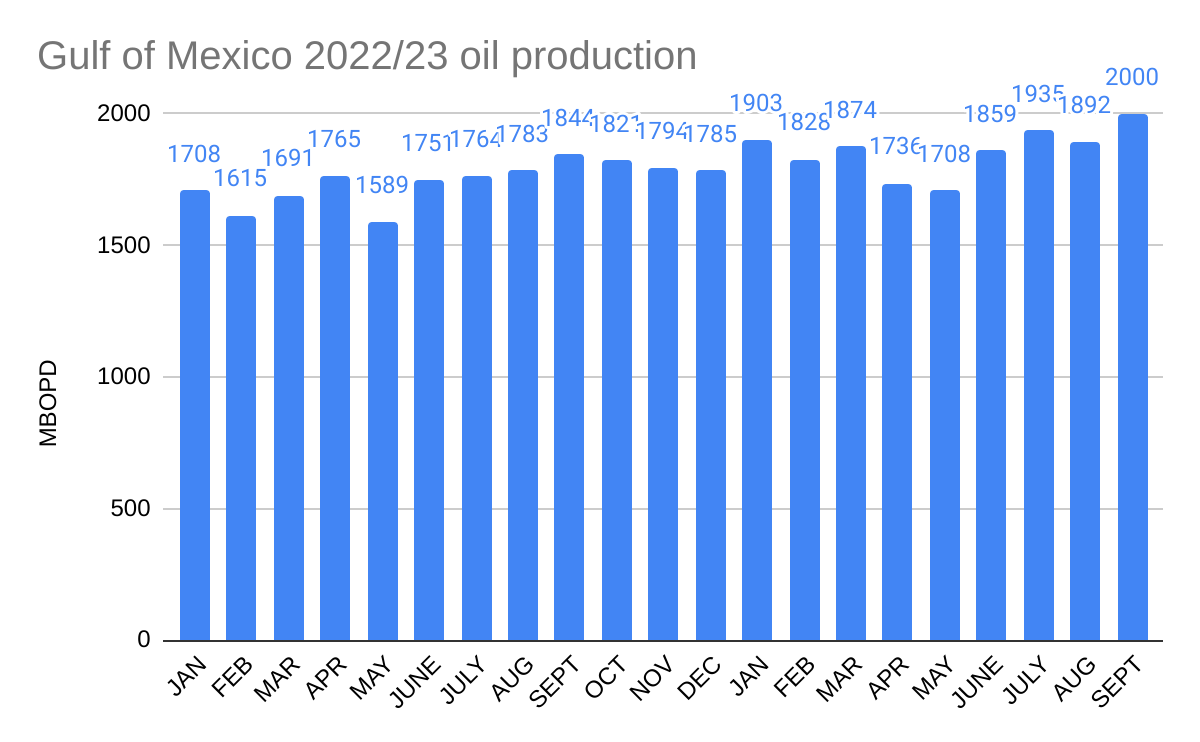
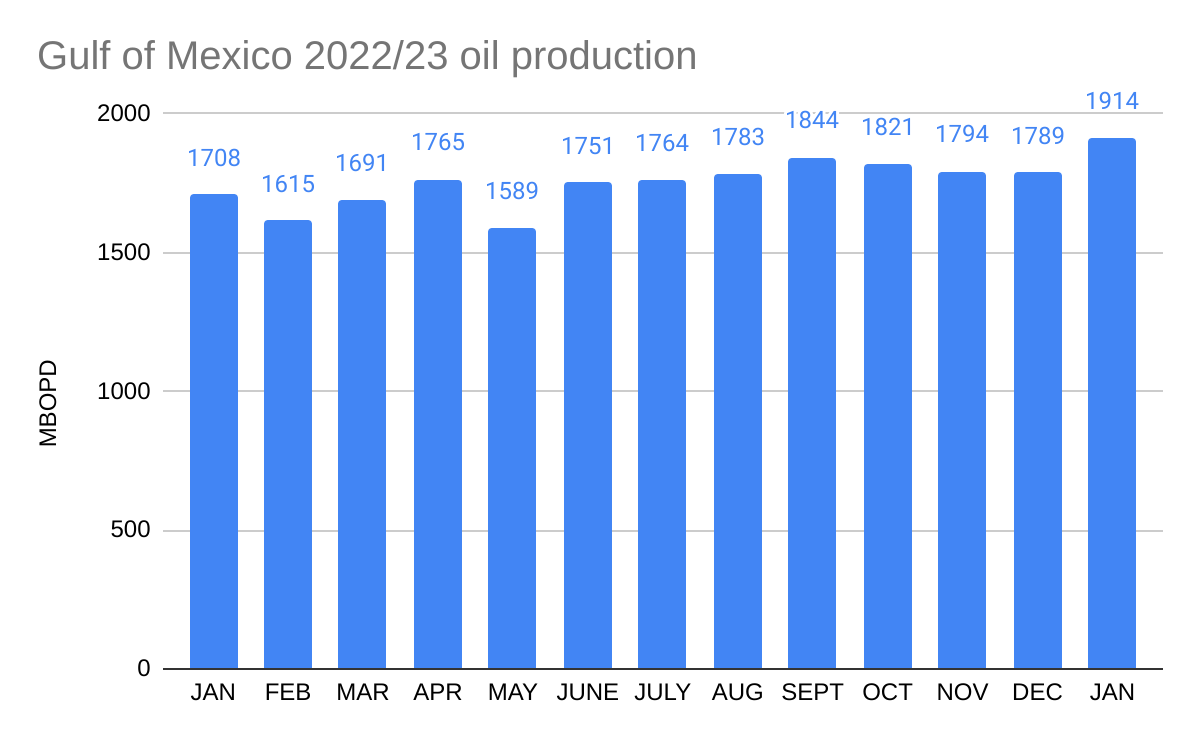
Per EIA, September Gulf of Mexico production averaged 2 million bopd on the button! New production from Vito and Argos were no doubt contributors, as production reached the 2 million bopd mark for only the third month in the history of the OCS program. The other 2 months were in 2019.

Imagine what US offshore production might be if the OCS oil and gas program was actually managed to succeed!

Also, as the official hurricane season comes to a close today, we are fortunate in that there have been no production shut-ins from tropical storms in 2023.

Vito

Read Full Post »

This is presumably due to the new production at Vito and Argos. Will we see 2 million bopd again? Perhaps later this year or next, but production increases are unlikely beyond that given the current state of the offshore leasing program. You can’t efficiently develop and supplement new discoveries without consistent, predictable leasing.

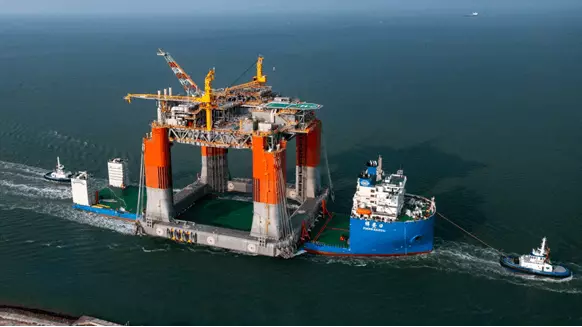
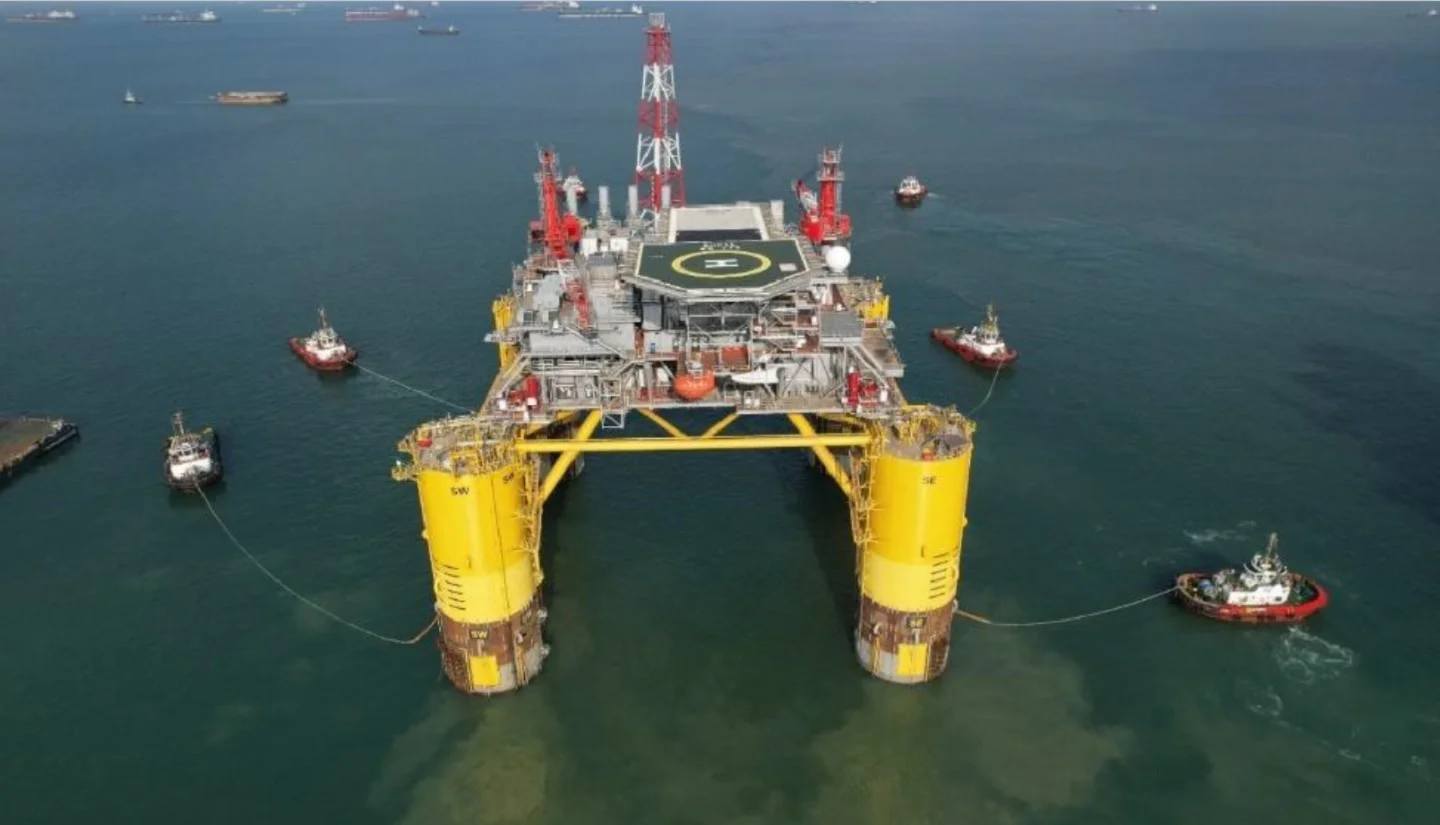
Shell Vito under tow to the Mississippi Canyon area of the Gulf of Mexico.

Read Full Post »

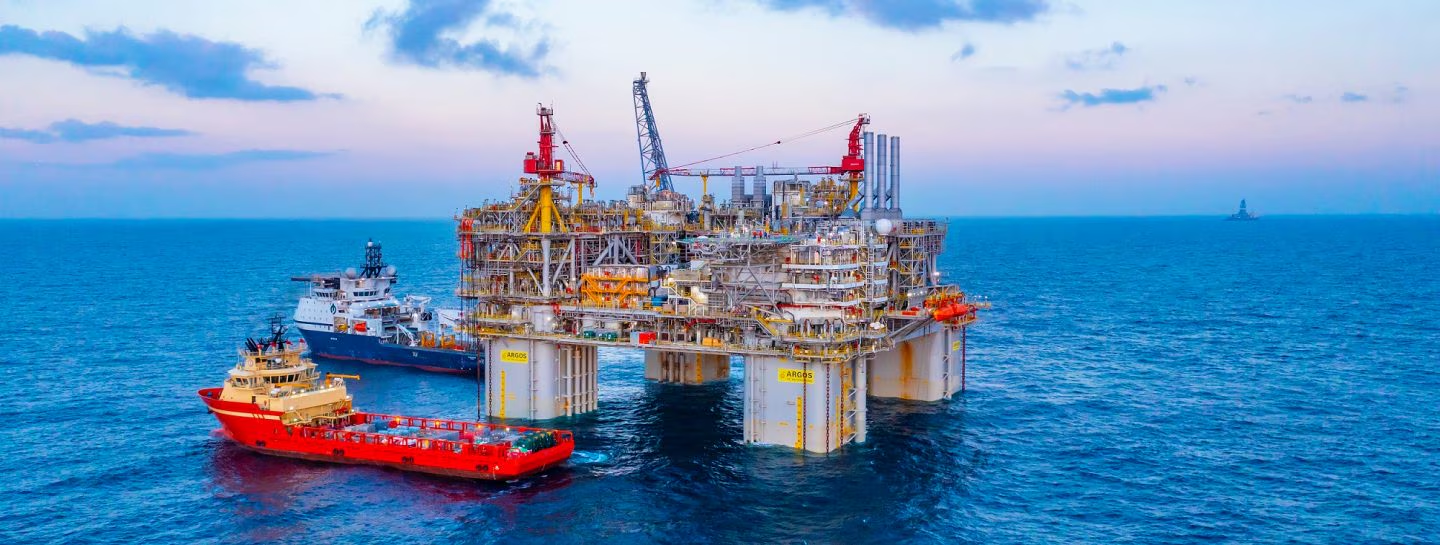
With the announcement of first oil at Argos, 3 of the 5 next generation deepwater platforms (simpler, safer, and greener) are now producing oil and gas in the Gulf of Mexico. The other 2 platforms are expected to begin production in 2024.

Prior to the installation of these platforms, the last deepwater platform addition was Shell’s Appomattox in 2018. That gap in deepwater platform installations was the longest since Bullwinkle was installed in 1988.

The 5 new structures will increase the deepwater platform count by 9% from 56 to 61, and in the next few years should account for approximately 1/4 of GoM oil production.

platformoperatorwater
depth
(feet)
first
production
design
production
(boe)
King’s QuayMurphy3725April 2022100,000
VitoShell4000Feb 2023100,000
Argosbp4500April 2023140,000
AnchorChevron50002024 (est.)80,000
WhaleShell86002024 (est.)100,000
Argos

Read Full Post »

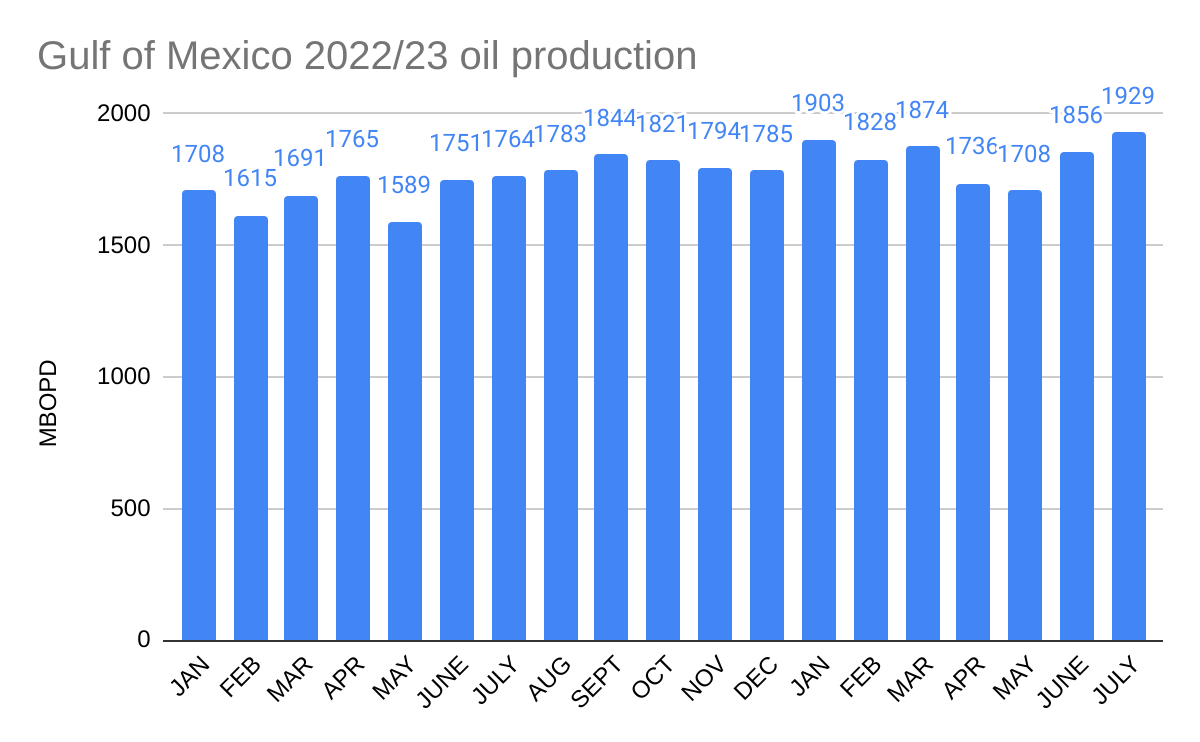
The encouraging start to 2023 GoM production is likely due, at least in part, to Shell’s Vito and Murphy’s King’s Quay ramping up production. Other deepwater startups should boost production later this year.

EIA data

Read Full Post »

Shell Vito

Last year, BOE featured 5 deepwater platforms that were under construction: Shell’s Vito and Whale, Murphy’s King’s Quay, bp’s Argos, and Chevron’s Anchor. These floating production units are noteworthy for their lighter, smaller designs. King’s Quay was the first to produce, beginning last April. The spotlight is now on Vito which began producing today. Vito’s peak production should reach 100,000 boe. The other 3 platforms are expected to begin production this year or next.

Read Full Post »

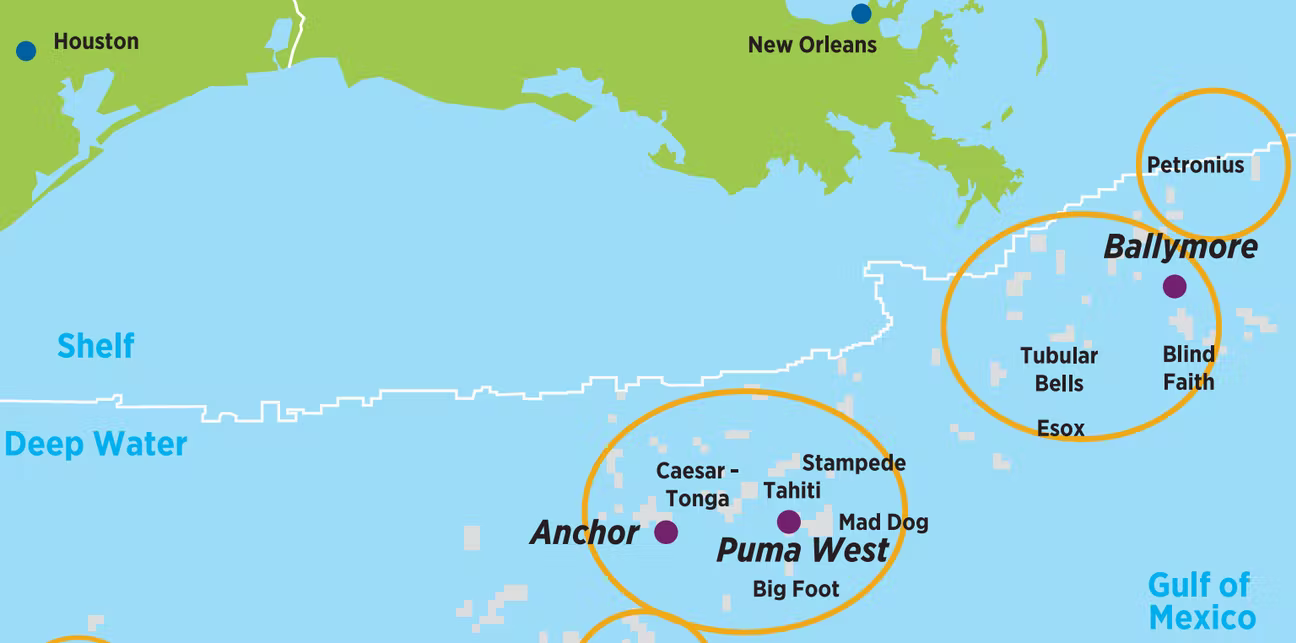
Ballymore will be produced with 3 seafloor wells (6540′ water depth) that are expected to transport 75,000 bopd via a three-mile subsea tieback to Chevron’s Blind Faith floating production unit. Per BOEM, the Ballymore field was discovered in December, 2017. First production is expected to be in 2025.

Pre-production inspection, Shell Vito
Vito

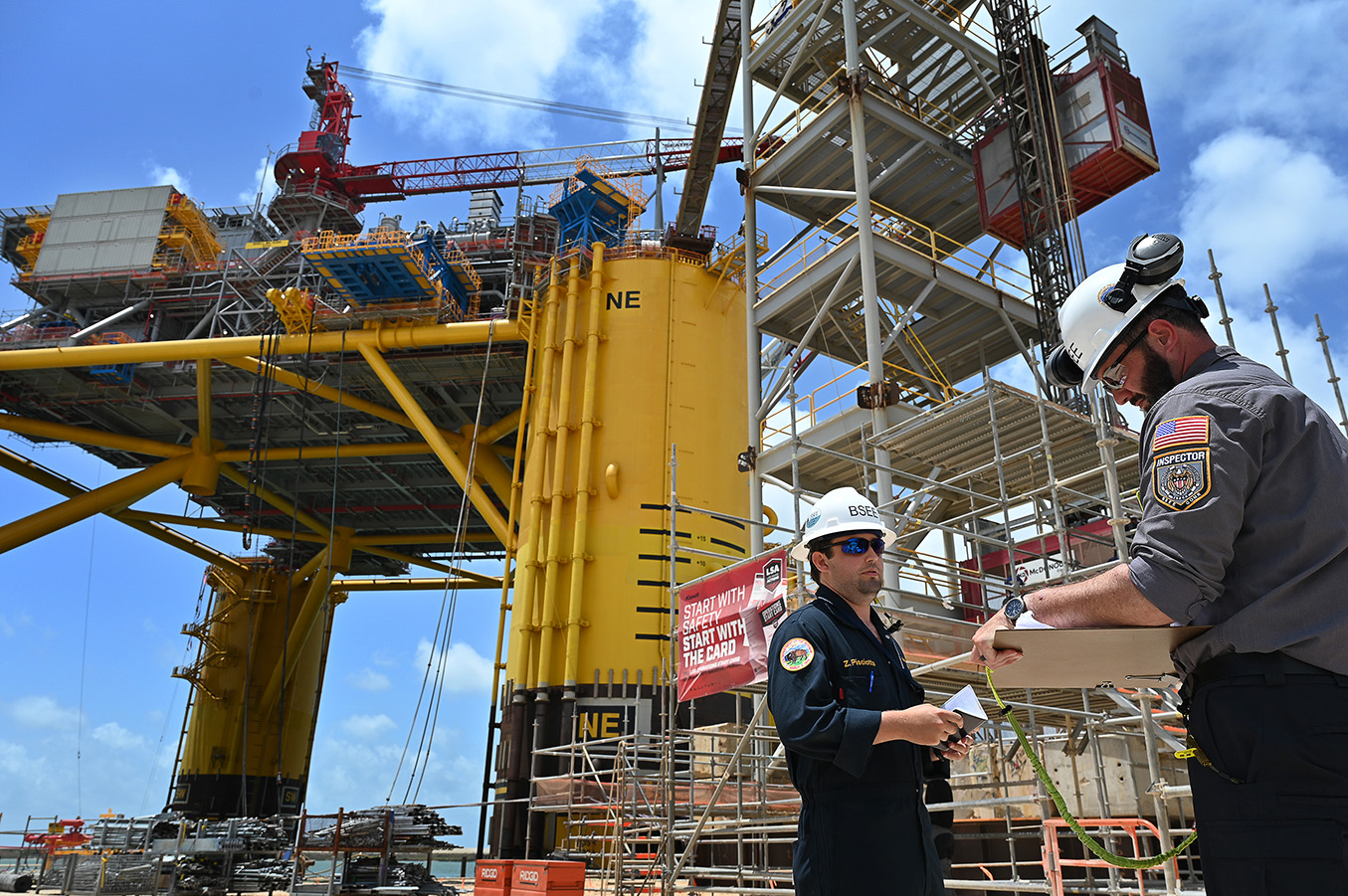
Shell’s Vito floating production unit was inspected last week by BSEE personnel. Vito is expected to begin production later this year or early next year and produce up to 100,000 bopd. Per BOEM data, the Vito field was discovered in 2010.

As these projects demonstrate, deepwater development takes time and is often dependent on related projects on other leases. This is why future production is dependent on regular, predictable lease sales.

Read Full Post »

Why U.S. Oil Companies Aren’t Riding to Europe’s Rescue

This article is primarily about Texas shale oil production. Offshore production, particularly in deepwater areas, is much more capital intensive, requires longer lead times, is exclusively on government leases, and is highly regulated by multiple agencies. These factors weigh against quick responses to market conditions. A Bloomberg article about Shell’s Vito project provides a good offshore perspective.

Vito

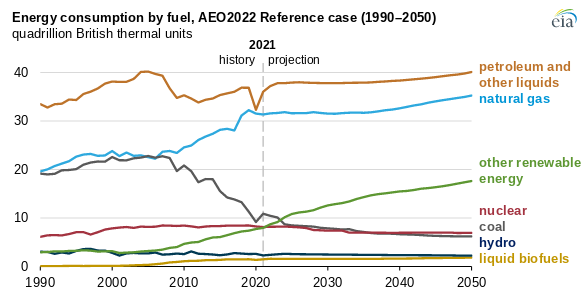
Another important factor in the offshore sector is that the major oil and gas producers seem to be going through an identity crisis, torn between what they are and what they (aided by some loud and powerful voices) think they should be. The future of these companies is dependent on how they navigate through all of this. The need for oil and gas is clearly not going away (see EIA projection below). Who will provide the supply and where will it be produced?

Read Full Post »

Shell Vit0
Chevron Anchor
BP’s Argos
Murphy’s King’s Quay

After a several year lag in deepwater Gulf of Mexico development, a new generation of projects is moving toward first production. Shell’s Vito and Whale, BP’s Argos, Chevron’s Anchor, and Murphy’s King’s Quay are similar in many ways including the following:

  • Floating production units
  • Lighter, smaller semisubmersible designs
  • Excellent structural integrity and storm performance characteristics
  • Lower project costs, shorter cycle times
  • 4000 to 8600′ water depth
  • Subsea wells, small surface footprint
  • High production rates anticipated: 100,000 – 150,000 BOE/D
  • Standardized equipment
  • Energy efficient gas turbines
  • Advanced remote monitoring, fewer onboard staff
  • Simpler = safer (assuming equivalent well and production safety system integrity)
  • Limited number of wells + high production rates/well + efficient power generation and processing equipment + restricted flaring + pipeline transportation = low GHG intensity production

Read Full Post »

Older Posts »