Given the investigation’s significance, not only for Vineyard Wind, but for other offshore wind projects planned or under construction, how is the delay in issuing the report acceptable?
Keep in mind that the lengthy and complex National Commission, BOEMRE, Chief Counsel, and NAE reports on the Macondo blowout were published 6 to to 17 months after the well was shut-in.
Bidding at the February 2022 Atlantic (NY/NJ) wind saleseemed incomprehensible given the economic and political uncertainties associated with offshore wind development.The 6 leases garnered bids ranging from $285 million to an astounding $1.1 billion, with total high bids of $4.37 billion! The Administration’s victory message correctly boasted that this was the “nation’s highest grossing competitive energy lease sale in history.”
The intense bidding was driven by the lure of subsidies, guaranteed power sales, unprecedented Federal and State promotion, peak climate activism, inattention to mounting public opposition, and irrational expectations regarding the role of offshore wind in powering the regional economy.
The table below summarizes the sale results and the current status for the 6 leasesissued following the 2/2022 sale. One lease has been essentially terminated by the partners and the State. The other leases are in holding patterns in the planning phases.
high bidder
lease #
acres
bid ($millions)
status
Bluepoint Wind (EDP, ENGIE, Global Infrastructure Partners)
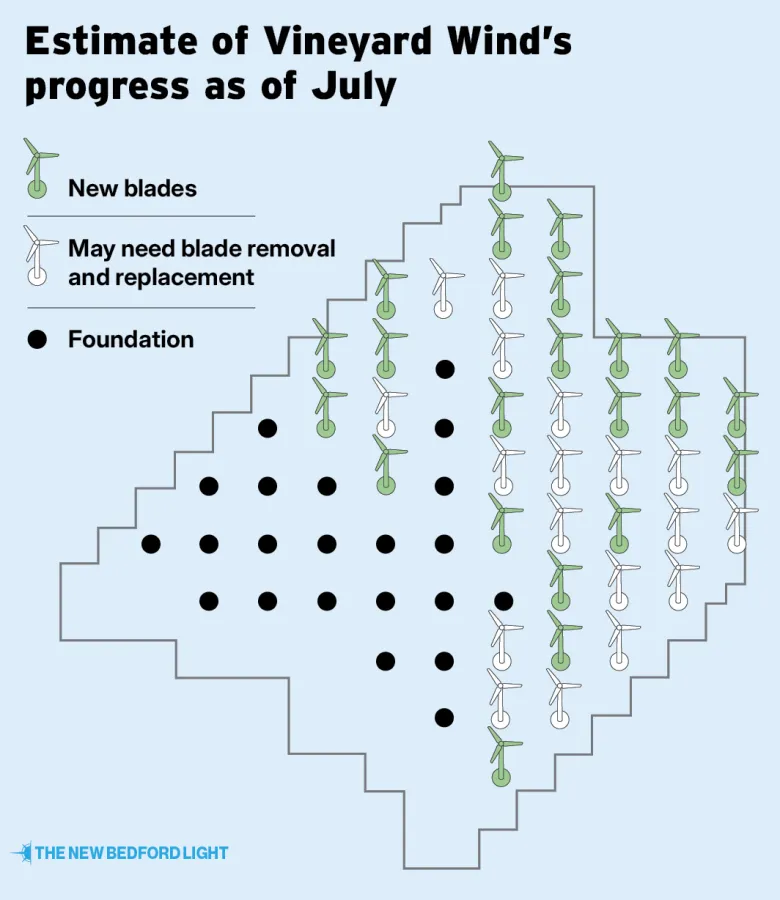
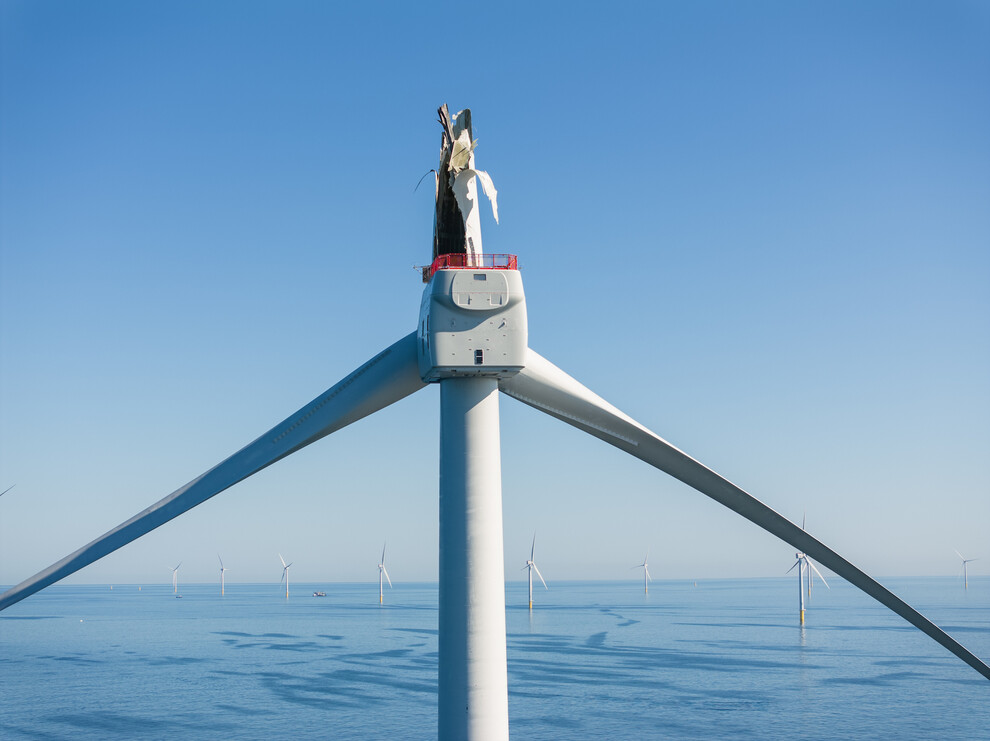
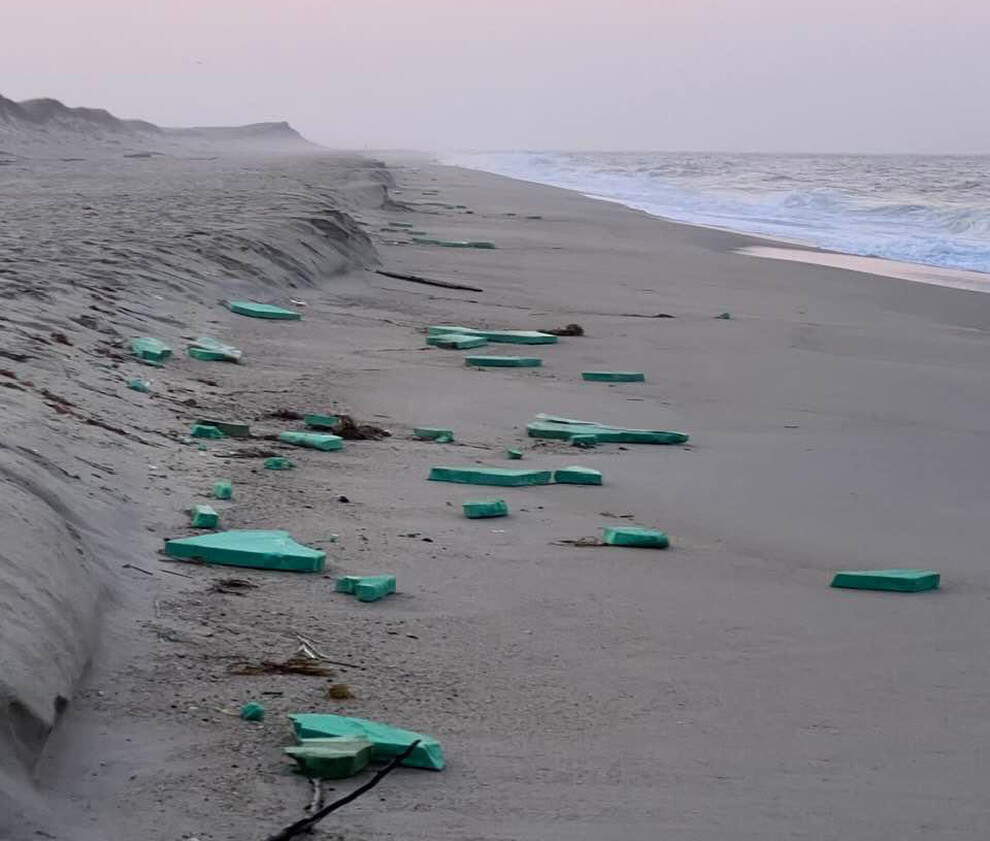
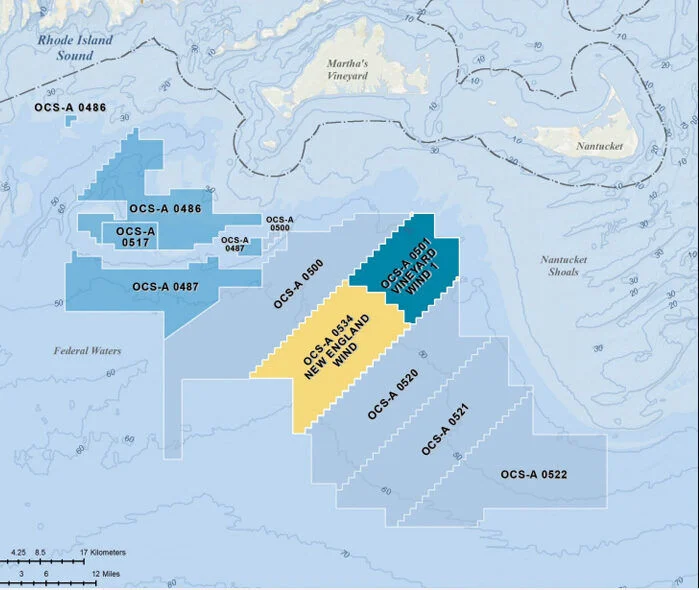
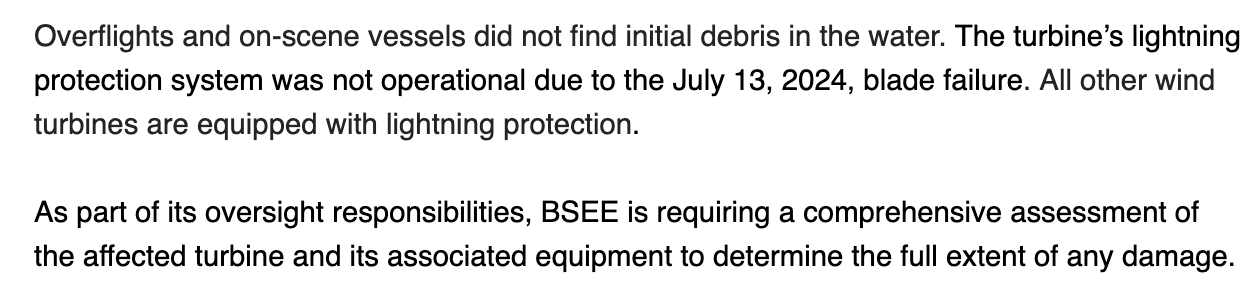
The first US commercial offshore project, Vineyard Wind, has proven to be a major step backward for the wind industry. After being granted questionable financial and quality assurance waivers to reduce costs and “allow Vineyard Wind to adhere to its construction schedule,” the July 2024 turbine blade failure and subsequent lightning strike have raised new questions about the technology, industry, and regulatory regime. The report on the blade failure, which should arguably be a precursor to the resumption of Atlantic wind development, has yet to be released.
The one shining light, relatively speaking, for Atlantic wind development, has been Coastal Virginia Offshore Wind. That large project is on track to be completed at the end of 2026. Although the cost has risen about nine per cent, to $10.7 billion, that increase is understandable given the higher than anticipated costs for upgrading the onshore network.
Seafreeze Shoreside, Inc., Petitioner, Amicus briefs submitted by Green Oceans, Protect Our Coast NJ, America First Policy Institute, and the Save Right Whales Coalition
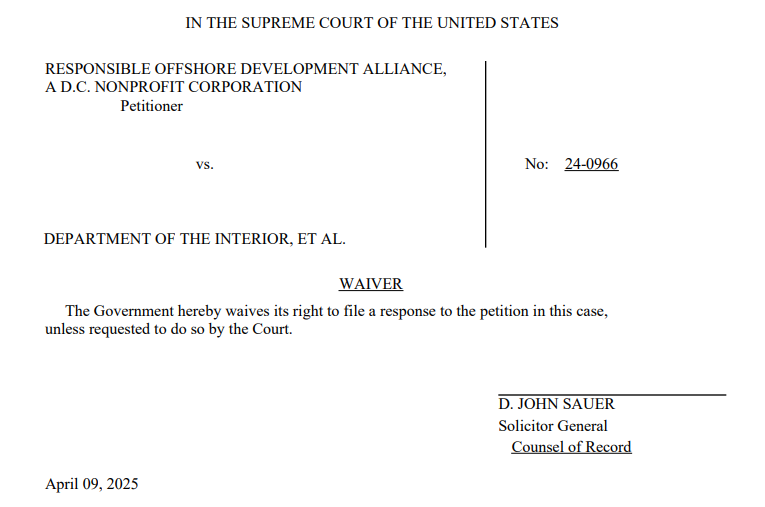
Given that the SCOTUS declined to hear a Vineyard Wind challenge by the Nantucket-based ACK for Whales group, the odds of the new challenges being heard would seem to be low. However, it’s noteworthy that both Vineyard Wind and the Federal Government have waived their right to respond to these petitions. The Government’s waiver to respond to the RODA petition is pasted below.
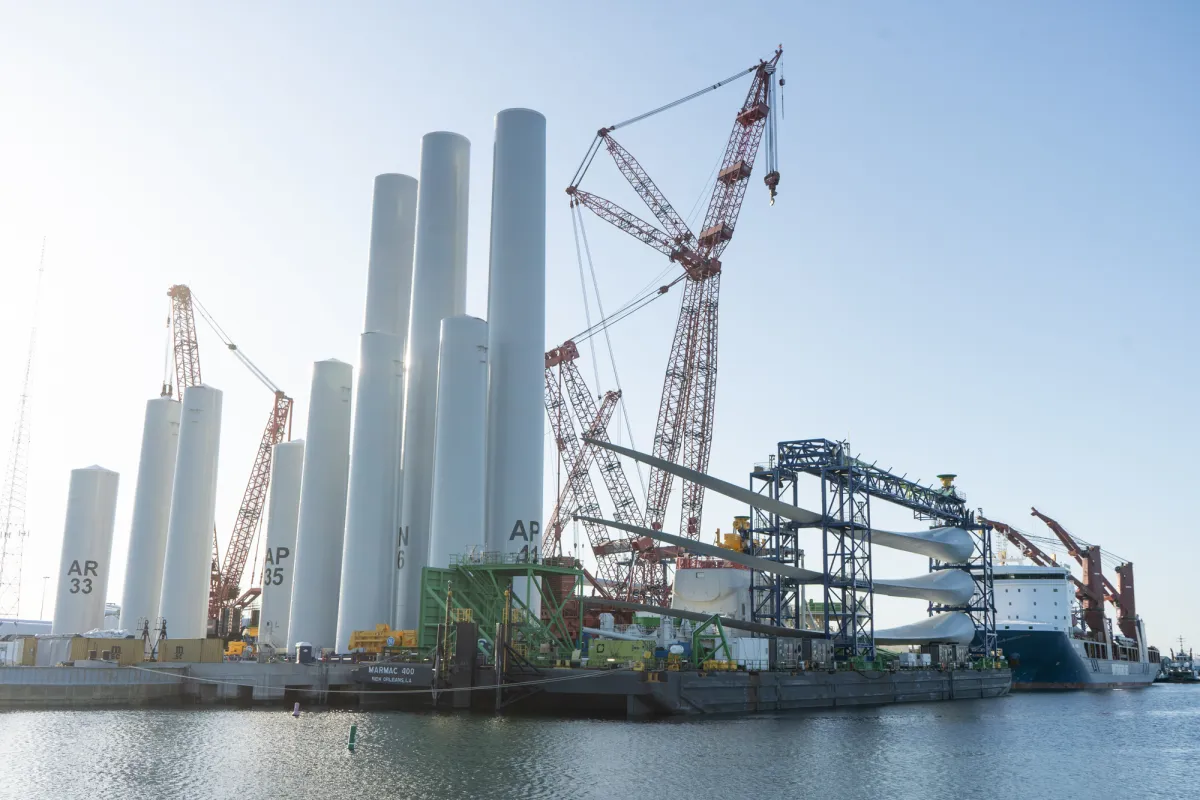
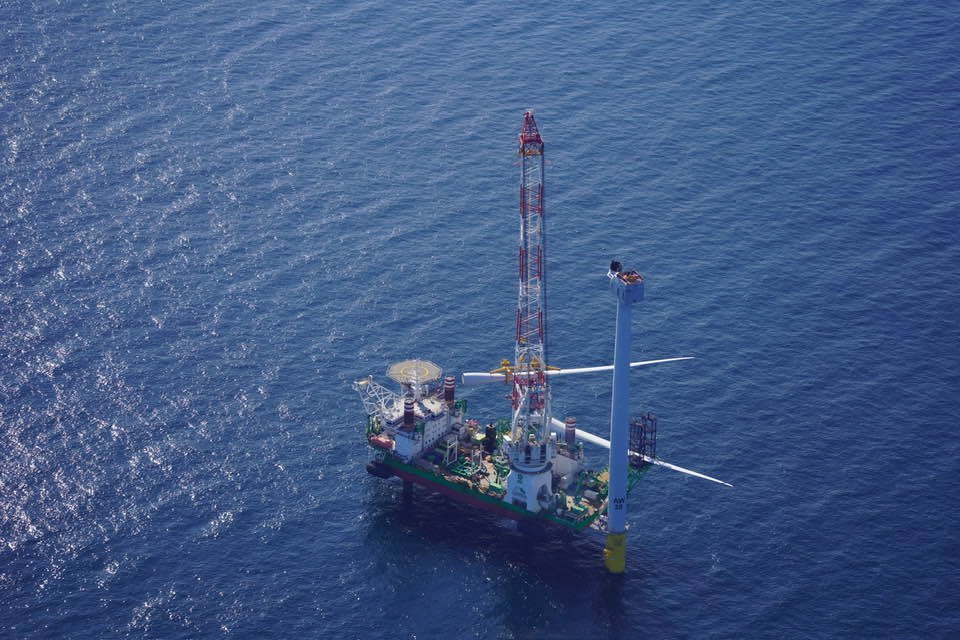
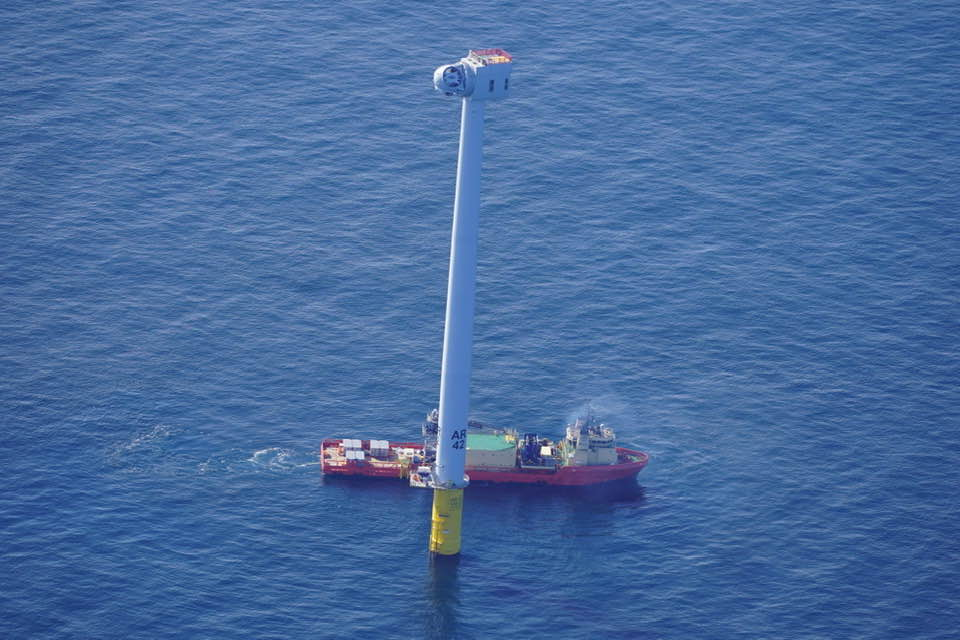
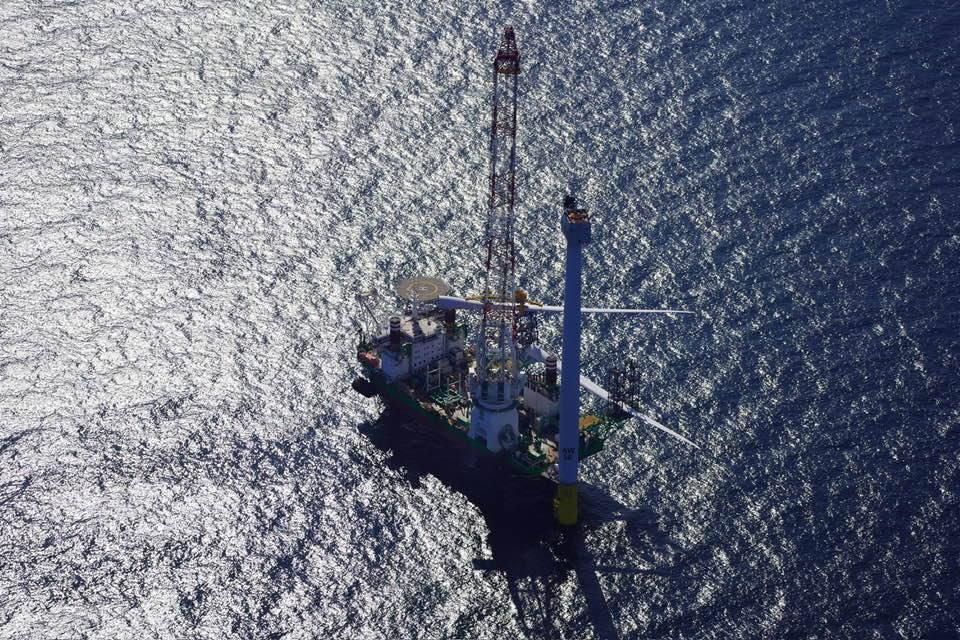
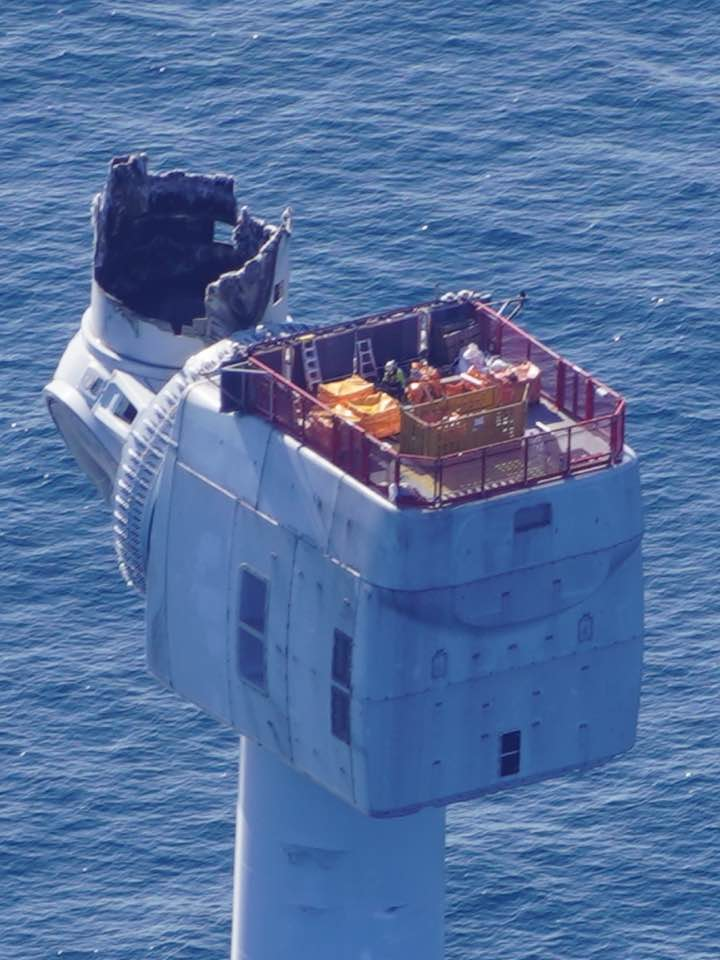
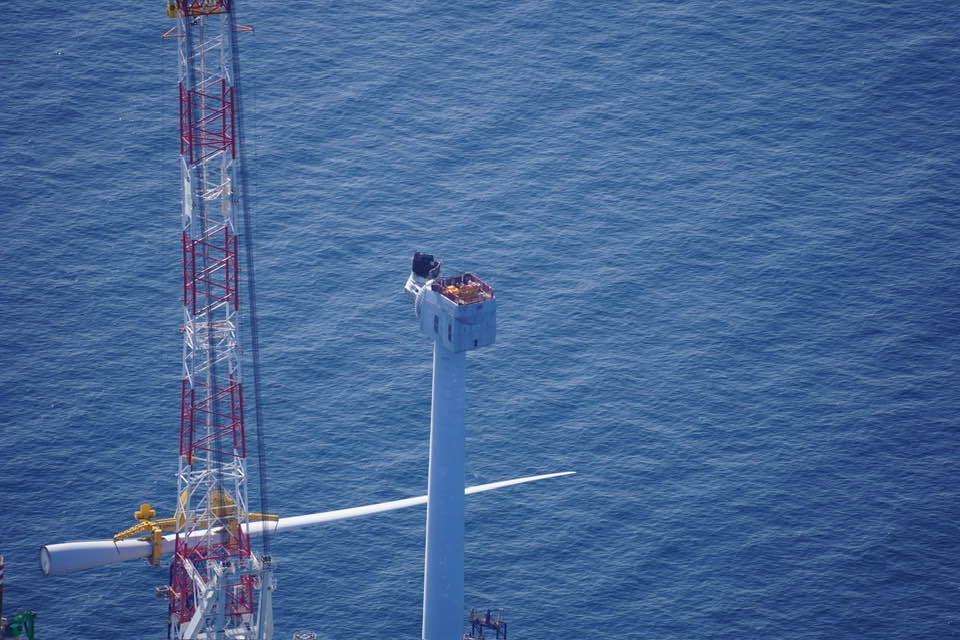
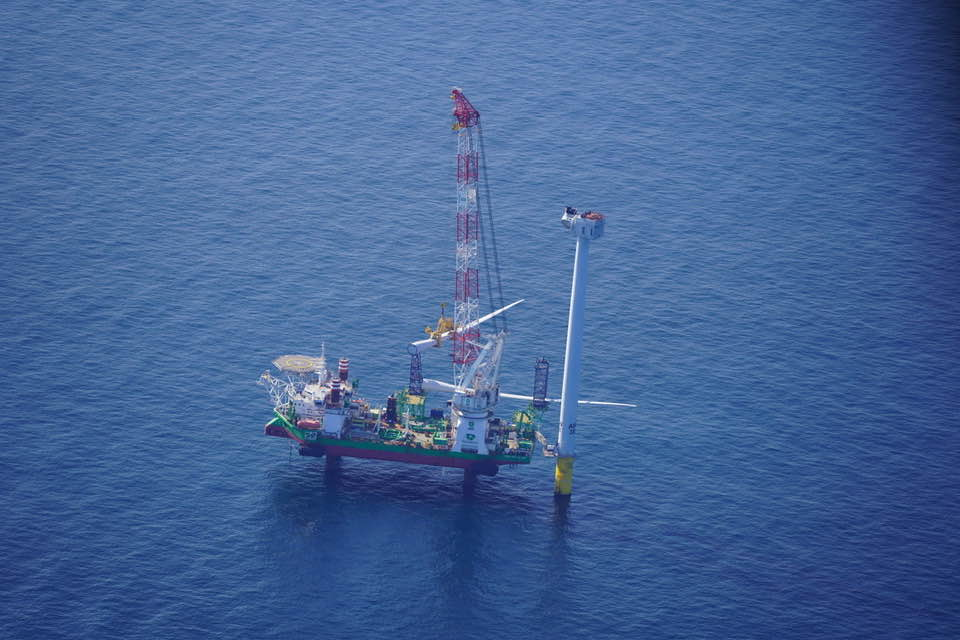
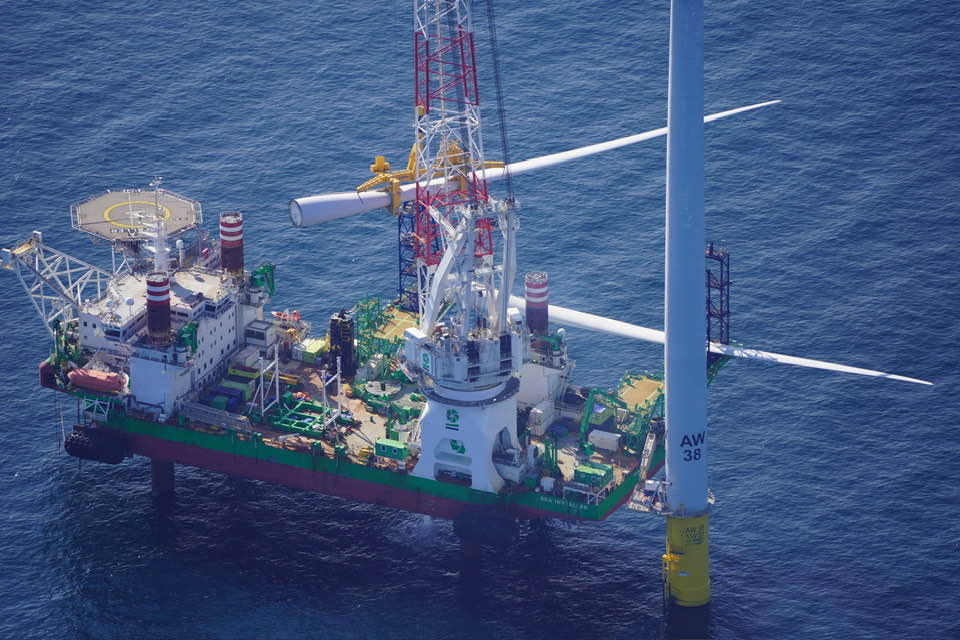
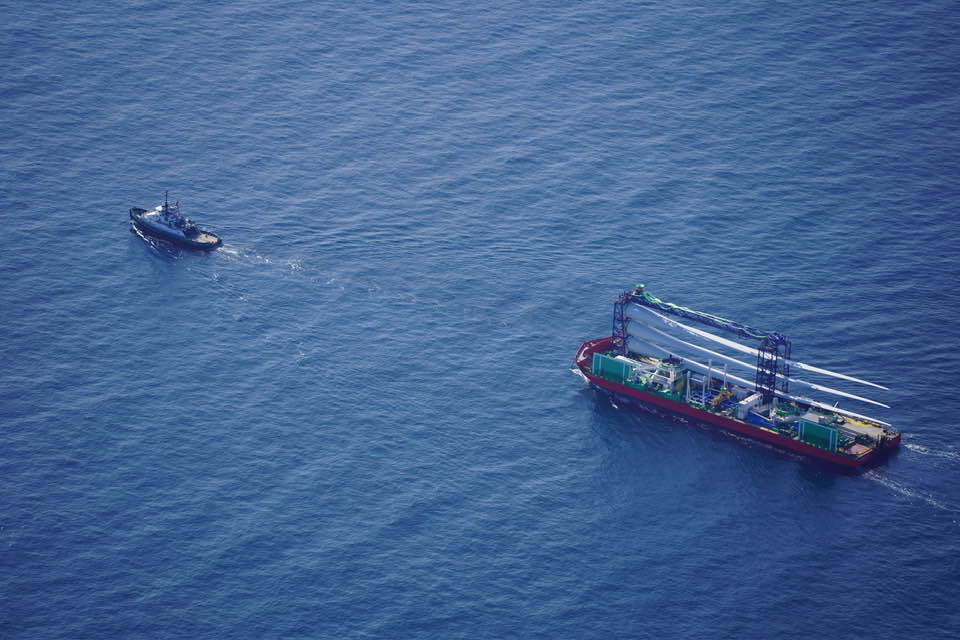
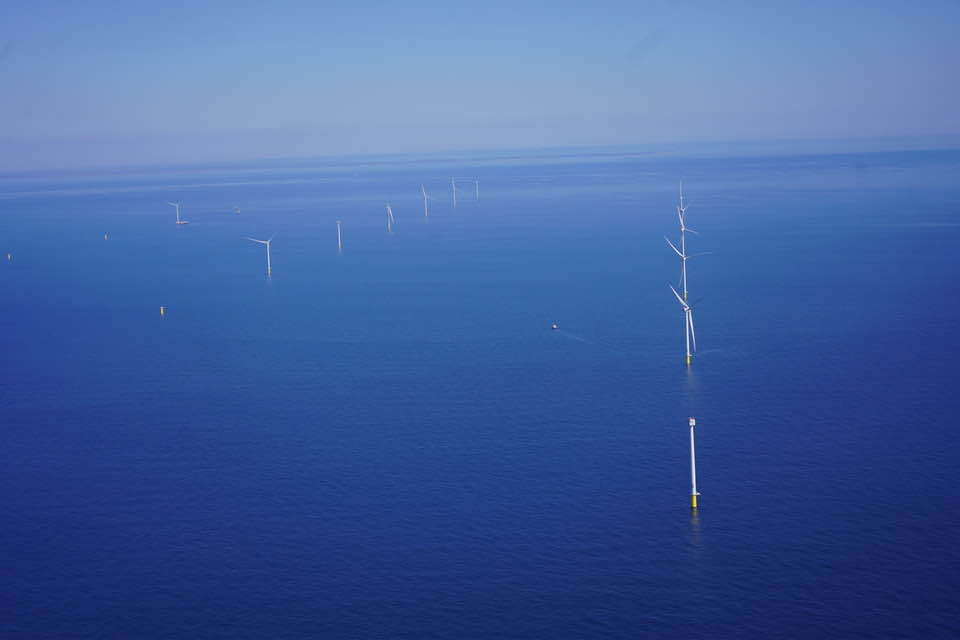
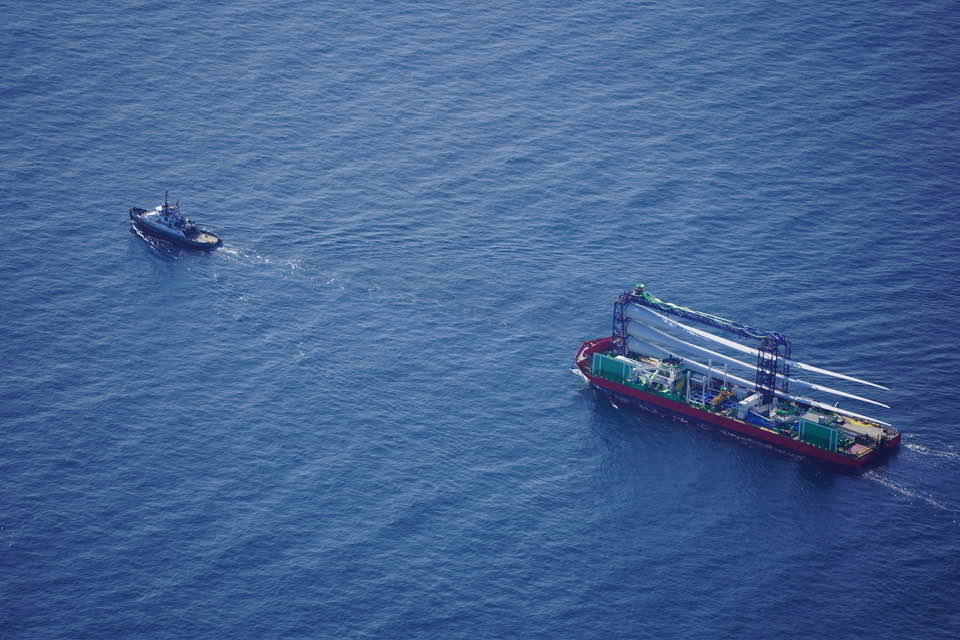
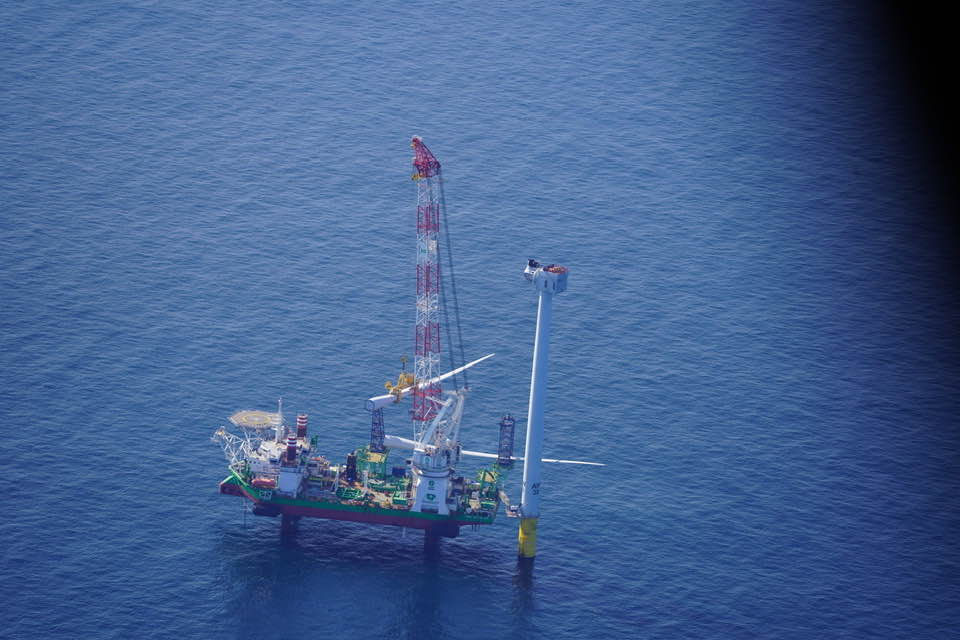
Below are interesting pictures of Vineyard Wind’s repair and installation activity taken today by Nantucket pilot Doug Lindley. He commented that only of the turbines was spinning.
Also note the vessel transporting replacement blades.
It’s a bit difficult to rationalize all of this, but the Administration of Massachusetts Governor Maura Healey sees these projects as being critical to the Commonwealth’s energy future.
In February, EPA Region 2 asked the agency’s Environmental Appeals Board to remand Atlantic Shores’ air emissions permit back to the Region for reconsideration. That remand (attached) was granted on 14 March over the objections of Atlantic Shores Offshore Wind.
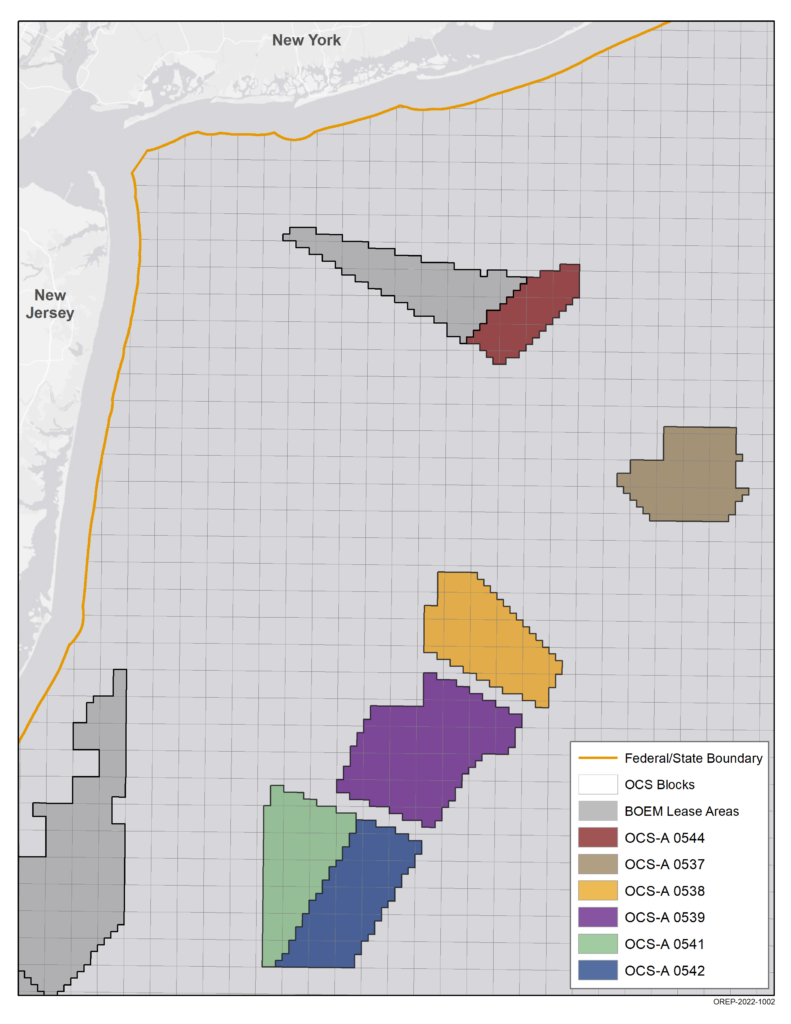
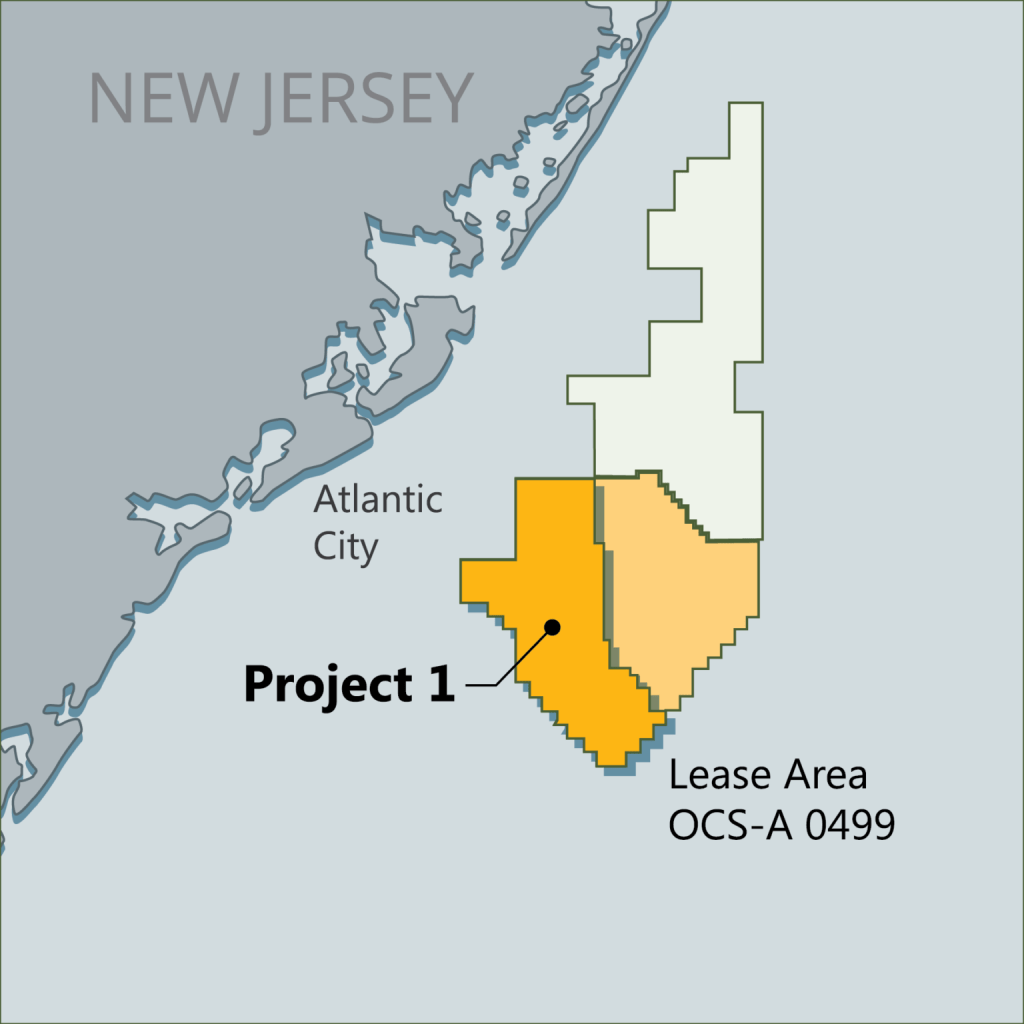
Atlantic Shores Offshore Wind still exists despite the exit of 50% partner Shell and a $940 million write down by the remaining owner EDF. The diagram depicts Atlantic Shores South (0499) and North (0549) lease areas.
EDF intends “to preserve the company and its future development.” Whether or not they can hold the leases indefinitely without pursuing development remains to be seen. BOEM’s diligence regulations for offshore wind projects are vague, and neither the Construction and Operations Plans nor BOEM’s Record of Decision (Atlantic Shores South) include work schedules.
Does EDF have the right to sit on the lease until the financial and regulatory environment is attractive? That is not allowed for oil and gas leases, and rightfully so. (See a related post on Total’s wind lease.)
The analysis does account for emissions related to and resulting from blade failures, which would warrant emergency repairs or replacement activities.
The decision to group Vineyard Wind 1, New England Wind 1 and New England Wind 2, as a single stationary source is both legally questionable and could have the effect of masking localized emission spikes.
Insufficient consideration of cumulative vessel emissions could lead to 1-hour NO₂ exceedances.
The emissions from pile driving are not adequately modeled in isolation or synergistically.
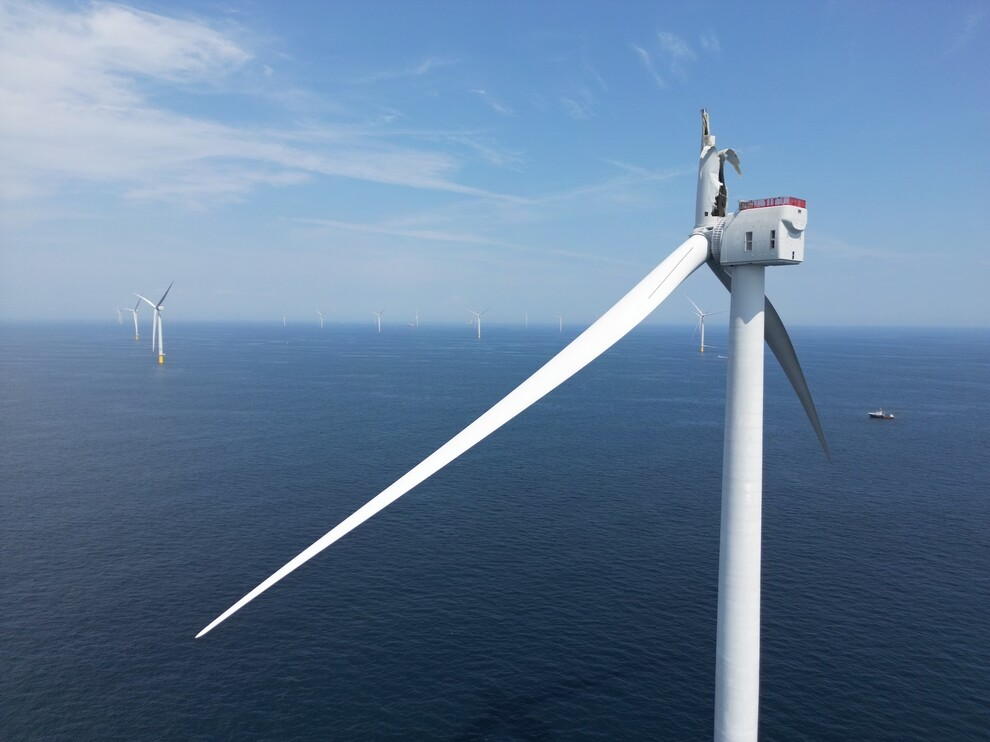
The same Vineyard Wind turbine blade that failed last summer has now been struck by lightning:
“Lightning struck the fractured stub of Vineyard Wind’s broken turbine blade in the early morning hours on Friday (2/27), according to representatives from Vineyard Wind and the Coast Guard. It was the remnants of the broken blade that snapped this July that were still attached to the turbine.”
“It appears the town (Nantucket) was not informed of the lightning strike by Vineyard Wind until it received media inquiries about it, over 48 hours after it happened.”
We “feel misled” Nantucket Select Board member Dawn Hill Holdgate gives State Rep Thomas Moakley and State Sen. Julian Cyr an earful on Vineyard Wind.
“We as a board, and the community at large even more vehemently, really feel misled by the representations we were given back in 2020…”
“The visual simulations we were given were not accurate.”
“The promises on the lighting, they have been fully lit for quite a long time now. That never should have happened.”
“The safety and the environmental impacts on the sea life are just far greater than the information we were provided when we were offered a financial settlement based on just the visual impact on our historic landmark, which is far more impactful than the simulations we were shown.”
Blade replacement update: “They’ve removed four complete sets to date,” Nantucket Select Board chair Brooke Mohr said tonight. That would mean 12 of the 66 compromised blades Vineyard Wind is required to remove have been taken down.
Perhaps Nantucket should have added Jayden Daniels to their team! 😉
Although the SCOTUS declined to hear their challenge, the Nantucket group may still achieve their objective, at least in part, given the looming changes in Federal policy and the financial and operational challenges facing the offshore wind industry.