
On 9 November 2010, the Petroleum Safety Authority Norway (PSA) conducted an audit of BP Norge’s follow-up of new work processes within drilling and well activities using information and communication technology (ICT)
Posted in Norway, Offshore Energy - General, oil, tagged bp, Norway, offshore oil, PSA, safety on January 29, 2011| 2 Comments »
On 9 November 2010, the Petroleum Safety Authority Norway (PSA) conducted an audit of BP Norge’s follow-up of new work processes within drilling and well activities using information and communication technology (ICT)
Posted in Norway, Offshore Energy - General, Uncategorized, tagged Norway, offshore drilling, PSA, safety on January 5, 2011| Leave a Comment »
Posted in accidents, well control incidents, tagged blowout, chemical safety board, HSE, Ian Whewell, John Clegg, macondo, Magne Ognedal, NOPSA, oil spill, PSA on December 16, 2010| Leave a Comment »

BOE applauds retired offshore regulators Ian Whewell (UK HSE) and John Clegg (NOPSA Australia) for their excellent participation in yesterday’s hearings. No one is wiser than a retired regulator. 😉
Also, Magne Ognedal overcame technical glitches to make an important long-distance contribution from Norway. Those who have not yet read our interview with Magne should take the time to do so. In this interview, which was conducted before Macondo, Magne concisely answers most of the questions about the Norwegian regime and regulatory philosophy that have arisen since the blowout.
Posted in accidents, Norway, tagged accidents, Norway, PSA, safety, well control on November 20, 2010| Leave a Comment »
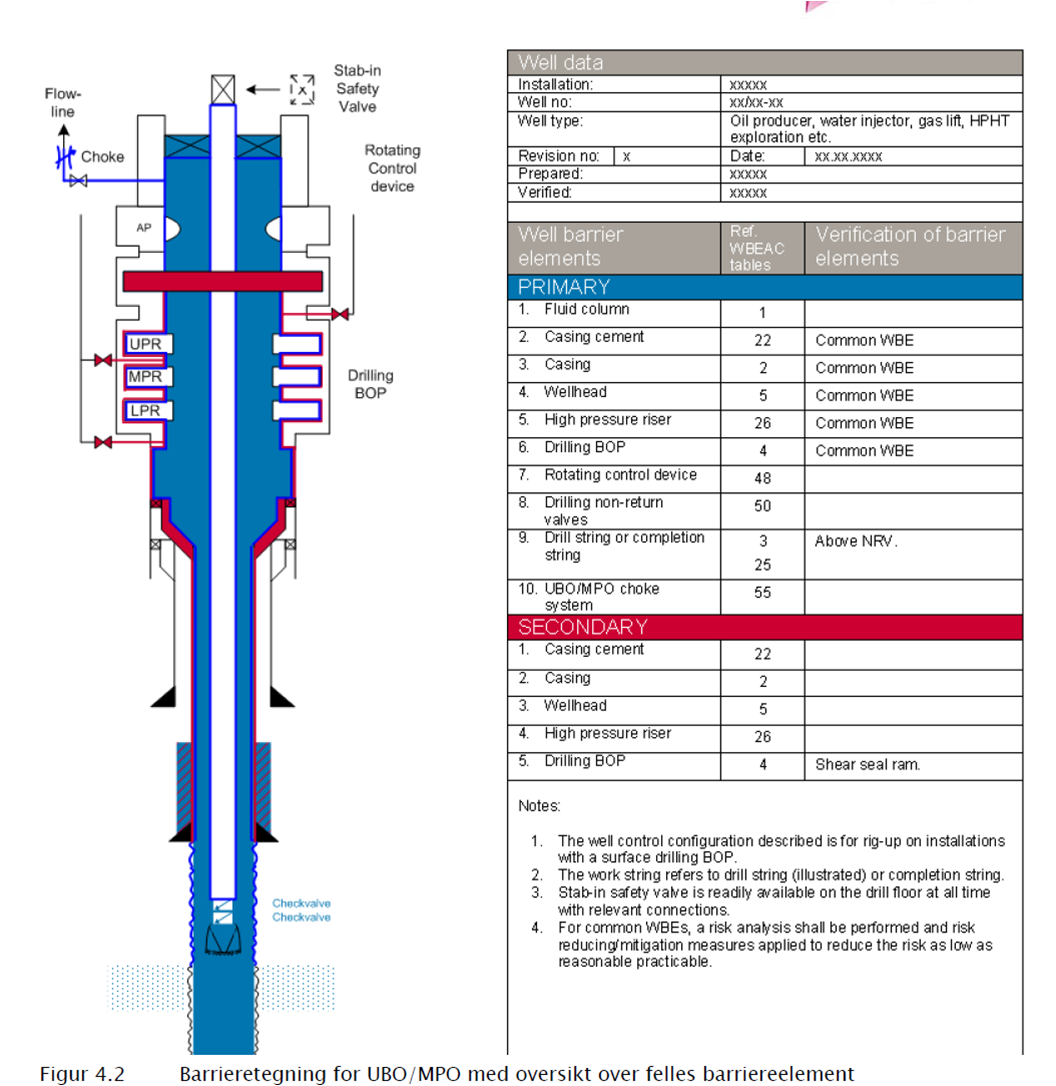
The Petroleum Safety Authority of Norway has commented on Statoil’s report on the well control incident at Gullfaks C:
The PSA regards the incident as very serious. It involved the lengthy loss of a barrier. Only chance averted a sub-surface blowout and/or explosion, and prevented the incident from developing into a major accident.
PSA had directed Statoil to do the following:
Posted in Norway, tagged accidents, Norway, offshore oil, PSA, safety, safety culture on November 14, 2010| Leave a Comment »
 This week I read two pioneering PSA publications: HSE and Culture and Thought Processes. In January 2002, Norway became the first offshore petroleum regulator to require that companies have a sound health, safety, and environmental culture. The purpose of the two publications was to help industry better understand the concept of HSE and Culture and the goals of the regulation. I recommend that you take a few moments and take a look at the publications.
Excerpt from HSE and Culture:
Organisations with a sound HSE culture are characterised by the ability to learn, and constantly question their own practice and patterns of interaction. Informed organisations accommodate dialogue and critical reflection on their own practices. People respect each other’s expertise and are willing to share and furtherdevelop their HSE knowledge.
Excerpt from Thought Processes
Vulnerability deals with the relationship between cause and effect. A vulnerable system can be completely disabled – permanently – by a single non-conformance or a series of errors. That sounds dramatic, and fairly unlikely. But it has happened:
• Alexander L Kielland flotel
• P-36 floating platform
• Piper Alpha platform
•Sleipner A GBSAnd it can happen again. Because vulnerability begins in the brain. When things are going well, people easily become over-confident. Traditional constraints are challenged and established practices rejected. The consequences spread to the rest of the production system in the formof untried technology, complex solutions, faster execution times and narrower safety margins.
Posted in accidents, Norway, tagged accidents, Norway, PSA, risk management, safety, Torleif Husebo on October 28, 2010| Leave a Comment »

With all the discussion about risk management, what should government and industry be doing to identify and address potential weaknesses in drilling and production systems? A good place to start would be to review the reports that have been prepared by the Petroleum Safety Authority – Norway (PSA) for the past ten years. These reports use a variety of indicators to assess safety risks on the Norwegian Continental Shelf. Torleif Husebo presented a summary of PSA’s risk program at the Vancouver conference. The full text of their latest report can be viewed here.

No single indicator can pick up all relevant aspects of risk. Developments are accordingly measured by utilising a number of relevant indicators and methods, such as the collection and analysis of incident indicators and barrier data, interviews with key informants and a major questionnaire survey every other year.
Risk management is complex and there is no cookbook. Technological, human, organizational, and procedural factors must all be considered, and everyone needs to be engaged.
Posted in conferences, tagged HSE, IRF, Jane Cutler, Magne Ognedal, Mark Fleming, NOPSA, PSA, safety culture, Steve Walker, vancouver on October 24, 2010| Leave a Comment »
 Firstly, major kudos to the Canadians for organizing a great conference in Vancouver, a wonderful city. The Newfoundland-Labrador and Nova Scotia Petroleum Boards, and the National Energy Board were outstanding hosts, and Max, Howard, Stuart, Sean, Bharat, and the folks at Venue West did a great job with the arrangements. The International Regulators’ Offshore Safety Conference was a huge success thanks to their efforts.
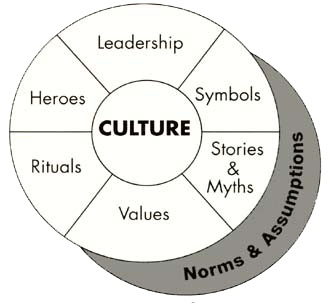
The international leaders in Vancouver were in full agreement that the key to long term safety achievement is the strength and vitality of the safety culture in the operating companies, contractors, and regulatory organizations. How is such a culture encouraged and achieved? As NOPSA CEO Jane Cutler has said “safety culture is what you do when no one is watching.” Inspections are a necessary regulatory tool, but if they are too frequent they send the message that the government is responsible for safety, and that operators and workers can relax their guard. As Magne Ognedal (PSA-Norway) has frequently said, safety must be managed by the “owner” of the facility and the risk, with the government holding the owner accountable and insisting on excellence.
Steve Walker, UK HSE chief, said that regulators must encourage a “beyond compliance” culture and serve as catalysts for learning and achievement. Regulators can never be satisfied; they should be negative thinkers searching for the operations, processes, and behaviors that might trigger the next major accident. Dr. Mark Fleming from St. Mary’s University in Halifax believes that safety culture can in fact be regulated, not in the traditional sense, but by requiring companies to have systems in place for promoting and measuring the organizational culture.
Regulators must also look at their own safety culture. Are they focused solely on compliance and “command and control,” or are they investigating risks, assessing management programs, and evaluating performance? Are regulatory employees free to investigate and inquire, or are they mere implementers of management directives? Are employees rewarded for sustaining the hierarchy or challenging the status quo? Are they expected to explain why accidents can’t happen again or figure out how they can?
Much more on these and other Vancouver topics in the near future.
Posted in accidents, Norway, well control incidents, tagged accidents, blowouts, Deepwater Horizon, drilling, Gulf of Mexico, kielland, macondo, Magne Ognedal, Montara, Norway, oil spill, PSA, safety, well control on June 7, 2010| Leave a Comment »
Dette kan skje igjen (This could happen again)~ Magne Ognedal, Director General, Petroleum Safety Authority Norway
Magne’s quote in the Stavanger Aftenblad acknowledges that tragic accidents like the Macondo/Horizon blowout or Alexander Kielland sinking could happen again (see English translation of full article by BOE Europe Chief Odd Finnestad). Magne goes on to say:
We must appreciate there are risks associated with our petroleum activities, and in our yearly risk assessments we attempt to put in concrete terms what those inherent risks are. It is up to our national political system to determine whether this risk picture should be accepted or not.
and
We must endeavor to learn from whatever happens around the world, and if there is something that is also relevant to Norway we must apply those lessons, both regulators and industry
Industry and government officials would be wise to follow Magne’s lead and avoid “can’t happen here” statements. A few of these statements were made in the US after the Montara (Timor Sea) blowout, and we know how that worked out.
Some very experienced and capable offshore managers have had “there but for the grace of God go I” moments in the wake of this disaster. They know that this is not the time for boasting, piling-on, or schadenfreude. Like Magne, real leaders are focused on monitoring the investigations, studying the findings and recommendations, and applying the lessons as necessary to further reduce their operating risks and the risks of others who conduct offshore oil and gas operations.
Posted in accidents, Norway, well control incidents, tagged accidents, blowouts, Deepwater Horizon, drilling, Gulf of Mexico, macondo, offshore oil, oil spill, PSA on May 4, 2010| 4 Comments »
The tragic events on the Deepwater Horizon rig in the Gulf of Mexico have attracted great international attention, and have also promoted a flood of questions to the Petroleum Safety Authority Norway (PSA).
The PSA Norway has issued a statement on the Horizon incident, and has appropriately avoided responding to the “can it happen here?” question. Their interest and support are greatly appreciated.
Posted in Interviews, Norway, Offshore Energy - General, tagged Norway, Ognedal, PSA, regulator, safety on February 5, 2010| Leave a Comment »
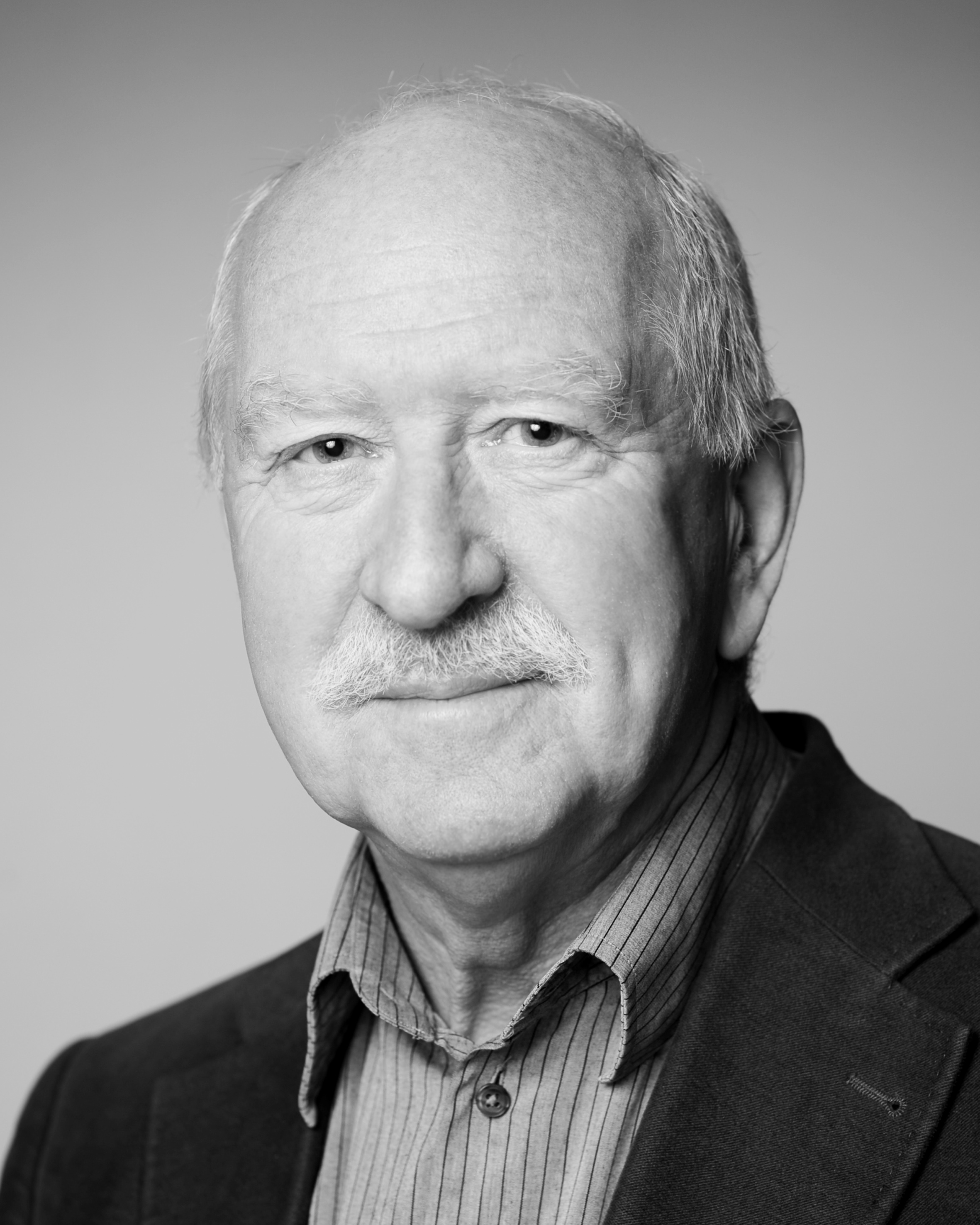
Magne Ognedal
BOE is pleased and honored that Magne Ognedal, Director General of the Petroleum Safety Authority – Norway, has agreed to the blog’s first interview. Magne is an internationally recognized authority on offshore safety and regulatory policy. He has been a leader of the International Regulators’ Forum since its inception in 1994, has assisted governments with emerging offshore energy programs, and served as program and steering committee chair for major international conferences. He was recently appointed by the King’s cabinet to a second 6-year term as Director General. I’m sure you will be interested in Magne’s candid and informative comments about offshore safety, regulatory policy, and international cooperation.
I am glad Norway is one Kingdom!
Update: See Magne’s 10 February comments about offshore safety and PSA’s report- Safety Status and Signals, 2009-2010. For an e-book version (nice work by Ole-Johan Faret!) click here.

 Bud's Offshore Energy (BOE)