Feeds:
Posts
Comments

Posts Tagged ‘PHMSA’

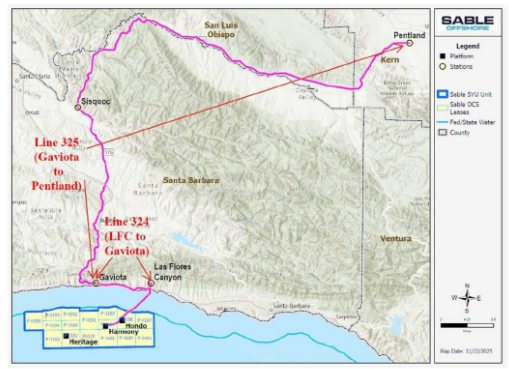
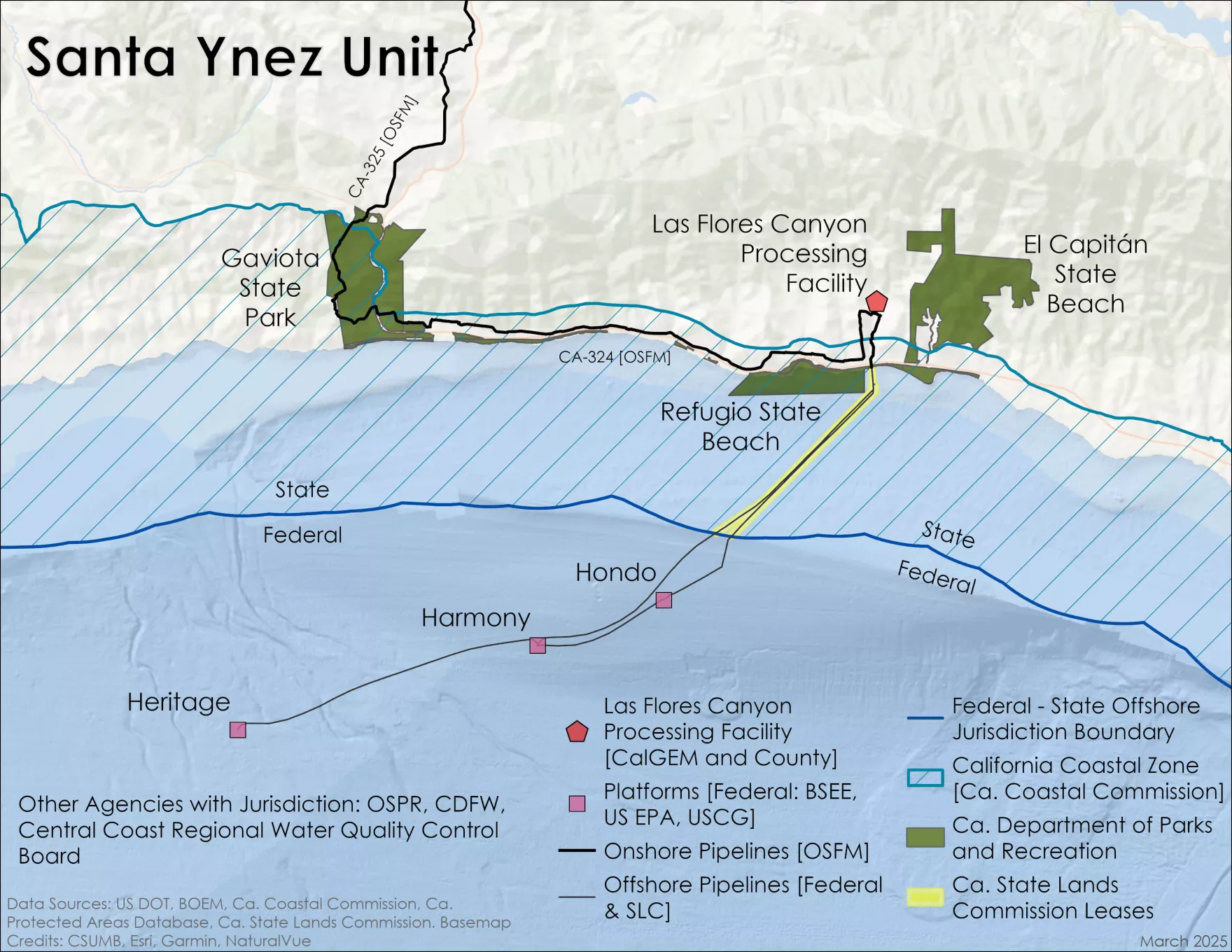
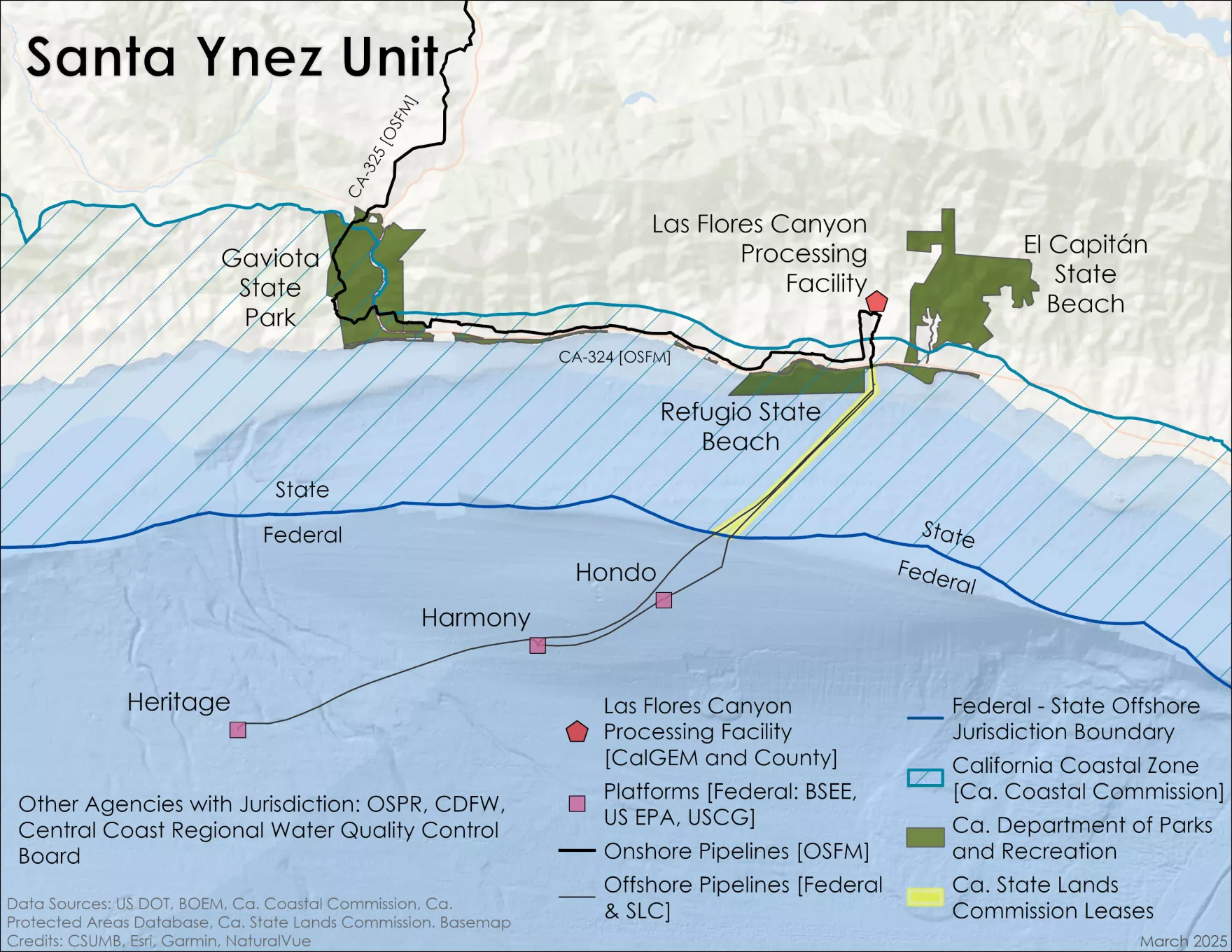
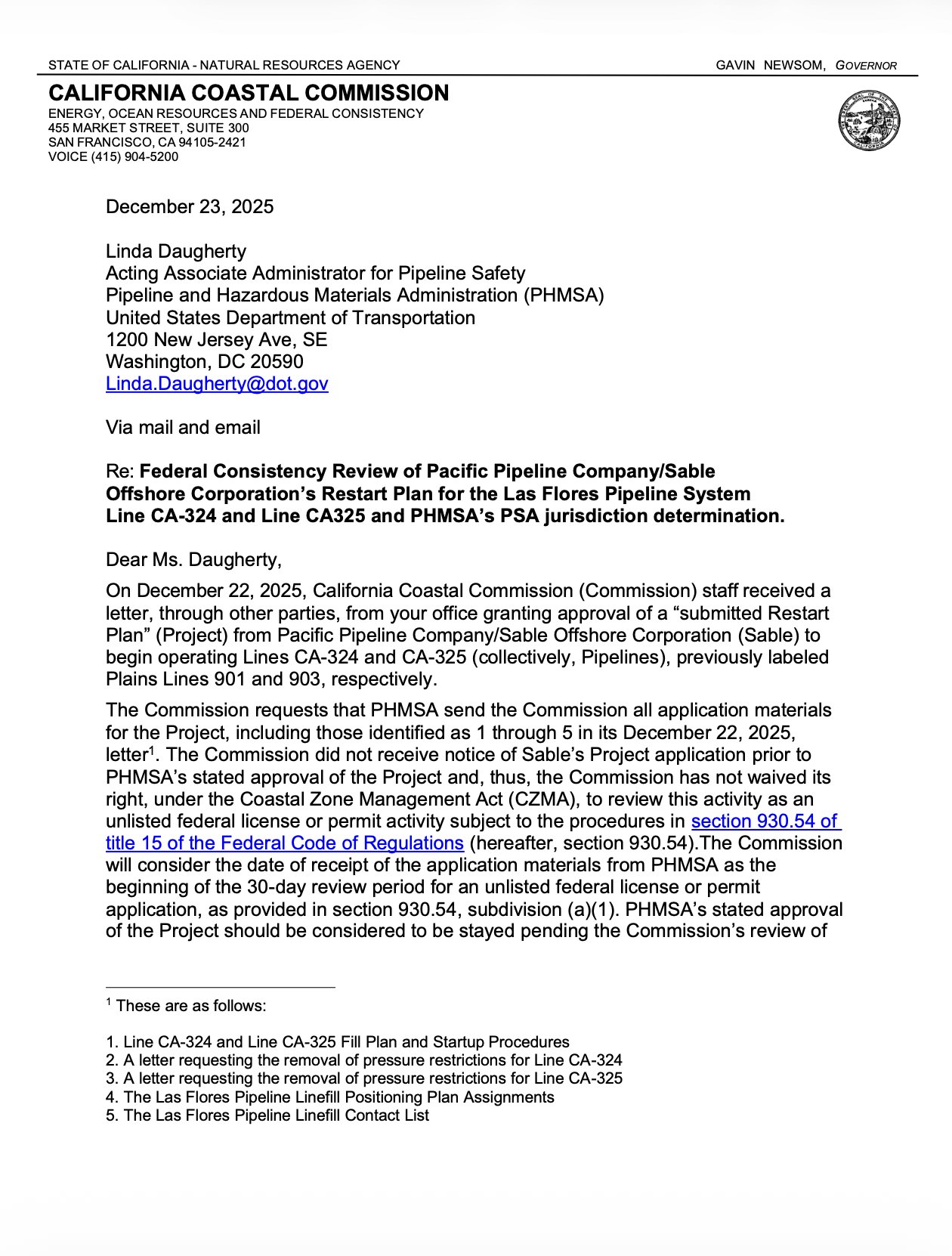
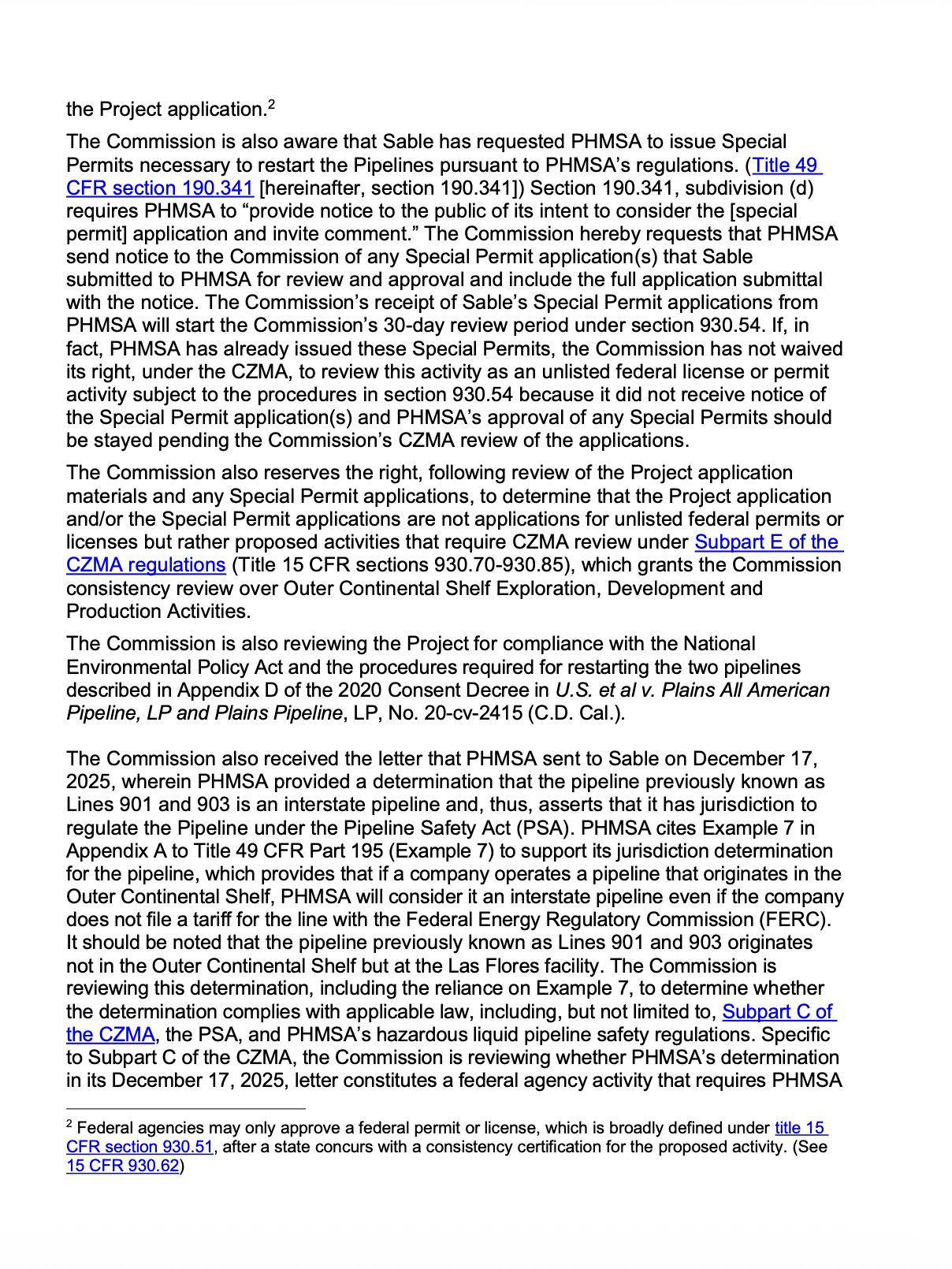
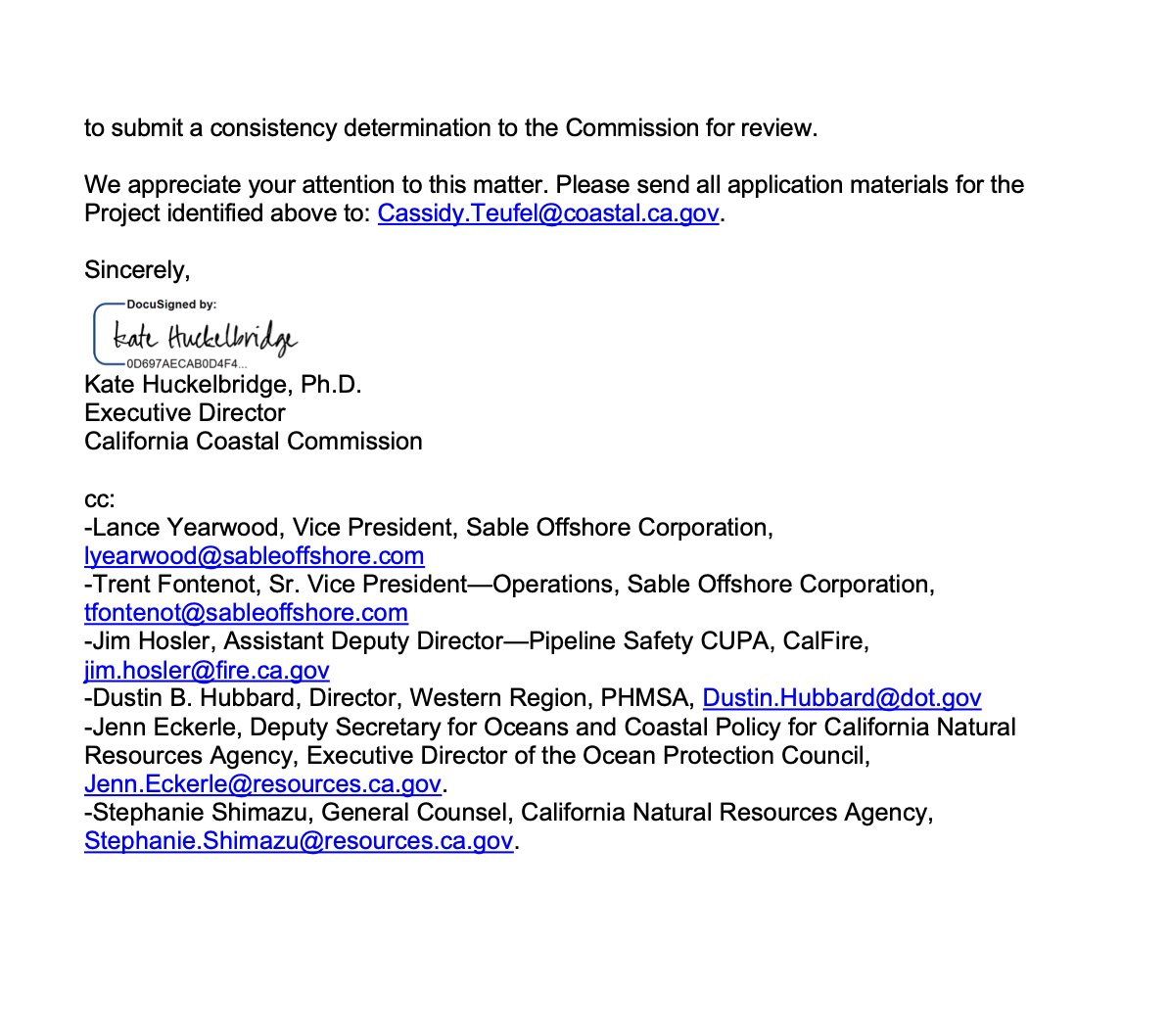
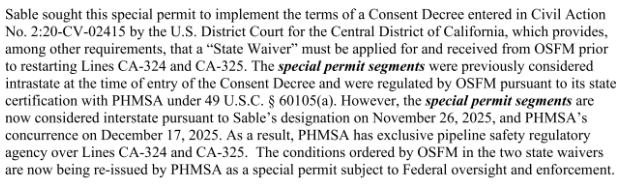
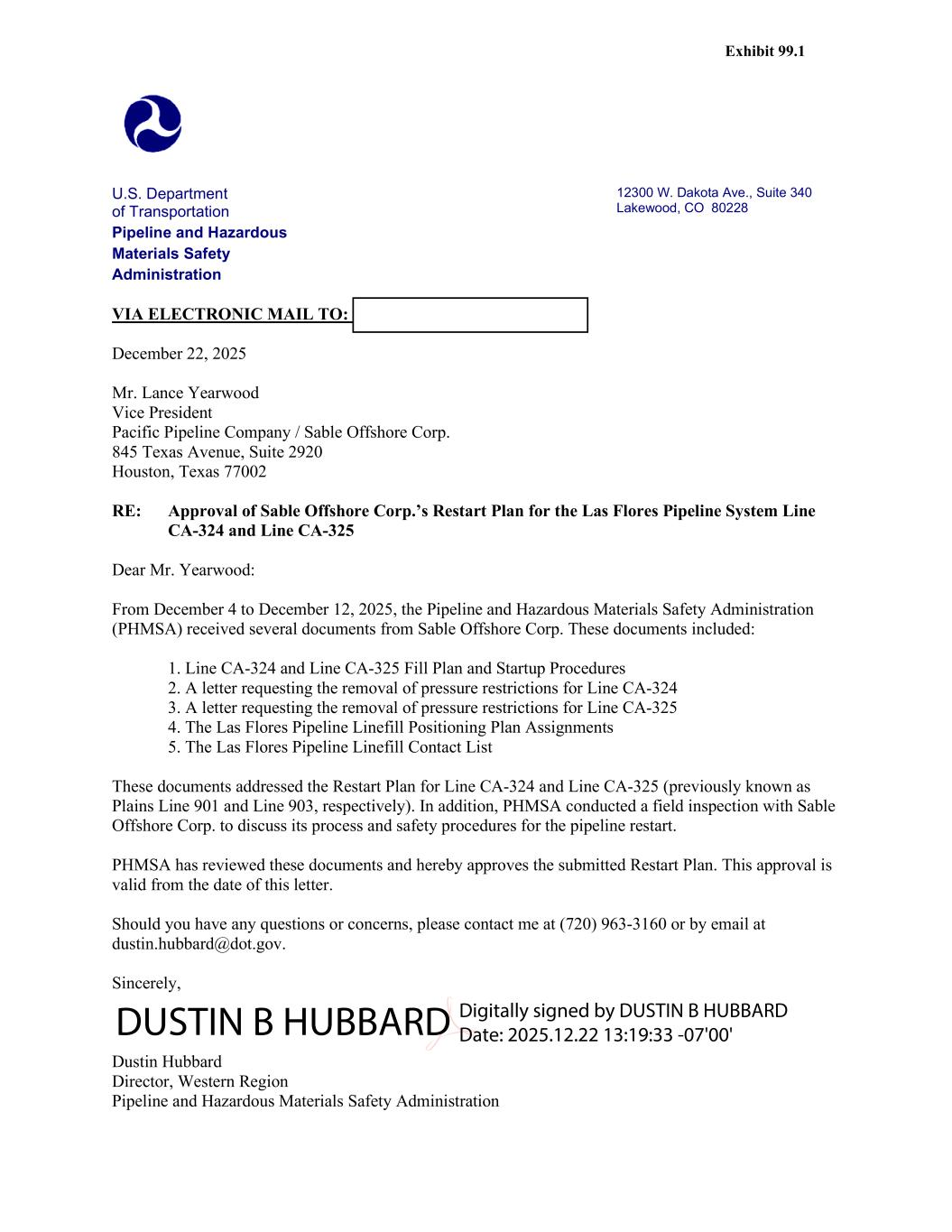
The anticipated State-Federal jurisdictional battle over Sable’s Las Flores Canyon Pipeline is on! See the attached letter from the Pipeline and Hazardous Materials Safety Administration (PHMSA) declaring that the pipeline is under Federal jurisdiction.

The major hurdle for PHMSA/Sable is the court approved Consent Decree that was executed following the 2015 Refugio pipeline spill. The Decree, which designates the California Fire Marshal as the sole regulator for the pipeline, is not mentioned in the PHMSA letter. Needless to say, another major legal battle looms.

Excerpt from the PHMSA letter:

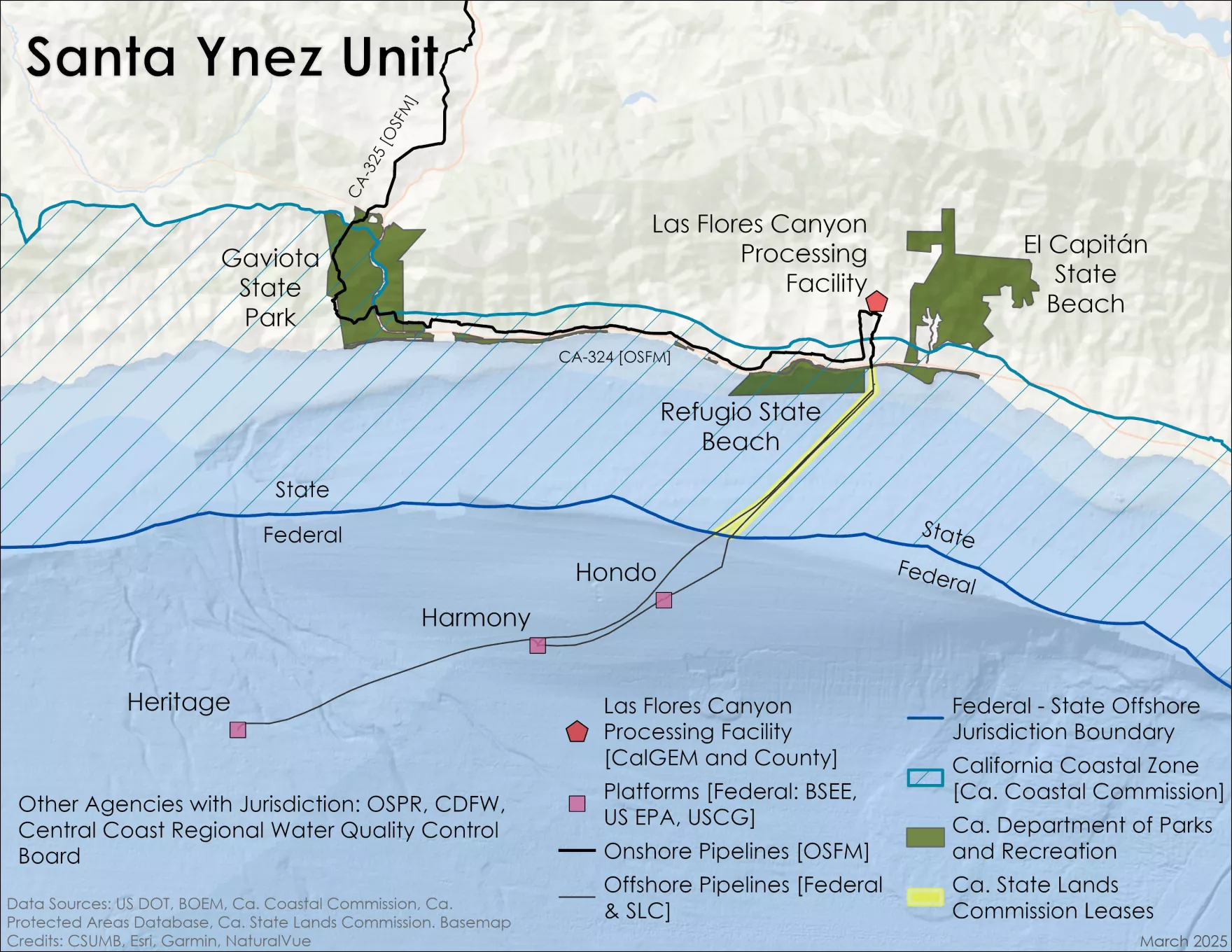
PHMSA’s evaluation of the Las Flores Pipeline confirms that it transports crude oil from the OCS to an onshore processing facility at Las Flores Canyon and continues the transportation of crude oil from Las Flores Canyon to Pentland, California. Consistent with Appendix A, the Las Flores Pipeline is an interstate pipeline. As portions of the Las Flores Pipeline were previously considered to be intrastate and regulated by OSFM, PHMSA is notifying OSFM that the Las Flores Pipeline is subject to the regulatory oversight of PHMSA.

Read Full Post »

Sable Offshore is attempting to restart the same pipeline that caused the Refugio Oil Spill in 2015. | Credit: Paul Wellman File Photo

Sable Offshore oil believes the federal Pipeline and Hazardous Materials Safety Administration (PHMSA) , not the California Fire Marshal, should have jurisdiction over the company’s onshore pipeline.

I once had the same opinion as Sable. Their pipeline is, by definition, an interstate line because it carries OCS production. Then I read Appendix D of the court approved Consent Decree that was executed following the 2015 Refugio pipeline spill. That Decree is quite clear regarding regulatory jurisdiction, and would have to be overturned to transfer authority to PHMSA.

The full Consent Decree is attached. Pasted below is an excerpt from Appendix D:

Read Full Post »

Sables’ share price sank on Tuesday following reports from Bloomberg and others that Governor Newsom is proposing new restrictions on California’s offshore oil industry. With Sable Offshore as a primary target, stricter requirements for restarting inactive intrastate oil pipelines would be imposed. •

This could trigger yet another legal battle or increase the complexity of those that are ongoing. The onshore pipeline, now owned by Sable Offshore, was originally classified as an interstate pipeline under Federal jurisdiction. However, following the 2015 Refugio oil spill, it was reclassified as an intrastate pipeline via a 2016 letter of understanding signed by representatives of the Federal Office of Pipeline Safety (DOT-PHMSA) and the Office of the State Fire Marshal (pertinent text pasted below).

Given that the Sable pipeline will carry OCS production, it would seem to fundamentally be an interstate line (Federal jurisdiction), as it was when owned by Plains. Could DOT reverse the 2016 letter agreement? That is conjecture for the attorneys and courts to consider.

Meanwhile, below is an upbeat Sable video on the pipeline!

Read Full Post »

HOUSTON, April 10, 2023 (GLOBE NEWSWIRE) — Amplify Energy Corp. (“Amplify” or the “Company”) (NYSE: AMPY) today announced that it has received the required approvals from federal regulatory agencies to restart operations at the Beta Field. Initial steps to resume full operations will involve filling the San Pedro Bay Pipeline with production, a process which commenced over the past weekend and is expected to take approximately two weeks to complete. Following the line fill process, the pipeline will be operated in accordance with the restart procedures that were reviewed and approved by the Pipeline and Hazardous Materials Safety Administration (PHMSA).

Amplify Energy

Odd that the news release didn’t mention BSEE, the agency which would have had to approve the resumption of production.

18 months after the pipeline spill near Huntington Beach, settlements have been reached, fines have been paid, and production from the Beta Unit has resumed, but the Federal investigation report is still unavailable. Why?

Also, per our 10/6/2021 post:

One would hope that this spill will lead to an independent review of the regulatory regime for offshore pipelines. Consideration should be given to designating a single regulator that is responsible and accountable for offshore pipeline safety (a joint authority approach might also merit consideration) and developing a single set of clear and consistent regulations.


Read Full Post »

New PHMSA (DOT) regulation

At the behest of Congress, coastal areas and beaches are now designated as Unusually Sensitive Areas (USAs). Given that any offshore liquids pipeline has the potential to affect coastal waters or beaches, the rule would seem to require that all such pipelines be included in Integrity Management Programs, which are mandatory for pipelines that could affect USAs. (The IMP requirements would almost certainly apply to all DOT regulated offshore pipelines. Their applicability to DOI/producer pipelines is less certain. Of course, very little is clear and consistent in US offshore pipeline regulation.)

As one would expect, the recent Huntington Beach pipeline spill is among the incidents cited in the justification for this regulation. More surprisingly, the Santa Barbara well blowout was also cited. This incident occurred 53 years ago, was the result of a reckless drilling program, and had nothing to do with production operations or pipelines.

As noted in a recent BOE post, the regulatory regime for offshore pipelines is badly in need of overhaul. DOT and DOI, with inconsistent jurisdictional boundaries, regulations, and approaches, have primary responsibility and multiple regulatory entities have roles.

Lastly, PHMSA seems to have inadvertently posted a highlighted copy of the new regulation. Nothing at all scandalous (looks like someone was highlighting potential talking points), but possibly amusing to other regulation nerds. 😃

Read Full Post »

BSEE data indicate that the operator of the Beta Unit facilities (Platforms Ellen, Elly, and Eureka, and the associated pipelines) had a good compliance and safety record.

  • Since 1/1/2015 Beta facilities were inspected 262 times and 49 Incidents of Non-Compliance (INCs) were issued.
  • The ratio of 0.19 INCs/inspection was better than the average for the Pacific Region (0.29 INCs/inspection).
  • No facility shut-in orders were issued during that period.
  • BSEE assesses civil penalties for violations that constitute a serious threat to safety or the environment. Since 1/1/2015, Beta has not been assessed any civil penalties.
  • BSEE incident data are badly out-of-date (no data posted for 2020 or 2021), but the most recent incidents at the Beta Unit facilities were 2 minor injuries (no lost time) in 2019, a small dryer fire in 2018, a minor injury (no lost time) in 2017, and a lost time injury (fall) in 2016.
  • BSEE’s oil spill data are even more out-of-date (no data posted since 2013) so it is difficult to assess Beta’s performance in that category.

With regard to the Huntington Beach pipeline spill, the evidence to date seems to confirm that the pipeline damage was caused by anchor dragging. Beta’s response to the PHMSA preliminary finding on their delayed response to the low pressure alarm (see previous post) will be of great interest. Alarm issues are not always straightforward. PHMSA’s 12-page order was issued on Monday (10/4), only 2 days after the spill was reported. The investigation will no doubt carefully consider the pressure and alarm history for the pipeline, data for 10/1 and 10/2, and input from those working in the control room.

Read Full Post »

Per PHMSA:

  • At approximately 02:30 PDT (05:30 Eastern Daylight Time (EDT)) on October 2, 2021, Beta Offshore’s control room personnel received a low-pressure alarm on the San Pedro Bay Pipeline, indicating a possible failure.
  • Beta Offshore reported the San Pedro Bay Pipeline was shut down at approximately 06:01 PDT (09:01 EDT) on October 2, 2021—over three hours later.

Comment: Very interesting finding. Good to learn that the pipeline pressures were being monitored. Need to see the pressure history for the pipeline and hear from the crew before reaching any conclusions regarding the conduct of the operator.

Also note that PHMSA is estimating that the spill volume was 700 barrels, far less than the 3000+ bbl maximum estimate. Further, a footnote in the PHMSA letter reports an updated company estimate of 588 barrels. I’m assuming that the refined estimate was based on meter differentials. These lower estimates are more in line with the oil recover data that have been provided and the visual images of the slick.

Read Full Post »