Feeds:
Posts
Comments

Posts Tagged ‘Pacific’

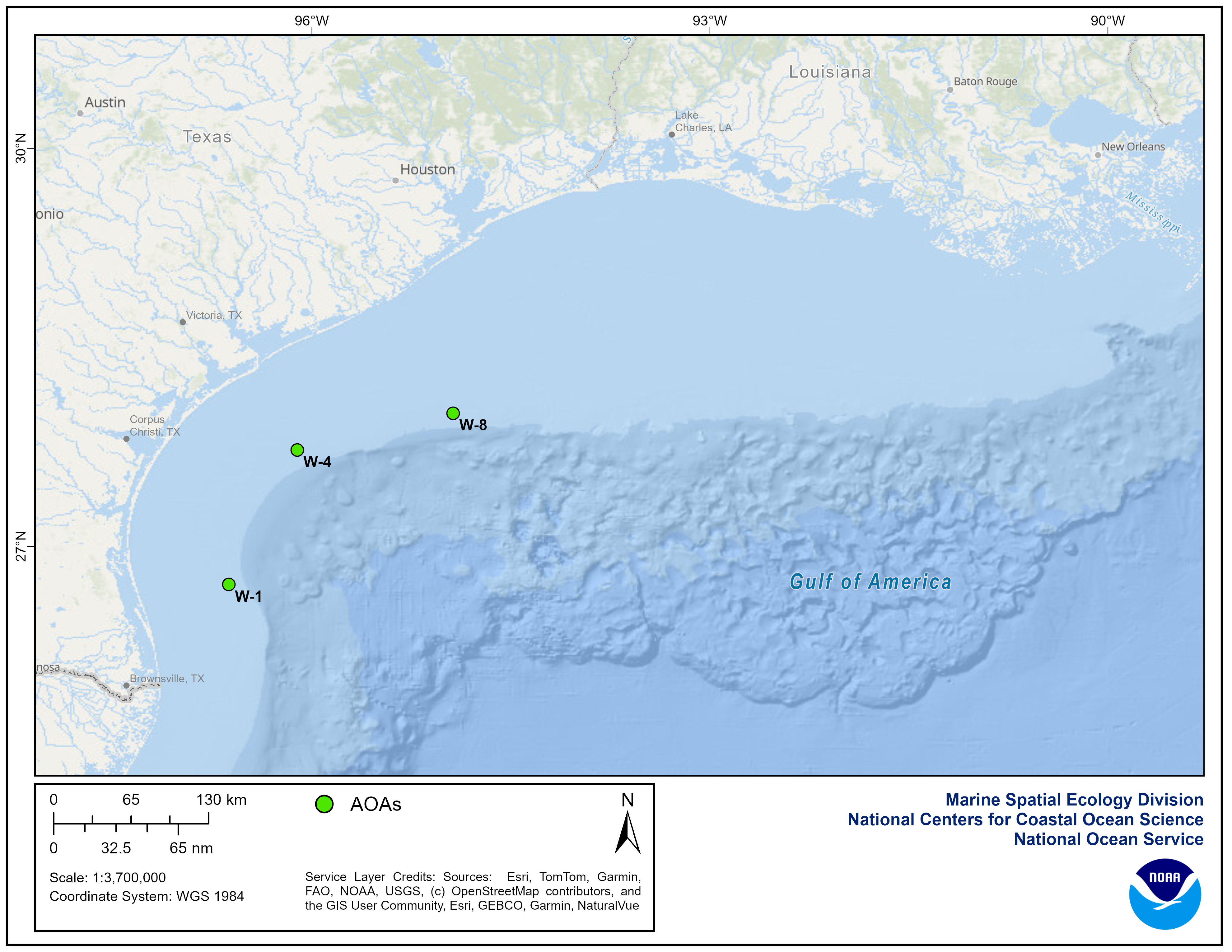
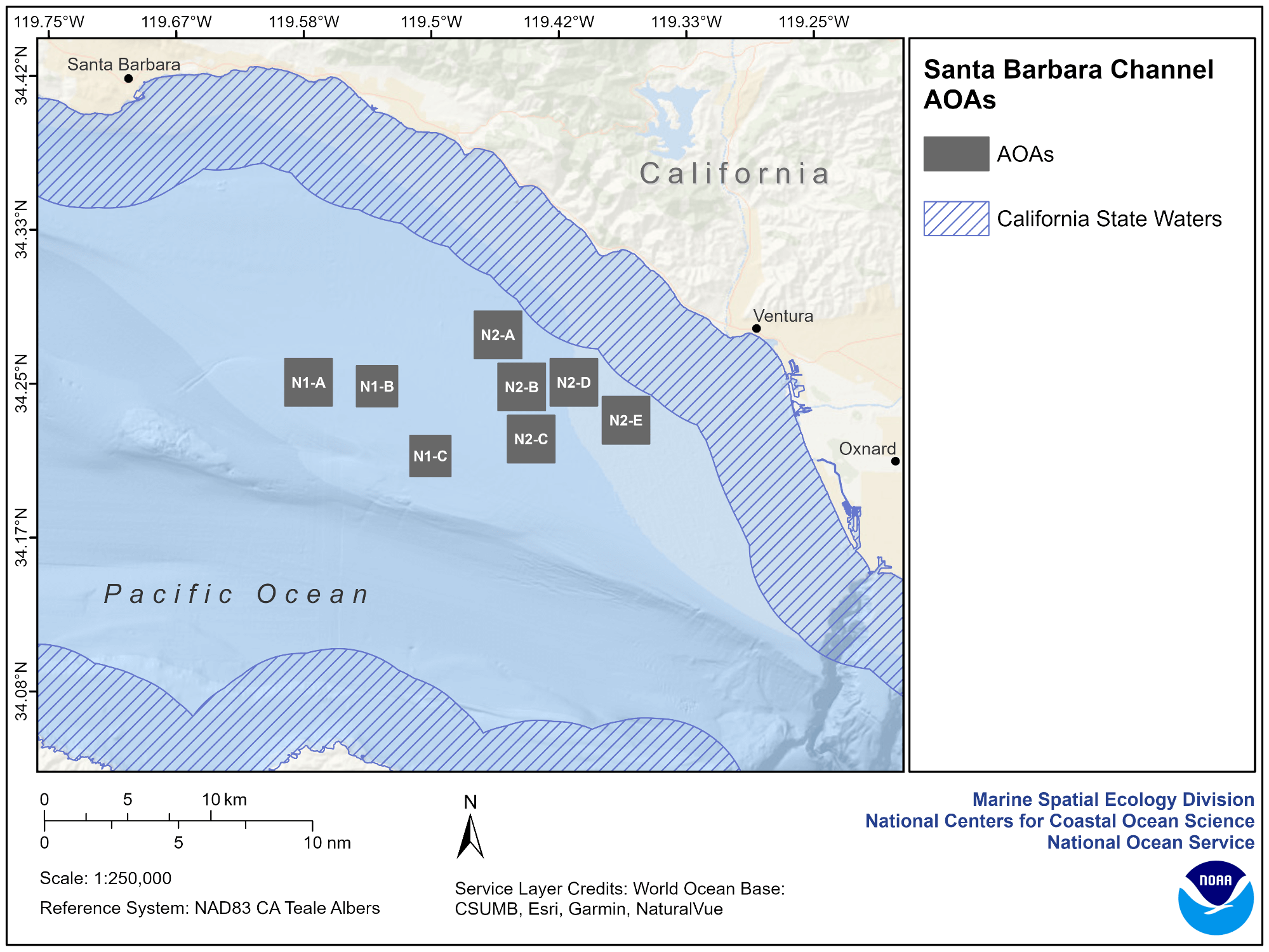
NOAA is touting marine aquaculture and has published Programmatic Environmental Impact Statements for Aquaculture Opportunity Areas (AOAs) in the Gulf of America and offshore Southern California. This is a positive step.

While the focus of these EIS documents is on distinct AOAs separated from oil and gas facilities, NOAA might also have discussed the potential for synergy with existing platforms. The reef effect of platforms can be sustained and new fishery ventures supported by converting older platforms to aquaculture facilities (Rigs-to-Roe/Redfish/Rockfish) rather than decommissioning them.

The ecological importance of offshore platforms has been well documented in both the Gulf and Santa Barbara Channel Channel area.

According to a paper published in 2014 by marine ecologist Dr. Jeremy Claisse of Cal Poly Pomona, the oil and gas platforms off the coast of California are the most productive marine habitats per unit area in the world. “Even the least productive platform was more productive than Chesapeake Bay or a coral reef in Moorea,” said Dr. Love. (Milt Love, UCSB biologist)
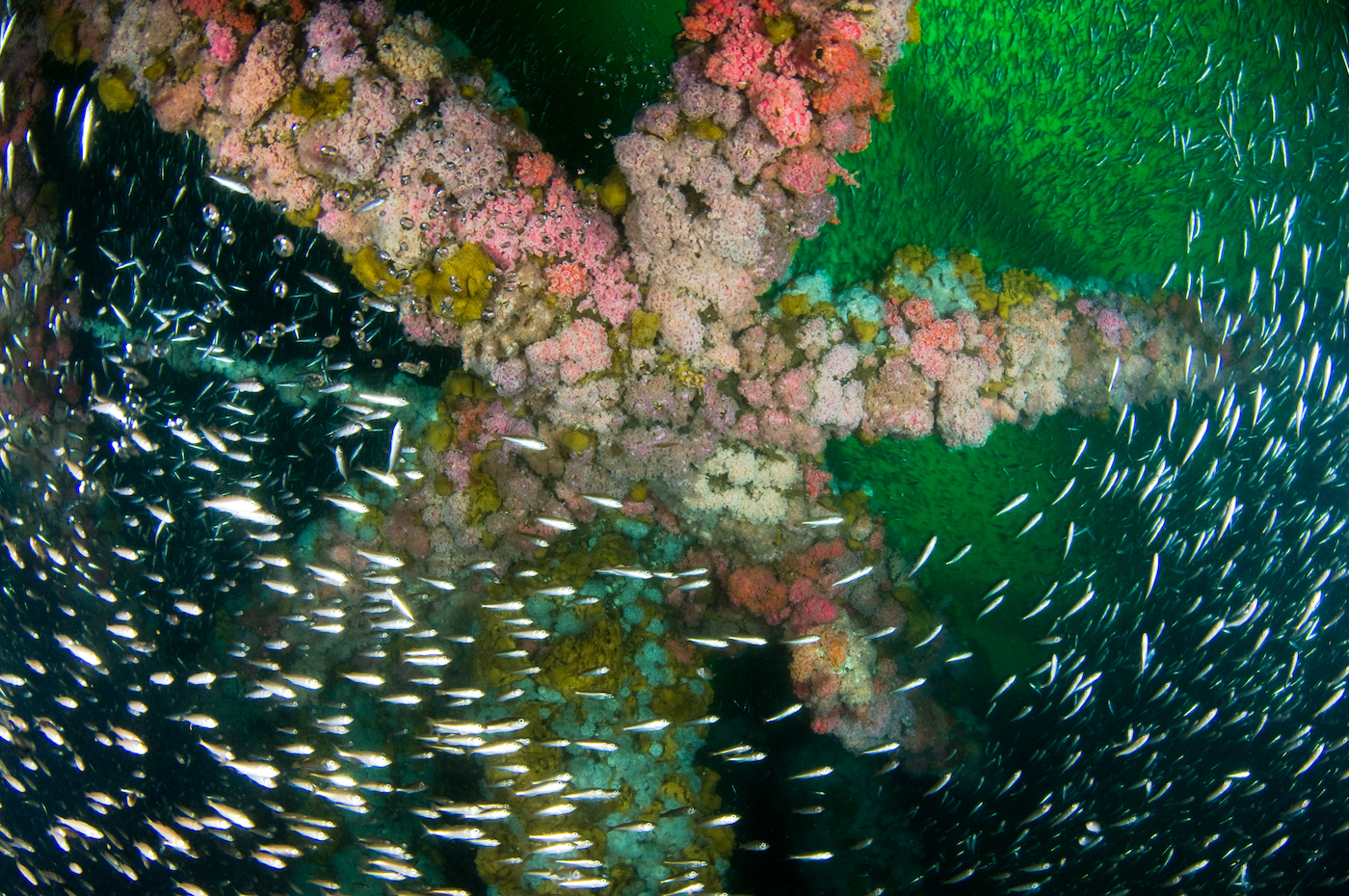
beneath Platform Gilda, Santa Barbara Channel

Read Full Post »

What’s their solution?

Since the States don’t seem to think there is much risk, perhaps they would like to guarantee decommissioning expenses. Have they looked into the Cox bankruptcy? How about Platforms Hogan and Houchin and the complex decommissioning challenges in the Pacific. Are they comfortable with taxpayer funding for offshore decommissioning?

BOE recently defended the new BOEM rule. If anything, the rule is too lax in that compliance and safety records are not considered in determining financial assurance requirements and lessees may use reserve estimates to reduce supplemental assurance amounts.

Read Full Post »

The 23 platforms in Federal waters offshore California are from 33 to 55 years old. Most are no longer producing and 8 are on terminated leases. Some of the platforms are massive structures in water depths up to 1200′ (list of platforms and map below).

BOEM’s draft programmatic EIS evaluates 4 decommissioning alternatives, none of which appear to be workable for a combination of economic, environmental, and legal reasons:

  • Alternative 1 involves the complete removal of platforms and pipelines. This alternative is cost prohibitive and environmentally unfavorable.
  • Alternatives 2 and 3 evaluate prudent and environmentally responsible partial removal options. Unfortunately, partial removal and reefing are not feasible under the California Resources Legacy Act (AB 2503). This legislation holds the donating company perpetually liable for any damages associated with the reef structure. While not assuming any liability, the State nonetheless collects 80% of the savings (reefing vs. complete removal). As a result, it’s no surprise that no company has applied to participate in the State’s program.
  • Alternative 4 calls for leaving platforms and pipelines in place after emptying tanks and flushing pipelines. This “no action” baseline alternative violates the lease agreement and 30 CFR 250.1725, and would only be permissible if an alternate use was approved for the platforms per 30 CFR Part 585.
  • The EIS, with minimal discussion and no supporting data, rules out alternate uses at any of the 23 platforms. This exclusion would seem to be premature given the win-win-win opportunities for industry, government (Federal, State, and local), and academia. These include deferred decommissioning liabilities, a wide range of research opportunities, security and defense applications, weather observation and climate studies, maritime communications support, education programs, marine seismicity studies, and hydrokinetic energy projects. With proper maintenance, platforms can continue to provide social benefits long after all wells are plugged and production equipment is removed. However, once removed, replacement costs would be prohibitive.
  • Lastly, the EIS avoids the thorny financial responsibility issues that will complicate decommissioning decisions. Note the questions raised in the “troubling case of platforms Hogan and Houchin.
  • Those wishing to comment on the draft EIS should follow the posted instructions.

Read Full Post »

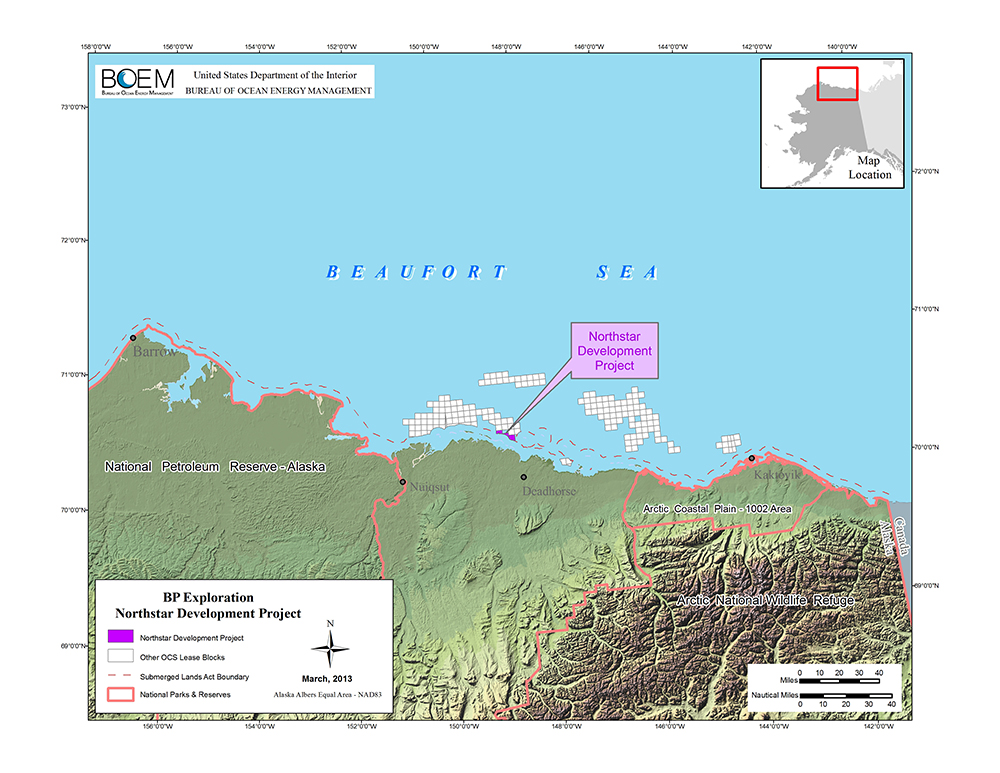
Northstar, Beaufort Sea

The only current Alaskan OCS production is from Northstar, a joint State-Federal Unit in the Beaufort Sea. The production island is in State waters, but 7 of the wells produce from the Federal sector. The field was originally developed by bp, but Hilcorp is the current operator. To date, BSEE has conducted 5 inspections of the facility in 2022, and no incidents of noncompliance (INCs) were identified.

Per BOEM records, 4 companies operate Pacific (California) OCS facilities that are currently producing. Three of those operators have superior 2022 inspection records. No INCs were issued to either Exxon (11 Santa Ynez Unit inspections) or Freeport-McMoRan (24 Platform Irene inspections). Only 2 warning INCs were issued during 12 inspections of Beta Operating Co. platforms Ellen, Elly, and Eureka in the Beta Unit offshore Long Beach.

Marine life on Platform Eureka, from this Hakai article

Read Full Post »

Yesterday, BSEE issued investigation reports for 2 of the fatal 2020 incidents. Both of these incidents involved falls, a chronic and preventable cause of offshore worker casualties. Not enough industry and trade association attention is given to such incidents, which have been trivialized in the past by categorizing them as “slips, trips, and falls.” The reports are linked below:

The reports describe how the incidents occurred and what we can do better to prevent similar events in the future. Despite the advance in safety management programs over the past 30 years, there has been no discernible improvement in preventing these incidents. We need to rethink training programs, planning, and methods. Deadly falls are not inevitable.

Read Full Post »

Good find by Cheryl Anderson:

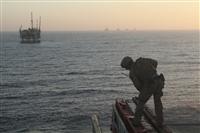
Platform Hogan, Santa Barbara Channel

A Marine with the 11th Marine Expeditionary Unit’s maritime raid force searches the oil platform Hogan for threats during an exercise July 10. The MRF, along with a section of the unit’s aviation combat element, Marine Medium Helicopter Squadron 268 (Reinforced), and command element, are taking part in a large-scale exercise with ocean and urban-based scenarios.

Read Full Post »