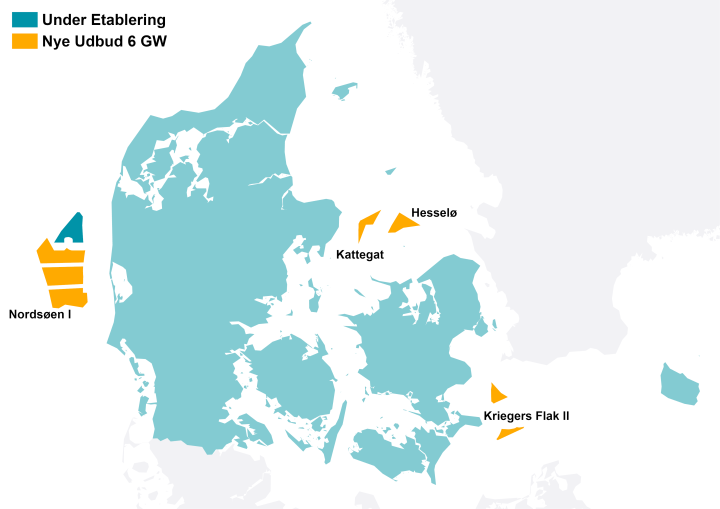
No bids for the 3 large North Sea tracts(yellow) west of Denmark.
Danish Energy Agency: “The deadline for bidding on the first 3 GW of Denmark’s 6 GW offshore wind tendering procedure expired on Thursday. The Danish Energy Agency has not received bids for any of the three offshore wind farms in the North Sea put out to tender. The Minister for Climate, Energy, and Utilities has asked The Danish Energy Agency to engage in dialogue with the market to identify why no bids have been submitted.“
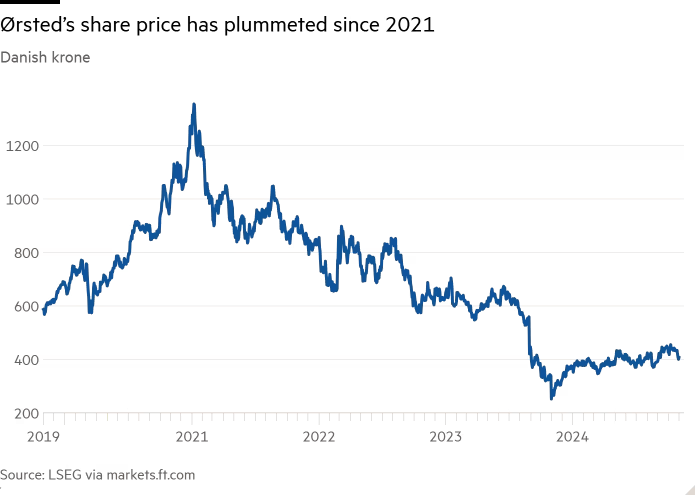
Even Orsted, which is 50.1% Danish govt owned, failed to submit a bid. Perhaps the economic realities of offshore wind, as reflected in Orsted’s share price (below) are sinking in.
As the table below illustrates, Denmark’s highly publicized oil and gas exploration ban is more pragmatic than has been reported in the media. The expansion of production from existing fields is not restricted.
Denmark has brought an immediate end to new oil and gas exploration in the Danish North Sea as part of a plan to phase out fossil fuel extraction by 2050.
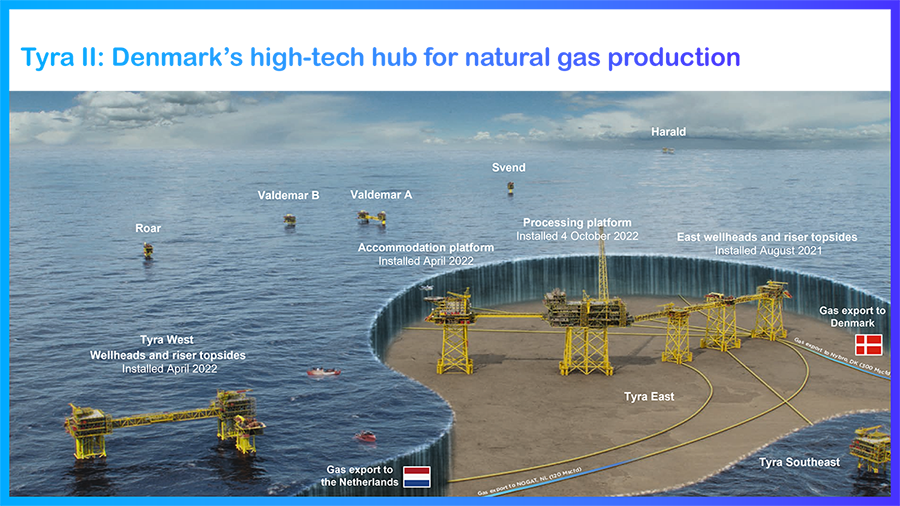
TotalEnergies announces that the Harald East Middle Jurassic nearby exploration well (HEMJ-1X) has discovered additional gas condensate resources in the Harald field, in the Danish North Sea.“The success of the Harald East Middle Jurassic well, nearby our Harald facilities in Denmark, demonstrates the strength of our Exploration strategy.”
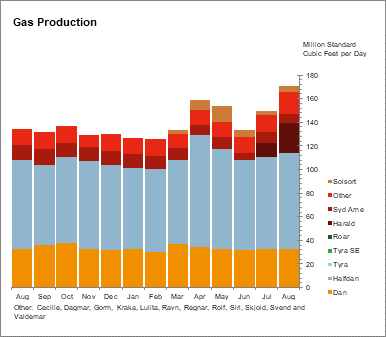
As a result of new exploration, Danish gas production is on the rise (graphic below) after two decades of decline. August 2024 production (165.8 MMCFD) was 21% higher than August 2023 production (136.9 MMCFD)
While Total has proven to be resourceful in sustaining North Sea gas production, Denmark’s refusal to hold new licensing rounds dooms their production over the longer term. This is consistent with Denmark’s intent to cease domestic production by 2050. (Those of you who are young enough can report on whether that deadline is met 😉).
The demand for fossil fuels, which has yet to peak, will still be strong in 2050 and beyond. Phasing out domestic production may be Denmark’s choice, but it’s not a good choice for much of the world.
While the Orsted acquisition does not appear to have been directed by the Norwegian government, the State’s 2/3 ownership of the company no doubt influences renewable energy targets and broader corporate strategy.
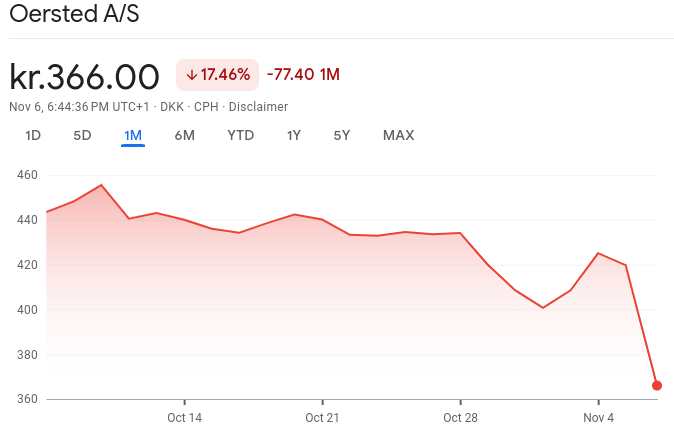
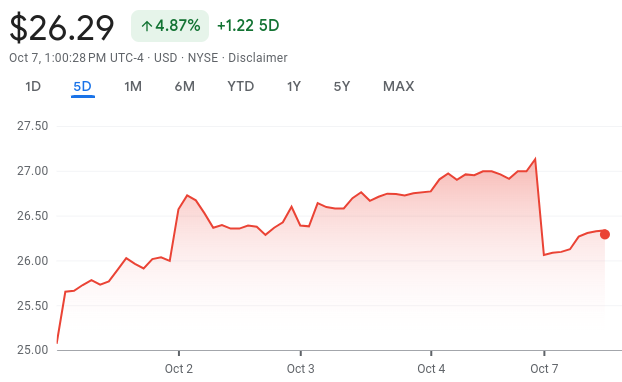
The initial market reaction to the Orsted purchase was negative (see chart below). On a day when most oil companies’ share prices rose in response to the jump in oil prices, Equinor shares opened sharply lower.
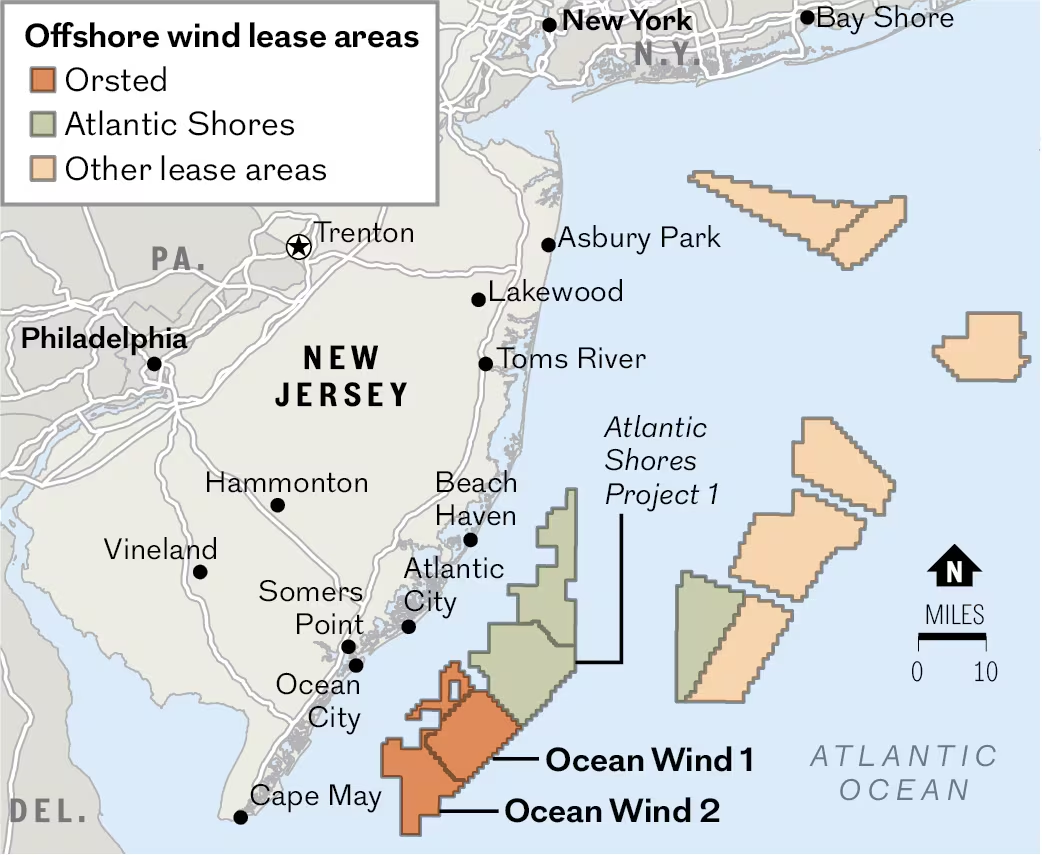
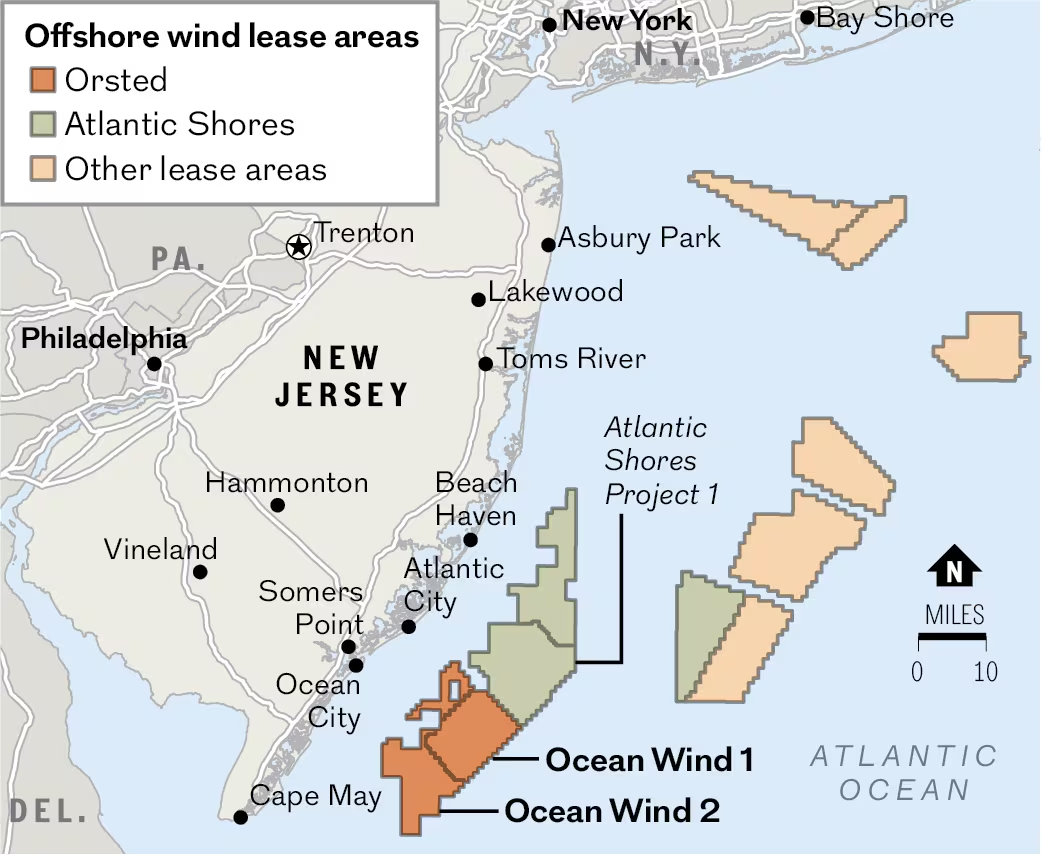
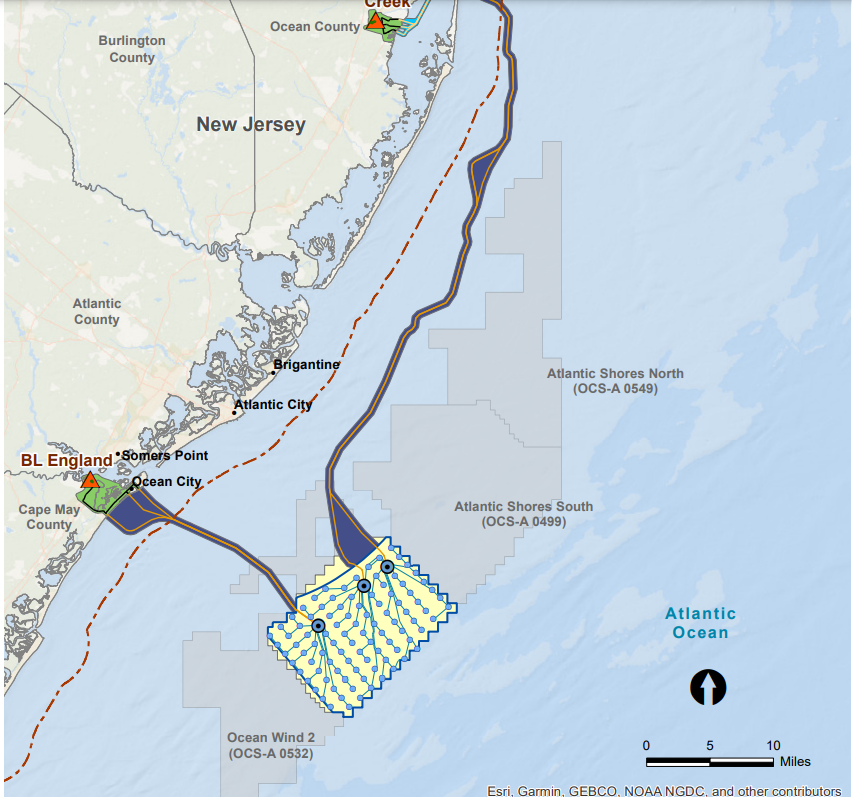
A media report informs that, as expected, Orsted is marketing the suspended Ocean Wind 1 and 2 leases. BOEM should deny any request to assign these leases. Here’s why:
As discussed in a previous post, those leases should have been terminated when Orsted announced that they would “cease development of the Ocean Wind 1 and Ocean Wind 2 projects.”
For the first time in the history of the US OCS program, the lease suspensions were approved without any work commitment on the part of the operator.
Per the approval letter (attached), the suspensions were granted so Orsted could get “full enjoyment” of the leases by waiting for economic conditions to improve.
The approval relieves Orsted from complying with any deadlines in their approved Construction and Operations Plan.
Under the approved suspensions, Orsted’s only obligations are to reply to requests for information and participate in meetings or consultations as requested. Note that for suspensions of operations on oil and gas leases, the operator must provide “a reasonable schedule of work leading to the commencement or restoration of the suspended activity.”
Suspensions of Operations are for the purpose of providing additional time, where necessary, for diligent operators to meet development milestones and initiate energy production. They are not for the purpose of waiting for improved economic conditions or providing time to sell your leases.
Any request by Orsted to assign these leases should be denied. If BOEM wants to reissue the leases, they may do so at a future sale in accordance with their regulations at 30 CFR Part 285.
10/31/2023: Citing economic factors, Orsted announces they “will cease development of the Ocean Wind 1 and Ocean Wind 2 projects.” (This should have resulted in termination of the leases.)
1/19/2024: Orsted requests a 2 year “suspension of operations” to extend the leases they had ceased developing. (Presumably, this was a hedge with hopes of marketing the leases or getting better terms.)
2/29/2024: True to form, BOEM approves the questionable 2 year suspension request. The approval letter was dated one day before the leases’ 8th anniversary when they would have presumably expired. (This is unconfirmed because the lease document and BOEM’s wind regulations lack clarity regarding lease expiration.)
BOEM’s approval letter (attached) curiously asserts that “suspension of the operations term is necessary for the Lessee’s full enjoyment of the lease in this circumstance to ensure sufficient time for project operations in support of the Project’s economic viability.” (Interesting wording that expresses the accommodative and promotional philosophy of the Federal wind program.)
8/14/2024: Cape May County comments that they are likely to amend their Federal Court filings “since the actions of the NJBPU would appear to have nullified Orsted’s federal permits.”
8/27/2024: Despite the fact that Orsted has ceased development and New Jersey has vacated its approvals, the Federal leases are still active.
Good luck keeping an oil and gas lease if you cease development and request a suspension of operations. BSEE will rightfully deny your request.
NJ Governor Murphy, an offshore wind promoter, is not pleased:
“Today’s decision by Orsted to abandon its commitments to New Jersey is outrageous and calls into question the company’s credibility and competence,” the Democratic governor said. “As recently as several weeks ago, the company made public statements regarding the viability and progress of the Ocean Wind I project.”
Perhaps the Governor’s credibility and competence is also taking a hit, as is staking the State’s energy future on highly uncertain, intermittent, and facility-intensive power systems. .
Unsurprisingly, Orsted management assumes no responsibility for the company’s poor performance, blaming supply chain problems, high interest rates and “a lack of new tax credits.” Outsiders might suggest that there were other factors such as irrational exuberance in the acquisition of wind leases at inflated prices, and unrealistic expectations regarding a complementary power source that is dependent on government mandates and subsidies.
“The situation in U.S. offshore wind is severe,” Chief Executive Mads Nipper told reporters on a conference call.
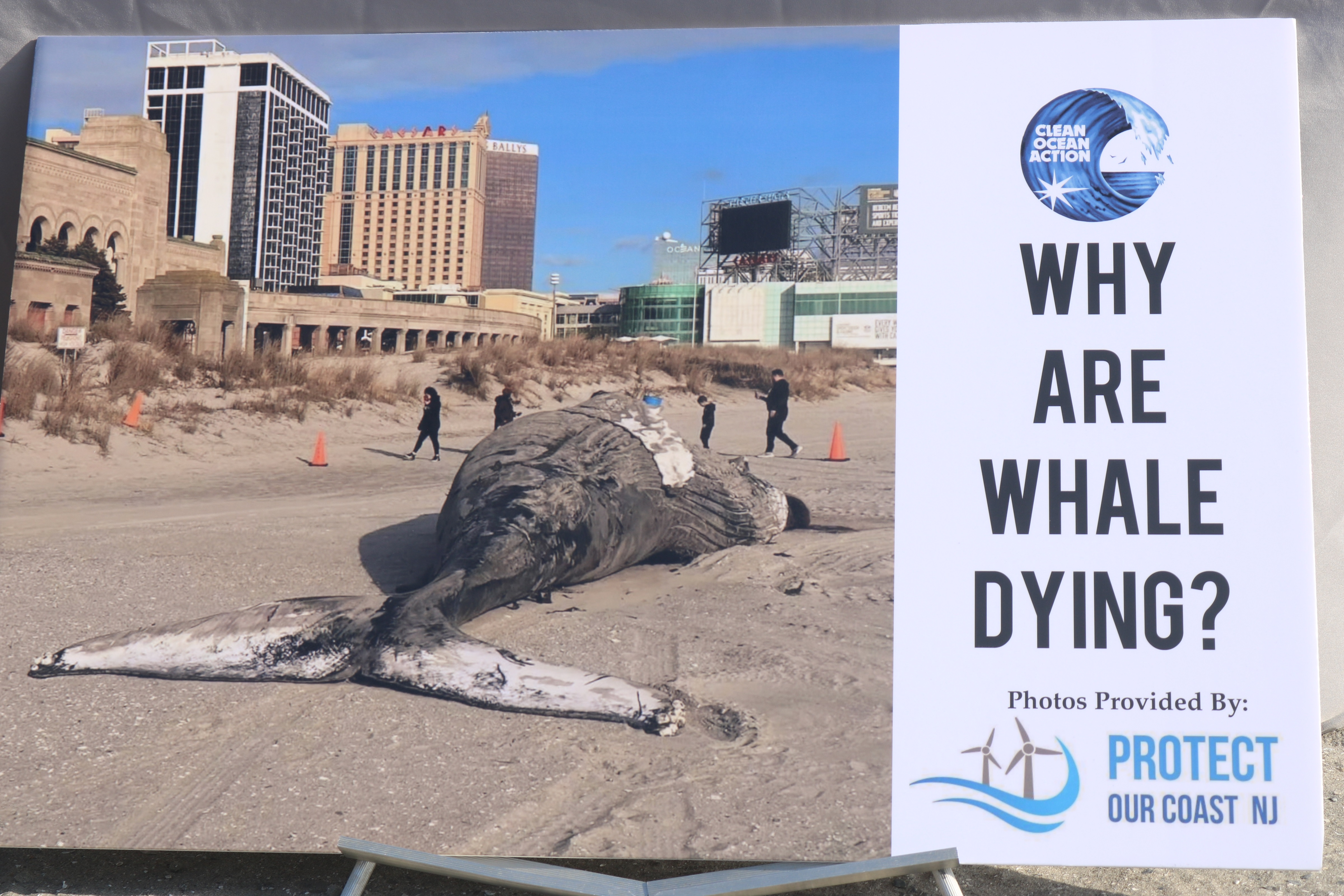
While it’s unlikely that the whale strandings are the result of pre-construction activities for offshore wind development, greater transparency on the part of the developer and regulators would be helpful:
What surveys and other offshore activities are being conducted? Where?
What is the timeframe for these activities?
Any sightings of distressed whales?
Other anomalous observations?
Absent regular activity updates, accusations and protests are likely to continue and intensify.


 Bud's Offshore Energy (BOE)