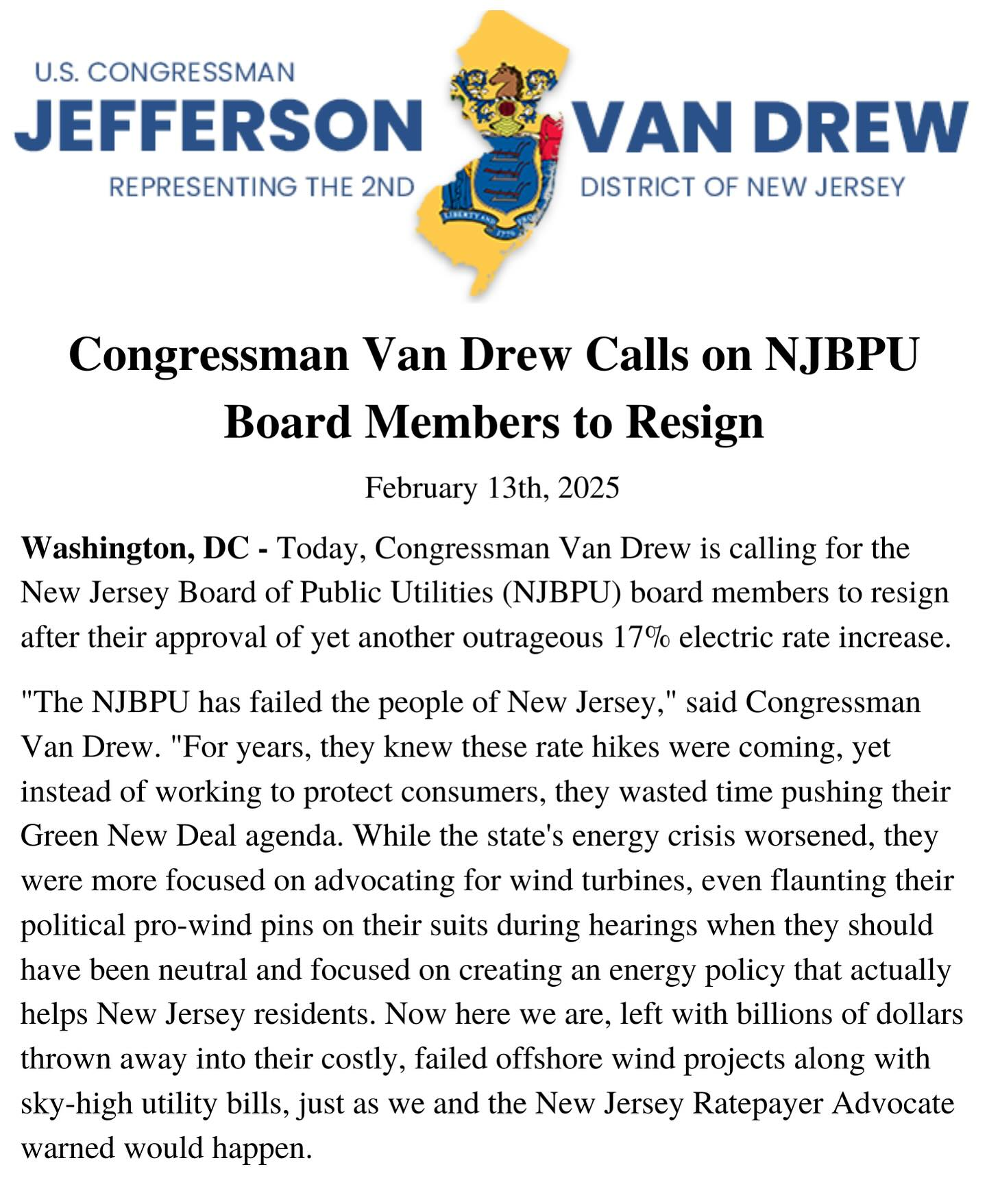
Posted in energy policy, Offshore Wind, tagged Congressman Van Drew, NJBPU, Offshore Wind, rate increases on February 14, 2025| Leave a Comment »
Posted in climate, energy policy, Offshore Wind, tagged Gov. Phil Murphy, New Jersey, Offshore Wind, WSJ on February 10, 2025| Leave a Comment »

WSJ: “How many multibillion-dollar projects must go bust before a Governor comes to his senses? The answer is blowing in the wind, but New Jersey’s Phil Murphy doesn’t seem to be listening.”
Ouch!: Note how it’s always the developers that give up on these projects and never the state, despite the awful prospects for ratepayers. Gov. Murphy has treated renewable energy as a sacred cause no matter the costs since 2018. That includes a bill he signed to let Ørsted pocket federal credits it had promised to pass on to customers, though he clawed money back when the projects died.”
Posted in energy policy, Offshore Wind, tagged Atlantic Shores, BOEM, BPU, Congressman Chris Smith, New Jersey, Offshore Wind on February 7, 2025| Leave a Comment »
Not a single offshore wind turbine will be installed offshore New Jersey during the reign of Gov. Murphy, a leading proponent of offshore wind. How much did his wind advocacy cost NJ taxpayers?
Meanwhile, management of what is left of the Atlantic Shores partnership continues to deny the obvious – that there is no realistic path forward for their projects.
Finally, NJ Congressman Chris Smith is questioning any further action by BOEM on offshore wind projects. See the attached letter.
Posted in climate, Norway, Offshore Energy - General, Offshore Wind, tagged Empire Wind, Equinor, green agenda, Norway, Offshore Wind, Orsted on January 22, 2025| Leave a Comment »
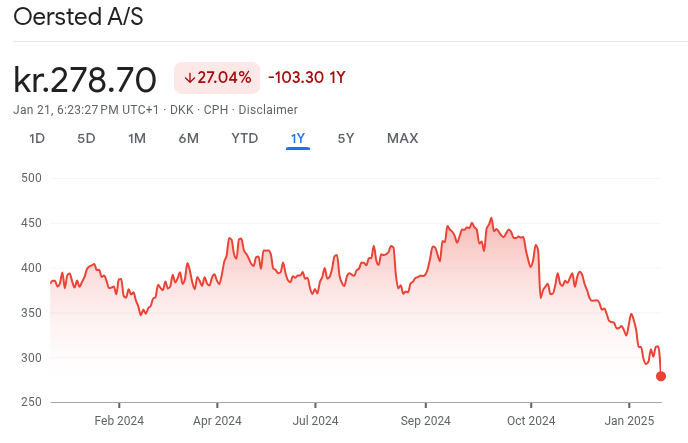
Equinor’s investment in Orsted and their Empire Wind project in the US Atlantic are featured in this DN article (translated to English). Excerpts follow:
Equinor’s investment of over 26 billion kroner in the Danish wind power company Ørsted has so far been a financial disaster – and now it’s going from bad to worse.
“We are very negative about the whole green initiative, as the return on the investments they make is far too low. When they also buy minority stakes in other green companies that we cannot count on, such as Ørsted, it means that we would rather own other oil companies.” Gaute Eie, Eika Kapitalforvaltning
The market has long been concerned that Equinor will throw money at renewable projects with low or no profitability.
In a recent note, Pareto analysts Tom Erik Kristiansen and Olav Haugerud point out that the Ørsted writedown does not bode well for Equinor’s own US projects either. They foresee a writedown of up to $1.1 billion, given that Equinor faces the same type of challenges as Ørsted.
Eie believes there is no reason why Equinor in particular should have a green initiative:
Aker BP is not doing green, Vår Energi is not doing green, and all the big oil companies are going back on this. Then we’ll see if Equinor has the guts to buy even more Ørsted shares, because now it’s 35 percent cheaper. If they do, we’ll have even fewer Equinor shares.
Sissener believes Equinor should rather focus on dividends and concentrate on oil and gas projects.
– We generally stay away from companies where the state is a major owner, because there you have to be so politically correct all the time. What we need are shareholder-friendly board representatives who know how to run a business and maintain control. In a broader perspective, this helps to destroy trust in Norwegian business.
Posted in energy policy, Offshore Wind, Wind Energy, tagged energy, Executive Order, Offshore Wind, renewable energy, wind, wind leasing, wind permitting, wind-power on January 20, 2025| Leave a Comment »
Title: Temporary Withdrawal of All Areas on the Outer Continental Shelf from Offshore Wind Leasing and Review of the Federal Government’s Leasing and Permitting Practices for Wind Projects
Main points:
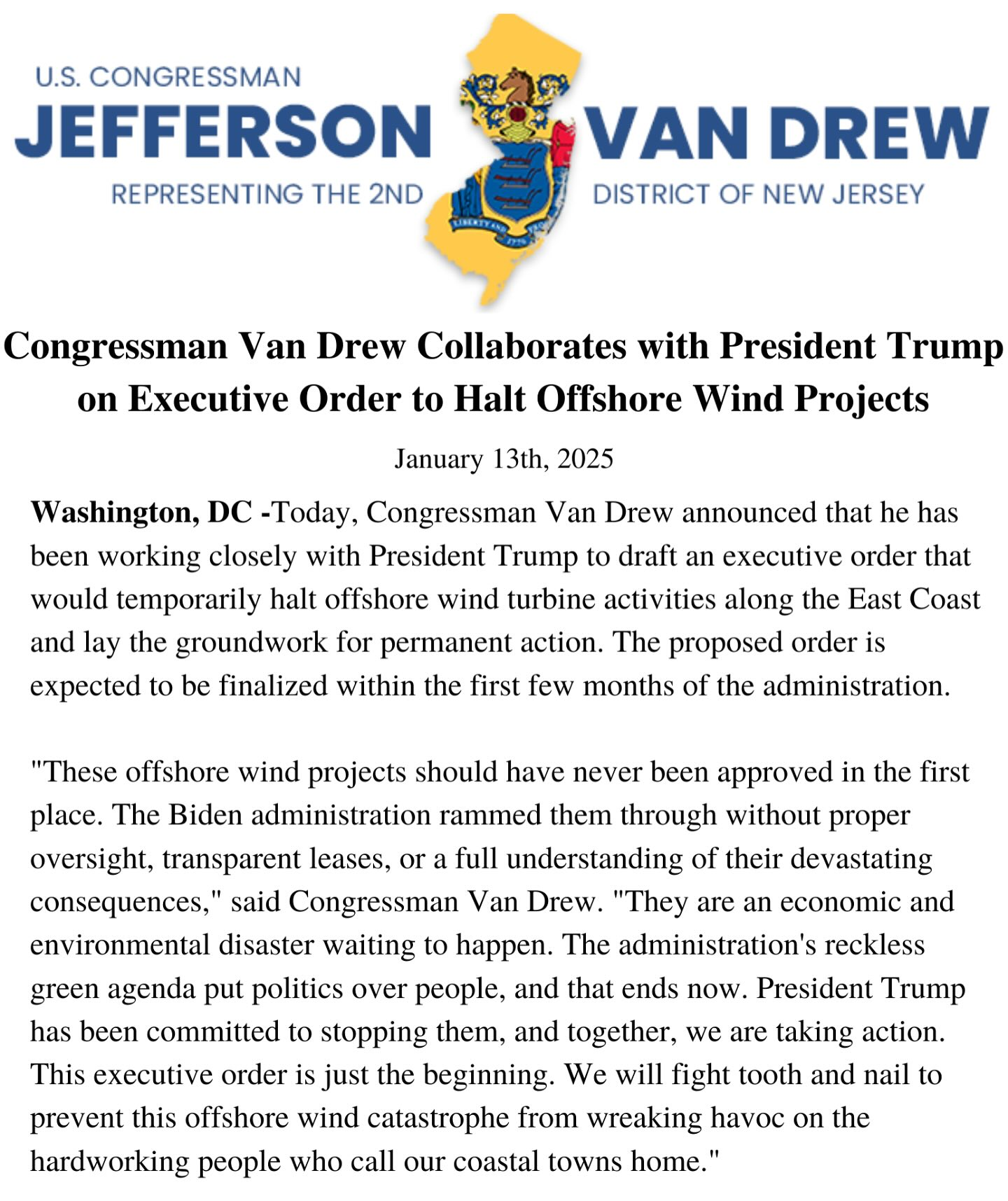
Posted in energy policy, Offshore Wind, tagged Atlantic wind, Jeff Van Drew, Offshore Wind, pause, wind program review on January 14, 2025| Leave a Comment »
This confirms the second-hand information previously posted. The discussions and debate during the wind program review should be lively!
Posted in climate, decommissioning, energy, Wind Energy, tagged Commonwealth Fusion, Dominion Energy, nuclear fusion, Offshore Wind, superseding wind and solar, Virginia, Youngkin on January 3, 2025| Leave a Comment »
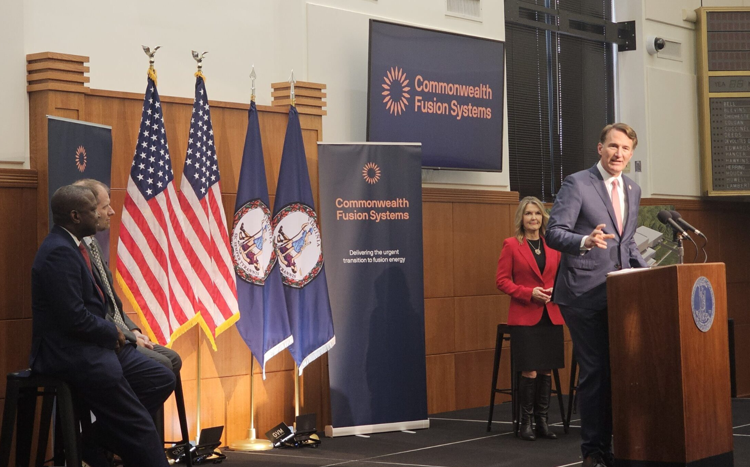
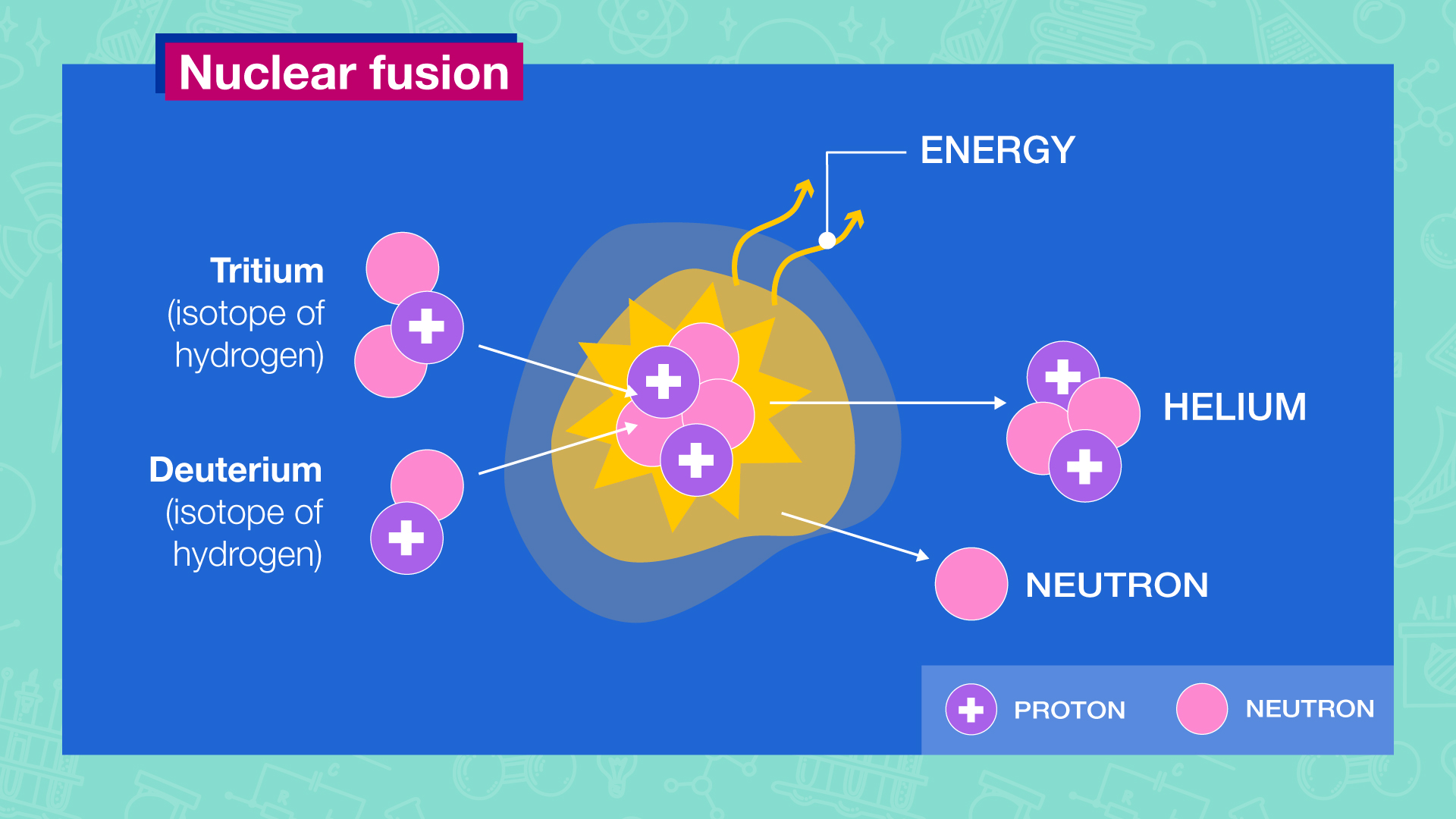
Why BOE, and most everyone else, likes nuclear fusion:
Tempering the optimism a bit, the plant won’t be operational until the early 2030’s. As we all know, there could (will likely) be delays. CFS is currently building a demonstration plant in Massachusetts that will use their SPARC “tokamok” technology.
The implications of advanced nuclear technology, not only the holy grail of fusion energy, but also modular fission reactors, for intermittent wind and solar power are substantial. Ultradeep geothermal is on a similar timeframe, and could also supersede wind and solar.
The logic behind costly offshore wind projects is therefore questionable, and the regulators better make sure that the decommissioning of these facilities is fully funded. The most likely long-term scenario is for natural gas to continue meeting most power generation needs as the nuclear and ultradeep geothermal alternatives are phased in.
More about fusion. Most of you can start at Level 3. 😉
Posted in energy policy, Offshore Wind, tagged Executive Order, Jeff Van Drew, Offshore Wind, pause in construction on December 24, 2024| Leave a Comment »
From the Protect Our Coast – NJ Facebook page:
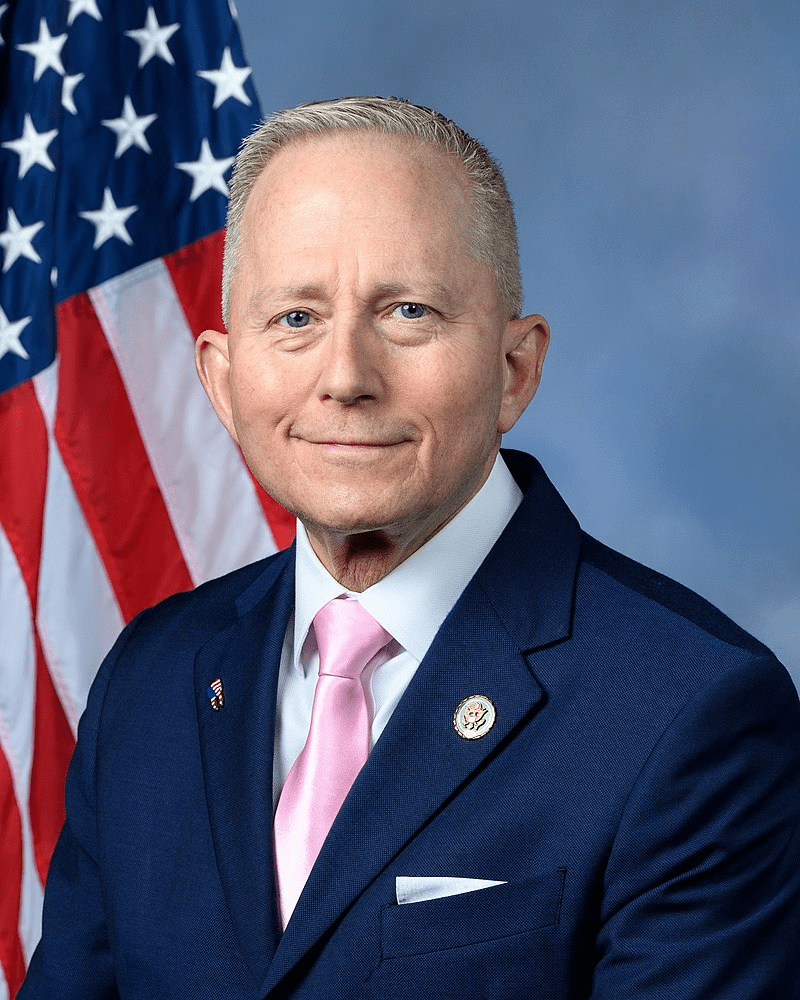
From the Protect Our Coast – NJ Facebook page: “During his interview with Radio Host Dom Giordano on Monday, December 23, NJ Congressman Jeff VanDrew (pictured), stated an executive order, to be signed by President Trump on January 20, 2025 will place a 6 months pause on further construction of Offshore Wind Turbines while our new administration reviews all aspects of these highly controversial structures in our ocean.“
We’ll see what transpires, and if this post is accurate, await clarification and reactions.
Posted in energy policy, Offshore Energy - General, Offshore Wind, tagged Gulf of Maine, Inflation Reduction Act, leasing restriction, midnight, Offshore Wind on December 20, 2024| 1 Comment »

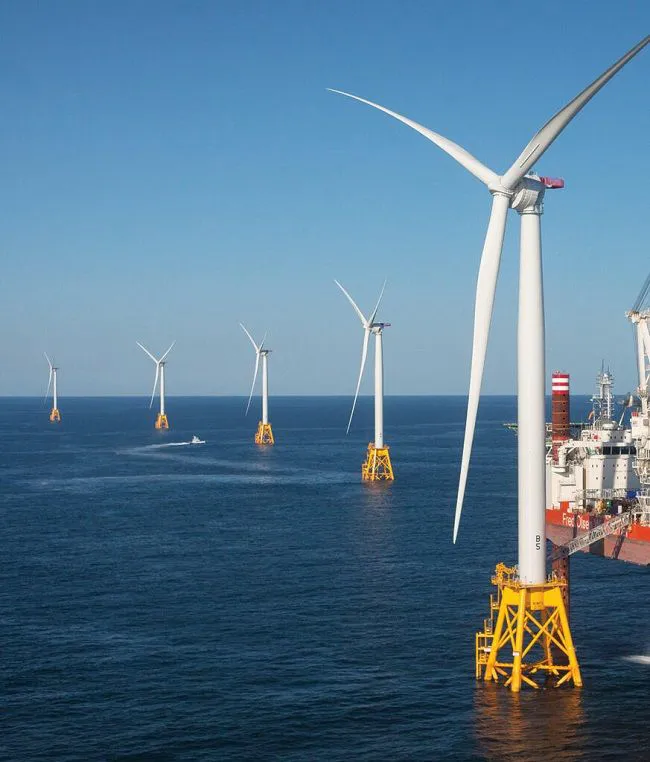
Per a provision in the “Inflation Reduction Act,” no offshore wind leases may be issued after 12/20/2024, the one year anniversary of the last oil and gas lease sale (no. 261).
Although the 4 leases receiving bids at the most recent wind sale (10/29/2024, Gulf of Maine) have presumably been issued, BOEM’s lease table does not reflect that. If those leases have not been issued, it’s too late now.
Assuming that the Gulf of Maine leases have in fact already been issued, the legislative restriction on issuing new leases should not be an issue. A qualifying oil and gas lease sale will likely be held in the Gulf of Mexico in the first half of 2025.
The bigger question is whether the new administration will hold any wind lease sales. Pre-election energy policy comments imply that new wind sales are unlikely.
Posted in Offshore Wind, tagged 2024 election, bad day, Offshore Wind, Orsted on November 6, 2024| Leave a Comment »
 Bud's Offshore Energy (BOE)