Feeds:
Posts
Comments

Posts Tagged ‘OCS Lands Act’

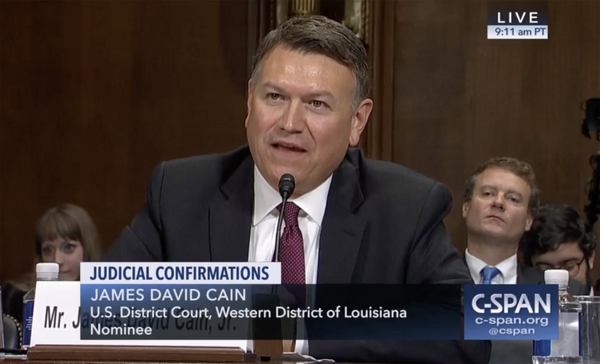
On Friday (10/3/2025), Judge Cain found that President Biden exceeded his authority under Section 12(a) of the Outer Continental Shelf Lands Act (OCSLA) by attempting to permanently withdraw large areas of the OCS from future oil and gas leasing. The Biden withdrawals, executed in his final days in office (by autopen?), resulted in the largest ever permanent ban on offshore oil and gas leasing in the US, and to the best of my knowledge, anywhere in the world (see link for details on the ban).

Although President Trump rescinded Biden’s action via executive order on January 21, 2025, the court proceeded with the case, acknowledging the high likelihood of similar actions in the future.

Judge Cain concluded that Biden departed from historical executive practice and exceeded statutory limits under OCSLA Section 12(a), which allows the president to “withdraw from disposition any of the unleased lands of the outer Continental Shelf,” but does not explicitly authorize permanent or irrevocable bans.

The judge emphasized that prior withdrawals were typically temporary or modifiable, and attempts to make them permanent encroached on congressional powers.

Judge Cain extended the ruling to Obama’s extensive end-of-term withdrawals in 2016, finding them similarly unlawful for intending permanence.

The ruling reinforces that OCSLA withdrawals must be revocable by future presidents, limiting executive power to bind successors on public lands disposition. The ruling should prevent future reliance on leasing bans.

Judge Cain’s decision is important because leasing bans should be carefully considered and should not be executed casually at the end of a term for purely political purposes. 
Read Full Post »

Protect Our Coast – NJ graphic

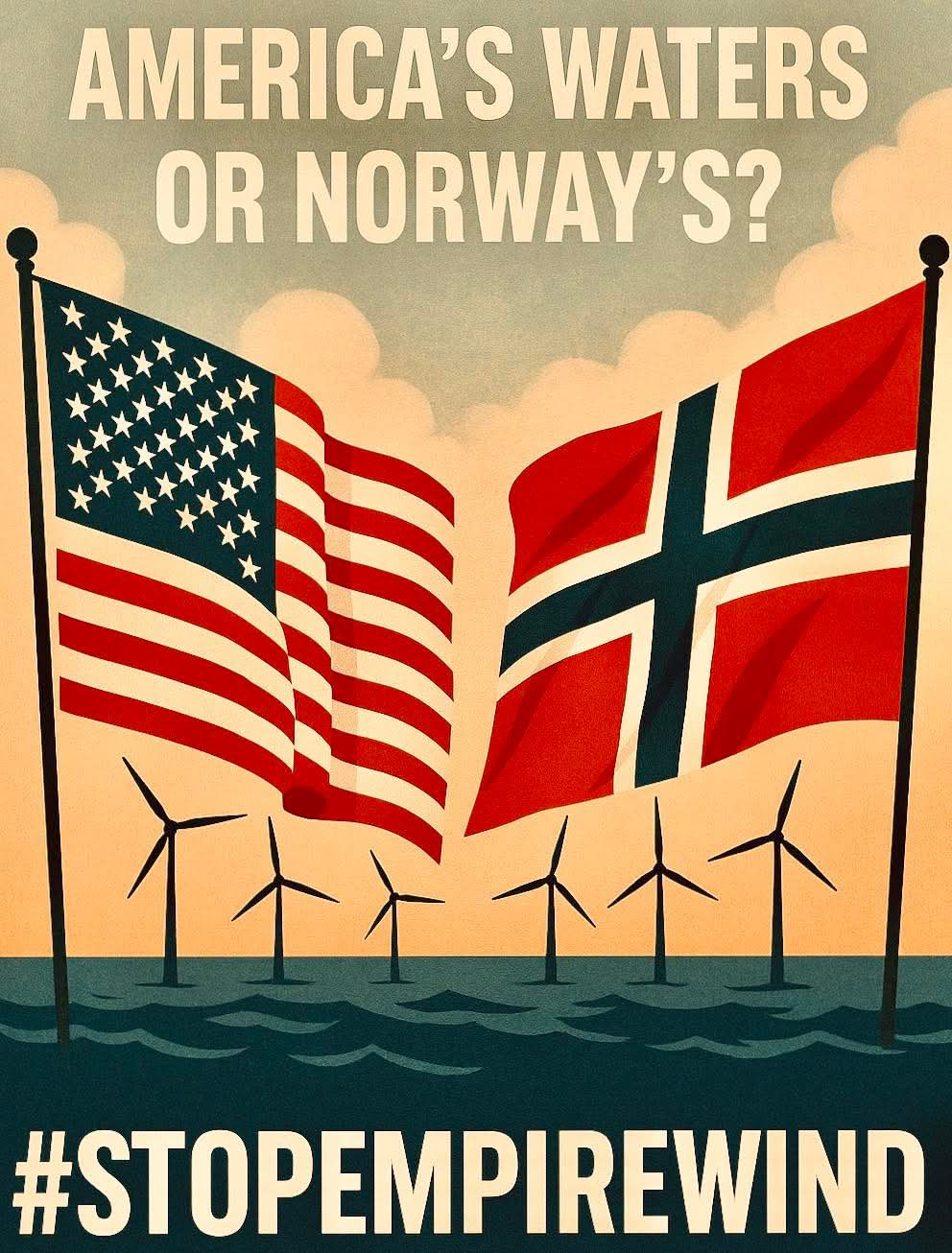
Along with other charges, the attached complaint asserts that awarding a wind lease to Norway’s Equinor, violates the Outer Continental Shelf Lands Act (OCSLA):

  1. As an agency or instrumentality of Norway, Equinor cannot receive a lease on the Outer Continental Shelf for offshore wind turbine development or generation of electric power.

While other elements of the complaint appear to have merit, the charge against Norway does not. Here’s why:

  • US subsidiaries of foreign companies have long held leases under the OCS Lands Act.
  • Equinor US Wind is the US subsidiary holding the wind lease.
  • Equinor USA E&P holds interests in OCS oil and gas leases in the Gulf of America. BOEM credits 548,389 barrels of oil production to Equinor for 2023.
  • Chinese state-owned CNOOC has been an oil and gas lessee in the Gulf of America.
  • US subsidiaries of Shell and BP, both foreign corporations, are the top 2 producers in the Gulf. Although not government owned, there is nothing in OCSLA that distinguishes between US subsidiaries of private and govt owned companies. Woodside (Australia) and Eni (Italy) are also important Gulf producers.

The plaintiffs second count (excerpt below) seems to have more merit. The bulk of the filing pertains to this count.

  1. BOEM never completed its “necessary review”, see Stop Work Order, April 16, 2025, and, instead, reinstated the Empire Wind work permit on May 19, 2025 without any explanation or finding, stating as follows:
    On April 16, 2025, the Bureau of Ocean Energy Management issued a Director’s Order to Empire Offshore Wind LLC to halt all ongoing activities related to the Empire Wind Project on the outer continental shelf. That Order is hereby amended to lift the halt on activities during the ongoing review.

The complaint goes on to discuss the reasons why the plaintiffs believe the review was indeed necessary and should have been conducted.

Read Full Post »

Unsurprisingly, 17 States (plus DC) filed the attached lawsuit in Massachusetts federal court asserting that the directive to suspend offshore wind activities is illegal.

This will be interesting given that the OCS Lands Act grants broad authority to the Secretary of the Interior to suspend activities when necessary to ensure safety, protect the environment, or allow for further study of potential impacts.

Those who are familiar with the administration of the OCS Lands Act know that there is really no such thing as a “fully permitted project.” The Secretary can call for further review whenever concerns are raised and there is a need for further investigation.

Read Full Post »

The “Zero Based Regulatory Budgeting” Executive Order will promote confusion and uncertainty, not sustainable regulatory reform.

The EO requires agencies to issue a rule, effective not later than September 30, 2025, that inserts a sunset date into each “covered regulation.” The sunset date must be 1 year after the effective date of the sunset rule, but may be extended multiple times for a total of up to 5 years.  

From an offshore energy perspective, the confusion starts with the EO’s applicability. One section of the order exempts regulatory permitting regimes authorized by statute. Another section specifies that the order “applies to all regulations issued pursuant to the Outer Continental Shelf Act of 1953 and any amendments thereto.” This is a fundamental contradiction given that OCSLA is a statutory planning and permitting regime. Which regulations are subject to the EO?

Comments:

  • For some reason (too complicated?), EPA and the Army Corps of Engineers are given 30 days to provide a list of statutes that are subject to the EO. Perhaps all affected regulators should have been given 30 days to comment on the draft EO before it was finalized.
  • The EO is sure to create chaos as regulators, under the direction of managers keen on complying with the President’s directive, attempt to determine the EO’s applicability and establish implementation procedures.
  • The EO, which is intended to provide order and certainty, will do exactly the opposite. How does the regulated industry plan for future operations while this vague and controversial “zero based regulatory budgeting” exercise is ongoing? What are the chances of this directive being sustained?
  • Reducing the number of pages in the US Code, while desirable, is not regulatory reform.
  • The order assumes that most regulations are meaningless, which is not the case. What is the plan for filling the void after regulations are deleted?
  • The EO should embrace, rather than circumvent, the notice and comment requirements of the Administrative Procedures Act. The tedious and sometimes burdensome APA has protected the public and the energy industry from countless unjustified, unauthorized, and poorly considered regulatory initiatives.
  • Eliminating rules is not synonymous with establishing a regulatory framework that will improve efficiency and stimulate innovation.
  • Other factors are paramount in improving regulatory effectiveness and efficiency. These include regulatory fragmentation, effective goal setting, management systems, culture, data gathering, performance monitoring, continuous improvement, collaboration, and the adoption of industry standards.
  • Quality regulators are more important than quality regulations. Regulating with fewer rules requires skilled regulators.
  • Agencies should be directed to consider how they can best reduce the regulatory burden without compromising safety and environmental performance. Page reduction should be secondary.

If regulatory efficiency is the goal, this EO is likely to do more harm than good. Federal agencies are largely comprised of bright people with good intentions. Challenge them to propose innovative reforms that will simplify and improve their regulatory regimes.

Read Full Post »

The attached bill not only nullifies most OCS leasing bans, but fundamentally changes the OCS Lands Act provision (Sec. 12(a)) that authorizes such Presidential withdrawals.

The well constructed bill addresses the issues previously raised on the blog. The bill would:

  • Revoke all Presidential leasing bans except for the 2020 withdrawals, which could presumably be reversed by President Trump.
  • Limit withdrawals to under 150,000 acres (the equivalent of 26 lease blocks of typical size) in total or contiguous with any other withdrawal.
  • Limit cumulative withdrawals to 500,000 acres (87 lease blocks) without congressional approval.
  • Sunset withdrawals after 20 years.
  • Require geological, economic, and security assessments for any future withdrawals.
  • Give Congress the authority to review and potentially overturn future withdrawals.
  • Ensure that future withdrawals do not contradict an approved Five-Year Offshore Oil and Gas Leasing Program.

Does this bill have a chance? Realistically, the prospects are probably not good. Although the bill currently has an impressive list of 24 sponsors, all are Republicans and none are from Florida. Absent support from Florida Republicans and some interior state Democrats, it will be difficult to gain traction.

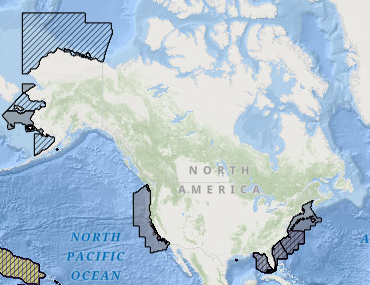
Interactive map showing OCS areas where oil and gas leasing is now prohibited (I.e everywhere but the Central and Western Gulf of Mexico and the Cook Inlet)

Read Full Post »

Sec. 12(a) of the Outer Continental Shelf Lands Act (OCSLA, 43 U.S. Code § 1341(a)): “The President of the United States may, from time to time, withdraw from disposition any of the unleased lands of the outer Continental Shelf.”

As previously posted, the Sec. 12(a) authority has been cynically exercised by Presidents from both parties and should be repealed or revised.

Unsurprisingly, there are now reports that President Biden intends to permanently withdraw large areas of the OCS from leasing consideration before he leaves office in 2 weeks. Apparently, the leasing ban will include large segments of the Atlantic, Pacific, and the eastern Gulf of Mexico.

Sec. 12(a) facilitates (encourages?) rash, politically motivated decisions that could have major long-term implications for energy security and the economy, and allows Presidents to ignore the deliberate, multi-phase review and comment process that has been established for making leasing decisions.

Note that Presidents have exercised this authority seven times. In every case, the action was taken just prior to the end of the President’s term in office.

Questions:

  • Can a President reverse a Sec. 12(a) decision made by a predecessor? That is a massive legal question that has yet to be fully considered by the legal system.
  • Could legislative action reverse a Sec. 12(a) decision? Yes, but such legislative action would be difficult to enact (just as it would have been difficult for any of the Sec. 12(a) withdrawals to have been enacted legislatively).
  • Is a revision to Sec. 12(a) being considered? Not that I am aware of. Given that the authority has been exercised by both parties and that strong opposition is likely, a revision would be challenging.

Related:

Read Full Post »

This action figure of Willie Mays making his signature basket catch has been a prized possession since 1957. Baseball was, by far, the most important American sport back then and Willie was a megastar. I was a Phillies fan, but loved Willie, as did baseball fans everywhere. Below is a 7 minute video that nicely captures the man and his game.

From an offshore energy perspective, the US offshore program also had “rookie” status when Willie joined the Giants in 1951. BSEE’s borehole file lists 93 wells spudded prior to July 1, 1951 in what became the Federal waters of the Gulf. Per BOEM’s structures file, 27 platforms had been installed by that date. The Submerged Lands Act and OCS Lands Act were enacted 2 years later to provide a framework for the leasing and development that followed.

Read Full Post »

Regardless of one’s opinion about the causes of climate change, minimizing methane emissions makes good safety, conservation, and environmental sense. The emerging international consensus on methane emission reductions thus merits broad industry and governmental support.

Because of the resource conservation mandate in the OCS Lands Act, minimizing the waste of natural gas has been a point of emphasis in the US offshore program for 50+ years. If you couldn’t utilize or market the natural gas, your project wouldn’t be approved. This requirement delayed the entry of some floating production systems into the Gulf of Mexico, but the pipeline network ultimately expanded to support deepwater development with floating units. Those associated with the offshore program are rightfully proud of their success in prohibiting the waste of gas and minimizing flaring and venting.

Despite the historical commitment to restricting flaring and venting, the data suggest that further improvement may be needed. The concerns listed below are based on the compilation and review of flaring and venting data that operators are required to report to ONRR.

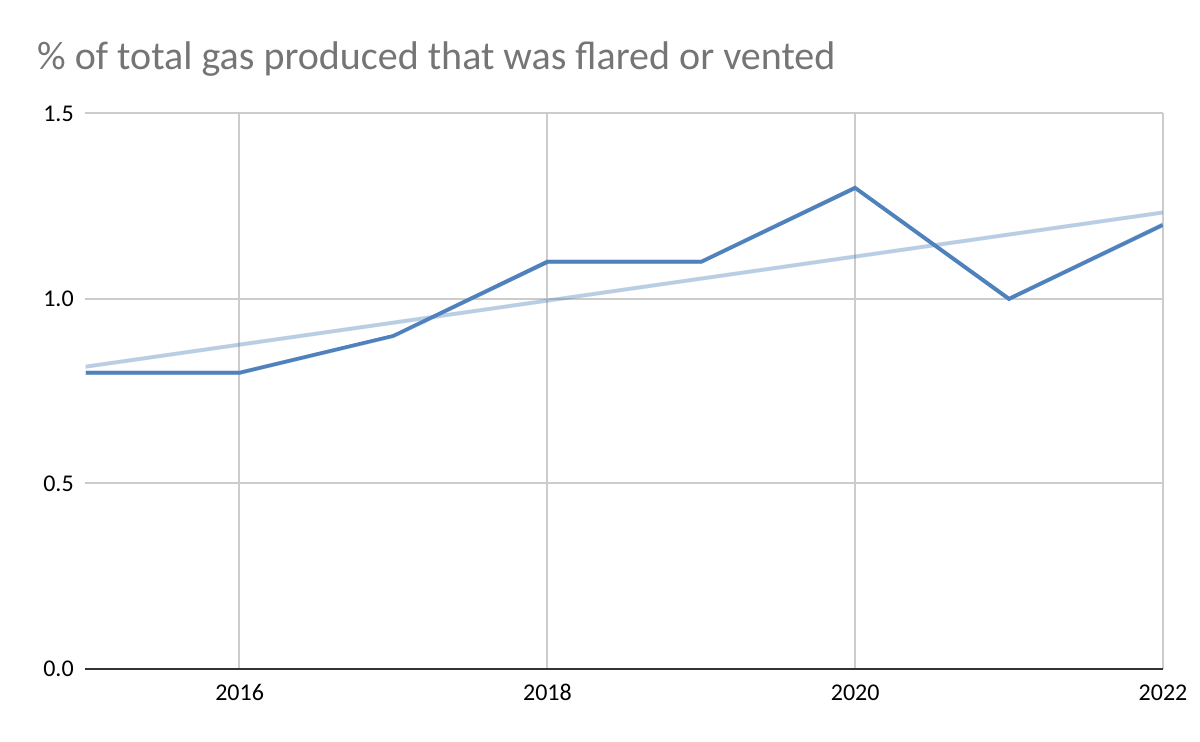
  • The % of US OCS gas produced that is flared or vented is trending upward (first chart below).
  • Both the gas flaring and venting volumes were higher in 2022 (vs. 2021) despite lower gas production.
  • 2022 oil well gas (OWG) flaring volume increased by 18% vs. 2022 despite nearly identical total oil production
  • More regulator/industry transparency on flaring episodes is needed, particularly in light of the PNAS paper and the June 2022 Inspector General Report.
  • In particular, there should be a process for explaining large spikes in monthly flaring and venting volumes. Were these spikes associated with production startups, major compressor issues, administrative corrections, or other factors?
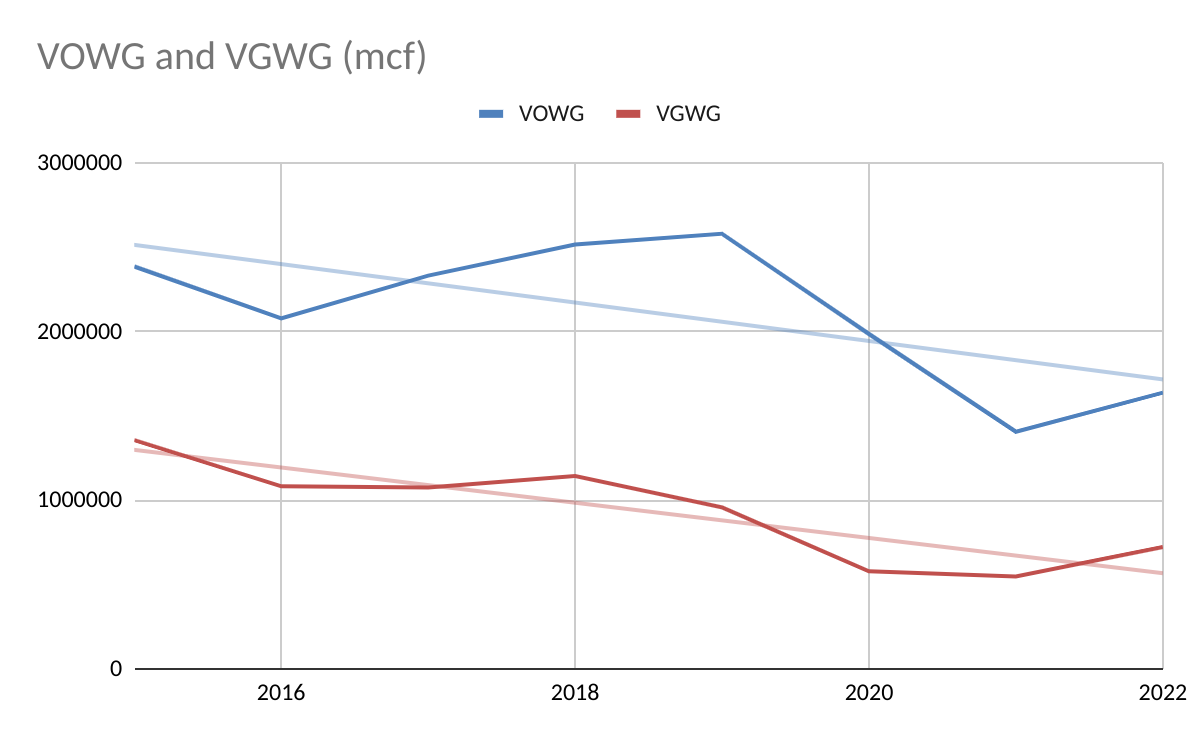
  • Venting, which is a more significant environmental concern than flaring, increased by 407 million cu ft (21%) in 2023 vs. 2022. Although the overall venting trend is still favorable (second chart), the 2022 jump should be explained.
  • The previously noted inconsistencies in flaring data sets remain a concern.
  • The fact that more gas-well gas (GWG) is being vented then flared implies that most such venting is on older shelf platforms (where there are more gas wells).
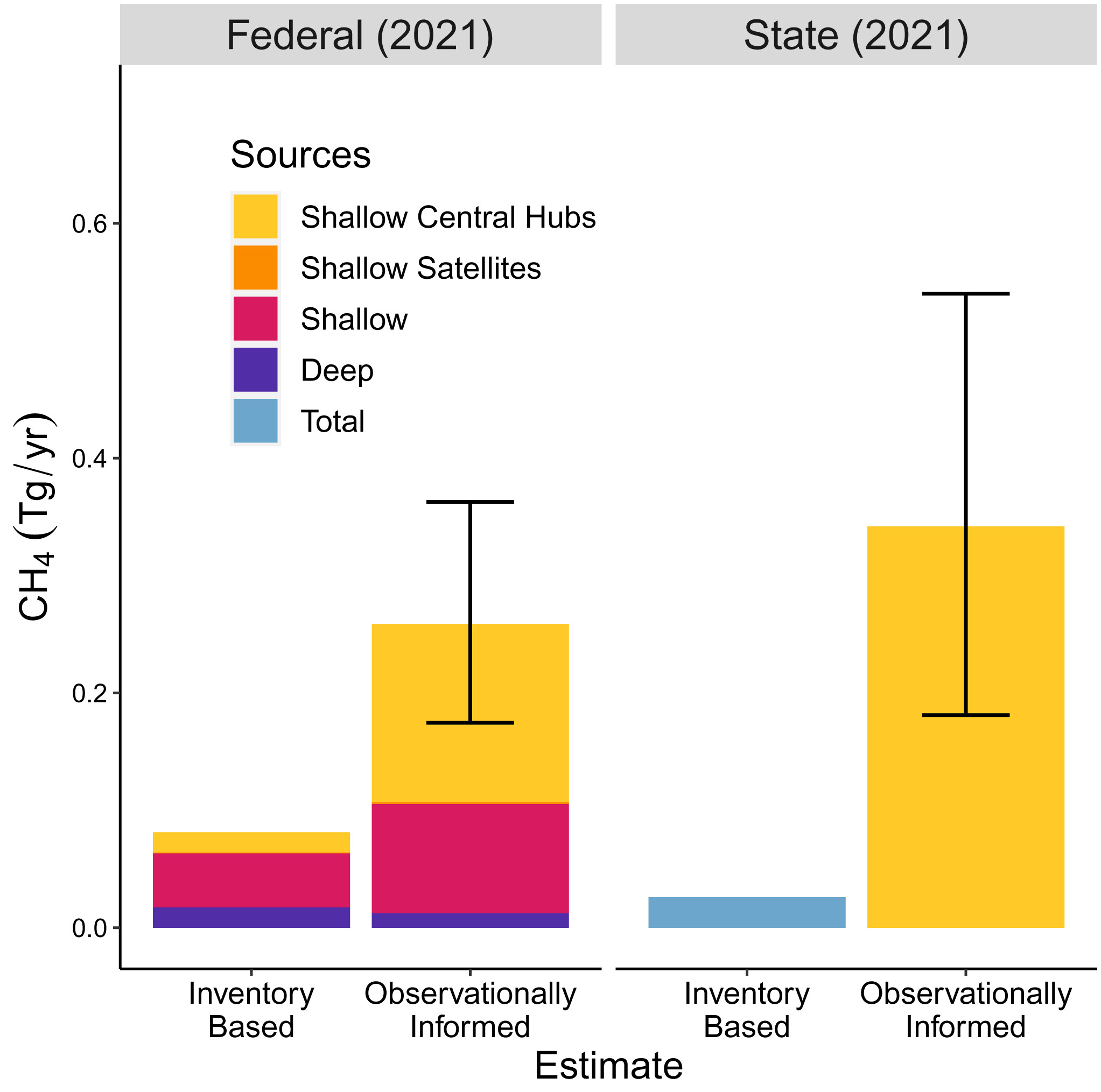
  • As summarized in the third chart below, deepwater facility methane emissions are consistent with the reported inventories, but shelf emissions in State and Federal waters differ significantly.
  • Regulating venting from older shelf platforms is difficult. About 15 years ago, the Federal government (MMS) considered requiring that older production platforms be retrofitted with flare booms, but safety, space limitations, and cost considerations precluded such a regulation. Instead, additional flaring/venting limits, and measurement and reporting requirements were imposed. What is next for these facilities?
  • Compiling and posting flaring and venting data should be a priority for BOEM/BSEE.
vented oil-well gas (VOWG) and vented gas-well gas (VGWG) vs. time
Total CH4 emissions for the GOM from inventories and observations for federal waters (Left) and state waters (Right). Observationally informed emissions are shown for the resampling of absolute flux rates (resampling approach A), with a mean and 95% confidence interval. The inventory estimates represent values adjusted for the year 2021. PNAS, 2023

Read Full Post »

The civil penalties provision in the 1978 OCS Lands Act (OCSLA) Amendments was flawed in that it stipulated that operators must be given time to take corrective action before a civil penalty could be assessed. The “time to take corrective action” requirement was confirmed by a 1983 Federal Court decision in Louisiana:

The Court agrees with Chevron’s construction of Section 24(b) and holds that civil penalties may only be imposed under Section 24(b) for violations which continue after the violator has been notified of the breach and has failed to correct it within a reasonable period allowed. This conclusion is based primarily upon a careful review of the pertinent statute. The first sentence sets forth the conditions of liability:

If any person fails to comply with any [provision of the Act] after notice of such failure and expiration of any reasonable period allowed for corrective action, such person shall be liable for a civil penalty of not more than $10,000 for each day of the continuance of such failure.

The court decision gutted the Minerals Management Service (MMS) civil penalties program. Civil penalties could no longer be assessed until the operators had been given time to correct their violations, even those that endangered workers and the environment.

Ironically, Congressman George Miller (D-CA), an ardent opponent of the offshore oil and gas program, proved to be an important MMS ally by adding language to the Oil Pollution Act of 1990 that amended the OCSLA civil penalties provision. The first draft of that language expanded the civil penalties authority to include violations that may constitute a threat of serious, irreparable, or immediate harm or damage to life, property, or the environment.

We were able to revise that draft by adding the words “or constituted” after “constitute” to cover situations where the threat was no longer present. For example, if an inspector found that a well had been drilled without required elements of the well control system in place, the threat may no longer be present at the time the violation was detected but it certainly was when the well was drilled.

The revived MMS civil penalties program was fair and effective, and BSEE seems to be administering the program in a similar manner. Civil penalties data for the past 4 years will be posted next week.

Congressman George Miller (CA)

Read Full Post »

Washington, DC — Today, U.S. Senator Joe Manchin (D-WV), Chairman of the Senate Energy and Natural Resources Committee, released the following statement on the Department of the Interior’s (DOI) unprecedented delay in releasing a five-year leasing plan. 

“Monday night, the Department of the Interior made it painfully clear – again – that they are putting their radical climate agenda ahead of our nation’s energy security, and they are willing to go to great lengths to do it. The earliest that Interior will release a legally required program for 2023-2028 offshore oil and gas leasing will be the end of this year. That’s 18 months late. This is the first time in our nation’s history that we haven’t had a 5-year leasing program released before the old plan expired. Every other Administration, Democrat and Republican, has managed to follow the law in a timely fashion.

“Let me be clear – this is not optional. The Outer Continental Shelf Lands Act mandates that the Secretary of the Interior “shall prepare” this program to “best meet national energy needs.”

“What is even more terrifying is that on top of this disturbing timeline, Interior refuses to confirm if they intend to actually include any lease sales in the final plan, which is an issue I sounded the alarm about when Secretary Haaland appeared before the Senate Energy and Natural Resource Committee on May 19, 2022. I will remind the Administration that the Inflation Reduction Act also prevents them from issuing any leases for renewables, like offshore wind or onshore solar unless there are first reasonable lease sales for oil and gas that actually result in leases being awarded. And I will hold their feet to the fire on this.” 

Senator Manchin

Plain English; no need for interpretation 😉

Read Full Post »

Older Posts »