Feeds:
Posts
Comments

Posts Tagged ‘Montara’

This is very true, but engineers may not have a choice when directed to optimize a flawed decision.

Gaza pier

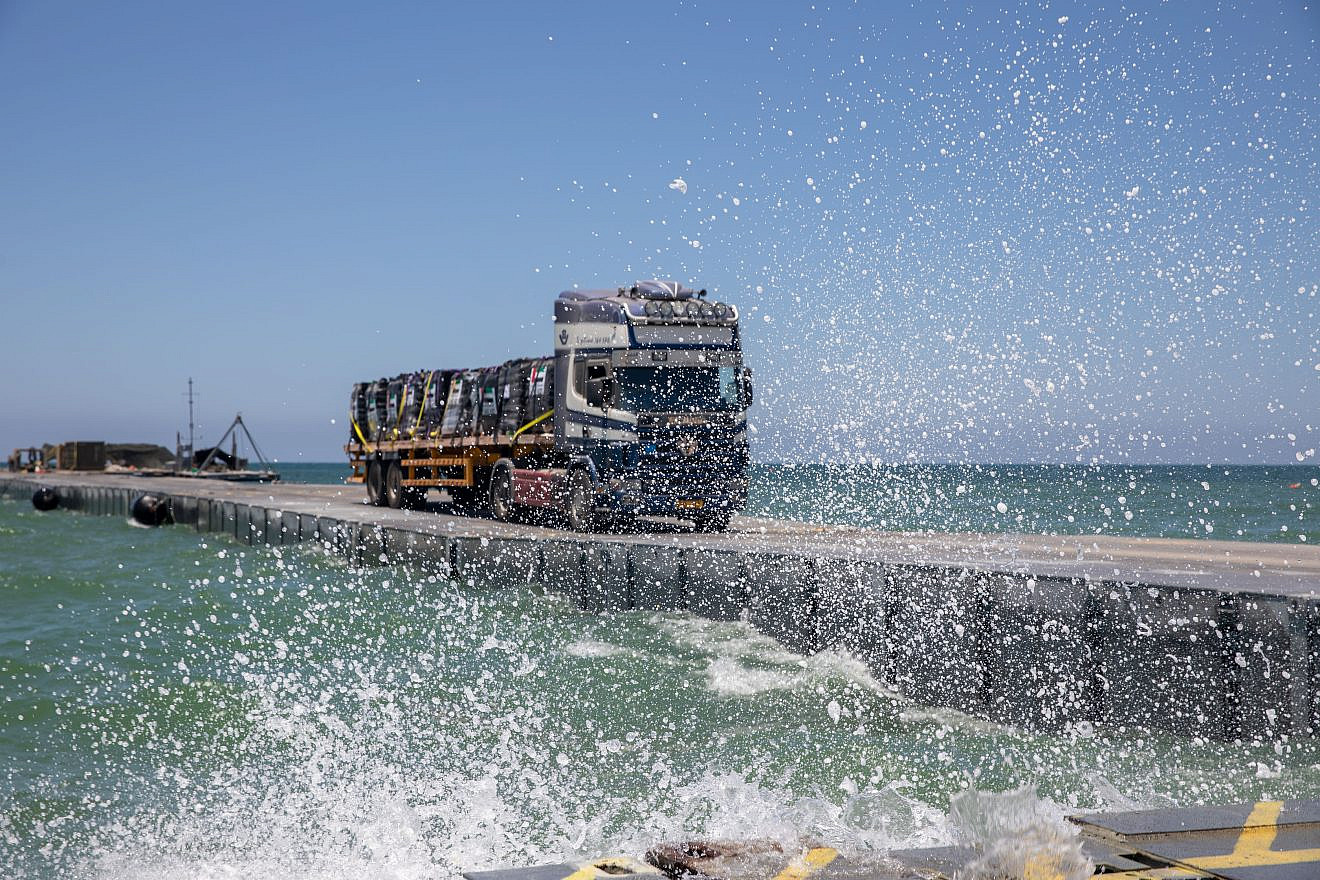
For example, the installation of the Gaza pier was a political decision imposed on military engineers without assessing the operational risks. The $230 million pier was in operation for only 20 days, long enough for several serious injuries to result from the reckless decision.

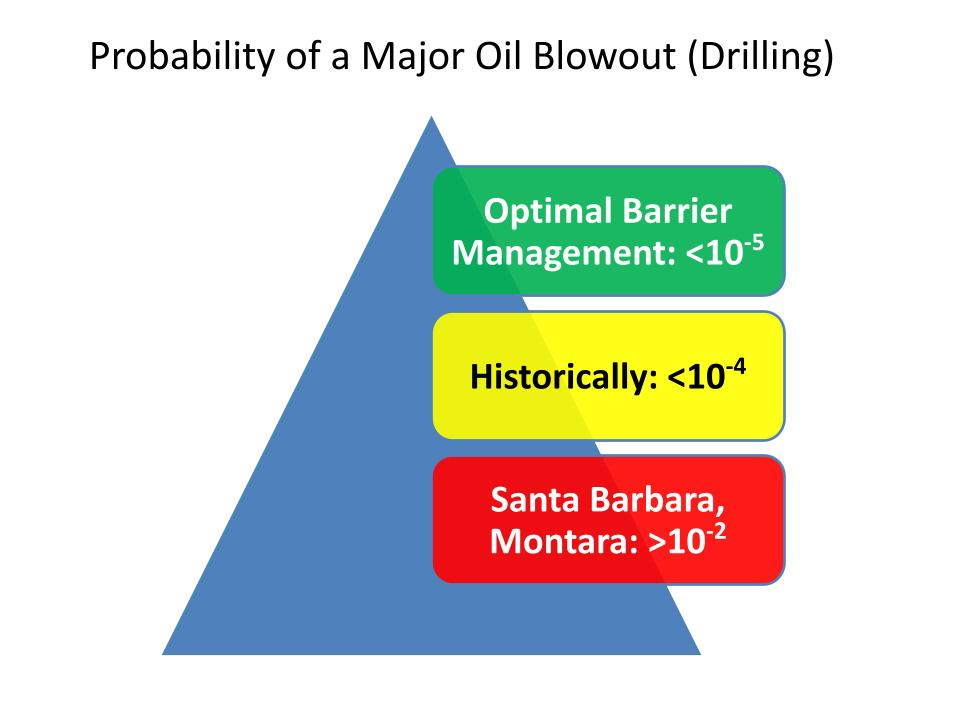
Some of the worst offshore drilling incidents were largely the result of culture or management driven attempts to save time and money. Modest cost savings were prioritized over verifying well integrity during both the Montara and Macondo well suspensions. The Santa Barbara blowout was the result of eliminating a casing string during development drilling, which virtually assured an uncontrolled flow in the event of a well kick.

Danenberger slide


Read Full Post »

“Our knowledge and expertise in geoscience and petroleum engineering represent advantageous foundation for CCS development, leading us towards our carbon emissions reduction target.” 

PTTEP

Those who closely followed Australia’s Montara Inquiry in 2010 may be less convinced about PTTEP’s expertise. The Montara well suspension program was completely irresponsible. Even though the production casing cement was clearly compromised, PTTEP suspended the well without a single barrier in the well bore. The company was extremely lucky to have avoided a major safety, environmental, and economic disaster. Perhaps they are a very different company now; I certainly hope so.

Montara blowout, Timor Sea

The PTTEP announcement adds to our skepticism about the motives of some CCS proponents. Is CCS prudent public policy? That question is by no means settled and there has been very little opportunity for comment and debate. BOE has raised concerns and there are no doubt many more that have yet to be addressed.

Read Full Post »

From the West Australian:

A new system to regulate the offshore gas and oil industry – a direct response to the 2009 Montara north of the Kimberley – has been approved by the Federal Parliament’s lower house.

Under the changes, the seven state and territory authorities will be replaced by a single Commonwealth body, the National Offshore Petroleum Safety and Environmental Management Authority.

It will regulate all safety issues from exploration to well decommissioning.

In the US, the jurisdictional conflicts (offshore) differ in that they typically involve multiple Federal regulators with overlapping jurisdiction and different priorities. Since most of the necessary streamlining would only involve Federal agencies, one would think that regulatory reform would be achievable, especially after a major blowout that killed eleven. Unfortunately, meaningful US reform appears to be highly unlikely.

Read Full Post »

I thought this Platts Oilgram News report was interesting given PTT’s objection to Indonesia’s claim for damages from PTT’s Montara blowout:

Thai energy authorities are pointing fingers at South Korea’s Hyundai Heavy Industries for causing damage to one of its offshore pipelines that slashed natural gas supplies to the kingdom by 14%. State-controlled oil and gas company PTT is also planning to seek hefty compensation claims from Hyundai Heavy as well as from Diphaya Insurance, the Thai state-owned insurance firm, which provides coverage for the company’s works, a senior PTT executive said June 30.

Read Full Post »

I don’t buy the argument that industry and regulators have paid too much attention to personal safety at the expense of process safety. Casualties from falls, falling objects, helicopter crashes, and other workplace activities have been persistent, and safety management programs must emphasize practices and procedures that will reduce occurrence rates.

Also, process safety has hardly been ignored. API RP 14 C has proven to be an effective safety analysis procedure for addressing undesirable events associated with each process component of a production facility.  For more complex facilities, Deepwater Operating Plans and API RP 14J, “Recommended Practice for Design and Hazard Analysis for Offshore Production Facilities, ” are good risk management supplements to RP 14C.

That said, we need better programs for sustaining the focus needed to further reduce the probability of low frequency, high consequence events.  When memories about the most recent disaster start to fade, what do we do to keep workers on edge and prevent complacency? What more can be done to prevent events with enormous consequence potential?  Some thoughts:

  1. Establish programs to remind employees about past disasters – how they happened and how they could have been prevented. How many offshore workers know the chain of events that led to the Santa Barbara blowout, Ocean Ranger sinking, Alexander Kielland capsizing, Piper Alpha fire and explosion, Ixtoc blowout, and other historic incidents? When discussing international incidents, we need to explain how our facilities or region might have been vulnerable under similar circumstances.
  2. Present information on minor incidents that could have escalated into disasters, emphasizing what could have gone wrong and why.
  3. Don’t just focus on the last disaster.  While addressing the operational and organizational issues that surfaced at Montara and Macondo, we also must assess incident data and identify activities and practices that could lead to the next disaster.
  4. Operators should not rely on the regulator to manage their operations. Reading about Montara and Macondo, one senses that the regulators were called on to referee internal company disputes and protect the operators and contractors from themselves.
  5. Regulators should not be making day-to-day operating decisions. Regulators should make sure that the regulations are clear and that operators have effective management procedures for adjusting programs as new information is obtained. Regimes that provide for regulator approval of each activity or adjustment promote operator complacency and are not in the best interest of safety over the long term.
  6. Service companies and contractors must challenge operators and regulators.  Operators should expect contractors to think and question, not to simply execute orders. There are impressive examples of contractors insisting on safety improvements, and being willing to forego business rather than compromise on safety.
  7. All sectors of the offshore industry should participate in standards development. Effective standards are dependent on diverse input.
  8. Industry and government leaders should promote innovation. Obvious weaknesses should be identified and industry should be challenged to propose solutions. For example, why do concerns about “false alarms” preclude automatic alarm activation (see Transocean’s Macondo report)? Data from redundant sensors can be analyzed by predictive software that is capable of quickly identifying real events. Similarly, why have advances in BOPE, including monitoring systems, been so slow? Why are BOP capabilities still poorly understood? Why are well integrity and casing pressure issues (producing wells) so common?

Read Full Post »
BP settled Macondo litigation with Weatherford, manufacturer of the float equipment equipment used in the Macondo well. The failure of this equipment was a key contributing factor in the Macondo blowout. Under the agreement, Weatherford will pay BP $75 million.  This money will be applied to the $20 billion Macondo trust fund.

Weatherford is the first of BP’s contractors to formally agree with BP that the entire industry can and should learn from the Deepwater Horizon incident. Accordingly, Weatherford has committed to working with BP to take actions to improve processes and procedures, managerial systems, and safety and best practices in offshore drilling operations. BP and Weatherford will encourage other companies in the drilling industry to join them in this improvement and reform effort.

Comments:

  1. $75 million seems like a rather modest payment by Weatherford given the magnitude of Macondo damage costs. BP will “indemnify Weatherford for compensatory claims resulting from the accident.”  Presumably, Weatherford’s sales agreements provide good legal protection.
  2. One of the root causes of the Montara blowout was also a float collar failure. That float collar was also supplied by Weatherford.  I’m surprised that this common cause and supplier have received almost no attention. Of course, no one has paid much attention to Montara, either before or after Macondo. Had more attention been paid to the Montara inquiry, Macondo might have been avoided.  (Note that most of the post-Macondo commentary still implies that deep water is the threat even though Montara was in 80 m of water and the root causes of Macondo were not water depth related).
  3. When do we learn more about the “improvement and reform effort” described in the quote above?

Read Full Post »

Resources Minister Martin Ferguson is determined to establish a single national regulator after the Montara oil spill in the Timor Sea leaked oil and gas condensate for more than two months in 2009.

The WA government is at odds with Mr Ferguson over plans for a national regulator and wants to maintain responsibility for oversight of the industry in the state.

Senator Eggleston and Senator David Bushby said the federal government had introduced the legislation to parliament before concluding ongoing negotiations with the WA government. Herald Sun

Meanwhile, still no news regarding any penalties for Montara operator PTTEP.  Will there be none?

Read Full Post »

From the standpoint of post-Macondo safety and regulatory issues, this concise summary is the most comprehensive and useful report that I have read since the blowout.

I have pasted (below) comments about information management – one of the many important topics considered in the report – and hope you take time to read the entire summary. It is only 12 pages.

Conducting a critical review of the information used to manage major accident risk is one of the measures relevant for the companies. This work could include an assessment of
 the relevance, reliability and modernity of the indicators used to follow up risk trends
 inappropriate use of indicators, incentives and reward systems
 the need for better indicators and other information about the business which can be used to secure an early warning about a weakening in safety-critical barrier elements.
The PSA is of the opinion that the quality of information applied in managing major accident risk is also a question of what overview the players have of their own business, and thereby a question of the players’ own control. The PSA assumes that managing major accident risk cannot be outsourced. In light of the DwH accident, it could be relevant for the companies to review the processes intended to provide the necessary information about the business, assess in part how these processes support a culture of accountability and how various management and audit functions, third-party verifications and so forth contribute in this connection.


Read Full Post »

Like the National Commission on the BP Deepwater Horizon Oil Spill and Offshore Drilling, the Montara Commission of Inquiry, the Norwegian government, and leading safety and regulatory authorities around the world, the IADC recognizes the risks associated with complex, multi-agency regulatory regimes. A single authority should be responsible and accountable for safety and pollution prevention at offshore facilities, and should draw on the expertise of other agencies and organizations as necessary to achieve performance objectives. 

The safety and environmental  risks associated with fragmented or compartmentalized regulation include gaps, overlap, confusion, inconsistencies, and conflicting standards. Industry and governmental personnel spend too much time coordinating with multiple parties and not enough time managing safety and environmental risks.

Link to IADC comments.  Key quotes:

IADC continues to be concerned by seemingly duplicative regulatory requirements imposed by the Coast Guard and BOEMRE, particularly where the agencies appear to have divergent views regarding the placement of regulatory responsibility.

One cannot holistically address safety when faced with the unyielding and overlapping demands of multiple narrowly-focused regulatory agencies.

Read Full Post »

“It would seem to me, reading between the lines, that the cockpit crew weren’t confident of the information that was being presented to them on the data displays. Maybe — and it’s only a maybe — they took some action that led to the stall warning, and the plane stalling and then being unable to correct it.”

The above quote from a new article on the Air France crash should sound familiar to BOE readers. At both Montara and Macondo, the evidence of hydrocarbon influxes was clear, but personnel misinterpreted or ignored that information. Was this wishful thinking on their part? Was their training flawed? Lack of sleep? Overstressed? Distracted? These issues need to be carefully studied.

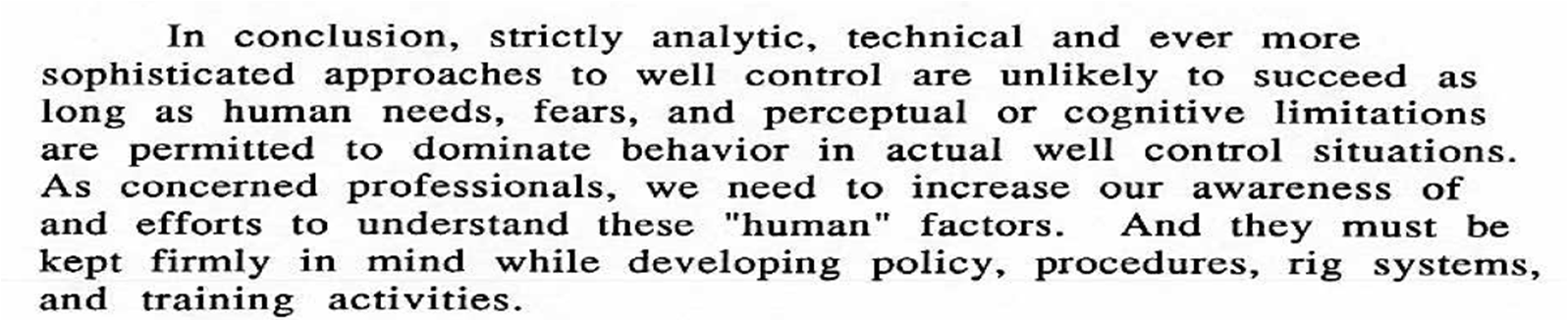
Improving well control preparedness is not simply a matter of modifying stack design.  The thought processes and human response tendencies that contribute to well control incidents and other accidents must be fully considered. Monitoring systems must provide timely, accurate, and understandable information, and training programs must teach workers not to rationalize negative signals, but to respond with caution pending further assessment. Trainers must remind students about past disasters and how they could have been prevented.

Nearly 20 years after it was written, Paul Sonnemann’s excellent paper on the Psychology of Well Control (excerpt below) is even more relevant today. We need to build upon and apply the lessons.

Read Full Post »

Older Posts »