Feeds:
Posts
Comments

Posts Tagged ‘DOI’

WASHINGTON — During testimony before the U.S Senate Committee on Energy and Natural Resources today, Secretary of the Interior Deb Haaland confirmed that, despite delays in implementation from the previous Administration, the Interior Department will release the Proposed Program – the next step in the five-year offshore energy planning process – by June 30, 2022, which is the expiration of the current program. A Proposed Program is not a decision to issue specific leases or to authorize any drilling or development.

DOI

Here is the timeline for the 5 Year Leasing Program (light blue).

A sale this year under the new program is thus highly unlikely. The process will no doubt be delayed even further by litigation. As we have said previously, the only hopes for a sale this year are a successful appeal of Judge Contreras’s Sale 257 ruling or successful congressional action (unlikely but possible under the circumstances).

Read Full Post »

Department of the Interior spokesperson: “there are 10.9 million acres of offshore federal waters already under lease to industry,” and “of those, the industry is not producing on more than three-quarters (75.7% or 8.26 million acres).”

Fox Business

As if the preventable expiration of the 5 year leasing program wasn’t bad enough, we get to hear the non-producing leases bit yet again. This pitch was popularized during the oil embargoes in the 1970’s and resurfaces whenever it is deemed to be politically helpful.

New comments:

Old comments:

  • 539 days since the last US offshore oil and gas lease sale
  • 182 lease sales since 1954, but none since 2020
  • Only 0.5% of US offshore land is leased for oil and gas exploration and production (assuming commercial quantities of oil and gas are discovered).
  • When you acquire a lease, you are not purchasing oil and gas. You are acquiring the right to explore for, and hopefully produce, those resources. Most leases will never produce.
  • Drilling strategies are linked to geophysical data and geologic information obtained in drilling other wells in the area and region.
  • Leases expire if they are not producing by the end of the lease term, which is 5 to 10 years depending on location.
  • You pay bonuses for all leases and annual rental fees for non-producing leases. None of these payments are returned if no discoveries are made.
  • US offshore leases are among the smallest in the world, only a fraction of the sized of those offered by most other nations with offshore oil and gas programs. This complicates exploration and often makes development contingent on the acquisition of additional tracts at future sales.
  • Oil is where you find it, not where you or the government think it is or want it to be.

Read Full Post »

Background:

Questions:

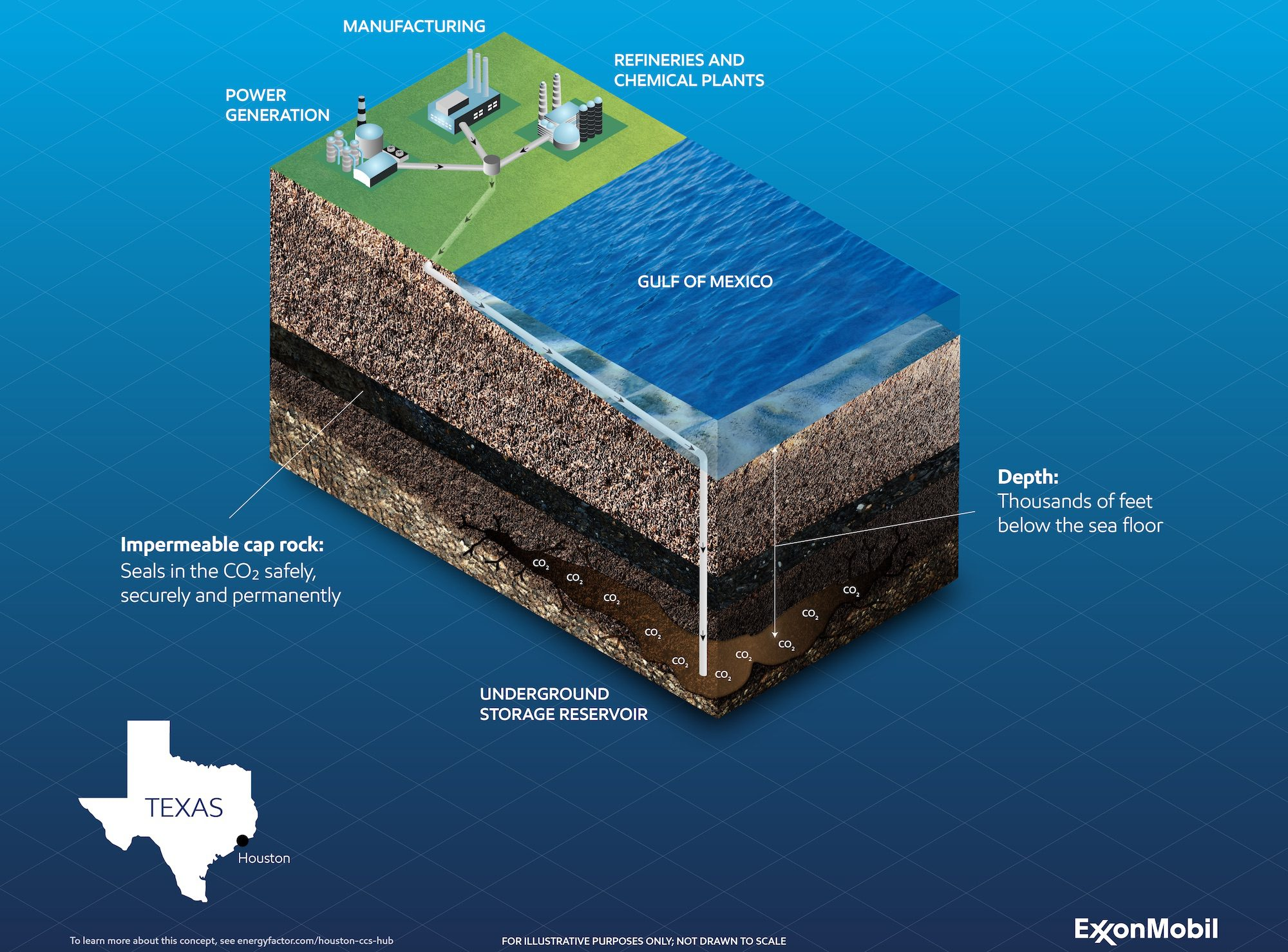
  • What are the costs per ton of offshore carbon sequestration including emissions collection, offshore wells and platforms, the associated pipeline infrastructure, ongoing operational and maintenance costs, and decommissioning?
  • What is the timeframe given that the starting point is likely years away?
  • How long would CO2 sequestration continue.
  • Who pays? Polluters? Federal subsidies? Tax credits?
  • Who is liable for:
    • safety and environmental incidents associated with these projects?
    • CO2 that escapes from reservoirs, wells, and pipelines (now and centuries from now)?
    • decommissioning?
    • hurricane preparedness and damage?
  • For Gulf of Mexico sequestration, how much energy would be consumed per ton of CO2 injected? Power source? Emissions?
  • To what extent will these operations interfere with other offshore activities?
  • Relatively speaking, how important is US sequestration given:
  • What are the benefits of offshore sequestration relative to investments in other carbon reduction alternatives?
  • Will BOEM conduct a proper carbon sequestration lease sale with public notice (as required by BOEM regulations) such that all interested parties can bid?
    • What will be the lease terms?
    • Environmental assessment?
    • How will bids be evaluated?
  • What happens to the Exxon bids if the Judge’s Sale 257 decision is reversed?
  • What is the status of the DOI regulations mandated in the legislation with an 11/15/2022 deadline?
    • When will we see an Advanced Notice or Notice of Proposed Rulemaking?
    • Given that DOI has no jurisdiction over the State waters and onshore aspects of these projects, what is the status of parallel regulatory initiatives?
  • Finally and most importantly, how does drilling offshore sequestration wells instead of exploration and development wells increase oil and gas production?
highly simplified conceptual diagram

Read Full Post »

letter

One important action your administration can take to ensure American energy independence is to publish a new Five-Year Outer Continental Shelf Oil and Gas Leasing Plan (“Five-year Plan”) as required under the Outer Continental Shelf Lands Act of 1953. Finalizing the Five-year Plan, with frequent area-wide leases, would help bring millions of additional barrels of U.S. oil to market. According to a recent analysis by Energy and Industrial Advisory Partners, a further delay of federal offshore leasing could result in 500,000 fewer barrels of domestic oil produced per day, 60,000 lost jobs, and a $900 million per year decrease in federal conservation funding.
.

The four Democrats are Texas Representatives Vicente Gonzalez, Sylvia Garcia, Henry Cuellar and Lizzie Fletcher.

Meanwhile, the Senate approved language supporting the issuance of a new 5 Year Program ASAP. Four Democrats -Joe Manchin (D-WV), Kyrsten Sinema (D-AZ), John Hickenlooper (D-CO), and Mark Kelly (D-AZ) – voted for the measure.

When will we hear from the Department of the Interior on the status of the 5 Year Program? It has now been 532 days since the last US offshore lease sale.

Read Full Post »

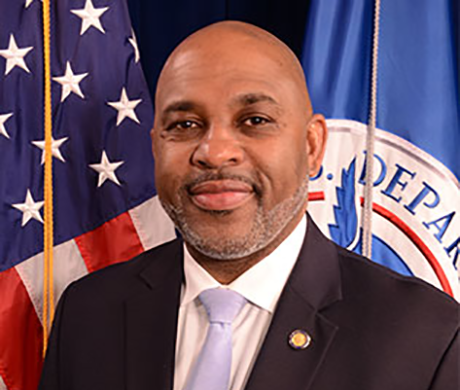
“I am deeply honored to join the Interior Department and continue my public service career on behalf of the American people. I’ve dedicated my life to keeping the public safe, and I look forward to continuing that service alongside the Bureau of Safety and Environmental Enforcement’s incredible career employees,” said Director Sligh.

DOI Press Release

Excellent opening comment. Best wishes to Director Sligh in this very important position. BSEE is critical to our economic future and energy security.

Read Full Post »

“At a time of rising energy costs and heightened geopolitical tensions, the misguided decision to cancel the only lease sale held last year is contributing to significant uncertainty for U.S. natural gas and oil producers and limiting access to the affordable, reliable energy that’s needed here in the U.S. and around the world. We call on the Department of Interior to join us in this effort and appeal the court’s ruling …

API release

When will we hear from the Department of the Interior?

Update: We understand that Louisiana has also appealed the Sale 257 decision.

Read Full Post »

Observations and comments on the offshore findings and recommendations in the Dept. of the Interior’s report:

  • From an offshore perspective, this report is more moderate than expected. No major complaints.
  • The report was issued the Friday after Thanksgiving. Was there a desire to minimize attention?
  • The report does not include a recommendation on raising royalty rates. DOI will continue to study such actions (prudent decision).
  • BSEE estimates current liability for “orphaned infrastructure” at only $65 million. They must be using a very narrow definition of orphaned infrastructure.
  • “Financial assurance coverage should be strengthened.” (Few would argue with that statement.)
  • “BSEE and BOEM will carefully consider comments on the 2020 proposed financial assurance rule.” (Deja vu? Expect a long, slow process.)
  • BOEM will establish a “fitness to operate standard.” Comments: (1) This is an old concept that has proven to be difficult to execute. Hold companies accountable, make them demonstrate financial assurance, and don’t pander to bad actors (see the case of Hogan and Houchin) (2) Why is BOEM establishing this standard and not BSEE, the safety bureau? (The division of responsibilities between BOEM and BSEE has created serious overlap, inefficiency, and confusion and needs to be addressed.)
  • “BOEM should consider advancing alternatives to the practice of area-wide leasing.” Tract selection makes sense in frontier areas with little operational history. It would have been perfect for the Mid- or South Atlantic or the EGoM, all of which were cynically removed from future leasing consideration by the previous President just before the 2020 election. The Central and Western Gulf of Mexico is too mature for a return to tract selection; employing that approach after 40 years of area-wide leasing is likely to generate less revenue and production.

Read Full Post »

GoM: BOEM proposes first Gulf oil and gas lease sale for 2021 - Lease Sale  257

Opponents have filed suit in DC Federal Court to block the sale. Given that DOI seems to side with the parties that are suing them (no irony there, this is Washington), how vigorous will their defense be? Meanwhile, OPEC continues to reject White House appeals for increased production.

Per Forbes:

“If we prematurely discourage investment in fossil fuels — and then our dependence doesn’t decline as rapidly as the Biden Administration envisions — that is a recipe for shortages, higher prices, and greater dependence on foreign nations for our energy.”

Forbes

Read Full Post »

Establishing an OSHA rule takes an average of 7 years, and the process has ranged from 15 months to 19 years between 1981 and 2010, the Government Accountability Office (GAO) reported to Congress in 2012

EHS Daily Advisor

OSHA’s long rule promulgation timeframes are actually quite typical for US regulatory agencies. In some cases, employees work on a single rule for most of their careers! On the plus side, the rigorous internal and public review processes help prevent arbitrary and capricious actions by regulators. However, the long promulgation process often results in regulations that are outdated before they are published. As a result, the entire process repeats and you have a regulatory “do loop.”

To avoid the daunting rulemaking process, regulators often resort to issuing notices, letters, or conditions of approval that accomplish some of their objectives. However, these actions are not always consistent with the rule promulgation requirements of the Administrative Procedures Act and other directives, and are less likely to survive legal challenges.

The optimal approach is for the regulator to establish clear objectives for the operating companies and a schedule for achieving those objectives. This approach was demonstrated following the 2005 hurricane season (Katrina and Rita) when numerous mooring system and other stationkeeping issues were identified. In a face-to-face meeting, Department of the Interior Secretary Gale Norton outlined her concerns and informed offshore operators that there would be no drilling from moored MODUs or jackups during hurricane season until the issues identified during Hurricanes Katrina and Rita were addressed.

The collaborative effort that followed was a resounding success. In addition to addressing station keeping concerns, a comprehensive list of hurricane issues was developed. Industry and government then worked together to assess mitigations and develop new standards and procedures. The essential MODU standards were completed before the 2006 hurricane season, and all of the related concerns were effectively addressed prior to the 2009 hurricane season. Had the government elected to promulgate regulations to address all of these issues, much of this work would have never been completed.


Read Full Post »

In light of the ongoing litigation regarding the Department of the Interior’s “leasing pause,” DOI’s Record of Decision for Sale 257 is most encouraging. The viewpoints expressed in the two quotes below are fundamental to the future of the OCS Oil and Gas Program. Hopefully, all parties can put aside their differences and build upon these consensus views.

While offshore exploration and development cannot be made risk free, OCS oil- and gas-related activities can be conducted safely and responsibly with strong regulatory oversight and appropriate measures to protect human safety and the environment.

ROD, p. 5

The decision to hold Lease Sale 257 recognizes the role that GOM oil and gas resources play in addressing the Nation’s demand for domestic energy sources and fosters economic benefits, including employment, labor income, and tax revenues, which are highest in Gulf Coast States and also distributed widely across the United States. Revenues from offshore oil and gas lease sales support national conservation programs and coastal resiliency for applicable coastal states and political subdivisions under the Gulf of Mexico Energy Security Act of 2006.

ROD, p. 7

Read Full Post »

« Newer Posts - Older Posts »