Feeds:
Posts
Comments

Posts Tagged ‘deepwater production’

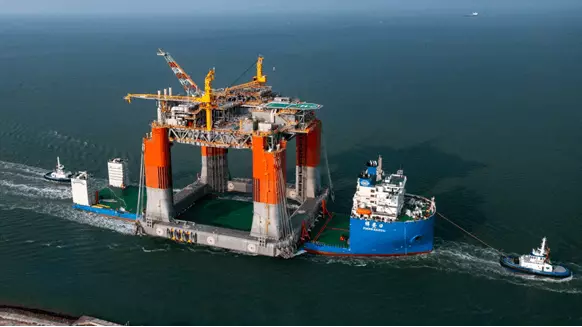
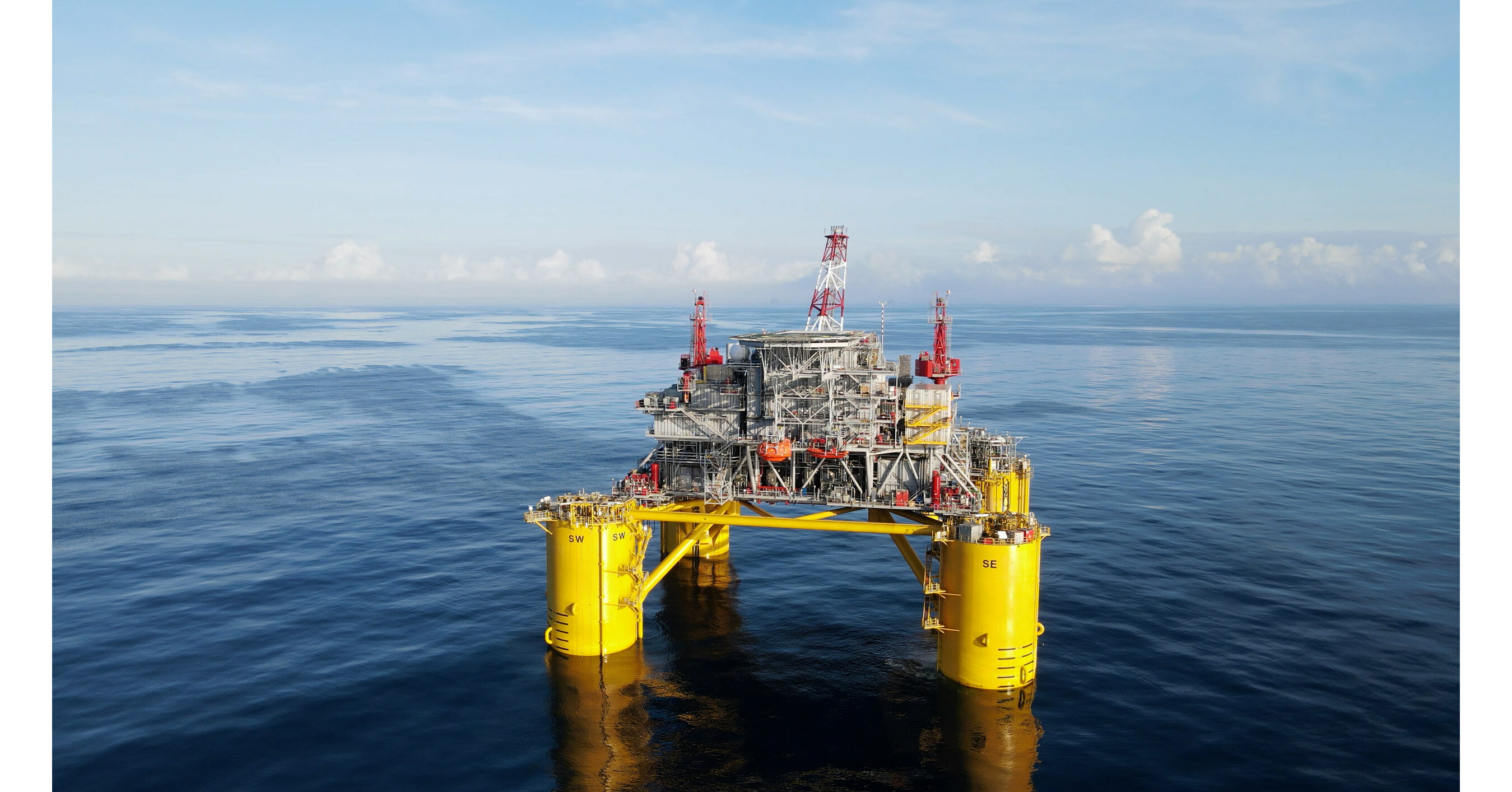
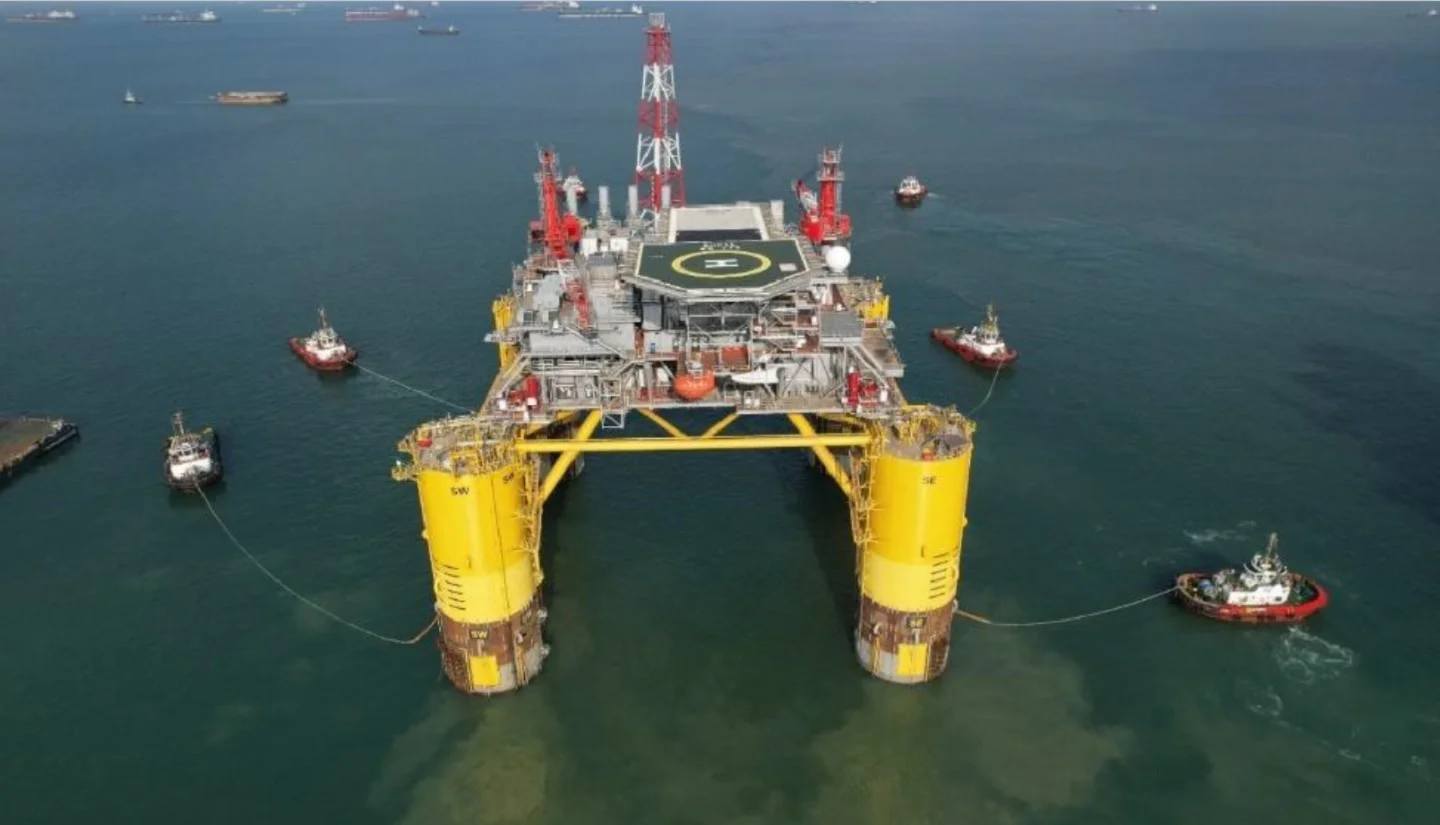
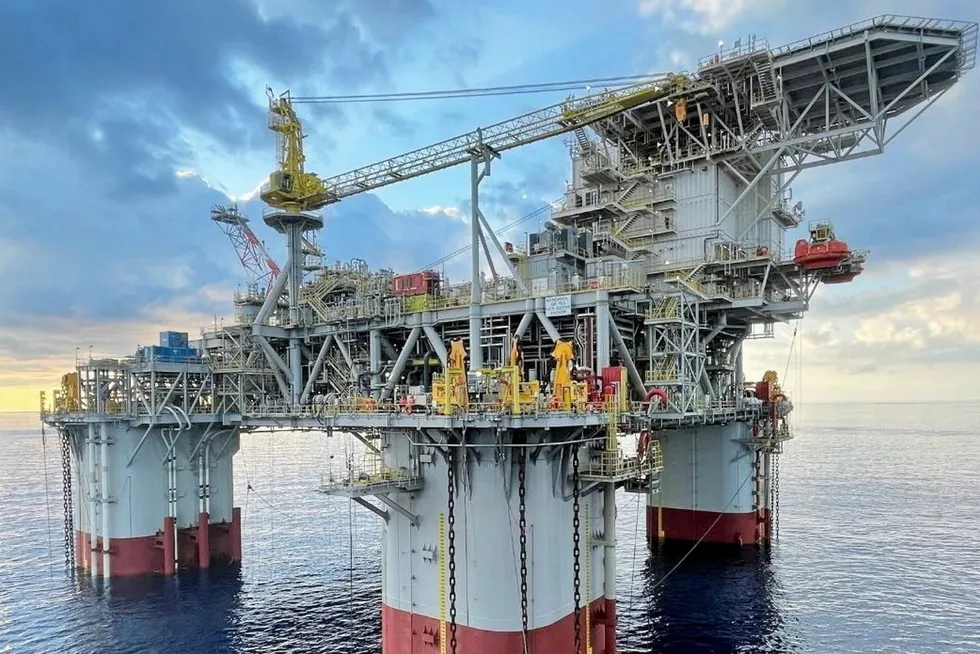
Shell’s Whale floating production unit began producing this month:

  • estimated peak production:100,000 barrels of oil equivalent per day (boe/d)
  • water depth – 8600 ft
  • 200 miles south of Houston
  • estimated recoverable resource: 480 million boe.
  • first oil only 7.5 years after discovery (includes COVID delay)
  • Vito clone: replicates 99% of the hull design and 80% of the topsides from Vito.
  • high efficiency gas turbines and compression systems
  • ~ 30% lower greenhouse gas (GHG) intensity over its life cycle than the already efficient levels being achieved at Vito. (Why the push to run electric cables from shore to North Sea platforms with ample gas production?)

All 5 of the new simpler, safer, greener floating production units are now online:

platformoperatorfirst production
King’s QuayMurphyApril 2022
VitoShellFeb 2023
ArgosbpApril 2023
AnchorChevronAug 2024
WhaleShellJan 2025

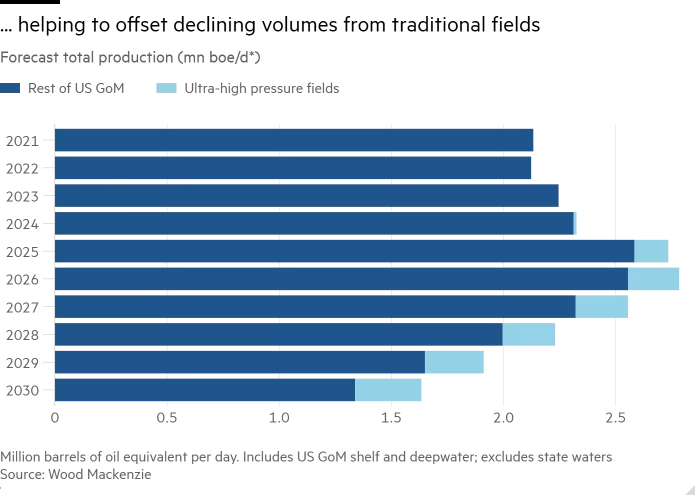
This is all good, but what is next? Will technological advances once again sustain GoM production? The short answer appears to be yes!

The efficiencies achieved with the simpler platform designs combined with the high pressure (>15,000 psi) technology developed over the past 2 decades will facilitate production from the highly prospective Paleogene (Wilcox) deepwater fans. (For those interested in learning more about the geology, see the excellent presentation by Dr. Mike Sweet, Univ. of Texas, that is embedded in this post.)

Three major high-pressure projects, ala Chevron’s Anchor, are anticipated:

platformoperatordiscovery datefirst production
Kaskidabp20062029
SpartaShell20122028
ShenandoahBeacon20092025 Q2

The Gulf still has high production potential if properly managed with consistent lease sales.

Will Florida budge by supporting the lifting of the EGOM leasing moratorium? Here is why they should.
Read Full Post »

Four of the five simpler, safer, greener deepwater platforms featured on this blog are now producing. The 5th platform (Whale) is on location and scheduled to begin production later this year.

platformoperatorfirst production
King’s QuayMurphyApril 2022
VitoShellFeb 2023
ArgosbpApril 2023
AnchorChevronAug 2024
WhaleShelllate 2024

These platforms are in 4000 to 8600′ of water, are expected to reach peak production rates of 100-150,000 boe/day, and have favorable emissions characteristics on a per barrel basis.

This is all good, but what is next? Will technological advances once again sustain GoM production? The short answer appears to be yes!

The efficiencies achieved with the simpler platform designs combined with the high pressure (>15,000 psi) technology developed over the past 2 decades will facilitate production from the highly prospective Paleogene (Wilcox) deepwater fans. (For those interested in learning more about the geology, see the excellent presentation by Dr. Mike Sweet, Univ. of Texas, that is embedded below.)

Chevron’s Anchor is the first deepwater, high-pressure development. Three similar deepwater hub platforms (table below) will begin production over the next 5 years. These host platforms will also facilitate additional production from nearby fields. Each will have production capacities of approximately 100,000 boe/day. Note the long lead times in achieving first production given the technological issues that had to be evaluated and addressed.

platformoperatordiscovery datefirst production
Kaskidabp20062029
SpartaShell20122028
ShenandoahBeacon20092025

Wood Mackenzie sees these high pressure projects as the key to sustaining GoM production rates. Their projections for 2024 and 2025 seem optimistic based on 2024 YTD data, which adds to the importance of the projected new production.

Related: Movin’ on up to 20,000 psi BOP equipment

Read Full Post »

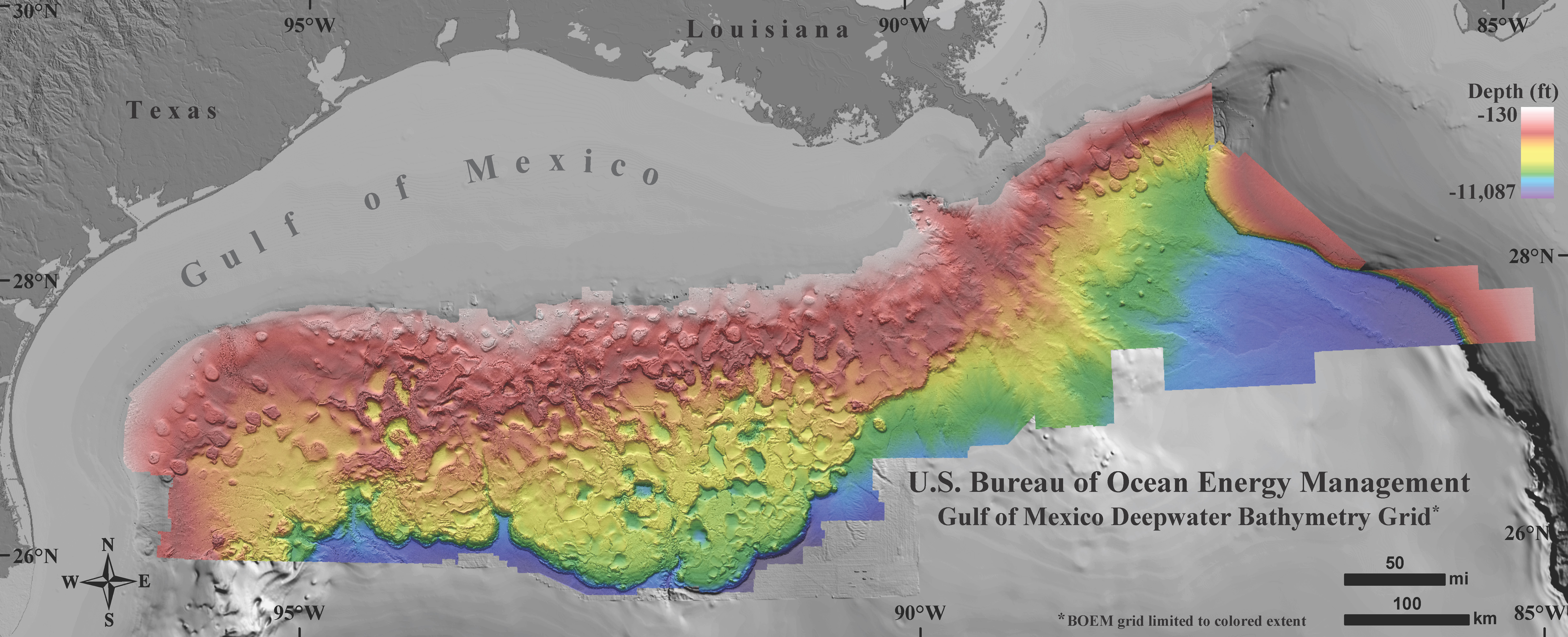
In the Gulf of Mexico, deepwater leases produce large volumes of oil and gas from only a few surface facilities that are relatively distant from shore.

The Gulf of Mexico encompasses approximately 617,800 square miles and stretches 932 miles across from east to west. BOEM’s deepwater bathymetry grid of the northern Gulf of Mexico, created using 3D seismic data, covers more than 90,000 square miles (colored area in figure below). In this vast area, only 59 surface facilities produce ~1.7 million bopd and 2.2 bcfd.

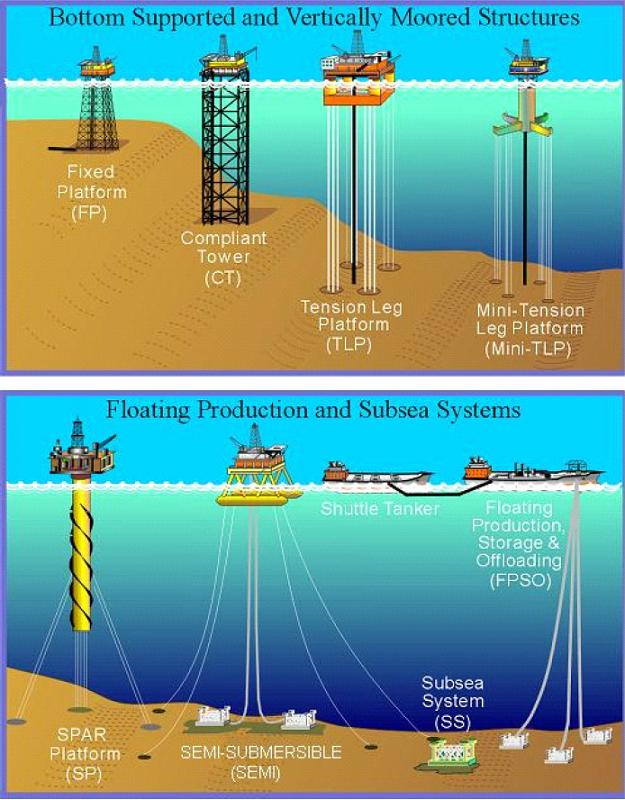
The 59 deepwater facilities are comprised of:

  • 6 fixed platforms in water depths from 1023 to 1353′
  • 2 compliant towers (1648 and 1754′)
  • 17 tension leg platforms and mini-TLPs (1500-5185′)
  • 18 spars (1930-7835′).
  • 13 production semisubmersibles (aka floating production units; 3280-7400′)
  • 2 fpso’s (8300 and 9560′) and a mobile production unit (2200′)

Read Full Post »

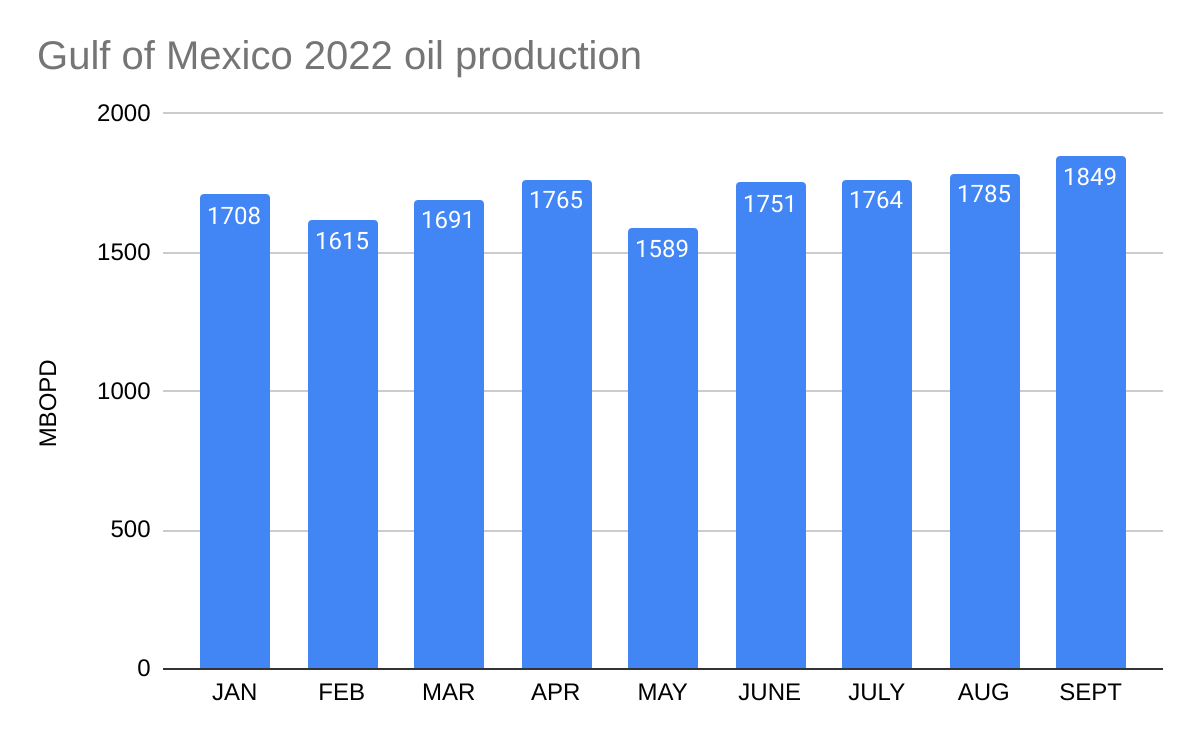
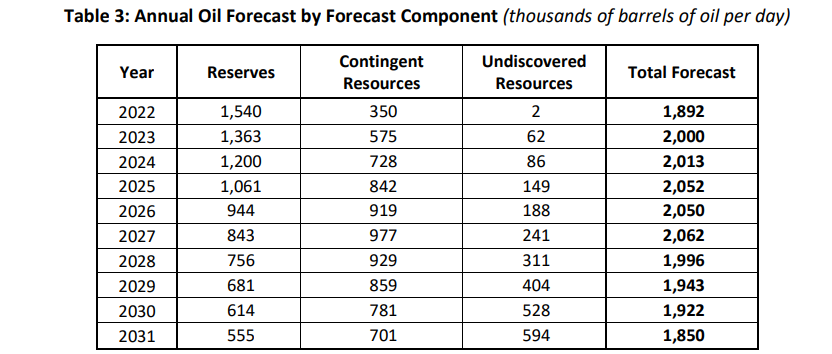
The September total reflects production from recent deepwater startups, including King’s Quay (Murphy) and Spruance (LLOG). Other new deepwater facilities should further boost GoM oil production next year as forecasted by BOEM (table below). Unfortunately, the BOEM forecast considerably overstates 2022 production and appears to be optimistic for the outyears. This is a significant concern given that US offshore leasing policy, as reflected in the 5 Year Plan, is naively focused on throttling long-term production. See the rather startling quote below:

BOEM’s short-term (20-year) production forecast for existing leases shows steady growth from 2022 through 2024 and declining thereafter (see Section 5.2.1). The long-term nature of OCS oil and gas development, such that production on a lease can continue for decades makes consideration of future climate pathways relevant to the Secretary’s determinations with respect to how the OCS leasing program best meets the Nation’s energy needs.

5 Year Leasing Program, p.3

Read Full Post »

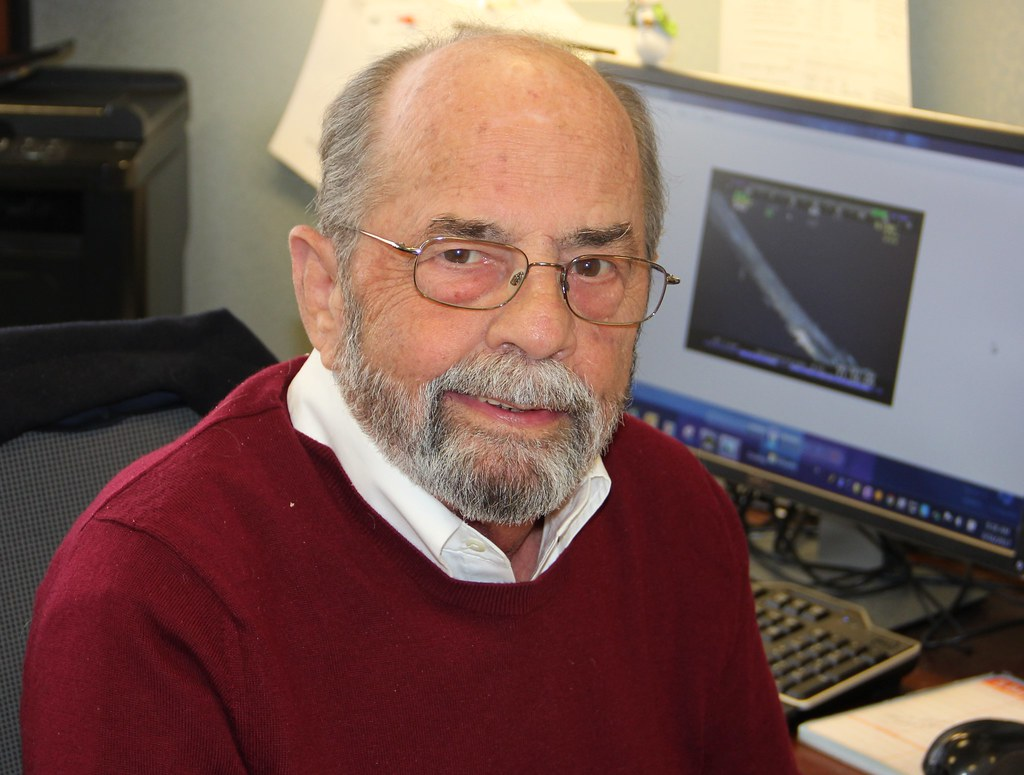
On Monday, the offshore world lost Mike Conner, an outstanding engineer and a major contributor to the success of the US offshore program.

Mike is the person most responsible for the Deepwater Operations Plan (DWOP), a pioneering safety-case approach to regulating deepwater oil and gas development. The DWOP program was initiated 30 years ago and facilitated deepwater production at a time when there were no deepwater-specific regulations or standards. Innovative tension leg platform, compliant tower, spar, production semisubmersible, and subsea projects would not have been possible without the DWOP program. 93% of Gulf of Mexico oil production and 76% of the gas is now attributable to deepwater production facilities. Thanks in large part to the DWOP program, these facilities have had a nearly flawless safety and environmental record.

While his obituary is no yet available, this link announces Mike’s well-deserved selection for the OTC Heritage Award in 2017, and provides good information on Mike and his career.

Read Full Post »

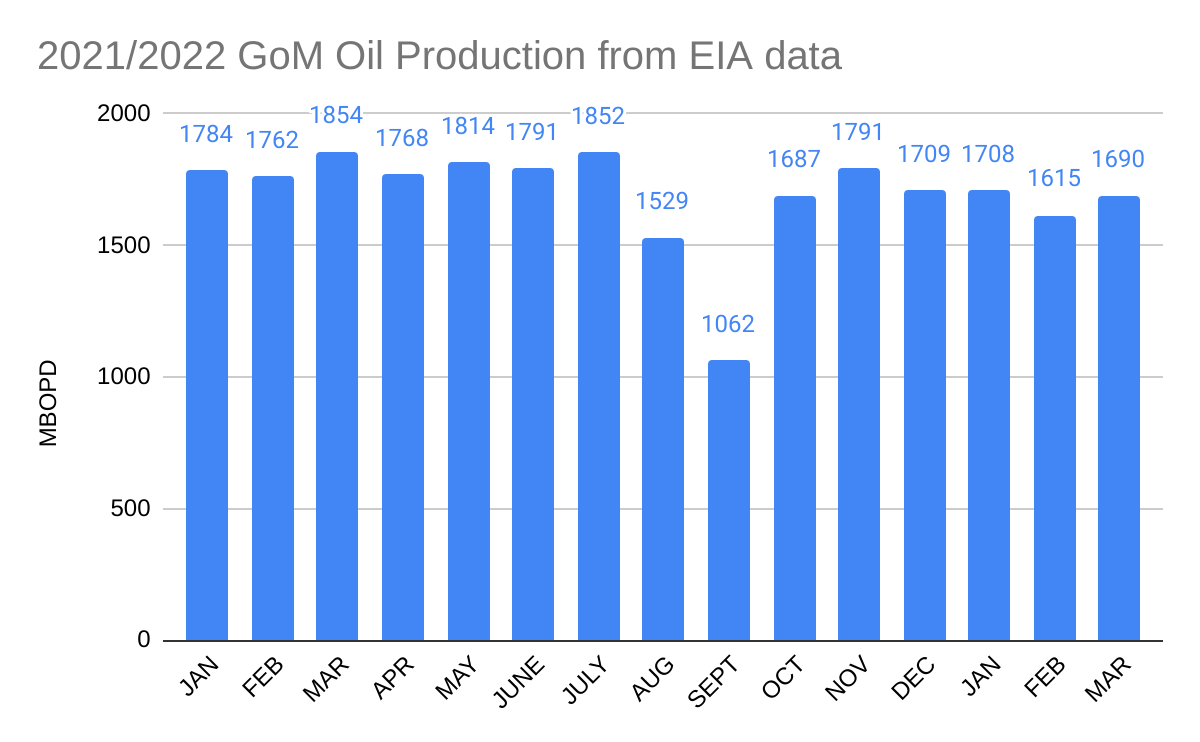
Waiting for a boost from the deepwater startups. The first of that group, King’s Quay did not begin producing until April.

Read Full Post »

Federal Oil & Bas Corp. (FOGCO)

Guyana’s pending decision regarding the formation of a national oil company brings back memories of unsuccessful attempts to do the same in the US in the 1970s.

The most serious attempt at forming a national oil company in the US was a 1975 Senate bill to establish the Federal Oil and Gas Corporation or FOGCO. (Oddly, the bill’s sponsors weren’t troubled by that acronym.) FOGCO was proposed at a time when natural gas supplies didn’t satisfy demand, and that was the primary impetus behind the legislation. (Supply issues went away when price controls were lifted.)

Concerns about a FOGCO then and now:

  • The political pressures under which a national oil company operates are not conducive to sound, expeditious decisionmaking. (Unfortunately, some current industry execs seem overly responsive to pressure from governments and activist organizations, which is not always in the best interest of the company and its shareholders).
  • Would limit competition and private investment.
  • Would delay or prevent innovation:
    • The shale revolution was driven by nimble private companies operating on private land in supportive states. Why is there Marcellus shale development in PA, WV, and OH, and none in NY? (Hint: It’s not the absence of resources.) Why could the US shale experience not be replicated in Europe?
    • Innovative deepwater development projects were driven by private companies and the supportive public policies of the 1990s.
  • A national oil company could be the first step in the process of nationalizing the petroleum industry.

Guyana is far different from the US and should do what is perceived to be in their best interest. Best wishes to the people of Guyana as they weight their options.

Read Full Post »

Murphy has announced first oil from the King’s Quay floating production unit in the Gulf of Mexico. The initial production rate has not been released, but the facility is expected to process up to 80,000 BOPD and 100 million cu ft of gas per day from subsea wells.

Murphy’s six partners all appear to be investment companies. This type of support is essential given the reduced Gulf of Mexico participation by some of the major oil companies. Ridgewood Energy has the largest stake among the Murphy partners. In the “old days,” the partners were typically other exploration and production companies.

Read Full Post »

Deepwater production is noteworthy for widely dispersed surface structures supplemented with subsea systems. In the past 30 years, the total number of Gulf of Mexico platforms declined by 50% while the oil production doubled. Of course, this level of production is not sustainable without regular lease sales and increased exploration. In that regard, the signs are not good.

435 GoM shelf platforms have been removed in just the last 5 years (2017-2021). The loss of platforms is accompanied by a loss of marine habitat that the rigs-to-reefs program has partially compensated for. There have been a number of other interesting proposals for the use of old platforms, some more serious than others.

Current number of Gulf of Mexico platforms by water depth:

water depthfloating and fixed production platforms
all depths1757
>400 m52
>1000 m35
>1500 m16
>2000 m7

Read Full Post »

Shell Vit0
Chevron Anchor
BP’s Argos
Murphy’s King’s Quay

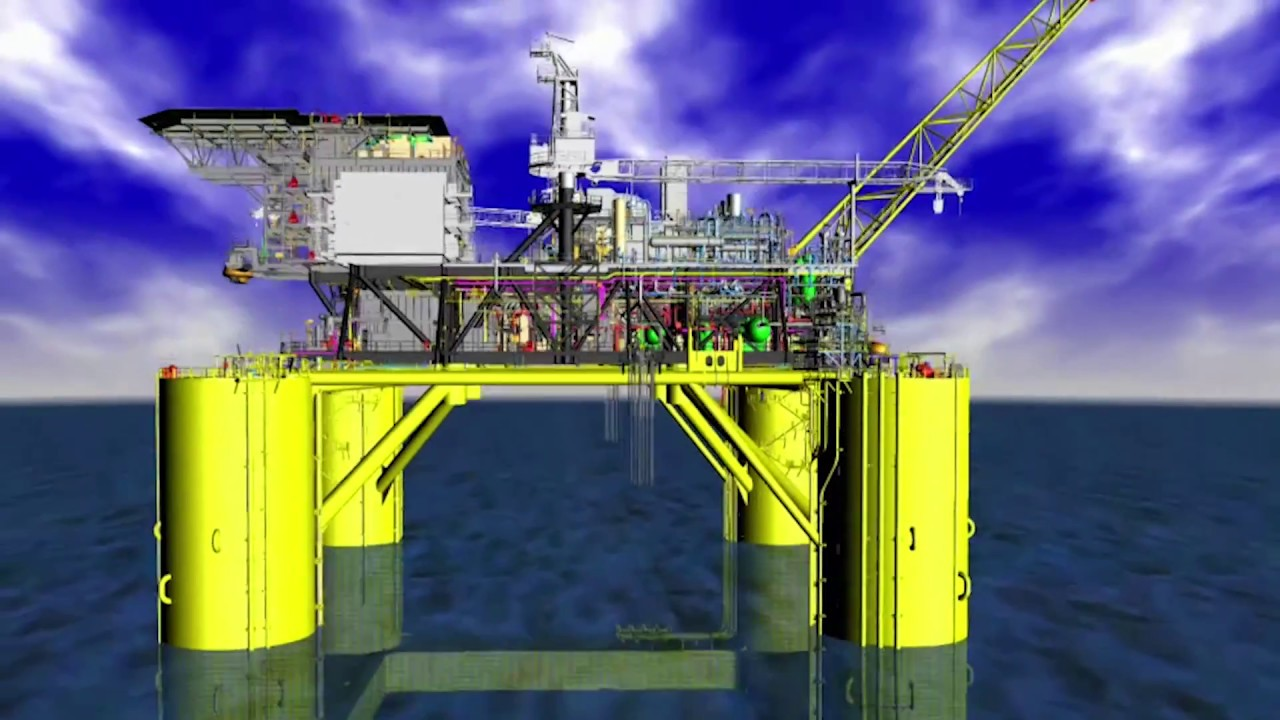
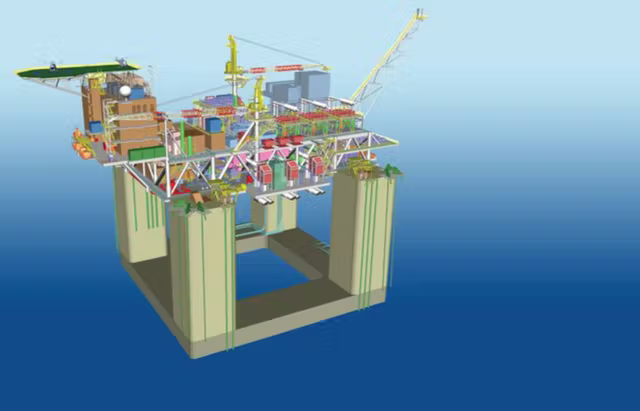
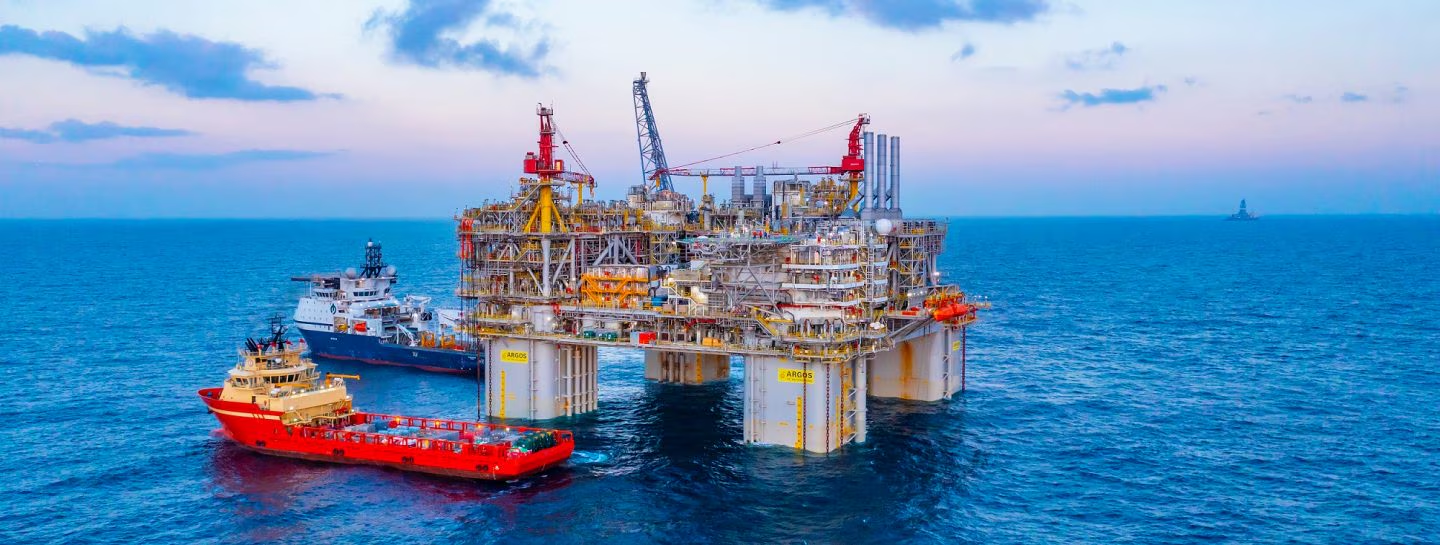
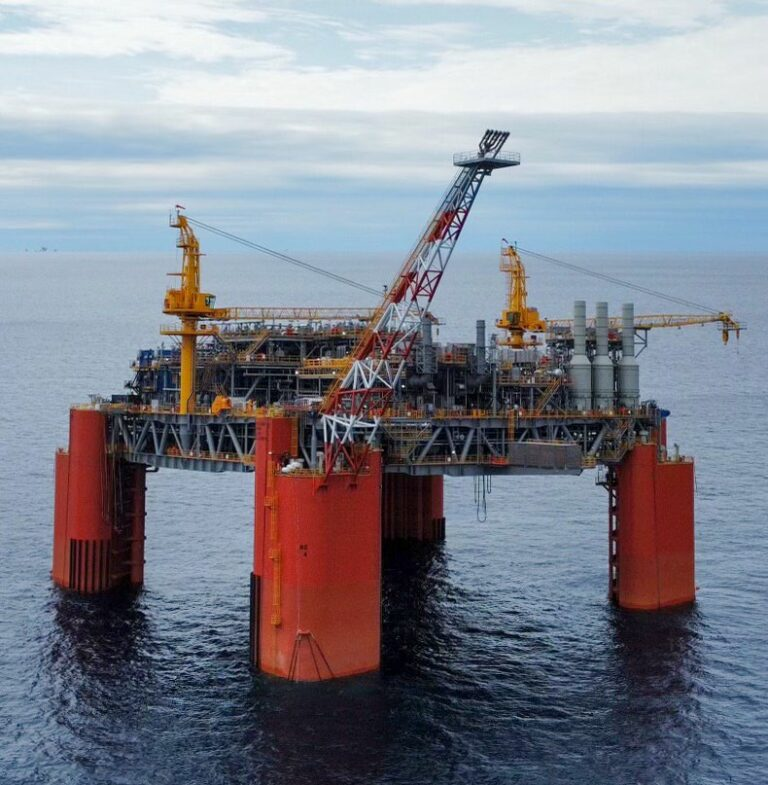
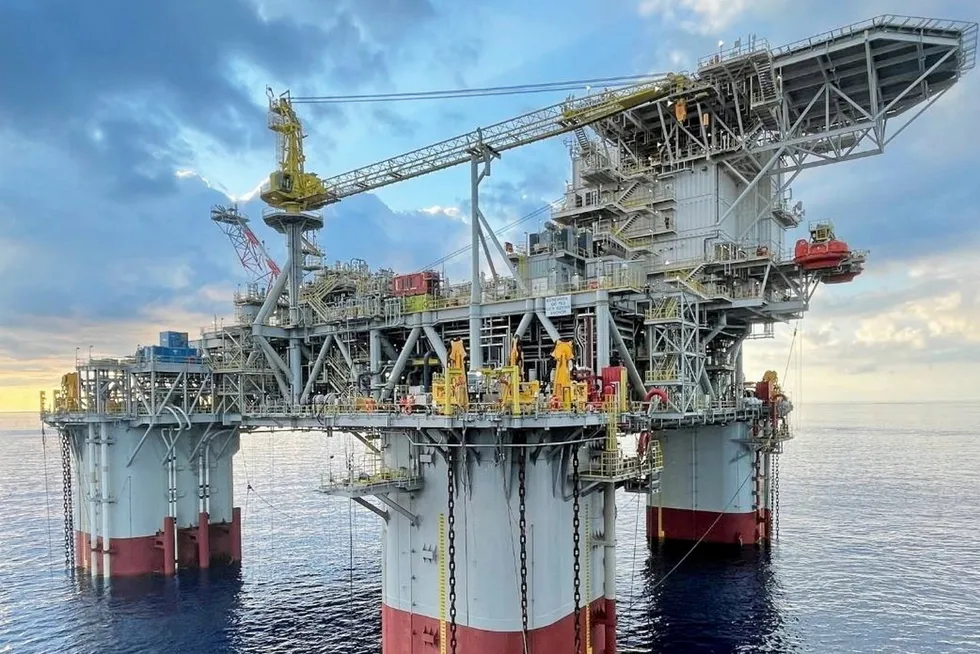
After a several year lag in deepwater Gulf of Mexico development, a new generation of projects is moving toward first production. Shell’s Vito and Whale, BP’s Argos, Chevron’s Anchor, and Murphy’s King’s Quay are similar in many ways including the following:

  • Floating production units
  • Lighter, smaller semisubmersible designs
  • Excellent structural integrity and storm performance characteristics
  • Lower project costs, shorter cycle times
  • 4000 to 8600′ water depth
  • Subsea wells, small surface footprint
  • High production rates anticipated: 100,000 – 150,000 BOE/D
  • Standardized equipment
  • Energy efficient gas turbines
  • Advanced remote monitoring, fewer onboard staff
  • Simpler = safer (assuming equivalent well and production safety system integrity)
  • Limited number of wells + high production rates/well + efficient power generation and processing equipment + restricted flaring + pipeline transportation = low GHG intensity production

Read Full Post »

Older Posts »