“I will be contacting the federal government to begin discussions about the setup of a stand-alone regulator,” Premier Kathy Dunderdale said to applause in the House of Assembly Monday.
Posts Tagged ‘Canada’
Independent Safety Regulator for Newfoundland?
Posted in accidents, tagged Canada, helicopter crash, Newfoundland, offshore oil, single regulator on December 14, 2010| Leave a Comment »
Posted in accidents, well control incidents, tagged accidents, blowouts, Canada, CBC, Deepwater Horizon, drilling, Gulf of Mexico, macondo, offshore oil, oil spill, safety, well control on December 8, 2010| Leave a Comment »
 Blowout: Is Canada Next?
Thursday, December 9, 2010 at 9 pm on CBC-TV
If the title and announcement for this CBC documentary are indicators, this won’t be a scholarly review of the risks associated with Canadian offshore exploration and development. Nonetheless, those of you who can view CBC programming may want to tune in and see what they have to say.
Judge Wells Recommends Separate Offshore Safety Authority for Newfoundland
Posted in accidents, Regulation, tagged Canada, CNLOPB, helicopter crash, Newfoundland, regulatory philosophy, Robert Wells on November 18, 2010| Leave a Comment »
Judge Wells’ report is quite expansive in a way that may be unprecedented for a helicopter accident review. His commission delves into cultural and organizational issues and regulatory philosophy. Consistent with the international trend, the commission recommends a separate safety authority (page 302):
It is recommended that a new, independent, and stand alone Safety Regulator be established to regulate safety in the C-NL offshore. Such a Safety Regulator would have to be established, mandated, and funded by both Governments by way of legislative amendment, regulation, or memorandum ofunderstanding, or other means.
In his background remarks, Judge Wells makes this comment on regulatory culuture:
I have come to believe that regulation to be effective must encompass more than a list of do’s and don’ts. It must set in place and lead an inclusive regime of many players, some very important, others less so. All the available knowledge, skills, and wisdom of all participant sshould be harnessed in the safety cause.
Report on tragic offshore helicopter crash released
Posted in accidents, tagged Canada, CNLOPB, helicopter crash, Hibernia, Robert Wells, Sea Rose on November 17, 2010| Leave a Comment »
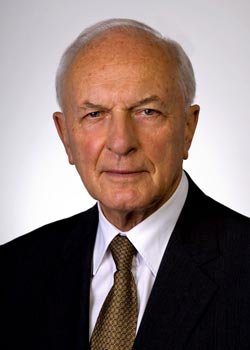
Robert Wells
On March 12, 2009, 17 lives were lost when a Sikorsky S-92-A helicopter crashed offshore Newfoundland. The helicopter was en route to the Sea Rose FPSO via the Hibernia platform. The Honorable Robert Wells, a very impressive judge who spoke at the Vancouver regulators conference, directed an official inquiry into the aspects of the crash that were not related to the helicopter’s airworthiness. The airworthiness issues are being investigated by the Canadian aviation authorities. Mr. Wells’ report was released today. If you don’t have time to read the entire report, I suggest that you go to the recommendations beginning on page 289 of volume 1.
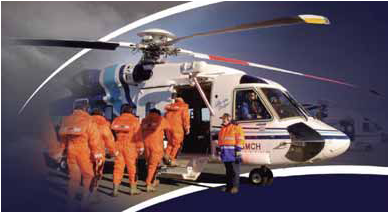
Passengers boarding an S-92A helicopter
Thanksgiving and Columbus Day in North America!
Posted in offshore, Offshore Energy - General, Uncategorized, tagged BOE, Canada, coastline, Columbus Day, EEZ, offshore, Thanksgiving on October 11, 2010| 2 Comments »

In recognition of the earlier fall harvests to our north, Canada celebrates Thanksgiving a month ahead of the US. As a result, Canada’s Thanksgiving coincides with our Columbus Day. So Happy Holiday to folks on both sides of the border, even if you have to work! 🙂
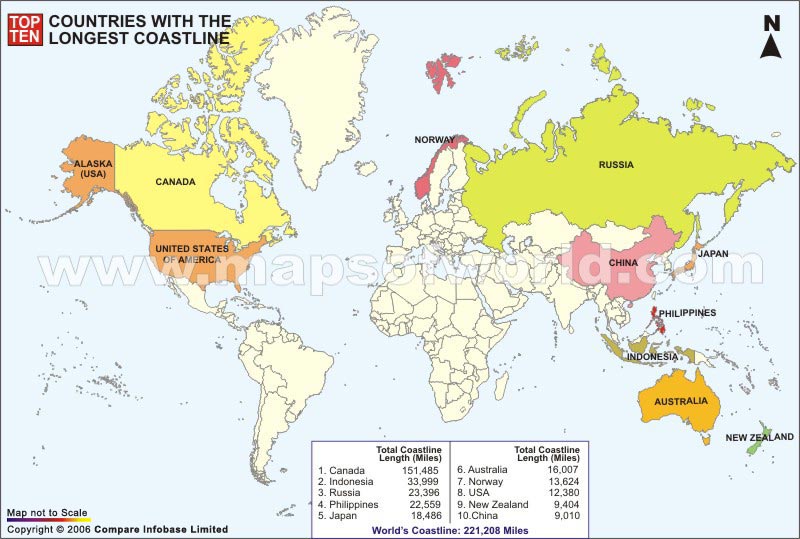
Canada, which is on our minds this week as we get ready for the big conference in Vancouver, is especially significant to our offshore scholars because of its long coastline, by far the longest of any nation (see below and this slightly different Wiki ranking). 80% of the world’s nations have coastlines bordering an open sea, and about 1/3 of all nations have an existing or planned offshore oil and gas program.
Views on Vancouver
Posted in conferences, tagged accidents, blowouts, Canada, IRF, macondo, offshore oil, safety, vancouver, well control on October 8, 2010| Leave a Comment »
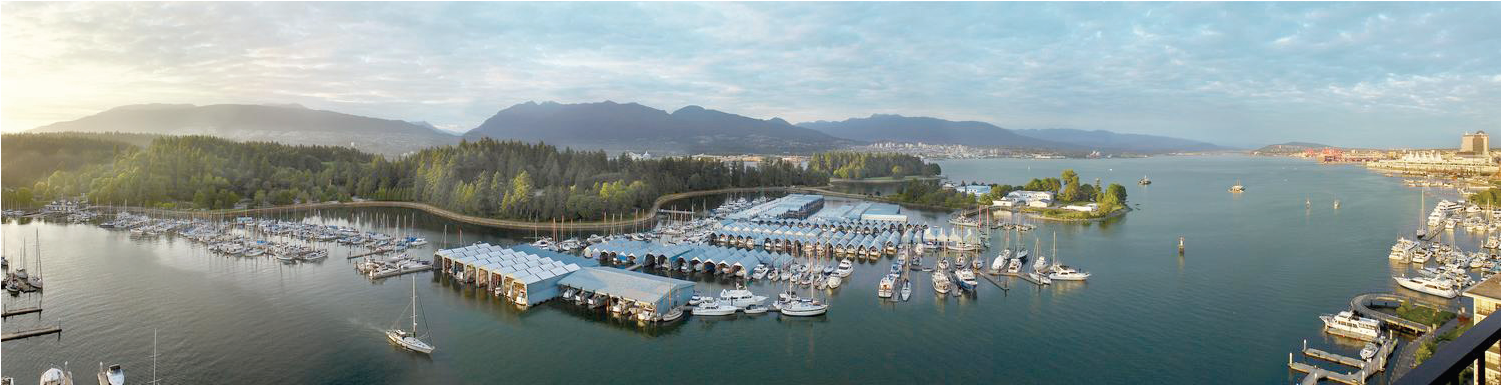
In less than 10 days, we kick off the International Regulators’ Offshore Safety Conference in Vancouver. The venue is top-notch, the list of delegates is long and impressive, and the speakers are world leaders in offshore operations, safety, and regulatory practices. Everything is in place for a productive conference; now it is up to us. We must challenge the speakers, each other, and conventional wisdom if we want to make a difference. We need to understand where we have been, and then focus on where we are going. In that regard, the “Roundtable Discussions” will be an important part of the conference. If you plan to attend the conference and would like to assist with the Roundtable Sessions, send a note to edanenberger@gmail.com.
Here are ten issues that I look forward to discussing with other delegates:
- How do we develop a comprehensive and verified international incident data base? The IRF data and some of the industry efforts are good starts, but where do we go from there?
- What other performance data should be routinely collected?
- How do we assess emerging and hidden risks? In that regard, I am looking forward to Torleif Husebø’s presentation: PSA’s Risk Level Measuring Scheme and how available data are collected and used.
- Looking beyond centralizers, long-strings, and corrosion caps, what are the management lessons from Macondo and Montara?
- Is there such a thing as a hybrid regulatory regime? While a certain amount of prescription is necessary in any regulatory system, how can a regime have both “command and control” and “safety case” elements? Aren’t they contradictory?
- How do we develop and encourage safety leaders? How do we measure their progress. In that regard, I am really looking forward to Mark Fleming’s presentation: Know where you are going rather than where you have been! A Leaders’ guide to continuous safety performance measurement
- Can regulators inhibit industry safety achievement? How do we encourage innovation and leadership? How do we deal with those who have no interest in either?
- Should standards participation and safety research be a part of every operator’s safety management programs?
- Can the international community help provide stability and perspective during crises like Macondo?
- What are the next steps in international cooperation on offshore safety?
Several interesting items!
Posted in Uncategorized, tagged accidents, Australia, blowouts, Canada, macondo, Newfoundland, NOPSA, offshore oil, safety, safety culture, well control on September 30, 2010| Leave a Comment »
- The Canada-Newfoundland and Labrador Offshore Petroleum Board unveiled their new website. Very impressive!
- Jane Cutler, CEO of NOPSA (Australia), made an outstanding (must-view) presentation on Safety Priorities for 2010. My favorite quote:
Safety culture is how the organization behaves when no one is watching.
Also, NOPSA’s September Newsletter has some interesting updates including information on the jackup failure offshore China.
- Joel Achenbach, a very good reporter, wrote an excellent Washington Post article on that addresses some of Macondo’s human and organizational factors. I do disagree with the deepwater emphasis, particularly his BOP comments. As we have noted on several occasions, subsea BOPs have a far better performance record than surface BOPs. Also, having the stack right at the surface is a hindrance, not a benefit, if the rig is on fire.
And how does a reporter question the humility of engineers? 🙂
Engineers do amazing things, but they aren’t always as smart as they think, nor their systems as robust as they seem on paper.
CAN HAPPEN AGAIN!
Posted in accidents, well control incidents, tagged accidents, Australia, blowouts, Canada, Deepwater Horizon, drilling, Gulf of Mexico, macondo, Macondodrama, Norway, offshore oil, oil spill, relief well, safety, UK, well control on September 14, 2010| Leave a Comment »
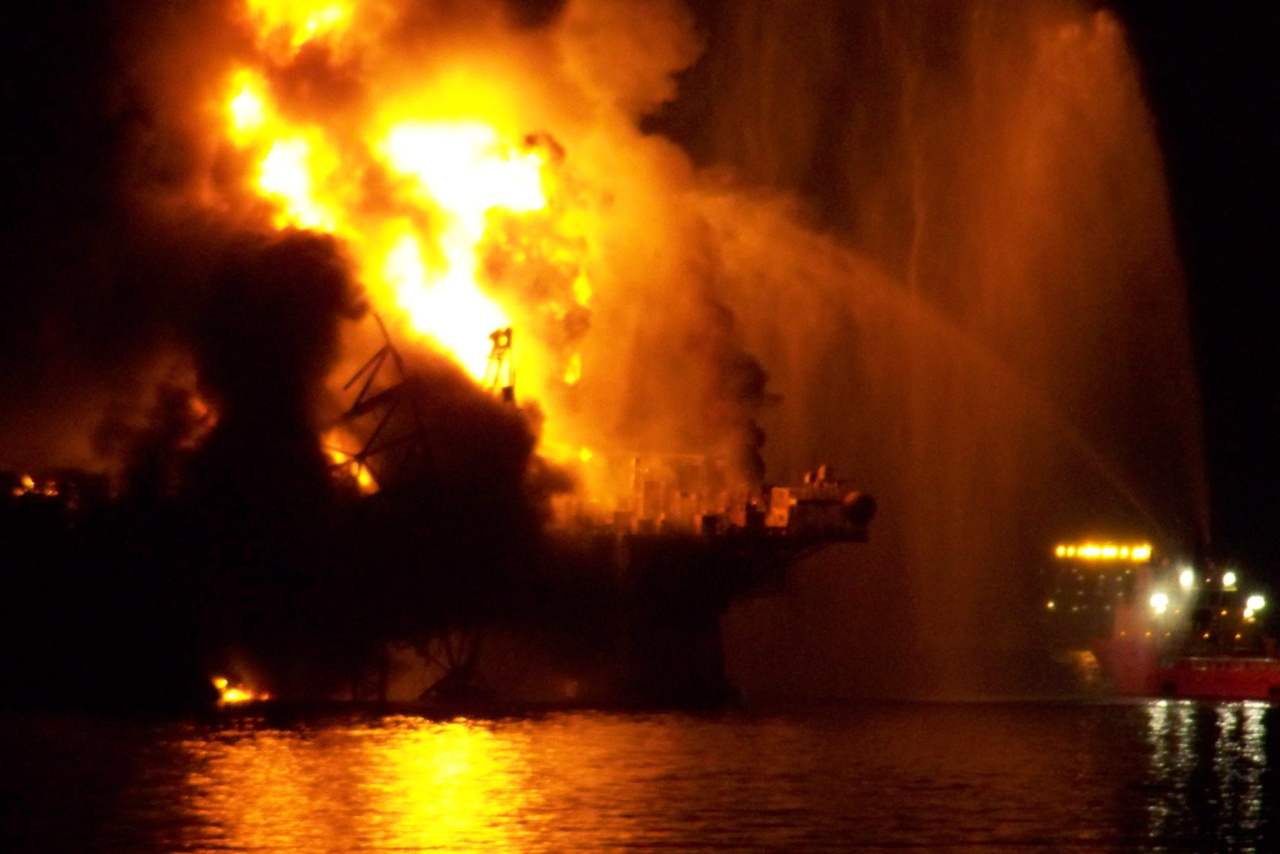
“Can’t happen again” was the mantra of the OCS oil and gas program for 40 years after the Santa Barbara blowout. “Can’t happen here” was the short-lived message of government and industry after last year’s Montara blowout in the Timor Sea. Surprisingly, new versions of the “can’t happen” message have been heard since Macondo. Companies have boasted that “it couldn’t happen to us,” and some government representatives have claimed that their regulatory regimes would have prevented the blowout. The beat goes on.
Macondo will not be the blowout that ends all blowouts, and Macondo will not be the last major offshore accident. We need to focus on reducing the risks of another disaster during drilling, production, or transportation, in deep or shallow water, arctic ice, and every other environment where operations are conducted. The new mantra, no matter where you operate or regulate, should be “CAN HAPPEN AGAIN.” That is the attitude we need if we are to prevent future accidents. We should preach the “CAN HAPPEN AGAIN” message loudly and clearly, no matter how many years (hopefully decades) elapse before the next major accident.
We’ve heard a lot of details about the shortcomings of the well design, the companies involved, and one of the regulators. However, consistent with the CAN HAPPEN AGAIN message, we need to also look at the high-level management, leadership, and regulatory issues. How do we sustain outstanding performance and minimize the risks of major accidents? Here are four suggestions that have received little attention since the blowout:
- Challenge industry. One lesson I have learned from the Norwegians is to make industry take ownership for their problems. Instead of halting deepwater drilling for six months while the government attempts to fix the problems (real and perceived), we should have given offshore operators six months to develop a plan for not only preventing another Macondo, but reducing the risks of any major drilling, production, and pipeline accidents. If the government wasn’t satisfied with the industry plan, operations could be curtailed until a good plan was developed.
- Improve management systems and cooperative industry programs. US operators and contractors are understandably in a reactive mode with a goal of lifting the moratorium. However, the next disaster will not duplicate this one. The offshore industry must provide the leadership needed to improve management systems and develop cooperative programs that will monitor performance, evaluate technology and procedures, and asses risks.
- Truly reorganize the OCS regulatory program by consolidating safety and pollution prevention functions into a single authority. Wells, platforms, and pipelines are integrated systems. You can’t divide the components among regulators and expect the regime to function effectively and efficiently. That’s not possible. A few examples (there are may more): separate agencies should not regulate connecting OCS pipelines; separate agencies should not regulate offshore cranes based on the type of facility; and multiple agencies should not regulate the integrity of floating structures. Because of the complexity of the OCS regime, regulatory and industry personnel spend too much time resolving and coordinating administrative and procedural matters. This time would be better spent focusing on mission critical safety issues. A single agency should be responsible and accountable for safety and pollution prevention at offshore facilities, including the review of plans, permit applications, and management systems, and the conduct of inspections and audits needed to assess performance and verify compliance.
- Request assistance from international regulatory partners. While numerous US entities have questioned regulators in Norway, the UK, Australia, Canada, and elsewhere, no one has actually asked these organizations for assistance. In lieu of one or more of the official US inquiries, international regulators should have been called on to review the accident and the regulatory regime. Who has spent more time assessing regulatory options than other regulators? Who knows more about establishing and achieving safety performance objectives? Who else is knowledgeable and objective, yet insulated from US political influences?
Canada Says No to Drilling Moratorium
Posted in Uncategorized, tagged accidents, Canada, drilling, macondo, moratorium, offshore oil, oil spill, safety, well control on August 19, 2010| Leave a Comment »
 The Canadian Senate has decided that the facts do not justify banning Canada’s offshore drilling operations. The full report is linked.
The Senate also showed support for the International Regulators’ Forum. Canada will be hosting a major international conference in Vancouver in October.
The committee heard sufficient evidence to make it comfortable with Canada’s (federal and provincial) approach to striking this risk/reward balance andwith its new judgment-based and goal-oriented regulatory approach. Canada is a leading participantin the International Regulators Forum, a group of offshore industry regulators from the most activeoffshore drilling nations, including Norway, the United Kingdom, the United States, Australia, NewZealand, the Netherlands and Brazil. Interestingly, none of these nations have called for or imposedbans on current offshore drilling operations within their jurisdictions following the BP incident.
Parliamentary Hearings in Canada
Posted in Uncategorized, tagged Canada, Chevron, Lona 0-55, Pinks, Ruelokke on May 23, 2010| Leave a Comment »

Max Ruelokke
BOE friends Max Ruelokke, Chairman of the Canada – Newfoundland and Labrador Offshore Petroleum Board and Stuart Pinks, CEO of the Canada – Nova Scotia Offshore Petroleum Board, will appear before the House of Commons Standing Committee on Natural Resources on Tuesday, May 25th. The meeting is at 9:00 am ET and will be broadcast live on the web. Click on Meeting No. 17.
Among the topics certain to be discussed is Chevron’s Lona 0-55 well, which is currently being drilled in 2600m of water in the Orphan Basin offshore Newfoundland. Max and Stuart are very bright and capable engineers and regulators; I’m sure you will appreciate their insights.
 Bud's Offshore Energy (BOE)