
On 9 November 2010, the Petroleum Safety Authority Norway (PSA) conducted an audit of BP Norge’s follow-up of new work processes within drilling and well activities using information and communication technology (ICT)
Posted in Norway, Offshore Energy - General, oil, tagged bp, Norway, offshore oil, PSA, safety on January 29, 2011| 2 Comments »
On 9 November 2010, the Petroleum Safety Authority Norway (PSA) conducted an audit of BP Norge’s follow-up of new work processes within drilling and well activities using information and communication technology (ICT)
Posted in Offshore Energy - General, tagged Australia, bp, drilling, Great Australian Bight, Martin Ferguson, offshore oil on January 17, 2011| Leave a Comment »
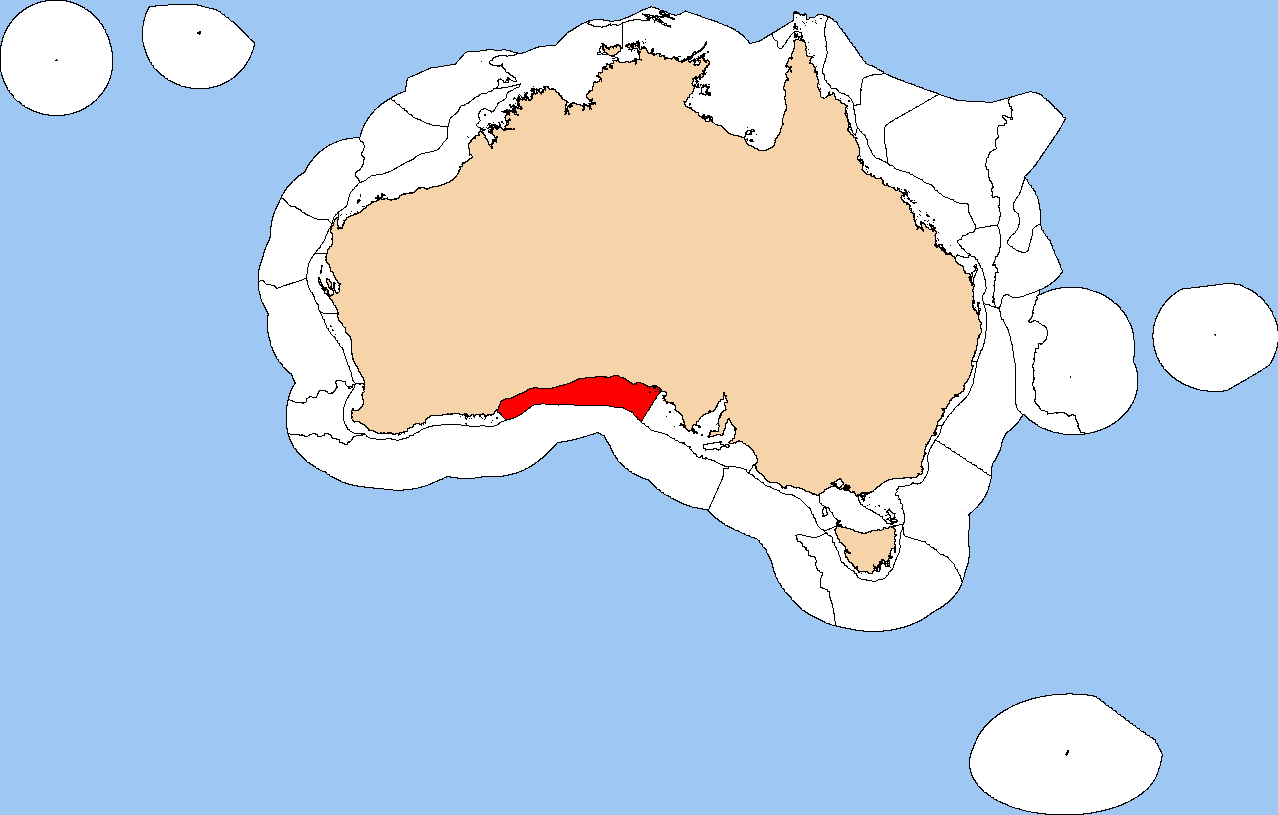
Great Australian Bight
Our energy security will be greatly enhanced by opening up new geological frontiers and reducing our dependence on imports. Resources and Energy Minister Martin Ferguson
Posted in accidents, well control incidents, tagged accidents, blowouts, bp, Deepwater Horizon, drilling, Gulf of Mexico, macondo, Marathon, offshore oil, oil spill, safety, well control on December 27, 2010| Leave a Comment »
 A colleague sent a link to a Marathon Oil Company Macondo presentation that was posted by the Houston Chronicle. The presentation was intended for internal training and discussion purposes.
Firstly, I applaud Marathon for ensuring that the blowout is studied and debated within the company. Hopefully, they did the same thing for Montara, have a good internal system for studying accidents throughout the industry, and thoroughly investigate all of Marathon’s incidents and near misses.
I thought Marathon’s comments about safety culture were particularly interesting, including these on slide 58:
Although harder to define and measure, and even more difficult to regulate, we pointed to our culture as the single most important differentiating attribute when comparing us to BP.
In a recent meeting with an individual who has numerous dealings with BP, he observed that regardless of the purpose of the gathering (planning session to morning rig call), it is almost impossible to determine who is ultimately responsible and accountable for the operation being discussed. Evidence of this exists in the very report this presentation was derived from.
Posted in accidents, well control incidents, tagged accidents, Andarko, blowouts, bp, Cameron, Deepwater Horizon, drilling, Gulf of Mexico, macondo, Mitsui, offshore oil, safety, Switzerland, transocean, well control on December 11, 2010| Leave a Comment »
Transocean Ltd. (RIG, RIGN.VX) said Thursday that a Swiss administrative court ruled that the company cannot pay out about $1 billion to shareholders because of the numerous Deepwater Horizon-related lawsuits pending against the rig owner in the U.S. Wall Street Journal
Posted in accidents, tagged bp, James Black on November 25, 2010| Leave a Comment »
Posted in accidents, well control incidents, tagged accidents, blowouts, bp, Deepwater Horizon, drilling, Gulf of Mexico, macondo, offshore oil, oil spill, safety, well control on November 2, 2010| Leave a Comment »
Posted in accidents, tagged accidents, bp, macondo on September 29, 2010| Leave a Comment »
BP has announced a new safety unit and other organizational changes. For more on the changes, see the Upstream report.
From a BOE perspective, the most interesting comment in the BP release was this Bob Dudley quote:
Our response to the incident needs to go beyond deepwater drilling. There are lessons for us relating to the way we operate, the way we organize our company and the way we manage risk.
I hope the rest of the offshore industry has the same view and is prepared to work together to assess and mitigate operational risks. To date, industry has reacted impressively to issues raised since the Macondo well blew out on 20 April. However, what is being done to identify operational and safety risks that could trigger the next disaster? When will complete, consistent, and verified international incident data be collected and published?. How do you manage risks without such data? Why weren’t the lessons from Montara quickly disseminated around the world? If they were, Macondo may have been prevented.
Posted in accidents, well control incidents, tagged accidents, blowouts, bly, BOE, bp, Deepwater, Deepwater Horizon, drilling, Gulf of Mexico, macondo, Montara, offshore oil, safety, well control on September 28, 2010| 1 Comment »
As previously posted (July 27, 2010), deep water had little to do with the well integrity problems and other contributing factors leading to the Macondo blowout. The Bly (BP) report further confirms this position.
Of the eight key findings in the Bly report (listed below), only number 4 could be considered to be more of a deepwater issue. The BOP failures may also have been influenced by deepwater factors. However, as previously noted, surface BOPs have a much higher failure rate than subsea stacks.
While the Montara blowout was in relatively shallow water, slight variations of findings 1 through 4 were the primary causes of that accident.
BP findings:
Posted in accidents, tagged accidents, bly, bp, Commons, Gulf of Mexico, Jack Ryan, macondo, offshore oil, oil spill, safety, Tony Hayward, UK, well control on September 16, 2010| Leave a Comment »
If you haven’t heard BP executives answer the same questions (long string, centralizers, cement bond log, BOP failure, etc, etc) often enough during appearances before Congress, you can watch a UK House of Commons committee ask them to Tony Hayward and Mark Bly on cspan’s recording of yesterday’s hearing. This excellent legislative teamwork is further evidence of that special relationship between the US and UK.
I do wish that both government’s would show more interest in some of the lower profile incidents that also have major international significance. Perhaps they can coax Venezuela to release information about the Aban Pearl sinking. Even though I follow Hugo Chavez’s tweets :), I’ve learned nothing of significance about that accident.
In light of yesterday’s post about negative pressure testing, I was interested in this comment by Tony Hayward at the Common’s hearing:
We clearly have taken a lot of action to clarify and provided much greater rigor around the assessment of the negative pressure test.
Can BP tell us more?
Posted in accidents, well control incidents, tagged accidents, blowouts, BOE, bp, Deepwater Horizon, Gulf of Mexico, macondo, relief well, top kill, unified command, well control on September 12, 2010| Leave a Comment »
BOE has previously commented that completion of the Macondo relief well appeared to be unnecessary, and and that the intercept adds additional risk to the plugging and abandonment operation. Pasted below are disconcerting Unified Command and BP statements about the intercept followed by BOE comments:
I have stated over and over again, let me be perfectly clear. I am the National Incident Commander. I issue the orders. This will not be done until we complete the bottom kill. Admiral Allen, 5 August 2010
Comment: While I believe Admiral Allen has performed well in the difficult and thankless job of incident commander (as did Admiral Landry before him) and wanted to make it clear that the government was in charge of this operation, this strong statement appears to have painted the Unified Command into a corner.
… in response to BP’s request to consider foregoing the relief well, the government scientific technical team has determined that the benefits of the bottom kill procedure outweighs the risks. (14 August letter from Admiral Allen to BP)
Comment: Reading between the lines, we assume that at least some BP engineers favored foregoing the relief well intercept, and wanted to proceed with a conventional plugging and abandonment operation. Was their proposal given serious consideration? How could it have been given the Admiral’s prior statements about completing the relief well?
We are currently working with BP engineers and our science team to look at test results and do investigations to lead us to the best way to mitigate any risk of intercepting the annulus and increasing the pressure in the annulus. Admiral Allen, 16 August
Comment: Much attention continues to be focused on mitigating the risks of an operation that appears to be unnecessary.
There are several reasons for the relief well to be completed, including demonstrating that the difficult procedure can be done, providing more scientific data about the leak and giving closure to an oil-weary public. BP CEO Bob Dudley, 29 August
Comments: This BP statement seems to contradict their prior request to forgo completion of the relief well. With regard to Mr. Dudley’s rationale for completing the relief well, I’ll offer the following:
And in order to speed the process up, but also ensure that we had the right pressure controls on the well, I’ve signed a directive out to BP earlier this morning, directing them to take a series of measurements on the well head that would allow us to ascertain whether or not the seal in the ring – in the casing hanger were in place and had not lifted and, if that was the case, then to be able to put what we call a sleeve over the top of it that would basically walk that down to the point where it could withstand over one million pounds of pressure and would obviate the need to be able to cement the annulus at the top.
And subject to BP providing me the plans and the results of those tests, that would allow us to go ahead and proceed more quickly without having to cement the top of the annulus. And based on a revised schedule from BP, we might be able to accelerate going ahead and finishing out the relief well. Admiral Allen, 10 September
Comment: Let me get this straight. They are going to put off the cementing of the annulus, which will have to be done anyway and would provide a barrier should something go wrong with the intercept, so they can conduct tests (that would be unnecessary if they first cemented the annulus) for the purpose of expediting completion of the long-delayed relief well? Huh?

