While exploration technology has improved significantly, the success rate for wildcat exploratory wells is still only about 30%. According to Rystad, only eight of the 27 high-impact wells drilled in 2023 resulted in commercial discoveries.
In baseball terms, the smaller independents are typically singles hitters, drilling development wells and gleaning reserves from established fields. The majors tend to be home run hitters. They swing hard and often miss, but when they hit, the rewards are great!
“If we continued to fight this out in court, [Sable] likely would have sought to recover lost revenue from the pipeline not being in operation,” said Supervisor Steve Lavagnino. “That could amount to millions of dollars the County would be on the hook for.”
The Environmental Defense Center and others are calling for the County to retract their agreement with Sable and hold a public hearing on the matter. That appears to be unlikely.
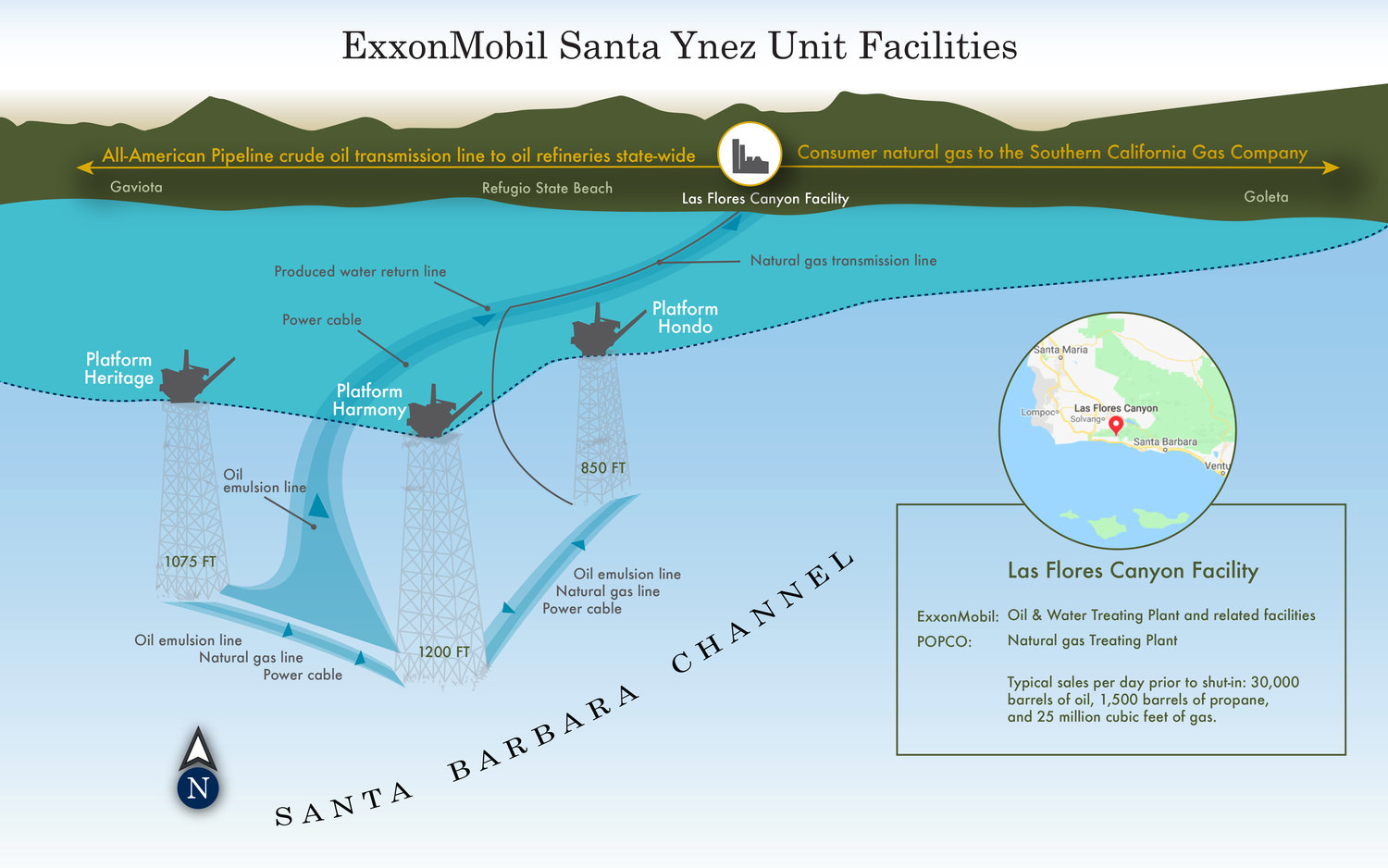
Remaining hurdles for Sable include approval by the State Fire Marshall after the valves are installed and operational, State Lands Commission approval of lease assignments from Exxon to Sable, and approval of the oil spill contingency plan by the State Dept. of Fish and Wildlife.
Sable believes they can resume production this year. That seems unlikely, but a 2025 restart is now a distinct possibility.
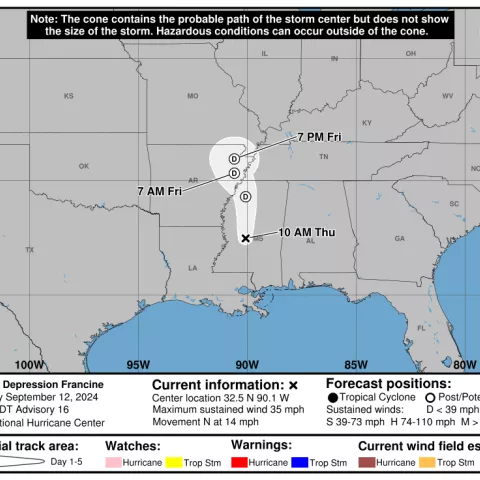
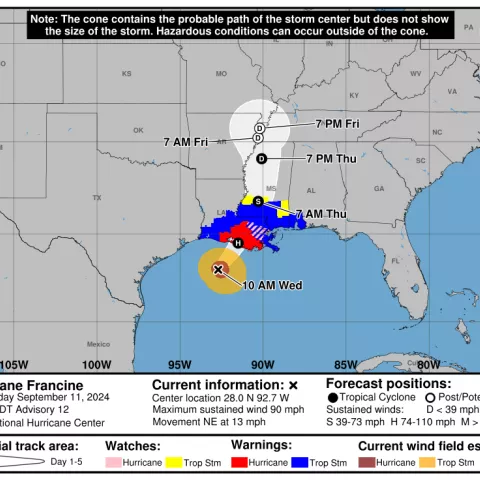
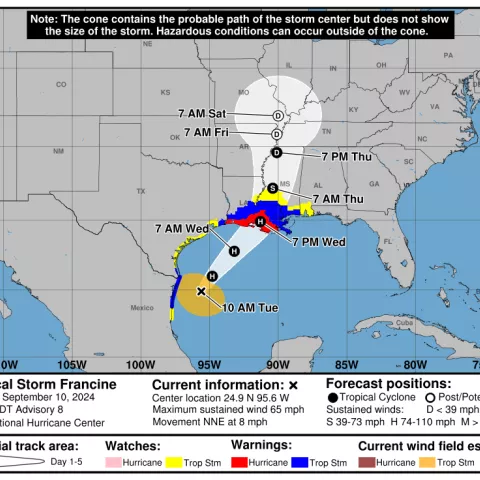
BSEE data for the past 3 days are tabulated below. Data are as of 12:30 p.m. ET on the specified date. Barring offshore or downstream infrastructure damage, production should begin to resume over the next few days.
Prior to the shale boom, when our national production was lower and the OCS accounted for a larger share, these numbers would have had a more significant effect on oil and gas prices. That is not the case today with only a 2.4% rise in WTI prices.
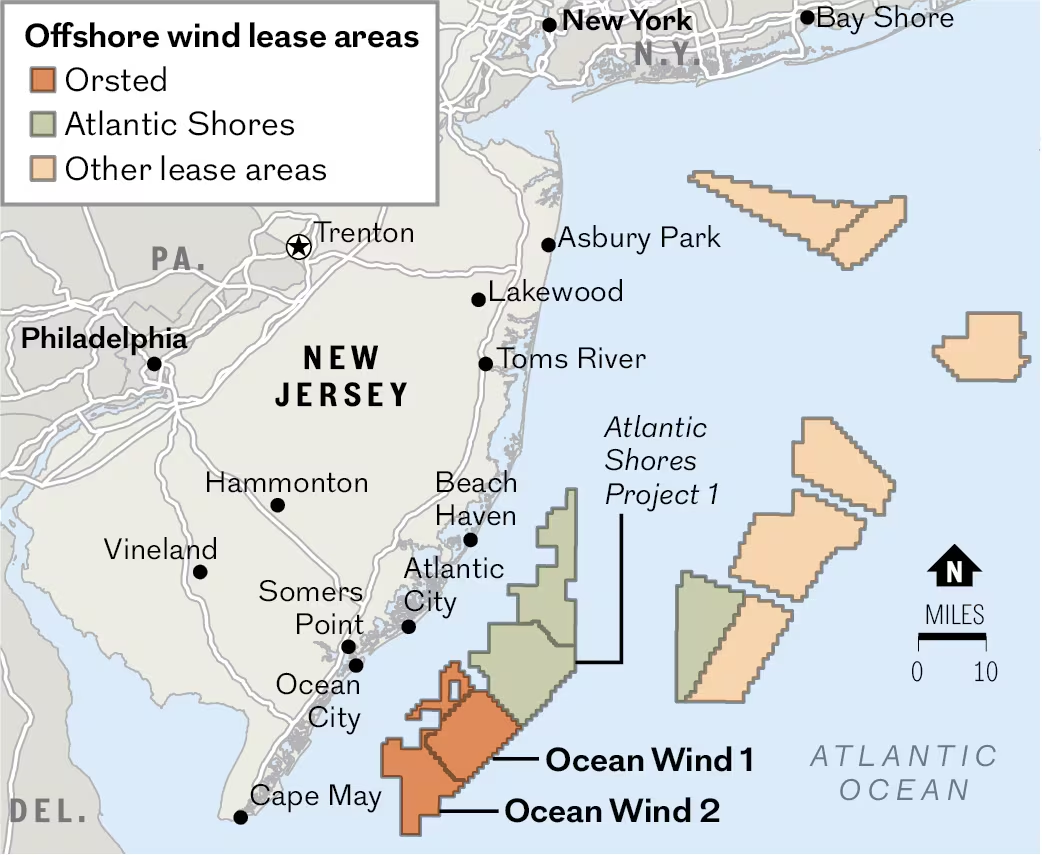
A media report informs that, as expected, Orsted is marketing the suspended Ocean Wind 1 and 2 leases. BOEM should deny any request to assign these leases. Here’s why:
As discussed in a previous post, those leases should have been terminated when Orsted announced that they would “cease development of the Ocean Wind 1 and Ocean Wind 2 projects.”
For the first time in the history of the US OCS program, the lease suspensions were approved without any work commitment on the part of the operator.
Per the approval letter (attached), the suspensions were granted so Orsted could get “full enjoyment” of the leases by waiting for economic conditions to improve.
The approval relieves Orsted from complying with any deadlines in their approved Construction and Operations Plan.
Under the approved suspensions, Orsted’s only obligations are to reply to requests for information and participate in meetings or consultations as requested. Note that for suspensions of operations on oil and gas leases, the operator must provide “a reasonable schedule of work leading to the commencement or restoration of the suspended activity.”
Suspensions of Operations are for the purpose of providing additional time, where necessary, for diligent operators to meet development milestones and initiate energy production. They are not for the purpose of waiting for improved economic conditions or providing time to sell your leases.
Any request by Orsted to assign these leases should be denied. If BOEM wants to reissue the leases, they may do so at a future sale in accordance with their regulations at 30 CFR Part 285.


 Bud's Offshore Energy (BOE)