Feeds:
Posts
Comments

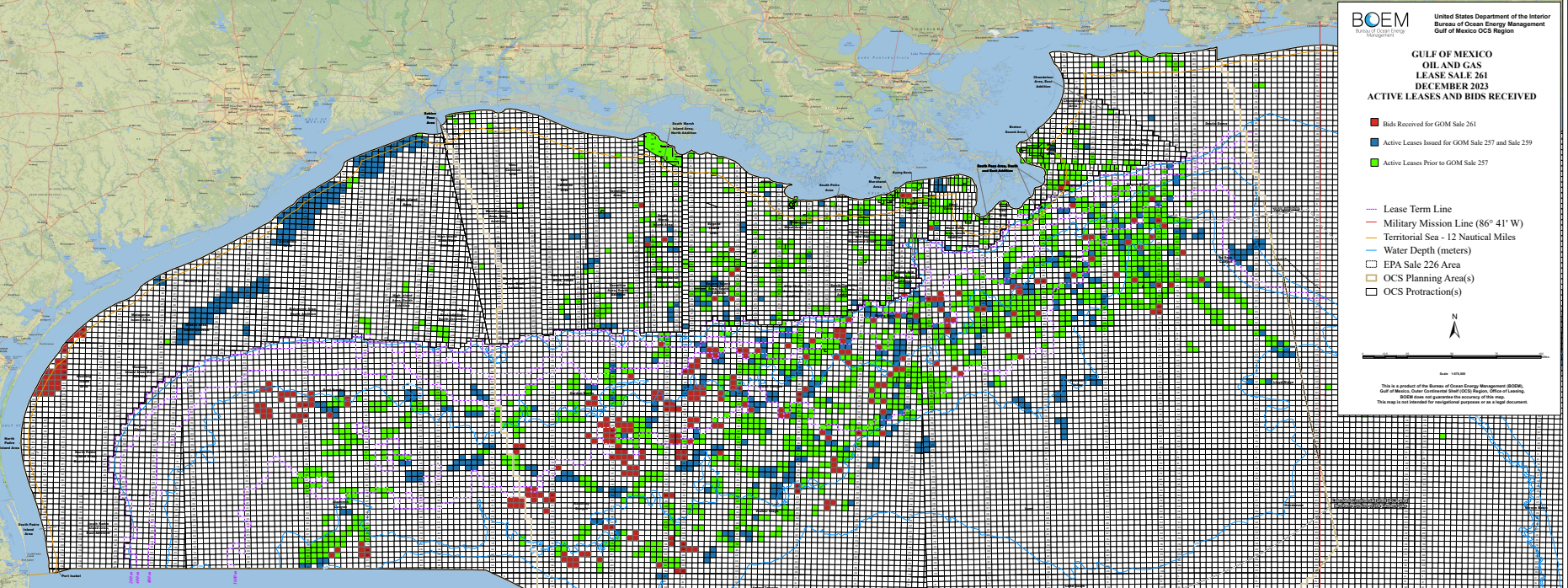
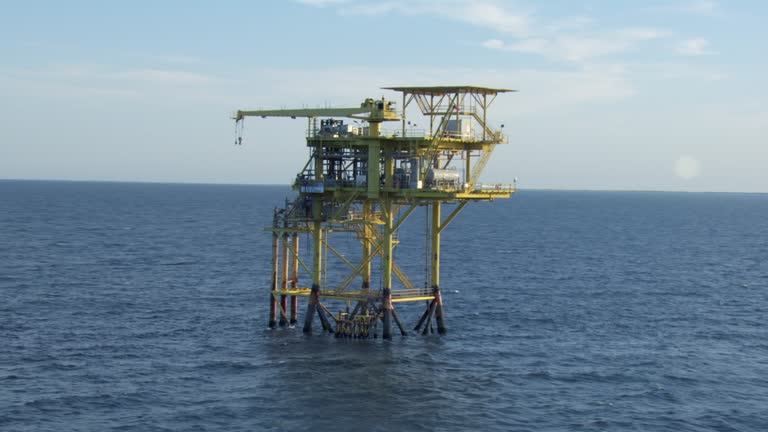
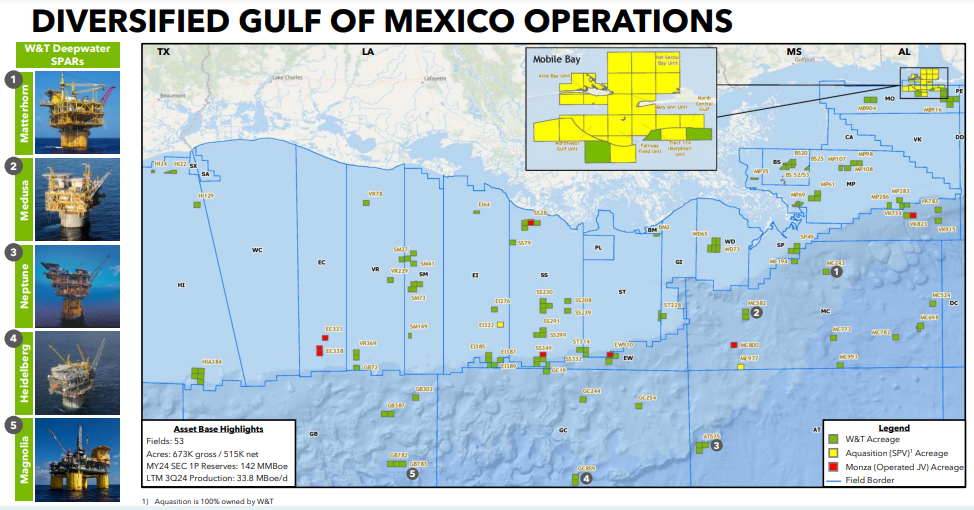
W&T (lease and facility map above) claims that insurers have colluded to damage the company by jointly demanding additional collateral and premiums.

Comments on excerpts from the W&T press release follow:

At the heart of the dispute are rules from the federal Bureau of Ocean Energy Management – BOEM – which require energy producers in the Outer Continental Shelf to provide a bond to pay for well, platform, pipeline and facilities cleanup if the operating company fails to do so.”

Comment: Despite disagreeing with aspects of the BOEM financial assurance rule, this blog has defended the rule against unfair criticism. Better solutions are achievable, but that will require industry leaders from all factions to come to the table with a commitment to reach a balanced agreement that protects the public interest.

“These insurance companies and their unreasonable demands for increased collateral pose an existential threat to independent operators like W&T.”

Comment: If insuring offshore decommissioning is so risk-free and lucrative, why aren’t other companies entering the market?

Several states, including Texas, are challenging the BOEM rule and in one case they specifically cite W&T as an example of how the rule could be misused to irreparably harm energy producers.

Comment: As previously posted, the concerned States should propose alternative solutions that would promote production while also protecting taxpayer interests. Arguing that decommissioning financial risks are not a problem is neither accurate nor a solution.

“In over 70 years of producer operations in the Gulf of Mexico, the federal government has never been forced to pay for any abandonment cleanup operations associated with well, platform facility, or pipeline operations.”

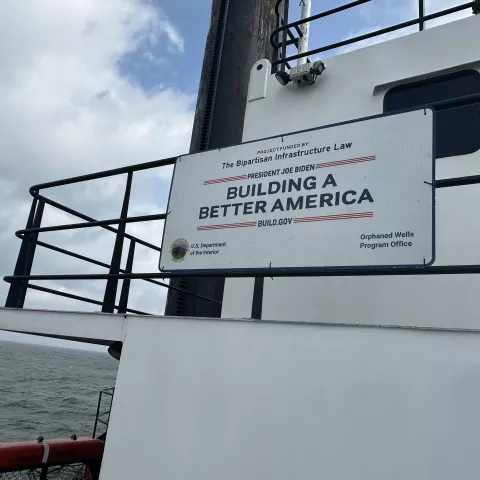
Comment: Shamefully, from the standpoints of both the offshore industry and the Federal government, that statement is no longer true. The taxpayer has now funded decommissioning operations in the Matagorda Island Area offshore Texas (BSEE photo below) and more significant decommissioning liabilities loom.
Other thoughts:

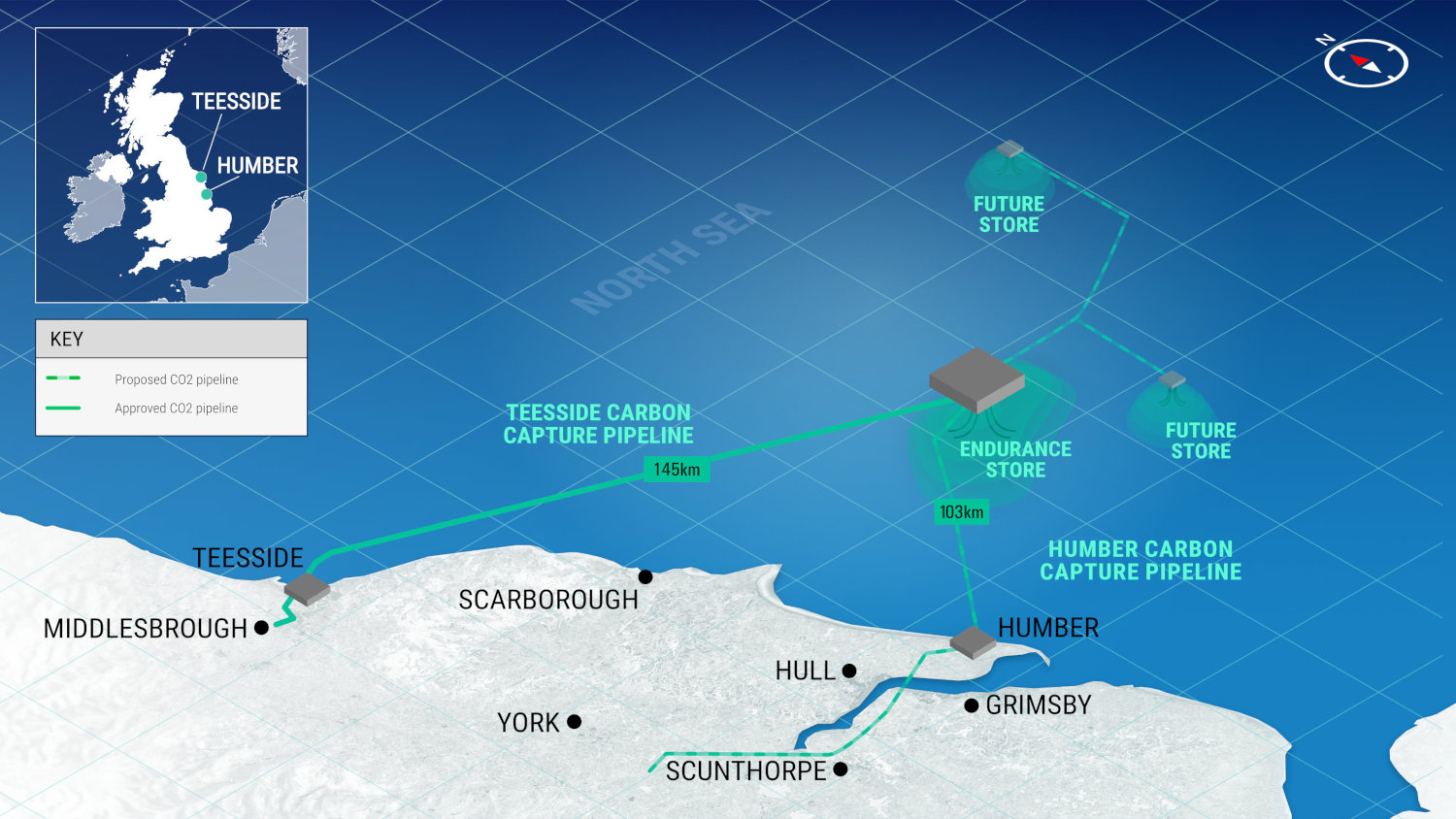
Northern Endurance Partnership (bp, Equinor, and Total) has been awarded the UK’s first permit to “store” CO2 beneath the North Sea. NEP plans to begin construction in the middle of 2025 with start-up expected in 2028 (bet the over!). Climate solution or costly virtue signaling at the public’s expense?

Fortunately, from the standpoint of US consumers and taxpayers, the push for carbon disposal in the Federal waters of the Gulf of Mexico has stalled, perhaps permanently. Oct.1 marked the 2 year anniversary of the 94 leases improperly acquired by Exxon at Sale 257 for carbon disposal purposes. Those leases will expire in 33 months (with the remaining 105 rogue leases expiring 1-2 years later) barring another legislative maneuver by industry advocates.

All of the previously posted questions about carbon disposal in the Gulf of Mexico remain, and most apply elsewhere. In particular, detailed cost-benefit analyses and risk assessments for these projects have not been provided. The intended permanency of offshore, subsurface carbon disposal raises complex monitoring, maintenance, liability, and decommissioning issues.

What are the carbon disposal proponents selling and why should governments be buying? If CO2 emissions are a significant threat to society (and informed opinions differ), is carbon disposal a cost effective solution? Policy decisions on subsidies for carbon disposal will be a good indication of how serious the new administration is about cutting Federal spending.

199 GoM oil and gas leases were wrongfully acquired for carbon disposal purposes. At Sale 261, Repsol acquired 36 nearshore Texas tracts in the Mustang Island and Matagorda Island areas (red blocks at the western end of the map above). Exxon had acquired 163 nearshore Texas tracts (blue in map above) at Sales 257 (94) and 259 (69).

From the Town of Nantucket:

The Town of Nantucket calls on you to help safeguard one of the nation’s most treasured National Historic Landmarks. We ask that you contact the Advisory Council on Historic Preservation (ACHP) and the Massachusetts State Historic Preservation Officer (SHPO) to urge them to decline signing the Section 106 Memorandum of Agreement (MOA) for SouthCoast Wind. Section 106 requires federal agencies to consider the effects on historic properties of projects they carry out, assist, fund, permit, license, or approve throughout the country, and to find ways to avoid, minimize, or mitigate adverse effects on those properties.

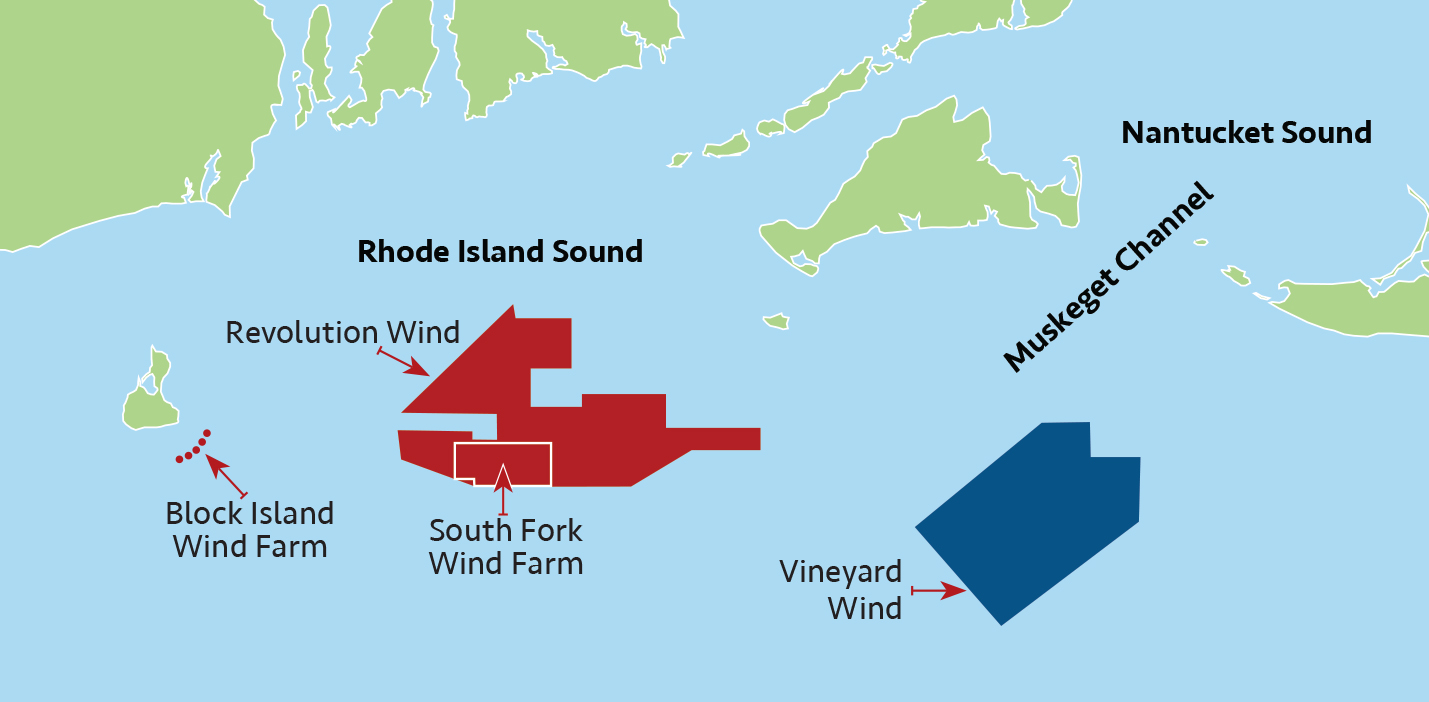
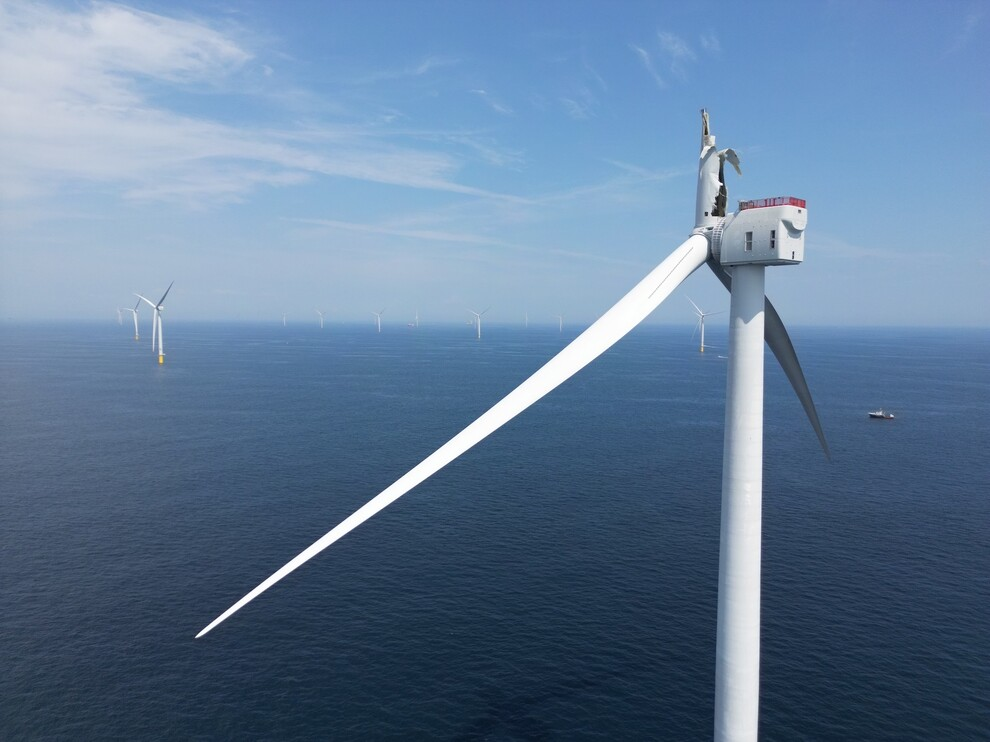
Meanwhile, Vineyard Wind turbine blade installation has resumed.

Vineyard Wind posts

Former Dept. of the Interior and House Natural Resources Committee attorney, Jack Coleman, has been elected Mayor of his hometown, Rosedale, Mississippi. Jack is also restoring a historic distillery in Rosedale.

It’s great to see a former colleague making such important social and economic contributions following his “retirement.”

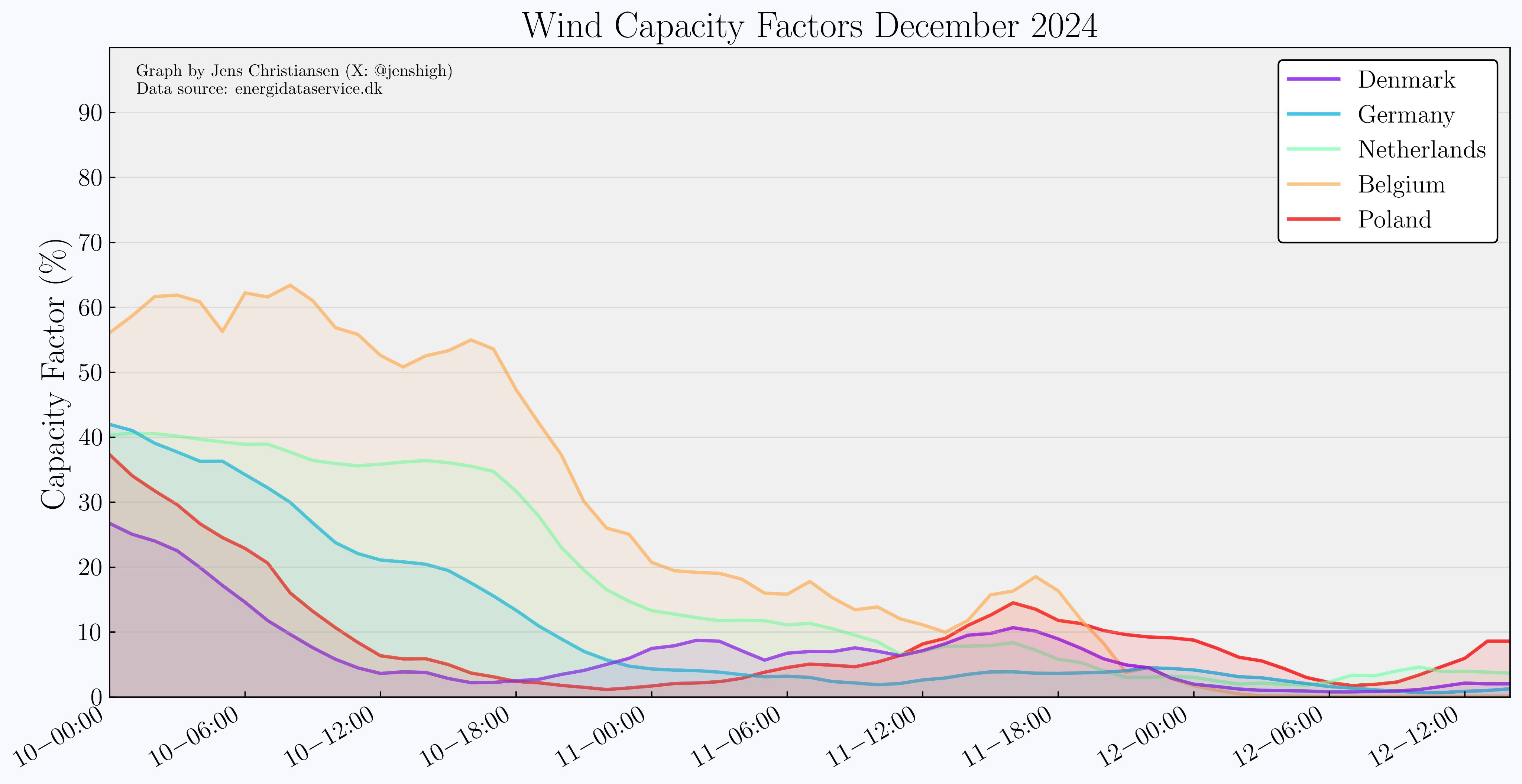
Jens Christiansen graphics

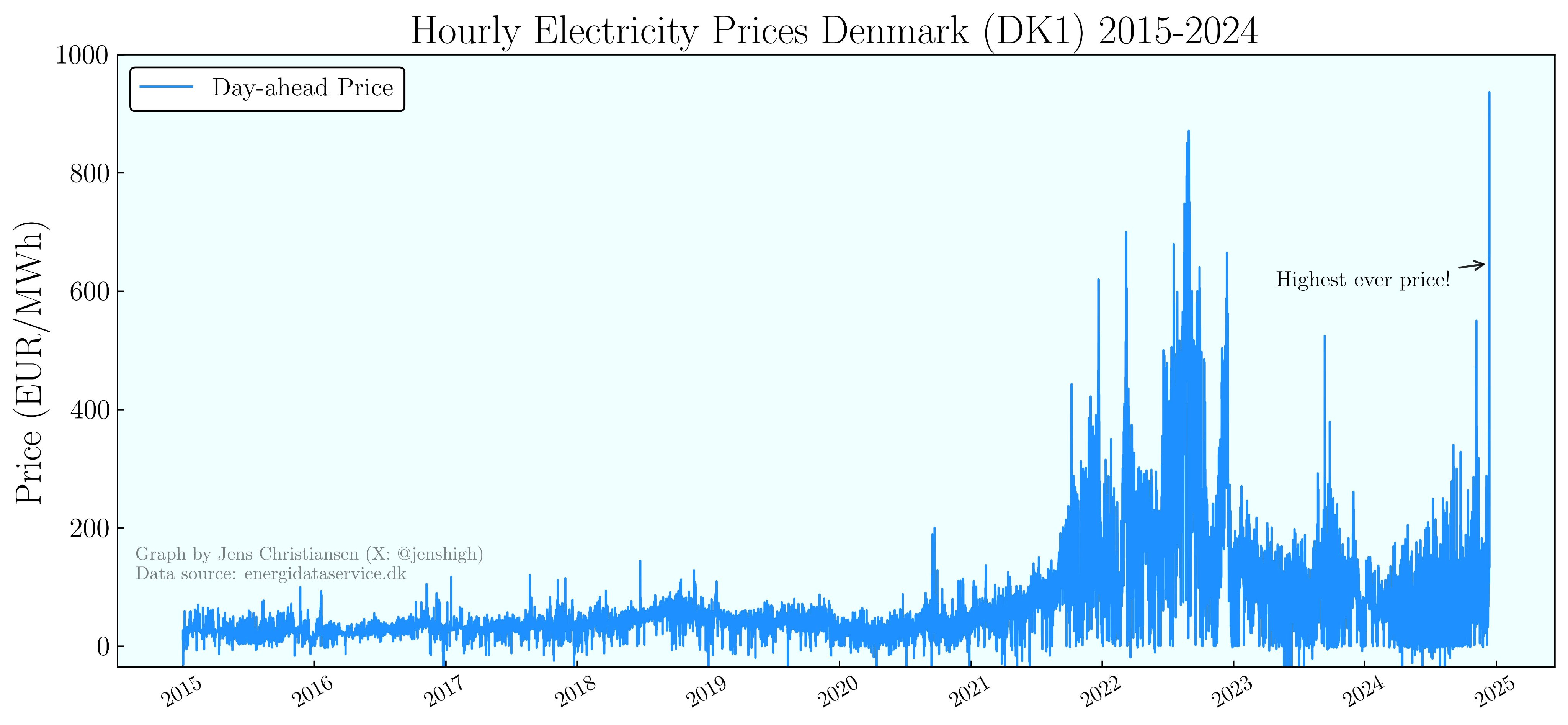
New record high for power prices in Denmark!

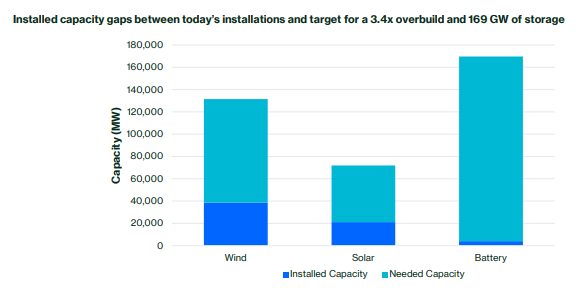
Quaise Energy, an ultradeep geothermal energy pioneer, investigated 2022 and 2023 data from the Electric Reliability Council of Texas (ERCOT) to examine what the grid would look like without fossil fuels.

The full report is attached. Key points:

  • On average, solar produces full power 25% of the time, whereas wind does so 35% of the time.
  • Without fossil fuels, Texas would need to scale up its wind and solar capacity by 3.4x and energy storage by 42.4x just to meet the average hourly demand.
  • Despite these high values for renewables and 5 GW of firm nuclear power, the system only meets demand 76% of the time, equivalent to 176 days over the two-year period when generation and storage fall short.
  • Even with a 5x overbuild and corresponding 10x in storage capacity, only 88% of demand can be fully satisfied, not considering transmission challenges.
  • Just meeting the average demand, with a 3.4x capacity expansion, would require more than 50,000 km2 of land, equivalent to the size of Lake Michigan.

Effective regulation

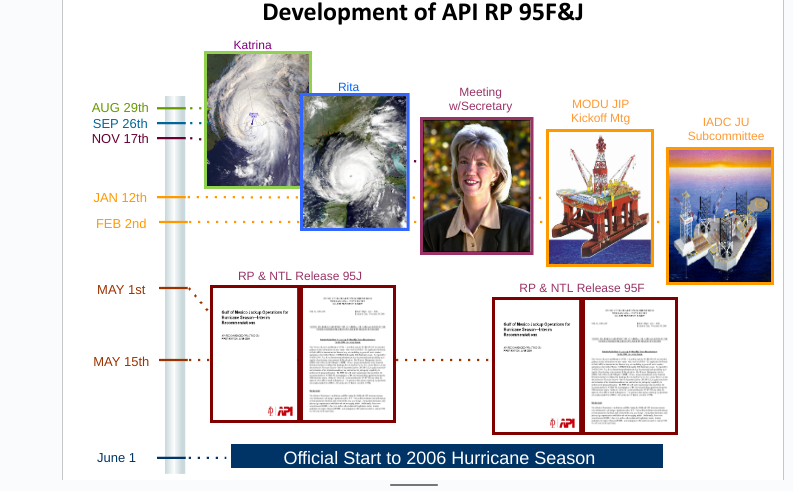
Timeframe for government and industry actions following the 2005 hurricane season.


Optimally, the regulator establishes clear objectives for the operating companies and a schedule for achieving those objectives. This approach was demonstrated with great success following the 2005 hurricane season (Katrina and Rita) when numerous mooring system and other stationkeeping issues were identified.

Minerals Management Service Director Johnnie Burton sent a letter (attachment 1) to industry leaders calling for a face-to-face meeting with Department of the Interior Secretary Gale Norton. The Secretary outlined her concerns and informed offshore operators that there would be no drilling from moored mobile drilling units or jackup rigs during the next hurricane season until the issues identified during Hurricanes Katrina and Rita were addressed.

The collaborative effort that followed was a resounding success (2nd attachment). In addition to addressing station keeping concerns, a comprehensive list of hurricane issues was developed. Industry and government then worked together to assess mitigations and develop new standards and procedures. The essential MODU standards were completed before the 2006 hurricane season, and all of the related concerns were effectively addressed prior to the 2009 hurricane season. Had the government elected to promulgate regulations to address all of these issues, much of this work would have never been completed.

BusinessWire: These turbines destroy our culturally sacred viewshed, destroy our traditional and historic fishing grounds, and threaten the continued existence of the North Atlantic right whale,” said William “Buddy” Vanderhoop, a member of the Wampanoag Tribe of Gay Head.

Aquinnah Wampanoag chairwoman Cheryl Andrews-Maltais

We are known as ‘The People of the First Light,’” said Tribal Chairwoman Cheryl Andrews-Maltais. “The unobstructed eastern view of the ocean from our ancestral lands from Nantucket, Cape Cod, Martha’s Vineyard (‘Noepe’) and southeastern Massachusetts is inextricably intertwined with who we are as a people and our cosmology, and is essential to our spiritual beliefs and practices.”

Green Oceans

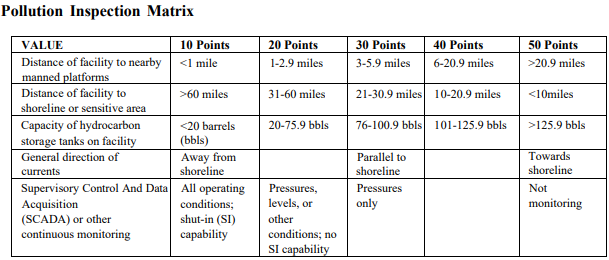
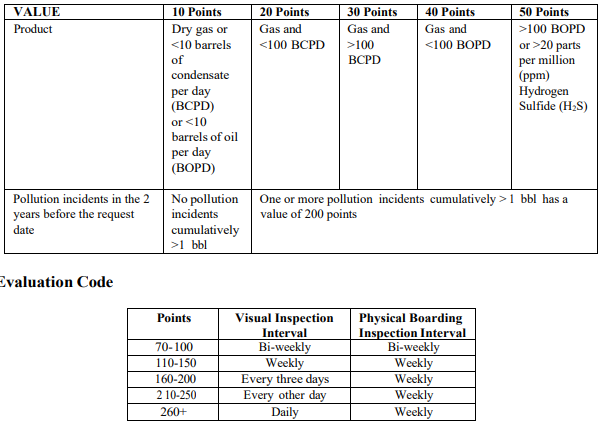
The attached BSEE document provides guidance for determining pollution inspection frequencies for unmanned facilities. Thoughts:

  • Reasonable risk-based approach
  • A minimum of bi-weekly visual and physical inspections for low risk platforms producing dry gas
  • Any platform with significant oil production and storage, and no real time monitoring system, will have to be visually inspected at least every 3 days (daily if other risk factors apply) and boarded weekly
  • Any platform that had spillage totaling > 1 bbl in the past 2 years will have to be visually inspected every other day and boarded weekly.
  • Provides for the application of technology (cameras, drones, innovative monitoring systems) to reduce inspection frequencies.
Vineyard Wind

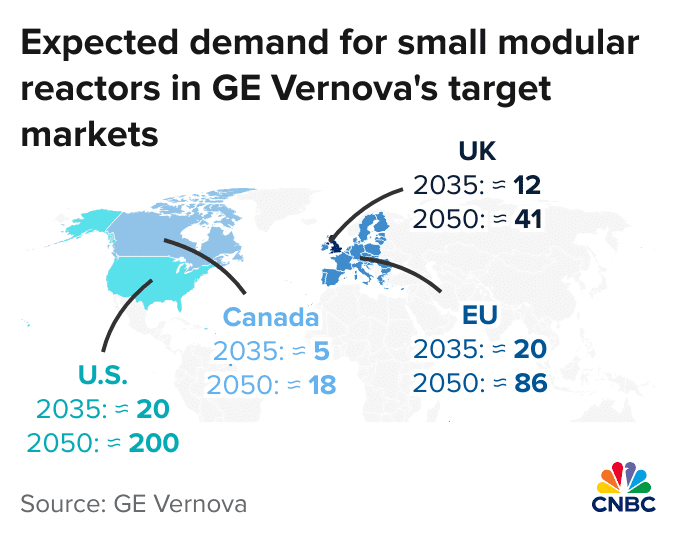
Per CNBC:

GE Vernova is aiming to deploy small nuclear reactors across the developed world over the next decade, staking out a leadership position in a budding technology that could play a central role in meeting surging electricity demand and reducing carbon dioxide emissions.