Those who are concerned about minimizing the Federal government’s decommissioning risk exposure should closely monitor this process. Some companies and their political allies have sought to minimize the financial risks associated with plugging wells and removing facilities. As a result, it has been necessary to defend BOEM from unwarranted commentary about decommissioning issues and the financial assurance rule. Stay tuned!
We reached a new milestone with our millimeter wave #drilling system: our first 10 ft hole drilled outside lab conditions
This achievement was accomplished using our compact drilling rig, now scheduled for initial field trials later this quarter targeting a depth of 100 meters pic.twitter.com/pMlhsEvSED
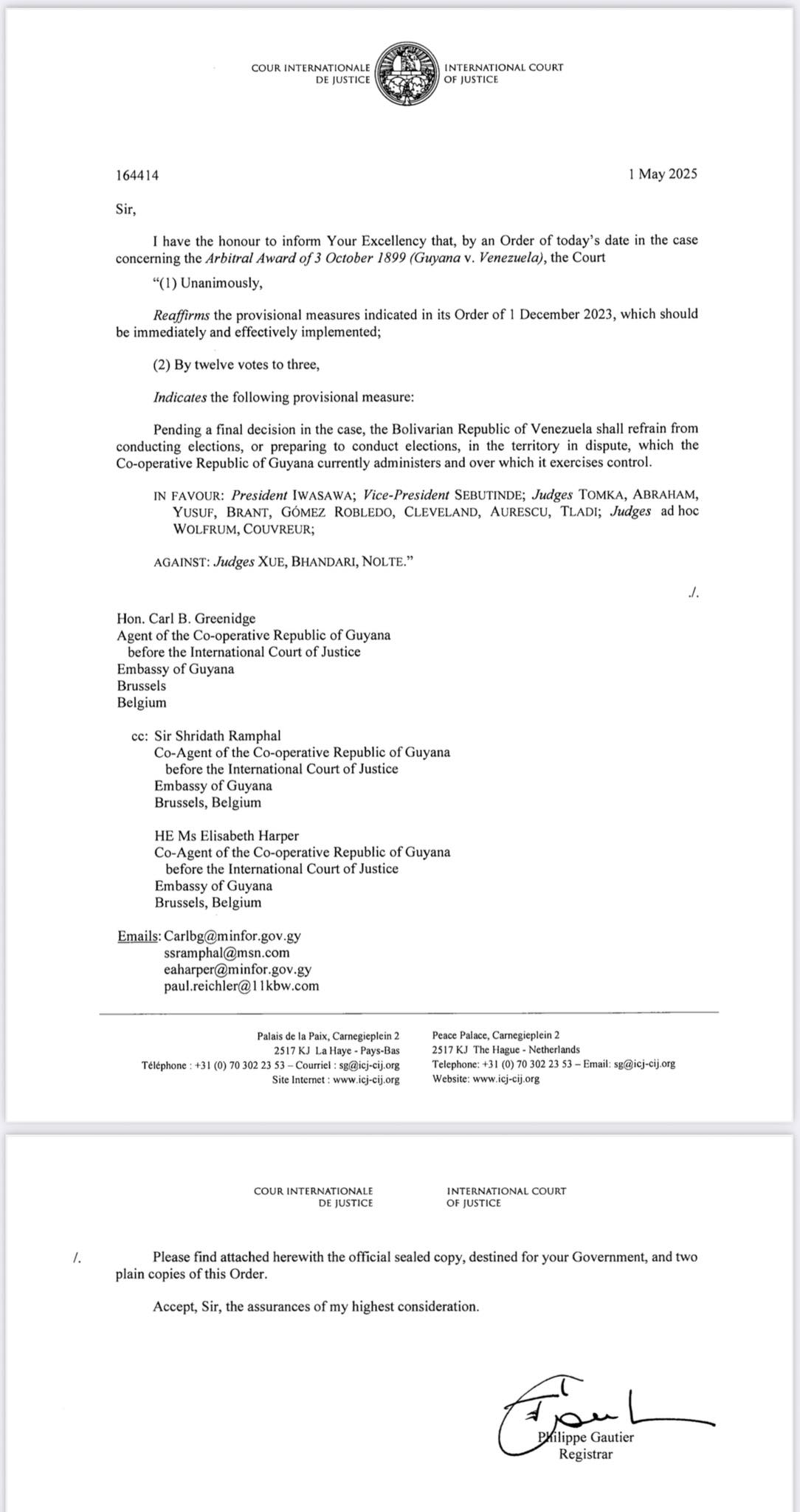
Pending a final decision in the Guyana-Venezuela dispute, the Court ordered Venezuela to refrain from conducting elections or preparing to conduct elections in the disputed territory administered by Guyana.
“Despite our previously unified stance, some Members of our conference now feel compelled to defend wind and biofuel credits, advocate for carbon capture and hydrogen subsidies, or protect solar and electric vehicle giveaways. Keeping even one of these subsidies opens the door to retaining all eight. How do we retain some of these credits and not operate in hypocrisy?The longstanding Republican position has been to allow the market to determine energy production. If every faction continues to defend their favored subsidies, we risk preserving the entire IRA because no clearly defined principle will dictate what is kept and what is culled.“
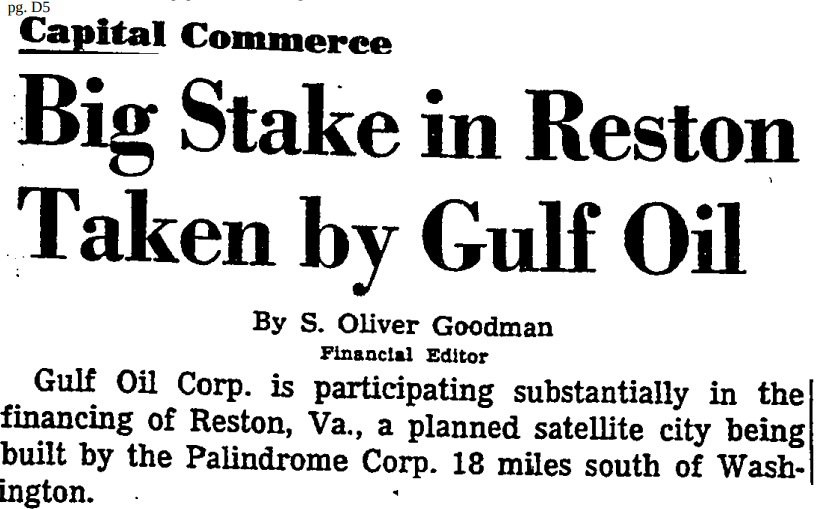
Farther in the past, there were noteworthy failures (below) like Mobil’s acquisition of Montgomery Ward, Exxon’s investment in Reliance Electric, and Gulf’s real estate ventures.
Mobil – Montgomery WardExxon – Reliance ElectricGulf Land – Reston
Finally, don’t expect the carbon sequestration boom that some are forecasting. As wind investors have discovered, industries dependent on mandates and subsidies are risky.
Not much unites climate activists and skeptics, but they are largely aligned in their opposition to carbon sequestration (euphemism for disposal), as are fiscal conservatives. The word chutzpah comes to mind when companies seek public funds to dispose of emissions associated with the combustion of their products.
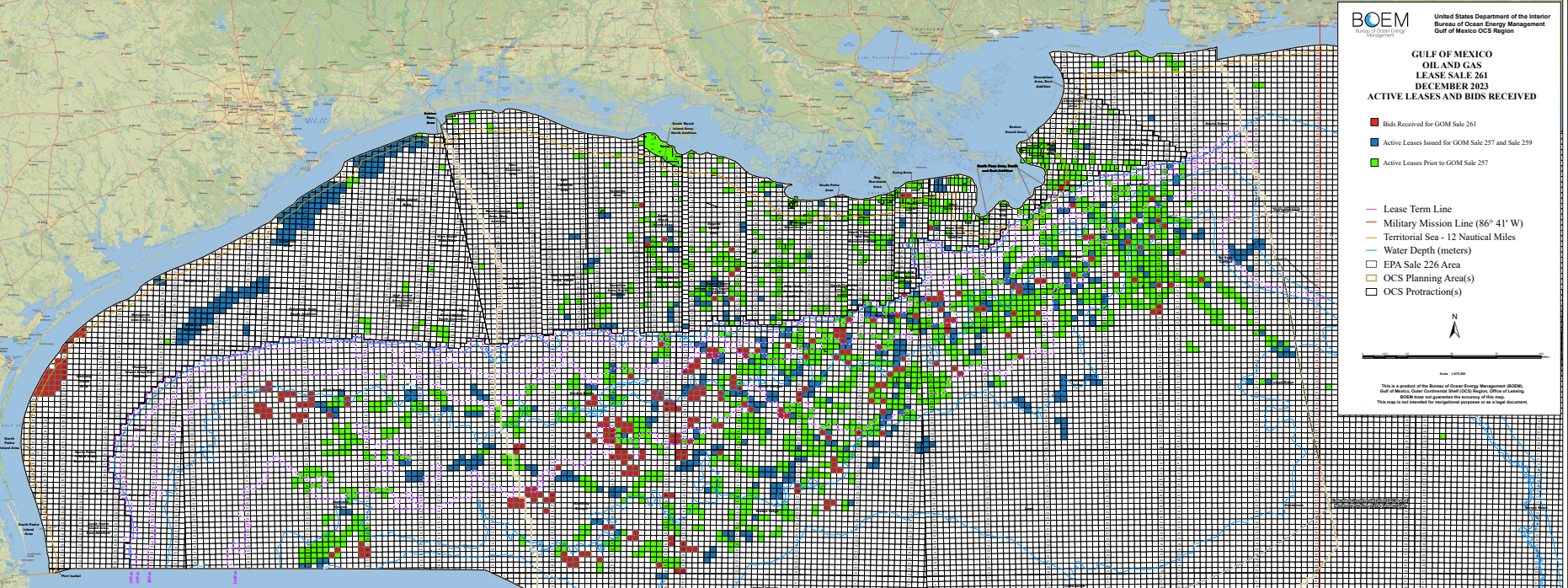
199 oil and gas leases were wrongfully acquired at Sales 257, 259, and 261 with the intent of developing these leases for carbon disposal purposes. Repsol was the sole bidder at Sale 261 for 36 nearshore Texas tracts in the Mustang Island and Matagorda Island areas (red blocks at the western end of the map above). Exxon acquired 163 nearshore Texas tracts (blue in map above) at Sales 257 (94) and 259 (69).
Die Dunkelflaute or dark lulls have drawn attention to the need for dispatchable power (typically from gas turbines or coal-fired power plants) when the weather isn’t cooperating.
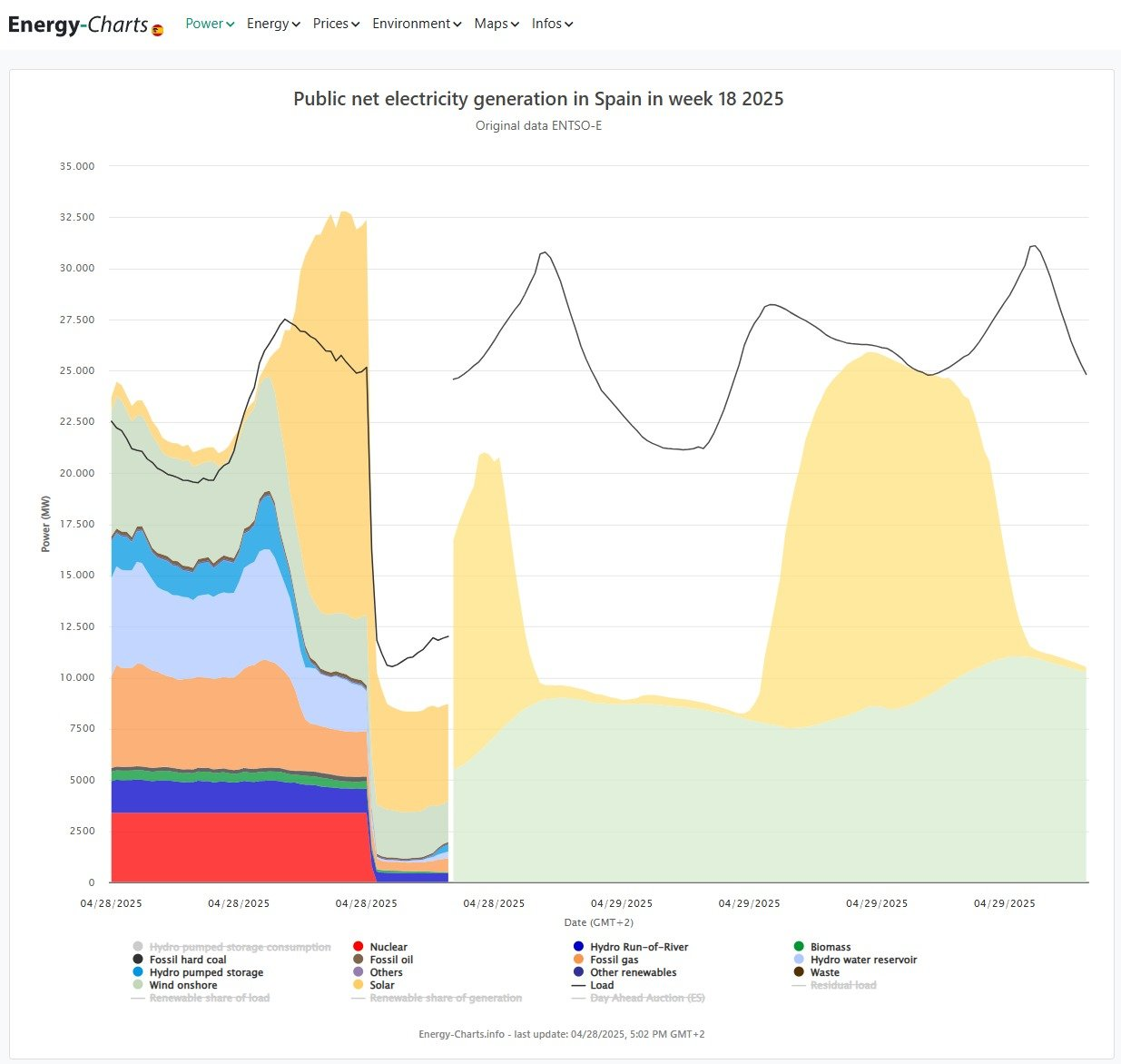
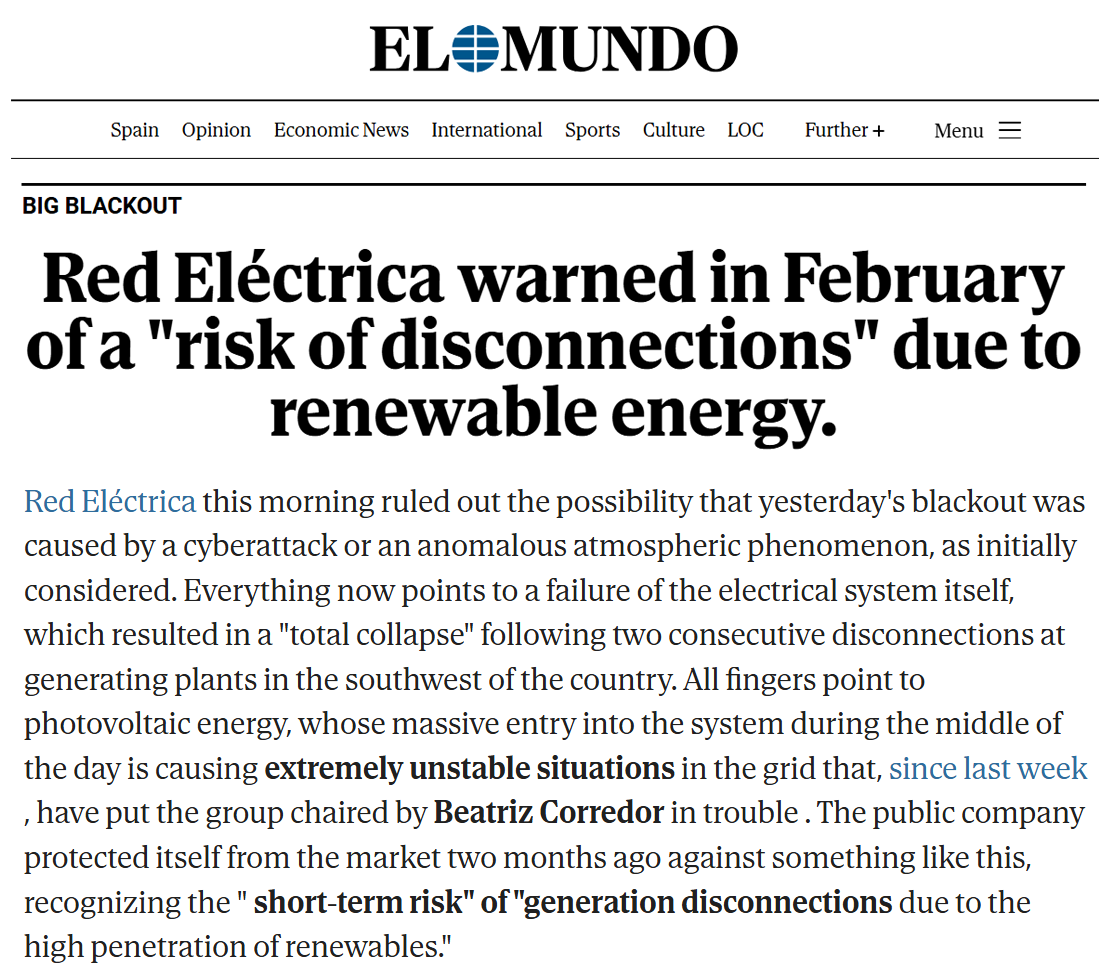
The massive power outage in Spain and Portugal on Monday may be the result of the opposite challenge – a surge in solar power supply greatly exceeding demand (dark line in chart below).
Note that no extreme weather events were reported in Spain on April 28, 2025. The Portuguese grid operator mentioned “extreme temperature variations” in Spain’s interior, possibly causing grid oscillations, but no storms or heatwaves were noted. Weather was typical for April, with mild temperatures (8-19°C) and some rain.
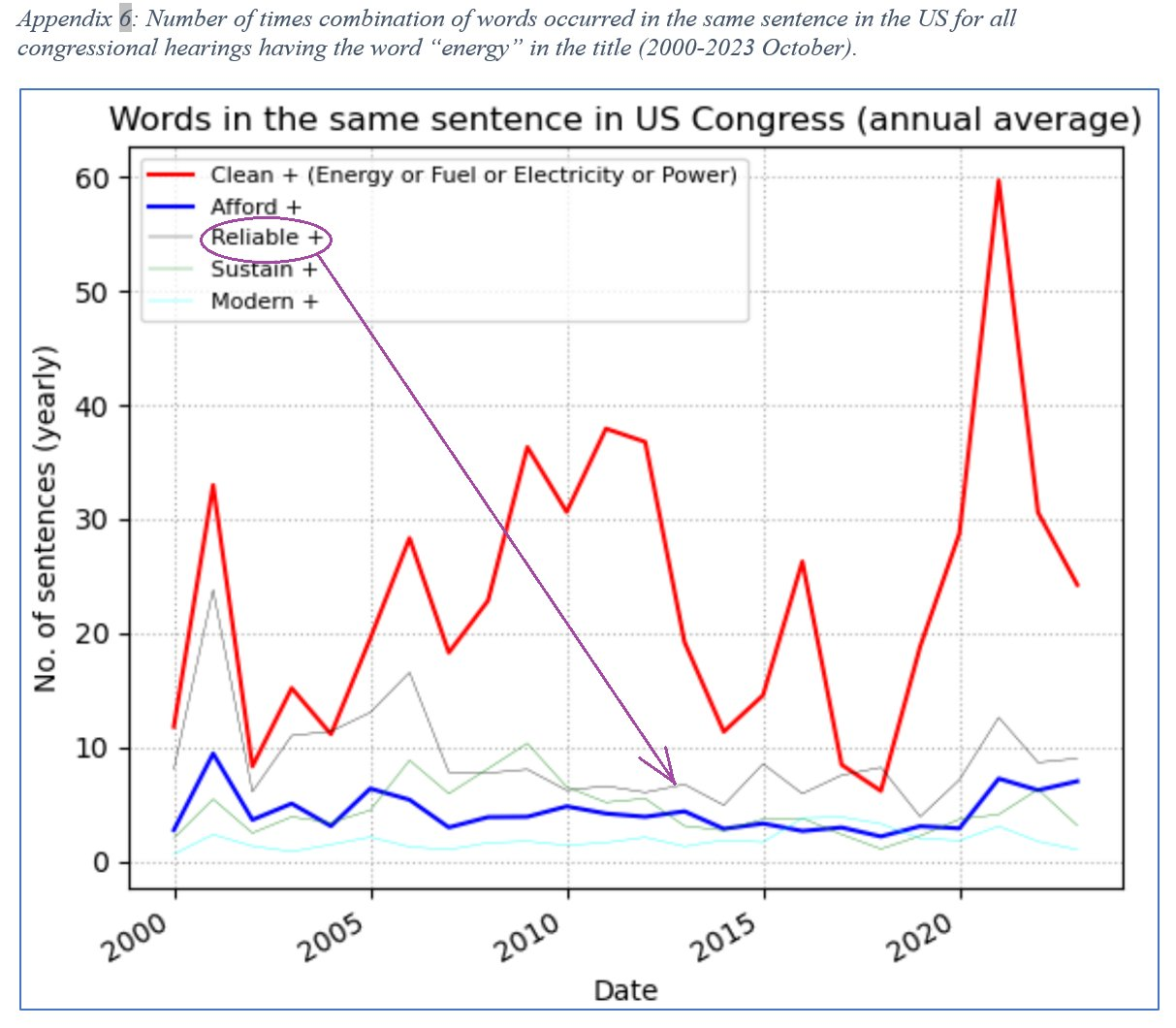
Meanwhile, the political focus in the US (chart below), and perhaps more so in Europe, had been on “clean” rather than reliable power.
Bottom line: Over-reliance on highly variable wind and solar power challenges grid management, putting supply reliability at risk.
… and shared a mineral water toast! 😉 (Weak joke, but at least it’s original and topical!)
NOAA and TMC, a Canadian company, are working together to bypass the stifling UN deep sea minerals bureaucracy.
NOAA raises a glass: Yesterday, President Trump signed an Executive Order establishing a framework for American companies to identify and retrieve offshore critical minerals and resources. The Executive Order prioritizes U.S. leadership in seabed mapping and mineral exploration, ensuring reliable access to critical minerals like manganese, nickel, cobalt and rare earth elements.
In support of the Executive Order, NOAA is committed to an expeditious review of applications for exploration licenses and commercial recovery permits. The agency will provide the necessary resources for license and permit reviews to ensure that those reviews go forward without undue delays.
TMC is positioned to play a central role in supporting an American industrial ecosystem underpinned by deep-seabed minerals, and poised to mobilize tens of billions in private investment in the U.S. across shipbuilding, ports, mineral processing, and advanced manufacturing
The Company through its U.S. subsidiary expects to file license and permit applications under the U.S. Deep Seabed Hard Mineral Resources Act (DSHMRA) in the second quarter of 2025
China boos: “The US authorization… violates international law and harms the overall interests of the international community,” Chinese foreign ministry spokesman Guo Jiakun said on Friday.
TMC and other companies like Impossible Metals (see below) have had enough of the endless delays at the United Nations’ International Seabed Authority, which is still developing regulations. Mining companies and others have spent years gathering data and providing input.
Meanwhile in US waters:
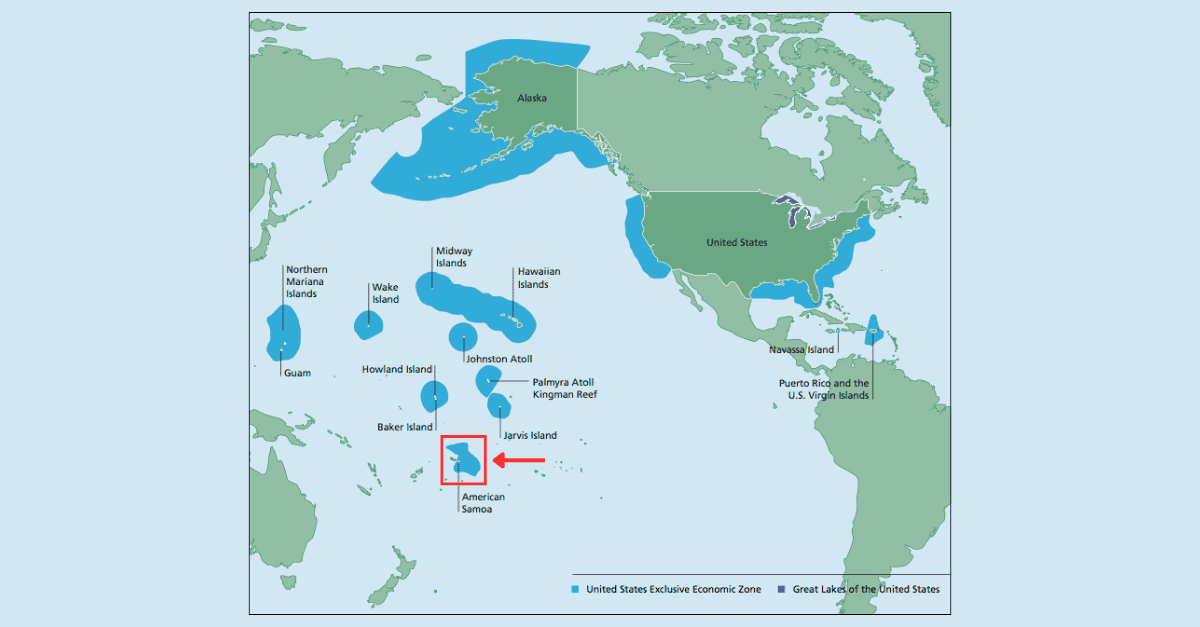
San Jose, CA – Impossible Metals, a pioneering US-based deep-sea mining company, has submitted a request to commence a leasing process for exploration and potential mining of critical minerals in the deep sea off the coast of American Samoa. Impossible Metals is the first company to request a lease of critical minerals under the Outer Continental Shelf Lands Act of 1953, which is regulated by the U.S. Bureau of Ocean Energy Management (BOEM), part of the U.S. Department of the Interior.
Impossible Metals has developed the only autonomous underwater robot (AUV) for selective harvesting. The novel underwater robot uses advanced robotics, AI, and a buoyancy engine to hover above the seabed, accurately identifying and avoiding nodules with visible life while minimizing disruption to the habitat and native biodiversity. This method will have the lowest environmental impact and cost among land and deep-sea mining approaches, setting a new standard for responsible resource collection.
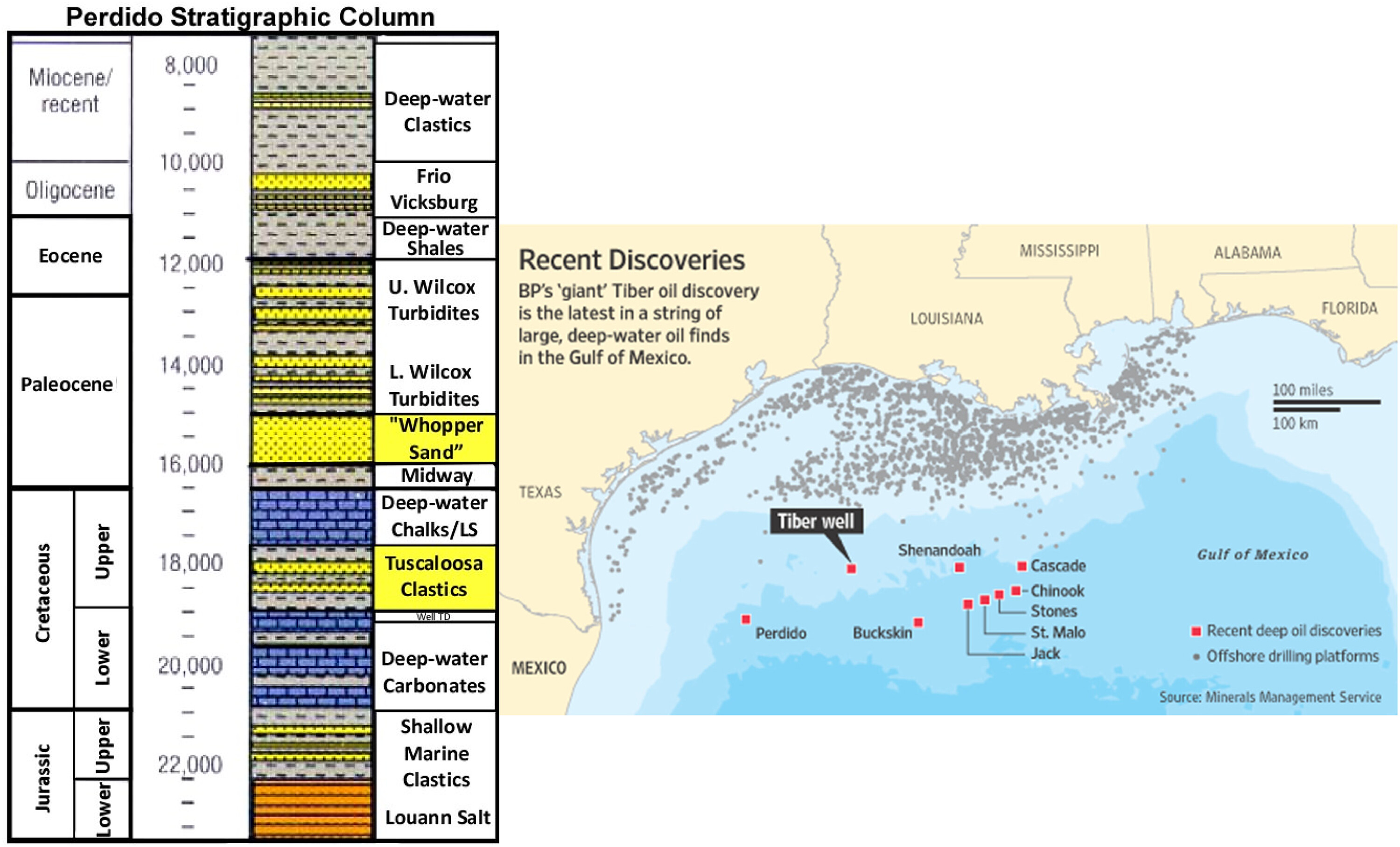
BSEE’s decision to revise downhole commingling policy by increasing the allowable pressure differential between reservoirs is sound and supported by an impressive University of Texas (UT) Petroleum Engineering study. Although the announcement hype is a bit much, this is the way regulation is supposed to work.
The main benefit of commingling (vs. sequential production) is the accelerated return on investment, which is fine as long as other risks are not introduced and ultimate oil recovery is not sacrificed. The UT study of Paleogene (Wilcox) reservoirs found that downhole commingling actually maximizes per-well oil production compared to sequential schemes. Over 30 and 50 years, commingling yields 61% and 21% more oil respectively.
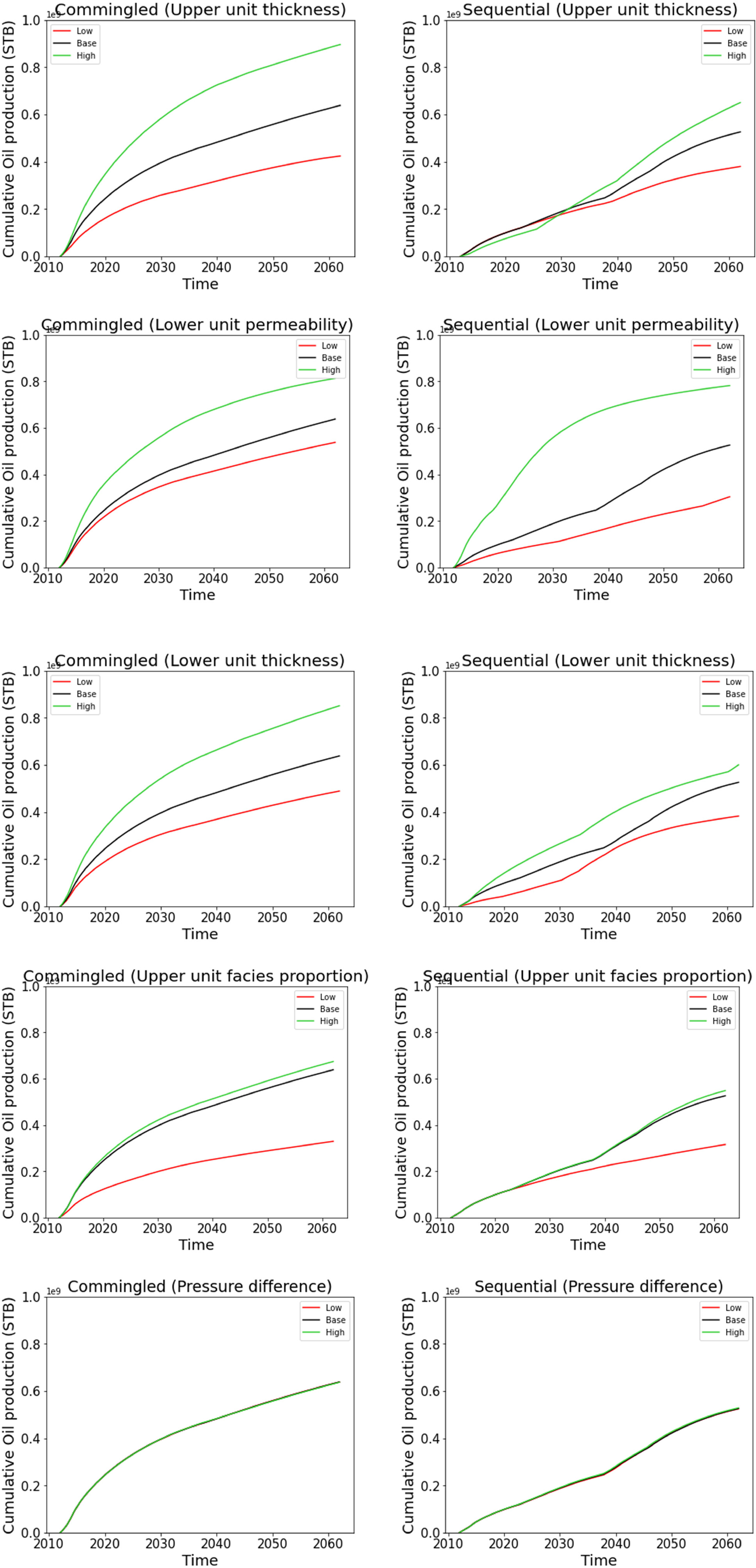
The UT study analyzed 3 cases with 19 variables (Table 2 in their report). The reservoir pressure differentials were 500, 1000, and 1500 psi. Interestingly, pressure differential had essentially no impact on cumulative production in either the commingled or sequential scenarios.
Figure 13. Cumulative production over 50 years for commingled (left) and sequential (right) production scheme. The most significant variables are shown in the first four pairs of plots. The last pair of plots shows the least important parameter which is pressure difference between reservoir units.
Also note that (fig. 13):
As the upper reservoir thickness increases to 1000 ft (high case), total production increases by 41% for the commingled production scheme and 26% for the sequential production scheme.
The second most important field feature is upper reservoir facies proportion for both production schemes. A higher sand proportion in the reservoir results in higher production.
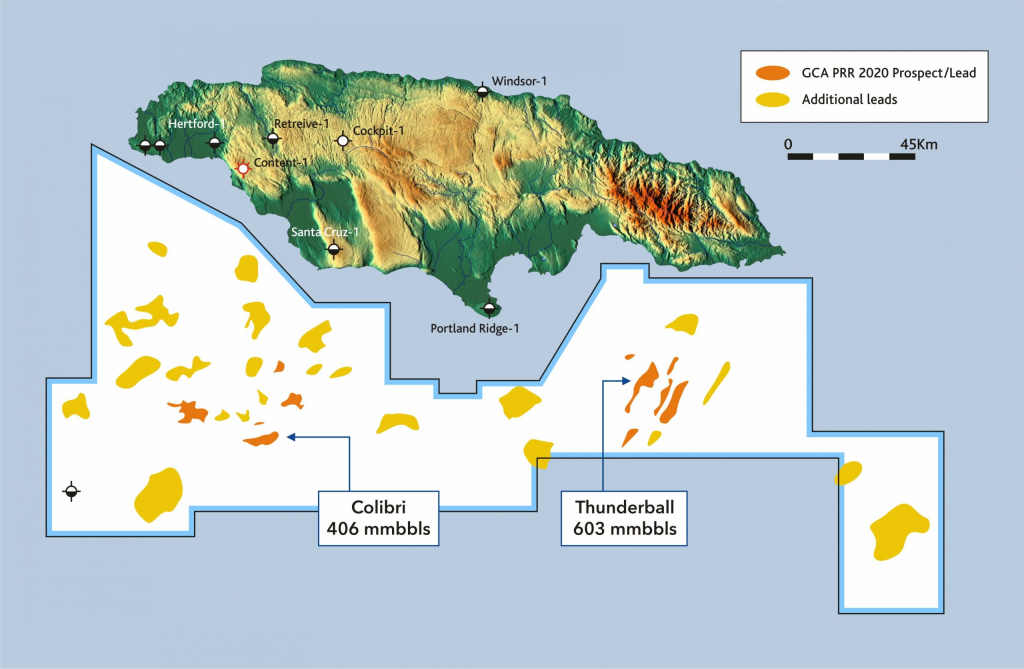
United Oil & Gas Plc (AIM: “UOG”), the oil and gas company with a high-impact exploration asset in Jamaica and a development asset in the UK, is pleased to announce that it has secured an early two-year extension to the Walton Morant licence offshore Jamaica, now valid until 31 January 2028, where it holds a 100% working interest.
The Company would like to formally acknowledge and thank the government and people of Jamaica for the continued support of oil and gas exploration in Jamaica. The extension provides UOG with the security required to advance discussions with farm-in partners and progress technical work, reinforcing the significant exploration potential of this licence.
With the extended tenure confirmed, United have re-engaged with selected parties who had previously expressed interest before the farm-out process was suspended in December 2024, as well as new interest from additional groups. At present, multiple companies are under Non-Disclosure Agreements (NDAs) and actively reviewing data as part of the farm-out process.
Comments:
The Jamaican govt not only granted a second 2 year license extension, but they did so 10 months before the deadline. Could the upcoming elections, scheduled for later this year, have been a factor in the timing of their decision?
Does the govt have that much confidence in a company that is dependent on finding a partner to fund an exploration well?
If the license had been allowed to expire, was the govt concerned about administrative or political constraints associated with re-offering the license area?
United Oil and Gas excels at promotion and isn’t shy about making bold statements about their Walton-Morant license. They have been talking for several years about strong interest from prospective partners, but no deal has been made.
United’s estimate of 7 billion barrels for the license area represents the sum of the prospective unrisked resources for each prospect. The resource estimate is dependent on oil being discovered and developed at each prospect, and is thus speculative.