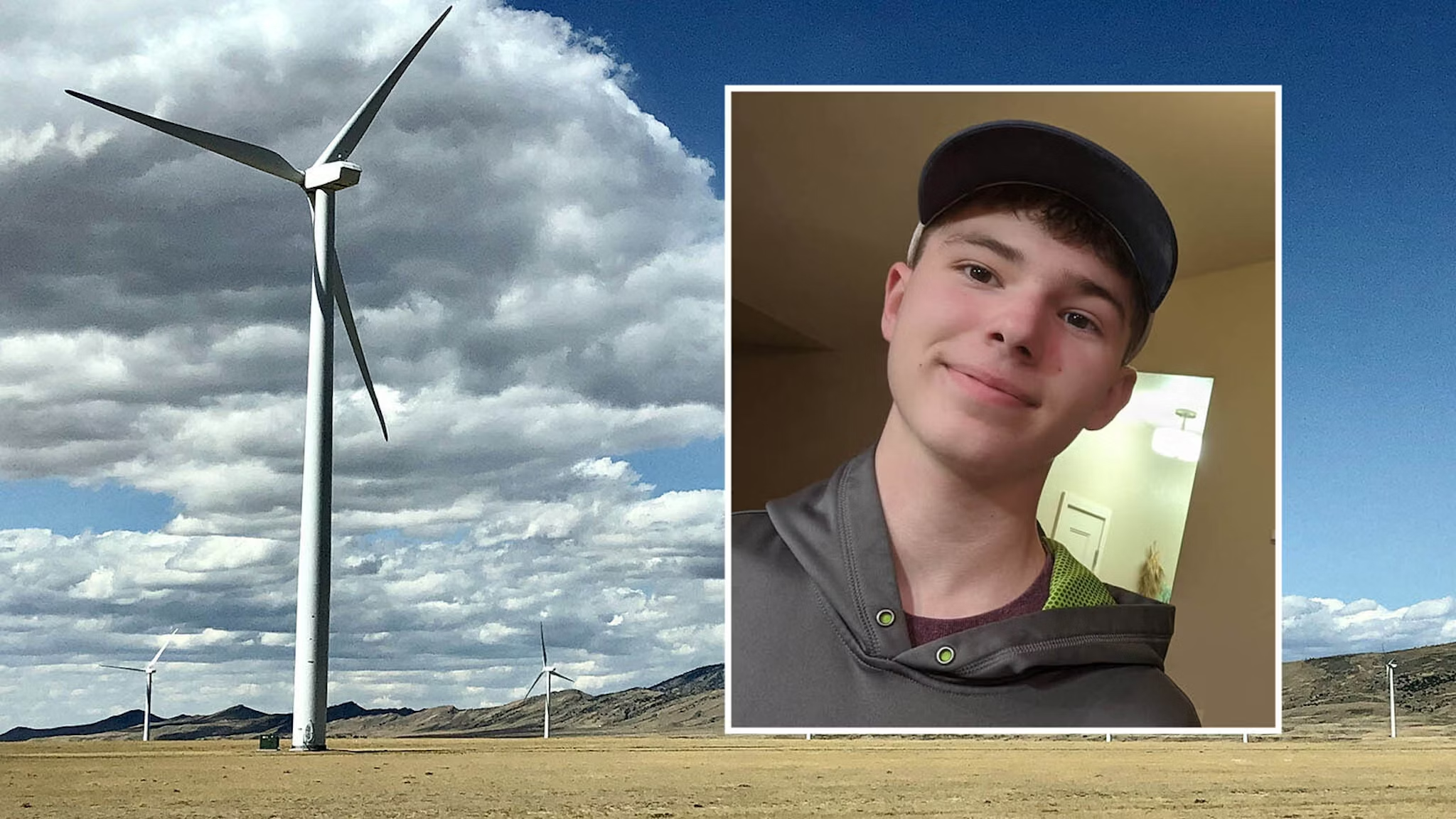
Sad news reported by the Cowboy State Daily:
“Liam Cobb died Wednesday while working on a wind turbine near Medicine Bow in Carbon County. Anna Cobb said her nephew fell while working his job as a wind turbine technician.”
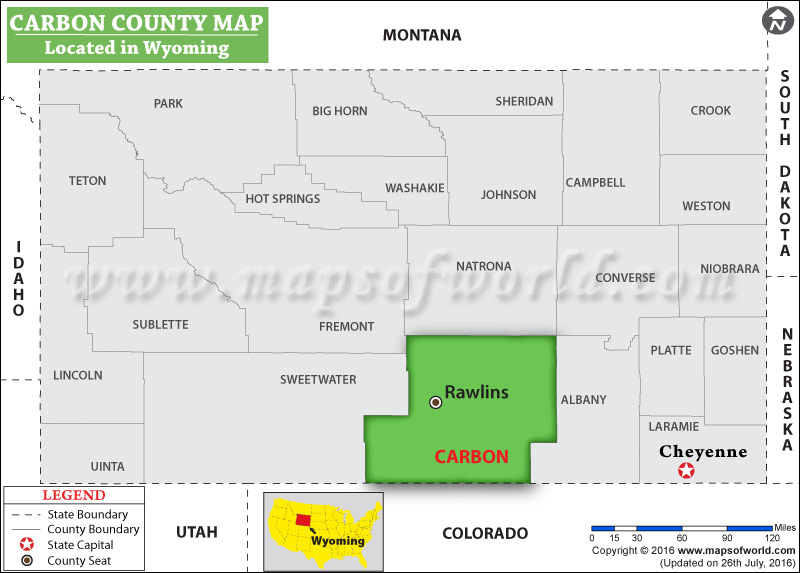
Sad news reported by the Cowboy State Daily:
“Liam Cobb died Wednesday while working on a wind turbine near Medicine Bow in Carbon County. Anna Cobb said her nephew fell while working his job as a wind turbine technician.”
Posted in accidents, Wind Energy | Tagged Carbon County, fall from turbine, fatality, wind technician, Wyoming | Leave a Comment »
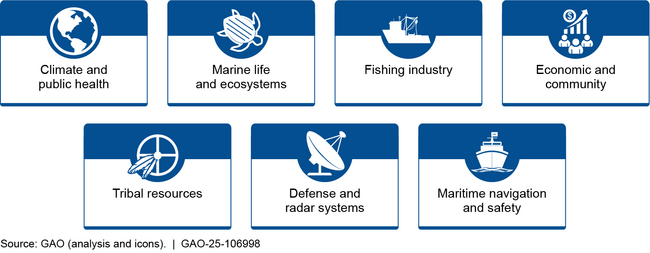
The Government Accountability Office report on Offshore Wind Energy (full report attached) does a good job of summarizing the potential impacts from offshore wind development. They are categorized in the report as follows:
Unfortunately, GAO’s recommendations, which focus on consultation and staffing (perennial favorites), are rather meaningless. Does GAO really think more consultation will resolve the fundamental concerns of the tribes and fishing industry? Does GAO really think increasing BOEM/BSEE staff is a solution? Wind was the signature offshore energy program of the previous Administration, and it was well resourced.
When the legislation authorizing offshore wind energy development was drafted, we envisioned energy alternatives that could complement thermal energy sources like gas, coal, and nuclear plants. Natural gas plants are particularly important to intermittent energy sources, because their power can be readily dispatched on demand.
Never did we expect attempts to ban the dispatchable energy sources on which renewable energy goals were dependent. Policies that limit gas production, transportation, and consumption don’t boost offshore wind development, they doom it.
In a rush to achieve the Administration’s energy goals, the wind leasing program brushed aside important economic, safety, national security, and environmental issues. Coastal residents, tribes, fishing interests, power customers, and other affected parties have rebelled. Their concerns won’t be smoothed over by increasing consultation.
So now the wind program is in a dark and windless place (a regulatory dunkelflaute?). Five projects are under construction or in the early stages of operation. Construction has been authorized for 6 other projects. Five more projects are in various stages of permitting. What next?
Meanwhile, we still haven’t seen a report on the ugly and embarrassing Vineyard Wind blade failure offshore Nantucket last July. Shouldn’t that report be a precursor to further offshore wind development in the US Atlantic? Also of note, that same turbine was struck by lightning 2 months ago.
Should directed suspension orders be issued pending a complete review of the wind program? If so, for which leases and for how long? Suspension of projects still in the permitting phase would be relatively painless and maybe even attractive given the current state of the wind industry. However, financial impacts for projects in the construction phase would be significant. These important next-step decisions need to be made soon. Muddling along is not a strategy.
Table 2: Examples of Potential Impacts of Offshore Wind Development to Marine Life and Ecosystems
| Impact | Description |
| Acoustic disturbance | Construction and survey activities produce underwater noise that can disturb sensitive marine species. Offshore wind projects take measures to mitigate underwater noise, including the use of bubble curtains to dampen pile driving sound and pausing operations if protected species are sighted. |
| Changes to marine habitat | Installation of infrastructure, such as turbine foundations and transmission cables, introduces new structures and causes changes to the ocean floor that can alter marine habitat and affect the distribution, abundance, and composition of marine life in the area. These new structures can create artificial habitat that may benefit some species while displacing others and could affect bottom-dwelling species through disturbing the seabed. Artificial habitat effects of wind turbines are well documented, but research is ongoing to monitor and understand impacts on marine life. |
| Hydrodynamic effects | Operation of wind turbines can affect hydrodynamics and ocean processes such as currents and wind wakes, but little is known about regional effects of widescale deployment on ecosystems. |
| Vessel disturbance | Vessels can disturb some species and pose strike risks to large marine animals, but the increase in offshore wind vessels is projected to be small compared to the total volume of vessel traffic. Offshore wind vessels are required to take measures such as following speed restrictions and employing protected species observers. |
| Entanglement risk | Structures, such as mooring cables from floating wind turbines, could snag fishing gear and other marine debris and create entanglement risk to marine animals. Wind projects employ measures to minimize entanglement (e.g., mooring systems designed to detect entanglement), but there is uncertainty about the extent of the risk from floating turbines because of limited deployment.a |
| Collision risk to birds and bats | Turbine blades pose a collision risk to some sea birds, but little is known about offshore collision risk to bats. Research on collision risks and mitigation measures (e.g., lighting and curtailment) is ongoing. |
Posted in climate, energy policy, natural gas, Offshore Energy - General, Offshore Wind, Regulation | Tagged BOEM, BSEE, consultation, development impacts, dispatchable power, fishing industry, GAO, Offshore Wind, staffing, tribes | Leave a Comment »
The “Zero Based Regulatory Budgeting” Executive Order will promote confusion and uncertainty, not sustainable regulatory reform.
The EO requires agencies to issue a rule, effective not later than September 30, 2025, that inserts a sunset date into each “covered regulation.” The sunset date must be 1 year after the effective date of the sunset rule, but may be extended multiple times for a total of up to 5 years.
From an offshore energy perspective, the confusion starts with the EO’s applicability. One section of the order exempts regulatory permitting regimes authorized by statute. Another section specifies that the order “applies to all regulations issued pursuant to the Outer Continental Shelf Act of 1953 and any amendments thereto.” This is a fundamental contradiction given that OCSLA is a statutory planning and permitting regime. Which regulations are subject to the EO?
Comments:
If regulatory efficiency is the goal, this EO is likely to do more harm than good. Federal agencies are largely comprised of bright people with good intentions. Challenge them to propose innovative reforms that will simplify and improve their regulatory regimes.
Posted in energy policy, Offshore Energy - General, Regulation | Tagged Administrative Procedures Act, efficient regulation, Executive Order, OCS Lands Act, offshore energy, regulatory fragmentation, Zero-based regulatory budgeting | Leave a Comment »
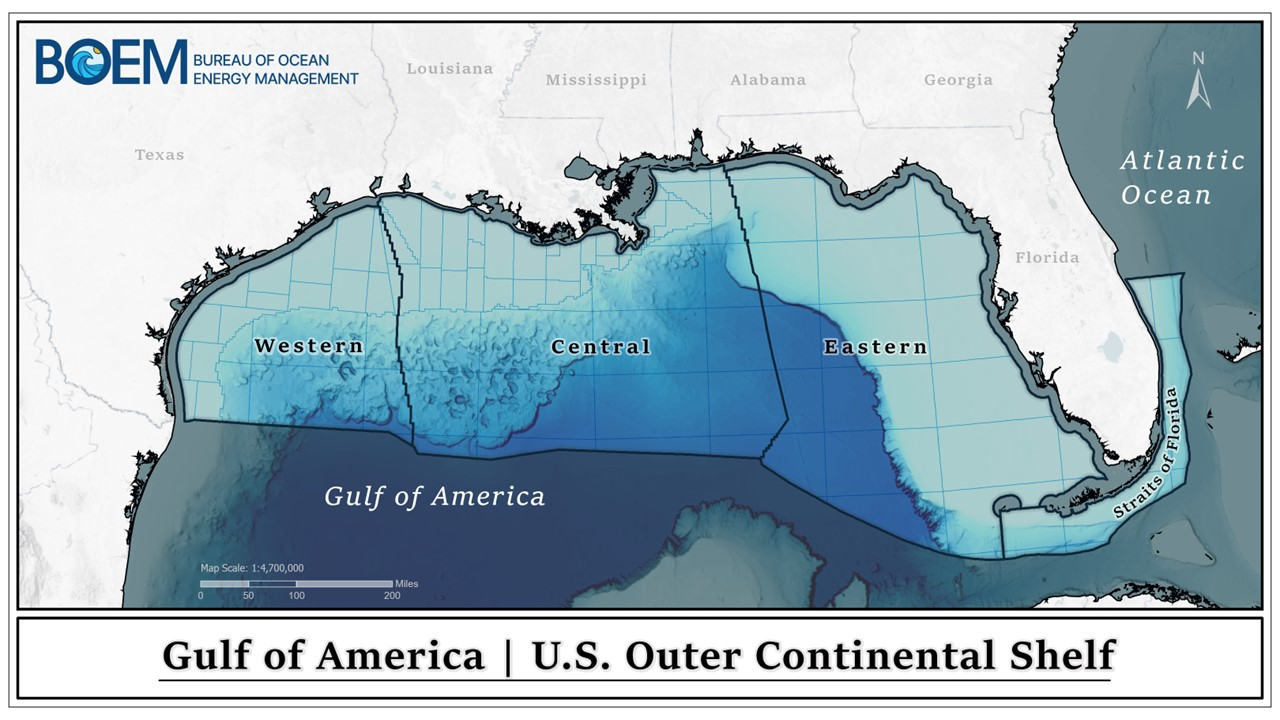
“The Bureau of Ocean Energy Management’s analysis reveals an additional 1.30 billion barrels of oil equivalent since 2021, bringing the total reserve estimate to 7.04 billion barrels of oil equivalent. This includes 5.77 billion barrels of oil and 7.15 trillion cubic feet of natural gas—a 22.6% increase in remaining recoverable reserves.”
| Year | Number of fields | Original Reserves | Historical Cumulative Production | Reserves | ||||||
|---|---|---|---|---|---|---|---|---|---|---|
| Oil Bbbl | Gas Tcf | BOE Bbbl | Oil Bbbl | Gas Tcf | BOE Bbbl | Oil Bbbl | Gas Tcf | BOE Bbbl | ||
| 1975 | 255 | 6.61 | 59.9 | 17.3 | 3.82 | 27.2 | 8.66 | 2.79 | 32.7 | 8.61 |
| 1980 | 435 | 8.04 | 88.9 | 23.9 | 4.99 | 48.7 | 13.66 | 3.05 | 40.2 | 10.20 |
| 1985 | 575 | 10.63 | 116.7 | 31.4 | 6.58 | 71.1 | 19.23 | 4.05 | 45.6 | 12.16 |
| 1990 | 782 | 10.64 | 129.9 | 33.8 | 8.11 | 93.8 | 24.80 | 2.53 | 36.1 | 8.95 |
| 1995 | 899 | 12.01 | 144.9 | 37.8 | 9.68 | 117.4 | 30.57 | 2.33 | 27.5 | 7.22 |
| 2000 | 1,050 | 14.93 | 167.3 | 44.7 | 11.93 | 142.7 | 37.32 | 3.00 | 24.6 | 7.38 |
| 2005 | 1,196 | 19.80 | 181.8 | 52.2 | 14.61 | 163.9 | 43.77 | 5.19 | 17.9 | 8.38 |
| 2010 | 1,282 | 21.50 | 191.1 | 55.5 | 17.11 | 179.3 | 49.01 | 4.39 | 11.8 | 6.49 |
| 2015 | 1,312 | 23.06 | 193.8 | 57.6 | 19.58 | 186.5 | 52.78 | 3.48 | 7.3 | 4.78 |
| 2016 | 1,315 | 23.73 | 194.6 | 58.4 | 20.16 | 187.5 | 53.58 | 3.57 | 6.8 | 4.79 |
| 2017 | 1,319 | 24.65 | 195.2 | 59.7 | 20.78 | 188.9 | 54.21 | 3.87 | 6.3 | 5.00 |
| 2018 | 1,319 | 24.86 | 195.5 | 59.7 | 21.42 | 189.8 | 55.21 | 3.44 | 5.7 | 4.45 |
| 2019 | 1,325 | 26.77 | 197.0 | 61.8 | 22.12 | 190.9 | 56.09 | 4.65 | 6.1 | 5.74 |
| 2023 | 1,336 | 30.43 | 201.2 | 66.2 | 24.66 | 194.0 | 59.19 | 5.77 | 7.2 | 7.04 |
This increase in reserves will not please those responsible for the current 5 Year Oil and Gas Leasing Plan. They told us that we don’t need more OCS lease sales and that our biggest concern is producing too much oil and gas for too long!
The long-term nature of OCS oil and gas development, such that production on a lease may not begin for a decade or more after lease issuance and can continue for decades, makes consideration of net-zero pathways relevant to the Secretary’s determinations on how the National OCS Program best meets the Nation’s energy needs.“
Energy experts like Dan Yergin and Vicki Hollub have a much different view. Per Hollub:
“Crude reserves are being found and developed at a much slower pace than they’ve been in the past. Specifically, she said the world has only newly identified less than half the amount of crude it’s consumed over the course of the past 10 years. Given the current trends, this means demand will exceed supply before the end of 2025.“
A bit off-topic, but Jeff Walker, a former colleague and the MMS Regional Supervisor in Alaska, had the best quip about reserve numbers. In explaining an operator’s revised reserve numbers for a producing unit which had leases with different royalty rates, Jeff noted that “oil always migrates to the lower royalty leases.”😉
Posted in energy policy, Gulf of Mexico, Offshore Energy - General | Tagged 5 year leasing plan, BOEM, Dan Yergin, Gulf of America, oil and gas reserves, Vicki Hollub | Leave a Comment »

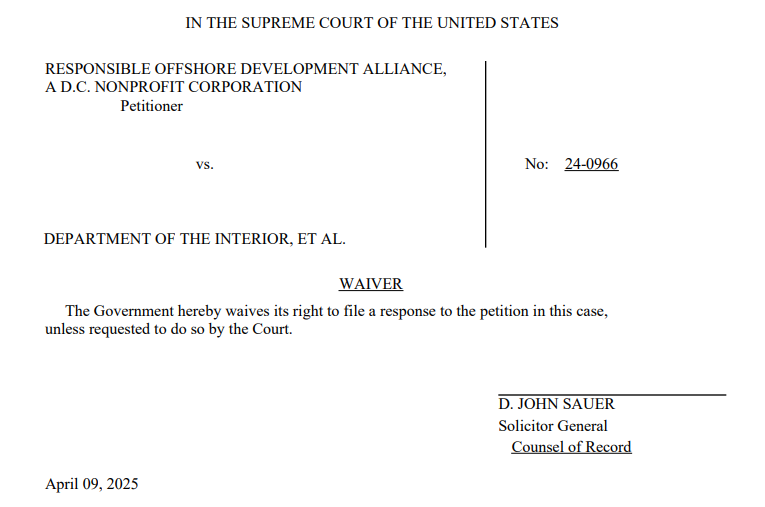
Given that the SCOTUS declined to hear a Vineyard Wind challenge by the Nantucket-based ACK for Whales group, the odds of the new challenges being heard would seem to be low. However, it’s noteworthy that both Vineyard Wind and the Federal Government have waived their right to respond to these petitions. The Government’s waiver to respond to the RODA petition is pasted below.
Posted in energy policy, Offshore Wind, Regulation | Tagged RODA, SCOTUS petitions, Seafreeze Shoreside, US Dept. of the Interior, Vineyard Wind | Leave a Comment »
Analysis by Jonathan A. Lesser:
“Of all commercial renewable generation technologies, offshore wind is the costliest, far more so than solar photovoltaics and onshore wind. The newest incarnation of offshore wind—floating turbines that can be sited in deep water—are more expensive still. Although offshore wind is supposed to benefit from more prevalent ocean breezes, it remains, like land-based wind and solar power, an intermittent source of electricity. Hence, as offshore wind comprises a larger share of total electricity capacity, it requires ever more backup generation or storage to compensate.”
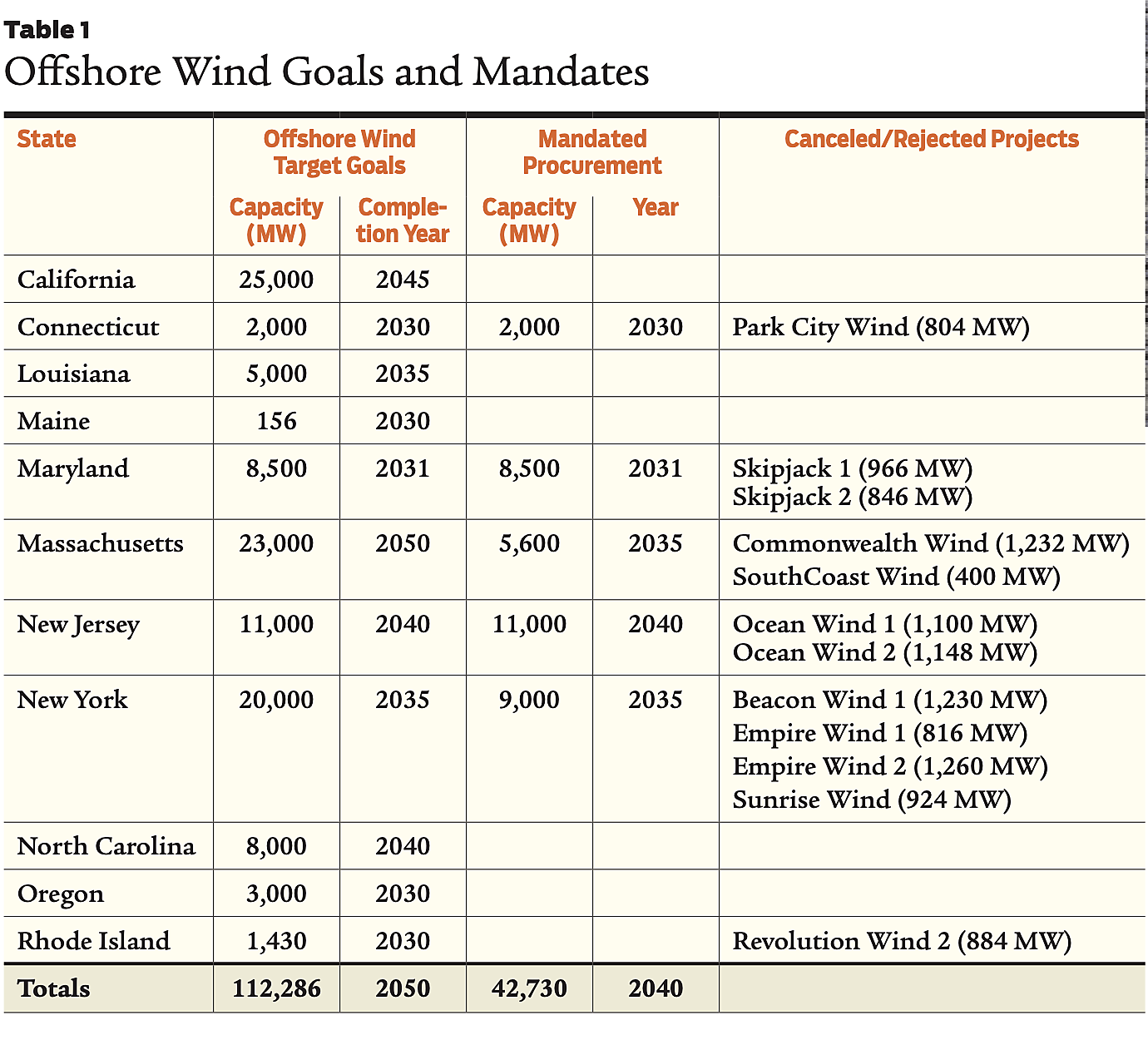
“Offshore wind’s high cost and intermittency raise a simple question: Why have renewable energy advocates and policymakers in many Atlantic Coast states, as well as those on the West Coast, placed such emphasis on this technology? One justification, like all forms of renewable energy, is that offshore wind will reduce U.S. greenhouse gas emissions. Whether that is true remains an open, empirical question. Offshore wind’s high costs, which require substantial—and increasing—taxpayer and ratepayer subsidies, will raise electricity rates and reduce electricity consumption. Even offshore wind manufacturers such as German-based Siemens Energy admit this. By itself, reduced electricity consumption may reduce greenhouse gas emissions slightly, as will offshore wind replacing lower-cost natural-gas-fired generation. However, any such reductions will be so small as to have no measurable effect on climate.“
Posted in climate, energy policy, Offshore Wind | Tagged Atlantic States, Cato, false promise, Lessner, offshore wind economics, wind mandates | Leave a Comment »
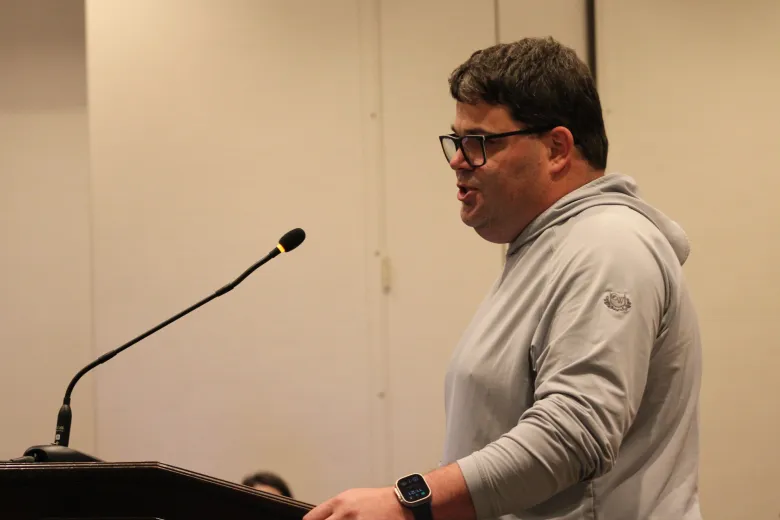
Yesterday, the California Coastal Commission voted 8-3 to fine Sable Offshore $18,022,500 for performing pipeline repairs necessary to minimize operating risks and comply with the FIre Marshall’s requirements.
In the minds of at least some commissioners, Santa Barbara County, which reached agreement with Sable on pipeline repairs, is also a villain in this matter. Per Commissioner Harmon:
“We have not gotten a foothold with Sable, and we’ve not gotten a foothold with Santa Barbara County either. So, we are where we are, and because of this absolute failure of communication and Sable’s, to be frank, absolute failure to follow the law, this hearing has become necessary,” Harmon said.
We’ll see how this gets sorted out in the courts. Sable appears to have a strong case against the Commission, but litigation in California courts is not exactly ideal for oil companies.
Posted in California, energy policy, Offshore Energy - General, Regulation | Tagged $18 million fine, California Coastal Commission, Fire Marshall, Sable Offshore, Santa Barbara County | Leave a Comment »
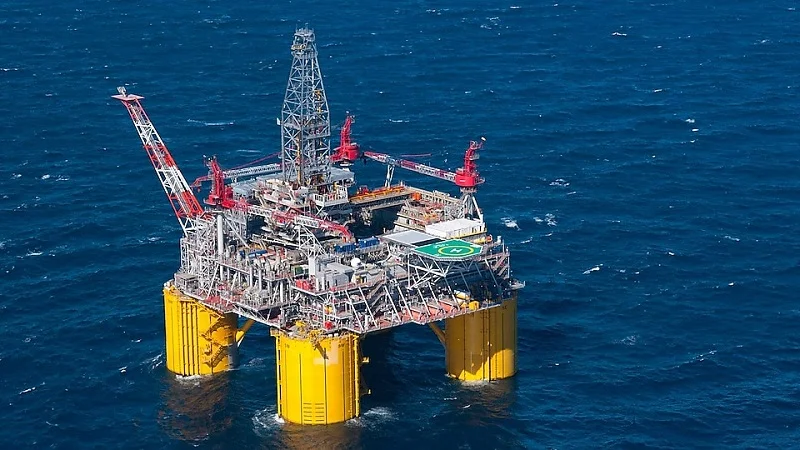
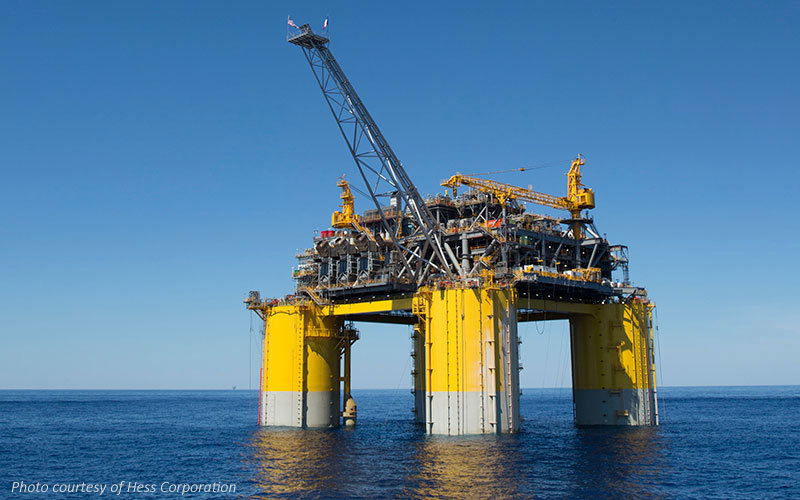
China National Offshore Oil Corp. (CNOOC) has surrendered its 21% interest in the Appomattox (Mississippi Canyon 391, 392, and 393) project and its 25% stake in Stampede (Green Canyon 468, 511, and 512). Those ownership positions were acquired in CNOOC’s takeover of Calgary-based Nexen in 2013.
CNOOC had been quite positive about the prospects for Appomattox and Stampede, which are producing at higher than expected rates. However, because of sanctions concerns, an exit from operations in the US, Canada, and the UK had been under consideration for at least 2 years.
CNOOC’s shares of Appomattox and Stampede were acquired by INEOS Energy, a UK company.
The transaction is also discussed in CNOOC’s 2024 Annual Report (p.19).
Posted in Canada, energy policy, Gulf of Mexico, Offshore Energy - General, UK | Tagged Appomattox, CNOOC, Gulf of America, INEOS Energy, Stampede | Leave a Comment »
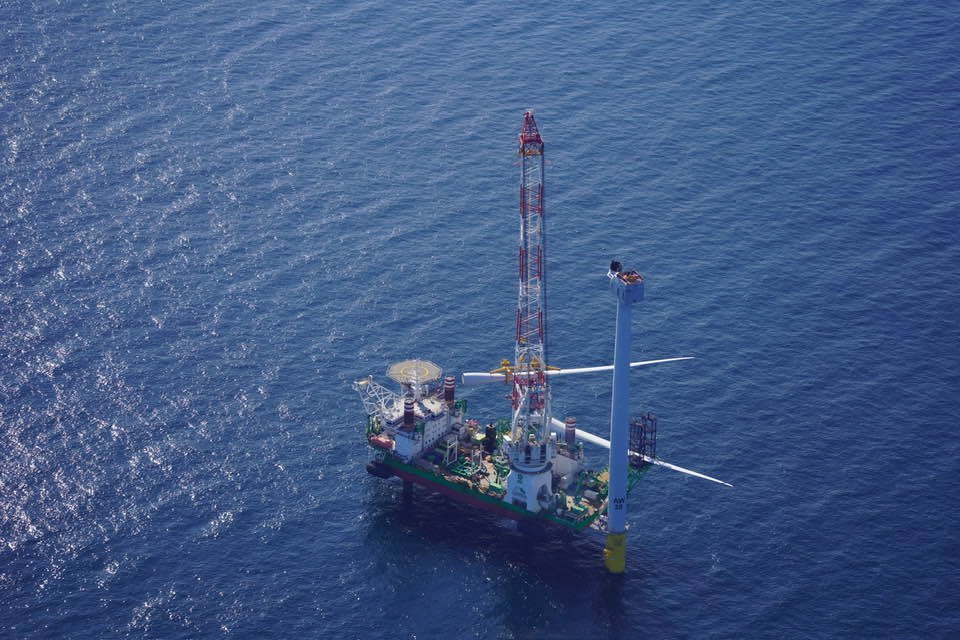
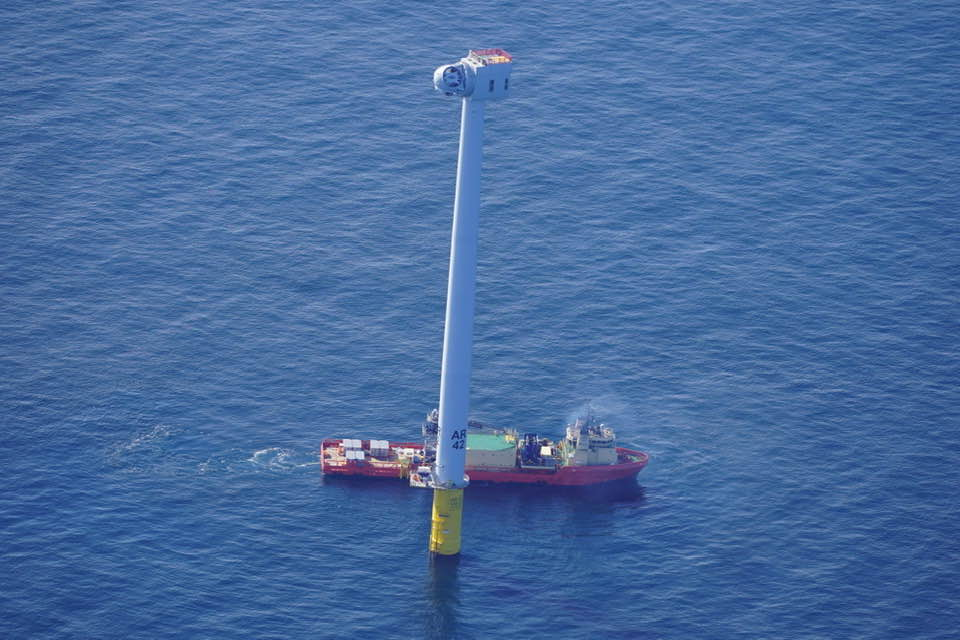
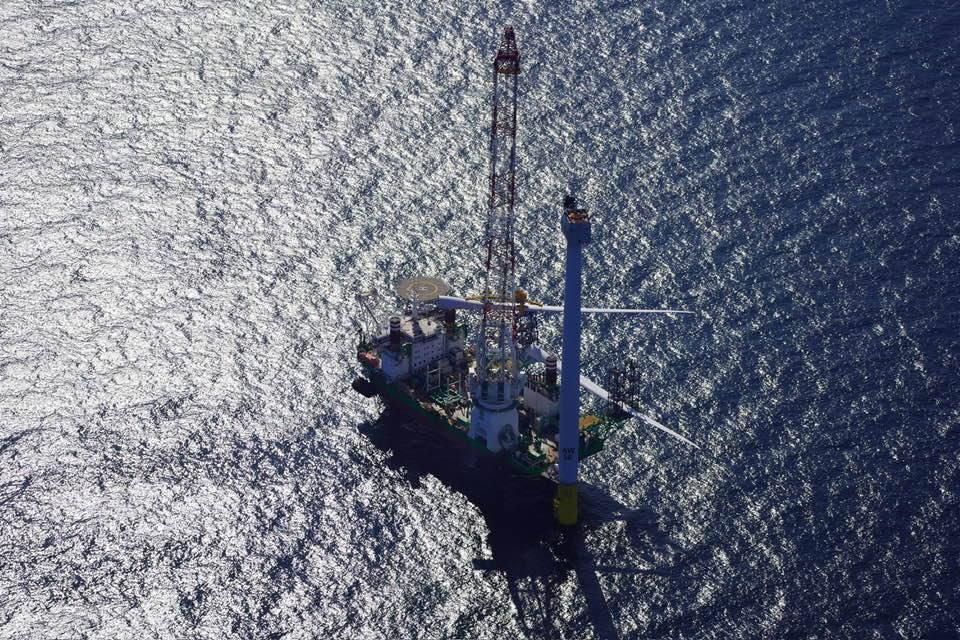
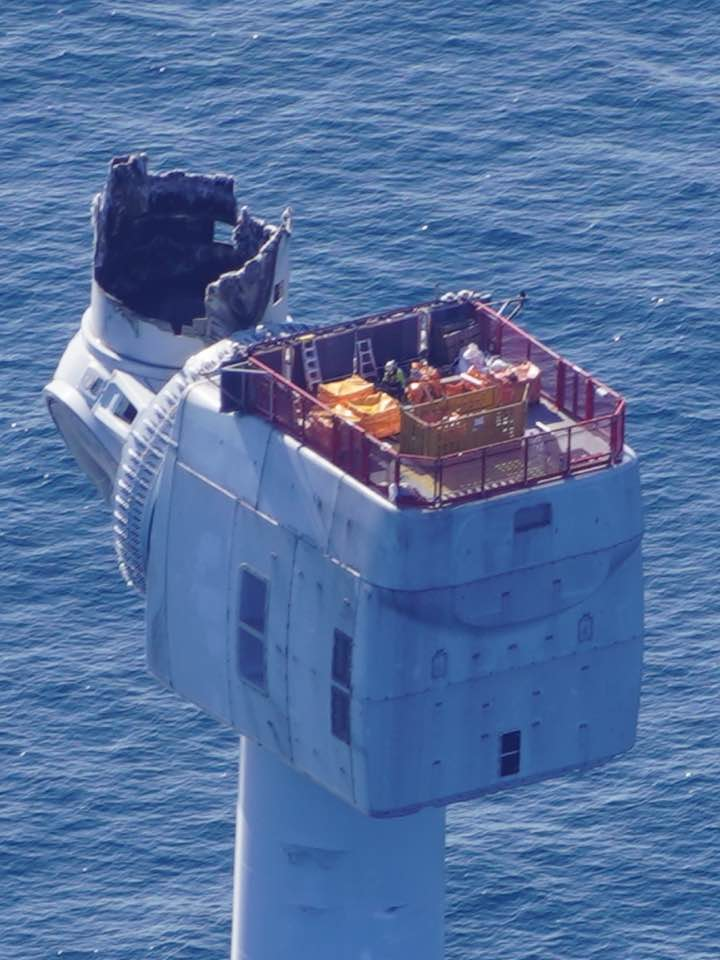
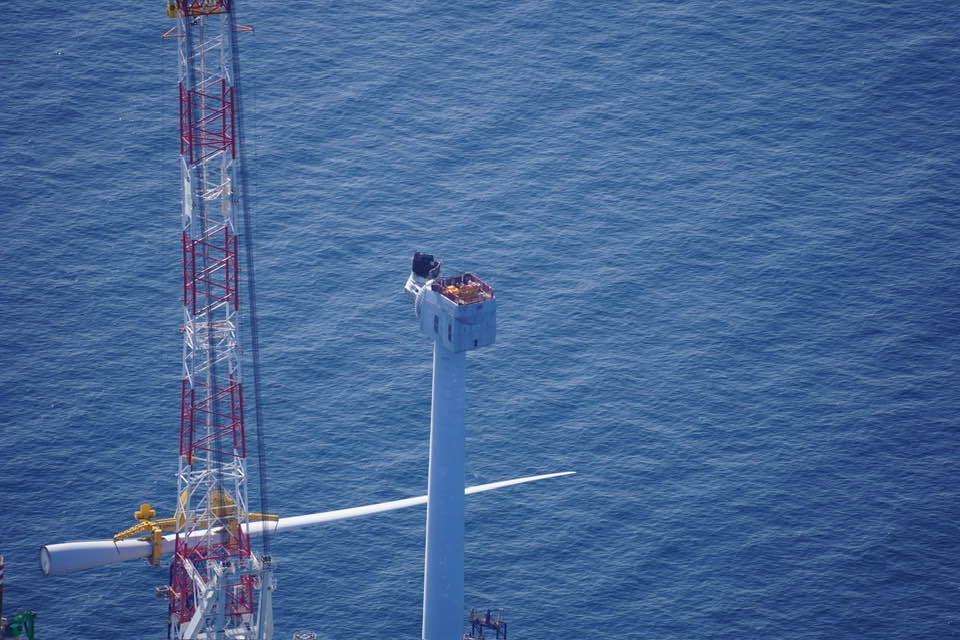
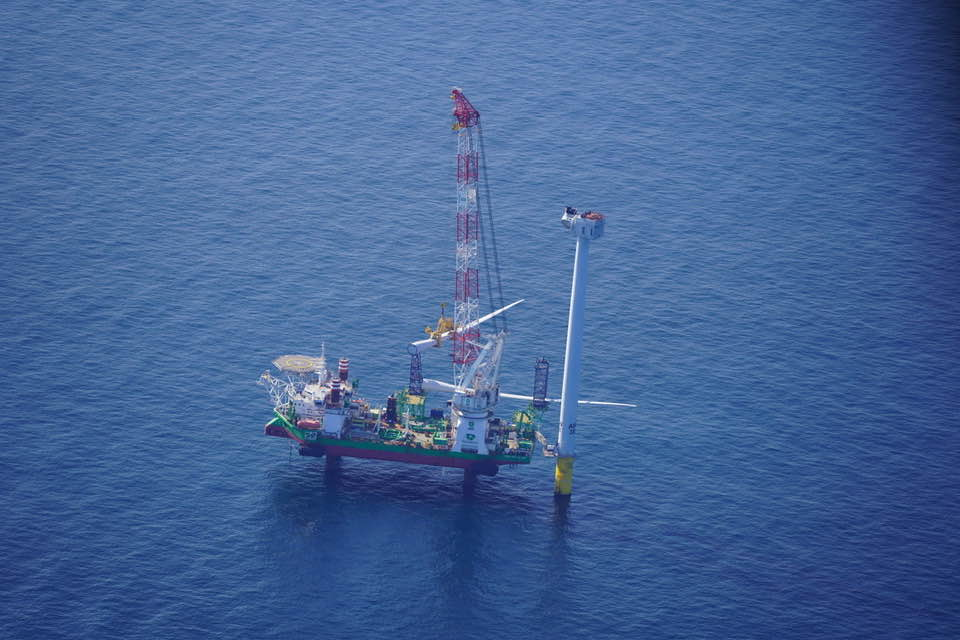
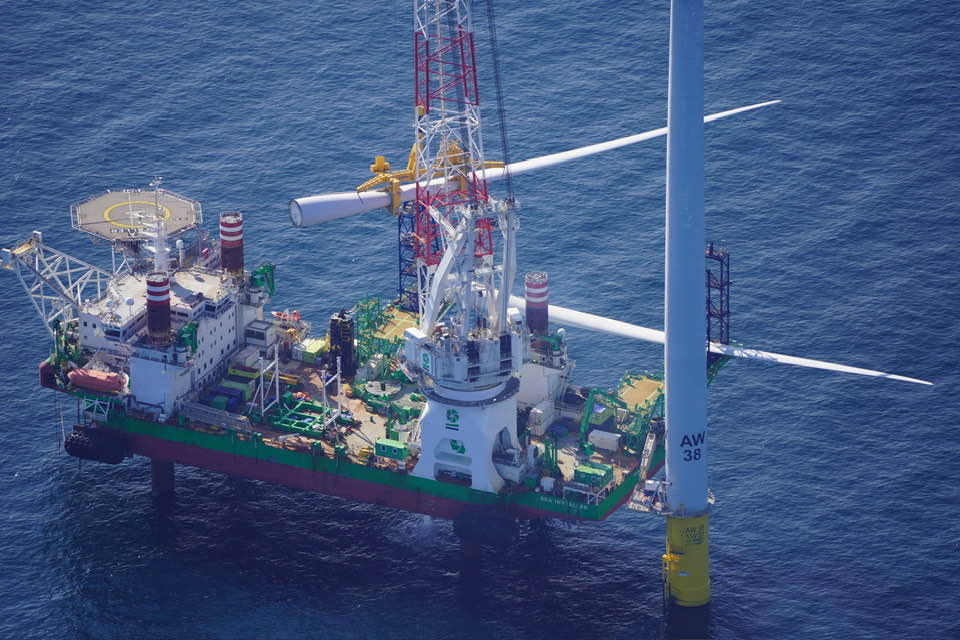
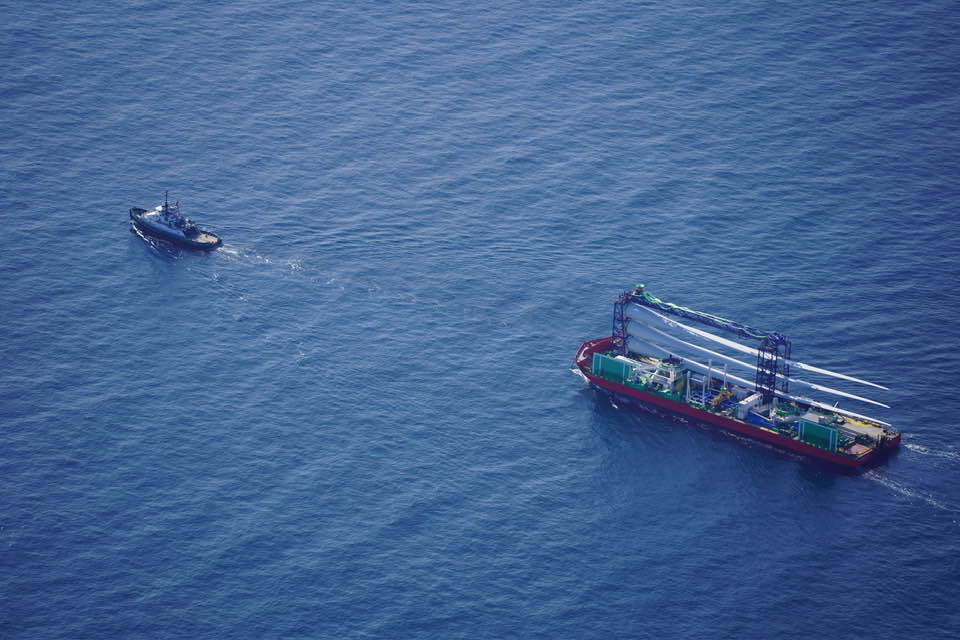
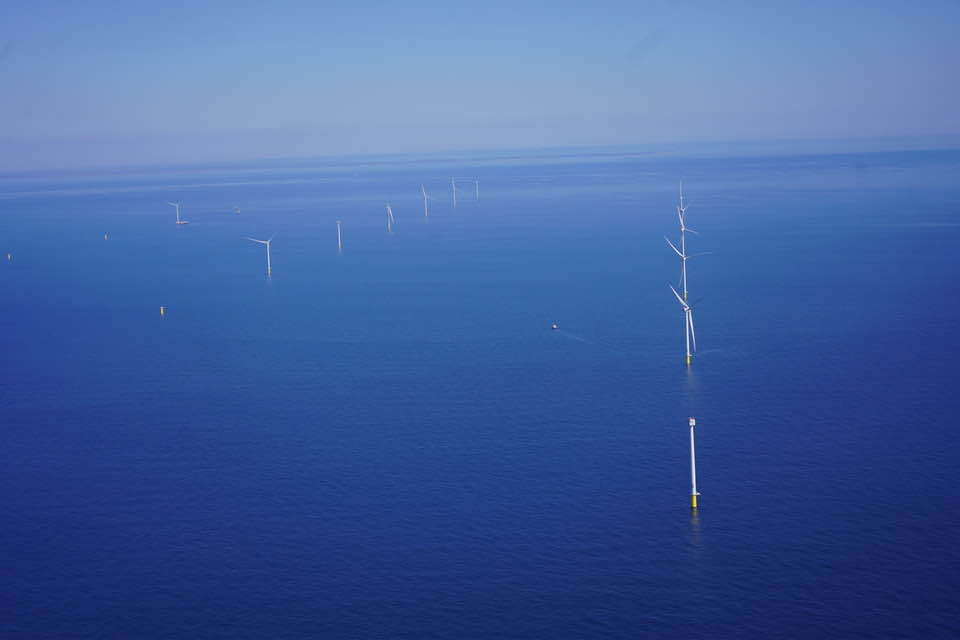
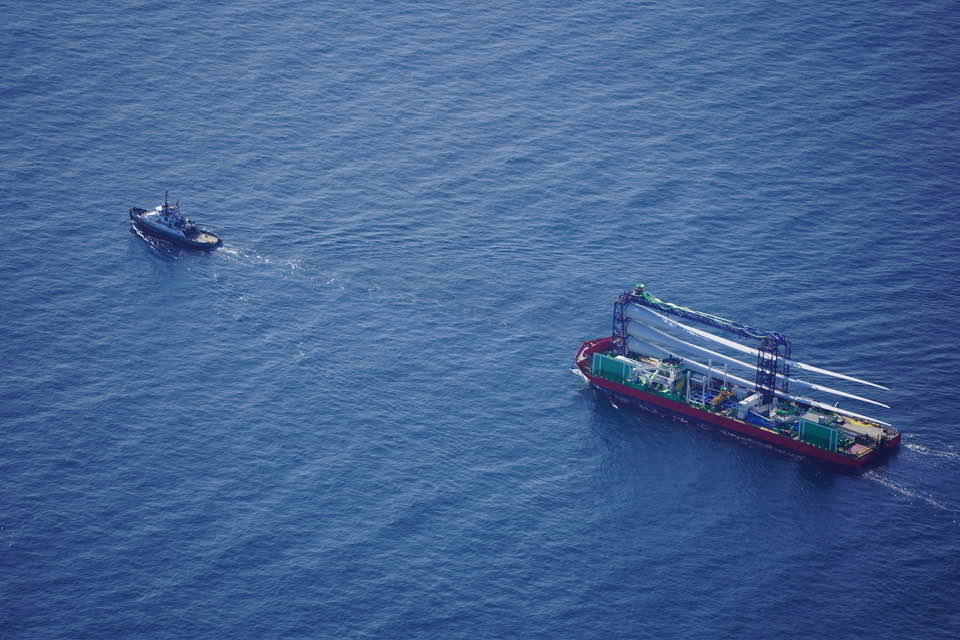
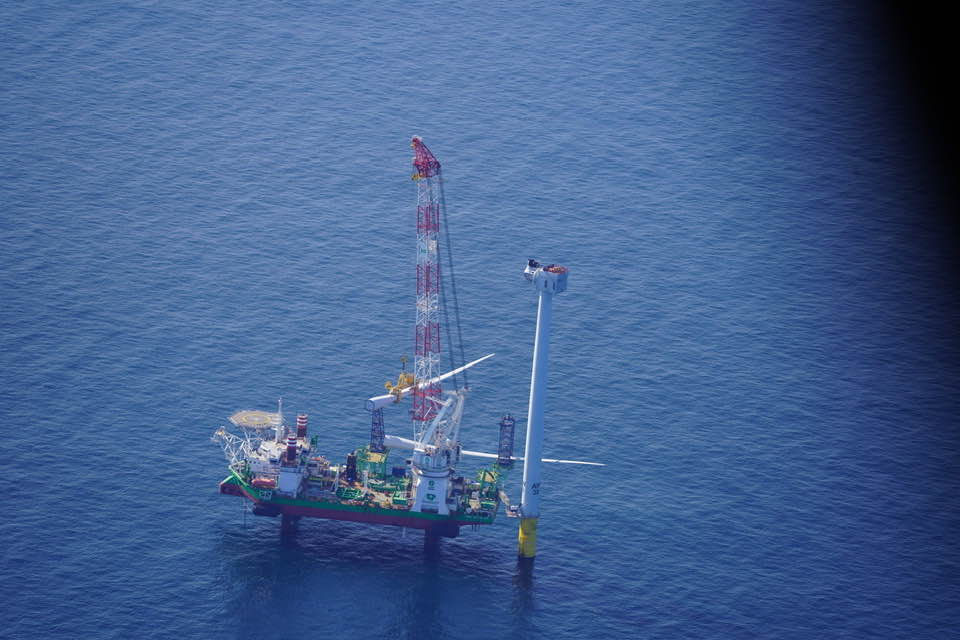
Below are interesting pictures of Vineyard Wind’s repair and installation activity taken today by Nantucket pilot Doug Lindley. He commented that only of the turbines was spinning.
Note the lightning damage to the turbine with the failed blade. The lightning protection system was not operational on that turbine.
Also note the vessel transporting replacement blades.
It’s a bit difficult to rationalize all of this, but the Administration of Massachusetts Governor Maura Healey sees these projects as being critical to the Commonwealth’s energy future.
In December 2023, the Governor ordered a transition away from natural gas and set a goal of making Massachusetts carbon-neutral by 2050. As a candidate for governor in October 2022, then-Attorney General Maura Healey bragged, “Remember, I stopped two gas pipelines from coming into this state.“ This in a State where half of the households are heated with natural gas.
Posted in accidents, energy policy, Offshore Wind | Tagged blade failure, lightning protection, natural gas pipelines, repair work, Vineyard Wind | Leave a Comment »
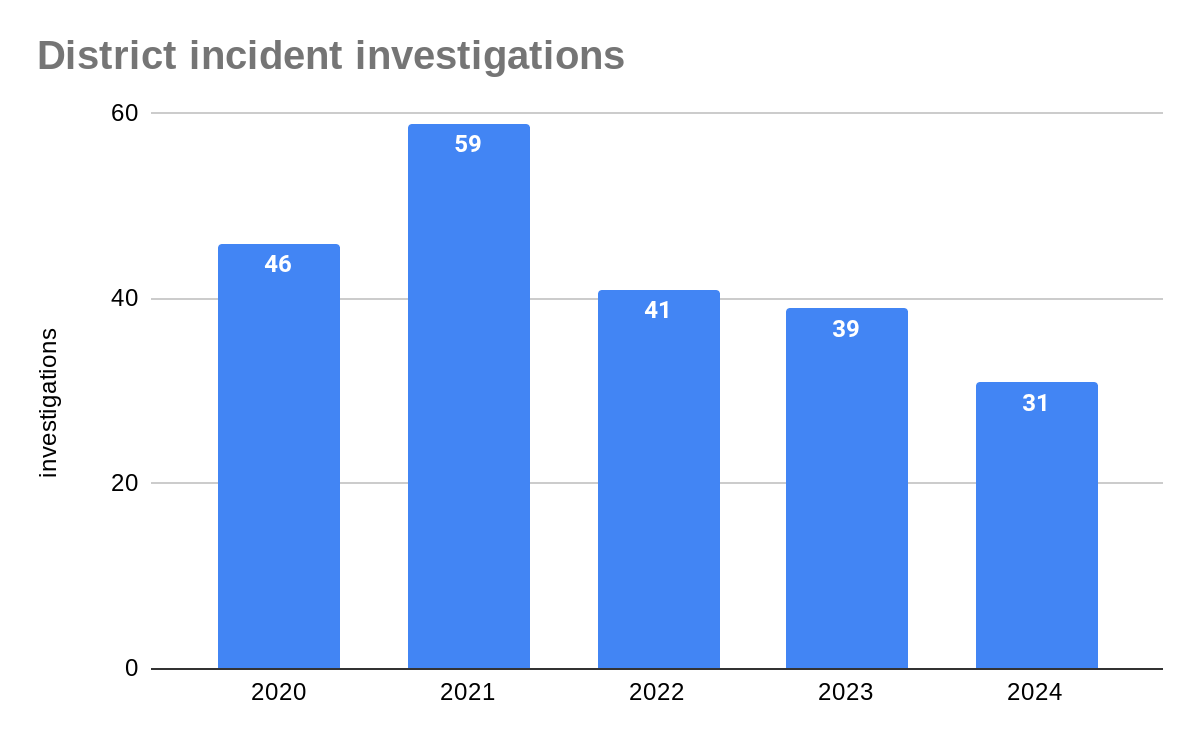
BSEE incident investigations are another window into OCS safety performance.
Panel reports are published for the most significant OCS incidents (e.g. fatalities, serious injuries, significant pollution). Unfortunately, these reports have been unacceptably delayed in recent years. Status reports are not provided leaving the public in the dark as to what is being investigated and why.
The more common investigations, conducted by BSEE’s district offices, are timely and informative. The Districts typically investigate lost time (>72 hours) injuries, crane and lifting equipment incidents, small fires, pollution events, property damage > $25k, gas releases, and other incidents requiring workers to muster for possible evacuation.
The number of District investigations in 2024 declined significantly to 31, one-third fewer than the average of 46.25 for the past 4 years.
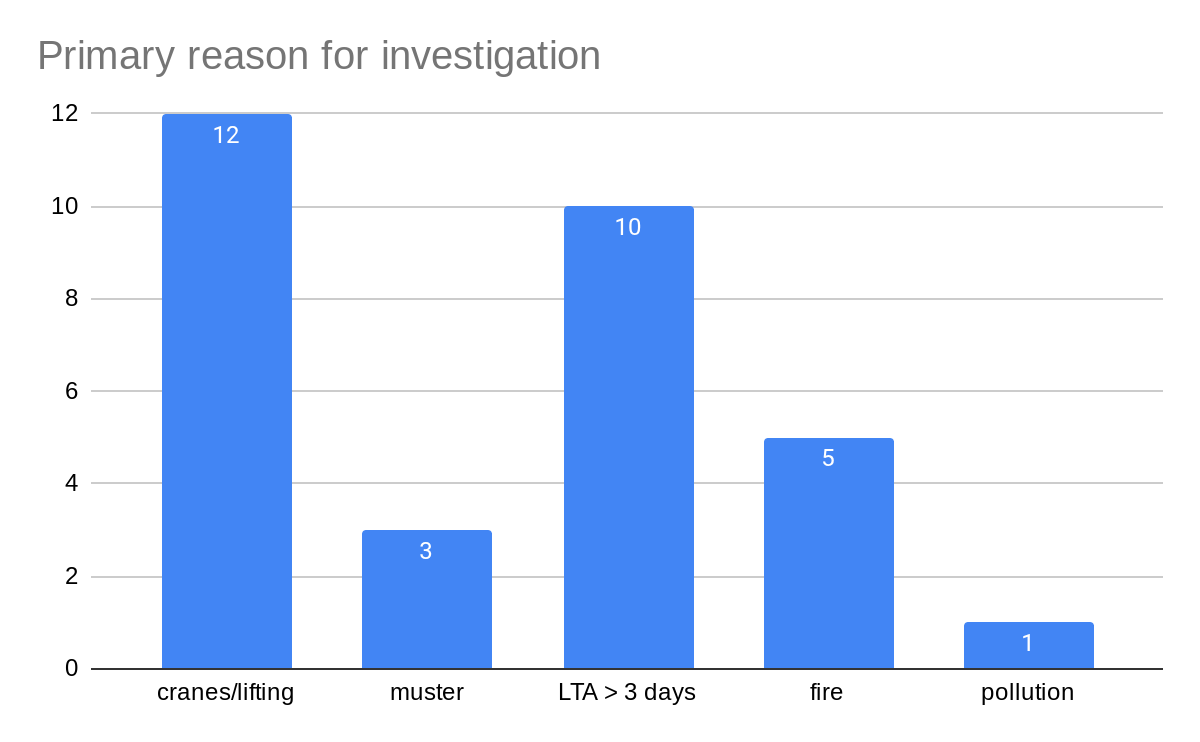
Violations were not identified for 2/3 of the incidents.
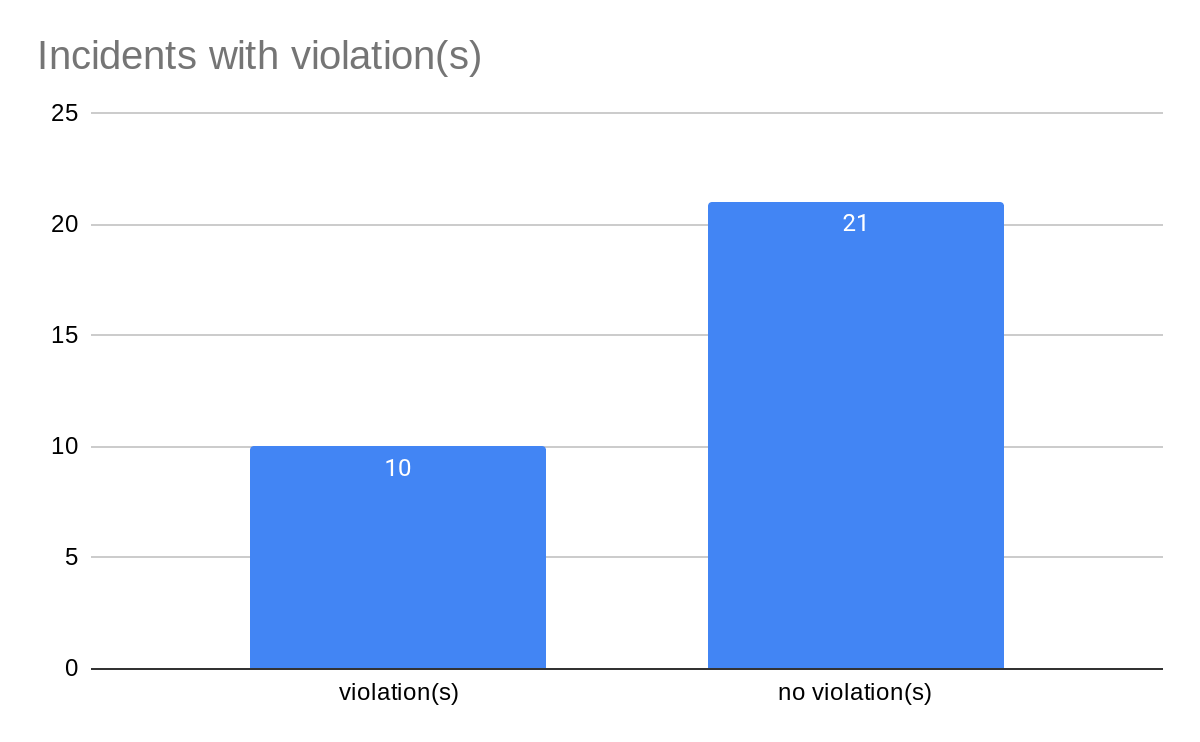
A complete list of the 2024 District investigations follows. Hyperlinks are provided for those who want to review the reports.
| Date | Operator | Time | Violation(s) | Area/Block | Accident Type |
| 12-25-2024 | bp | 1330 | no | GC 584 | lifting, LTA |
| 11-24-2024 | Anadarko | 1710 | no | VK 915 | Muster, gas release |
| 11-15-2024 | Anadarko | 837 | no | GB 668 | Muster |
| 11-10-2024 | Murphy | 145 | no | GC 432 | LTA |
| 10-12-2024 | LLOG | 540 | yes | AC 337 | LTA – Lifting |
| 10-03-2024 | Shell | 900 | no | AC 857 | Fire, > $25K damage |
| 09-27-2024 | LLOG | 200 | no | AC 337 | LTA, Crane |
| 09-21-2024 | Talos | 1630 | no | SM 160 | LTA |
| 08-11-2024 | Gulf Offshore | 1910 | yes | VR 170 | Fire, Explosion, >$25k, Muster, LTA |
| 07-20-2024 | Talos | 2200 | no | SS 224D | LTA |
| 07-11-2024 | Manta Ray | 730 | no | HI A 5 | LTA |
| 07-08-2024 | Cantium | 1908 | yes | ST 23CC | Lifting |
| 06-05-2024 | Kosmos | 1538 | no | MC 727 | Muster, > $25K |
| 05-31-2024 | MC Offshore | 100 | yes | GC 52 | Crane, > $25K |
| 05-02-2024 | Murphy | 1620 | no | GC 478 | Crane; > $25K |
| 04-24-2024 | Murphy | 815 | no | GC 389 | LTA |
| 04-04-2024 | Renaissance | 2230 | yes | VR 369 A | LTA |
| 03-28-2024 | BOE | 2200 | yes | WR 51 | LTA |
| 03-20-2024 | Talos | 700 | yes | GB 506 | LTA |
| 03-19-2024 | Chevron | 1330 | no | MC 607 | Lifting, <$25k |
| 03-13-2024 | Walter | 2010 | no | SS 189 | Crane |
| 03-07-2024 | LLOG | 1500 | yes | KC 785 | LTA, lifting |
| 03-05-2024 | Shell | 415 | yes | MC 391 | Pollution, >$25k |
| 02-25-2024 | Talos | 930 | yes | SM 130 B | Crane,> $25K |
| 02-21-2024 | W&T | 1319 | no | HI A 379B | Fire |
| 02-16-2024 | Chevron | 1335 | no | WR 29 | LTA, Crane |
| 02-13-2024 | Shell | 2035 | no | MC 899 | LTA |
| 02-07-2024 | Williams | 855 | no | GA A 244JP | LTA |
| 01-29-2024 | Cantium | 1900 | no | ST 23 CC | Fire,>$25K |
| 01-18-2024 | Murphy | 1303 | no | GC 478 | Lifting, > $25k |
| 01-16-2024 | Arena | 252 | no | SM 128 B | Fire, > $25K |
Posted in accidents, Gulf of Mexico, Offshore Energy - General, Regulation | Tagged cranes, district investigations, fires, Gulf of America, injuries, OCS incidents, panel reports, safety performance | Leave a Comment »
 Bud's Offshore Energy (BOE)