Feeds:
Posts
Comments
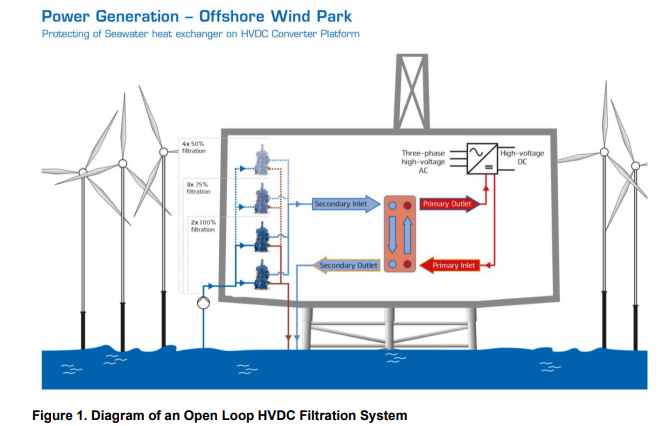
BOEM paper on High Voltage Direct Current cooling systems

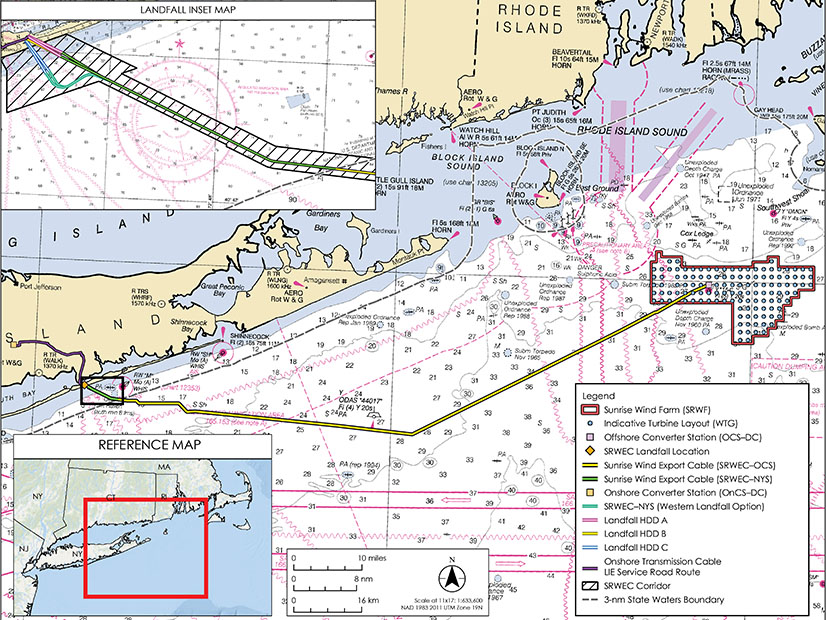
Protect Our Coast NJ submitted a petition (attached) on May 12, 2025 requesting EPA to withdraw a permit that would allow the Sunrise Wind to use an open loop cooling system. The gist of the filing:

Sunrise Wind has obtained an EPA permit to pull nearly 8 million gallons per day (MGD) of seawater from the Atlantic Ocean and discharge it, after use in cooling and mixture with sodium hypochlorite (chlorine), back into the environment at elevated temperatures. This open-loop system was authorized by EPA Region 1 under NPDES Permit MA0004940. However, approval of this method ignores EPA’s Best Technology Available (BTA) requirement and no rigorous alternatives analysis was conducted to justify this method over a closed-cycle cooling system, despite the known and broad negative environmental impacts that will result, including harms to early life stages of marine species.
The facility lies within a biologically rich and economically vital region of southern New England and the New York Bight. NMFS and BOEM have acknowledged this area as essential fish habitat (EFH) for numerous federally managed species, including Atlantic cod, winter flounder, and longfin squid.

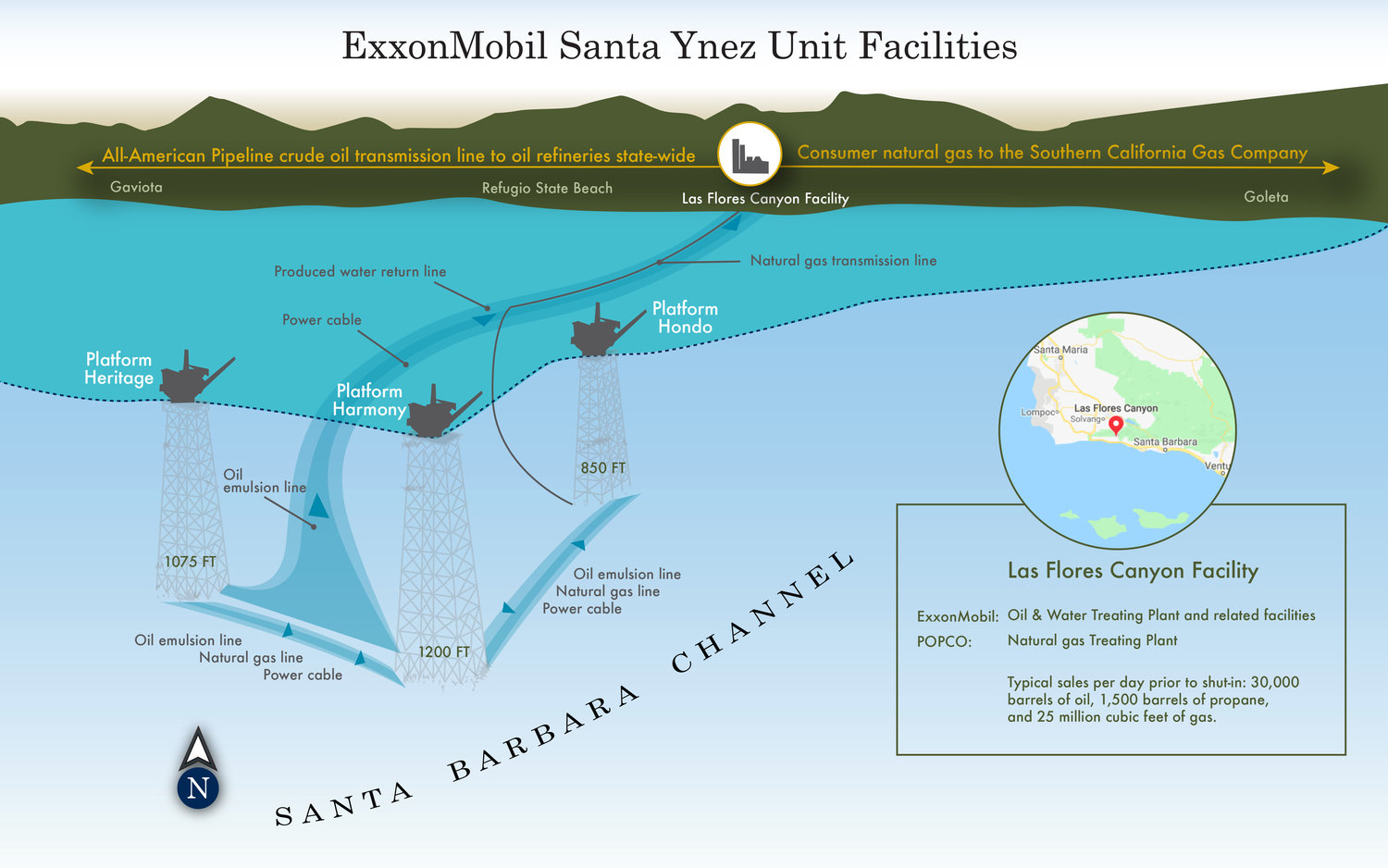
John Smith reports that Sable has cleared another significant hurdle in its attempt to restart production in the Santa Ynez Unit. The California DEPARTMENT OF PARKS AND RECREATION has determined that no permit is required for the pipeline anomaly digs in Gaviota State Park (see attached).

The reasons for the exemption are that the project consists of repairs to an existing facility with no expansion of use, and the footprint of the pipeline remains the same.

Maybe the SYU restart is not Mission Impossible after all.

Our Scottish contributor, JL Daeschler, brought this brilliant Sunday Times piece by Gillian Blowditch (pictured) to my attention. A few excerpts follow, but I recommend that you read the entire column.

“I’m writing this column from Applecross in the Scottish Highlands, where the view from the window is of the Cuillins. These immutable behemoths squat beneath an expanse of sky in which the light is invariably diffuse. It never gets old.” (I second that emotion!)

“Renewables are a vital part of our energy mix, but they require gas-fired back-ups. Yet, instead of tapping into our North Sea reserves, we’re committed to importing foreign gas. It’s not just an issue around energy security and cost, it affects our trade deficit and competitiveness against countries using cheaper, home-grown supplies. It increases our dependence on foreign supply chains.”

Meanwhile, we risk losing the valuable skills and expertise we have built up over 50 years of North Sea exploration. We are all paying the price for this obsession through higher energy bills and job losses.”

It is difficult to imagine a world in which it makes sense to import oil and gas but not produce it, while forcing our skilled workforce to work offshore in far flung corners of the globe, especially when we are importing from Norway, which is extracting oil and gas from the same seabed for which we are refusing to grant licences.”

According to a Survation poll commissioned by the Aberdeen & Grampian Chamber of Commerce and published last week, 68 per cent of voters want the country’s demand for oil and gas to be produced domestically, rather than imported.”

We all want to protect our environment and Scotland, with its vast natural resources and expertise in energy, should be leading the way. Instead, we have squandered an opportunity in favour of a facile show of moral posturing.”

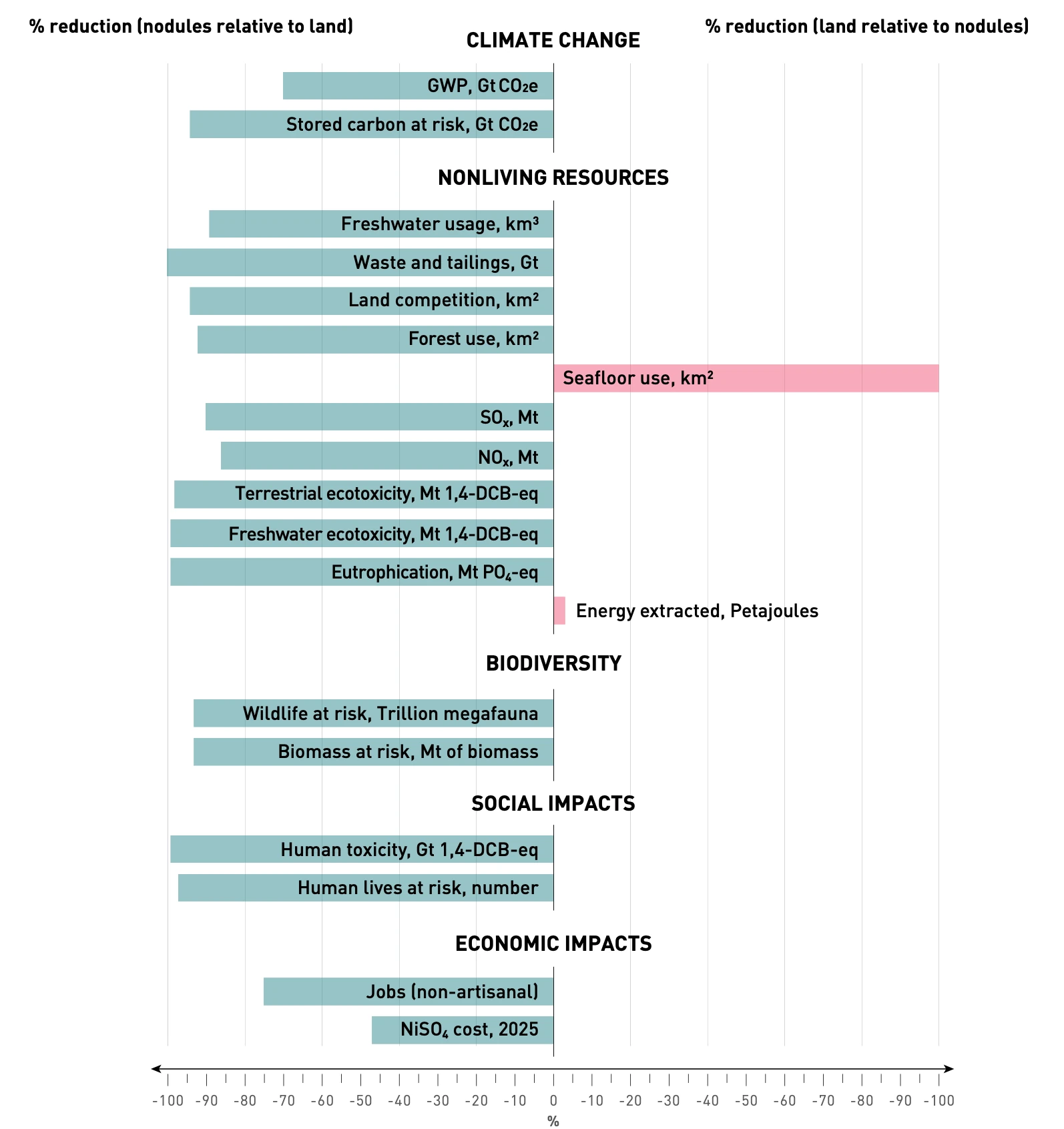
One nodule contains high grades of four key metals, meaning that four times less ore needs to be processed to obtain the same amount of metal. Nodules also contain no toxic levels of heavy elements, and the entirety of a nodule can be used, making near-zero-solid-waste production possible. Because nodules sit unattached on top of the seafloor, they will not require drilling or blasting for retrieval.

It’s time to move ahead with deep sea mining in both international and US territorial waters. As we did for frontier exploratory oil and gas drilling in Alaska and the Atlantic, I recommend comprehensive oversight including full time onboard inspectors during the initial operations and a carefully designed environmental monitoring program.

This deep sea mining commentary by Mars Lewis was brought to my attention by John Smith. Good read:

🇺🇸🚢 ⛏️ We’re witnessing a wave of glorified pseudoscience and fantasy activism around the ocean floor—this idea that the deep sea is some mystical sanctuary of life and that any attempt to extract resources from it is an unforgivable sin against Gaia. Spare me.

The bottom of the ocean is not the Garden of Eden. It’s a black, silent, high-pressure wasteland—largely lifeless, uninhabitable, and filled with the very minerals we need to break free from Chinese supply chain domination. You want a clean energy future? Then stop whining about the only scalable path to get there.

China has already begun strip-mining the ocean floor without asking for your permission. They don’t care about the blobfish or the bacteria colonies around volcanic vents. They care about winning. And every time we moralize ourselves into inaction, we gift them another geopolitical advantage wrapped in Western guilt.

Let’s cut the delusion. There is no future where America stays on top without securing its own critical minerals. Recycling won’t save us. Wind and solar need metals. Batteries need rare earths. Data centers need semiconductors. And semiconductors need the materials sitting at the bottom of the ocean.

You don’t get to demand green tech, reject land mining, block seabed access, and still pretend you’re “saving the planet.” That’s not leadership. That’s learned helplessness.

So yes, I support Trump’s executive action. Because someone has to make the grown-up decision. Either we lead this resource race with responsibility and strength—or we watch tyrants carve up the planet while we post crying-face emojis and argue about what’s sacred 10,000 feet below sea level.

Let the race for the bottom begin.
🇺🇸🚢 

Deep sea vs. land mining:

From a paper by Daina Paulikas and Dr. Steven Katona, with input from Erika Ilves, Dr. Greg Stone, Anthony O’Sullivan, and a review from Todd Cort and Cary Kroninsky at Yale. While the industry-funding introduces the potential for bias, it nonetheless provides a comprehensive and thorough comparison.
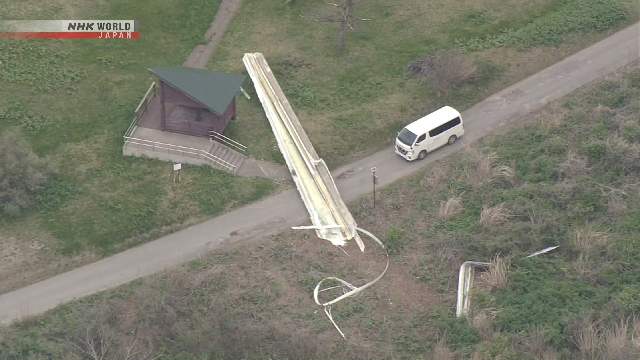
NHK World Japan photo

The man was found ~1m away from the fallen blade.

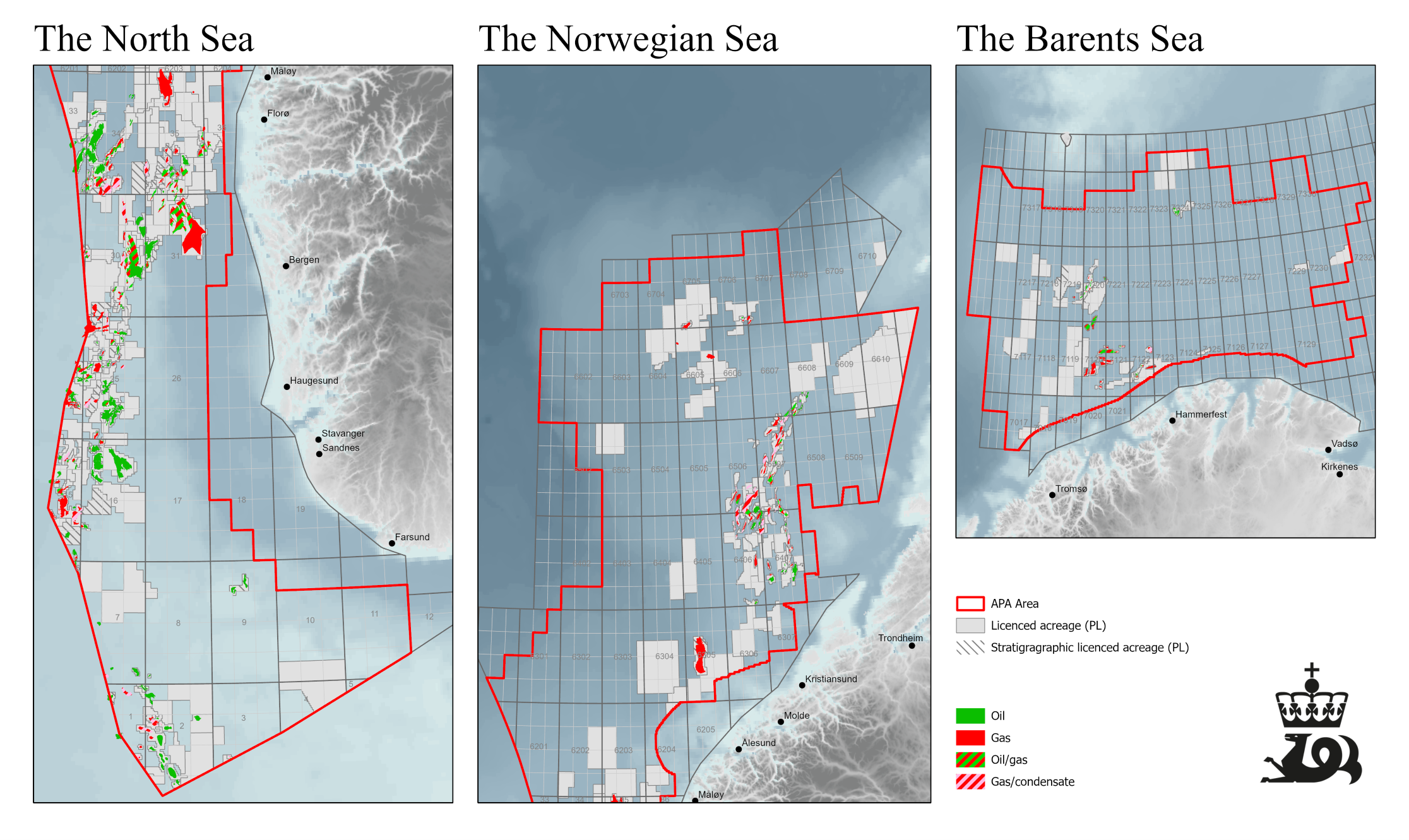
We will explore more, find more and extract more. Therefore, it is important to ensure that companies have stable access to exploration areas. Never before has a larger area been advertised in a licensing round. It is good for Norway and for Europe,” Energy Minister Terje Aasland said in a statement.

Further exploration and more discoveries are crucial to limiting the decline in production on the continental shelf after 2030. The expansion this year gives companies access to significant new acreage in the Barents Sea and we are thus even better positioned to clarify the resource base in the north,” added Aasland.

Comments:

  • This is a prudent policy decision that underscores Norway’s commitment to sustaining oil and gas production.
  • This should be good news for Equinor, which is 2/3 Norwegian govt owned and has made some ill-advised offshore wind investments.
  • Based on the Energy Minister’s quotes (above), one senses that Equinor’s wind investments, particularly those in the US, may not be fully aligned with Norwegian policy.
  • Is this a bit embarrassing for the UK, which has essentially been sanctioning its own offshore oil and gas industry? Only last week, Aasland met with his UK counterpart Ed Miliband and entered into a “green industrial partnership” (photo below).
from Upstream: NTB/SCANPIX photo
UK Energy Minister Ed Miliaband

By Richard Littlejohn with apologies to Bob Dylan 😉

“How many pits must a man close down

Before we run out of coke?

How many North Sea oil rigs must shut

Before the UK goes broke?

Yes, and how many windmills must the countryside take

Before it’s beyond a sick joke?

Disaster, my friend, is blowin’ in the wind

Disaster is blowin’ in the wind.

Yes, and how many more must be dumped on the dole

Before the worm starts to turn?

Yes, and how long will we go on importing foreign coal

As if we’ve got money to burn?

Yes, and how many times will the lights go out again

Before this madman will learn?

Disaster, my friend, is blowin’ in the wind

Disaster is blowin’ in the wind.

Yes, and how much higher will our gas bills have to go

So Miliband can play superhero?

Yes, and while the economy goes up in flames

Mister Ed fiddles madly like Nero,

Yes, and how many old folk will die from the cold

In futile pursuit of Net Zero?

Disaster, my friend, is blowin’ in the wind

Disaster is blowin’ in the wind.

And here is Miliband with his version (You can’t make this up! 😉):

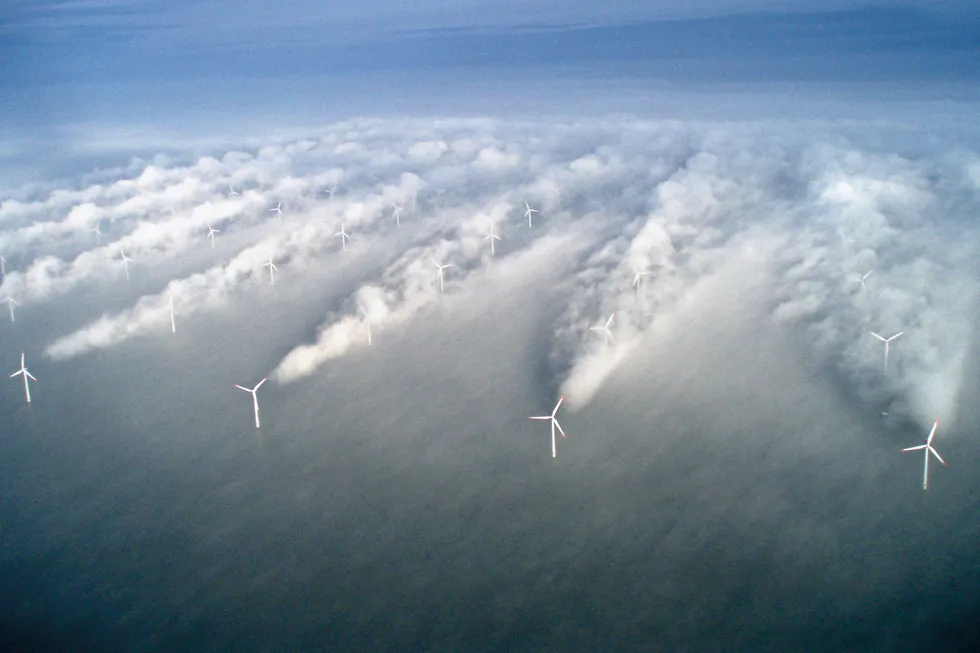
Orsted photo: wind wakes trailing turbines at Vattenfall’s Horns Rev wind farm offshore Denmark

A previous post on wind theft and a recent BBC article point to the rather limited understanding that wind developers and govt land managers have about wind resource management including optimal turbine spacing and protection of correlative rights. Wind is considered a renewable energy resource, but the energy lost through inefficient operating practices is not renewable.

Given that the wake effect can extend for more than 100 km, reduce downwind energy production by >10%, and affect biological productivity, a better understanding of this phenomenon should have preceded the installation of thousands of turbines.

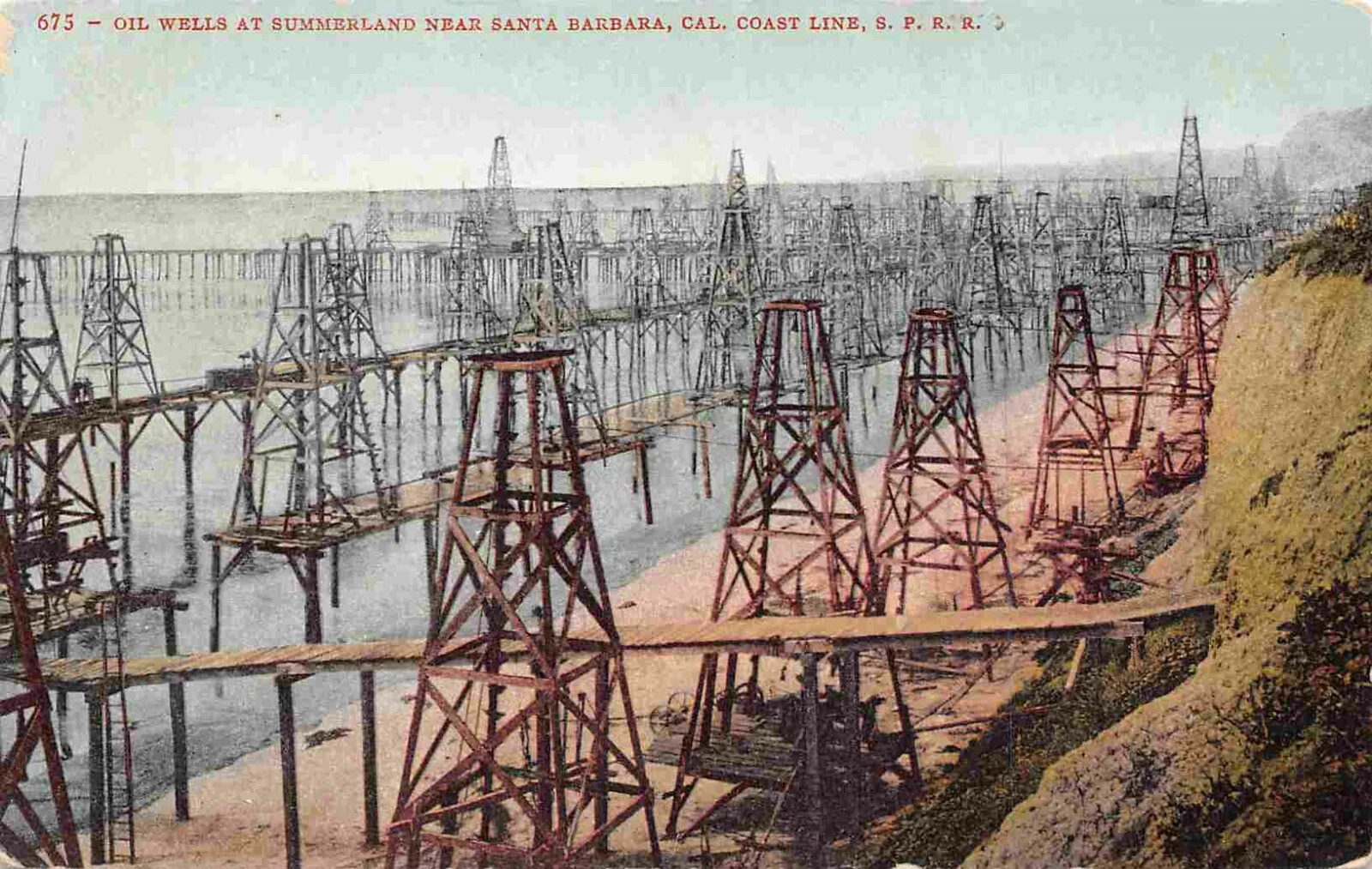
Wind resource management is reminiscent of the early years of oil production when the “law of capture” reigned supreme and wasteful production practices were a self-defense mechanism.

.

Colette Hirstius, currently Executive Vice President, Gulf of America, will take on the responsibility of President, Shell USA, in addition to her current role as Executive Vice President, Gulf of America, effective August 1, 2025.

In a city where high school ties tend to be strong and enduring, Ms. Hirstius is a graduate of St. Mary’s Dominican HS. Supreme Court Justice Amy Coney Barrett, whose father was an attorney for Shell, and my former Minerals Management Service colleague Kathy Swiler, are also St. Mary’s Dominican graduates.

Ms. Hirstius stayed in New Orleans as an undergraduate, receiving a B.S. degree in geology from Tulane.

Shell is the no. 1 oil and gas producer in the Gulf of America. In 2024, the company produced 171.7 million bbls of oil (26.2% of the GoA total) and 167.4 bcf of gas (24.4% of the GoA total).

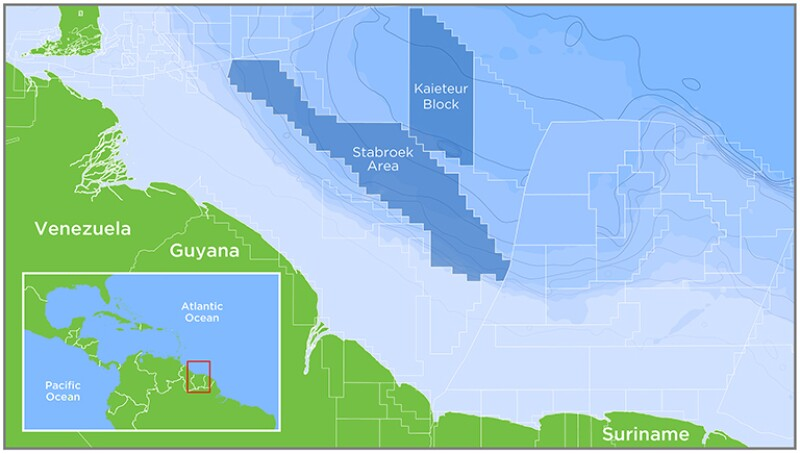
On May 26 in London a three-judge International Chamber of Commerce panel will finally begin considering the Exxon claim that the Stabroek joint operating agreement grants them the right-of-first-refusal in Chevron’s acquisition of Hess’s 30% share of the massive field (>11 billion boe) offshore Guyana.

Exxon’s position claim seems weak to most analysts given that Chevron is not buying the Stabroek share; they are buying the company (Hess) that holds that share.

Exxon’s rather unlikely ally in this case is state-owned China National Offshore Oil Corp. How did CNOOC get a stake in Stabroek and why is their position on the Hess acquisition hypocritical?

CNOOC became a 25% Stabroek partner by acquiring Canadian Nexen in 2013. Their Nexen acquisition, which included Canadian, US, and international assets, was only reluctantly approved by the Canadian and U.S. governments, and probably would not be approved today.

CNOOC’s Stabroek acquisition is thus very similar to Chevron’s. In both cases, the entire company, not just the Stabroek asset, was acquired.

The Stabroek acquisition has proven to be most fortuitous for CNOOC, not only because of the oil and gas resources, but also through the deepwater development expertise that has been gained. Now CNOOC is trying to further leverage their Stabroek position by joining Exxon in challenging the Chevron acquisition.

It would be great if the arbitration proceedings were streamed, but that will not be the case. It also appears unlikely that media will be allowed to attend or that transcripts will be made available.

As previously noted, I would have liked the Guyanese government to be more assertive in this dispute. Stabroek is Guyana’s offshore gem, their most important economic asset. This lengthy dispute has to affect partner teamwork and communication. From safety, environmental, and production standpoints, do you want feuding partners managing such an important national asset?