 It’s nice to have a day of uplifting news for a change, and it’s drilling related!
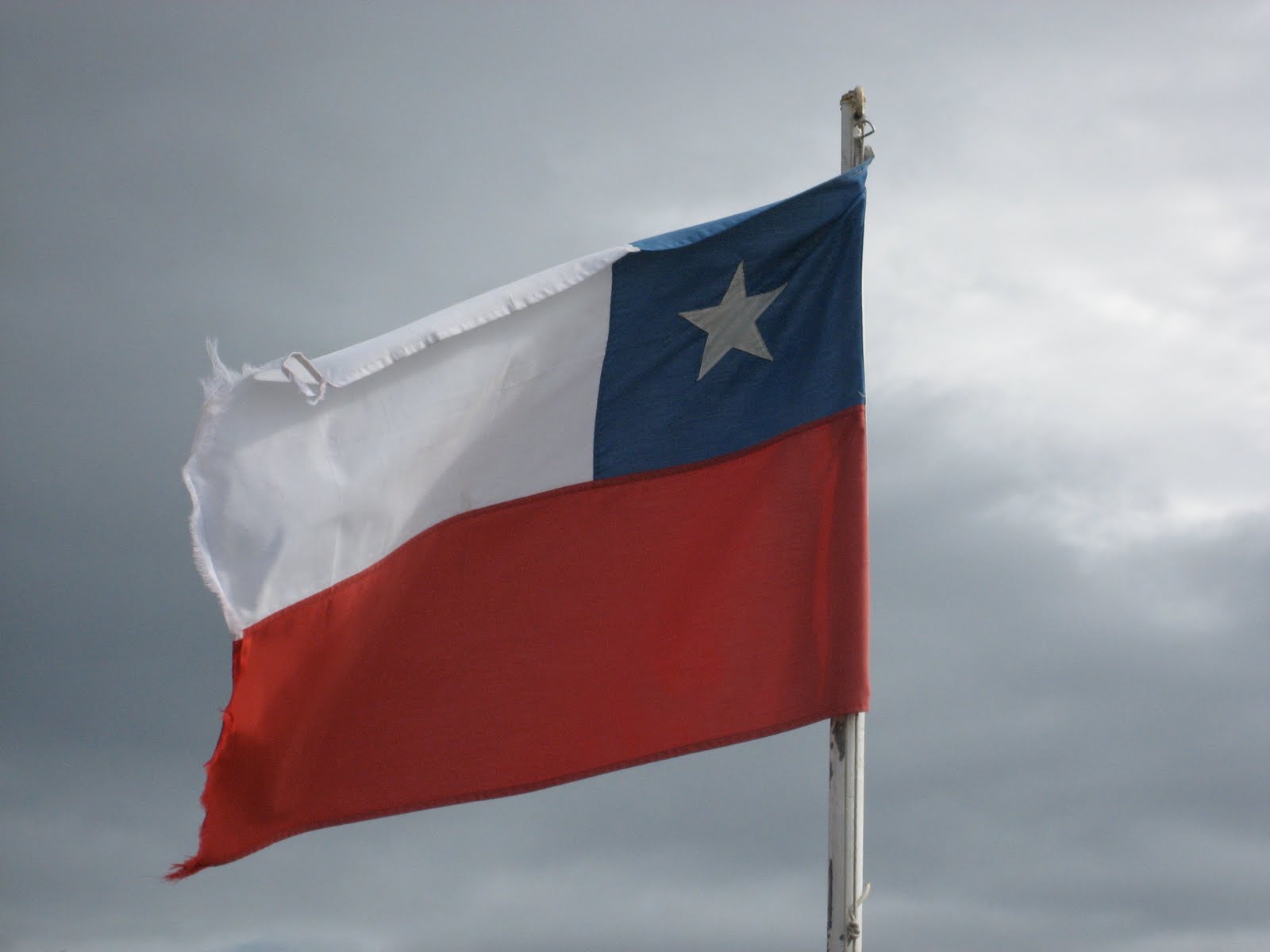
Chi-chi-chi, le-le-le, viva Chile!
 It’s nice to have a day of uplifting news for a change, and it’s drilling related!
Posted in Uncategorized | Tagged Chile, drilling, rescue | Leave a Comment »
China is the world’s largest energy user, moving ahead of the United States, the head of the International Energy Agency said on Tuesday.
Posted in Uncategorized | Leave a Comment »
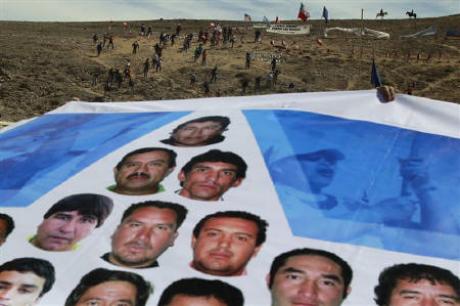
The pressure really started to build. We’re not used to drilling for people. Andrew Schmitt, CEO, Layne Christensen Co.
Here is a little information on the rescue well:
The Layne-Geotec team worked carefully, starting with a 5-inch hole dug through 2,300 feet of the hard rock until they broke through. From there, they made another pass, this time expanding it to 12 inches. Finally, with a third pass, they increased the hole to the 26 inches needed for the rescue capsule, all the while concerned about a collapse. They finished the job in 33 days, well ahead of predictions.
Comment: In the past year, we have seen the tragic consequences of a drilling operation that went awry. We have also seen the industry’s technical precision demonstrated in drilling the Macondo relief well and have watched drillers save lives in Chile. Regardless of how you feel about drilling, the intentions are good – to find and produce commodities that are in much demand (typically oil, gas, or freshwater) , and to make a return on your investment. The challenge is to minimize the safety and environmental risks associated with these operations, and to do so consistently, effectively, and efficiently.
Posted in accidents, drilling | Tagged Andrew Schmitt, Chile, drilling, Layne Christensen, miners, rescue | Leave a Comment »
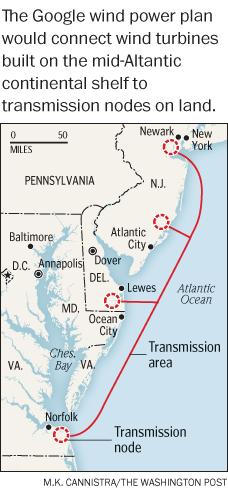
Posted in Offshore Wind, Wind Energy | Tagged Atlantic, Google, grid, Offshore Wind, Wind Energy | Leave a Comment »
The White House said Tuesday the government will lift a moratorium on deep water oil drilling in the Gulf of Mexico “very soon” – likely this week. Washington Post
Posted in accidents, drilling, Offshore Energy - General, well control incidents | Tagged accidents, blowouts, Deepwater Horizon, drilling, Gulf of Mexico, macondo, moratorium, safety, well control | Leave a Comment »
 We are pleased that Mexico’s new regulatory agency CNH will be participating in the International Regulators Offshore Safety Conference in Vancouver. North American cooperation on offshore safety and regulatory issues is critical to the energy and economic futures of all countries in the region.
Posted in conferences | Tagged CNH, IRF, Mexico, offshore oil, safety, vancouver | Leave a Comment »
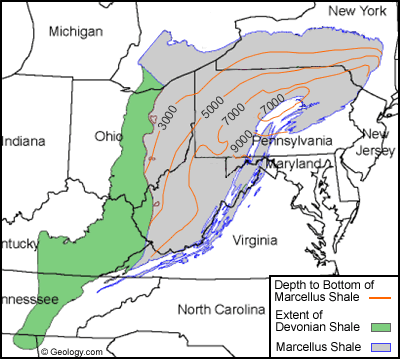
All told, I think Pennsylvania is sitting on the largest gas reserve in the entire world. Scott Perry, director of the state’s Bureau of Oil and Gas Management at the 2010 Marcellus Summit
Rash statement? Hyperbole? Possibly, but shale gas is a game-changer for the northeastern US. How effectively will the resource be exploited? Will the true potential be realized? Stay tuned.
Posted in natural gas | Tagged LNG, Marcellus Shale, natural gas, Pennsylvania | Leave a Comment »
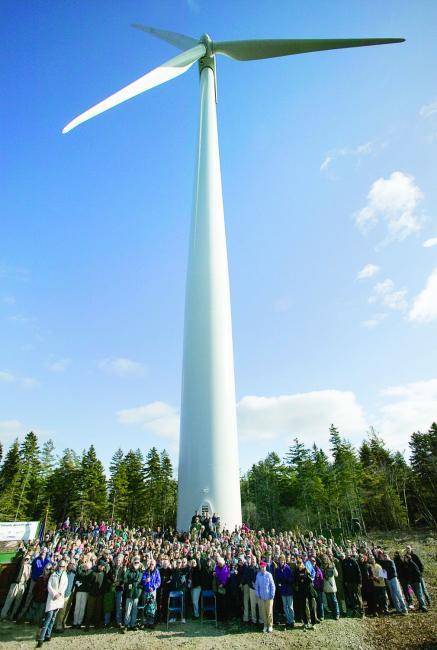
-Locating wind projects offshore minimizes noise and visual issues, but increases costs and operational complexity. There are always trade-offs.
-When all environmental impacts are considered, offshore natural gas is tough to beat: minimal visual impacts, none of the freshwater issues that are complicating shale gas development, few land use issues, little or no spill risk (depending how dry the gas is). The trade-off is CO2 emissions. While combustion of natural gas emits 30% and 45% less CO2 than oil and coal respectively, the CO2 emissions are still significant.
Posted in gas, natural gas, Offshore Wind, Wind Energy | Tagged natural gas, noise, Offshore Wind, Vinalhaven, Wind Energy | Leave a Comment »


In recognition of the earlier fall harvests to our north, Canada celebrates Thanksgiving a month ahead of the US. As a result, Canada’s Thanksgiving coincides with our Columbus Day. So Happy Holiday to folks on both sides of the border, even if you have to work! 🙂
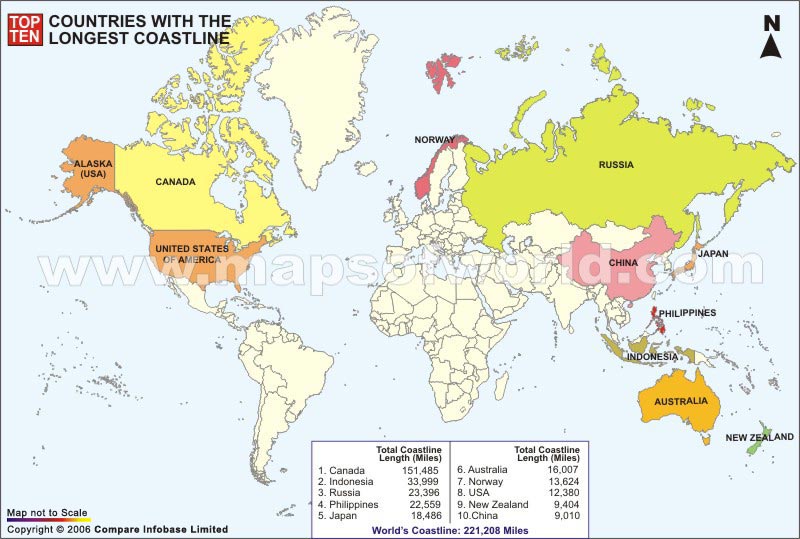
Canada, which is on our minds this week as we get ready for the big conference in Vancouver, is especially significant to our offshore scholars because of its long coastline, by far the longest of any nation (see below and this slightly different Wiki ranking). 80% of the world’s nations have coastlines bordering an open sea, and about 1/3 of all nations have an existing or planned offshore oil and gas program.
Posted in offshore, Offshore Energy - General, Uncategorized | Tagged BOE, Canada, coastline, Columbus Day, EEZ, offshore, Thanksgiving | 2 Comments »
The Boston Globe looks at Cape Wind costs: 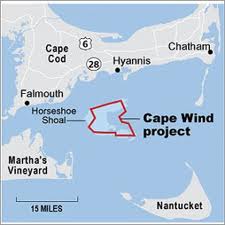
Once the 130 turbines begin rotating, the energy produced will cost up to 50 percent more than energy today from some land-based wind farms and twice as much as some hydroelectric dams.
Now, after a new analysis by the attorney general’s office placed the cost of building Cape Wind at more than $2.5 billion, 2 1/2 times the original estimated price tag, the state Department of Public Utilities is weighing whether National Grid’s proposed 15-year contract with Cape Wind is a good deal for ratepapers. A decision is expected by mid-November.
Posted in Offshore Wind, Wind Energy | Tagged Cape Wind, Offshore Wind, Wind Energy | Leave a Comment »