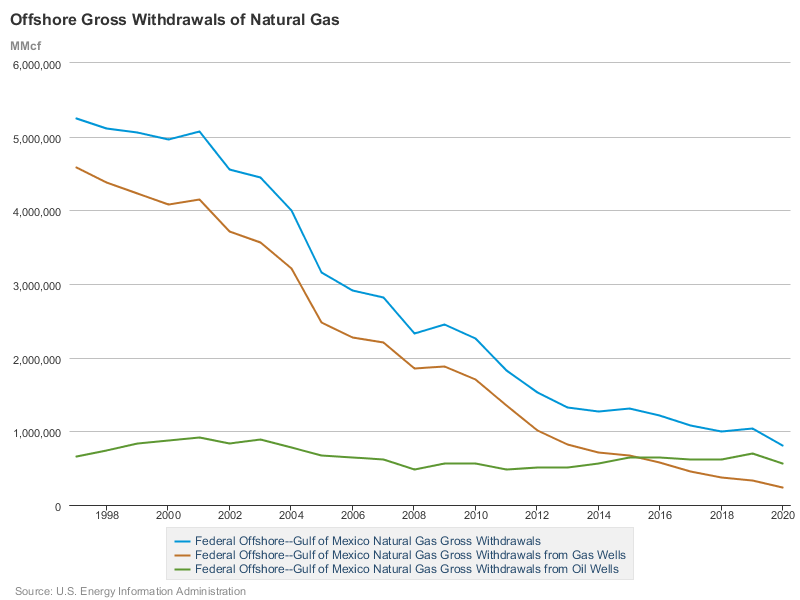
Offshore gas production (see chart below) has declined for the past 20 years and now accounts for only 4% of total US gas production, down from 20% in 2005 and 25% in the 1990s. Associated gas production (oil-well gas) has remained relatively constant owing to the strength in deepwater GoM oil production. 73% of 2020 gas production was from deepwater wells, and was mostly oil-well gas. Associated gas production surpassed nonassociated gas production (gas-well gas) in 2016 and the latter has continued to decline.
The case for natural gas has been well documented (see the EQT letter linked below). Recent natural gas advocacy has emphasized the carbon/GHG advantages given that methane (CH4) is essentially a hydrogen transporter that emits far less CO2 than other fossil fuels when burned. However, natural gas’s other important air quality advantages – low NOx. SO2, and particulate emissions – have greater local significance from a human health standpoint. Those who have ridden a bike behind a natural gas powered bus have no doubt experienced the natural gas advantage firsthand. These buses are literally a breath of fresh air!
Other environmental advantages of offshore natural gas, particularly nonassociated gas, receive less attention but are nonetheless significant. Advantages of nonassociated offshore gas include the following:
Fewer wells required than for shale gas
No risk of fresh water contamination
Platforms provide beneficial reef effects
Minimal space preemption and land disturbance relative to onshore gas production and wind/solar operations
Low facility density and navigation risks relative to wind operations;
Lower elevation and fewer view-shed, aesthetic, and aviation issues than for wind
Minimal avian risks relative to on- and offshore wind operations
Minimal spill risk relative to oil and associated gas production
Significantly less flaring than for oil well gas. While the overall % of US offshore gas production that is flared is low (approx. 1.0 -1.5% from 2016-2020 per EIA data), the % of gas-well gas that is flared has historically been less than 0.5%.
Low natural gas prices and competition from nimble and efficient shale operations have constrained offshore gas exploration. Ultradeep (subsurface) drilling has shown promise from a gas resource perspective but has proven to be expensive and operationally challenging. Some independent producers are still acquiring gas prone shelf tracts and that needs to be encouraged. Consideration should be given to incentives such as making nonassociated gas production royalty free. That would certainly seem preferable to subsidizing complex, expensive, and uncertain carbon disposal operations on offshore leases.
In 2019, the United States emitted 970 million metric tons less than in 2005, with 525 million metric tons of that emissions reduction resulting from replacing coal with natural gas in power generation. Said another way: since 2005, in the United States, all emissions reduction efforts combined have had less impact than coal to gas switching alone.
The emissions associated with the production of natural gas are dwarfed by the emissions reduction of switching from the consumption of coal to gas.
Meanwhile, China, which produced only 3% of the world’s natural gas but the majority of the world’s coal, saw its methane emissions increase by an amount roughly equivalent to adding a second Europe to the world.
Here is the link. I took the liberty of copying this response from the Petroleum Safety Authority Norway because it succinctly captures Charles’ collaborative spirit and so effectively characterizes his career in the offshore energy world.
We are very sorry to hear of Charles death. The international petroleum industry, and particularly the Petroleum Safety Authority of Norway are in great debt to him for his important work in establishing arenas for interactions and cooperation between regulators. Particularly the international research and development network ICRARD, but also the international regulators forum (IRF). He was a master of building such professional networks, and he always made sure that the learnings were shared with other regulators. He has for many years been regarded as a friend to the Petroleum Safety Authority Norway, previously the safety division of the Norwegian Petroleum Directorate. I got to know him as a caring and helping person when I started working for the Norwegian Petroleum Directorate. I had the pleasure to meet with him several times during OMAE conferences where he was a key member of the organizing team and regular contributor to the conference. Øyvind Tuntland and I also had the pleasure to get to know his wife, Elaine. Øyvind remembers kindly staying with Charles and Elaine at their home. We want to express our deepest condolences to Elaine and the family for their loss. We will miss him deeply as a friend, mentor and a knowledgeable colleague. Gerhard Ersdal on behalf of the Petroleum Safety Authority Norway, 13 December 2021.
I’m very sad to report the passing of a leading offshore safety researcher and long-time colleague, Dr. Charles Smith. Charles was a pioneering structural engineer who joined the US Geological Survey’s Conservation Division (then the offshore safety regulator) in ~1977 to establish the Technology Assessment and Research (TAR) Program. With the thinnest of budgets, Charles formed partnerships that addressed the gamut of offshore safety issues. Some of his accomplishments:
Working with the Offshore Technology Research Center (Texas A&M) and others, Charles sponsored projects that led to the successful investigation of deepwater production concepts including TLPs, Spars, FPSOs, and semisubmersibles. These designs are now the mainstays of deepwater development worldwide.
Organized well control projects that included the establishment of the deepwater well control research facility at Louisiana State University.
Conducted research that led to new hurricane design standards for offshore structures and topsides equipment.
Working with colleagues at Berkeley and Stanford, conducted groundbreaking research on human and organizational factors affecting offshore safety. This was the basis for important safety culture studies that followed.
Studied pipeline risks and corrosion management for structures and pipelines.
Studied decommissioning options and their comparative environmental effects.
Assessed arctic development options including gravel and ice islands and monopod concepts.
Participated on organizing committees for the International Conference on Ocean, Offshore, and Arctic Engineering (OMAE).
Along with representatives from Norway, the UK, Brazil. Canada, Mexico, Australia, and New Zealand, founded the International Committee on Regulatory Authority Research and Development (ICRARD).
Charles was the only offshore regulatory engineer to be selected as one of 10 finalists for the prestigious NSPE Federal Engineer of the Year award. (Keep in mind that the US government employs more than 130,000 engineers.) In 2009, the year of his retirement from Minerals Management Service, he was inducted into the Offshore Energy Center’s Hall of Fame (Galveston, TX) as as a Technology Pioneer for Health, Safety, and the Environment.
After retirement Charles moved to Newfoundland and continued working on offshore safety issues with Memorial University, Canadian regulators, and industry representatives. He and his wife Elaine built a lovely home overlooking the water in Bay Roberts. He was proud to be a citizen of both the US and Canada, and both countries were beneficiaries of his long and enormously successful career. Here is his obituary.
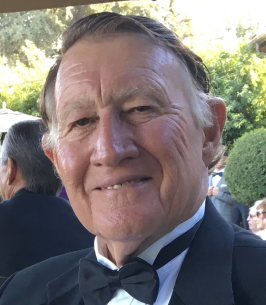
Charles and his wife Elaine with my wife and me and John Gregory and his wife at the Offshore Energy Center Hall of Fame induction gala (Houston, 2009). Bud
They extended the comment period. (Only an old regulator would find this amusing. Love OSHA’s panache😃)
The ETS on Vaccination and Testing was published in the Federal Register on November 5, 2021. The ETS also acts as a proposal for a permanent standard and OSHA has decided to extend the comment period for that rule by 45 days. Written comments on any aspect of the ETS must now be submitted by January 19, 2022
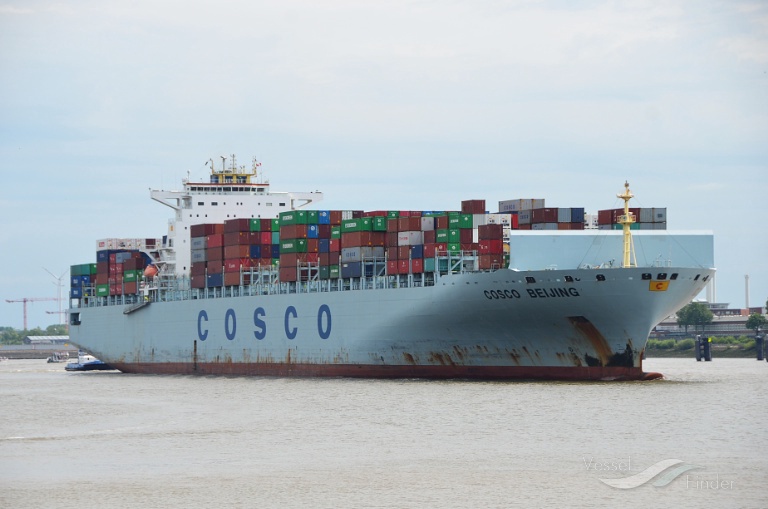
According to the Coast Guard, investigators determined the ship “was involved in an anchor dragging incident on Jan. 25, 2021 during a heavy weather event that impacted the Ports of L.A. and Long Beach.” The anchor- dragging occurred “in close proximity” to an underwater pipeline later determined to be the source of the October leak that spilled thousands of gallons of oil into the ocean, forcing the closure of beaches and harbors across Orange County.
The hearings and the liability battles that follow will be most interesting. Those lined up to sue the pipeline operator (Amplify), such as this Huntington Beach disc jockey, may have difficulties.
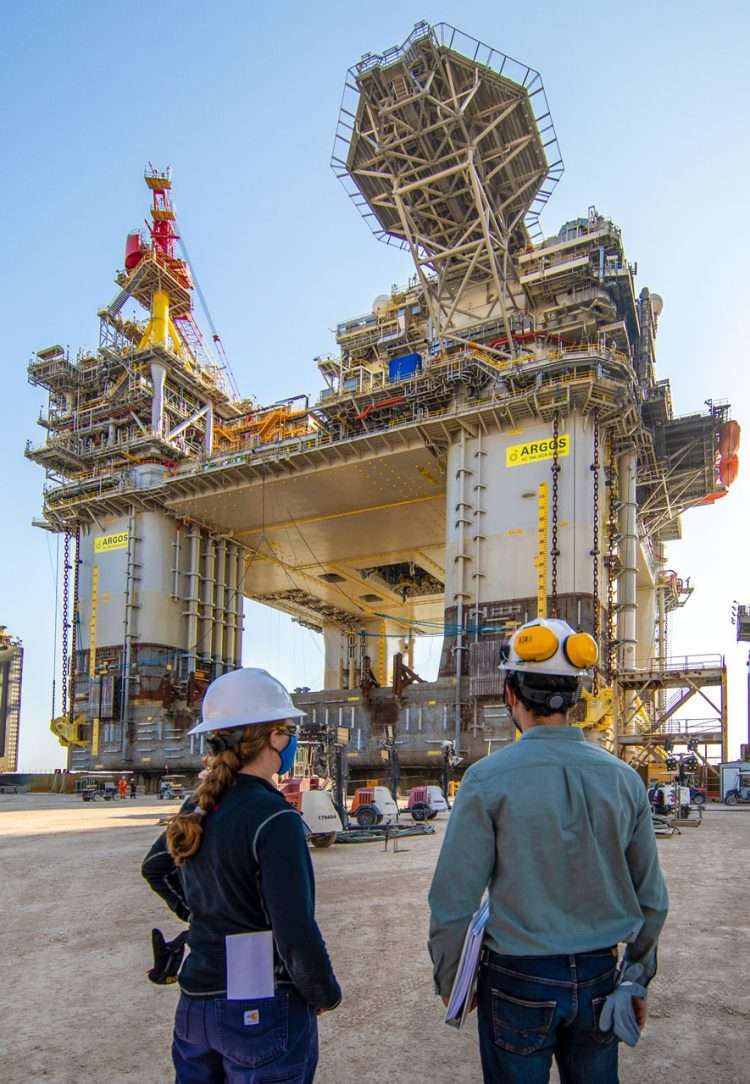
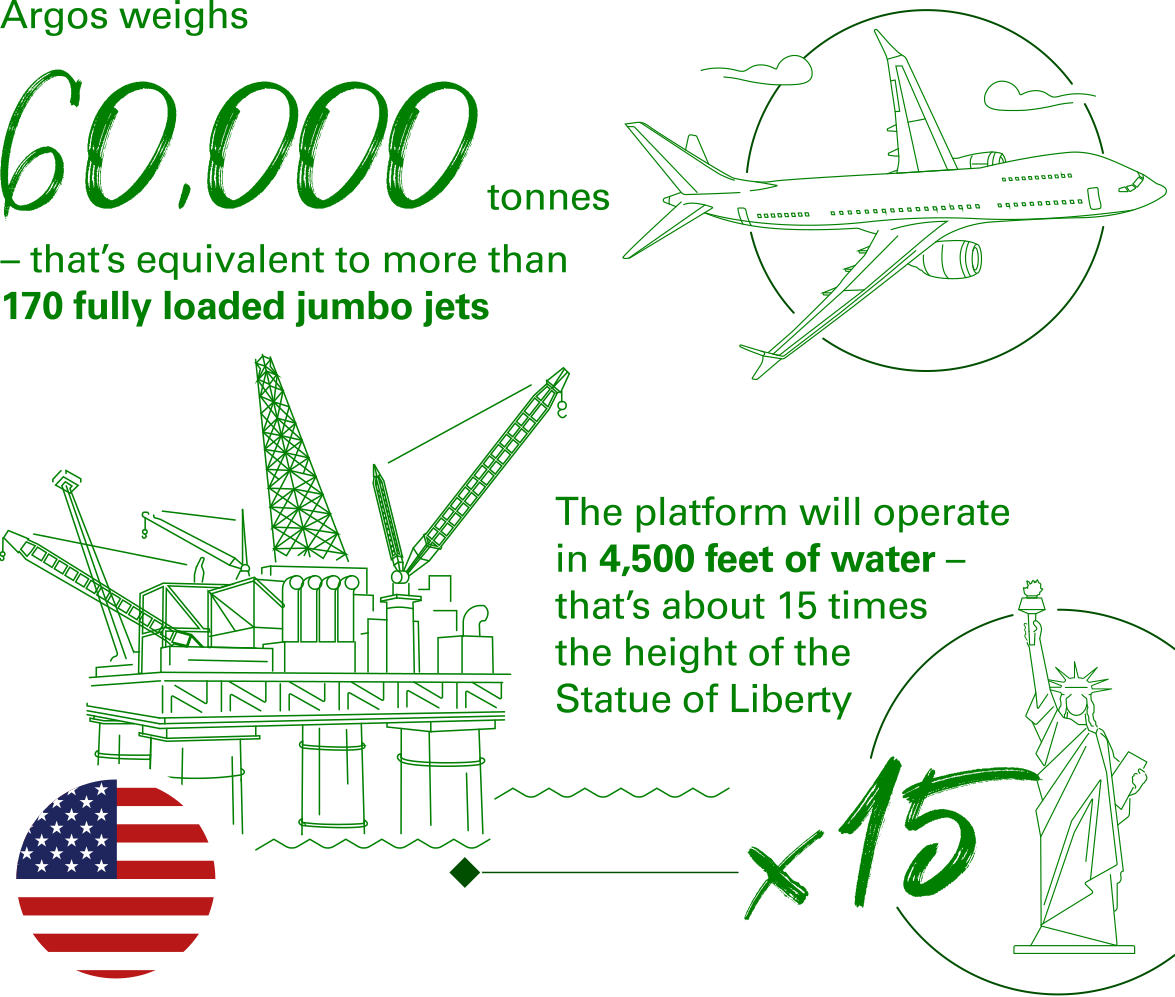
Per Offshore-Energy.biz, BP’s semi-submersible Argos production platform has arrived on location in the Gulf of Mexico. The floating platform will operate in 4500′ of water as part of BP’s Mad Dog 2 project. Production, which is expected to reach 140,000 boe/d, should begin in the 2nd quarter of 2022.
Per BOEM’s platform data base, this will be the 58th surface production facility in the deepwater (>1000′) GoM and the first such facility installed since Shell’s Appomattox in June, 2018. These platforms account for more than 90% of US offshore oil production.
What, if anything, will the Judge say about the leases that are intended to be carbon sequestration sites? How can BOEM sell OCS leases for purposes that were neither announced nor environmentally assessed? What do EarthJustice and the other plaintiffs think about the sequestration bids given that the environmental community is split on CCS?
Who is going to pay the enormous cost of sequestration on the Outer Continental Shelf – platforms, wells, pipelines, processing equipment, maintenance, monitoring, decommissioning, and more? The Federal government (i.e. taxpayers) features large in this grand scheme, and will no doubt be assuming most of the economic and performance risks. And all of these costs are for disposal purposes, not for offshore energy production of any kind.
Together with the bipartisan infrastructure bill enacted in November, which included more than $12 billion in funding for carbon capture and carbon removal technologies, the Build Back Better legislation would hand fossil fuel companies nearly every item on their carbon capture wishlist.
More than 43 years ago, natural gas was discovered in the Atlantic about 100 miles SE of Atlantic City. The prospect was unitized (Hudson Canyon Unit) and 7 additional wells were drilled over the next 3 years. 725 miles of 3-D seismic data were collected. The geology was complex and more time was needed to evaluate the data. MMS refused to extend the leases without further drilling activity. One unit partner committed to funding a confirmation well if the other companies would relinquish their interest. They would not and the leases expired in 1984. This Hudson Canyon “end game” reflected poorly on the unit partners and the regulator, and the opportunity to produce regionally significant quantities of natural gas was forever lost. Seemed petty then; seems petty now.
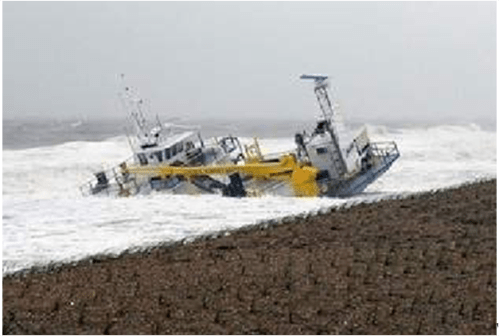
The vessel was conducting research for a proposed offshore wind project. The Coast Guard rescued the 2 crew members, one of whom tragically died. Why has the Coast Guard still not issued an investigation report more than 13 years after the incident? An inquiry was sent to the Coast Guard but no response has been received.
There are serious questions regarding the positioning of a liftboat in the Mid-Atlantic for several months beginning in March when major storms are likely. There are also important questions about the liftboat’s failure mechanisms, the operator’s authority to be conducting this research, and the actions that were taken in preparation for storm conditions.
One worker died and another was seriously endangered. 13 years after the incident, we are still wondering what happened and why.