Posted in drilling, Gulf of Mexico, Offshore Energy - General | Tagged drilling activity, Gulf of Mexico, rig count | Leave a Comment »
- While the text of the announcement implies otherwise, the new name prioritizes the “transition” over concerns about energy supply, security, and reliability. In that regard, the timing seems questionable.
- Why not the North Sea Energy Authority (NSEA) or UK Offshore Energy Authority (UKOEA)?
- Will OPEC+ be impressed? Perhaps China will add a few coal-fired power plants in honor of the name change.
- Dan Yergin understands that energy transitions are complicated. Quoting Yergin’s outstanding article in the Atlantic:
The term energy transition somehow sounds like it is a well-lubricated slide from one reality to another. In fact, it will be far more complex: Throughout history, energy transitions have been difficult, and this one is even more challenging than any previous shift.
The 19th century is known as the “century of coal,” but, as the technology scholar Vaclav Smil has noted, not until the beginning of the 20th century did coal actually overtake wood as the world’s No. 1 energy source. Moreover, past energy transitions have also been “energy additions”—one source atop another. Oil, discovered in 1859, did not surpass coal as the world’s primary energy source until the 1960s, yet today the world uses almost three times as much coal as it did in the ’60s.
Posted in energy policy, Offshore Energy - General, UK | Tagged Daniel Yergin, energy transition, North Sea Transition Authority | Leave a Comment »
“Norway cannot escape the unpleasant fact: this is a form of war profit”, daily paper Dagbladet wrote in an editorial. “While Ukraine is being destroyed, and most other countries are mainly feeling the negative effects of the war, such as higher energy prices, higher food prices and general inflation, we are making a gain”, it said.
thelocal.no
While such introspection is commendable, energy supply issues in Europe would be far worse were it not for Norway’s actions including:
- easing the tax burden to sustain exploration and production during the pandemic when oil prices crashed.
- predictable and consistent issuance of exploration rights to facilitate effective exploration programs and increase oil and gas recovery.
- safety leadership that reduces supply disruption risks as well as worker safety and environmental risks.
Posted in energy policy, Norway, Offshore Energy - General | Tagged Dagbladet, energy policy, Norway, oil and gas prices | Leave a Comment »


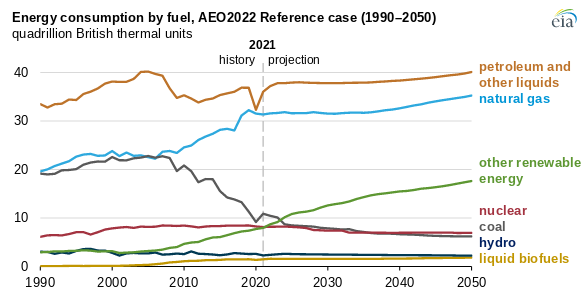
While demand will remain strong, supply is a concern:
“Capex cuts by international oil companies and national oil companies in 2020 was about 35%,” he said. “We’re now showing another 23% reduction in capex levels” from pre-pandemic levels this year. In 2019, E&P companies spent $525 billion, an amount which plummeted to $341 billion in 2021, he added. “We have to get back to $525 billion over several years until 2030 to restore market balance,” McMonigle said. “I’m afraid what we’re seeing with the energy crisis is on our doorstep.”
Joseph McMonigle, World Oil Congress
Posted in energy policy, Offshore Energy - General | Tagged EIA consumption forecast, oil and gas investment, World Oil Congress | Leave a Comment »
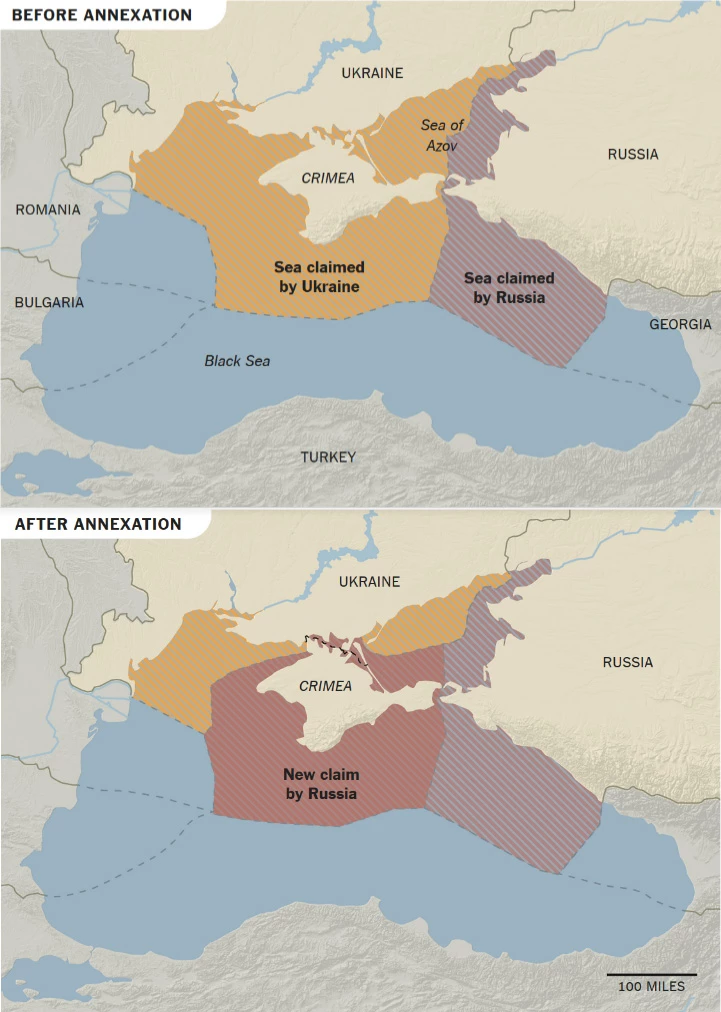
Per our previous post on this topic, the Ukranian shelf may contain more than 70 Tcf of natural gas, most of which was seized by Russia along with Crimea. This illegal seizure of resources in 2014 should be considered as part of any long-term settlement and before easing sanctions on Russia.
For those who want to learn more, this 2018 article by Ukranian journalist Kostiantyn Yanchenko has proven to be particularly insightful. A few key points:
…when in 2014, two-thirds of the former Ukrainian water area passed to Russia with the occupation of Crimea, only a few experts assumed that the struggle for control over energy resources might have been among the main reasons for annexation. Against the background of Moscow’s famous explanation “Why Crimea? Be[cause]Kosovo!”, this version looked unconvincing, but there are many reasons to give it a second glance.
The naysayers often argue that Russia doesn’t have the technology to extract gas on the deep-water shelf. This is true, at least now. However, as researchers note, Russia’s short-term objective was not to benefit from the Black Sea gas but to block its production by the Western companies and hence secure its own positions in the European market.
Furthermore, Russia largely relies on an energy leverage in international relations. Thus, “The Energy Strategy of Russian Federation Until 2020” starts with the statement: “Russia has significant reserves of energy resources and a powerful fuel and energy complex, which is the basis for economic development, an instrument for domestic and foreign policy.”
Posted in energy policy, Offshore Energy - General, Russia | Tagged Black Sea, Crimea, Russia, Ukraine oil and gas | Leave a Comment »
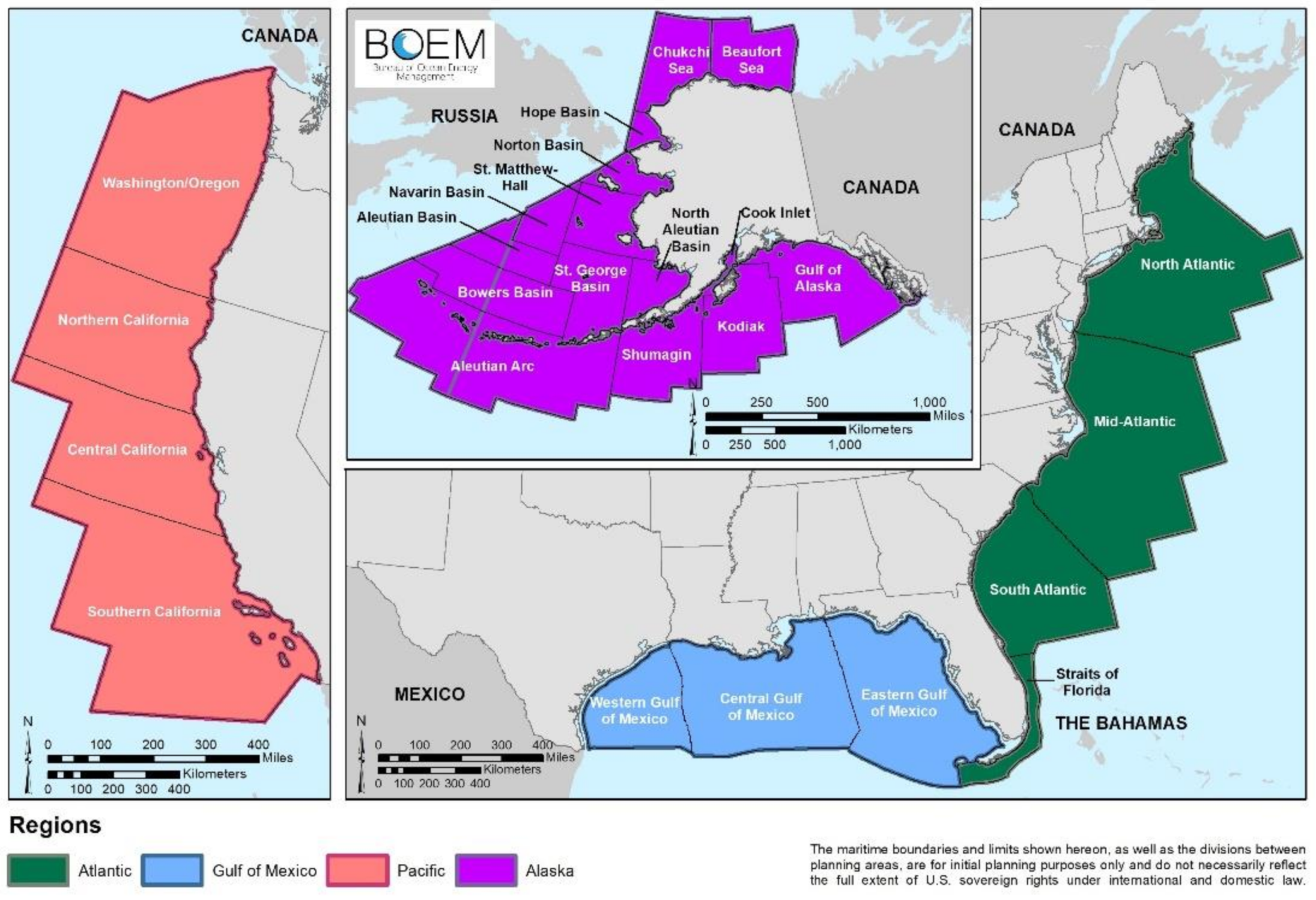
Posted in energy policy, Gulf of Mexico, Offshore Energy - General | Tagged BOEM, US offshore oil and gas leasing | Leave a Comment »
This is what major oil companies are up against. Meanwhile China expands coal production and consumption without having to worry about groups like this.
ClientEarth, a Shell shareholder, notified the energy major on Monday that it would commence legal proceedings against the company’s 13 executive and non-executive directors for what it said was the board’s failure to adopt a strategy that “truly aligns” with the 2015 Paris climate agreement. The not-for-profit group, which has a strong record of winning climate-related cases, wrote to Shell in advance of petitioning the High Court of England and Wales for permission to bring the claim.
Financial Times
Posted in climate, energy policy, Russia, Uncategorized | Tagged China, climate litigation, Russia, Shell | Leave a Comment »
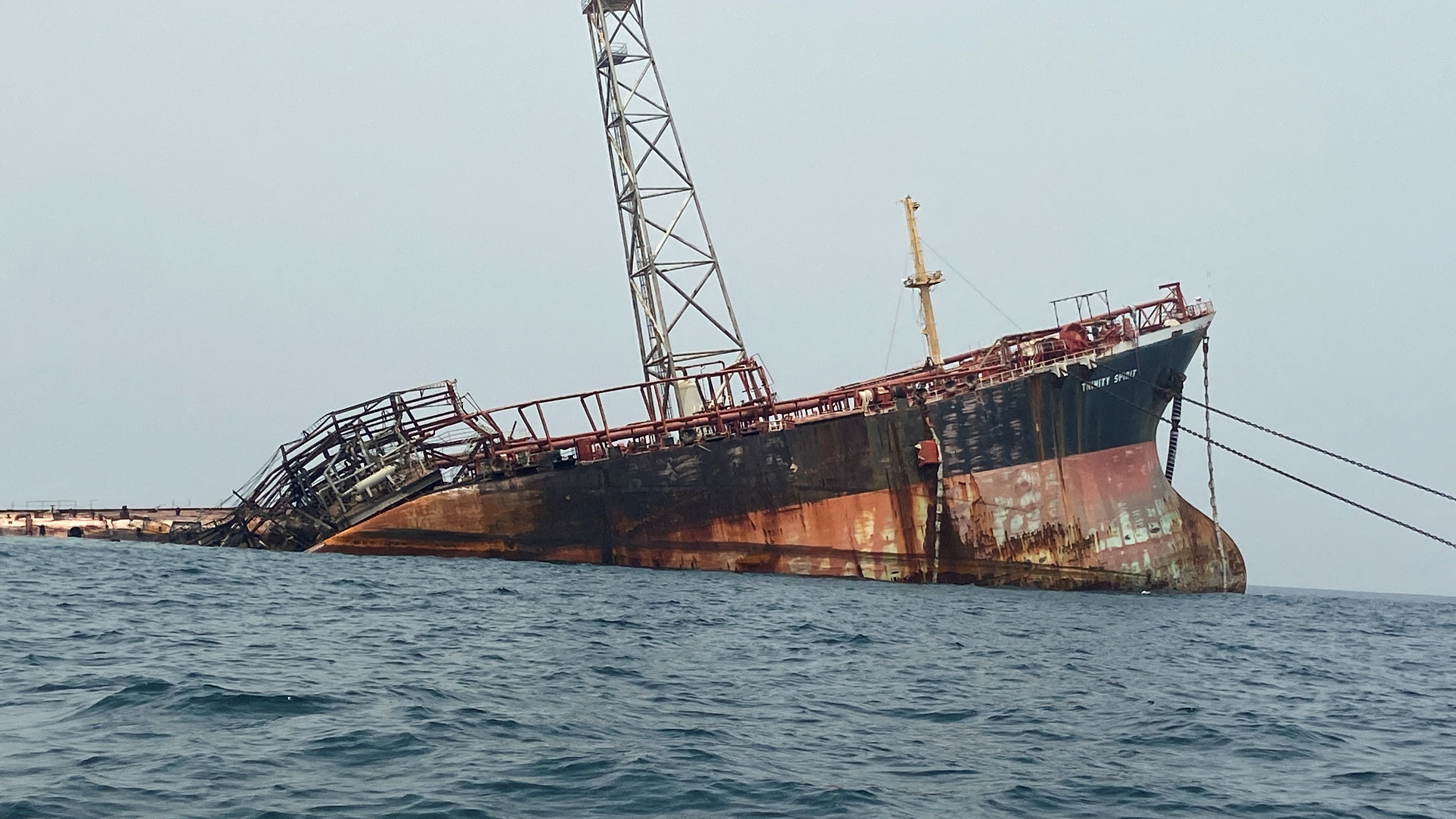
Six weeks after the Trinity Spirit fire, there is still no public accounting of the number of fatalities and injuries. The initial reports were incomplete and inconsistent, even with regard to the number of people on the vessel at the time of the incident.
SEPCOL, the FPSO operator, no longer has a website and has issued no public statements on the incident since the day afer its occurrence. The company’s status is thus uncertain. The Nigerian Upstream Petroleum Regulatory Commission website only advises that the fire was extinguished as of 4 February.
The absence of timely information on major incidents reflects poorly on the offshore industry and those who regulate it. This is not just a Nigerian issue. It’s past time for an international standard that identifies incident information to be publicly disclosed and specifies the timeframes and methods for releasing this information.
Posted in accidents, IRF, Offshore Energy - General | Tagged FPSO fire, Nigeria, offshore industry, offshore safety, Trinity Spirit | Leave a Comment »
Wind and solar energy are likely to continue growing in importance over the next several decades, but massive space requirements and intermittency may prevent these energy sources from ever being dominant. On the other hand, geothermal power could prove to be the ultimate energy solution if we can effectively drill deep beneath the surface and tap into superheated rock.
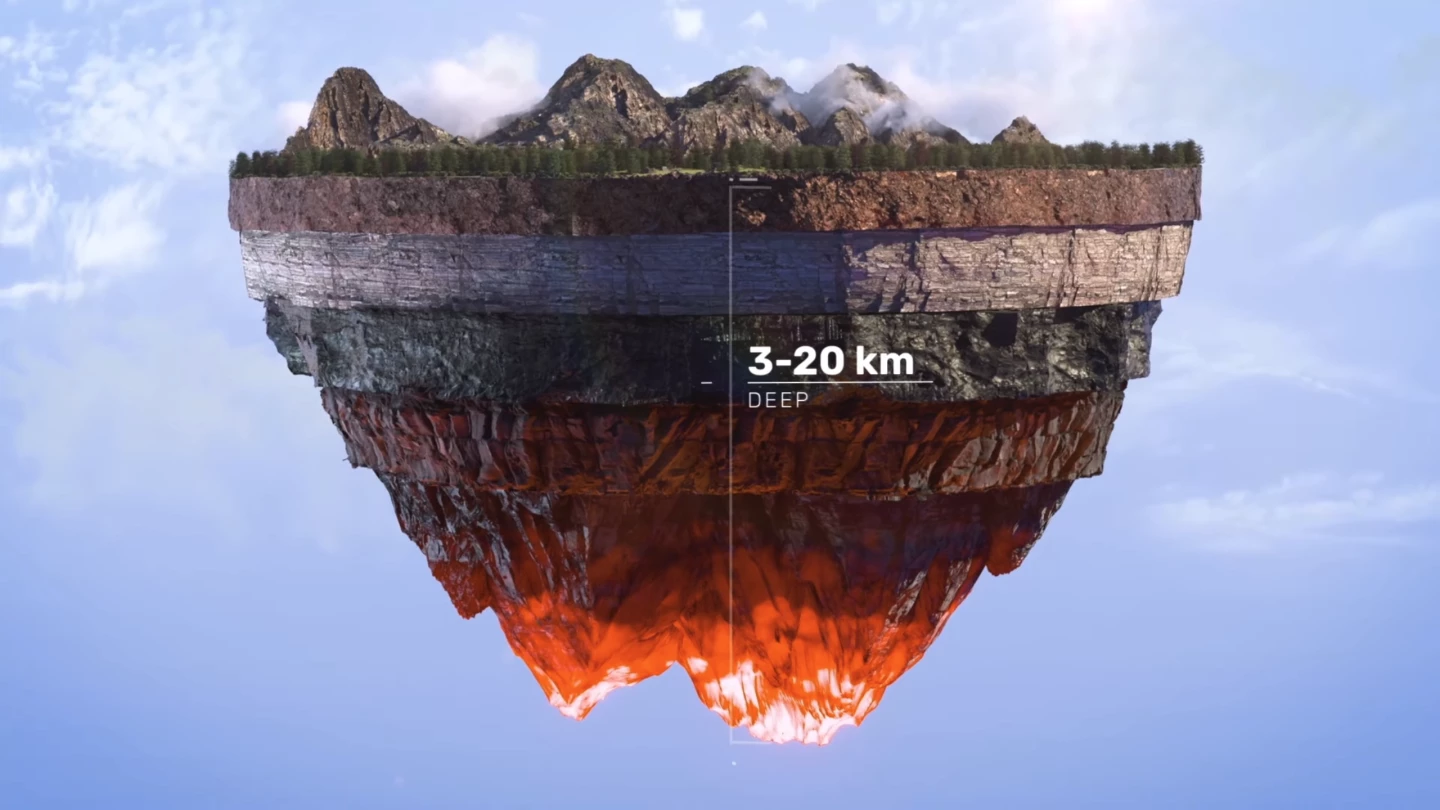
Quaise Energy, headed by ex-Schlumberger/MIT engineer Carlos Araque, is developing a radical new approach to ultra-deep drilling. Quaise will use conventional rotary drilling technology to reach basement formations before switching to high-power millimeter waves that vaporize boreholes through rock and provide access to deep geothermal heat. Quaise’s timeline calls for operation of their first full-scale hybrid drilling rig in 2024 and their first super-hot geothermal system in 2028. Those interested in energy solutions should follow their progress.
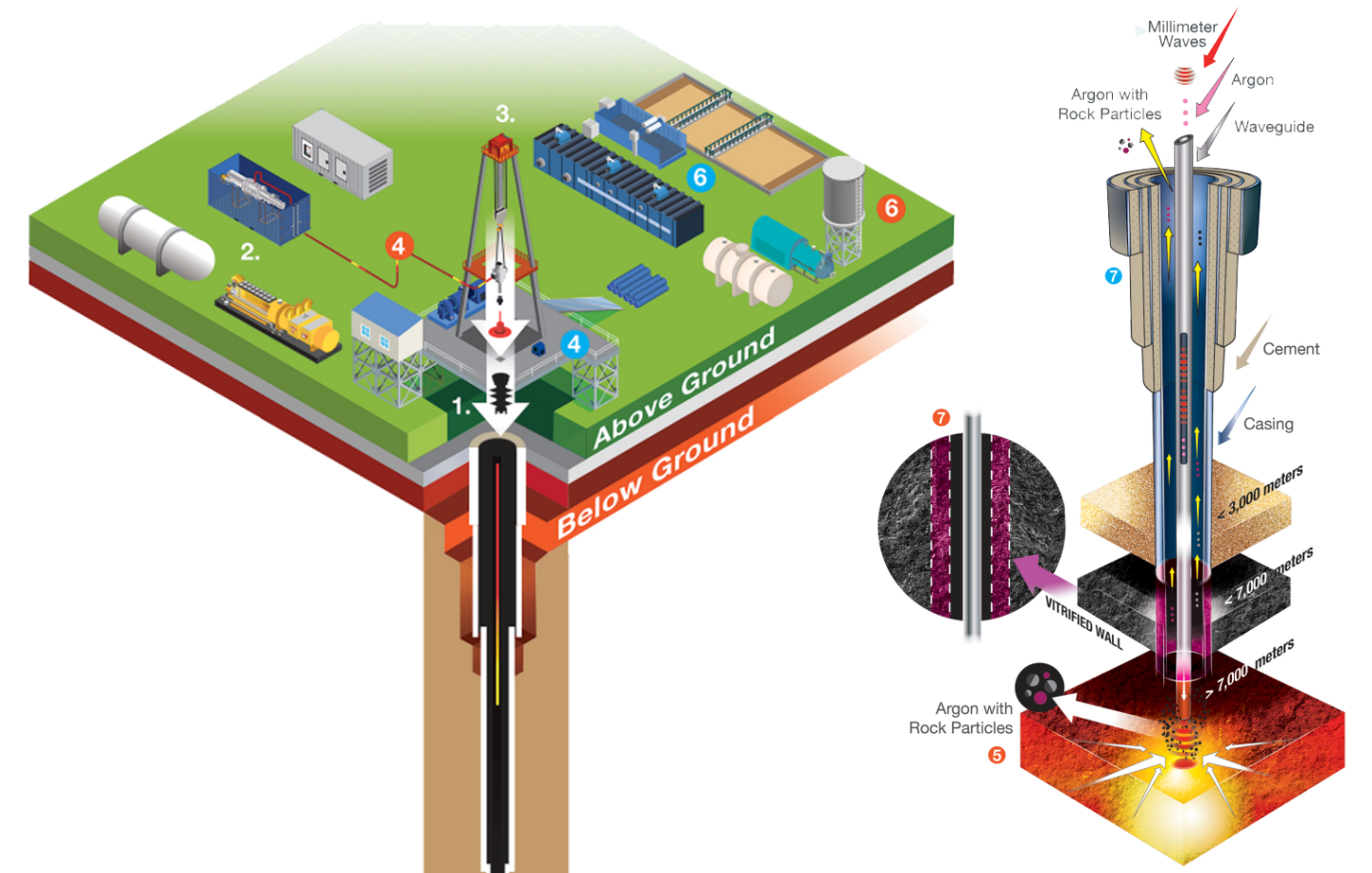
Here is Quaise’s promotional video:
Posted in climate, drilling, energy, Uncategorized | Tagged Quaise Energy, super-hot geothermal, ultradeep geothermal | Leave a Comment »

