Linked below is an excellent compliance and incident data update by Jason Mathews. COVID-19 statistics are included. Kudos to BSEE’s Gulf of Mexico Region for their timely and comprehensive reviews and safety alerts.The collection, analysis, and timely publication of incident data are critical to safety achievement and continuous improvement.
Posted in accidents, Gulf of Mexico, Offshore Energy - General, well control incidents | Tagged BSEE, compliance, Gulf of Mexico, incidents, offshore safety | Leave a Comment »
Consistent with our concerns about the lack of investment in offshore exploration and production, Aramco CEO Amin Nasser made this comment at CERAWeek in Houston:
“Today, we only have 2% of effective spare capacity, which is an imbalance,” Nasser said. “You need a resilient and strong spare capacity to make sure that you can absorb any supply shocks. Look at what’s happening. Before the Ukraine crisis, the spare capacity was declining fast.”
Oxy CEO Vicki Hollub’s comments further justify our concerns about US over-reliance on shale production. She noted these impediments to production growth in the Permian Basin, the world’s largest shale basin:
- Severe supply-chain constraints
- Labor shortages
- Few already drilled wells ready to be completed
- Rig shortages
Posted in energy policy, Offshore Energy - General, Russia | Tagged offshore production, Ukraine, Aramco, Nasser, spare oil capacity, Occidental Petroleum, Vicki Hollub, Permian Basin | Leave a Comment »
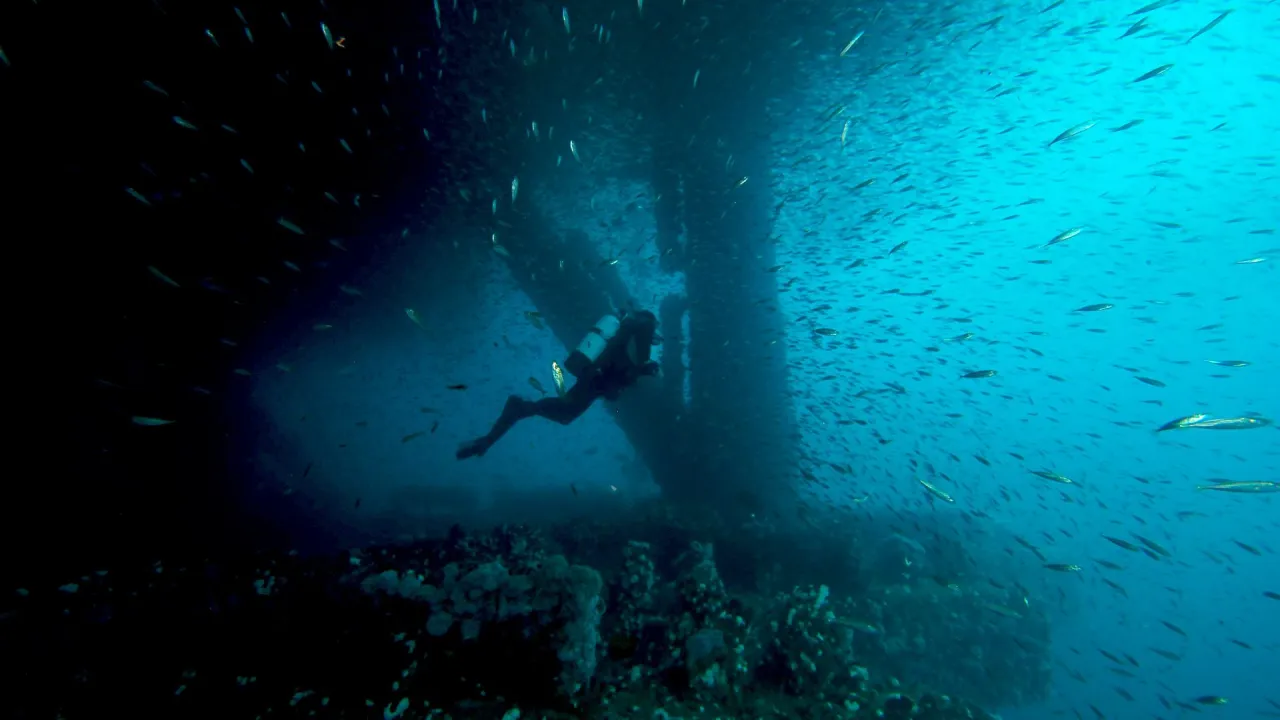
Excerpts from a good OC Register article on the ecological significance of the 27 platforms in State and Federal waters offshore California:
“All the (California) platforms having booming ecosystems underwater,” marine scientist Amber Sparks said at an Aquarium of the Pacific lecture in Long Beach on Wednesday, March 2.
“There’s a lot of real estate; a lot of nooks and crannies for marine life,” she said. “Scientists at the National Academy for the Sciences have found California’s platforms are some of the most productive marine habitat in the world.”
The Gulf of Mexico is the poster child for rigs-to-reefs, with more than 500 decommissioned oil platforms turned into full-time artificial reefs over the past 30 years. It’s bold testament to the habitat potential of the rigs, transforming the relatively sterile, sandy bottom ecosystem there into one with hundreds of prime locations for marine life.
Posted in California, decommissioning, Offshore Energy - General | Tagged California platforms, decommissioning, rigs-to-reefs | Leave a Comment »
This useful SafeOCS report summarizes and itemizes well control equipment failures associated with well operations on the Gulf of Mexico OCS in 2020. Of particular note was the absence of any loss of containment (leak of wellbore fluids) events in 2020 or the prior two years.
Unfortunately, there appear to be significant reporting gaps despite the fact that reporting of these data is required by regulation (30 CFR 250.730(c)). The reporting issues are particularly serious for surface systems (surface BOP and associated equipment). Per SafeOCS, surface rig reports were received from less than 50% of active operators and rigs. Reporting for subsea systems (subsea BOP and associated equipment) was much better with 85% of the active rigs represented.
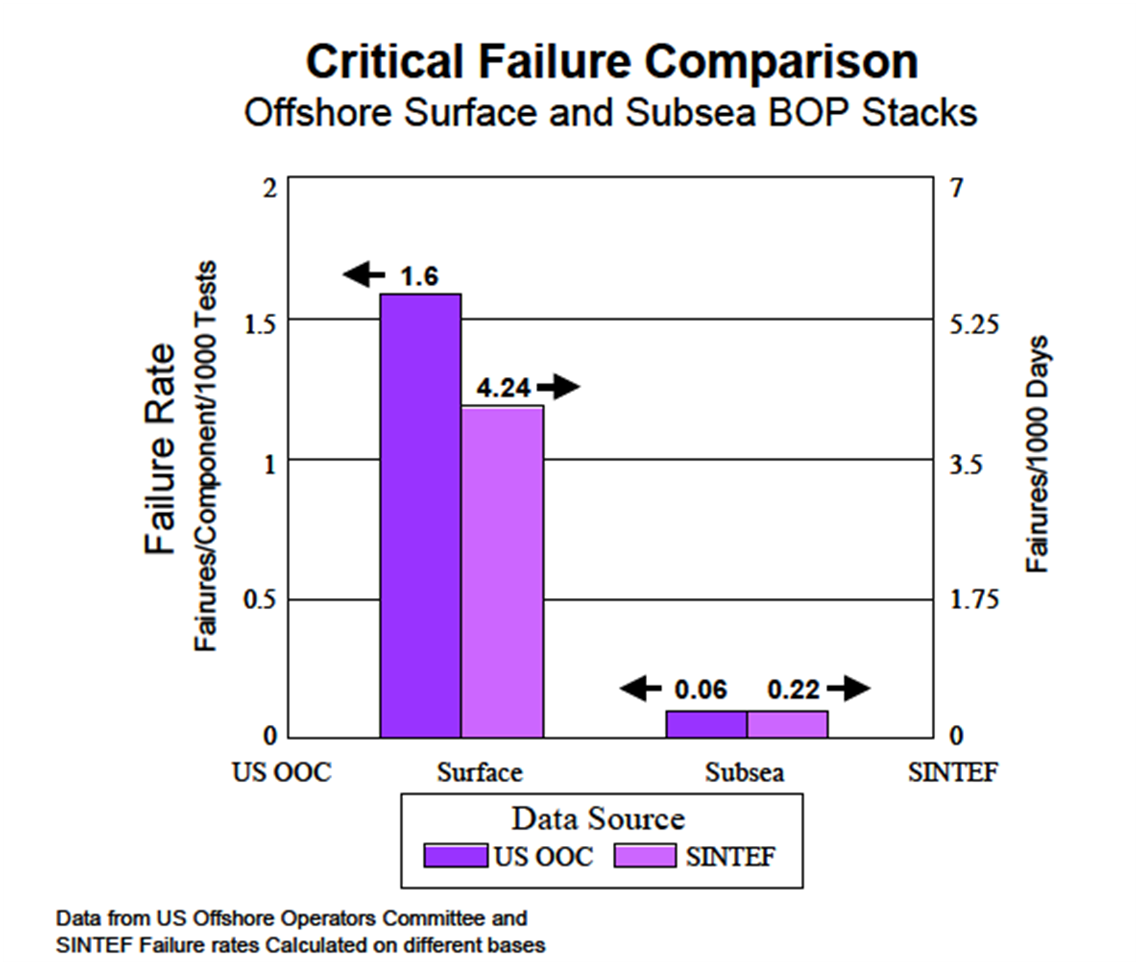
Of further concern with regard to the reporting of surface equipment events, the data indicate only 5.3 events per 1000 hours for surface systems vs. 71.5 for subsea systems. While subsea systems are more complex, the cost of pulling and repairing subsea equipment dictates newer, better maintained equipment. As a result, surface BOPs have historically had higher failure rates than subsea BOPs. The data below are from a presentation to MMS approximately 15 years ago. Both the Sintef and OOC data show higher failure rates for surface BOPs.
The SafeOCS team did a very good job of analyzing the reports and presenting the data. However, the reporting issues need to be investigated and resolved to get maximum value from this very important work.
Posted in drilling, Gulf of Mexico, Regulation, well control incidents | Tagged BOP stacks, OOC, SafeOCS, SINTEF, well control system events, Well Control Systems Safety | Leave a Comment »
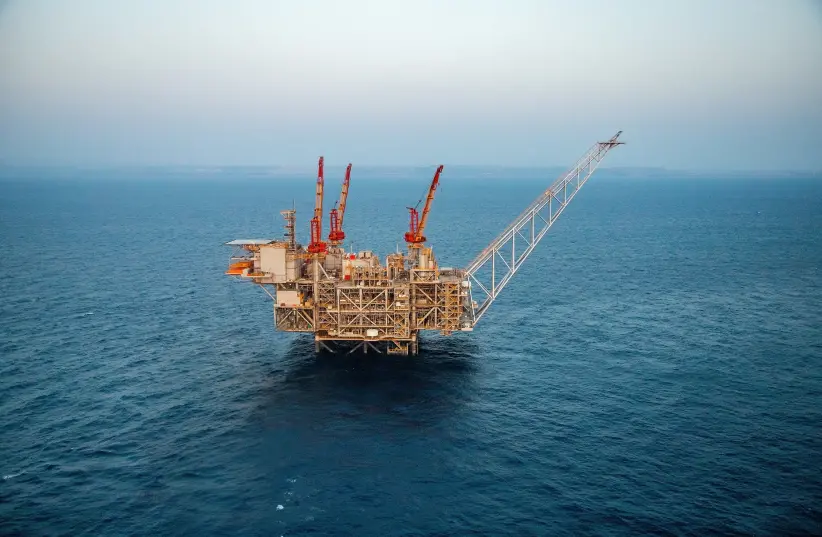
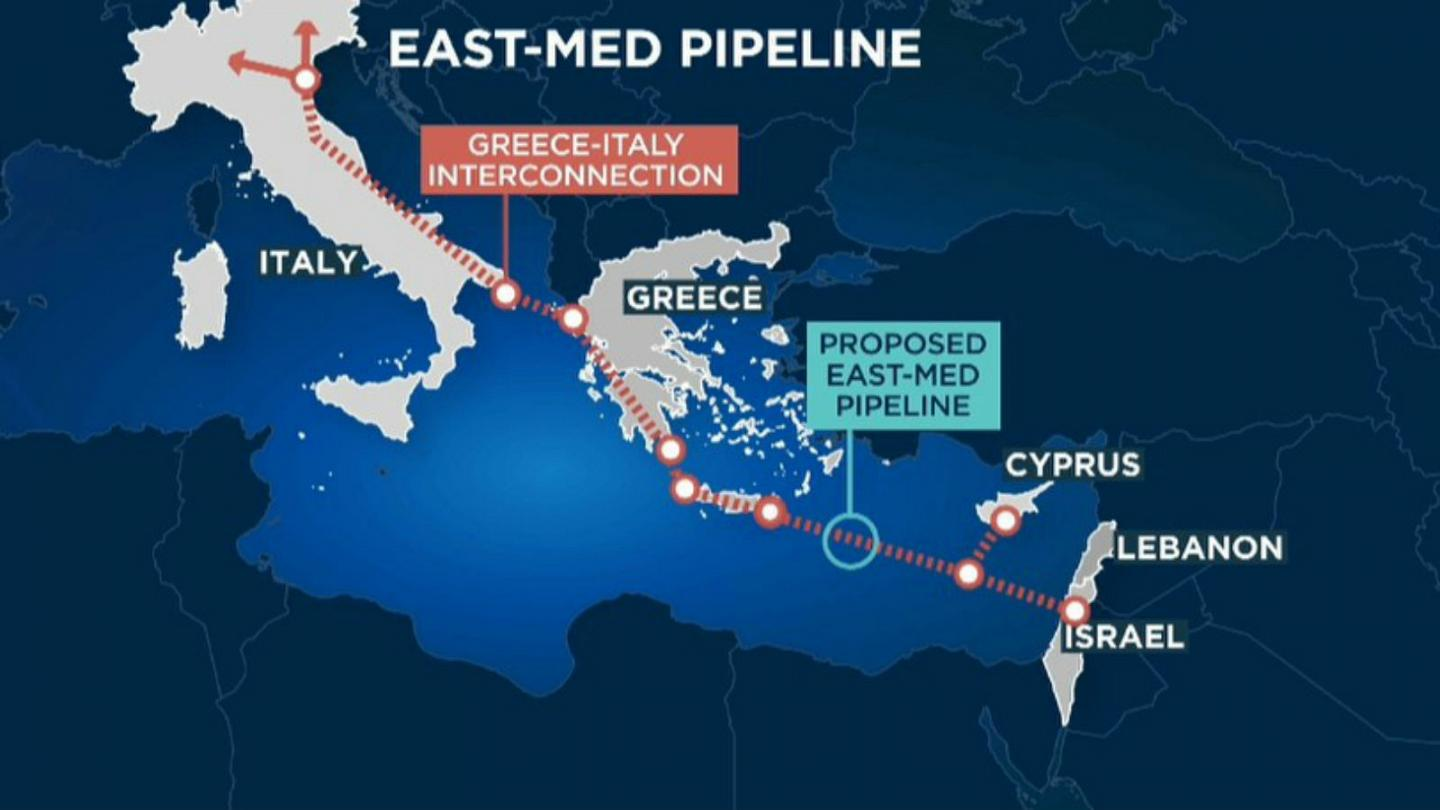
Gas reserves in the Eastern Mediterranean Basin are enormous:
Now the U.S. Geological Survey estimates that as much as 122 trillion cubic feet of gas and 1.7 billion barrels of oil lie in the eastern Mediterranean basin. That amount of gas is equivalent to about 76 years of gas consumption in the European Union.
Forbes
Another US energy/foreign policy blunder?
Last January, the US informed Israel, Greece and Cyprus that they no longer supported the proposed EastMed natural-gas pipeline from Israel to Europe citing the need to “(allow) for future exports of electricity produced by renewable energy sources, benefiting nations in the region.”
Jerusalem Post
It’s time to move forward with this strategically important energy project. Chevron is now the main player in the Eastern Mediterranean after their 2020 acquisition of Noble Energy.
Posted in energy policy, gas, Offshore Energy - General, pipelines | Tagged Chevron, EastMed pipeline, Israel, Leviathan | Leave a Comment »
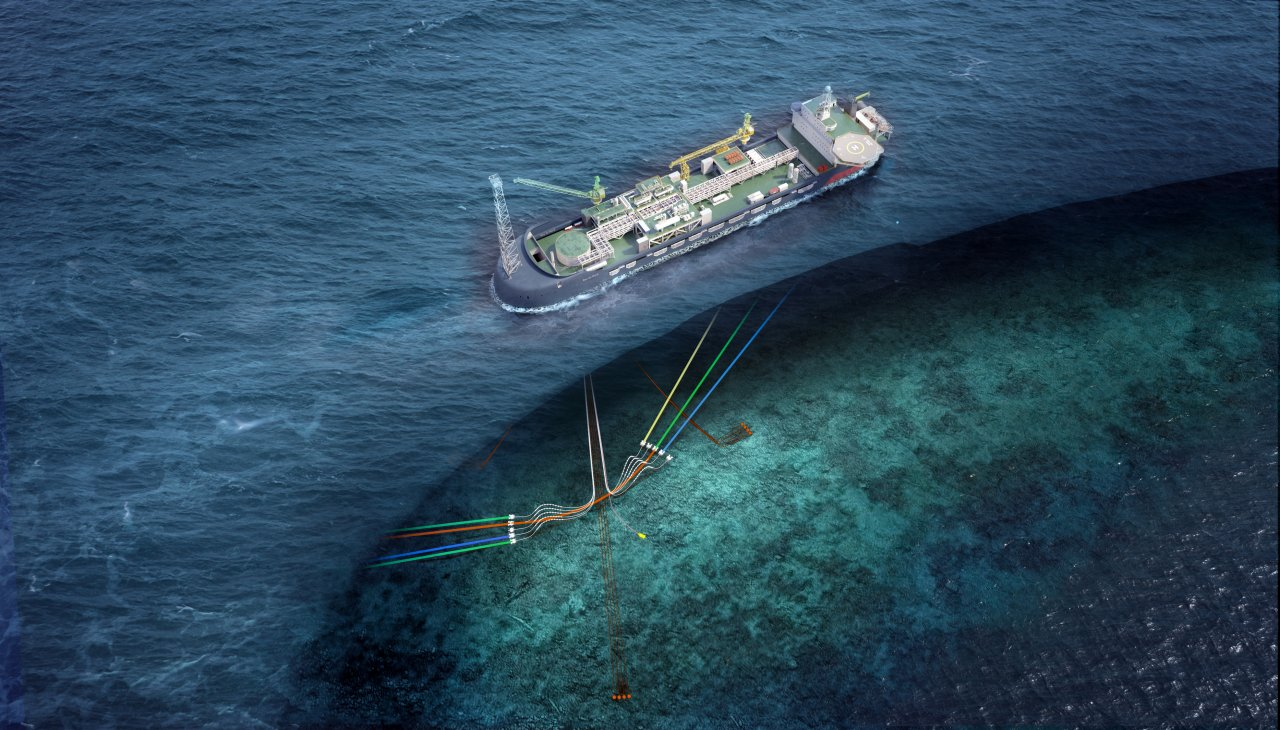
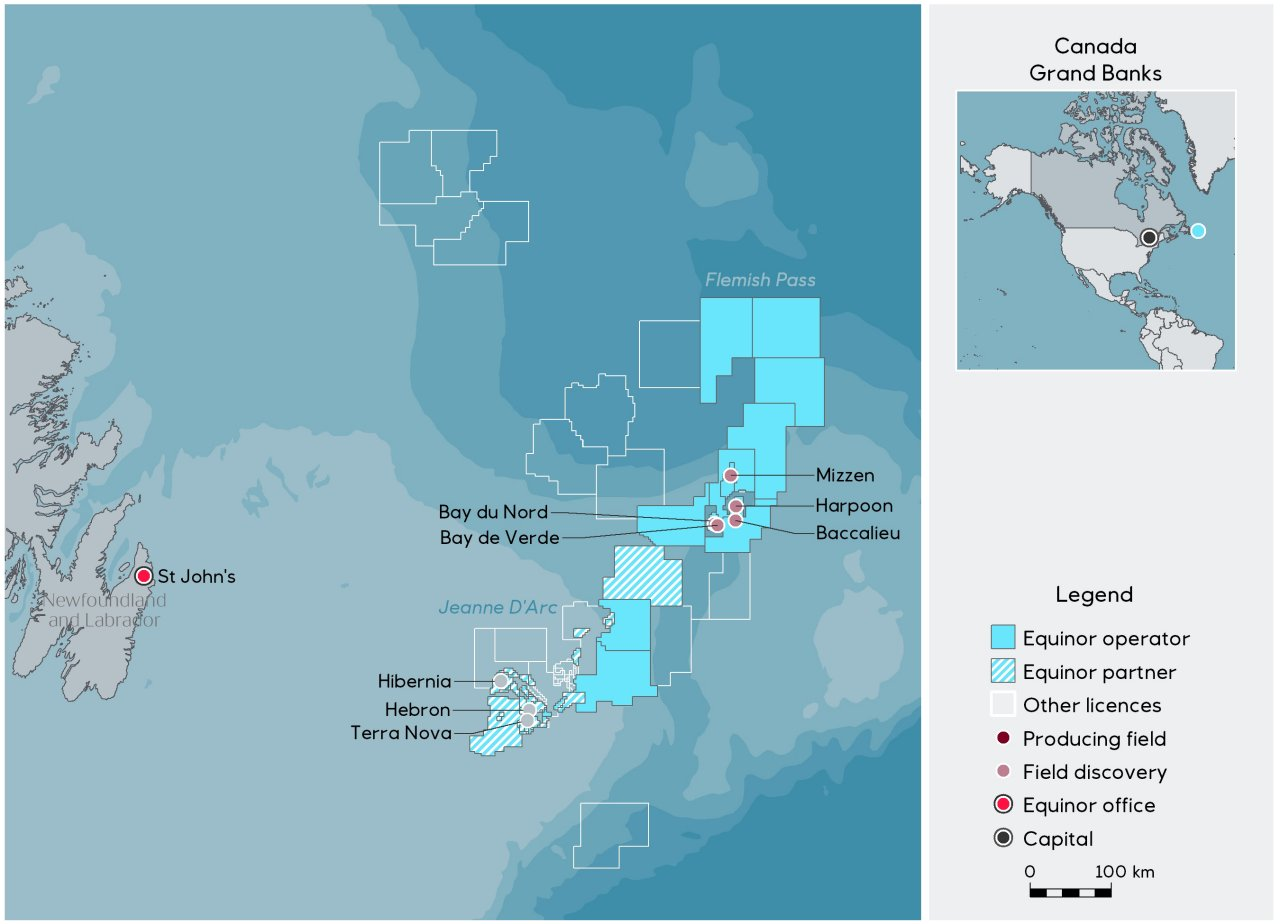
A decision on the proposed Bay du Nord oil project off the coast of Newfoundland will be delayed by another 40 days, according to Federal Environment Minister Steven Guilbeault.
Ottawa’s decision for the project was set for Sunday, but was originally scheduled for Dec. 6. The 40-day delay means a decision could come by April 13.
The project has reportedly caused a division within Prime Minister Justin Trudeau’s cabinet, according to Radio-Canada, which reported in February that several Liberal ministers from Ontario, Quebec and British Columbia want to reject Bay du Nord.
CBC
The delays in Ottawa are disappointing for the following reasons:
- Recent polling indicates very strong support among Newfoundlanders for offshore oil and gas operations and the Bay du Nord project. Newfoundland Premier Andrew Fury fully supports the project.
- The Impact Assessment Agency of Canada concluded that “the Bay du Nord Development Project is not likely to cause significant adverse environmental effects, taking into account the implementation of mitigation measures.”
- Equinor is a responsible offshore operator with a strong track record in Norway and elsewhere.
- The importance of “free world” oil and gas production has never been more obvious. That will continue to be the case for the life of this project and beyond.
- The project would generate $3.5 billion in revenues to the Government of Newfoundland and Labrador and provide estimated in-province employment of 22.3 million-person hours for the life-of-field.
Posted in Canada, energy policy, Offshore Energy - General | Tagged Andrew Fury, Bay du Nord, Equinor, Newfoundland | Leave a Comment »
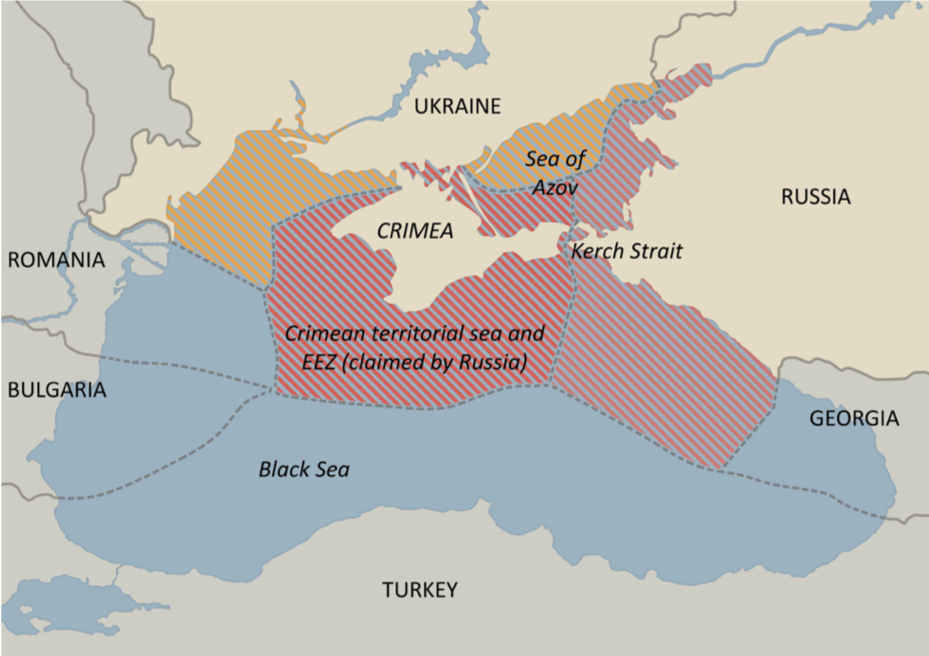
These blurbs from the Atlantic Council and Middle East Institute give you a pretty good overview. No one should be terribly surprised by what is happening now.
The exact volumes of gas currently lying deep underneath the Black Sea are not yet known. Rough estimates predict that the Ukrainian shelf may contain more than two trillion cubic meters of gas. The exact figure is yet to be determined since two-thirds of the country’s maritime area passed to de facto Russian control following Moscow’s illegal annexation of Crimea in 2014. Ukraine’s state energy company Naftogaz is preparing to explore 32 remaining blocks.
Atlantic Council 3/30/2021
Ukraine’s chances for energy autonomy were effectively cancelled with Crimea’s illegal annexation. According to its Energy Ministry, Ukraine lost 80 percent of its Black Sea oil and gas deposits as a result. As of March 2014, the Crimean-based Chornomornaftogaz’s gas estimates totaled 58.6 bcm in an EEZ three times the peninsula’s land mass and potentially worth trillions. Upon annexation, Russia seized all its fields and production facilities; the U.S. imposed sanctions not long after. ExxonMobil withdrew from Ukraine’s EEZ while other hydrocarbon supers similarly retracted.
MEI-12/14/2020
Posted in Offshore Energy - General, Russia | Tagged Black Sea, Crimea, Russia, Ukraine oil and gas | Leave a Comment »
Remember that only 5 weeks ago Judge Contreras (DC Federal Court) vacated OCS Lease Sale 257 because BOEM didn’t analyze the benefits of higher oil and gas prices (as a result of lower US offshore production) in reducing international consumption and GHG emissions. The about that!
Lease Sale 257 wouldn’t have helped get us through this crisis, but would have most definitely reduced our vulnerability to future crises.
Posted in climate, energy policy, Gulf of Mexico, Offshore Energy - General, Uncategorized | Tagged energy security, Gulf of Mexico, Lease Sale 257, offshore oil and gas, oil prices | 2 Comments »

My mother was a hard-working Quaker farm girl who hung the wash outside until her final days and otherwise conserved energy in a manner that was consistent with her values – thrift, simplicity, and love of fresh air. While there are still many common sense conservationists, professional alarmists have gained control of environmental messaging and dominate fundraising. It may be time for the environmental community to reassess its direction.
Posted in climate, energy policy, Uncategorized | Tagged solar energy, Wind Energy | Leave a Comment »
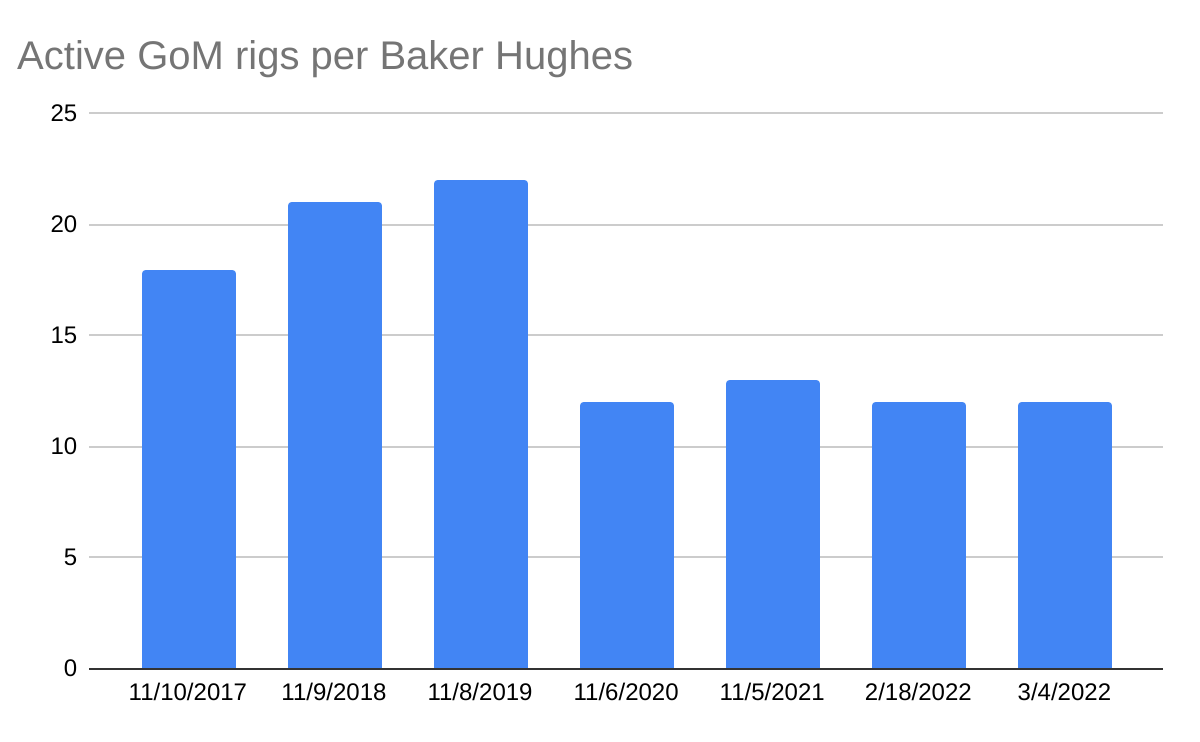
What are the issues?
- Dearth of prospects?
- Leasing uncertainty?
- Block size and lease terms?
- Political, legal, and regulatory risks?
- Mergers?
- Fewer companies with the financial strength to conduct deepwater operations
- Greater concentration of activity
- Less diverse exploration strategies
- Better opportunities internationally?
- Preference for shale operations on private lands?
- Short lead times
- Faster return on investment
- Minimal political and legal risk
- Efficient permitting
Posted in Uncategorized | 2 Comments »

