Netherlands climate activist Niklas Hohne succinctly summarizes the “end of fossil fuels” strategy (first quote) that the US Department of the Interior seems intent on implementing in the proposed 5 Year OCS Leasing Plan (second quote). What is DOI’s legislative authority for phasing out offshore oil and gas production? It’s certainly not the OCS Lands Act which calls for the expeditious and orderly development of OCS resources. Neither the EIA nor any other reputable forecaster believes we can even reduce, let alone eliminate, oil and gas consumption in the next 20-30 years.
“The plan was not to build any new infrastructure, becauseeverything new you build has to run for 20 or 30 years to pencil out, long past the point we want to be off fossil fuels,” Hohne said.
“The long-term nature of OCS oil and gas development, such that production on a lease can continue for decades makes consideration of future climate pathways relevant to the Secretary’s determinations with respect to how the OCS leasing program best meets the Nation’s energy needs.“
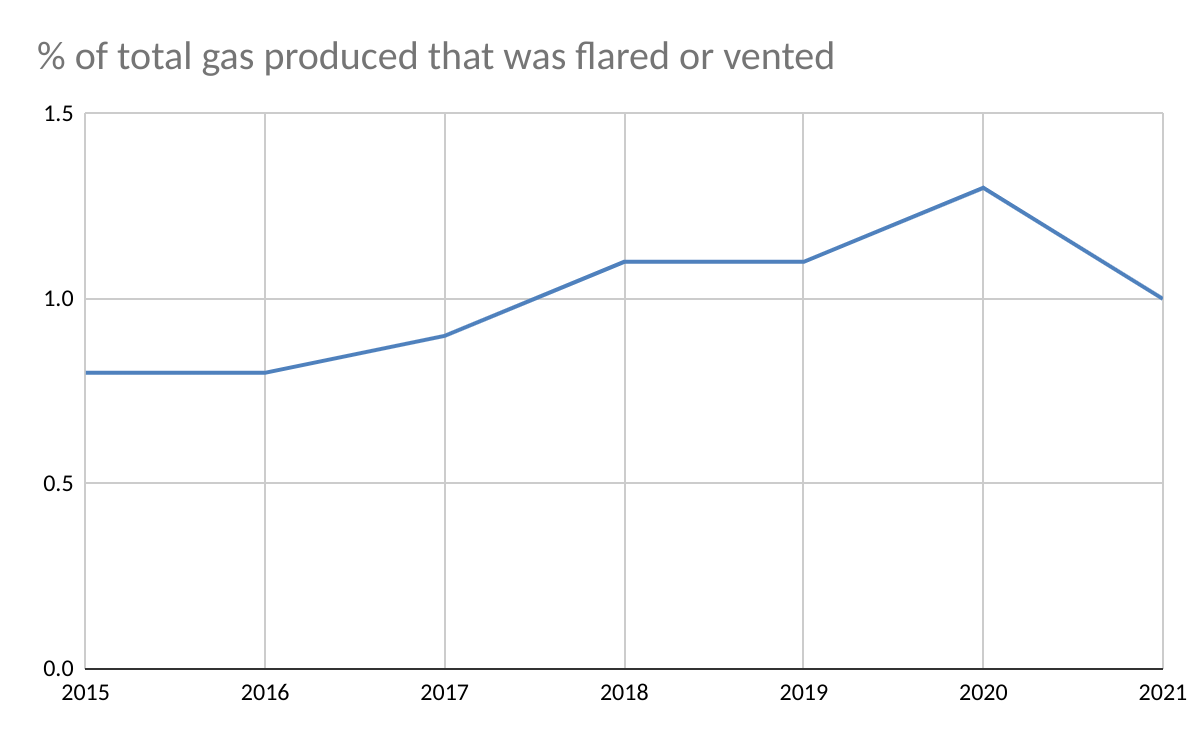
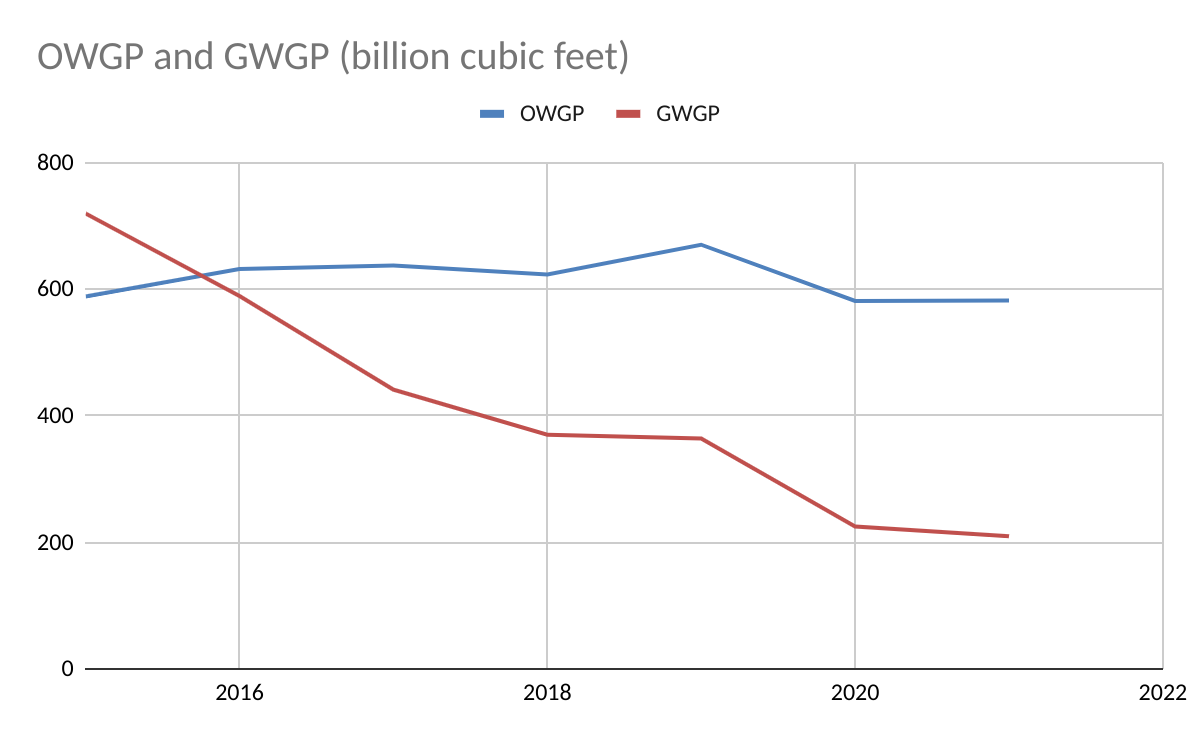
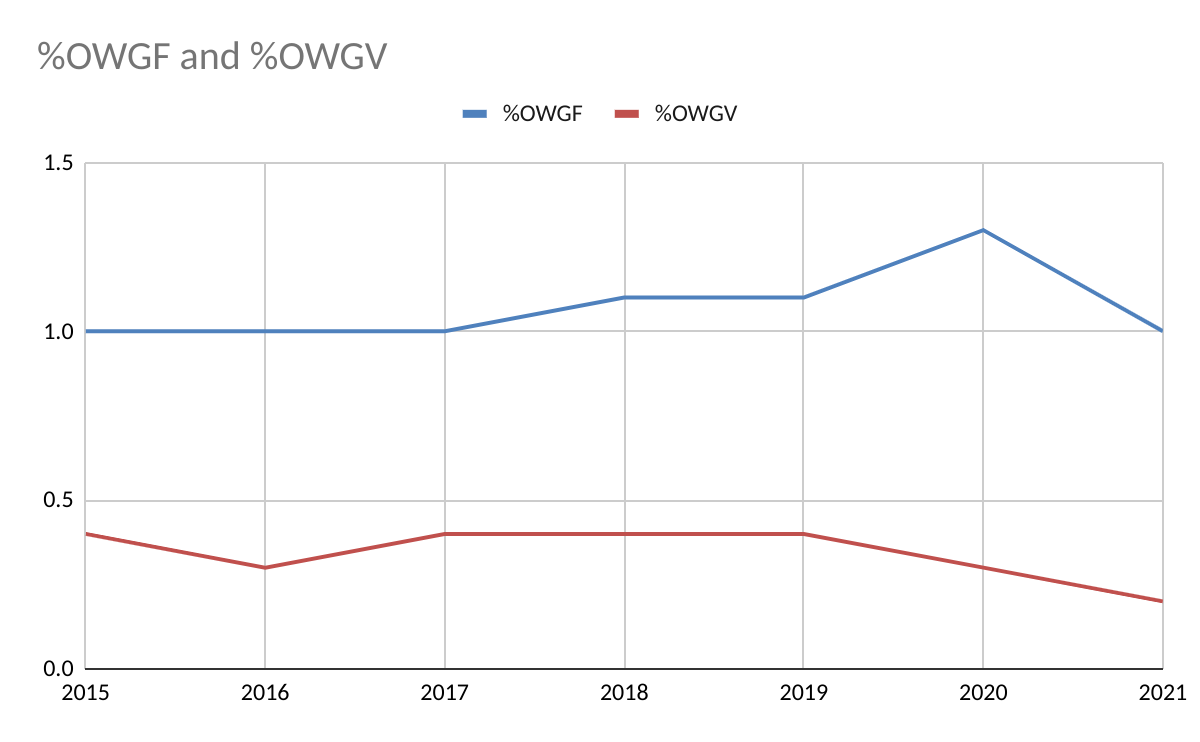
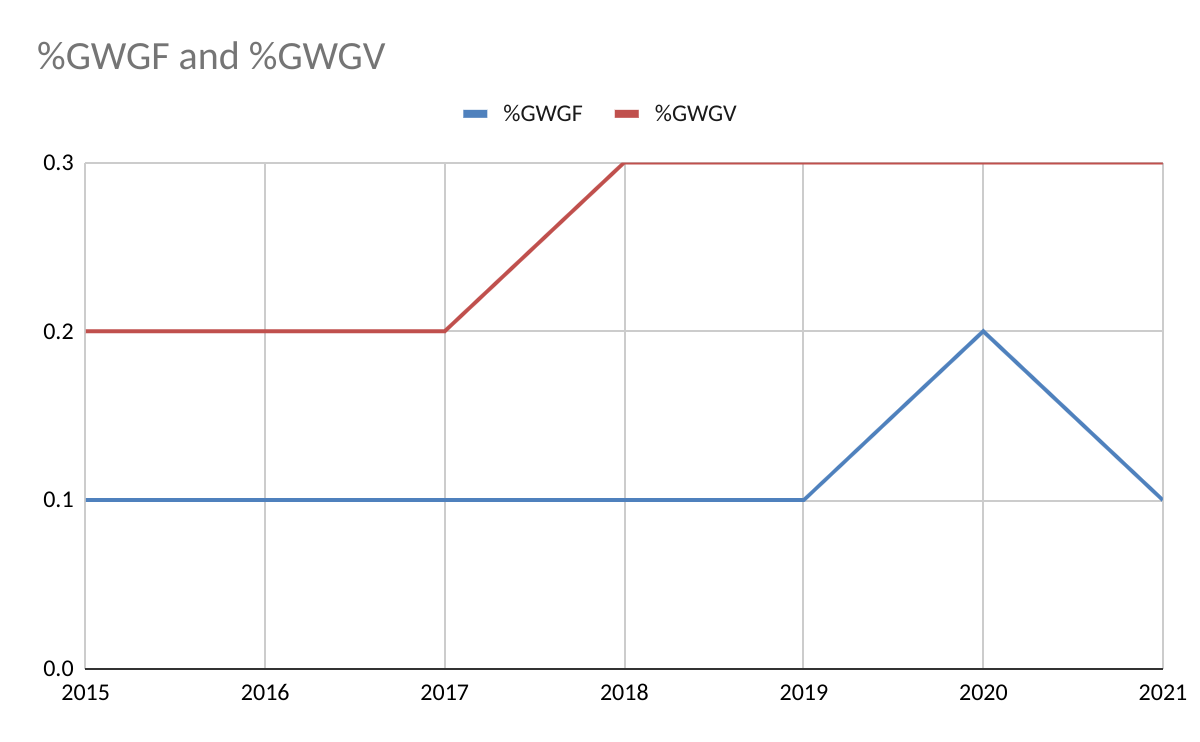
Gulf of Mexico flaring and venting data have been sorted for the years 2015-2021. The reporting of these data is mandatory and strictly enforced, so these ONRR numbers should be accurate.
Biggest surprise: The biggest surprise is that there were no big surprises in the data. The % of gas flared and vented were generally consistent with expectations based on familiarity with historical data.
Encouraging sign: The % of oil-well gas vented has ticked down over the past 2 years which is encouraging from a GHG standpoint. This is presumably because most associated gas is produced on modern deepwater facilities equipped with flare booms. An astute politician would be rushing to take credit for this achievement.😀
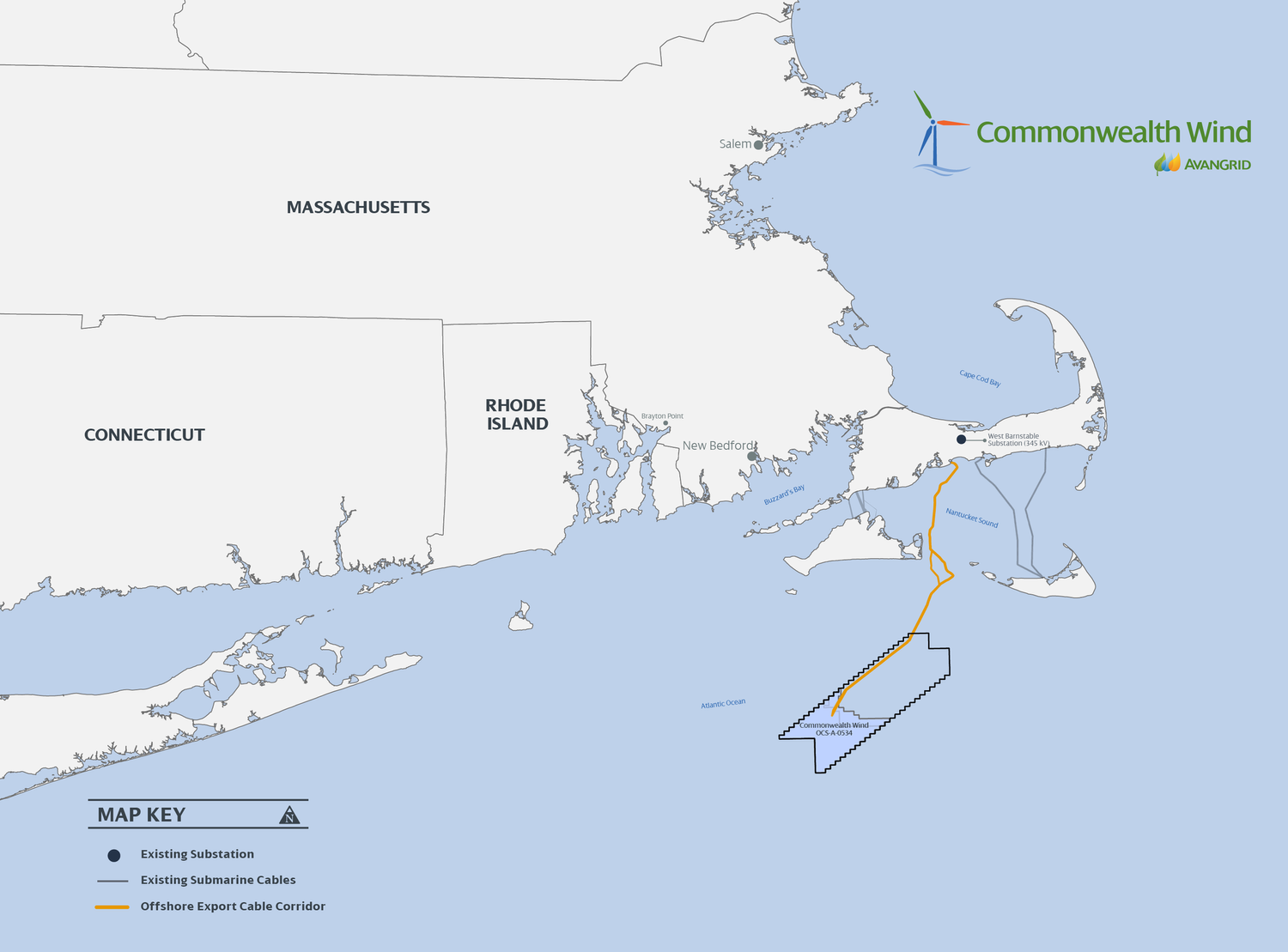
In particular, this suspension would allow the parties to examine the effect of unprecedented commodity price increases, interest rate hikes, and supply shortages on the overall viability of Commonwealth Wind’s offshore wind generation project that is the subject of the PPAs (the “Project”), including whether it remains economic and whether it can be financed under the current terms of the PPAs. A one-month suspension would also enable the parties to consider potential approaches to restore the Project’s viability – including cost saving measures, tax incentives under the newly enacted Inflation Reduction Act, an increase in the PPA prices, and improvements to Project efficiencies – and to determine whether additional time, beyond the period requested in this Motion, is needed to resolve the appropriate path forward or provide a complete record.
At a minimum, the expected commercial operation date, already more than 5 years into the future (2028), would seem to be threatened.
The supply of diesel in the United States has dropped to its lowest seasonal level since 1945, according to federal data, meaning there’s less than a month of the fuel stockpiled in the country.
LONDON, Oct 29 (Reuters) – Russia’s defence ministry said on Saturday that British navy personnel blew up the Nord Stream gas pipelines last month, a claim that London said was false and designed to distract from Russian military failures in Ukraine.
No evidence was presented to support the Russian claim; nor was any information provided on the results of their blitz investigation.
Tennessee Twist:TC Energy’s $29.3 million investment in a RNG (renewable natural gas) production facility near the Jack Daniel’s Distillery will see the Canadian operator producing RNG with a carbon-intensity score that is 50% lower than traditional natural gas, saving up to 16,000 tonnes of CO2e per year, according to the company.
“This investment is our first in the production of renewable natural gas,” said Corey Hessen, TC Energy executive vice president and president, power & Energy solutions. “The production of RNG onsite at the Jack Daniel’s Distillery offers TC Energy one more opportunity to meet the challenge of growing energy needs and reducing emissions while providing customers with access to an affordable, reliable, source of energy.”



 Bud's Offshore Energy (BOE)