Quicker-to-production areas chosen to aid UK energy security
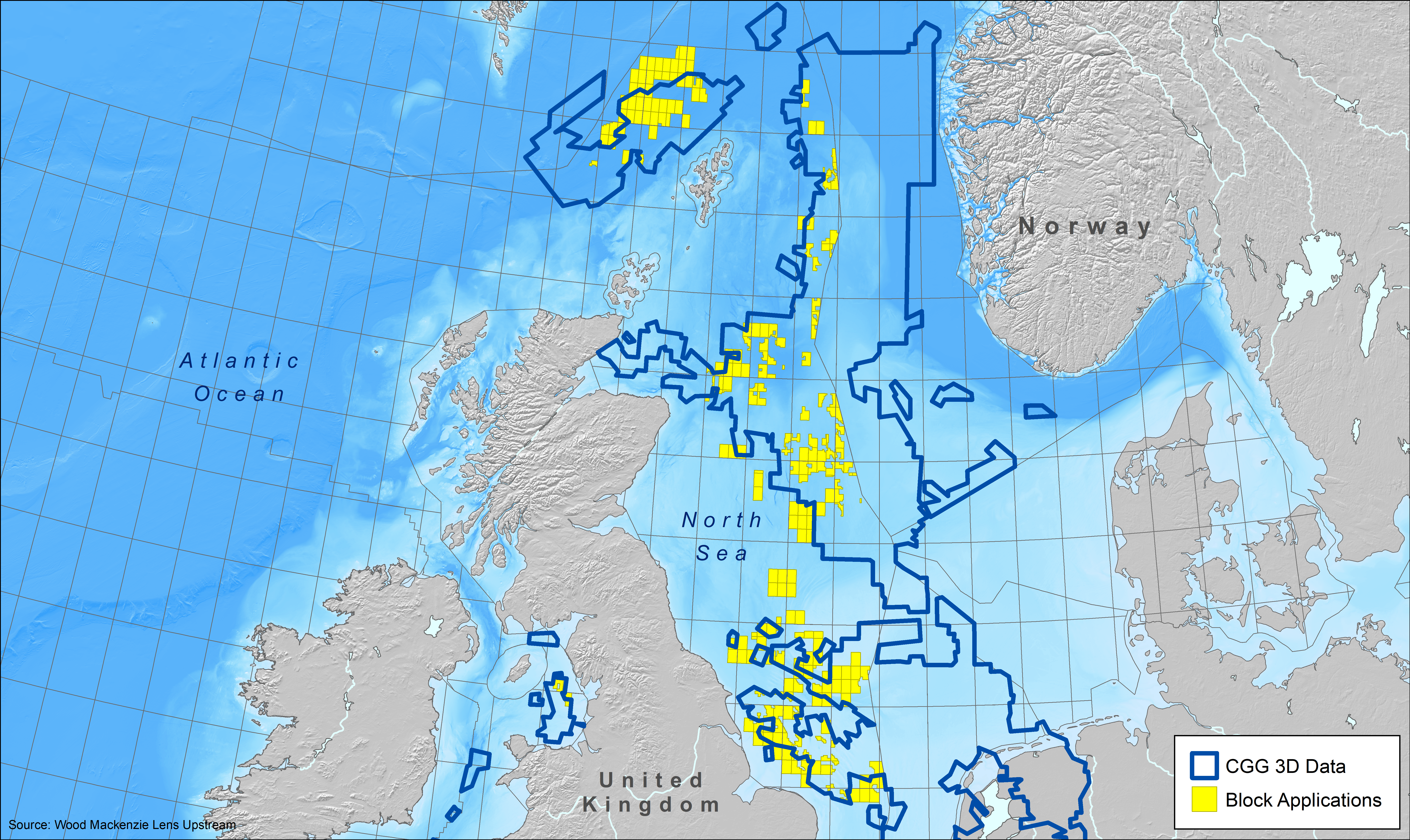
First to be awarded from 115 applications – the highest number since 2016/17 29th Licensing Round (see map below)
More blocks will be offered subject to additional environmental checks
These licences are in the Central and Northern North Sea, and West of Shetland. There are currently 284 offshore fields in production in the UK North Sea and an estimated 5.25 billion boe in total projected production to 2050.
An excellent paper by John Smith and Bob Byrd is attached.
The authors recommend the operators of large OCS platforms offshore California and in the Gulf of Mexico who propose to partially remove platform jackets prepare Comparative Assessments to support their decommissioning applications. The Comparative Assessments can also be prepared to support the case for allowing partial removal of smaller platform jackets and allowing pipelines and drill muds and cuttings to remain in-situ.
I take it that since the 5th Circuit stayed both the 9/21 and 9/25 orders, the mandate to hold the sale by 11/8 is also stayed. Ergo, it is assumed that the sale will be delayed pending a decision on the merits of the injunction. Oral arguments are scheduled for 11/13.
If the 5th Circuit’s decision facilitates timely resolution of the Rice’s whale deletions and stipulations, delaying the sale is probably the best outcome. Otherwise, the level of uncertainty would be unacceptable for many bidders.
Not a lawyer, but I take this to mean that the Judge’s injunction has been suspended and DOI may delete acreage and include the Rice’s whale stipulations in Sale 261 leases. The sale will be held on Nov. 8.
ORDER: IT IS ORDERED that the preliminary injunction entered by the Memorandum Order of September 21, 2023, as amended by the motions panel’s order of September 25, 2023, is STAYED pending the merits panel’s decision on appeal. LYLE W. CAYCE, CLERK United States Court of Appeals
The IEA’s assessments face criticism, particularly in terms of the agency’s optimistic outlook on the growth and impact of renewable energy worldwide. The report suggests that renewables will meet half of the world’s power demand by 2030, based on optimistic scenarios, including the proliferation of electric vehicles (EVs) and substantial investments in offshore wind, solar, green hydrogen, and ammonia. The IEA emphasizes the idea that consumers worldwide are enthusiastic about changing their heating systems to electricity or heat pumps.
Simultaneously, the ongoing contentious relationship between the IEA and OPEC is poised to reach new levels of disagreement. The release of the IEA’s report shortly after OPEC’s relatively optimistic oil market report gives the impression that Paris is attempting to alarm markets without substantial grounds. It’s worth noting that, despite its inherent bias, OPEC’s reports have historically demonstrated a higher level of accuracy compared to the IEA reports from the early 21st century. Even OPEC’s most optimistic scenarios regarding hydrocarbon demand growth have been realized sooner than expected. The current IEA report appears to resemble a modern-day version of “Crying Wolf.” It’s possible that the underlying strategy of Paris and its supporters is to induce significant fear among investors, including clients, in the hope that their biased outlook becomes a reality. However, at present, such a scenario appears unlikely. It’s essential to keep in mind that the IEA will need to present a doomsday scenario for hydrocarbons, as it faces a different audience in Dubai in the coming weeks.
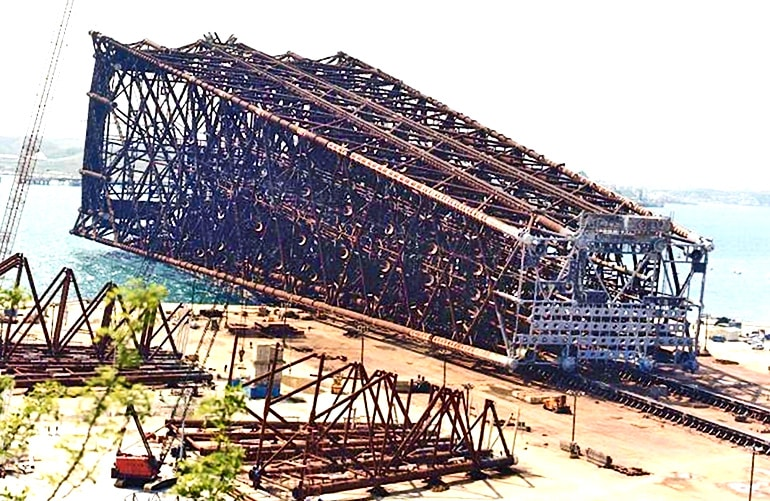
Andrew Konczvald’s reports from Manzanillo, Mexico about the presence of the Hidden Gem (pictured above), a converted deepwater drillship, have renewed BOE interest in deep sea mining, a topic that is full of political, environmental, legal, and operational intrigue:
Ocean mining has served as cover for a CIA mission! The Glomar Explorer was built by Howard Hughes to recover a Russian submarine beneath 16,500′ of water in the Pacific. Interestingly, some manganese, the material the Glomar Explorer was supposedly researching, was also recovered. (As a young engineer, I read fascinating trade journal articles about the Glomar Explorer and its mining capabilities. Little did I know that it was all a ruse!)
The US is not a party to the UN Law of the Seas (UNCLOS) Convention under which the International Seabed Authority (ISA) was established in 1994 to oversee deep sea mining. Purportedly, the US is reluctant to cede any high seas authority to the UN. Doing so might preclude escapades like the recovery of the Russian submarine 😉
Despite the need for metals to support their electrification goals, some environmental groups are staunchly opposed to deep sea mining. Their concerns range from disturbing the ocean’s natural carbon sink to impacts associated with noise and pollution from mineral recovery and transportation.
TMC contends that the environmental impacts and social costs associated with deep sea mining are far less than for onshore mining.
Meanwhile the Hidden Gem remains parked near Manzanillo. Stay tuned.
WP: “Chevron is acquiring oil driller Hess in a $53 billion all-stock deal announced Monday, bringing the energy giant deeper into the fossil fuel business at a time when policymakers are pressing for a broader transition to renewables.”
Comment: Many who live and work outside of the Post’s policy bubble differ on the urgency and practicality of the transition. Their primary concerns are reliable, secure, and affordable energy. Many elected representatives agree, which is why there is little national support for legislation restricting fossil fuels and imposing rigid transition timelines. Administrative actions, like the 5 year leasing plan, that handicap US offshore production are also being questioned.
And what are we transitioning to? Wind and solar are intermittent energy sources that can complement fossil fuel power generation, but not replace it. Nuclear energy has strong proponents, but faces stiff opposition, much of which is from the same groups that oppose fossil fuels. Other energy alternatives like ultradeep geothermal are very promising but are still years away.
WP: “The investments run counter to U.S. and global climate policies, which aim to rapidly phase out the internal combustion engine and shift power grids to zero emissions energy. The International Energy Agency reported last month that demand for oil, gas and coal will peak by 2030 before going into a steady decline, leading its executive director, Fatih Birol, to warn oil company executives that decisions to double down on fossil fuel infrastructure could prove misguided.“
Comment: Fortunately, IEA does not dictate corporate investment decisions. Perhaps IEA should look more closely at their own forecasts which show essentially no decline in oil or gas demand through 2050. Their assertion that demand for all fossil fuels will peak by 2030 is based on their speculative forecast calling for a sharp decline in coal demand, even though coal consumption is currently at record levels. IEA’s forecasts are also dependent on questionable assumptions such as this: “50% of new US car registrations will be electric in 2030.”
WP: “Still, the massive acquisitions from both Chevron and Exxon indicate their executives believe fossil fuels will continue to drive their business well into the future. Emphasizing affordability, company executives have said they see oil and gas alongside renewables.”
Comment: Spot-on. The WP could have shortened their commentary to these 2 sentences.
WP: Alex Witt, senior adviser for oil and gas at the advocacy group Climate Power, said the Hess acquisition shows the company’s true priorities. “Today’s news proves what we already knew — Chevron executives only care about the short-term, putting potential profits over the lives of families and the future of our planet,” Witt said in a statement Monday.
Comment: Or perhaps both Chevron and the lives of families will benefit, as they have in the past.
NOPSEMA has kindly provided links for the slides presented at the 3-4 October International Regulators’ Forum Offshore Safety Conference in Perth, Australia. They will be uploading the video recordings at a later date.
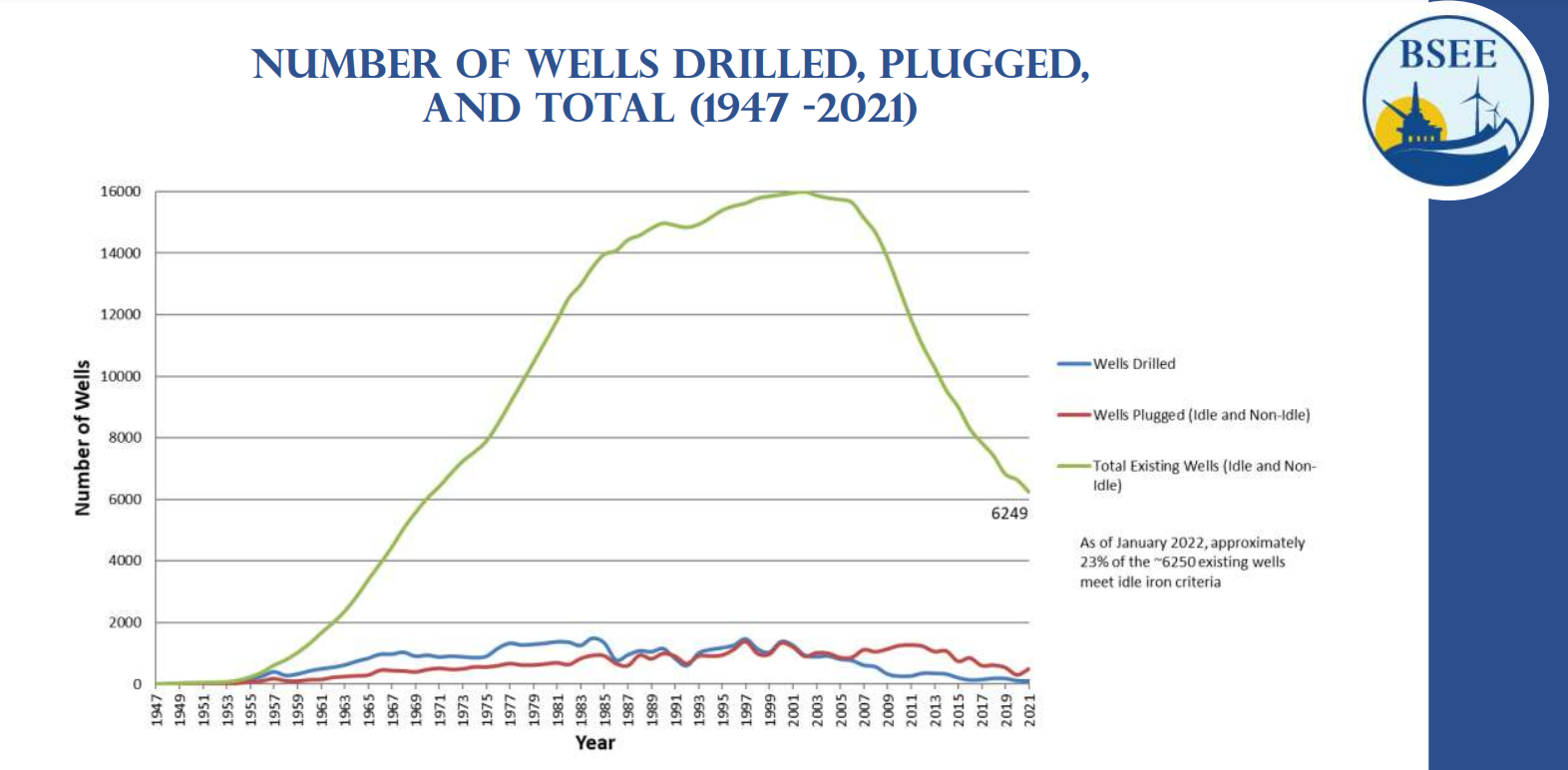
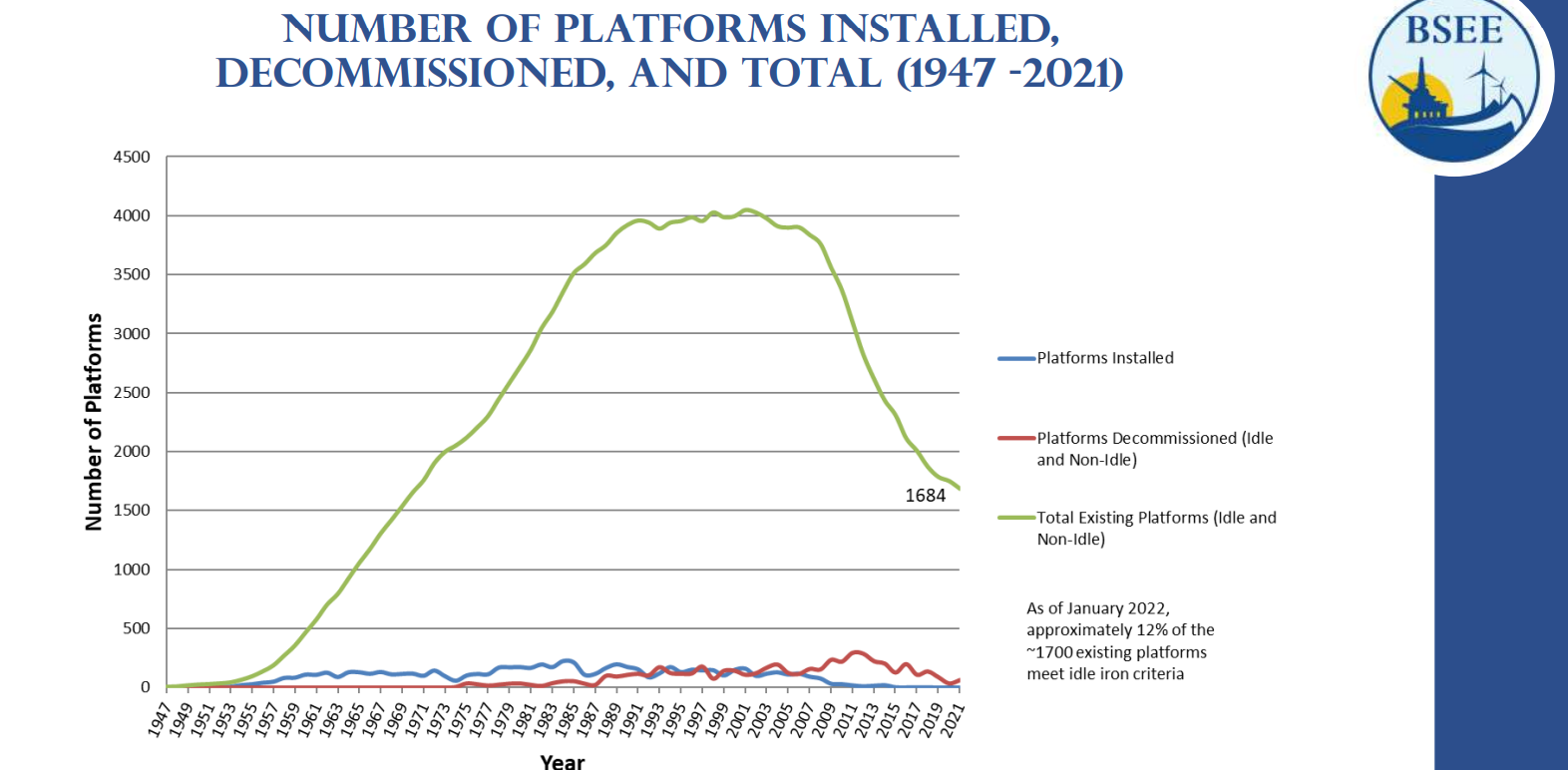
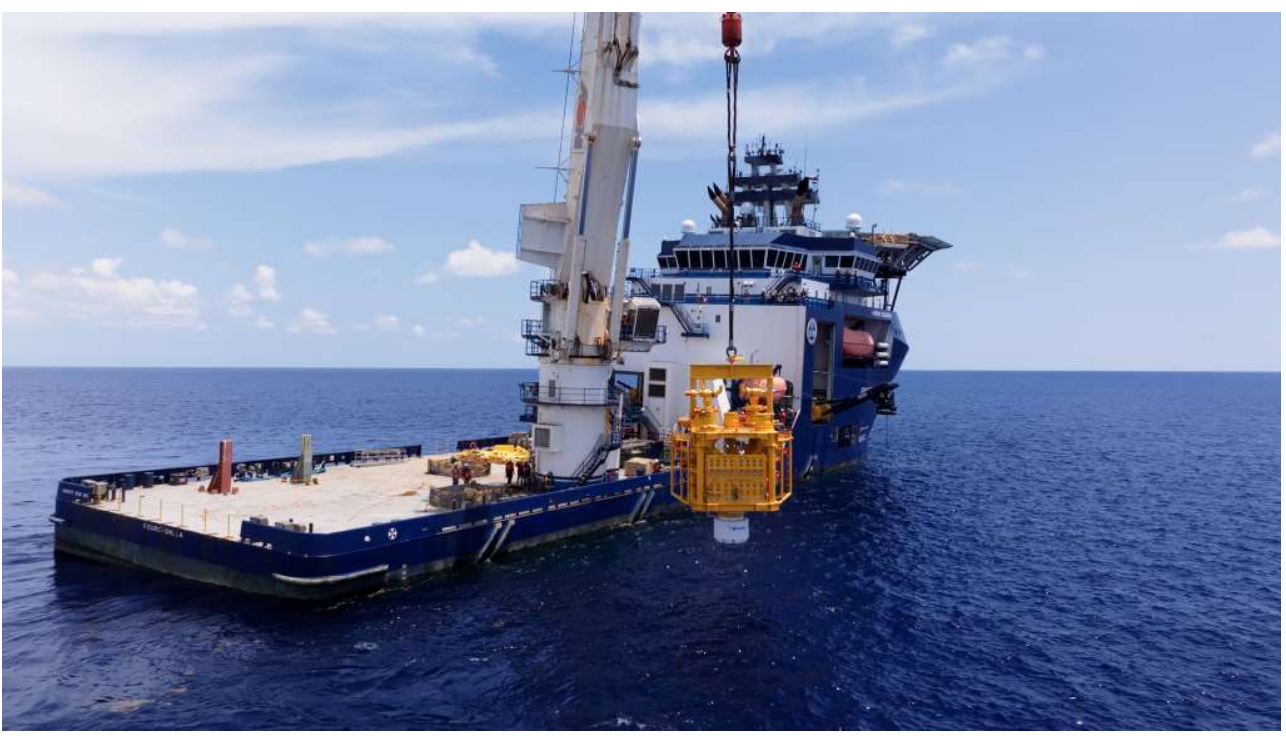
On day 2 (stream 2) Bryan Domangue (BSEE) presented updated data on the progress that is being made in plugging inactive wells and decommissioning idle platforms (see the charts pasted below). In the following session, Bryan made an interesting presentation on the capping stack deployment exercises in the GoM (picture below).
For excellent slides on investigation and sharing the lessons learned, see session 9 (day 2, stream 1).
“Stampede,” Gulf of Mexico: Hess 25% owner and operator, Chevron 25% owner
Most importantly, both companies have excellent safety and compliance records as evidenced by their Honor Roll achievements.
Hess is an attractive company with impressive assets. Were there other suitors?
Chevron is currently a partner on the Stampede, Esox, and Tubular Bells deepwater projects that are operated by Hess. There is thus an established deepwater development relationship.
The acquisition of Hess means that Exxon and Chevron will now be partners in Guyana. That should be interesting.
Chevron’s CEO Mike Wirth is quoted as saying “We’ve got too many CEOs per BOE, so consolidation is natural.” That comment seems a bit self-serving, but makes sense from the perspective of an acquiring CEO. Employees of the companies being acquired may have a somewhat different view.
In the Gulf of Mexico, will the combined company be greater than the sum of the parts in terms of lease acquisition, exploration, and development?
Will combining the companies limit the diversity of geological assessments and exploration strategies?
Consolidation affects participation in workshops and on committees engaged in assessing technology and developing standards. More limited participation in these activities, which are critical to offshore safety, was a justified concern of my former boss, the late Carolita Kallaur.
Add Hess to the list of important offshore operators that, for all intents and purposes, no longer exist. This list includes (among others): Amoco, Arco, Texaco, Getty, Gulf, Unocal, Sun, Anadarko, BHP, Mobil, Phillips (or Conoco), Noble Energy, Pennzoil, Kerr-McGee, and Newfield.
Consistent with the findings of their inspections and data gathering (as discussed further here), BSEE has published a safety alert (attached) that identifies significant shortcomings in medical evacuation planning and performance.
The findings suggest that a renewed focus on medevac preparedness should be an immediate industry priority. Note the evacuation time, supply, training, and other planning issues summarized in the BSEE alert. Also note the helideck safety issues that were identified. These issues are particularly troubling in light of last December’s fatal crash.