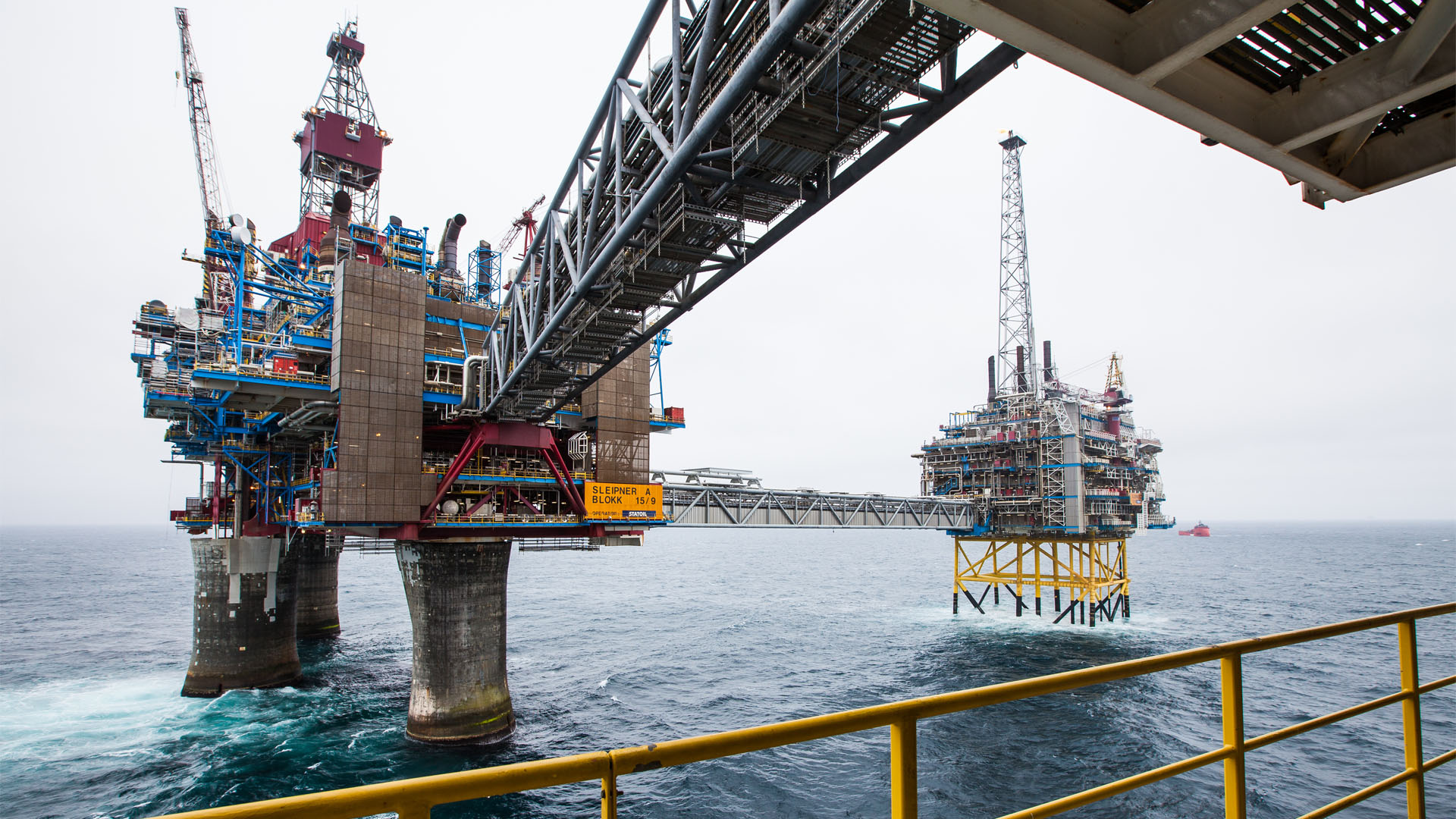
Energy security will be a featured topic at the conference. Note the lineup for the Zelenskyy session:
President Zelenskyy will be introduced by the Norwegian Prime Minister Jonas Gahr Støre, and will be followed on stage by Elon Musk, Ben Van Beurden (CEO, Shell), Patrick Pouyanné (CEO, TotalEnergies) and Anders Opedal (CEO, Equinor) among others.
Good article from our friends at the Petroleum Safety Authority of Norway. When old guys reminisce, people need to listen 😉
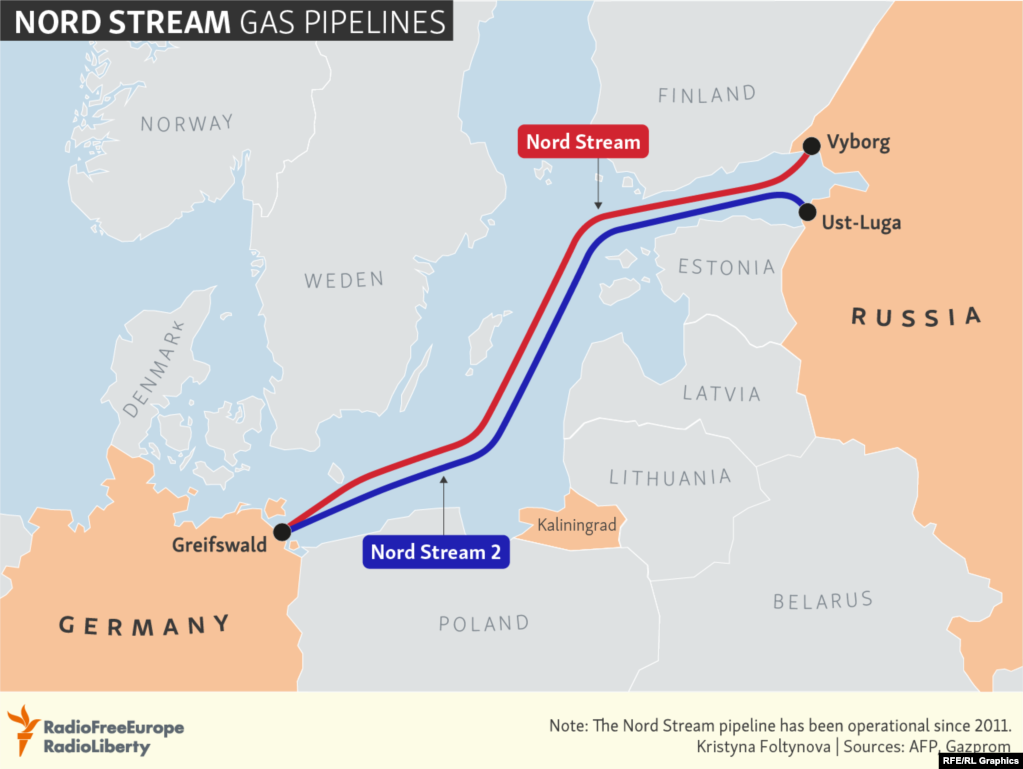
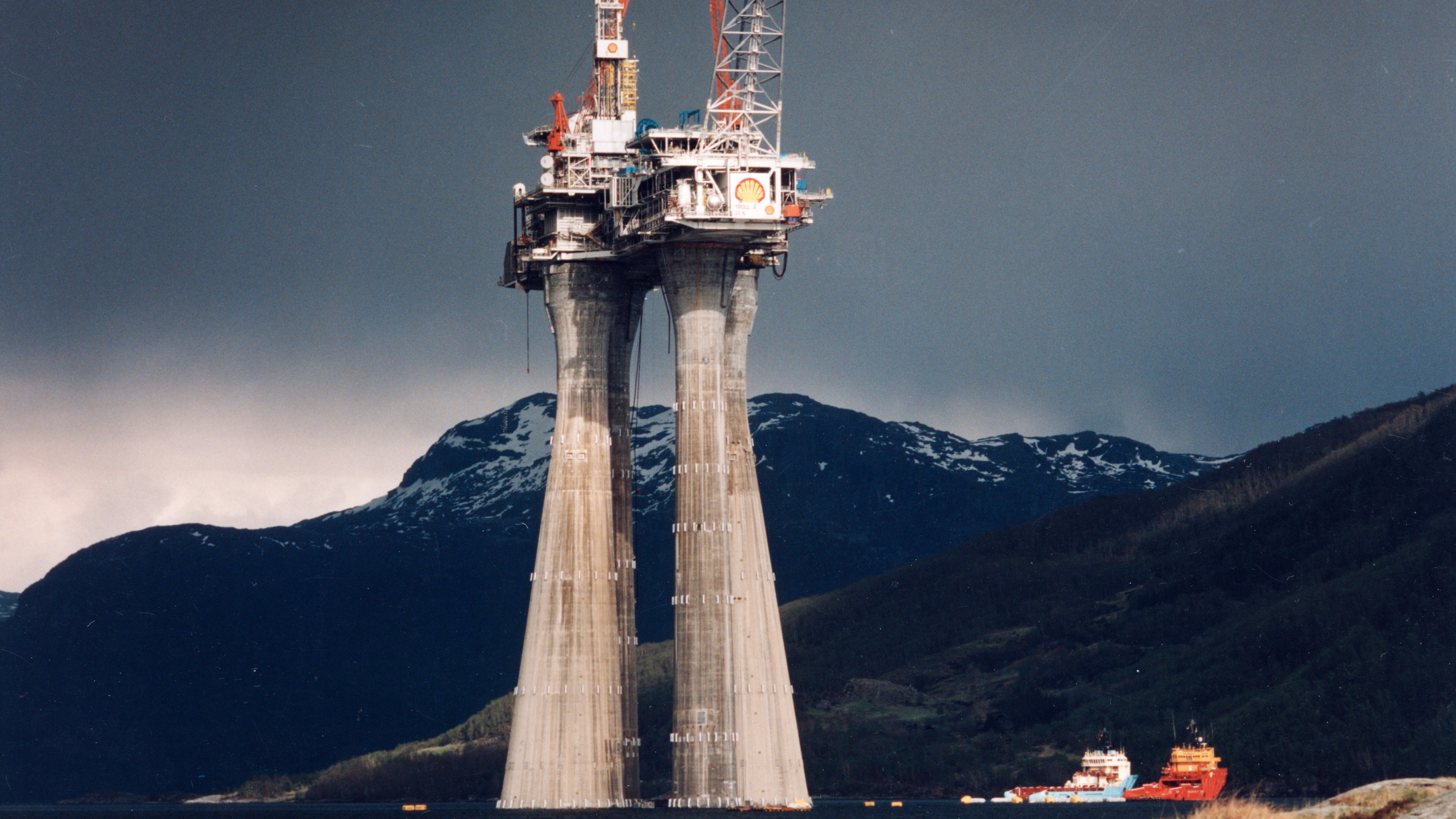
“Reagan feared that the world, and especially Europe, would become too dependent on Soviet gas, and saw Troll as an opportunity to create greater independence.”
“Lerøen sees parallels to the current situation, with Russia’s invasion of Ukraine, and the importance Norwegian gas has for the EU, which wants to become independent of Russian gas.”
“Norwegian offshore oil and gas workers went on strike Tuesday. The stoppage could reduce the country’s gas output by almost a quarter and intensify supply chain shortages due to Russian gas boycotts by EU nations.”
Norwegian offshore worker disputes tend to be resolved without major work stoppages, and fortunately that appears to be the case with the latest dispute. This would not have been a good time to take Norway’s 1.8 million BOPD and 11.5 BCFD of gas off the market, even briefly.
Tiå går og di seie tiå lege adle sår Men ein mista bror e sår som aldri gror Kanskje vil dårr gå vinter og vår Sei oss klart kor dokker står Håpte på at han sko komma At han sko komma hjem igjen
Time is gone, they said; time would heal all wounds But to lose a brother is a wound that will never heal It could take as long as the never-ending winter and spring [i.e., never] I hope that he should come That he should come home again
The International Regulators’ Forum (IRF) does a good job of compiling safety performance data for offshore oil and gas operations in member countries. Because these data are collected by the respective regulators and compiled in accordance with established guidelines, we consider the IRF compilations to be the most credible international incident summary data for the offshore industry.
BOE looked at the numbers for the IRF countries with the highest level of activity in terms of hours worked – Brazil, Norway, UK, and US. These countries accounted for 90% of the total hours worked in 2020, the last year for which data are available. The 2020 hours worked (millions) were also relatively similar for the 4 countries: Norway – 41.2, UK – 42.4, US – 50.4, Brazil – 50.7. The differences in hours worked were somewhat greater in the prior years, but not dramatically so.
We charted the fatality and lost-time (>3 days) data (below). Our intent at this point is to draw attention to the IRF data sets, not to assess and compare performance. We do think the overall safety performance in these and other IRF countries, while far from perfect, is quite good given the hundreds of millions of hours worked, complexity of operations, logistical challenges, and difficult operating environments. We recommend that the IRF prioritize the timely posting of these data, and begin providing causation information so that companies and other interested parties can better identify performance issues and safety trends.
“Norway cannot escape the unpleasant fact: this is a form of war profit”, daily paper Dagbladet wrote in an editorial. “While Ukraine is being destroyed, and most other countries are mainly feeling the negative effects of the war, such as higher energy prices, higher food prices and general inflation, we are making a gain”, it said.
December 2021 oil production averaged 1.713 million bopd, lower than expected and down from 1.794 million bopd in Novermber. Given that the production lost during Hurricane Ida was to have been fully restored, BOE expected production to average greater than 1.8 million bopd.
January data will be helpful but won’t be available until 31 March. GIven the importance of these data and advances in information management, more timely updates should be an objective. We note that Norway released January production data on 22 February.
On Sunday, the Norwegian government announced that its sovereign wealth fund, the world’s largest, wwould divest its Russian assets, worth around 25 billion Norwegian crowns ($2.80 billion).
Reuters
“In the current situation, we regard our position as untenable,” Equinor Chief Executive Anders Opedal said in a statement. “We will now stop new investments into our Russian business, and we will start the process of exiting our joint ventures in a manner that is consistent with our values.”
Reuters
British oil giant BP said Sunday that it is “exiting” its $14 billion stake in Russian oil giant Rosneft over Moscow’s invasion of Ukraine in one of the biggest signs yet that the Western business world is cutting ties over the Kremlin’s invasion of Ukraine.
A. There’s also plenty of oil leases that are not being tapped into by oil companies, so you should talk to them about that and why.
Hopefully, this was a glib response that is not indicative of the Administration’s understanding of oil and gas exploration and development.
When you acquire a lease, you aren’t buying a certain amount of oil and gas in the ground that you can simply produce at your leisure. You are buying the opportunity to explore for and, if you are fortunate, produce oil and gas.
Exploration begins with the acquisition, processing, and evaluation of geophysical and other data. If these data are encouraging, you seek internal, partner, and regulatory approvals to drill exploratory wells. The drilling of unnecessary wells makes no sense from any standpoint: financial, safety, or environmental.
You have a limited amount of time to initiate production depending on the terms of your lease. Otherwise you lose the lease. The Federal regulators are strict about this, as they should be.
Predictability about which areas it is possible to apply for in APA (allocation in predefined areas; i.e. leasing or licensing) and regular replenishment of new area is important to achieve an effective exploration. APA rounds are therefore conducted annually.