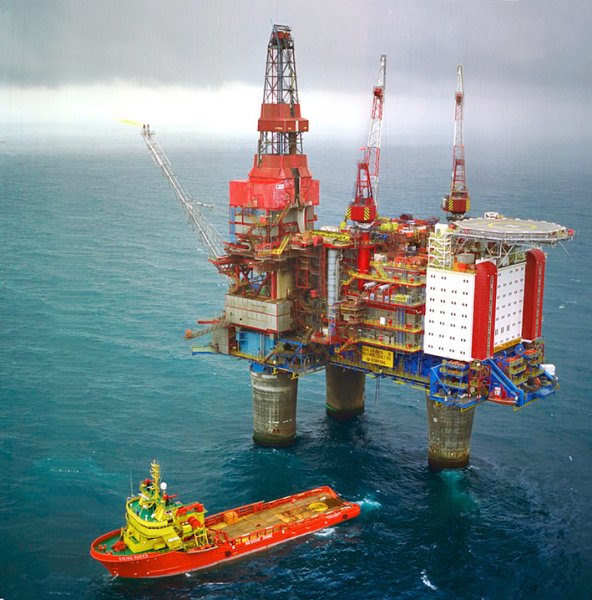
Norway has always been ahead of the pack when it comes to worker accommodations. Gulfaks B (pictured) is a concrete, gravity-based platform installed nearly 40 years ago, but the living quarters and amenities are updated and first class. A Gulfaks B worker provides a tour in the video embedded below.
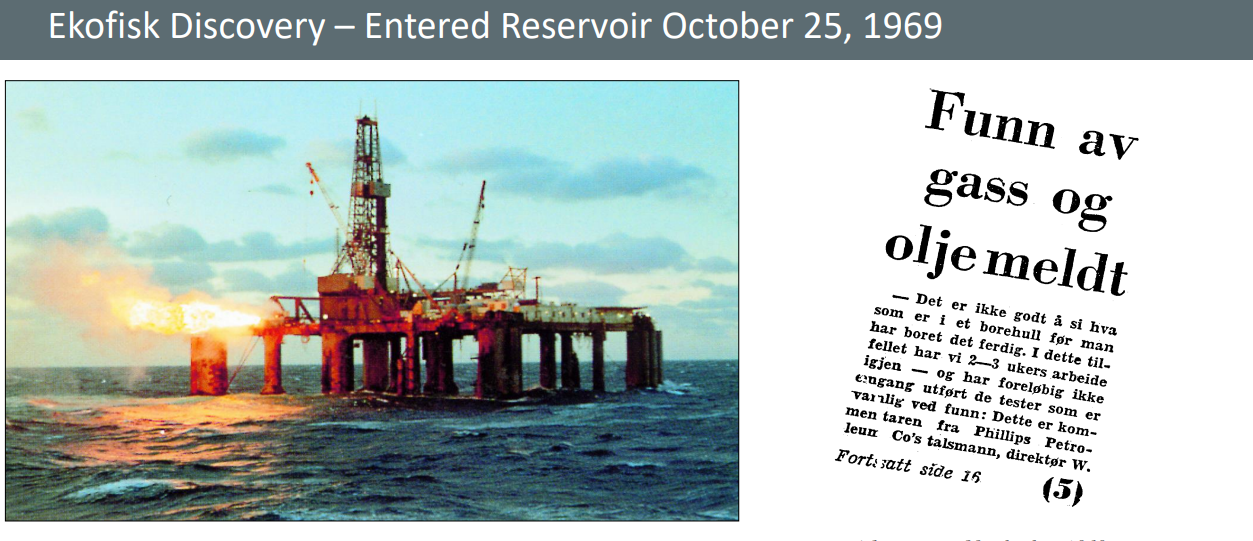
Ekofisk was Norway’s first commercial oil discovery in 1969, with first production in 1971. Another redevelopment phase could extend production to 2050 and beyond. This is a good example of how technology and reservoir management can extend field life indefinitely. Finite resources are not really finite.
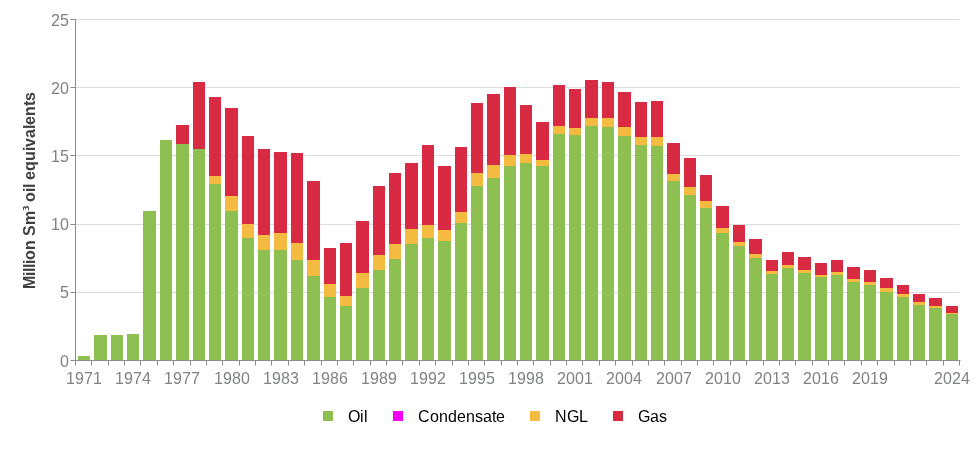
Ekofisk production history; water injection began boosting production in 1987. The expected final recovery factor for Ekofisk is now estimated to be >50%.
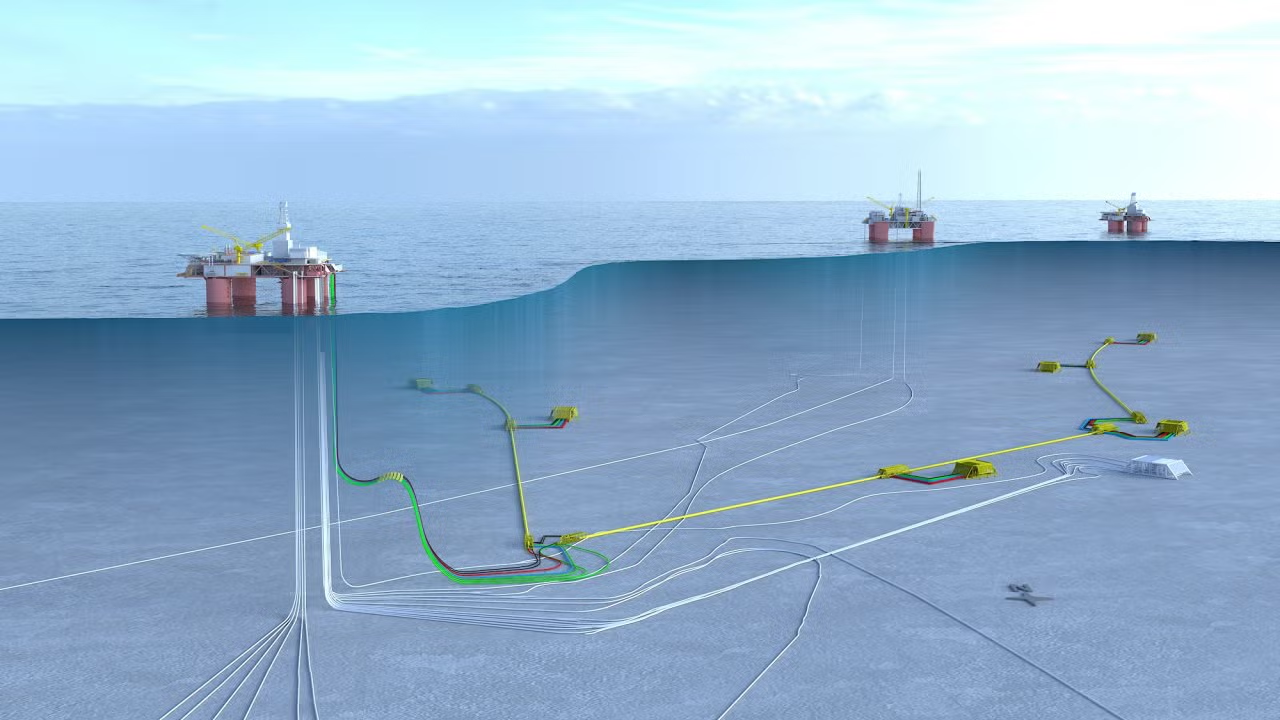
ConocoPhillips and partners have approved the redevelopment of three gas and condensate fields depicted below — Albuskjell, Vest Ekofisk, and Tommeliten Gamma. Better well placement and the use of horizontal well technology will increase resource recovery.
The $1.8 billion project consists of four new subsea templates and 11 production wells tied back to the Ekofisk complex. First production is planned towards the end of 2028. Recoverable gas and condensate reserve additions are estimated at between 90 million and 120 million barrels of oil equivalent.
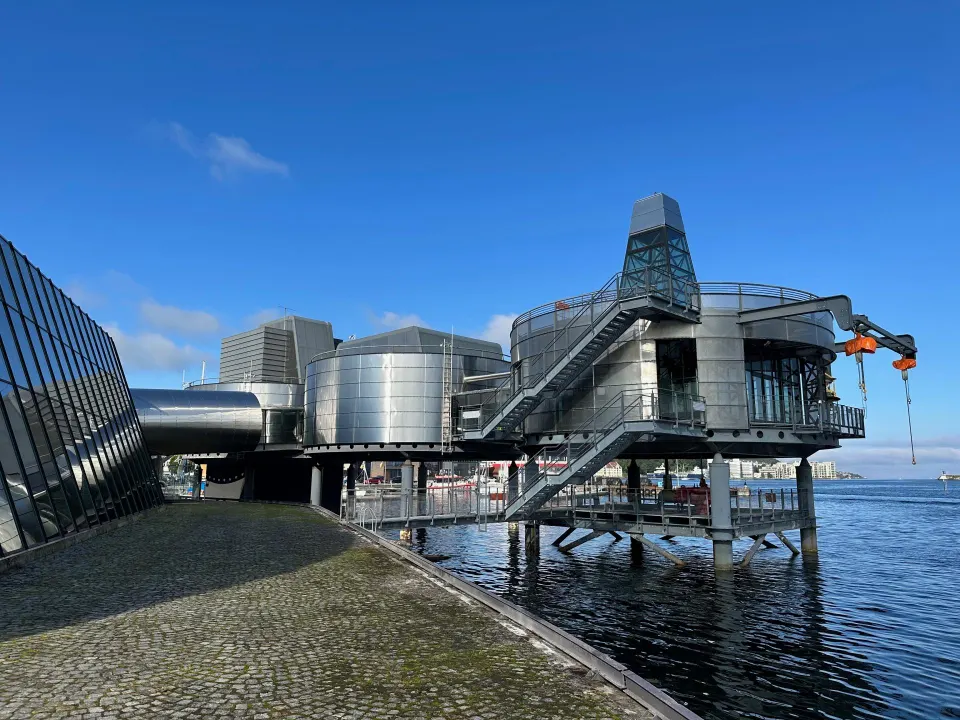
If you ever get to Stavanger, be sure to visit the Petroleum Museum! HIghly recommended!
The Snorre field is in 300-380m of water in the North Sea ~200 km west of Floro.
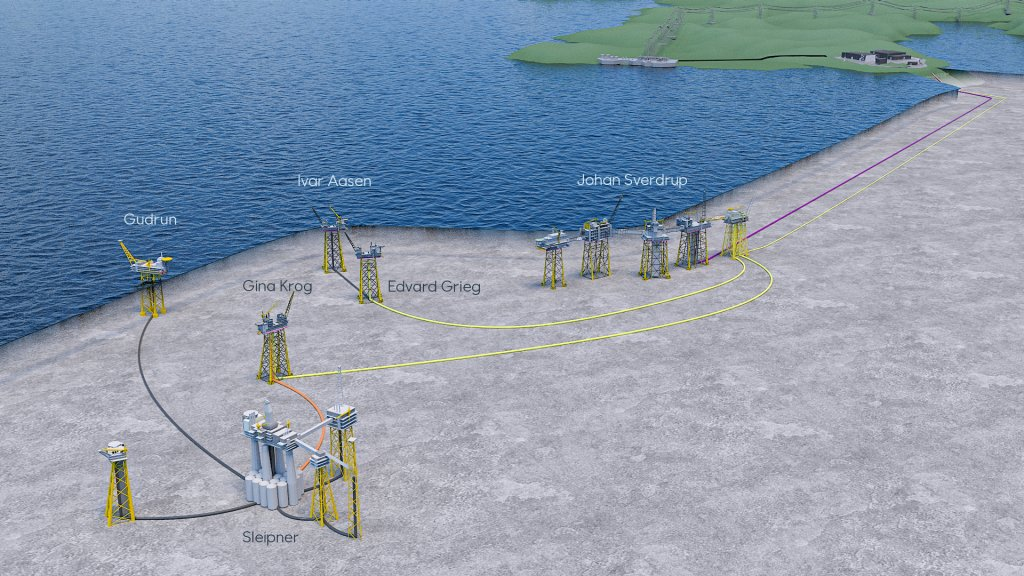
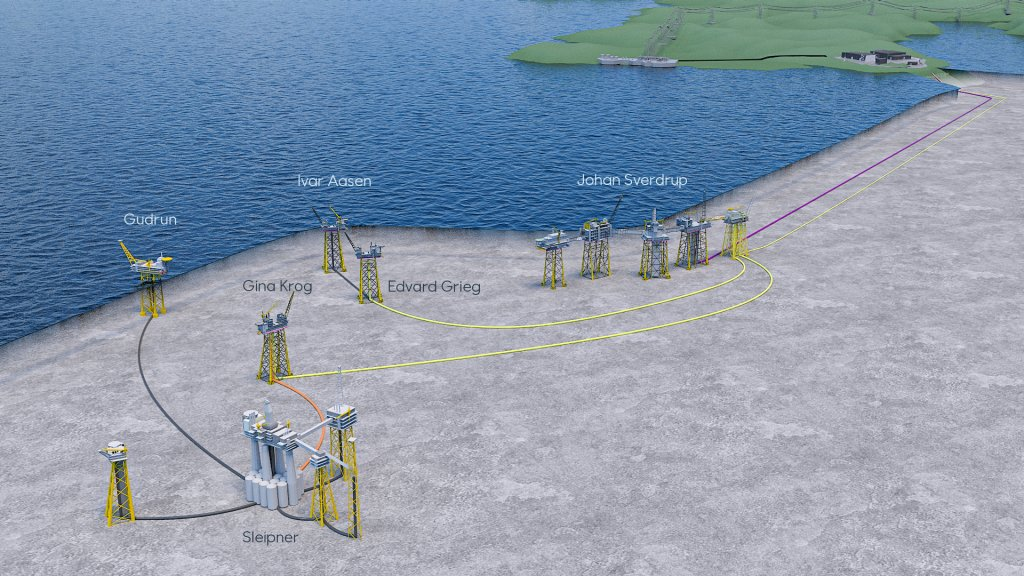
According to Reuters and others, Equinor will no longer pursue electrification of Snorre A and B, Heidrun, Aasgard B, and Kristin platforms, but still plans to proceed with projects at Grane and Balder fields.
A number of BOE posts since Jan. 2022 have questioned Norway’s electrification strategy for offshore platforms. Our reasons:
Most offshore platforms produce sufficient gas to support their power demands
Assuming gas that is not used to power a platform is marketed and consumed elsewhere, the net (global) reduction in CO2 emissions from electrifying offshore platforms is negligible. (Perhaps there is actually a small increase in net emissions given the power required to transport the gas to markets and the emissions associated with onshore power generation).
Offshore power demands are highly variable, especially when drilling operations are being conducted.
Gas turbines are reliable, and capable of responding to variable power demand. Excess generation capacity is typically provided.
Power from shore increases the cost of platform operations and could decrease ultimate recovery of oil and gas resources.
Per NPD, electrification of the shelf will increase electricity prices for onshore consumers and increase the need for onshore facility investment.
Gas turbines or diesel generators are still necessary to satisfy emergency power needs at the platforms.
Long power cables are vulnerable to damage (accidental or intentional), as are onshore power stations.
The reliability, cost, and cable vulnerability concerns have clearly been validated. The reality is that powering distant platforms from shore increases operating costs, safety risks, and onshore electricity prices with no net environmental benefit.
It also seems rather hypocritical for a major natural gas exporter to prevent offshore operators from powering their platforms with gas produced at their platforms.
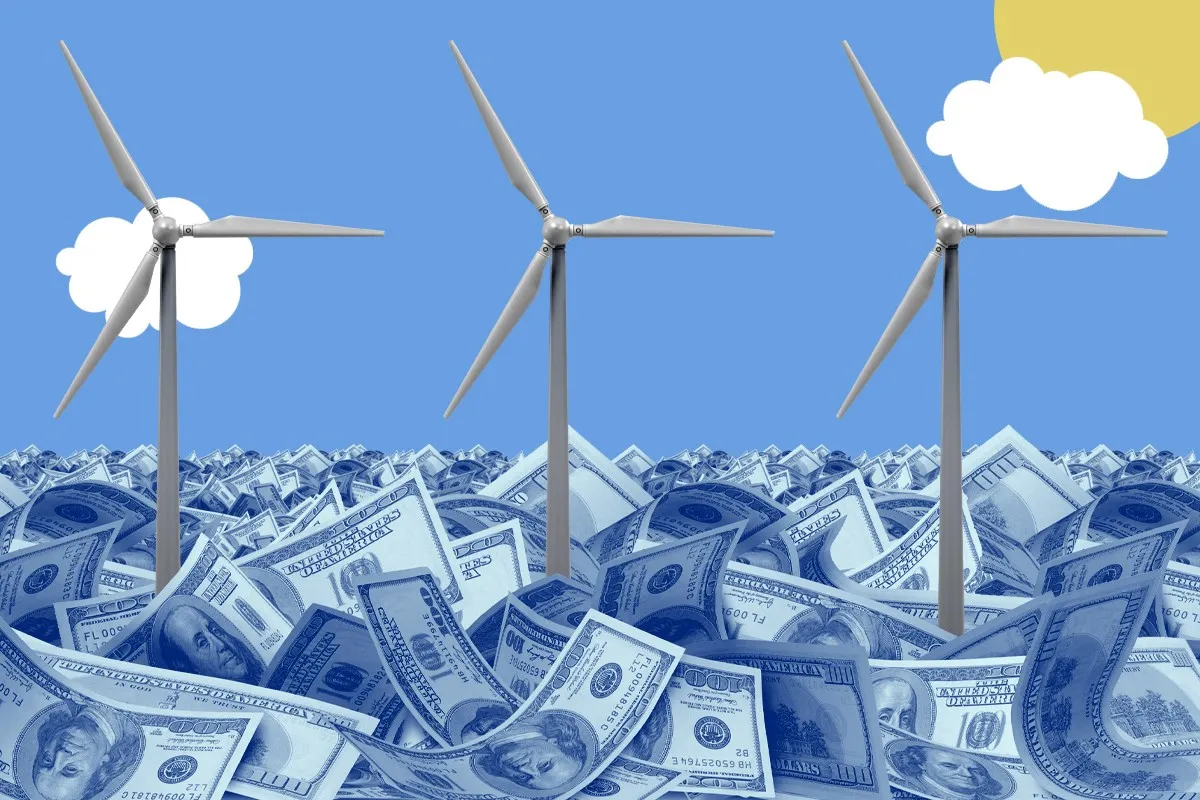
Equinor (2/3 Norwegian govt owned) is increasing its position in Ørsted (50.1% Danish govt owned). Given the ownership structure, public money is at risk for both countries.
The comments below are from a DN Norway article. They were made by CEO Torgrim Reitan after Equinor announced that the company will contribute NOK 10 billion (USD 1 billion) in Ørsted’s special share offering.
“We want a closer partnership with Ørsted. We are two leading companies in offshore wind, and we believe a closer collaboration could create significant value for both Ørsted’s and our own shareholders.”
“This industry is now going through its first real crisis. That makes it quite clear what’s needed. We know a lot about this from oil and gas. What often happens in such times is consolidation.”
“We want a closer partnership with Ørsted. We are two leading companies in offshore wind, and we believe a closer collaboration could create significant value for both Ørsted’s and our own shareholders.”
“In recent weeks, we’ve had conversations with Ørsted management, and we’ve also had conversations with the Danish state. But the discussions have primarily been with Ørsted.”
“Ørsted is in a difficult situation right now. For us, as an industrial and long-term owner, it’s important to be supportive and helpful in such a situation. That’s why we’re putting in nearly a billion dollars.”
“This is a difficult decision, because clearly a lot of equity capital needs to be raised, but we have a fundamental belief in the industry, and also in the company. Ørsted’s underlying portfolio is a strong one.”
“Going forward, this will increase our debt ratio somewhat—maybe by about two percentage points. But we’re starting from a very low debt ratio. So we can manage this within our financial framework. As for capital distribution in 2026 and beyond, we will remain competitive.”
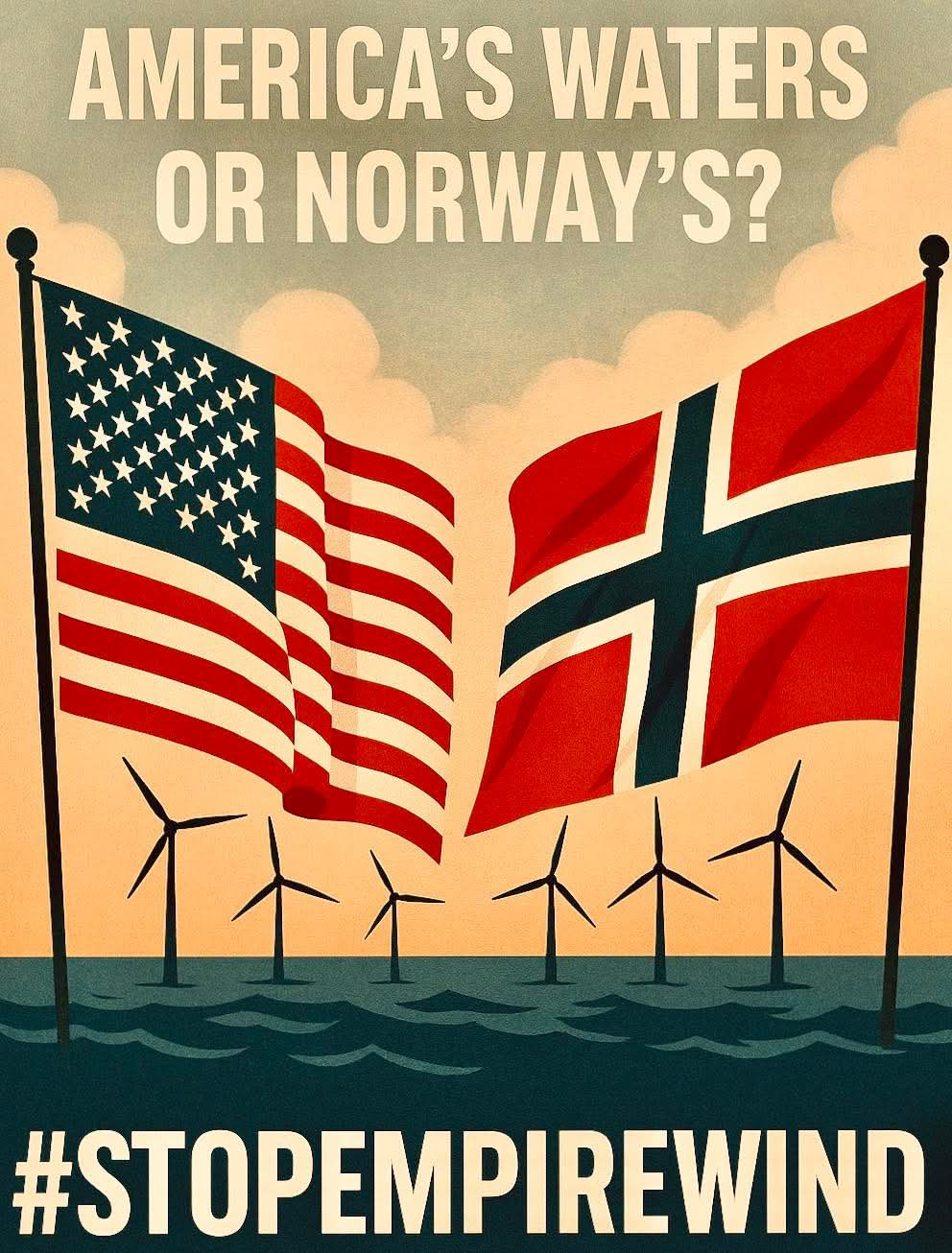
Meanwhile, Equinor is the only major oil company that remains invested in US offshore wind energy. Equinor’s Empire Wind project continues to be highly divisive.
Along with other charges, the attached complaintasserts that awarding a wind lease to Norway’s Equinor, violates the Outer Continental Shelf Lands Act (OCSLA):
As an agency or instrumentality of Norway, Equinor cannot receive a lease on the Outer Continental Shelf for offshore wind turbine development or generation of electric power.
While other elements of the complaint appear to have merit, the charge against Norway does not. Here’s why:
US subsidiaries of foreign companies have long held leases under the OCS Lands Act.
Equinor US Wind is the US subsidiary holding the wind lease.
Equinor USA E&P holds interests in OCS oil and gas leases in the Gulf of America. BOEM credits 548,389 barrels of oil production to Equinor for 2023.
Chinese state-owned CNOOC has been an oil and gas lessee in the Gulf of America.
US subsidiaries of Shell and BP, both foreign corporations, are the top 2 producers in the Gulf. Although not government owned, there is nothing in OCSLA that distinguishes between US subsidiaries of private and govt owned companies. Woodside (Australia) and Eni (Italy) are also important Gulf producers.
The plaintiffs second count (excerpt below) seems to have more merit. The bulk of the filing pertains to this count.
BOEM never completed its “necessary review”, see Stop Work Order, April 16, 2025, and, instead, reinstated the Empire Wind work permit on May 19, 2025 without any explanation or finding, stating as follows: On April 16, 2025, the Bureau of Ocean Energy Management issued a Director’s Order to Empire Offshore Wind LLC to halt all ongoing activities related to the Empire Wind Project on the outer continental shelf. That Order is hereby amended to lift the halt on activities during the ongoing review.
The complaint goes on to discuss the reasons why the plaintiffs believe the review was indeed necessary and should have been conducted.
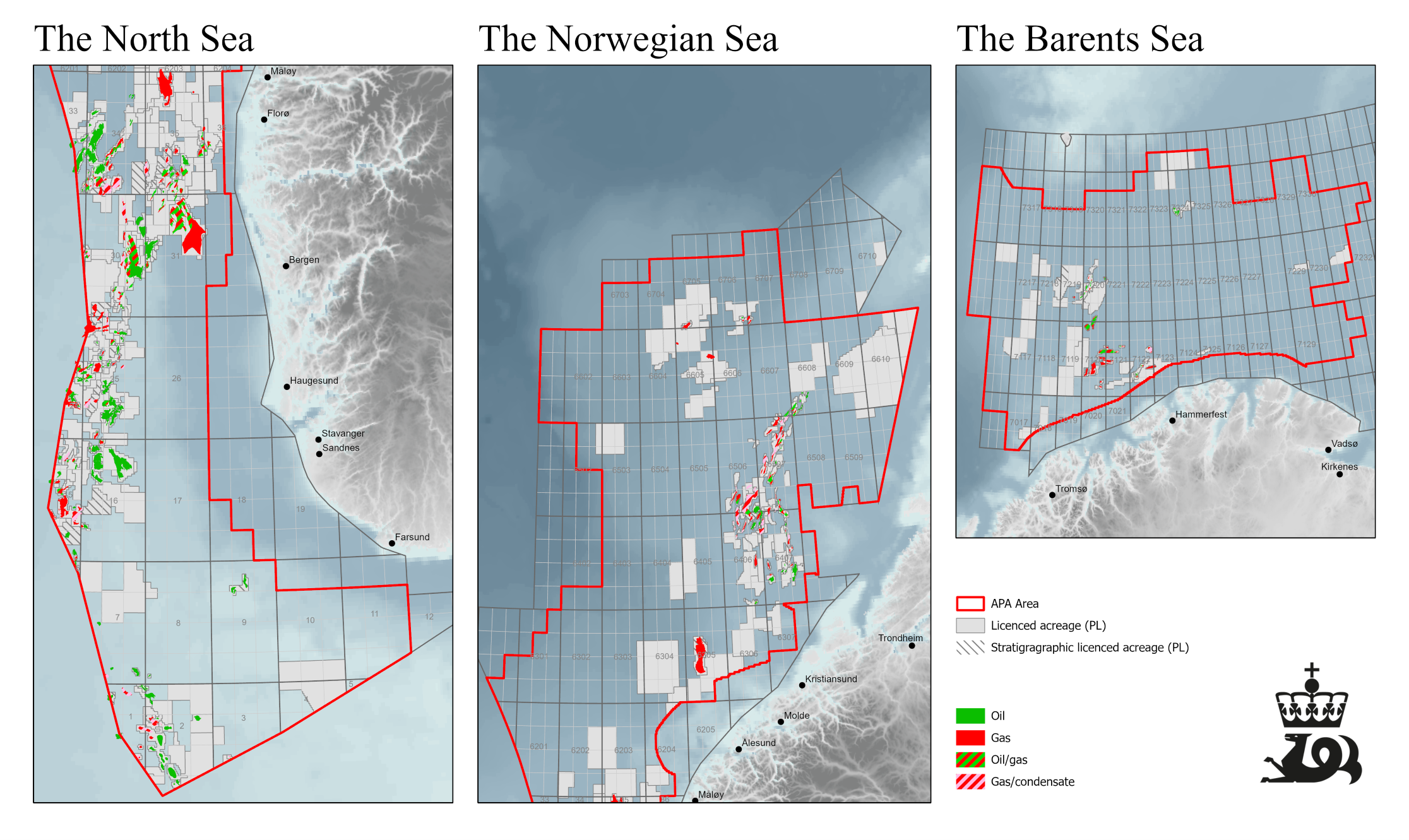
“We will explore more, find more and extract more. Therefore, it is important to ensure that companies have stable access to exploration areas. Never before has a larger area been advertised in a licensing round. It is good for Norway and for Europe,” Energy Minister Terje Aasland said in a statement.
Further exploration and more discoveries are crucial to limiting the decline in production on the continental shelf after 2030. The expansion this year gives companies access to significant new acreage in the Barents Sea and we are thus even better positioned to clarify the resource base in the north,” added Aasland.
Comments:
This is a prudent policy decision that underscores Norway’s commitment to sustaining oil and gas production.
This should be good news for Equinor, which is 2/3 Norwegian govt owned and has made some ill-advised offshore wind investments.
Based on the Energy Minister’s quotes (above), one senses that Equinor’s wind investments, particularly those in the US, may not be fully aligned with Norwegian policy.
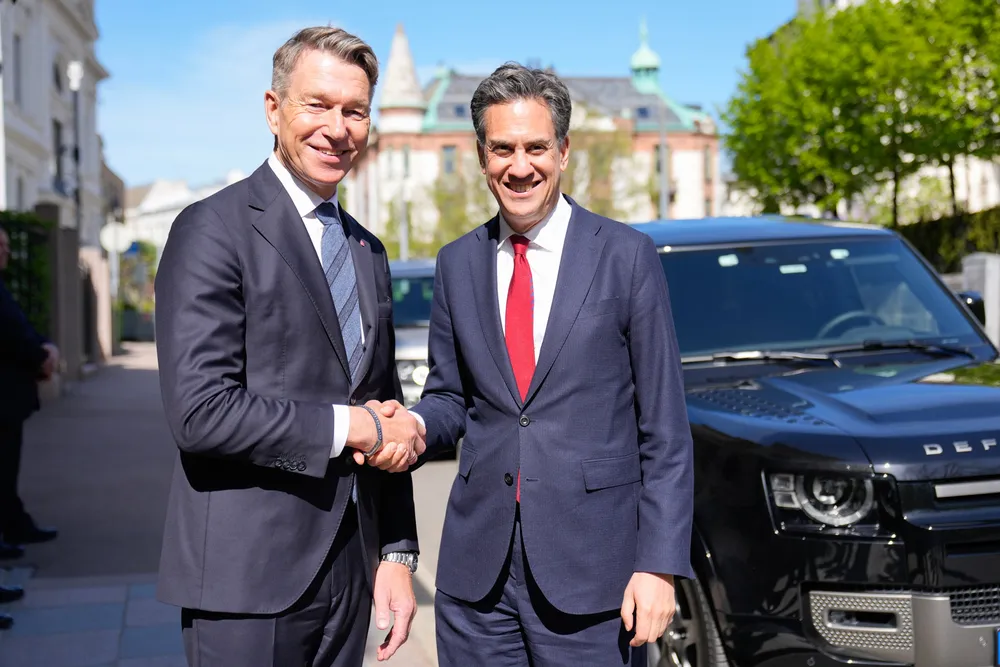
Is this a bit embarrassing for the UK, which has essentially been sanctioning its own offshore oil and gas industry? Only last week, Aasland met with his UK counterpart Ed Miliband and entered into a “green industrial partnership” (photo below).
A letter from Congressman Chris Smith (NJ) to Sec. Burgum is attached. Excerpt:
I am writing to advise you that Equinor, a Norwegian Energy multinational is planning to move forward with construction of its Empire Wind 1 project off the coast of New Jersey and New York as early as this April. This is an alarming development and should not be allowed before the comprehensive review of offshore wind ordered by President Trump’s January 20th executive order is completed. The executive order states that the assessment is needed to review the many shortcomings of the Federal wind leasing process including, “potential inadequacies in various environmental reviews required by the National Environmental Policy Act.”
Based on the respective financial performance of oil producers, I think it’s fair to say that investors aren’t attracted to those companies because of their wind projects.
Politico.EU: “NATO will send around 10 ships to guard important underwater infrastructure in the Baltic Sea by the end of the week, Finnish newspaper Yle reported on Tuesday.
Why increase operating costs and expose platform operations to power disruption risks when there is no net environmental benefit?



 Bud's Offshore Energy (BOE)