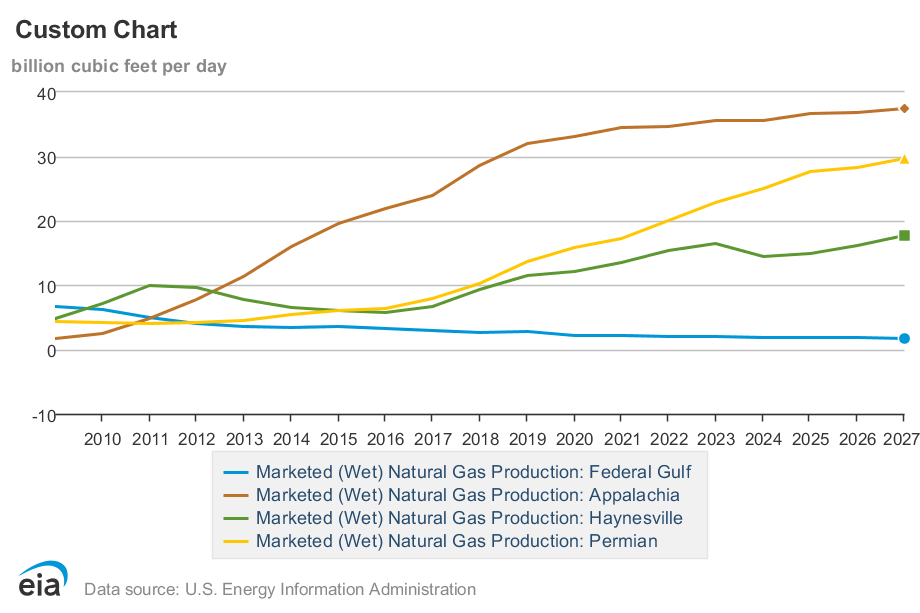
In 2025, more natural gas was produced in the Appalachia region of the Northeast than in any other US region, accounting for 31% of marketed natural gas production. (See the chart below.) Were it not for pipeline capacity limitations, recent growth in Appalachia production would have been greater.
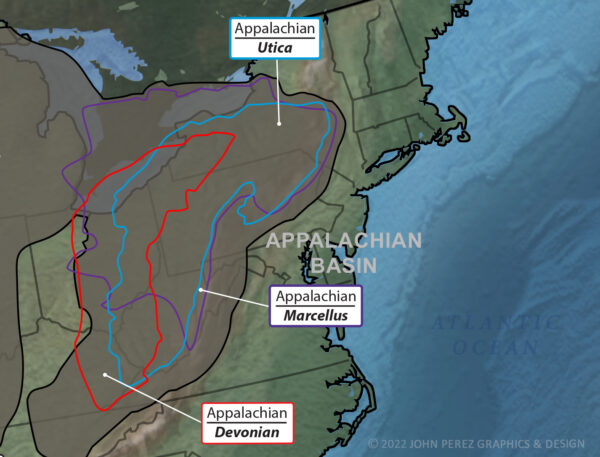
Appalachia production is primarily from the Marcellus and Utica shales in PA, WV, and Ohio.
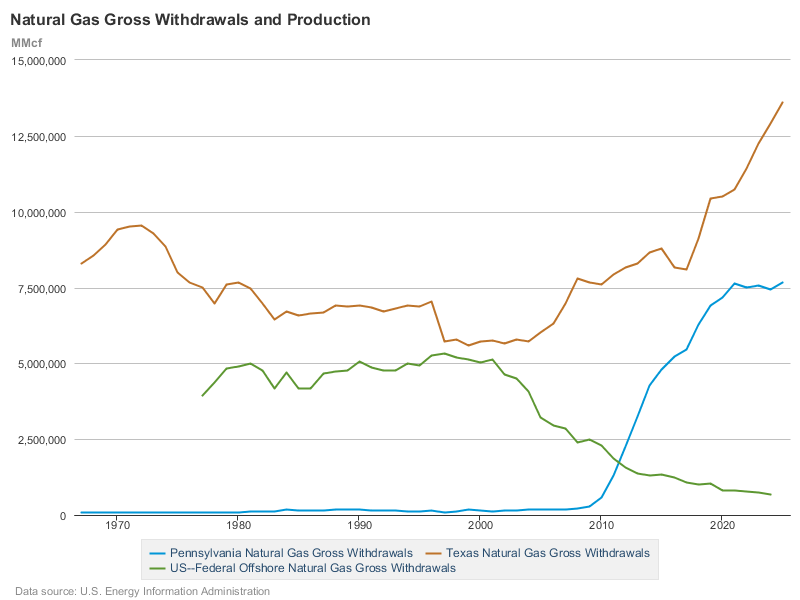
OCS gas production, 80% of which is now associated gas from deepwater oil wells, continues to lag the shale basins. This is a big change from 25 years ago when the OCS produced more gas than any state but Texas. (See the chart below.) Interest in ultradeep (subsurface) OCS shelf gas prospects remains scant despite favorable demand forecasts and technological advances.
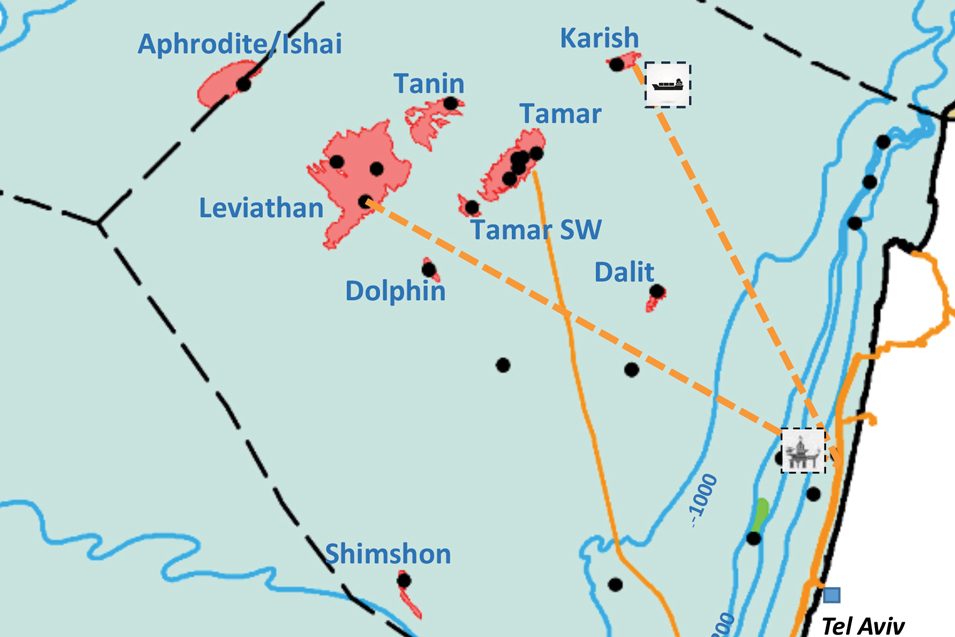
Argus reports that Israel’s energy ministry has instructed Chevron and Energean to suspend production at their offshore Leviathan and Karish gas fields.
Although, the Israeli facility shut-ins will result in the curtailment of exports, Egypt has implemented a backup plan to ensure adequate supply.
There is no indication that Chevron’s Tamar field has been shut-in.
Summary table:
field (operator)
2024 production (billion cubic meters) (% of Israel’s total)
The natural gas revolution is cause for celebration! How about a parade down Constitution Ave?😉
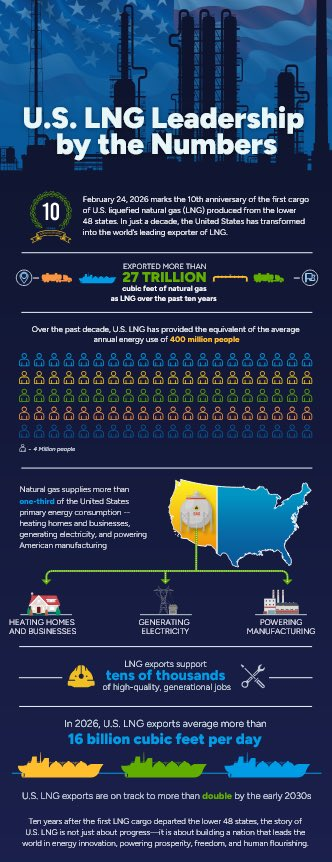
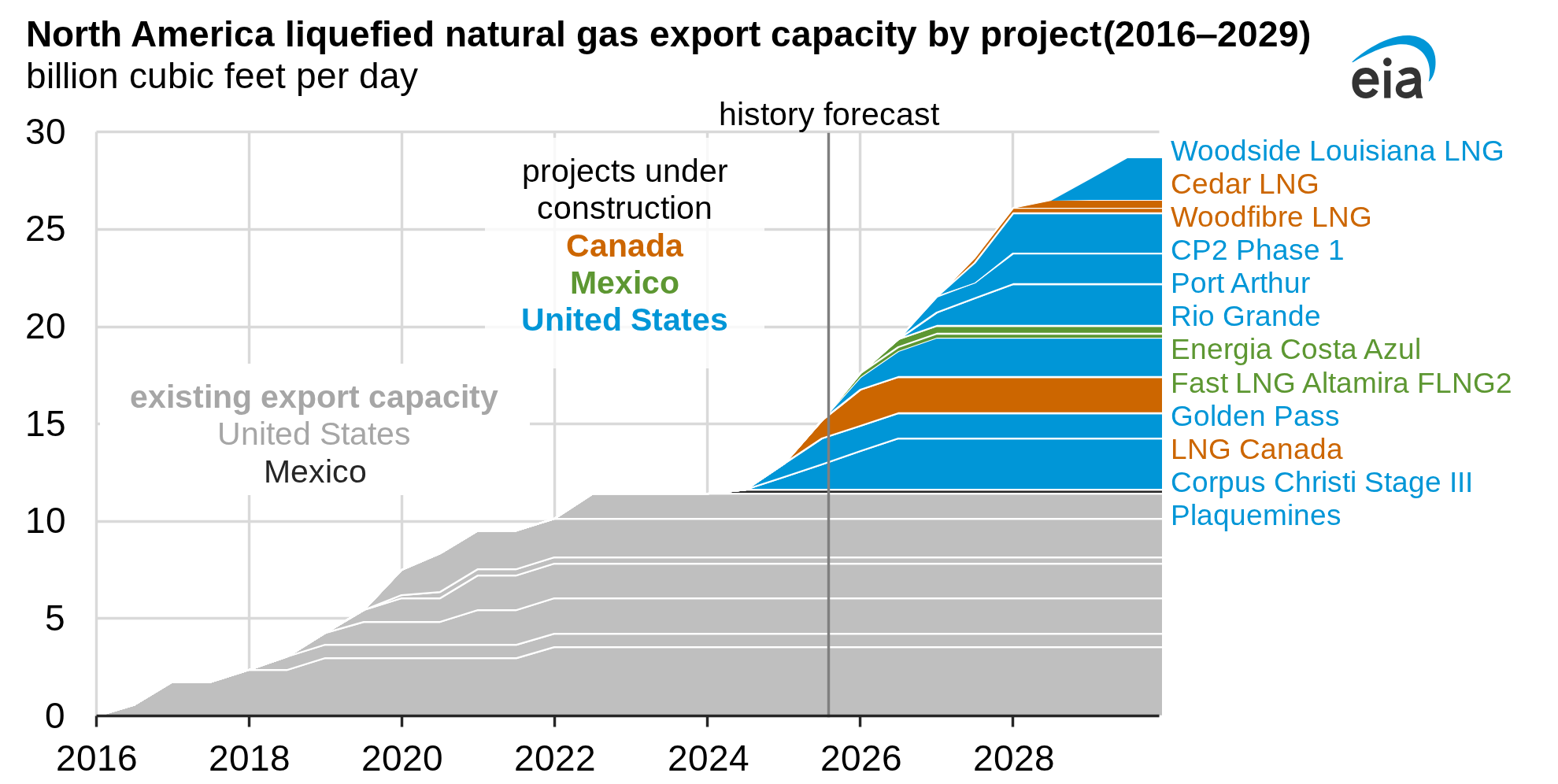
In light of the Dept. of Energy’s announcement commemorating the 10th anniversary of the first export cargo of U.S. liquefied natural gas (LNG), I’m linking a 16 year old BOE post asking why we weren’t celebrating the emerging natural gas bonanza. Keep in mind that 20 years ago we were planning for LNG import facilities in the Gulf!
Quote from DOE about the transformation of the US into the world’s leading LNG exporter:
“This transformation was made possible by the Shale Revolution, an era of breakthrough technologies including horizontal drilling and hydraulic fracturing that unlocked vast domestic oil and natural gas resources.”
The “Natural Gas Revolution” (Yergin) is an important part of our history that deserves national attention.
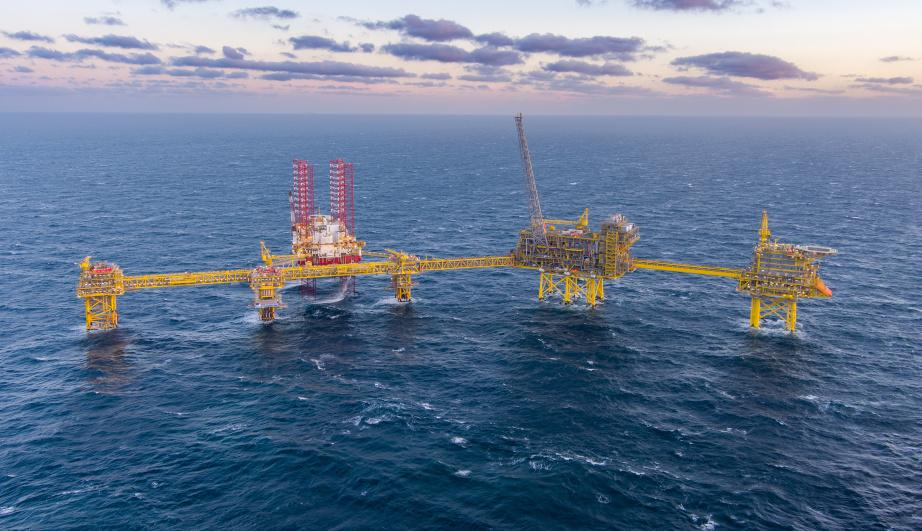
The Danish government will “initiate a process” to look at possibly extending one or more production licences in the Danish North Sea until 2050, to contribute to European energy security and independence, it said.
The government has asked the Danish underground consortium (DUC) — which operates the Tyra hub — to “explore an extension” beyond the current 2042 expiry.
Europe is in dire need of energy independence, and while renewables expansion can help the bloc achieve that goal, natural gas will still play a significant part of the energy mix in the coming year, the Danish government said. “Europe must stand on its own two feet,” Danish industry and trade minister Mortern Bodskov said
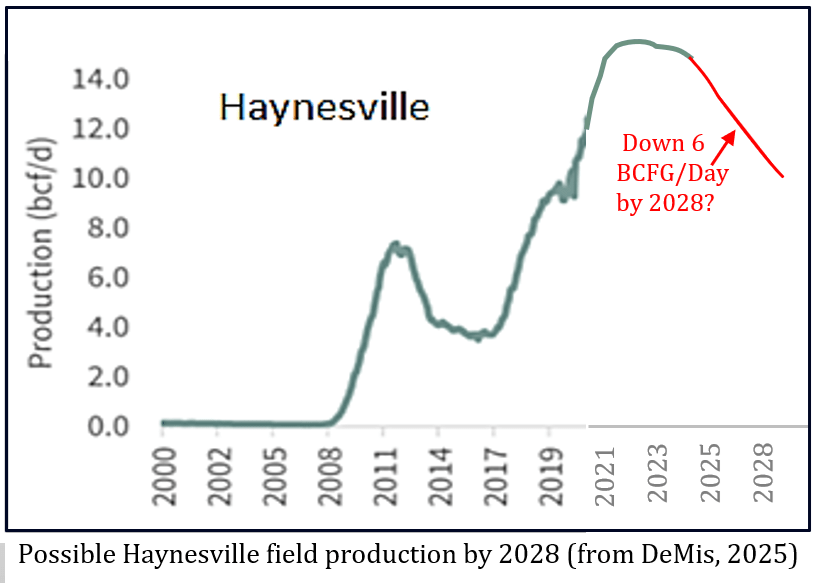
“We have not been finding enough new fields.” That’s William DeMis, president of Richelle Court, LLC, who said that, in addition to not finding enough, we keep erecting new ways to export what we’re not finding.
The way, he said, to avert the coming shortage is for people to find new sources of gas outside of Haynesville field, which for years, considering its proximity to the Gulf Coast, and the petrochemical plants of Southwest Louisiana, as well as pipelines, made it a swing producer for natural gas.
“But I can tell you from bitter experience over the last three years that finding people to fund greenfield exploration is darn near impossible. There is scant capital to drill natural gas wildcats in the U.S.” said DeMis.
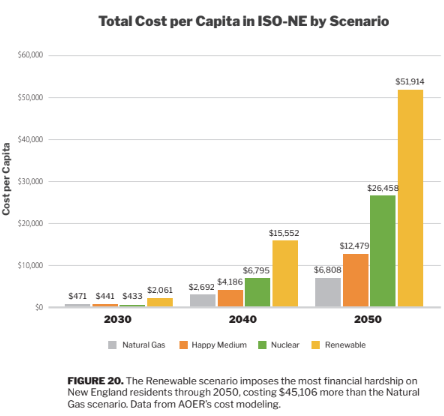
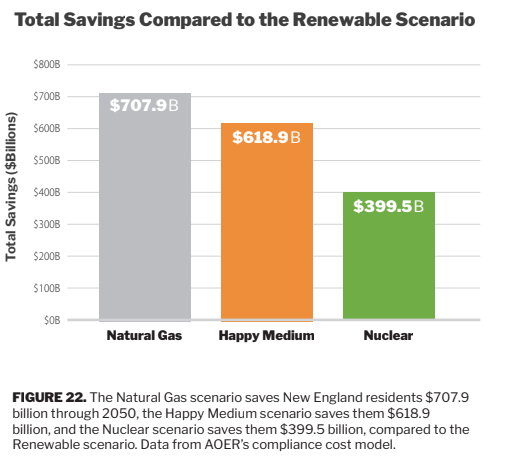
The Always On Energy Research report is attached. Conclusion:
“In other words, dispatchable generation saves New England hundreds of billions of dollars and avoids blackouts. In the end, the idea that New England can run its electric grid on wind turbines, solar panels, and batteries is a dangerous and unserious proposition.“
“Natural gas and LNG are fast becoming the gravitational center of the global energy system, but some energy experts said the world is only beginning to grasp the scale of what’s to come.” ~Natural Gas Intelligence
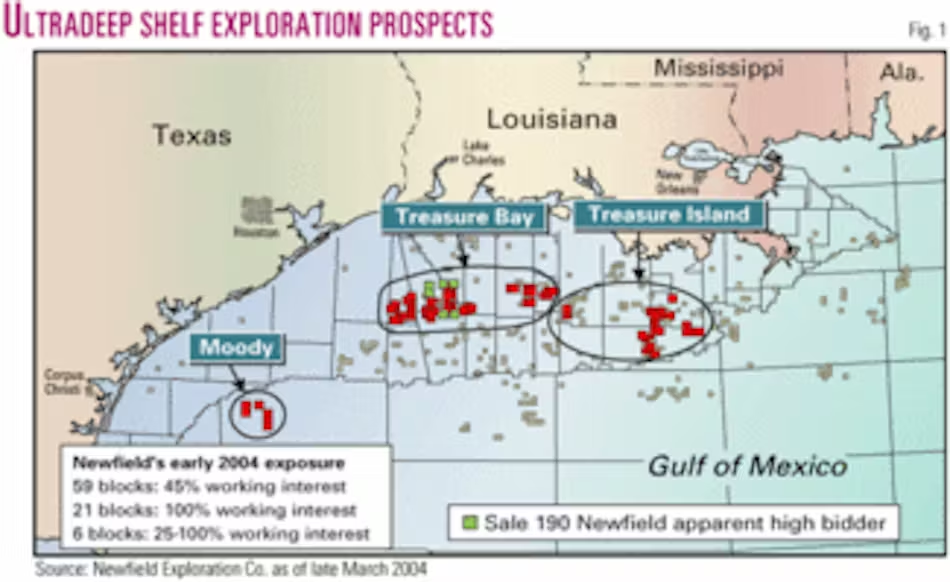
Demand and high well producibility are stimulating exploration in the high pressure, high temperature Western Haynesville (Texas) and other ultradeep onshore gas prospects. Is it time to revisit ultradeep gas on the Gulf of America shelf? See the above targets map from 2004.
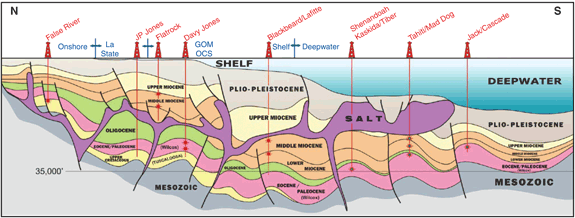
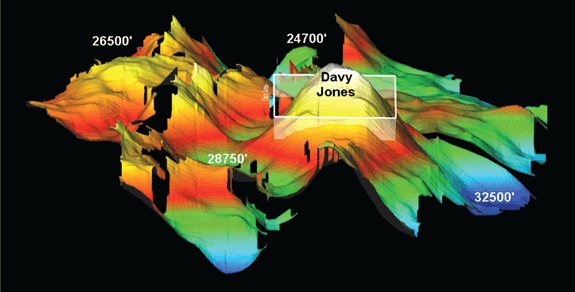
20 years ago Newfield, Exxon, and McMoRan drilled pioneering ultradeep wells targeting gas-prone reservoirs below salt welds in Miocene and older formations (diagrams below). The water depths were <100 feet but well depths exceeding 30,000 feet, and high temperatures and pressures, pushed the limits of drilling technology at the time. Noteworthy wells:
Blackbeard West (Exxon): Spudded in early 2005 in 70 feet of water in South Timbalier Block 168. The target was gas in Miocene sands at 27,000-32,000 feet total depth. Drilling reached 30,067 feet by 2006, but was prudently suspended due to extreme pressures, temperatures (up to 600°F), and technical challenges with equipment.
Blackbeard West, part 2: In 2008, McMoRan re-entered the well with upgraded equipment and drilled to a record 32,997 feet below the mudline. They encountered hydrocarbon shows in multiple zones, including potential gas pay in Middle and Deep Miocene sands below 30,000 feet, validating the ultradeep concept.
Followup McMorRan wells:
Blackbeard East (2010-2011): Drilled to 33,400 feet in South Timbalier Block 144, logged potential hydrocarbons in Sparta and Vicksburg sands.
Davy Jones (2009-2010): South Marsh Island Block 230 in 20 feet of water; reached 29,122 feet; discovered gas in Wilcox sands, but faced flow-testing challenges.
Lafitte (2011): Eugene Island Block 223, found additional pay in ultradeep Miocene zones. These wells targeted gas reservoirs but encountered operational hurdles.
Also, note that a company targeting hydrocarbons below 25,000 feet (true vertical depth subsurface) may earn an additional 3 years on their lease. (See the Notice for next week’s lease sale.) Will improved technology and demand expectations finally open the ultradeep gas frontier?
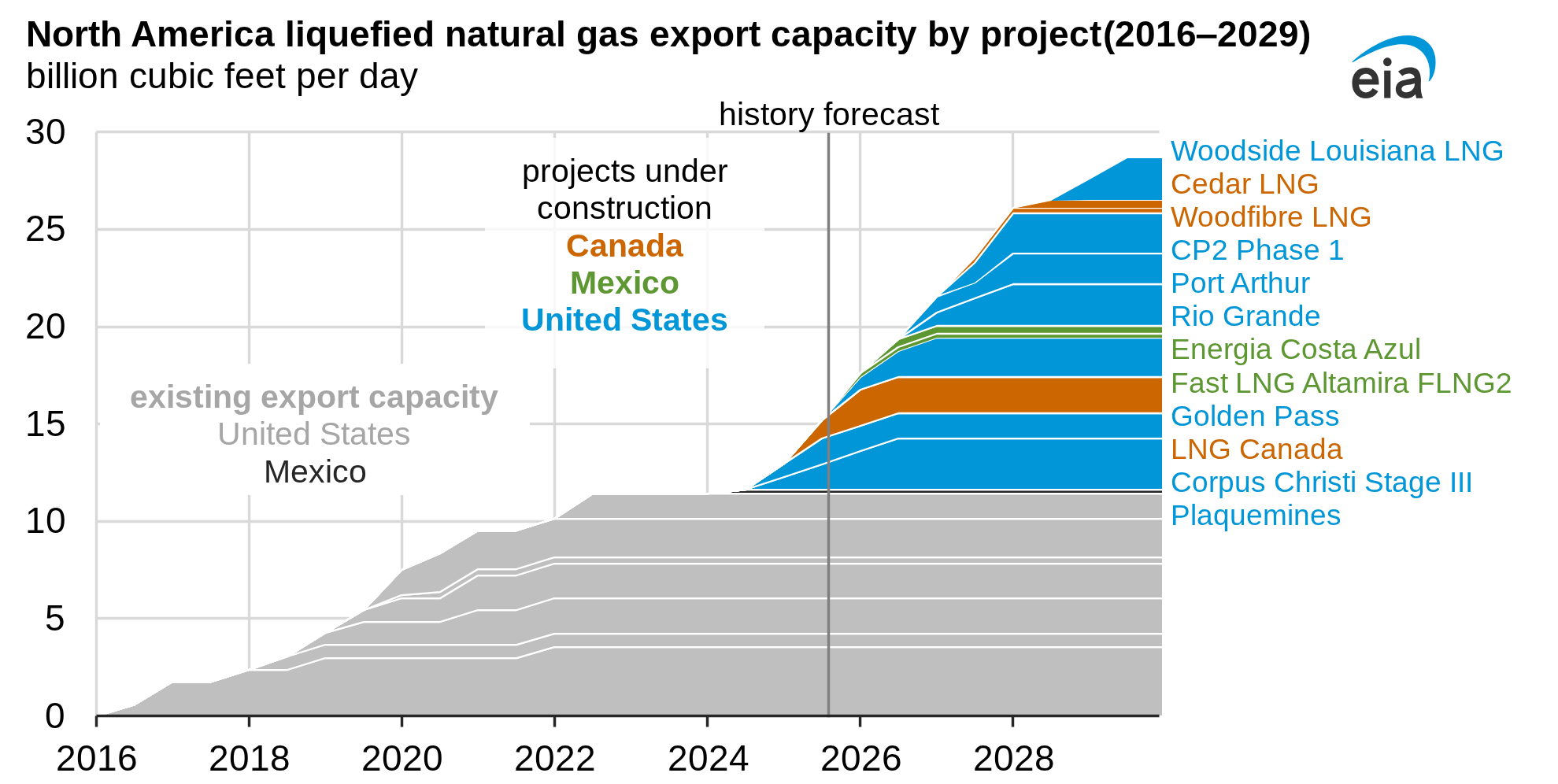
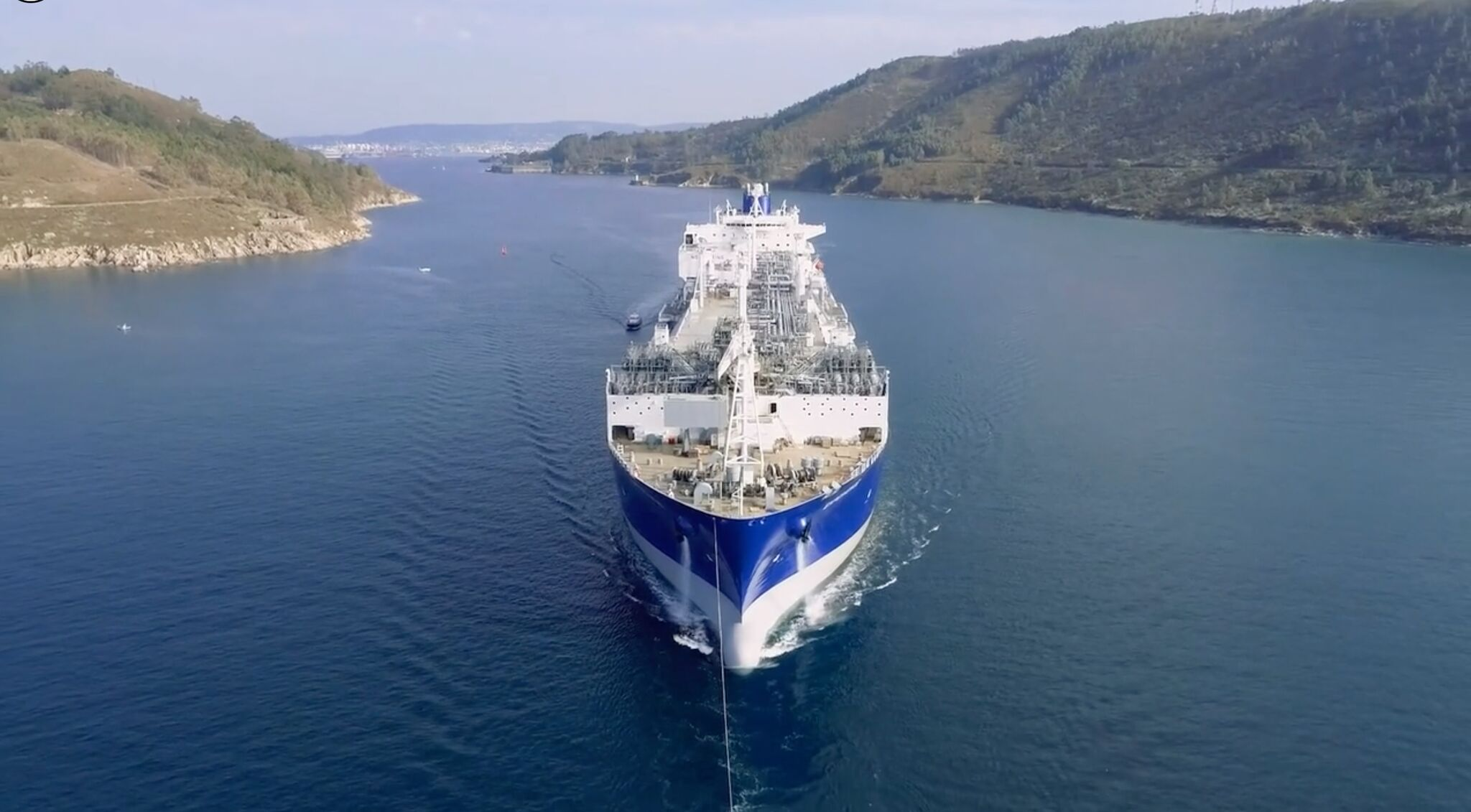
Excellerate Hull 3407, the company’s newest floating storage and regasification unit (FSRU), will be delivered to Iraq in 2026.
Why would a major oil and gas producer like Iraq be dependent on LNG imports?
Pipeline infrastructure limitations
High flaring rates: Iraq flared 625 bcf in 2023 which is almost equal to their total gas consumption (682 bcf). Iraq plans to eliminate routine flaring by 2028 (delayed from earlier targets).
Risks associated with gas imports from Iran.
And the Commonwealth of Massachusetts? Why would a state in the world’s no.1 gas producing country and not far removed from the massive Marcellus Shale reserves be importing LNG?
Firstly, Massachusetts is a wonderful place in many ways: beaches, mountains, islands, history, arts and culture, universities, charming villages, commercial fishing, recreational and professional sports, and more. I thoroughly enjoyed living on Cape Cod and was blessed to meet my wife there.
Pipeline restrictions have limited the flow of gas from Pennsylvania (Marcellus) and elsewhere.
Massachusetts is the only state with significant LNG imports.
Per EIA data, Massachusetts imported 13.2 bcf of LNG in 2023, accounting for about 87% of total U.S. LNG imports that year.
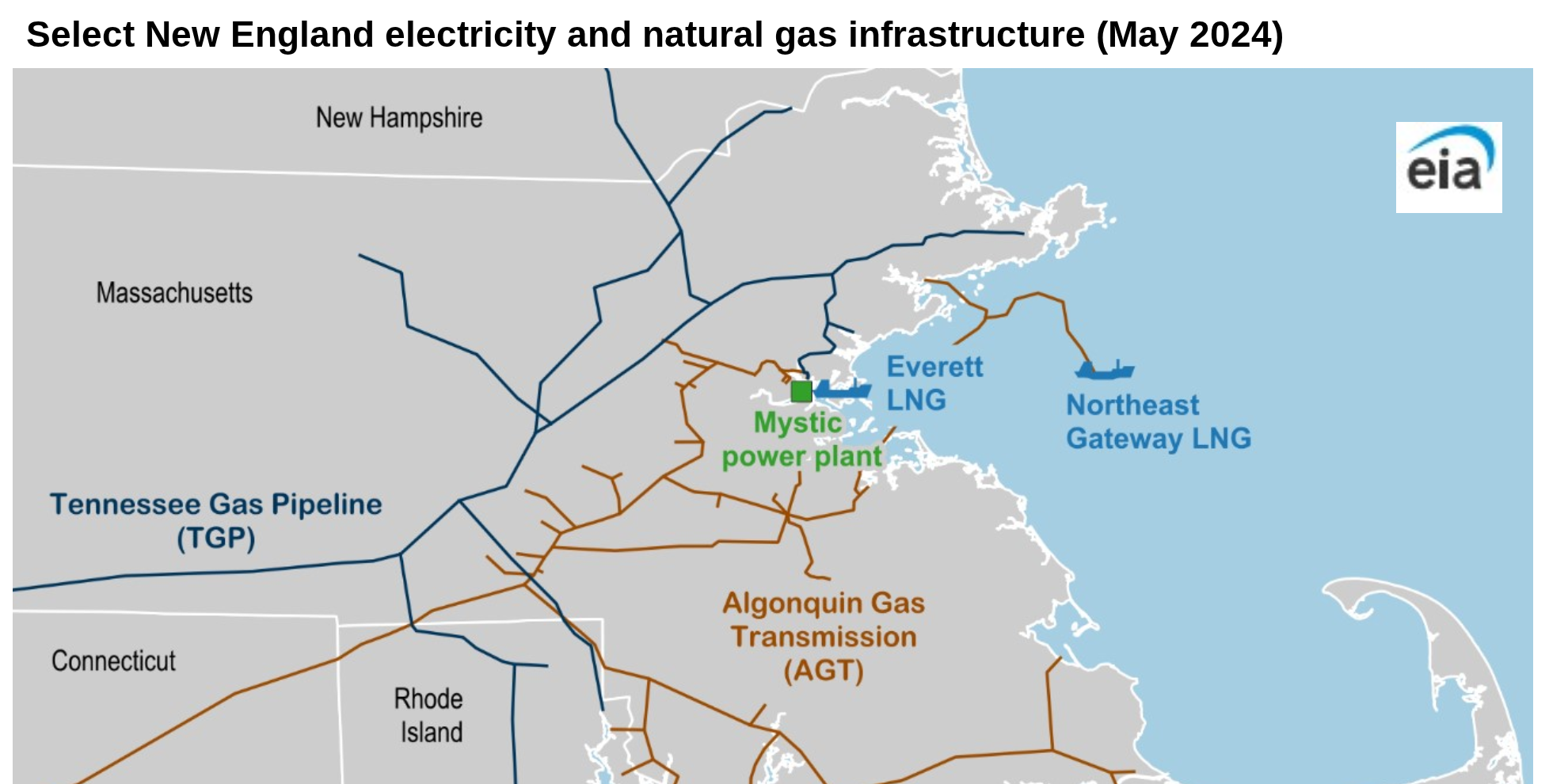
Most imports are through the Everett Marine Terminal near Boston. Imports through the offshore Northeast Gateway LNG terminal have been limited in recent years. (See map below).
Imports are seasonal, peaking in winter months, with most supply originating from Trinidad.
Recently, Governor Healy has made more encouraging statements regarding natural gas policy. She says she never stopped gas pipelines from entering the state and calls natural gas an “essential energy source.”
Sławomir Cenckiewicz, who leads Poland’s national security bureau and is a key adviser to President Karol Nawrocki, told the Financial Times in an interview that Germany should not continue the prosecutions if it wanted to align Russia policy with Poland and other Nato allies.
“From our point of view, this investigation doesn’t make sense, not only in terms of the interests of Poland but also the whole [Nato] alliance,” Cenckiewicz said, adding that prosecuting Nord Stream saboteurs might serve German justice, but also “Russian injustice.”
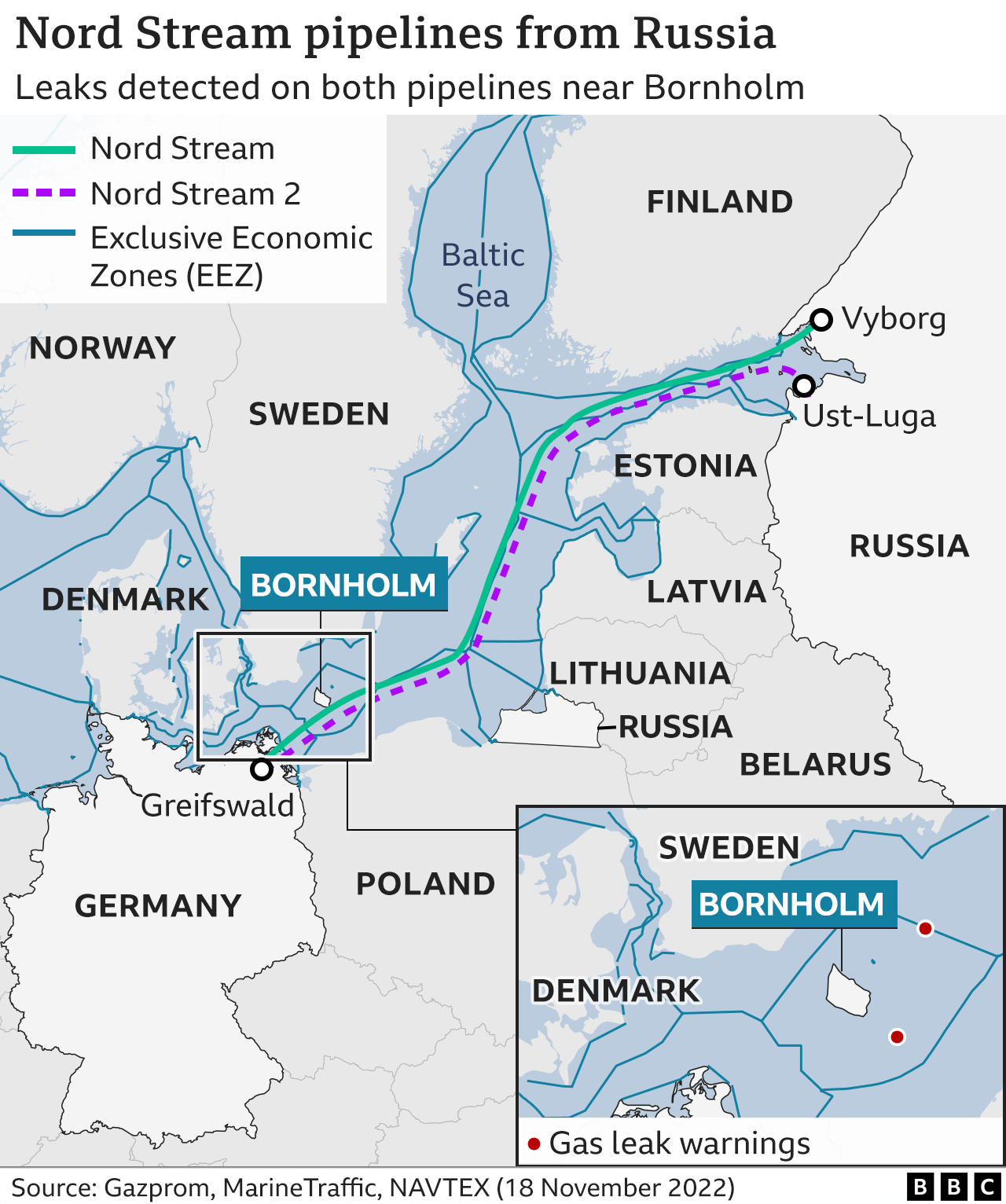
Whether or not the sabotage was justified, finding out who directed and executed the destruction of economically important energy infrastructure should have been a high priority for Sweden, Denmark, and Germany. Sweden and Denmark conveniently opted out after lengthy investigations, leaving only Germany to pursue what many believe to be a half-hearted inquiry.


 Bud's Offshore Energy (BOE)