BOEM’s “Rule to Streamline and Modernize Offshore Renewable Energy Development” is intended to “make offshore renewable energy development more efficient, [and] save billions of dollars. Unfortunately, the savings associated with relaxed decommissioning financial assurance requirements translates to increased risk for customers and taxpayers.
BOEM signaled their intentions on offshore wind (OSW) decommissioning three years ago when they granted a precedent setting financial assurance waiver to Vineyard Wind. Despite compelling concerns raised by commenters, the “streamlining” regulations have codified this decision.

Cape May County, New Jersey, was among the commenters objecting to BOEM’s departure from the prudent “pay as you build” financial assurance requirement. The County commented as follows (full comment letter attached):
“[e]nergy-utility projects are in essence traditional public-private partnerships where technical and financial risks are transferred to the private sector in exchange for the opportunity to generate revenues and profit. Under the proposed rule, the Federal government is instead transferring risks associated with decommissioning to the consumer rather than to the private sector.”
Cape May added:
“[w]hile BOEM believes that if a developer becomes insolvent during commercial activity that a solvent entity would assume or purchase control, the County believes this is a risky assumption as the most likely reason for default is that a constructed wind farm developer is unable to meet its contractual obligations set forth under a Power Purchase Agreement (PPA) because its energy production revenues are not in excess of its operating costs. A change of hands would not remove these circumstances or make the project profitable.”
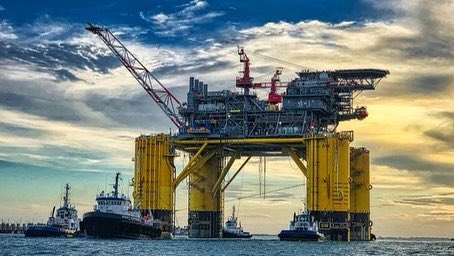
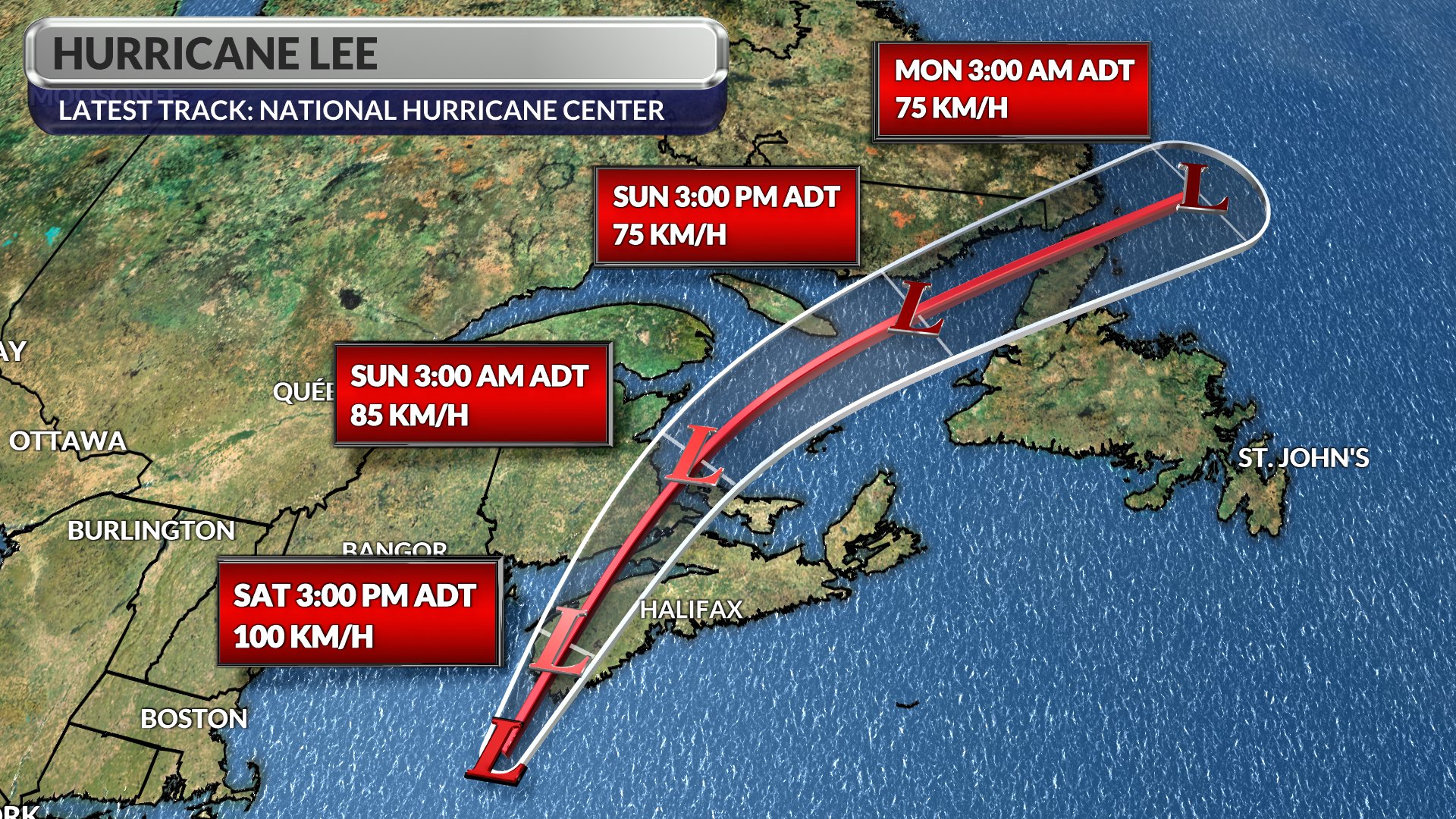
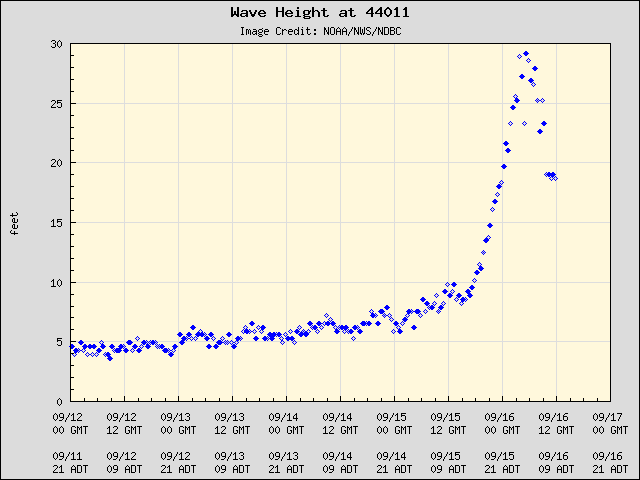
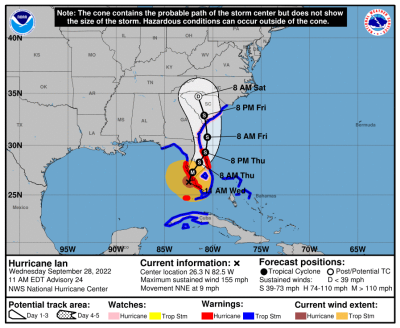
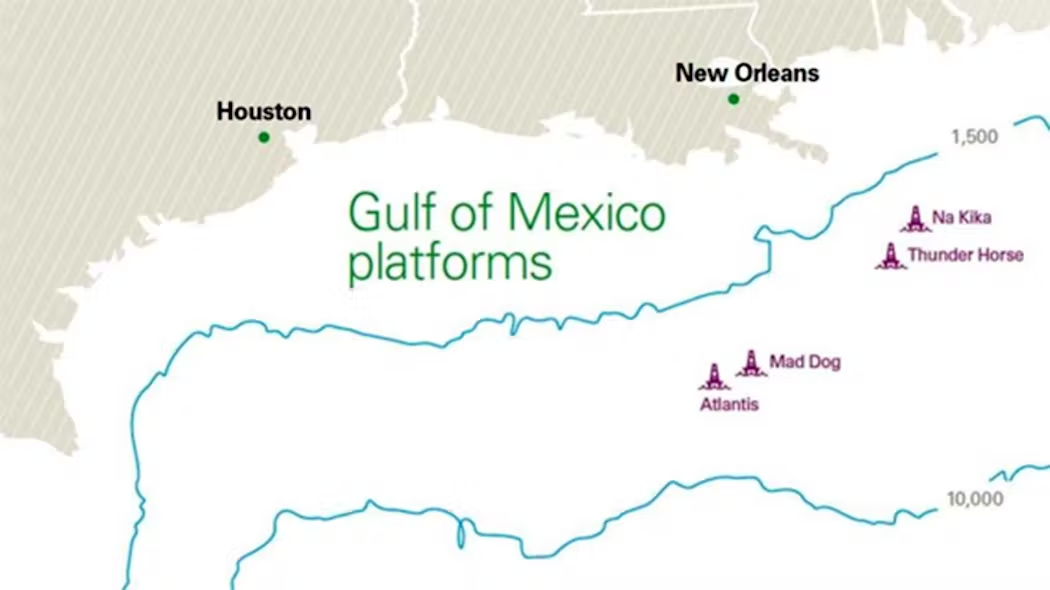
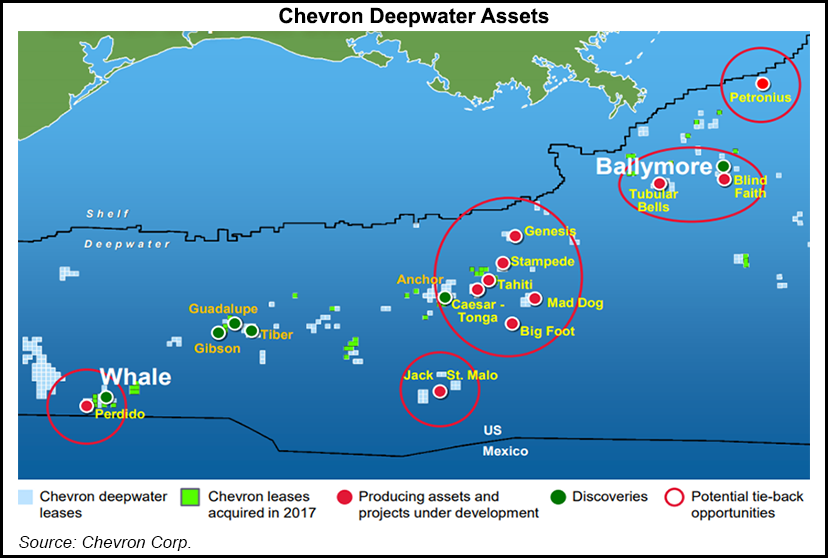
Cape May and others also commented on the threat of premature decommissioning as a result of storm damage. In response, BOEM asserts that these risks have been addressed in the latest standard for North American offshore wind turbines (Offshore Compliance Recommended Practices: 2022 Edition (OCRP-1-2022)). However, design standards, particularly those for offshore facilities, are not static. The recommended practice for OSW is likely to change multiple times in the coming years as storm, operating, and turbine performance data are updated and analyzed. The design standard for Gulf of Mexico platforms has been repeatedly refined and improved and is now in its 22nd edition.
In their response to public comments on the decommissioning risks, BOEM repeatedly asserts that they can adjust the amount and timing of required financial assurance as they monitor a lessee’s financial health. Unfortunately, a company’s finances can change quickly and BOEM’s options will be limited when it does. Increasing the financial burden on a struggling company that is providing power to a regional power grid will not be a simple proposition.
Strong comments from Cape May County: