Feeds:
Posts
Comments

Archive for the ‘Gulf of Mexico’ Category

active leases ➑ producible leases ➑ energy production

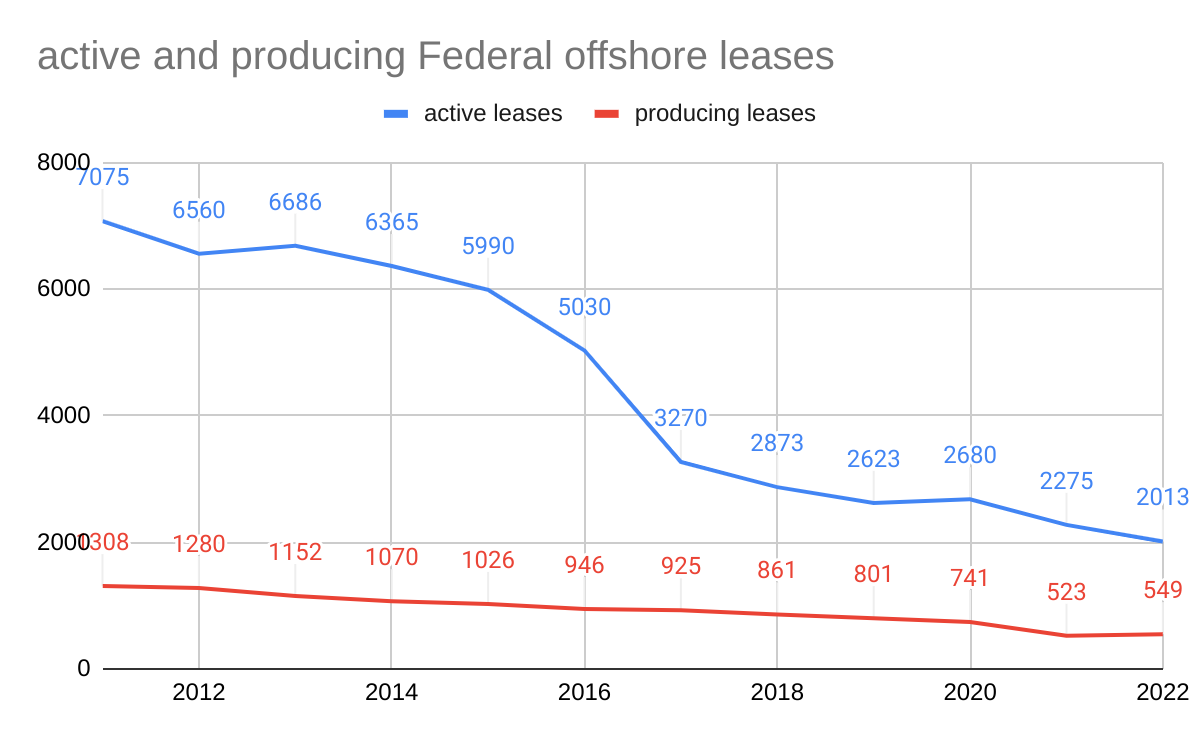
The future of US offshore energy production is in jeopardy. As is clear in the first chart below, the problem is the precipitous decline in opportunities (l.e. leases), not the will to produce. At 27.3% (6/2022 data), the % of active leases that are producing is near the historic high of 30%. The spin doctors really need to drop the old and tired nonproducing leases excuse.

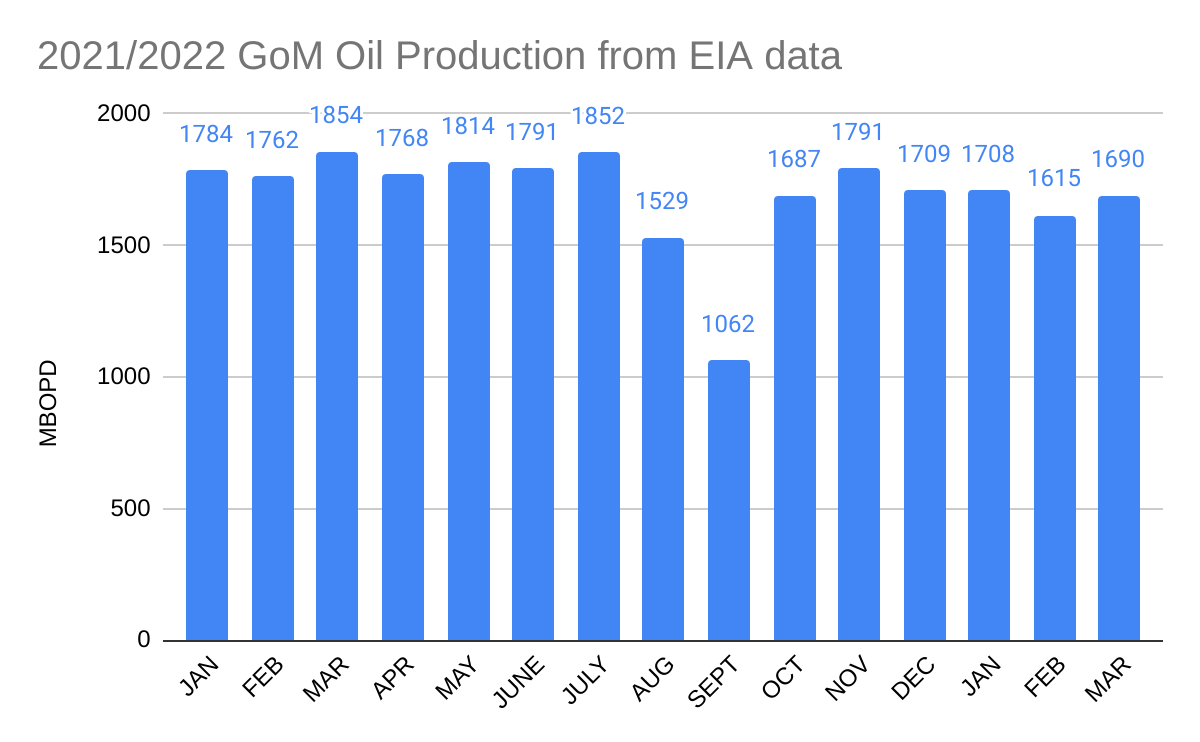
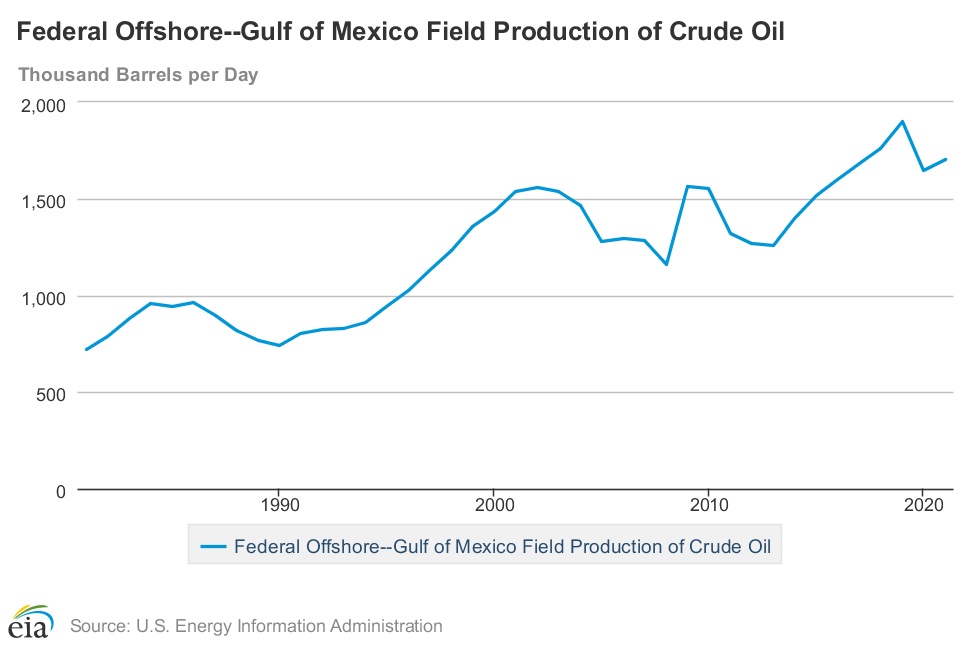
While not nearly as high as it could be with better lease management, offshore production has held up relatively well thanks to deepwater discoveries that were made years ago and technical innovation that makes projects more cost-effective, safer, and cleaner. Gulf of Mexico production should be relatively stable for several years as production from these projects offsets declines elsewhere. However, in the intermediate and longer term, reserve depletion and the absence of new exploration opportunities ensure a downward production trend.
Read Full Post »

Read Full Post »

Rigs-to-Range

As is the case every 5 years or so, there is another aquaculture push within the Federal government. It looks like this will be a very process-rich endeavor (check out the list of “Scoping Information Needs“), so don’t expect much soon.

NOAA Fisheries is conducting public scoping for a programmatic environmental impact statement to consider identifying one or more AOAs in federal waters of the Gulf of Mexico. The programmatic environmental impact statement will evaluate the impacts and benefits associated with siting aquaculture in those locations, which could occur through future proposals and project level review. Public scoping is an opportunity for the public to provide input on the range of issues to be addressed in the programmatic environmental impact statement. This is a planning effort and no specific aquaculture-related activities or individual aquaculture projects are being proposed at this time.

NOAA FIsheries

Rigs-to-Roe (Redfish, Rockfish)

Read Full Post »

Locked down for 561 days!

Chronology

What the law says vs. current reality

Remember this

Catch 22

Now <500 producing leases for the first time in more than 5 decades!

Read Full Post »

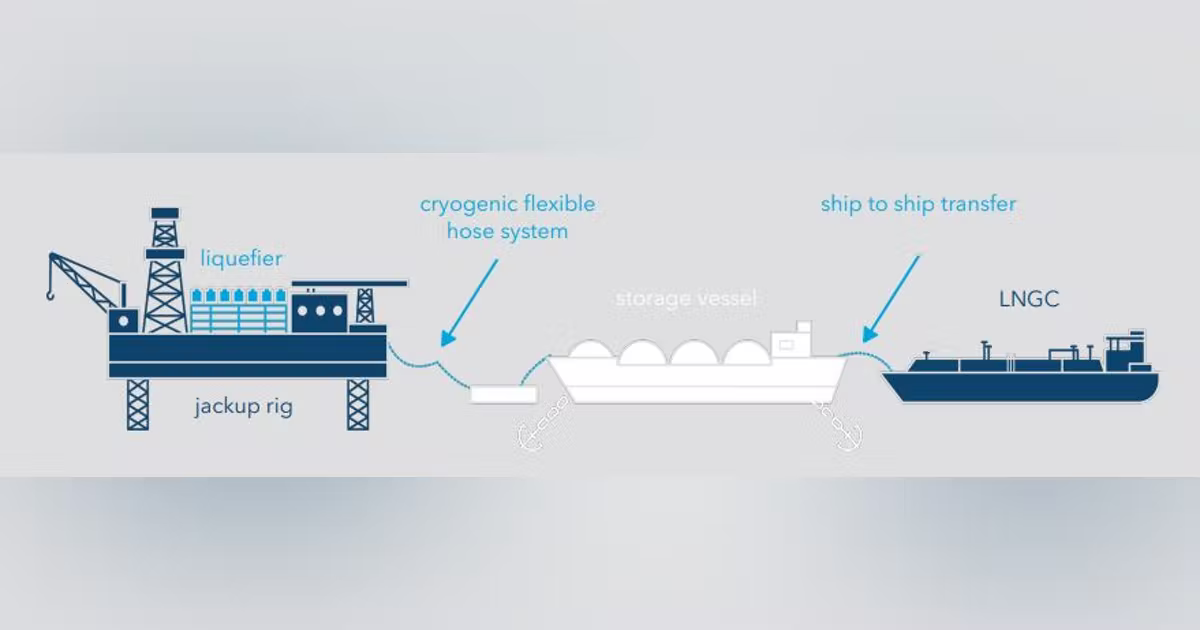
In the past the thought was that we would be importing LNG, i.e. “Rigs-to-Regasification.” Now that we are exporting LNG, we are adding “Rigs-to-Refrigeration” to the alternative use list.

Per our previous post on this topic, New Fortress Energy is moving forward with fast-track LNG projects in the Gulf. Three converted jack-up rigs purchased from Maersk will make up the first “Fast LNG” liquefaction train.

New Fortress is planning to install its first two “Fast LNG” units in West Delta Lease Block 38, located about 16 nm off Grand Isle, Louisiana. The two independent liquefaction trains at this deepwater “port” would export about 1.4 million tonnes per annum (mtpa) of LNG each. Though small by shoreside standards, the plant design would offer a number of advantages, like low cost and speed to market – a critical factor at a time of high demand for LNG. The company says that it should be able to produce each facility on an 18-20 month timescale, from engineering through construction and commissioning.Β 

Maritime Executive

Given the challenges posed by tropical storms, particularly for jackup units, the design criteria for these “permanent” jack-up liquefaction facilities and the role of classification societies are of particular interest.

Read Full Post »

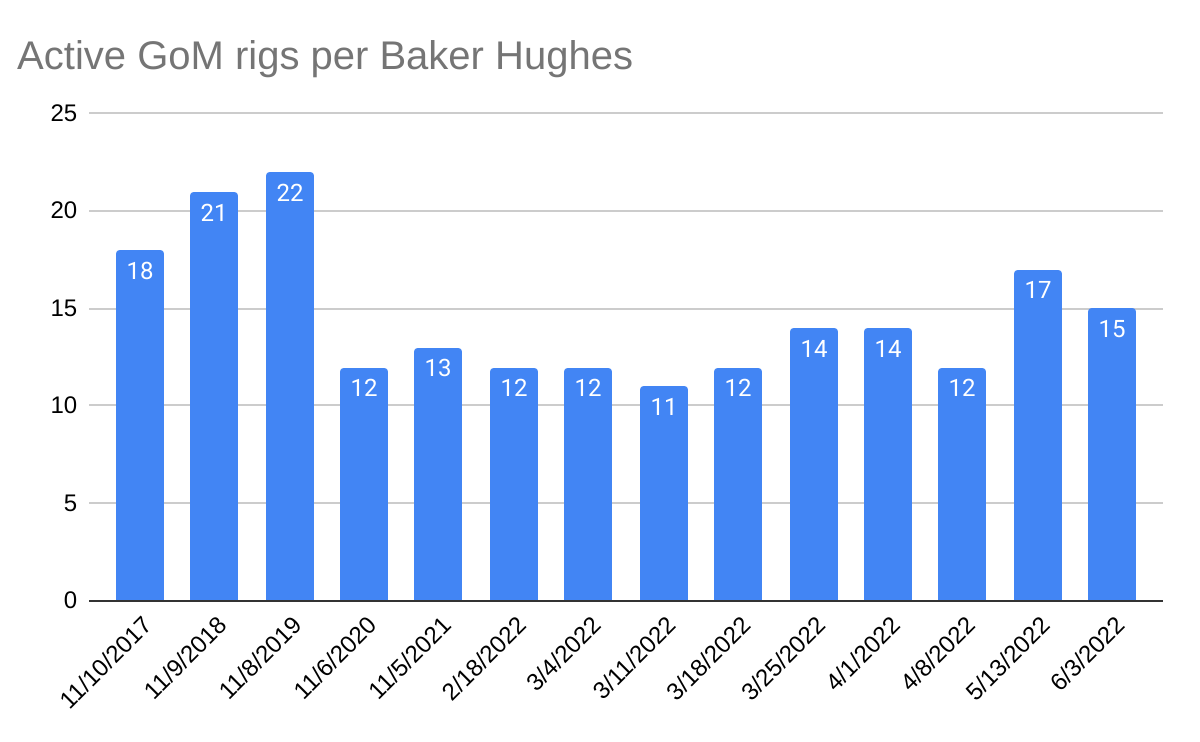
Waiting for a boost from the deepwater startups. The first of that group, King’s Quay did not begin producing until April.

Read Full Post »

There won’t be a deal without significant energy production provisions and Manchin is on the record regarding the need for action on offshore oil and gas leasing. We’ll see what happens.

Read Full Post »

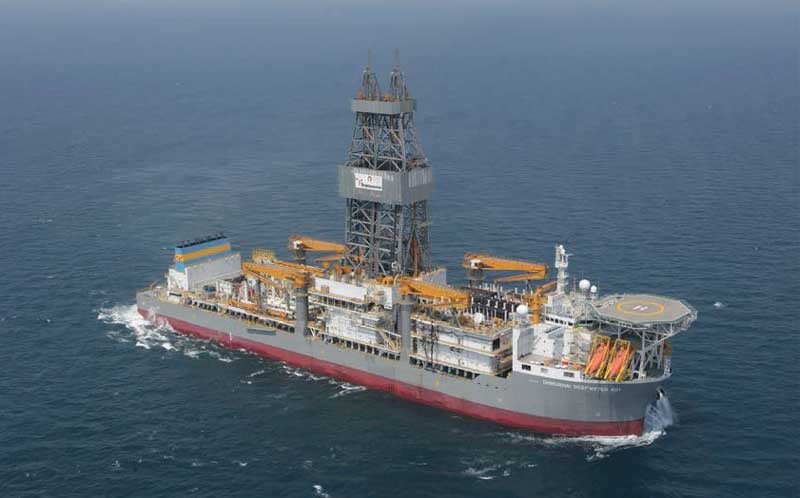
Transocean Deepwater Atlas

The drilling business, particularly the deepwater sector, has never been for the faint of heart, and the past few years have included the added stresses of COVID, negative oil prices, anemic exploration activity, and offshore leasing “pauses.” Transocean nonetheless managed to build two 8th generation drillships, the Deepwater Atlas and Titan, both of which are slated to operate in the Gulf of Mexico.

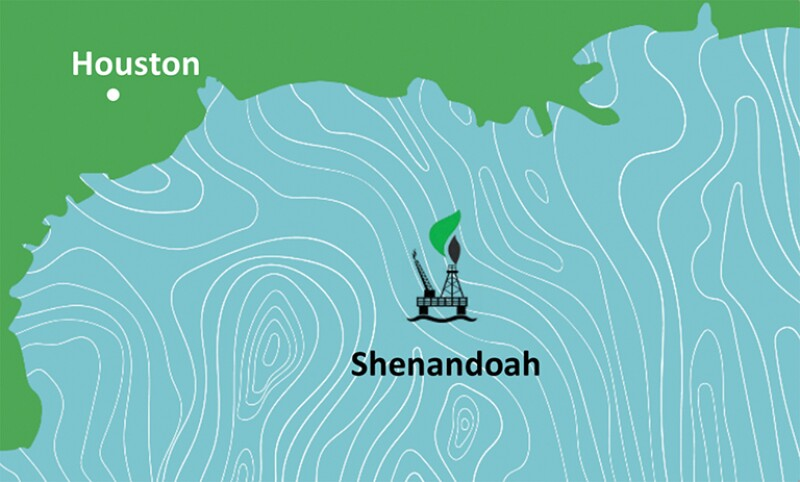
The Atlas will begin drilling for Beacon Offshore Energy (unrelated to the BOE blog πŸ˜€) in the Shenandoah field (almost heaven?πŸ˜€) later this year. The Titan is expected to begin drilling for Chevron next year. The rigs will be outfitted with 20,000 psi blowout prevention equipment and will be well-equipped for the growing number of high pressure prospects in the Gulf. Here is Transocean’s promotional video for the two rigs.

Both Beacon and Chevron fared well on our Gulf of Mexico scorecard. A bit of information about Beacon (BOE):

  1. Wholly owned by funds managed by Blackstone Energy Partners.
  2. CEO Scott Gutterman was previously the CEO of LLOG.
  3. There are a number of related investment partnerships under the Beacon umbrella and they are often joint lease owners.
  4. Per BOEM data, BOE has interest in 11 Gulf of Mexico leases.
  5. The company has an excellent compliance record: 12 facility inspections (presumably all were drilling units) resulted in only 1 INC (violation).
  6. Per BSEE, Beacon had 22 well starts since 2008. (Mystery: While the Blackstone and Beacon websites indicate that the company was formed in 2016, BSEE’s online borehole file shows 10 well starts prior to that year with the exact same company name. Presumably, the borehole file data are in error because BOEM data do not show any Beacon lease interest prior to 2018.)
  7. Beacon bid on one tract in Lease Sale 257 (Nov. 2021) and was the sole bidder (sale was voided by DC Federal Court).
  8. Beacon bid on 3 tracts in Sale 256 (Nov. 2020) and was the high bidder on one.
  9. Beacon acquired interest in 2 leases in Sale 254 (March 2020), 7 in Sale 252 (March 2019), and 2 in Sale 251 (Aug. 2018)
  10. In February 2022, Blackstone reportedly advised clients that they would no longer invest in oil and gas projects. Presumably, that doesn’t affect the Beacon operations (or perhaps the folks at Blackstone have come to their senses πŸ˜€).

Read Full Post »

WASHINGTONΒ β€” During testimony before the U.S Senate Committee on Energy and Natural Resources today, Secretary of the Interior Deb Haaland confirmed that, despite delays in implementation from the previous Administration, the Interior Department will release the Proposed Program – the next step in the five-year offshore energy planning process – by June 30, 2022, which is the expiration of the current program. A Proposed Program is not a decision to issue specific leases or to authorize any drilling or development.

DOI

Here is the timeline for the 5 Year Leasing Program (light blue).

A sale this year under the new program is thus highly unlikely. The process will no doubt be delayed even further by litigation. As we have said previously, the only hopes for a sale this year are a successful appeal of Judge Contreras’s Sale 257 ruling or successful congressional action (unlikely but possible under the circumstances).

Read Full Post »

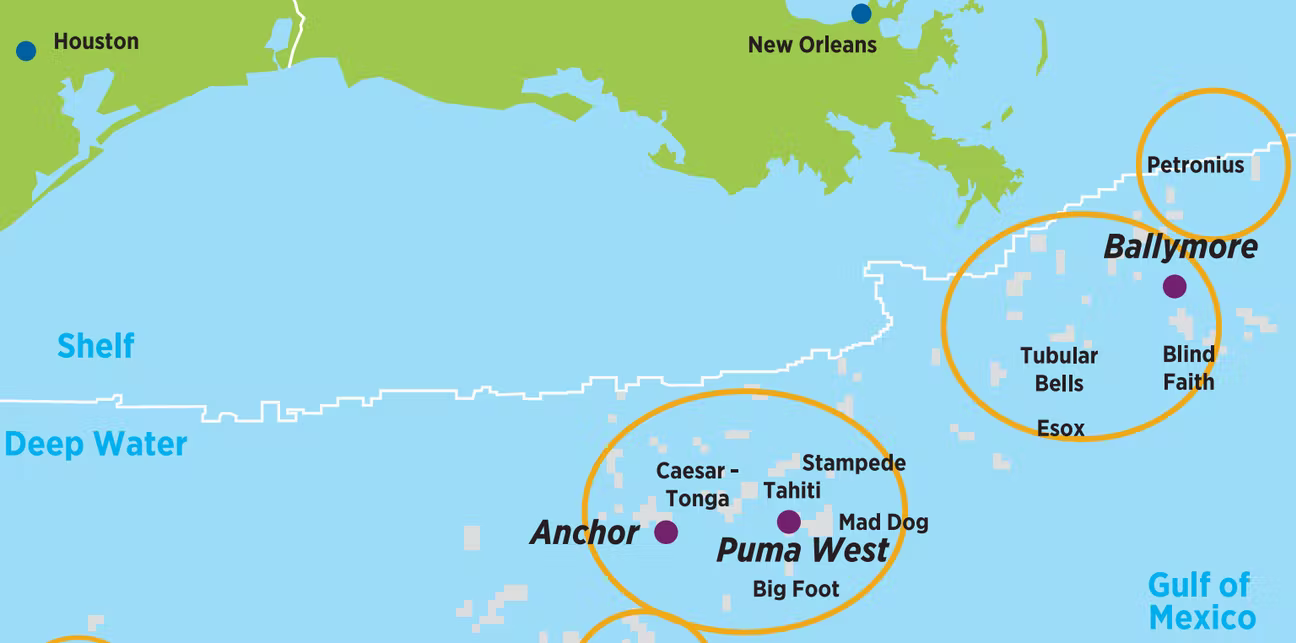
Ballymore will be produced with 3 seafloor wells (6540′ water depth) that are expected to transport 75,000 bopd via a three-mile subsea tieback to Chevron’s Blind Faith floating production unit. Per BOEM, the Ballymore field was discovered in December, 2017. First production is expected to be in 2025.

Pre-production inspection, Shell Vito
Vito

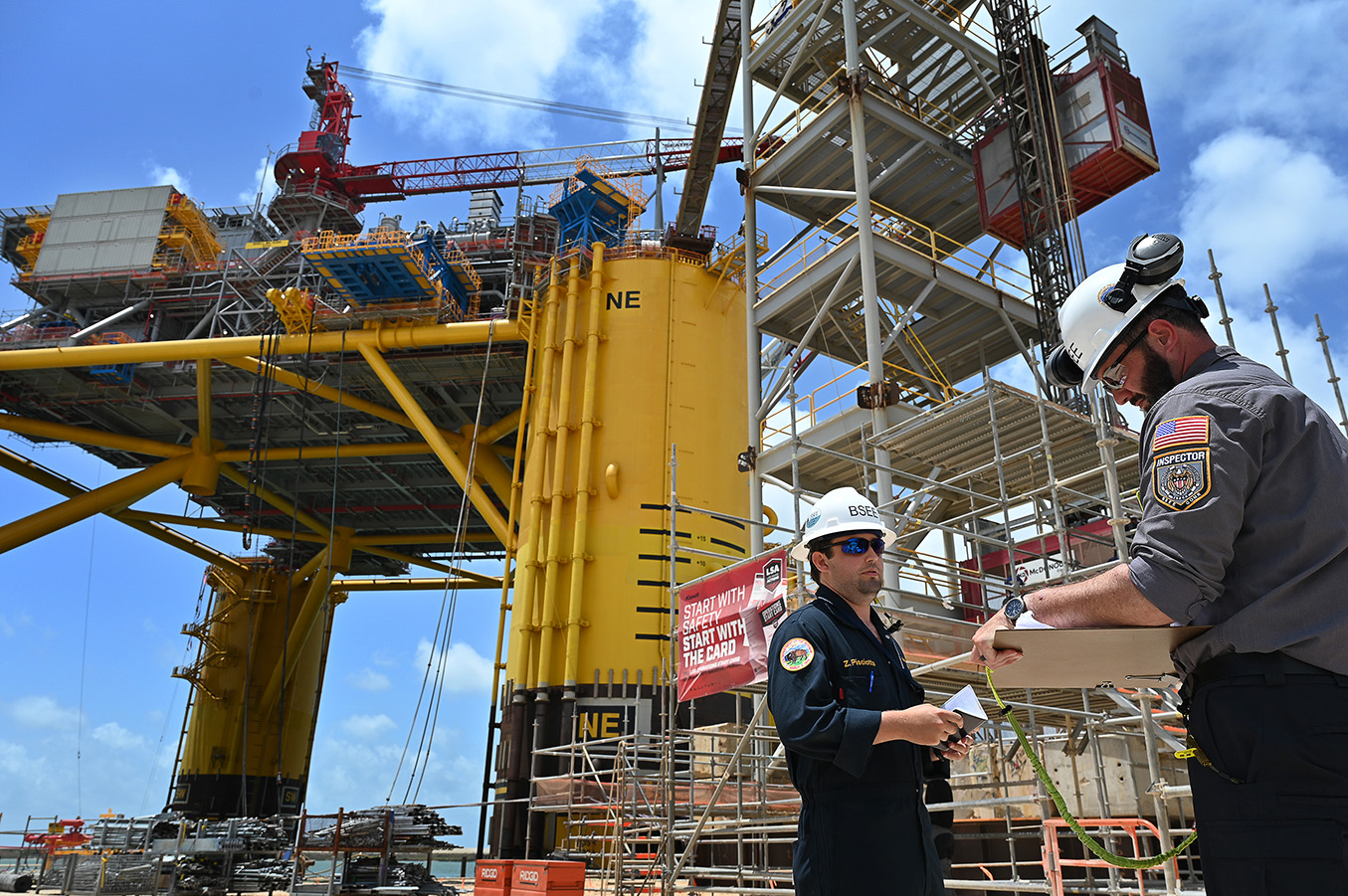
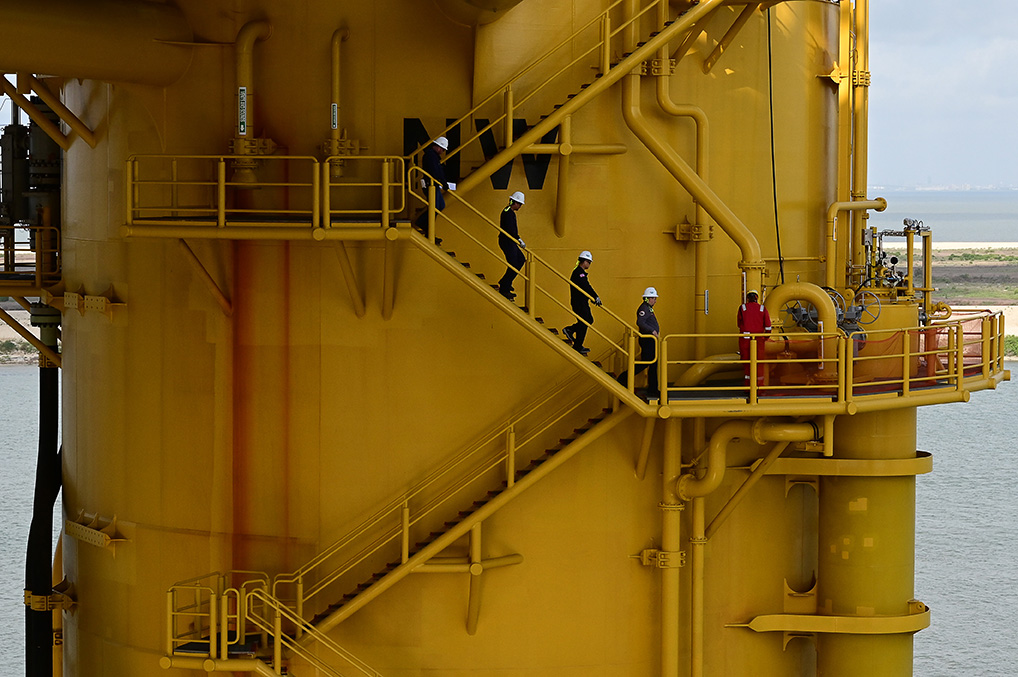
Shell’s Vito floating production unit was inspected last week by BSEE personnel. Vito is expected to begin production later this year or early next year and produce up to 100,000 bopd. Per BOEM data, the Vito field was discovered in 2010.

As these projects demonstrate, deepwater development takes time and is often dependent on related projects on other leases. This is why future production is dependent on regular, predictable lease sales.

Read Full Post »

« Newer Posts - Older Posts »