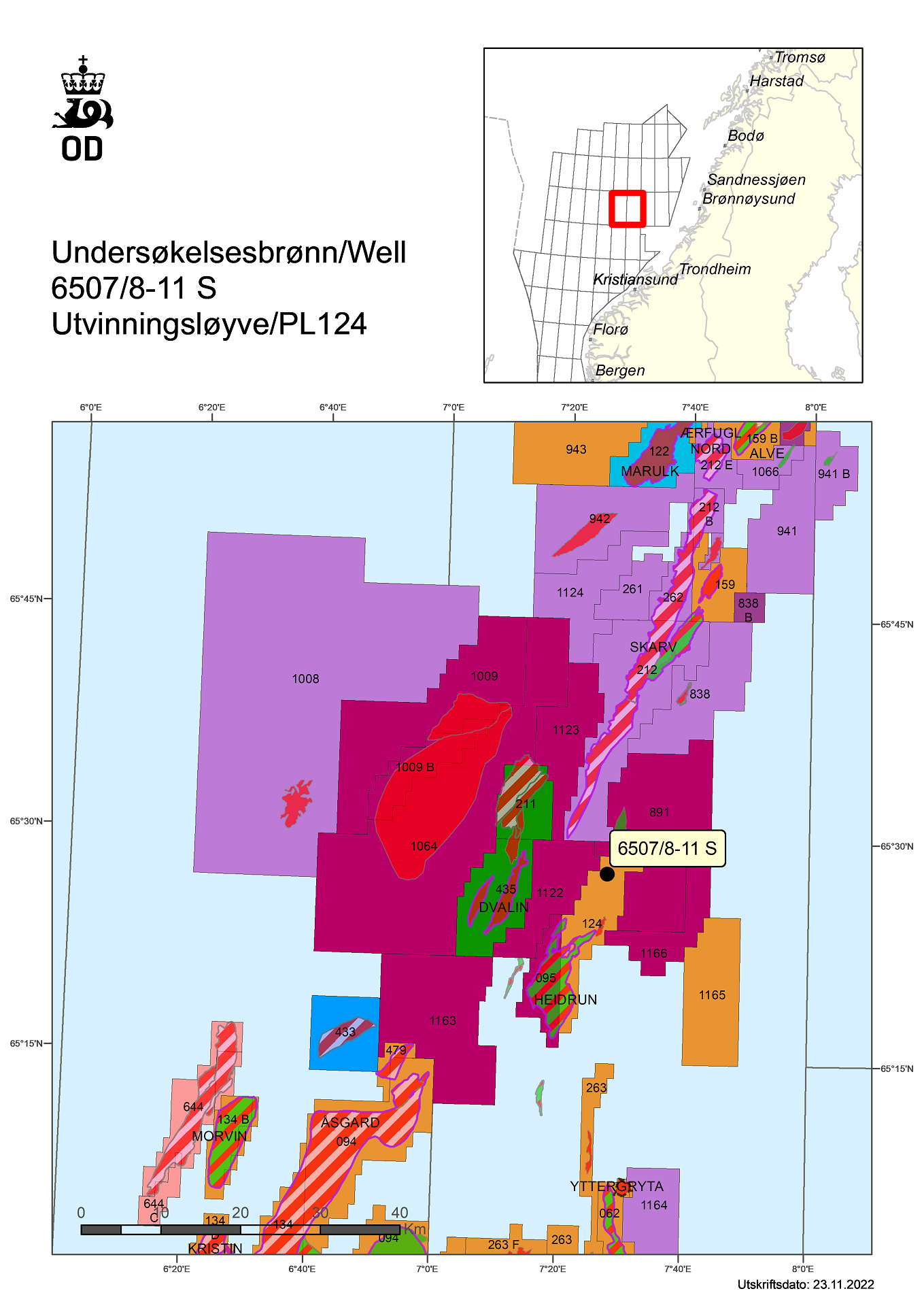
OSLO, Nov 29 (Reuters) – Norway will not issue licences for energy companies to explore for oil and gas in frontier areas during the life of the current parliament, which ends in 2025, its oil and energy minister told Reuters on Tuesday.
“SV (Socialist Left Party) has had this as a demand for this year and we went along with that. And have accepted that this can be held off for this parliamentary period,” (per Minister of Petroleum and Energy Minister Terje Aasland).
Aasland said there was “no drama” in the decision as authorities still issue licences to oil companies in a parallel licensing around called the APA round, in so-called mature areas that are already open to oil companies.
Q Does the President think there’s some benefit to the climate to drill oil in Venezuela and not here?
MR. KIRBY:No, it has nothing to do with a benefit to the climate, Peter. Again, there are 9,000 unused permits here in the United States on federal land that oil and gas companies can and should take advantage of. Nine thousand. And we’re talking about one there in Venezuela.
Oh no, not the 9000 permits response yet again!
Can someone please help the White House staff understand the difference between leases and permits, and the process that is followed in exploring for and producing oil and gas? Perhaps this will help.
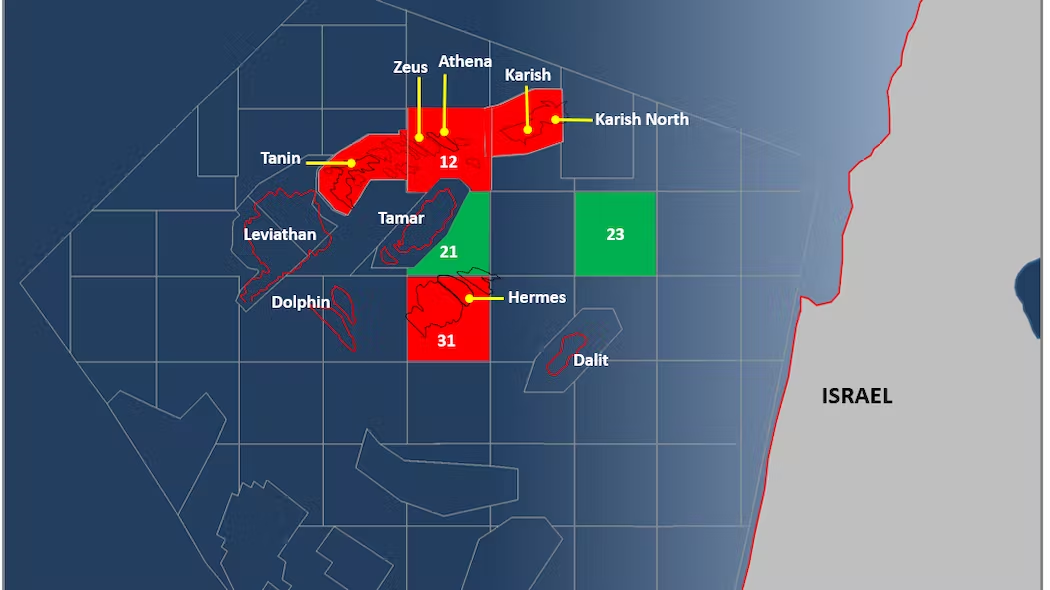
100+ tcf and the discoveries keep coming. Here’s the latest:
London, 7 November 2022 – Energean plc is pleased to announce that i) the Zeus 01 exploration well has made a commercial gas discovery of 13 bcm ii) contingent resources at Athena have been upgraded following post-well analysis; and iii) the Stena IceMax drilling rig has moved to block 23 to drill the Hercules structure, the final well in Energean’s 2022 drilling campaign.
Netherlands climate activist Niklas Hohne succinctly summarizes the “end of fossil fuels” strategy (first quote) that the US Department of the Interior seems intent on implementing in the proposed 5 Year OCS Leasing Plan (second quote). What is DOI’s legislative authority for phasing out offshore oil and gas production? It’s certainly not the OCS Lands Act which calls for the expeditious and orderly development of OCS resources. Neither the EIA nor any other reputable forecaster believes we can even reduce, let alone eliminate, oil and gas consumption in the next 20-30 years.
“The plan was not to build any new infrastructure, becauseeverything new you build has to run for 20 or 30 years to pencil out, long past the point we want to be off fossil fuels,” Hohne said.
“The long-term nature of OCS oil and gas development, such that production on a lease can continue for decades makes consideration of future climate pathways relevant to the Secretary’s determinations with respect to how the OCS leasing program best meets the Nation’s energy needs.“
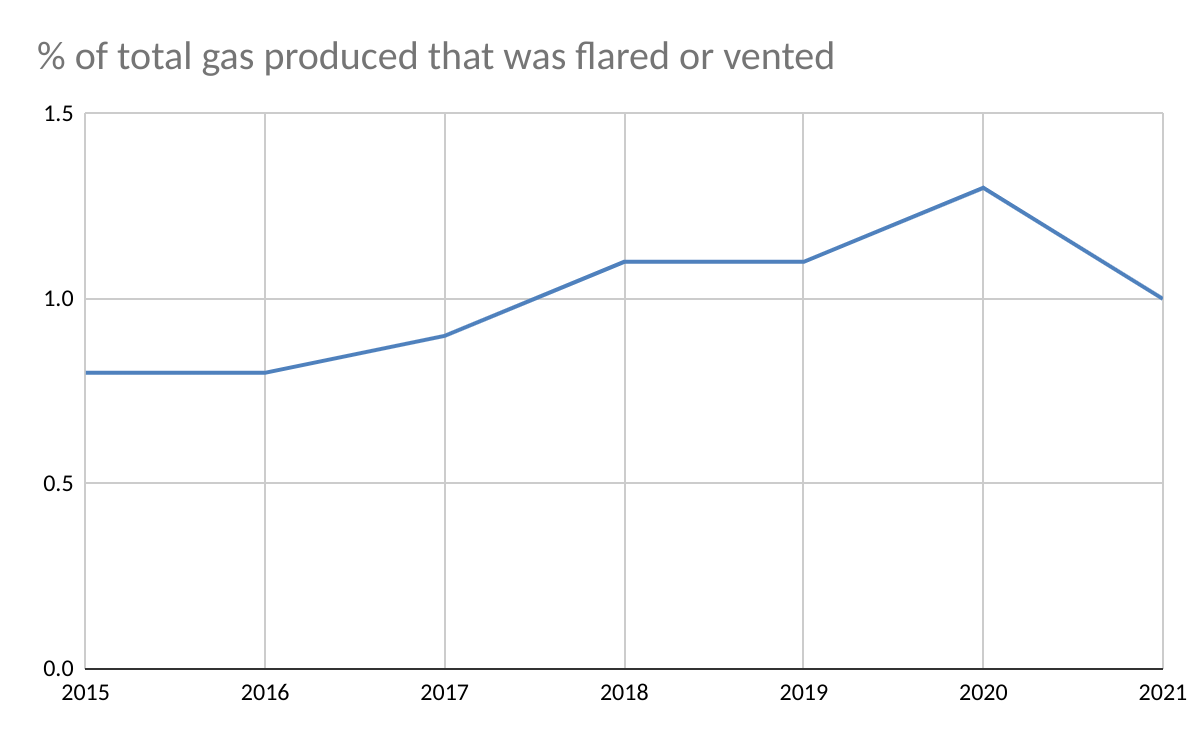
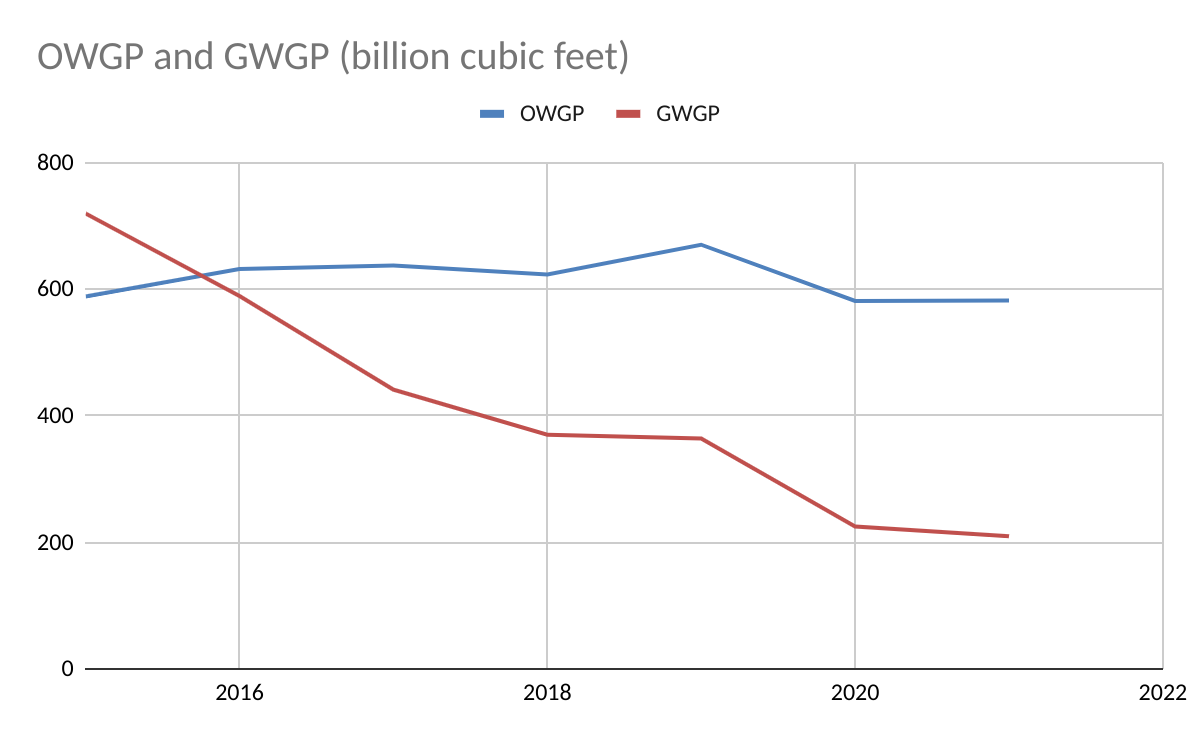
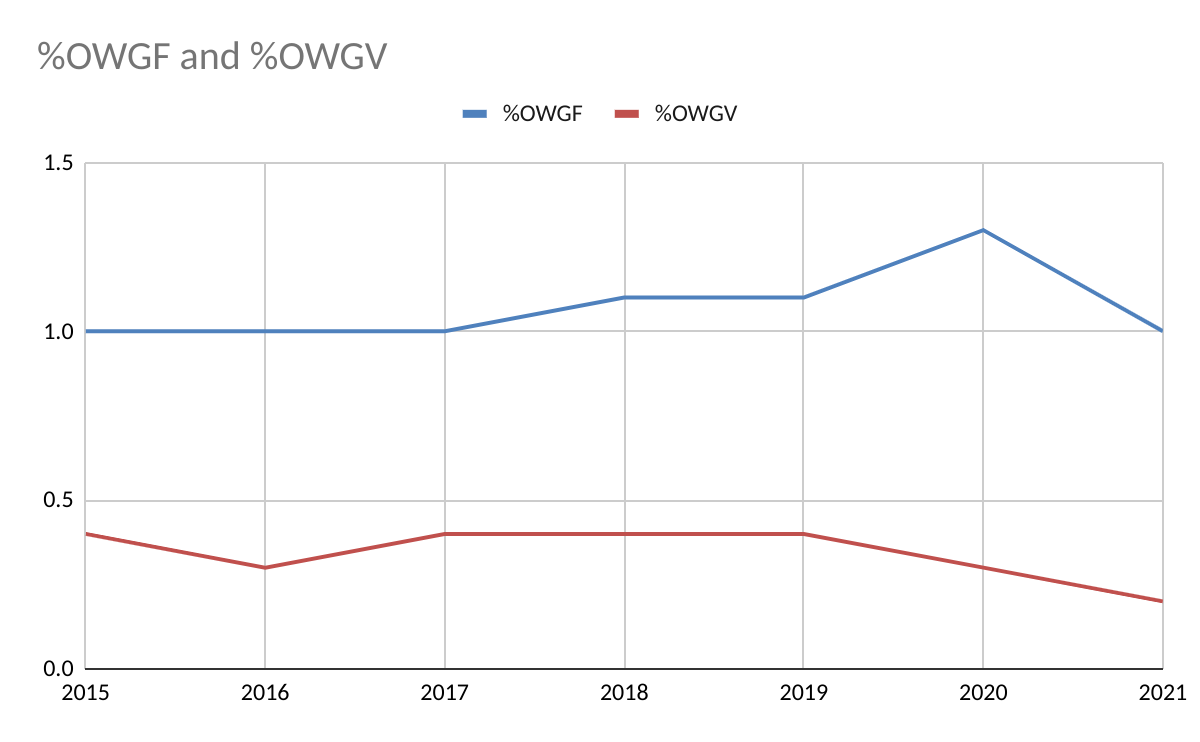
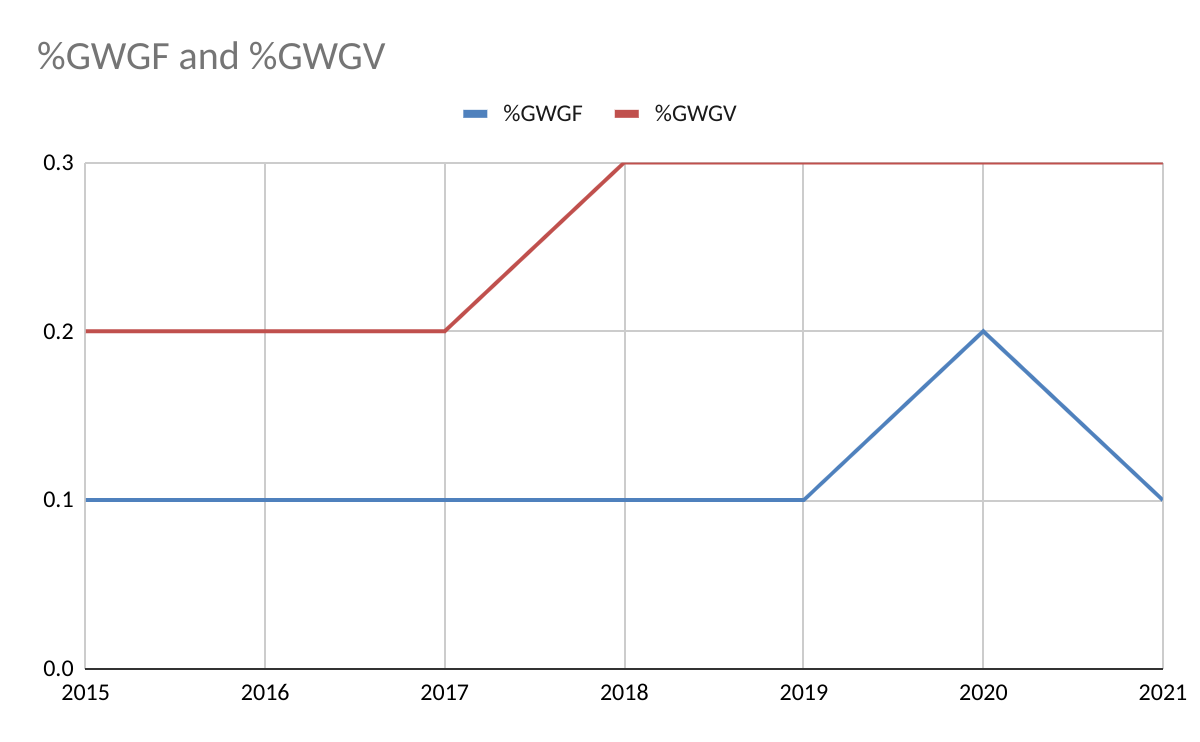
Gulf of Mexico flaring and venting data have been sorted for the years 2015-2021. The reporting of these data is mandatory and strictly enforced, so these ONRR numbers should be accurate.
Biggest surprise: The biggest surprise is that there were no big surprises in the data. The % of gas flared and vented were generally consistent with expectations based on familiarity with historical data.
Encouraging sign: The % of oil-well gas vented has ticked down over the past 2 years which is encouraging from a GHG standpoint. This is presumably because most associated gas is produced on modern deepwater facilities equipped with flare booms. An astute politician would be rushing to take credit for this achievement.😀




 Bud's Offshore Energy (BOE)