Feeds:
Posts
Comments

Archive for the ‘climate’ Category

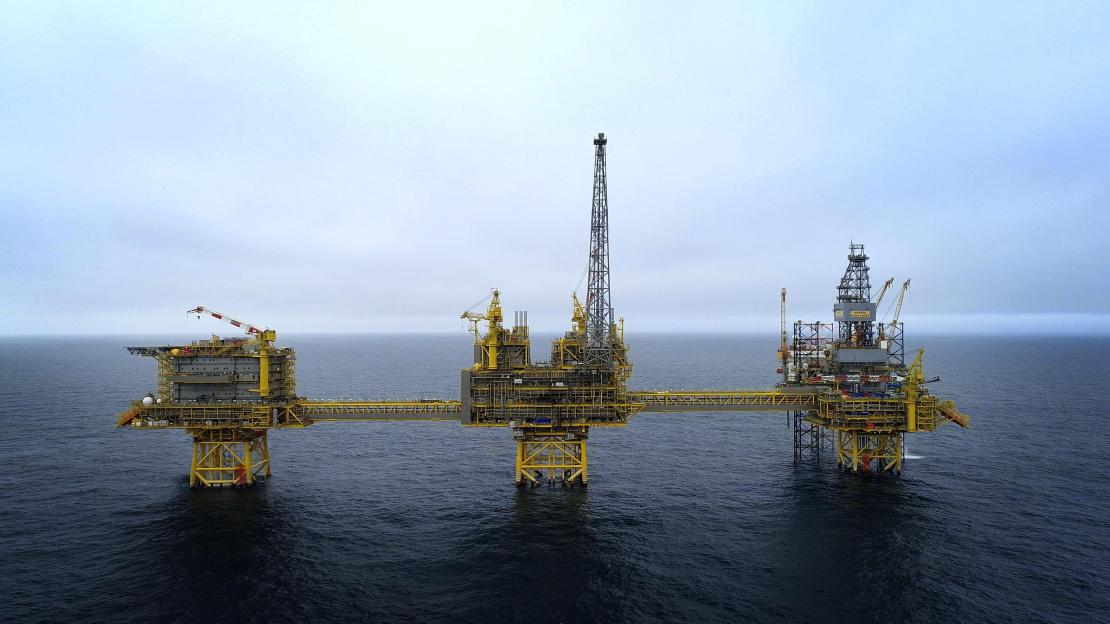
Culzean facilities

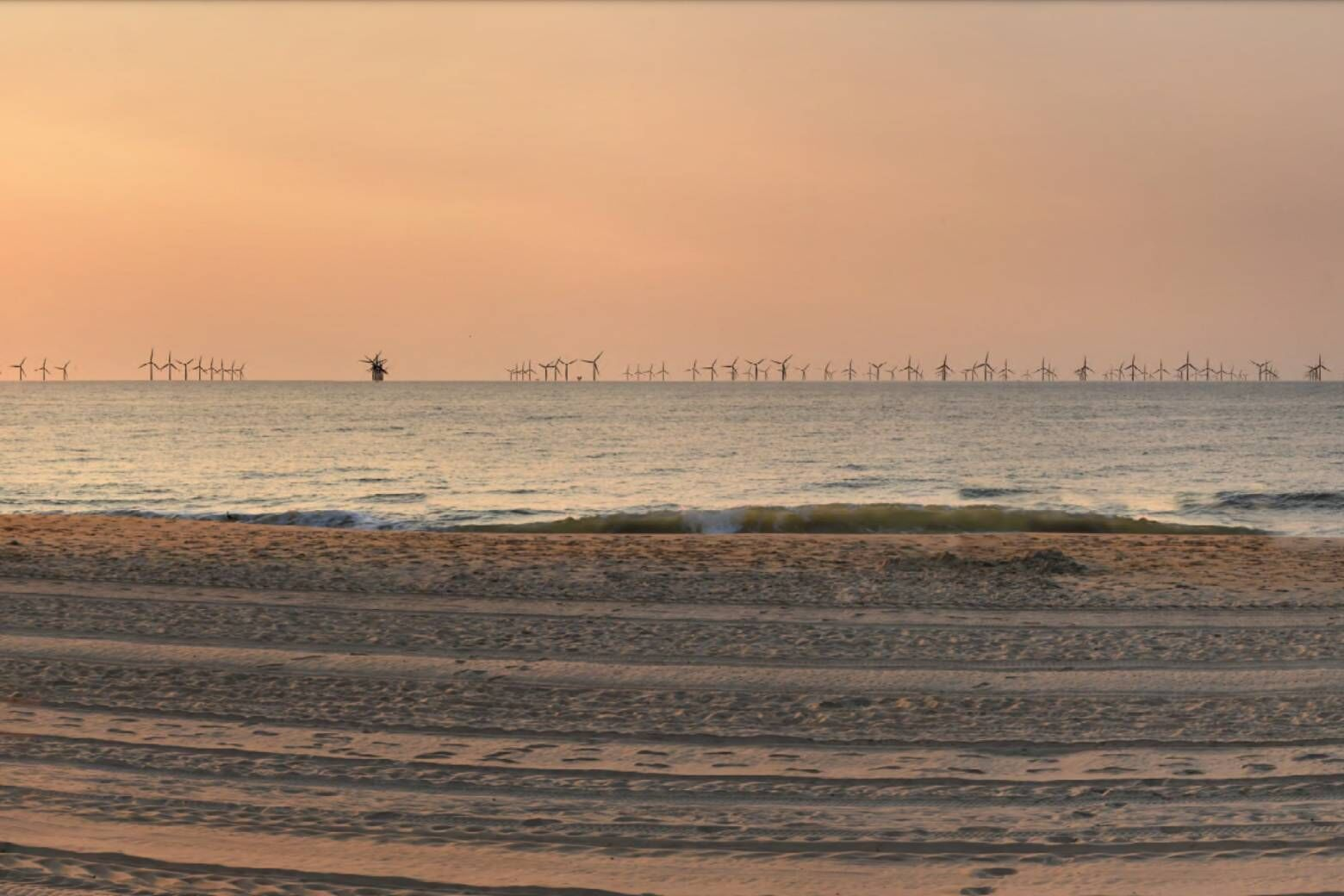
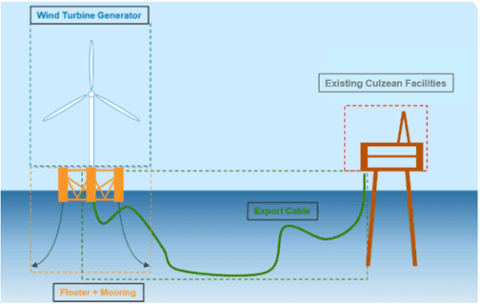
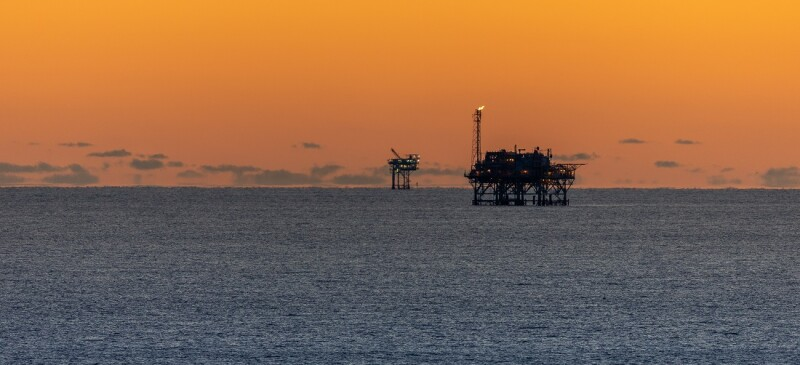
Total has announced plans to install a 3 MW floating wind turbine 2 km west of the Culzean platform, 220 km off the coast of Scotland. This turbine, expected to be fully operational by the end of 2025, will supply around 20% of Culzean’s power requirement. This project is interesting from an R&D standpoint, but makes little sense otherwise. Here’s why:

  • Culzean is a gas condensate field that is capable of meeting 5% of the UK’s gas demand. There is thus ample produced gas to reliably and economically power the platform.
  • Gas will be required to meet 80% of the power requirement even after the wind turbine is operating.
  • In light of installation, maintenance, and decommissioning costs for the floating turbine, the cost of the intermittent wind power will no doubt be much higher than the cost of the power generated by platform gas.
  • Some tax benefits may be associated with adding the wind turbine, but this won’t affect the real costs, other than to perhaps make them higher.
  • In addition to affecting profitability, higher operational costs could reduce the ultimate recovery of gas and condensate from the field.
  • Gas not consumed at the offshore facilities will be marketed and consumed onshore, so there is essentially no net reduction in global CO2 emissions.
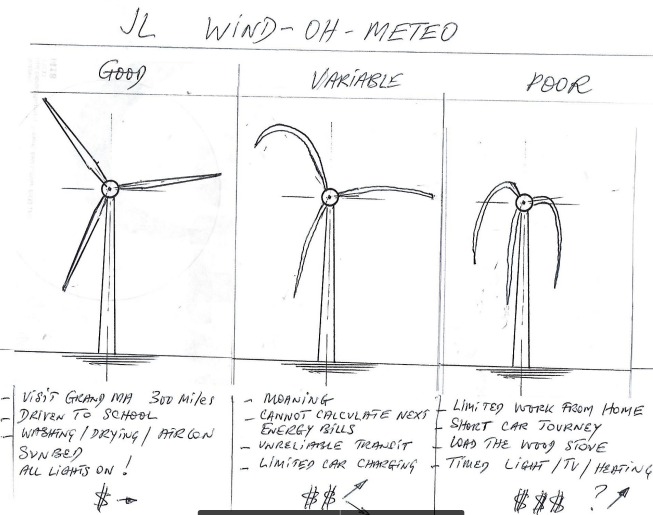
  • As JL Daeschler reminds me, the floating turbine complicates operations and could create safety issues: obstruction for helicopters and supply boats to avoid, trenching and installing power cable in a spare “J” tube, and feeding power to an electrical distribution system in accordance with standards and platform specifications. As JL notes, “I think we have plenty to do offshore already!”
  • And what if there are mooring failures and the turbine drifts toward the platforms? Turbine blade failures?
  • Bottom line: adding costs and risks for no apparent benefit.

See a related post on platform electrification in Norway.

Read Full Post »

Skepticism about these charges is running high given the apparent political convenience of the “private Ukrainian citizens” sabotage scenario. The German govt has been under pressure to identify the responsible party following the decisions by Denmark and Sweden to drop their investigations.

Many of us are waiting for responses from the insurers, Seymour Hersh, Erik Andersson, and other private parties who have been actively investigating the Nord Stream sabotage.

Read Full Post »

API is challenging the Dept. of the Interior’s 5 year oil and gas leasing plan, which includes the fewest lease sales in program history. That challenge was filed on 12 February, 60 days after Secretary Haaland approved the 5 plan and the first day appeals could be filed pursuant to 43 U.S. Code § 1349.

18 weeks after the API suit was filed, the Supreme Court overturned the Chevron Doctrine. That doctrine (described above) instructed judges to defer to agency interpretations when the language in a law was unclear.

Interior’s 5 year OCS oil and gas leasing plan provides for the fewest (3) lease sales in history and may not have included a single sale were it not for legislation prohibiting the issuance of offshore wind leases unless an offshore oil and gas lease sale was held during the prior year.

This unprecedented oil and leasing decision was based on “the need to confront the climate crisis through reducing greenhouse gas emissions” and on achieving “net zero pathways.” Neither of those objectives is articulated in the OCS Lands Act or other governing legislation.

Extending the Secretary’s general safety and environmental authority for OCS operations to include global climate considerations is a stretch and the type of interpretive administrative decision that the Supreme Court struck down.

Read Full Post »

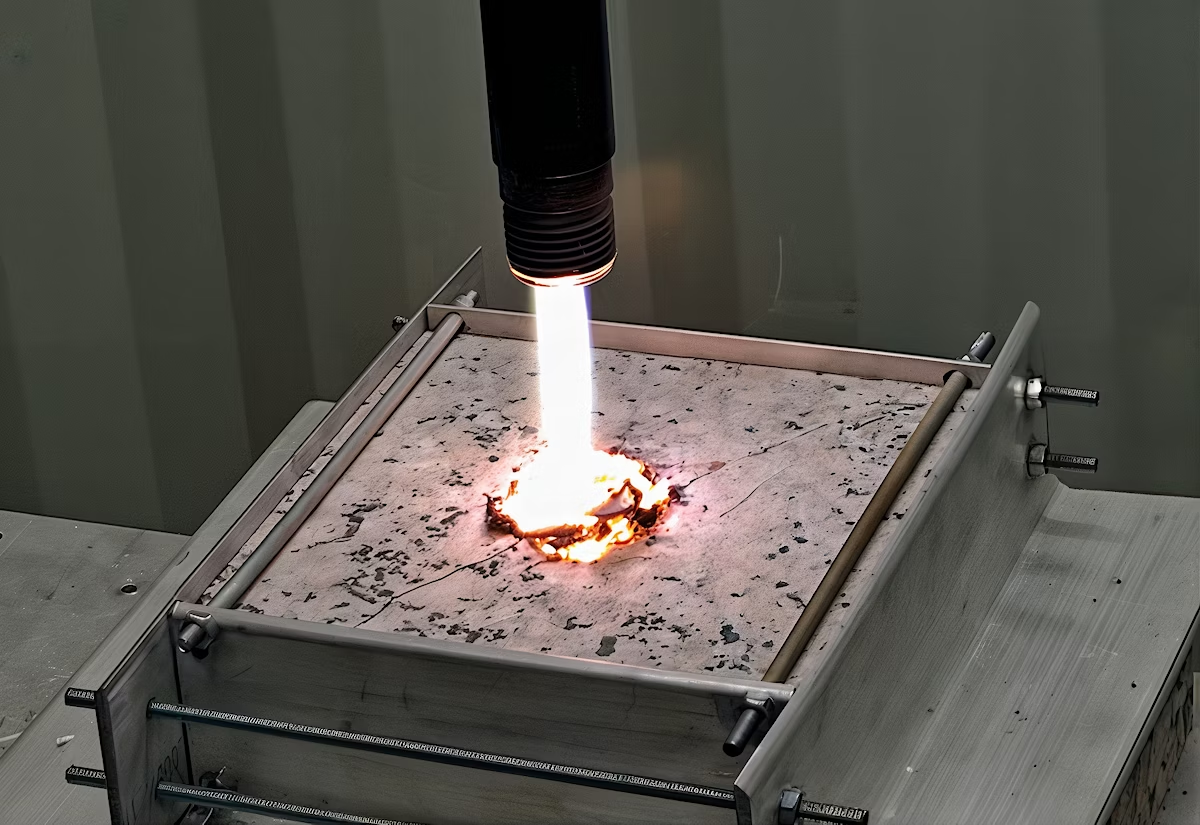
A recent millimeter wave drilling test conducted at the Quaise laboratory, in preparation for upcoming field demonstrations

Ultradeep geothermal has enormous potential for power generation without being handicapped by the intermittency, space preemption, aesthetic, and wildlife protection challenges inherit in wind and solar projects.

Quaise Energy is an exciting company, not only because of ultradeep geothermal’s unlimited energy potential, but also because of their fascinating gyrotron technology that vaporizes hard rock and could enable drilling to depths of 20-30 km and temperatures of >1000° C.

Quaise Energy’s latest update includes some good photos of laboratory tests of their drilling technology. The first field tests of their drilling technology are supposed to be conducted later this year, but no details have been provided.

Quaise describes millimeter waves (MMWs) as follows: “… a portion of the electromagnetic spectrum between microwaves and infrared. Named for their wavelength measuring 1-10 millimeters, MMWs are everywhere yet invisible to the naked eye. The fingerprints of the Big Bang still linger as MMWs all around us in the cosmic microwave background. And if you’re reading this on a phone, chances are it was transmitted by 5G using MMWs.”

The plan is to drill through sedimentary rocks with conventional technology and use MMWs to vaporize basement rock with dielectric heat. There are many hurdles to clear, starting with the field tests, but the enormous energy potential is undeniable.

drilled through basalt in lab

Read Full Post »

Danish Tax Minister Jeppe Bruus boasts that other countries will be inspired by the world’s first tax on livestock emissions. Are you inspired?

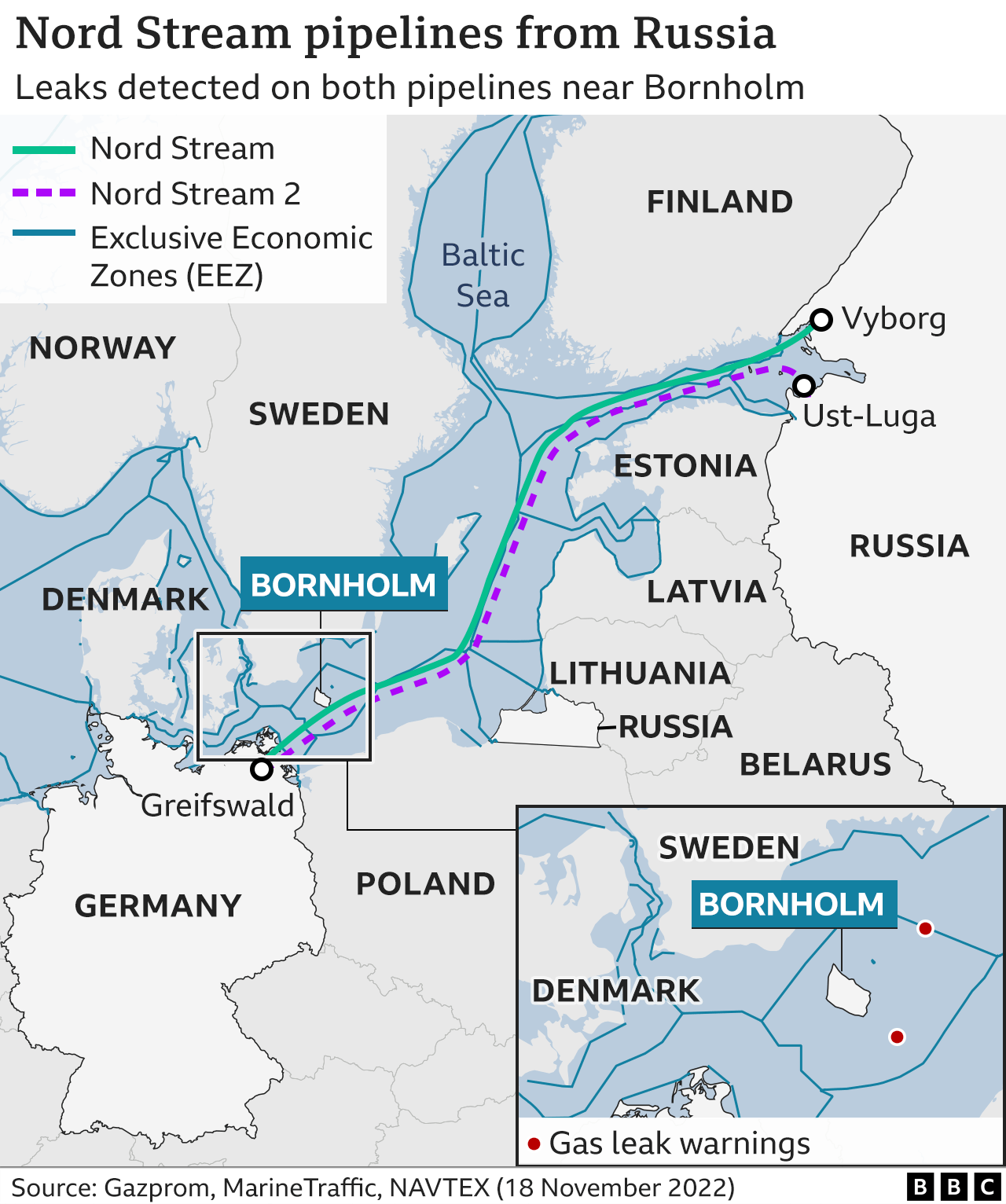
Not at all inspiring was Denmark’s weak-kneed response to the sabotage of the Nord Stream pipelines near the Danish island of Bornholm. After 17 months of investigation, Denmark meekly declined to pursue criminal charges or even to release a report on their findings. How does the “world’s climate leader” simply shrug its shoulders after investigating a massive methane release in their waters?

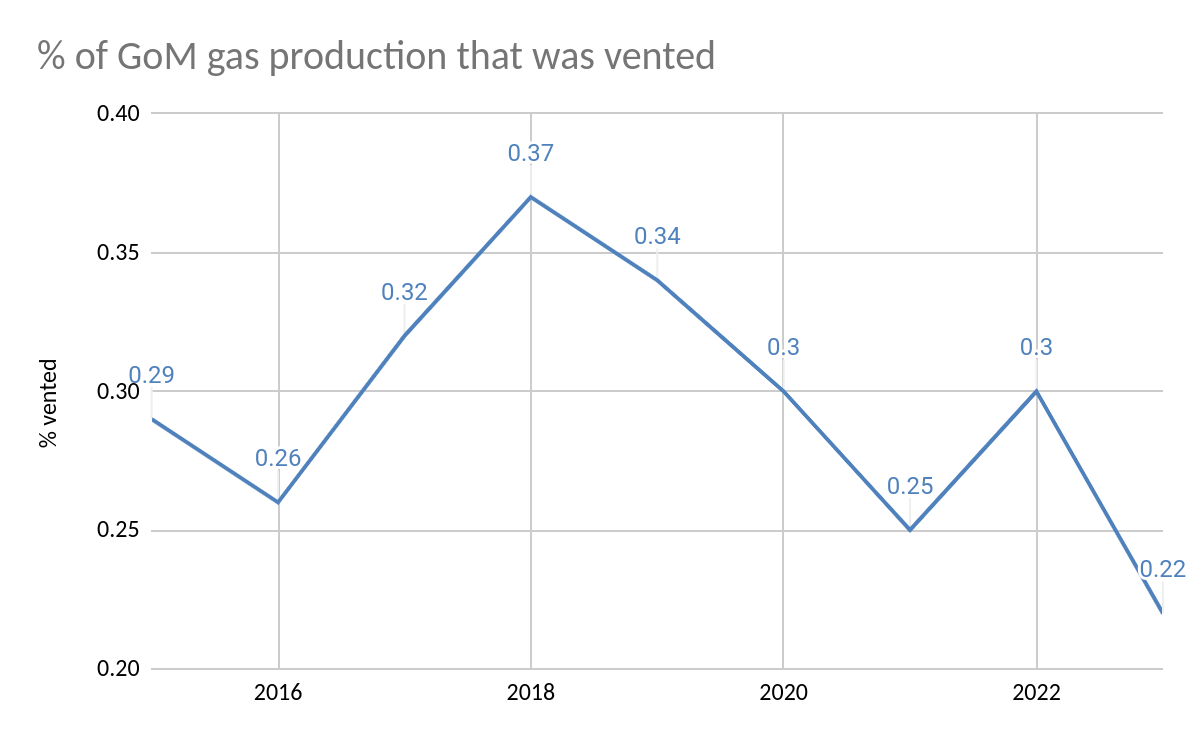
A recent professional paper concludes that 478,000 tons of methane were released to the atmosphere as a result of the Nord Stream sabotage, making this “the world’s largest natural gas leak.” The Nord Stream sabotage thus released 3.6 times the amount of methane (133,000 tons) contributed by Danish livestock in an entire year. The total amount of methane released by the Nord Stream pipelines is also 2.5 times the entire amount attributed by EPA to all Gulf of Mexico producers in 2020.

Denmark and Sweden have concluded that “there was deliberate sabotage of the gas pipelines.” The Nord Stream insurers claim that “a government did it.” So which government was it? Why are sovereign governments of affected nations afraid or otherwise unwilling to comment on such a consequential attack?

Read Full Post »

Carbon sequestration (i.e. subsurface disposal) is a controversial and divisive topic, and important questions regarding the costs and benefits remain. Nonetheless, the Infrastructure Bill of 2021 authorized the disposal of CO2 on the OCS, and stipulated that the Secretary of the Interior promulgate regulations for that purpose. However, that major task cannot be completed without a better understanding of the potential environmental impacts.

BOEM has announced a study (see attached pages from their new Environmental Studies Plan) to consider the potential for CO2 leakage and related environmental concerns. A few excerpts from BOEM’s summary follow:

Problem:  Potential CO2 leakage from carbon sequestration (CS) project activities could occur via a number of pathways. Few studies model and/or measure CO2 leakage, transport, dispersion, attenuation, and environmental impacts in the offshore environment, and those that do exist are preliminary. 

Intervention:   BOEM needs more information about the dynamics, fate, transport, and potential environmental impacts of CO2 leakage under various scenarios, including worst-case, on the OCS to inform the new nationwide CS Program and to protect the environment from CO2 leakage. 

Comparison:   The study will model CO2 leakage under various scenarios, including worst-case scenarios, using the GOM OCS Region as a case-study and can be applied to all OCS regions. Outcome The leakage and worst-case scenario modeling will aid BOEM’s ongoing rulemaking efforts, program development and implementation, and future operational needs including NEPA analyses, lease planning, lease stipulations, consultations, plan and permit approvals, mitigation measures, risk assessment and monitoring requirements, etc. Study results will also provide direction for future studies to include field and/or laboratory analyses.

The performance period for this important study extends through 2027, so it’s hard to envision final CS regulations prior to that date. You can’t issue regulations without first assessing the potential harm that could result from their promulgation (as required by NEPA).

BOEM’s summary mentions “the anticipation of a CS lease sale in the GOM after final regulations are published.” Hopefully, this also means that BOEM will not permit improperly acquired oil and gas leases (Sales 257, 259, and 261) to be converted to CS leases.

Read Full Post »

At Sale 261, Repsol was the sole bidder for 36 nearshore Texas tracts in the Mustang Island and Matagorda Island areas (red blocks at the western end of the map above). Exxon acquired 163 nearshore Texas tracts (blue in map above) at Sales 257 (94) and 259 (69).
  • The 199 oil and gas leases that were wrongfully acquired for carbon disposal purposes remain idle with the government collecting rental payments at the rate of $10/acre/yr ($7 for Sale 257 leases). Collectively, this amounts to approximately $10 million/yr.
  • Presumably, the lessees cannot claim CCS tax credits for their bonus and rental payments.
  • The primary term for these leases is only 5 years, and the clock is ticking. The 94 oil and gas leases acquired by Exxon at Sale 257 for carbon disposal purposes are approaching the end of their second year. They would be almost a year older if litigation hadn’t delayed the issuance of Sale 257 leases (break for Exxon?).
  • No exploration plans have been filed for any of these leases. Presumably Exxon and Repsol do not intend to drill any wells unless the leases are converted to authorize carbon disposal.
  • The “Infrastructure Bill,” signed 2 days before Sale 257, required the Secretary of the Interior to promulgate regulations not later than one year after the date of enactment (11/15/2021). That deadline has long passed.
  • The delay in the regulations is understandable given the complex lease management, operational, and environmental issues.
  • Like the practices and operations they are intended to enable, the regulations are certain to be divisive. Neither the offshore industry nor the environmental community are of one mind on these issues, particularly with regard to the acquisition of oil and gas leases for carbon disposal purposes.
  • Energy Intelligence suggests that final carbon disposal regulations will be promulgated this year. This is highly unlikely, given that a proposed rule must first be published for public comment.
  • Interior could seek to demonstrate “good cause” for a direct final or interim final rule. However, such an attempt at corner-cutting is unlikely, especially given the controversy associated with carbon disposal.
  • Publication of a proposed rule prior to the election is unlikely – too controversial.
  • Presumably, the regulations will establish a competitive process for the conversion of any oil and gas leases.
  • The leases that were wrongfully acquired at Sales 257, 259, and 261 should not be extended for any period of time, even if their expiration date approaches before a competitive process is established.

Closing comment: “Sequestration” is a euphemism that is being incorrectly applied to soften the reality of disposing carbon beneath the Gulf of Mexico. Sequestration implies storage for later use and that is clearly not the intent. Because carbon disposal is arguably dumping, a special exemption from the Marine Protection, Research, and Sanctuaries (Ocean Dumping) Act of 1972 had to be added to the Infrastructure Bill.

Read Full Post »

“Exxon Mobil has led a persistent and apparently successful lobbying campaign behind the scenes to push the US federal government to adopt rules that would allow the conversion of existing oil and gas leases in the Gulf of Mexico into offshore carbon capture and storage (CCS) acreage, according to documents seen by Energy Intelligence and numerous interviews with industry players.” Energy Intelligence

The Energy Intelligence article documents the ongoing carbon disposal lobbying by Exxon and others. Those meetings are okay prior to publishing a Notice of Proposed Rulemaking (NPRM) for public comment. However, the article implies that the next step is a final rule: “Whether or not Exxon succeeds will become fully clear when the US issues final rules guiding CCS leasing, expected sometime this year.”

A final rule this year is unlikely, because an NPRM has to be published first for public comment. The only exception would be if BOEM was able to establish “good cause” criteria for a direct final or interim final rule in accordance with the Administrative Procedures Act. Such an attempt at corner cutting seems unlikely, especially in an election year when all regulatory actions are subject to additional scrutiny.

Exxon must have thought they had a clear path forward after 11th hour additions to the “Infrastructure Bill” authorized carbon disposal on the OCS, exempted such disposal from the Ocean Dumping Act, and provided $billions for CCS projects. Keep in mind that the Infrastructure Bill was signed just two days before OCS Oil and Gas Lease Sale 257, at which Exxon acquired 94 leases for carbon disposal purposes.

What the Infrastructure Bill did not provide is authority to acquire carbon disposal leases at an oil and gas lease sale. Now the lobbyists are apparently scrambling to overcome that obstacle administratively.

BOEM, which arguably made a mistake in accepting irregular carbon disposal bids at the last 3 oil and gas sales, should not amplify Exxon’s unfair advantage (also Repsol at Sale 261) by allowing the conversion of these leases (map below). This is not a small matter given that Exxon has publicly projected that carbon disposal is a $4 trillion market opportunity.

A single company or small group of companies should not be dictating the path forward for the Gulf of Mexico. Super-major Exxon is a relative minnow in the Gulf of Mexico OCS. They have not drilled an exploratory well since 2018, not drilled a development well since 2019, operate only one platform (Hoover, installed in 2000), ranked 11th in 2023 oil production, and ranked 29th in 2023 gas production.

Lastly, and most importantly, public comment on the myriad of technical, financial, and policy issues associated with GoM carbon disposal is imperative. That input is essential before final regulations are promulgated.

At Sale 261, Repsol was the sole bidder for 36 nearshore Texas tracts in the Mustang Island and Matagorda Island areas (red blocks at the western end of the map above). Exxon acquired 163 nearshore Texas tracts (blue in map above) at Sales 257 and 259.

Read Full Post »

Our last Nord Stream pipeline post discussed the Nord Stream AG suit to recover damage costs from insurers Lloyd’s and Arch.

In a court document (excerpt below) obtained by Swedish engineer Erik Andersson, Lloyd’s and Arch assert that the damage was inflicted by, or under order of, a government , and therefore the insurers are not liable.

Given that the suspect governments have denied responsibility, shouldn’t the insurers have to prove that a government did it, and identify the government? That is what Nord Stream AG is asserting in their filing (except below).

Long, but interesting video with Erik Andersson:

Read Full Post »

… and you deniers are fully responsible. There’s a reason why Texas is the most affected state 😉

But fear not, we will line our shores with wind turbines, restrict offshore oil and gas leasing, and subsidize carbon disposal in the Gulf of Mexico. All of this “help” will have a negligible effect on the climate, which will continue to change as it always has and always will.

Read Full Post »

« Newer Posts - Older Posts »