Seattle Times: “Don’t block the will of voters on natural gas”
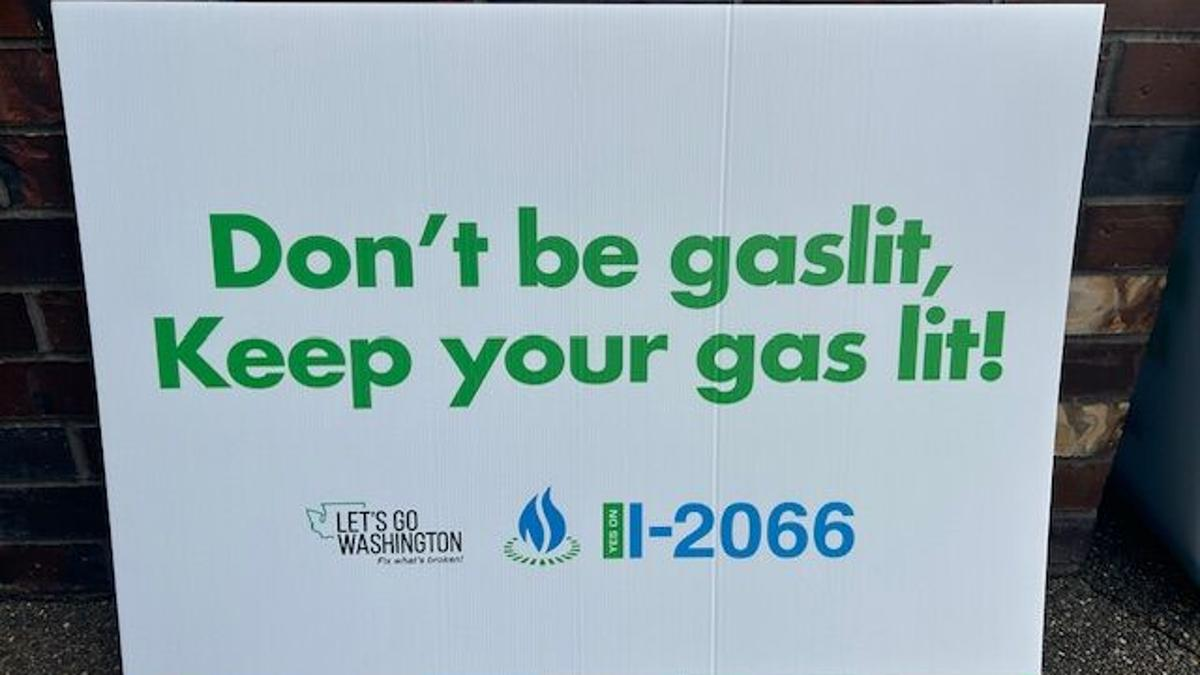
“Nearly 2 million residents voted to approve Initiative 2066, which aims to protect the use of natural gas as an energy source in state law and within Washington’s building codes. This month, climate advocates, joined by King County and the City of Seattle, filed suit in court to block the will of those voters.“
“While the courts will have final say, Gov. Jay Inslee and Democratic legislative leaders support killing off what they see as a misguided and overly broad initiative. Their view brushes aside the concerns of the majority of state voters. Those leaders fail to see a genuine fear that, during the clean energy transition, the fundamental supply of energy to homes and businesses — the basic ability to stay warm, cook food and bathe — is under threat.”
Kudos to the Seattle Times for their common sense editorial. In addition to noting the economic and social necessity of natural gas, it would have been nice if the editorial board had also acknowledged natural gas’s environmental benefits. However, that would have probably been a bridge too far in Seattle.
The reasons for transitioning to natural gas are arguably clearer and better substantiated than the reasons for transitioning from natural gas.
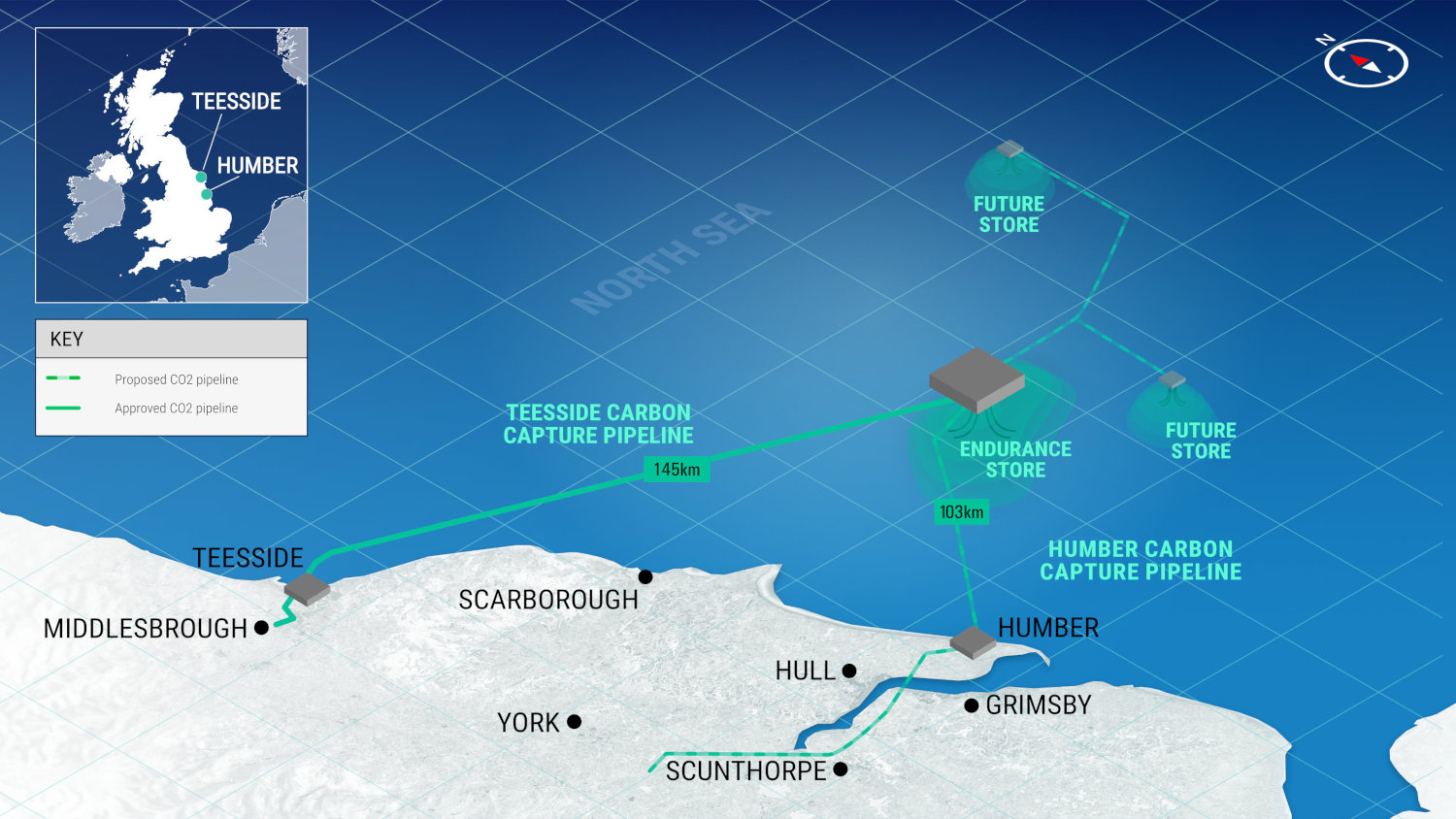
Northern Endurance Partnership (bp, Equinor, and Total) has been awarded the UK’s first permit to “store” CO2 beneath the North Sea.NEP plans to begin construction in the middle of 2025 with start-up expected in 2028 (bet the over!). Climate solution or costly virtue signaling at the public’s expense?
Fortunately, from the standpoint of US consumers and taxpayers, the push for carbon disposal in the Federal waters of the Gulf of Mexico has stalled, perhaps permanently. Oct.1 marked the 2 year anniversary of the 94 leases improperly acquired by Exxon at Sale 257 for carbon disposal purposes. Those leases will expire in 33 months (with the remaining 105 rogue leases expiring 1-2 years later) barring another legislative maneuver by industry advocates.
All of the previously posted questions about carbon disposal in the Gulf of Mexico remain, and most apply elsewhere. In particular, detailed cost-benefit analyses and risk assessments for these projects have not been provided. The intended permanency of offshore, subsurface carbon disposal raises complex monitoring, maintenance, liability, and decommissioning issues.
What are the carbon disposal proponents selling and why should governments be buying? If CO2 emissions are a significant threat to society (and informed opinions differ), is carbon disposal a cost effective solution?Policy decisions on subsidies for carbon disposal will be a good indication of how serious the new administration is about cutting Federal spending.
199 GoM oil and gas leases were wrongfully acquired for carbon disposal purposes. At Sale 261, Repsol acquired 36 nearshore Texas tracts in the Mustang Island and Matagorda Island areas (red blocks at the western end of the map above). Exxon had acquired 163 nearshore Texas tracts (blue in map above) at Sales 257 (94) and 259 (69).
On average, solar produces full power 25% of the time, whereas wind does so 35% of the time.
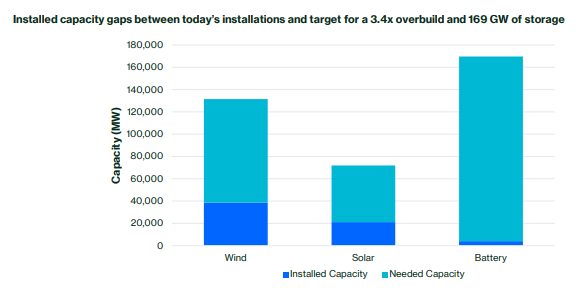
Without fossil fuels, Texas would need to scale up its wind and solar capacity by 3.4x and energy storage by 42.4x just to meet the average hourly demand.
Despite these high values for renewables and 5 GW of firm nuclear power, the system only meets demand 76% of the time, equivalent to 176 days over the two-year period when generation and storage fall short.
Even with a 5x overbuild and corresponding 10x in storage capacity, only 88% of demand can be fully satisfied, not considering transmission challenges.
Just meeting the average demand, with a 3.4x capacity expansion, would require more than 50,000 km2 of land, equivalent to the size of Lake Michigan.
“GE Vernova is aiming to deploy small nuclear reactors across the developed world over the next decade, staking out a leadership position in a budding technology that could play a central role in meeting surging electricity demand and reducing carbon dioxide emissions.“
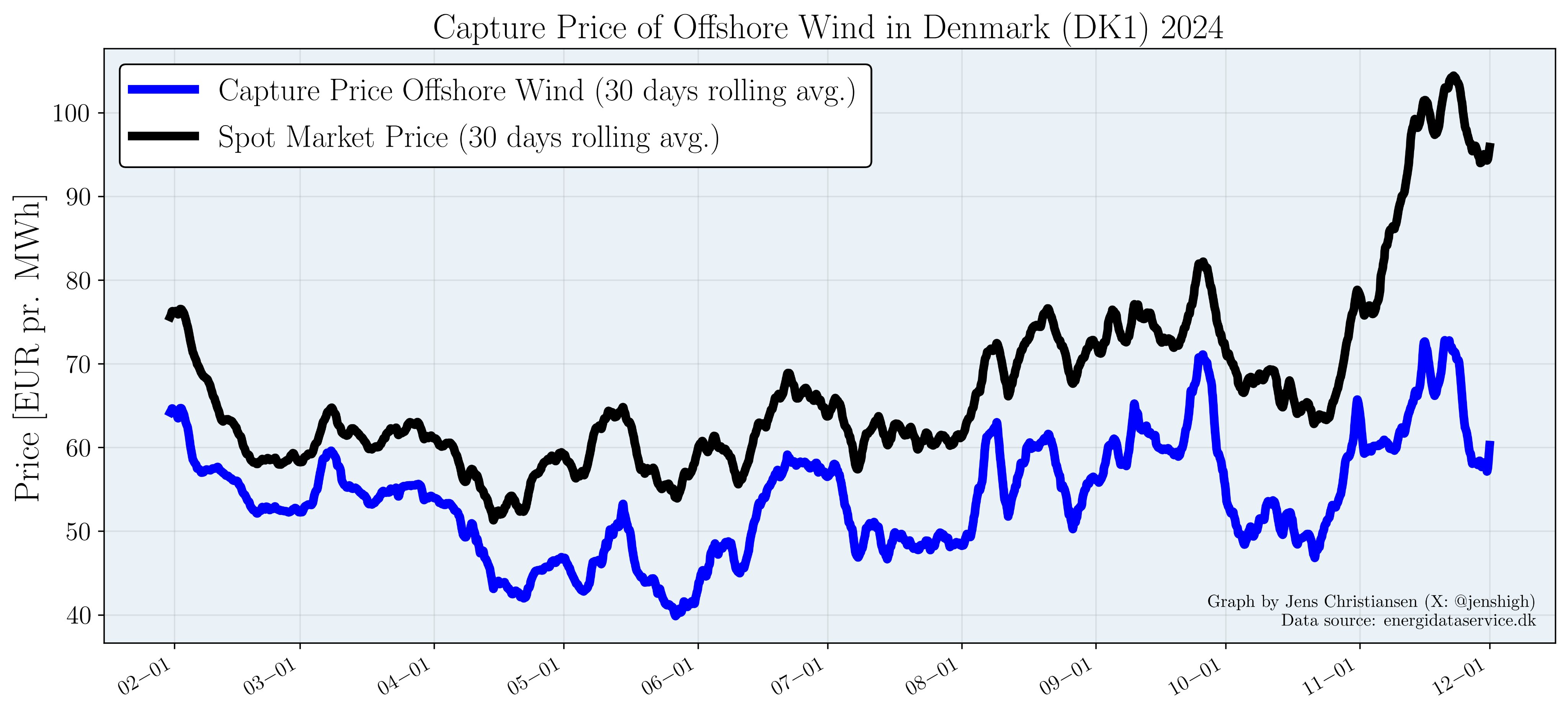
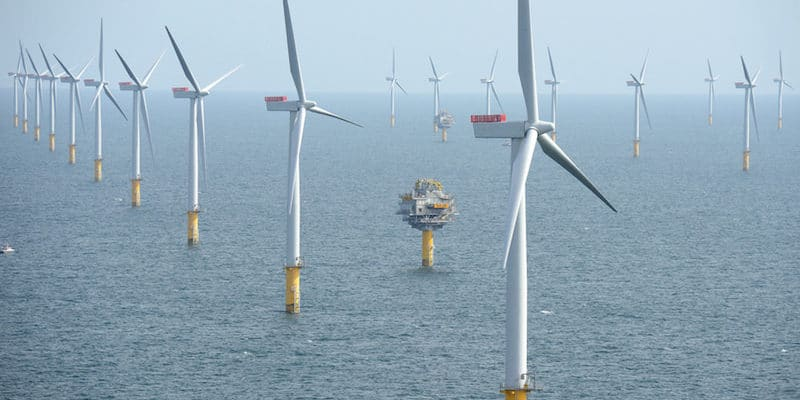
Jens Christiansen offers this explanation for the absence of bids for wind leases offered in the recent Danish sale:
“The value of offshore wind energy in Denmark has declined.
The capture price remains consistently lower than the market price throughout 2024. When the wind blows, the market saturates and the capture price drops This is why the latest offshore wind tender yielded nothing.”
A related BOE post points to the sharp decline in bids for US offshore wind leases.
“NET ZERO – I want to be clear: I am not against advancement in energy technologies. Humanity should always develop and progress.
What I oppose is bankrupting the country by gambling taxpayers’ money on the emperor’s new clothes. Because that’s what these experimental technologies are currently. The misinformation being fed to the public is a disgrace.
Technologies like carbon capture, flywheels, and large-scale battery storage are being sold to us as the future and that we can lead the world! I don’t want to gamble with my tax thanks. The only thing we will lead the world in, is being the first country to bankrupt itself on the alter of Net zero and they haven’t even given us a choice!
These experimental technologies will cost not £ billions but £ TRILLIONS and provide little benefit to the average citizen, they simply benefit global corporations and those with vested interests.
The government should have focused on upgrading the national grid as a first step. At the very least it would enable us to use the renewable energy we are creating currently, rather than paying £ billions in subsidies for providers not to supply.
Instead, we’re rushing headlong into experimental technologies that are still in test phase. We are investing in these theoretical technologies before we can even observe their real world performance, evaluate value for money, or knowing if practically they will even work! And let’s face it, installations of both fly wheels and carbon capture machines have both failed financially or practically worldwide.
The hypocrisy around emissions and claims that these new technologies are “cleaner and greener” is an outrageous lie. Whether deliberate or misguided, this misinformation is unacceptable. The British public deserves open-book transparency on costs, timelines, and actual impacts. If the government cannot provide this, they must step aside and bring in independent teams—free from vested interests—to evaluate and advise. And then the British public should be offered a vote.
The ideological, socialist pipe dream of hitting a fictitious 2030 target will bankrupt the country. Worse, it will make us entirely dependent on banks and foreign entities that will dictate our policies for decades.
And we are doing all of this whilst we have at least 200 years of domestic energy resources in the ground, the ‘emergency’ propaganda is simply untrue. But instead of bringing energy prices down in order to enable growth, which in turn would generate GDP, which in turn frees up domestic funds to invest in research, we’re sacrificing our economic stability and sovereignty for technology that will be outdated before we’ve even finished building it!.. because technology works like that!
Some people are getting very rich, some people are gaining global attention and others are simply fools. It is unacceptable to me.“
“Blackrock, Vanguard, and State Street utilized the Climate Action 100 and the Net Zero Asset Managers Initiative to signal their mutual intent to reduce the output of thermal coal, which predictably increased the cost of electricity for Americans across the United States.
These firms also deceived thousands of investors who elected to invest in non-ESG funds to maximize their profits. Yet these funds pursued ESG strategies notwithstanding the defendants’ representations to the contrary.”
Vom Winde verweht: Germany will pay as much as €20 billion to wind and solar operators through the end of 2024, twice what grid operators had forecast in last October.
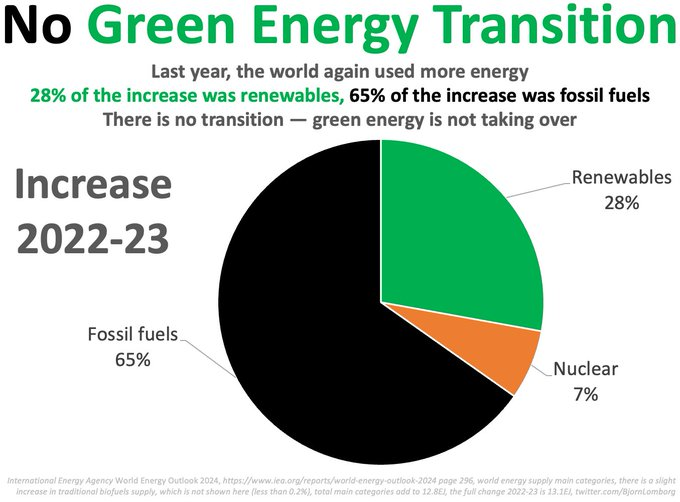
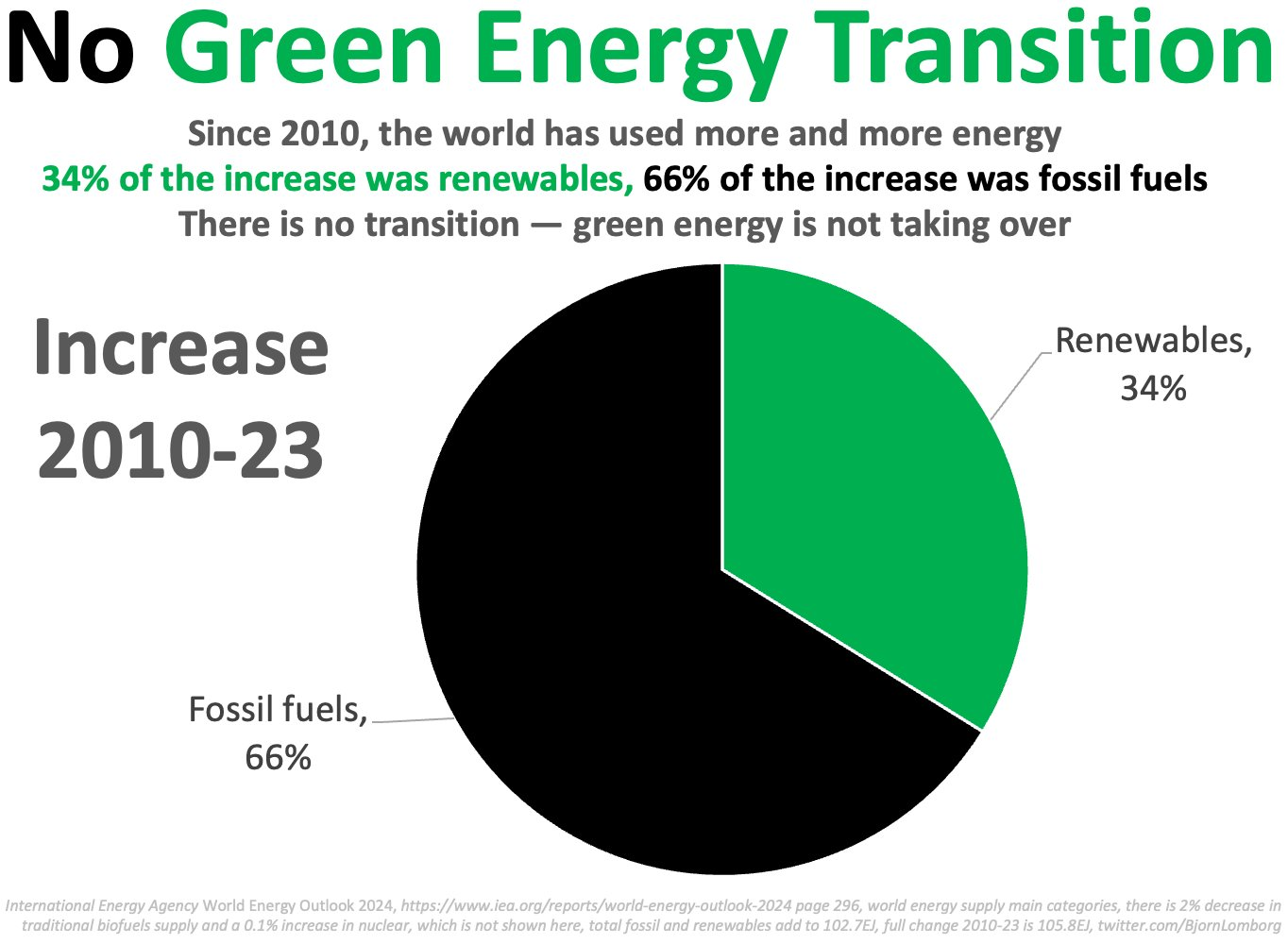
The 19th century is known as the “century of coal,” but, as the technology scholar Vaclav Smil has noted, not until the beginning of the 20th century did coal actually overtake wood as the world’s No. 1 energy source. Moreover, past energy transitions have also been “energy additions”—one source atop another. Oil, discovered in 1859, did not surpass coal as the world’s primary energy source until the 1960s, yet today the world uses almost three times as much coal as it did in the ’60s.
Aissatou Sophie Gladima, the energy minister of Senegal, put it more pithily: Restricting lending for oil and gas development, she said, “is like removing the ladder and asking us to jump or fly.”
Christyan Malek, JPMorgan’s top energy strategist: That intrinsic demand that is not visible is so significant that we don’t see demand peaking – I don’t think we’ll see [oil] demand peaking in our lifetimes,” he said. “Particularly as demand growth in [emerging markets] continues to surprise the upside.”






 Bud's Offshore Energy (BOE)