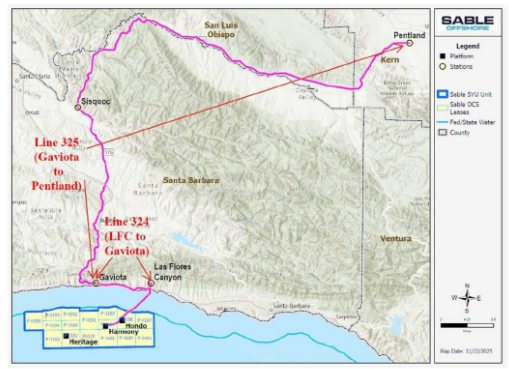
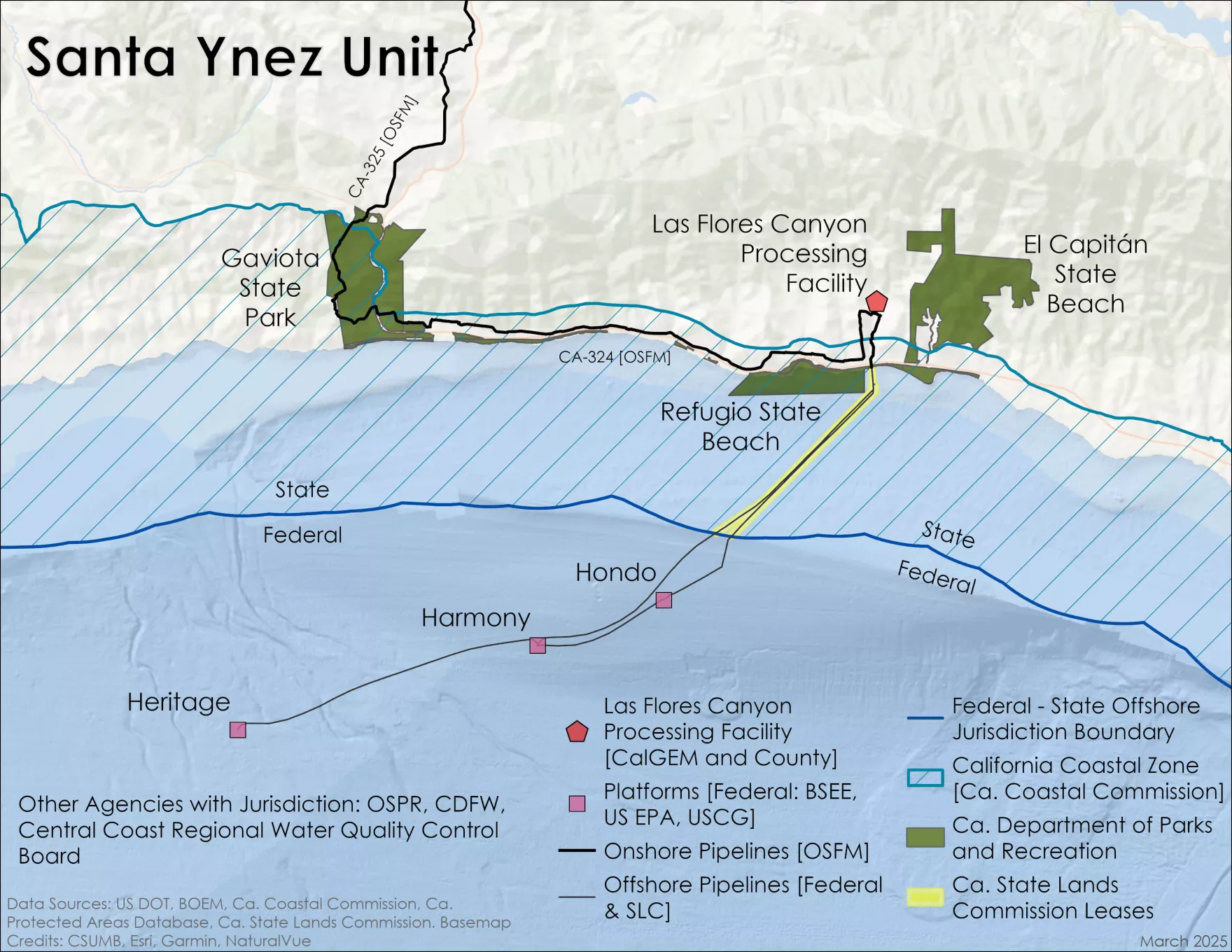
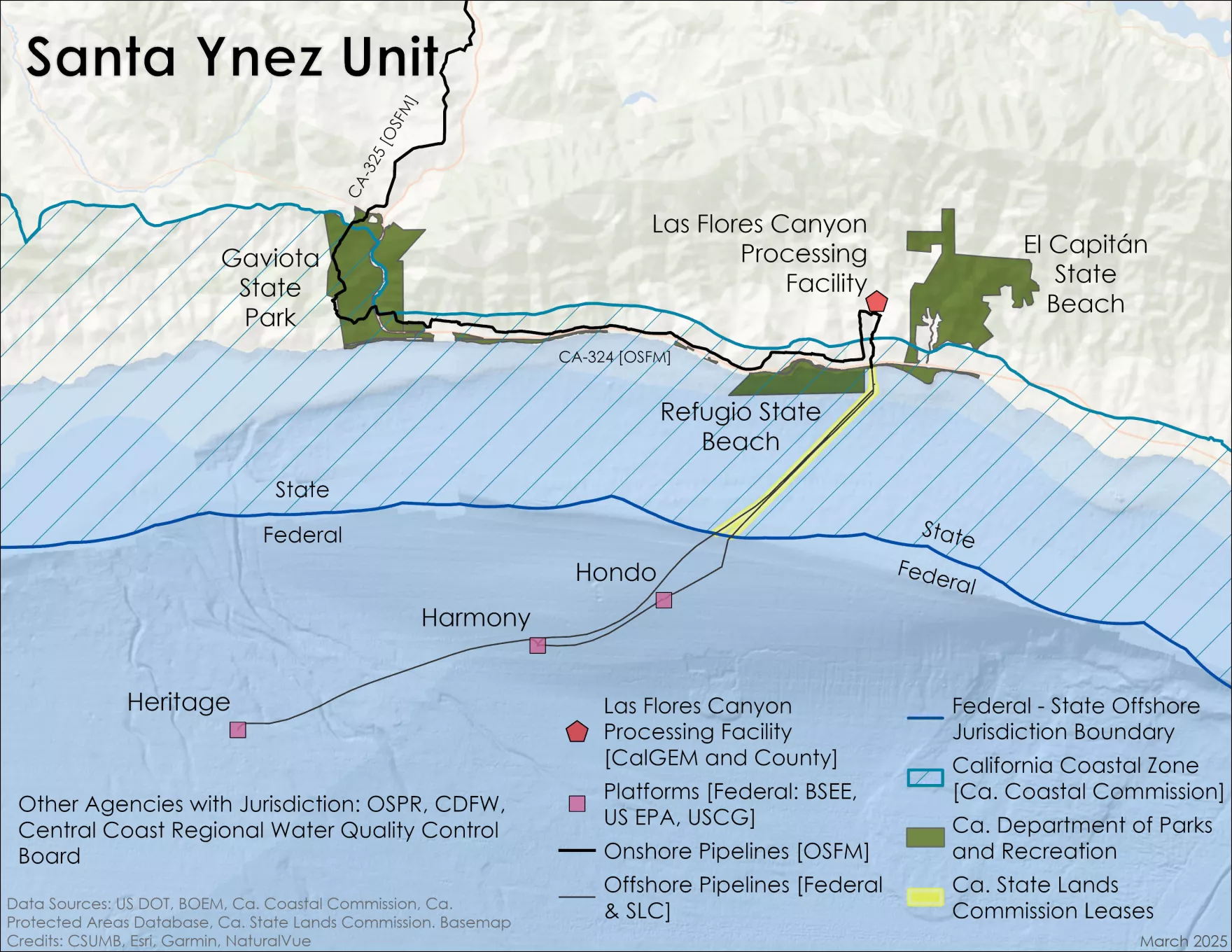
John Smithhas shared the Environmental Assessment (attached) associated with PHMSA’s Special Permit for segments 324 and 325 of Sable’s Santa Ynez Unit (SYU) pipeline system. The document is an interesting read for those following Sable’s attempt to restart production from the SYU.
PHMSA’s public notice (attached) is required because Sable’s Emergency Special Permit expired on 21 FEB. Comments are due by 26 MAR. More background.
“PHMSA is publishing this notice to solicit public comments on a request for a special permit submitted by Sable Offshore Corp. (Sable). Sable is seeking relief from compliance with certain requirements in the Federal pipeline safety regulations. PHMSA has proposed conditions to ensure that the special permit is not inconsistent with pipeline safety. At the conclusion of the 30-day comment period, PHMSA will review the comments received from this notice as part of its evaluation to grant or deny the special permit request.“
As posted on 9/10/2025 (prior to PHMSA’s assertion of jurisdiction): Given that the Sable pipeline will carry OCS production, it would seem to fundamentally be an interstate line (Federal jurisdiction), as it was when owned by Plains. Could DOT reverse the 2016 letter agreement? That is conjecture for the attorneys and courts to consider.
A new Bloomberg Law article explains PHMSA’s position after a challenge by the California AG:
PHMSA said state-based hurdles are preempted by federal authorizations in the emergency permit notice letter the agency sent to Sable last year. Because the pipeline originates on the Outer Continental Shelf, the system automatically comes under federal oversight, the agency said.
The administration is invoking interstate commerce to classify the pipeline as a federal issue, “arguing that this is between a place in a state and outside that state,” said Hannah Wiseman, a professor at the Penn State Dickinson Law.
They are claiming this under their interpretational authority, as opposed to the actual language of the Pipeline Safety Act,” she said.
The language of the law only assigns PHMSA jurisdiction over oil operations that run outside or between state lines, but here the agency is arguing the pipeline’s start point is on the OCS, not at the onshore processing facility, she said.
Not mentioned in the article but pertinent:
In PHMSA’s favor, the onshore pipeline was initially under their jurisdiction.
In California’s favor, a court approved Consent Decree clearly identifies the California Fire Marshal as the sole oversight authority.
Meanwhile, Kruti Shah cleverly summarizes the Santa Ynez Unit story in a series of posts on X. Click on the post below to get the full thread. Great read for Sable/SYU followers:
A company bought a cursed oil field that ExxonMobil abandoned after 7 years of failure.
They financed the purchase mostly with a loan from… Exxon itself.
Now they're fighting California, the courts, the Coastal Commission, and their own investors — simultaneously.$SOC is… pic.twitter.com/rdGSNMQE1A
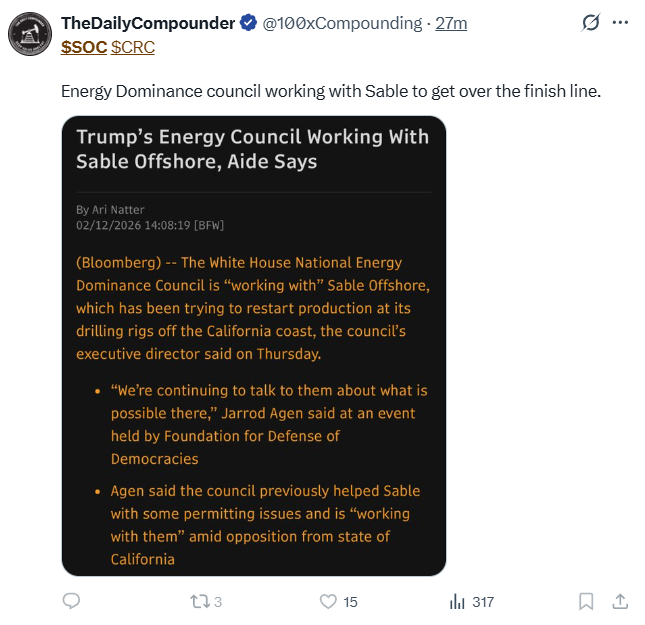
Jarrod Agen is Deputy Assistant to the President and Executive Director, National Energy Dominance Council. A question about Sable Offshore’s Santa Ynez Unit project was raised at a Foundation for Defense of Democracies (FDD) event on “The State of American Energy Dominance.” See the Bloomberg blurb and X post below. The full event video is here.
Here is the extent to which the Trump administration is helping $SOC, from a talk w Trump lackey Jarrod Agen. Sounds convincing lol pic.twitter.com/1NrCmyY6jt
Attached isJohn Smith’s updated Sable litigation table. John is a BOEM retiree who has been closely monitoring Sable’s legal and regulatory challenges. His summary:
“Sable Offshore Corp. is involved either directly or indirectly in no less than 12 lawsuits that have been filed by environmental groups, state and county regulatory agencies, and the Attorney General of California, all of whom are committed to stopping Sable from restarting Santa Ynez Unit (SYU) oil and gas production. All of the lawsuits are active and many are likely to result in prolonged judicial proceedings extending over several years. Will Sable have the will and financial resources to continue these legal battles indefinitely? – that’s a multi-million dollar question.”
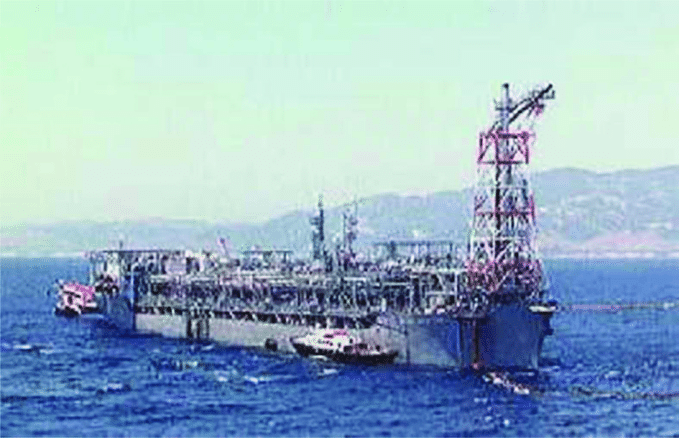
Pasted below are excerpts from Sable’s Prospectus Supplement. Is Sable serious about pursuing a Santa Ynez Unit strategy that employs a production and treatment vessel 3.5 miles from shore ala the development option that was reluctantly approved by the Federal govt in 1974, two decades before the onshore infrastructure was in place?
The OS&T option is inferior to onshore treatment and pipeline transportation in every way – spill risks, air emissions, economics, ultimate oil recovery, transportation to market, natural gas utilization, and public benefit.
This blogger supports a resumption of Santa Ynez Unit production. However, the only responsible path forward is to do the right thing and continue to pursue the onshore pipeline approvalsadministratively and legally. It is far better to defend a good project than a contrived workaround.
When will BOEM share Sable’s proposed “update”(actually a massive revision) to the SYU Development and Production Plan, as they are obligated to do?
Evaluation of the revised plan will require a detailed environmental review.
Operationally, BSEE and the Coast Guard will need to carefully consider vessel integrity, treatment capabilities, mooring and offloading plans, transportation schemes, gas utilization/injection, and many other technical details.
Meanwhile, does Exxon, the previous (and future?) owner, remain on the sidelines when the OS&T permitting circus begins in earnest?
On September 29, 2025, Sable announced that it is evaluating and pursuing an offshore storage and treating vessel (“OS&T”) strategy to provide access to domestic and global markets via shuttle tankers for federal crude oil produced from the SYU in the Pacific Outer Continental Shelf Area (the “OS&T Strategy”). Continued delays related to the Santa Ynez Pipeline System have prompted Sable to evaluate and pursue the OS&T Strategy. On October 9, 2025, Sable submitted a Development and Production Plan update for the SYU to the Bureau of Ocean Energy Management (“BOEM”). Prior to implementation of the OS&T Strategy, regulatory authorizations are required, including clearance from BOEM.
Preparations for the OS&T Strategy include the acquisition of a suitable OS&T vessel, certain refitting and upgrades to the vessel and the SYU equipment, transportation of the vessel to SYU, and related installation. In connection with implementation of the OS&T Strategy, the Company expects to opportunistically acquire an existing OS&T in the first quarter of 2026, with delivery of the vessel to SYU expected in the third quarter of 2026. Following the acquisition of the vessel, and vessel and platform upgrades and installation, Sable would expect to begin sales from all SYU platforms in the fourth quarter of 2026, with expected comprehensive oil production rates of over 50,000 barrels of oil per day, utilizing the OS&T within the SYU federal leases, provided the Company receives regulatory clearances. Sable estimates that the total capital required to execute the OS&T Strategy is approximately $475.0 million. The Company has already incurred a small portion of such capital expenditures, with the vast majority of such capital expenditures remaining, provided the Company receives regulatory clearances. See “Risk Factors—Risks Associated with Our Operations—In order to commence operations pursuant to an OS&T offtake strategy, we will require clearances and permitting, including from BOEM.”
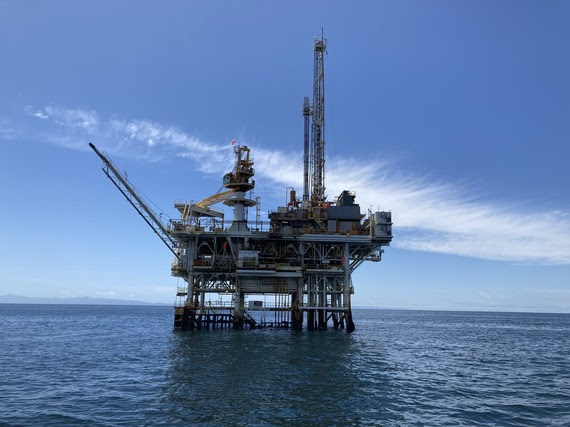
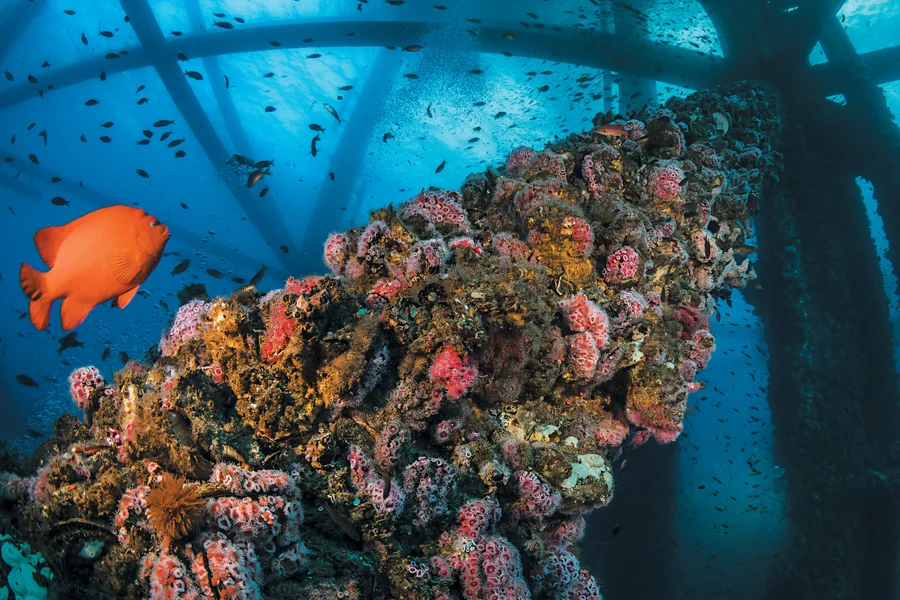
John comments that the project description, which calls for removing the jacket, seep tents and pipelines, and partially removing the upper 5 feet of the 23-foot-high shell mounds, does not make much sense given the abundant fish and invertebrates that reside on or around the platform jacket.Cutting the jacket off 85 feet below the water line and converting the remaining structure to an artificial reef would make more sense and should have been designated the proposed project.
The plan is to send the materials to the Ports of Long Beach, Los Angeles or Hueneme or possibly Ensenada, Mexico. The project involves complex logistics and is going to be a very long (3 years), ambitious and expensive project that will likely set a precedent for future platform decommissioning projects.
According to their agreement with the CSLC, Exxon is responsible for the decommissioning costs.
Scientific American: The steel “jackets” that support California’s offshore oil platforms are covered in millions of organisms and provide habitat for thousands of fishes. Joe Platko
“Exxon spinoff Sable Offshore faces seven barriers to restart its pipeline, idled since a major oil spill in 2015. One of those approvals needs to come from the California Coastal Commission, which Sable CEO Jim Flores criticized for its “Teflon” “eco-Nazi attitude” in a leaked call recording newly obtained by Hunterbrook. Because of these barriers — and despite Trump Administration intervention — Sable’s project, originally scheduled to go online in Jan 2024, may never sell oil. At least not under the ownership of Sable ($SOC), which is quickly running out of cash.“
Exxon’s options per Hunterbrook:
The Exxon purchase agreement gives Exxon a free reassignment option: If Sable fails to “restart production” by Mar. 31, Exxon can demand reassignment of the assets within 180 days, “without reimbursement of any Purchaser costs or expenditures.”
In other words: Exxon can just take back the asset. For free.
And if Sable’s regulatory pathway is really just delayed, not denied — as Sable claims — that may be a more appealing proposition for Exxon than it once was.
Or, perhaps, Exxon will decide to retire the project, recognizing the Sisyphean path to production. (Exxon already took a $2.5 billion write-down as part of exiting offshore operations in California.)
“The Santa Barbara Channel has been dubbed the Galápagos of North America” ~ Maggie Hall, Environmental Defense Center attorney. (comments: 1. clever branding ala calling ANWR “America’s Serengeti!;” 2. no natural oil seeps in the Galapagos Islands; 3. 130 years of oil production history in the Channel)
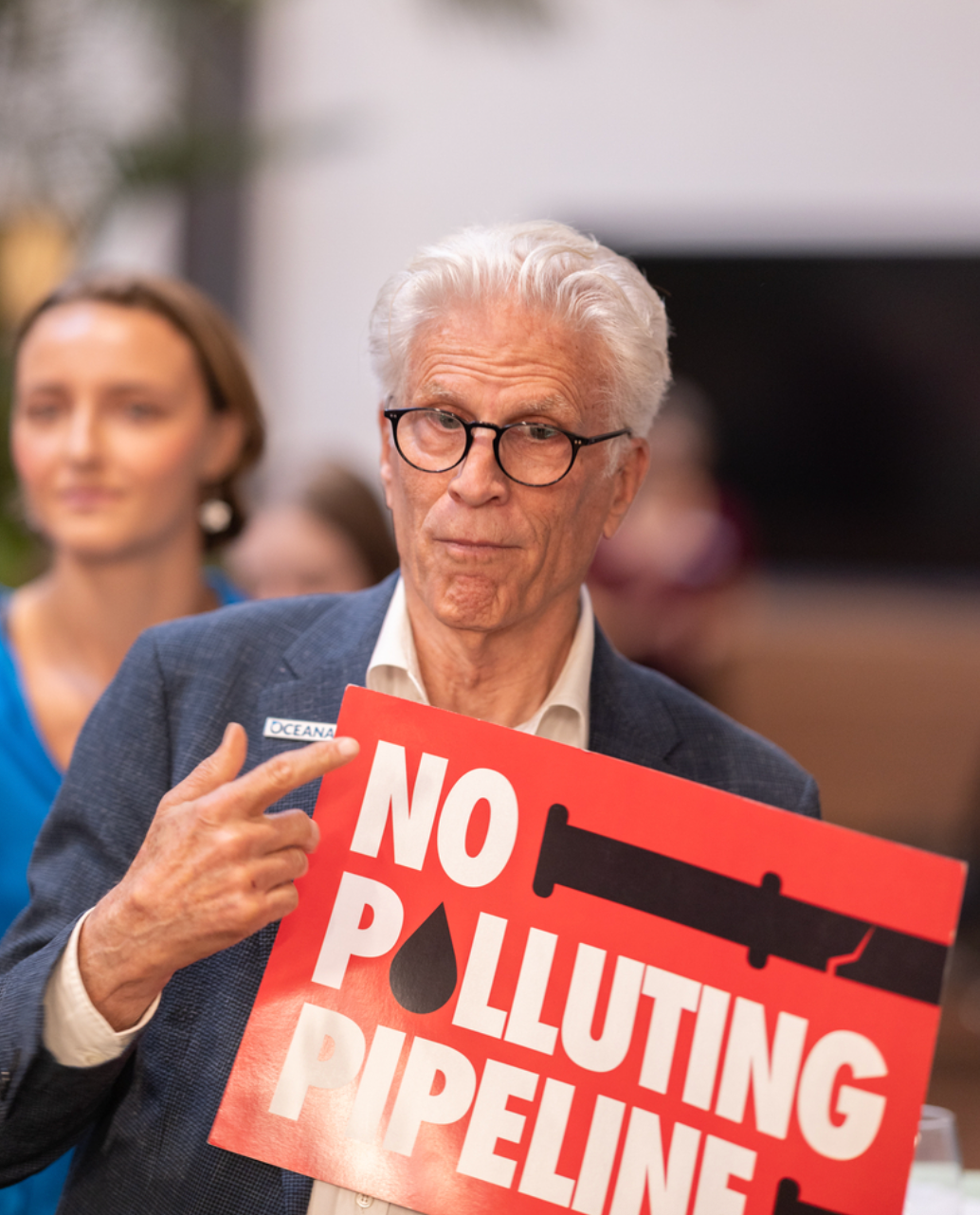
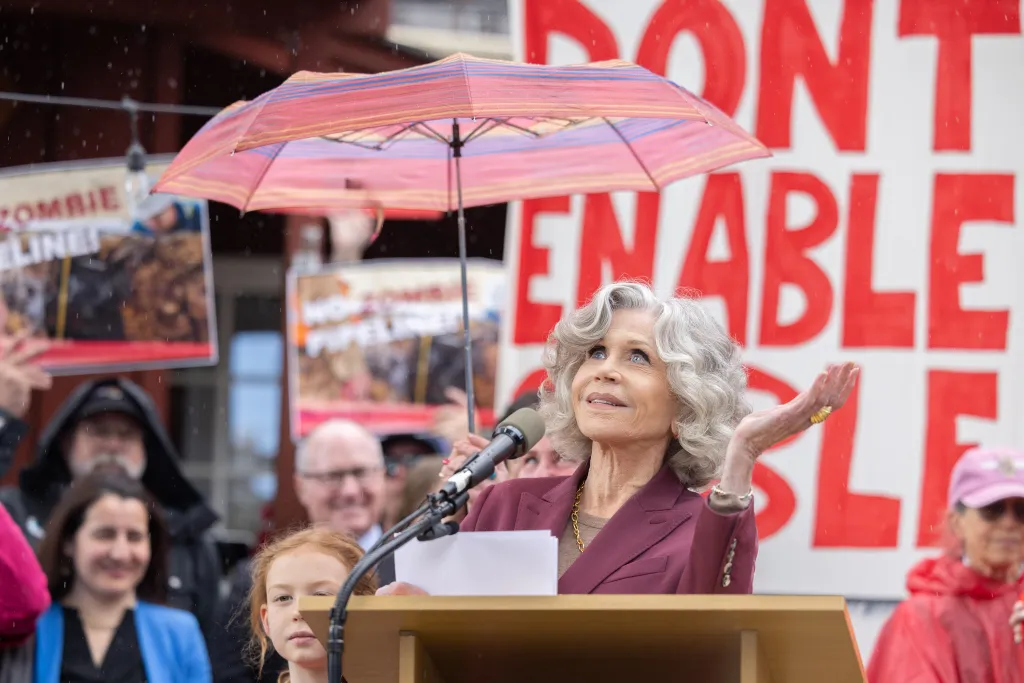
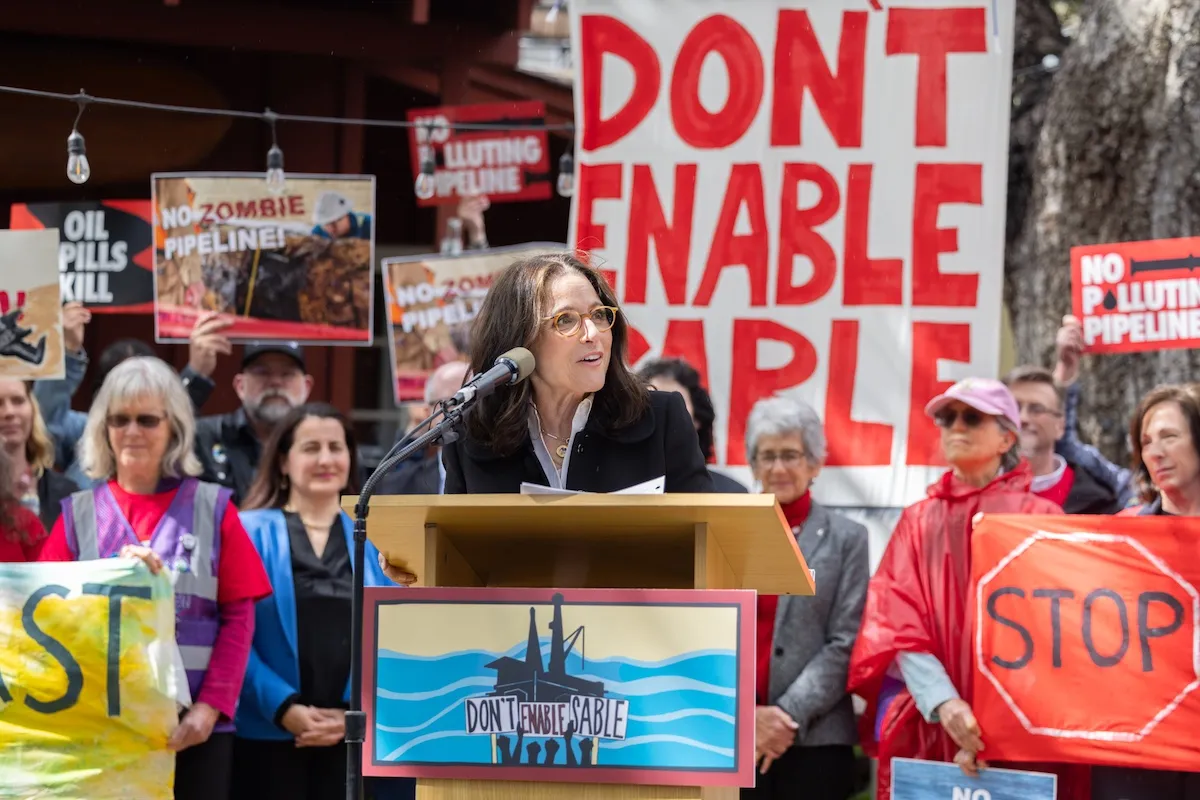
Sable opponents organize entertaining rallies featuring famous celebrities:
Ted Danson Jane FondaJulia-Louis Dreyfus
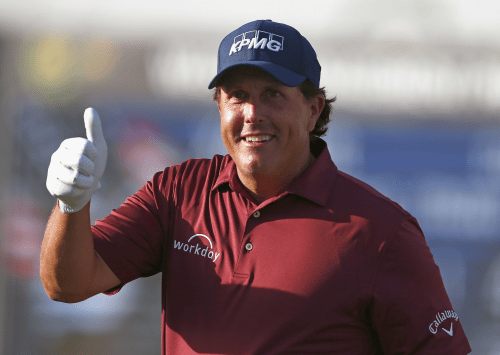
Meanwhile, Sable has some starpower of its own with strong public support from golfer Phil Mickelson.
Senior Federal officials and key agencies are outspoken Sable supporters:
“Only in California! Newsom is blocking oil production off California’s coast from reaching their own refineries, driving gasoline prices even higher for Californians! Now, this oil production will have to be shipped elsewhere, lowering gas prices for other areas— just not for California! This is the opposite of common sense!” ~ Energy Secretary Chris Wright
BSEE declared victory 6 months ago: “This is a significant achievement for the Interior Department and aligns with the Administration’s Energy Dominance initiative, as it successfully resumed production in just five months.”
Perhaps most entertaining are the exchanges on X between Sable bulls and short-sellers. A few examples are embedded below:
Listen Lassy, you could take your signing bonus and have $10 million in cash right now. But that’s short term thinking. Once Big Daddy Trump gets the regulations fixed Sable stock will be worth 50, 60, maybe even 100x that. We’ll be sipping Coffee for Wellness on our yachts in… pic.twitter.com/H2le8c0otE
Good luck but this stock & company are train wrecks. I live close to pipeline so state, local opposition to a restart remains steadfast. Here’s latest news, do your homework.https://t.co/ZfKSKwwrcW
 Bud's Offshore Energy (BOE)