Feeds:
Posts
Comments

Archive for the ‘Australia’ Category

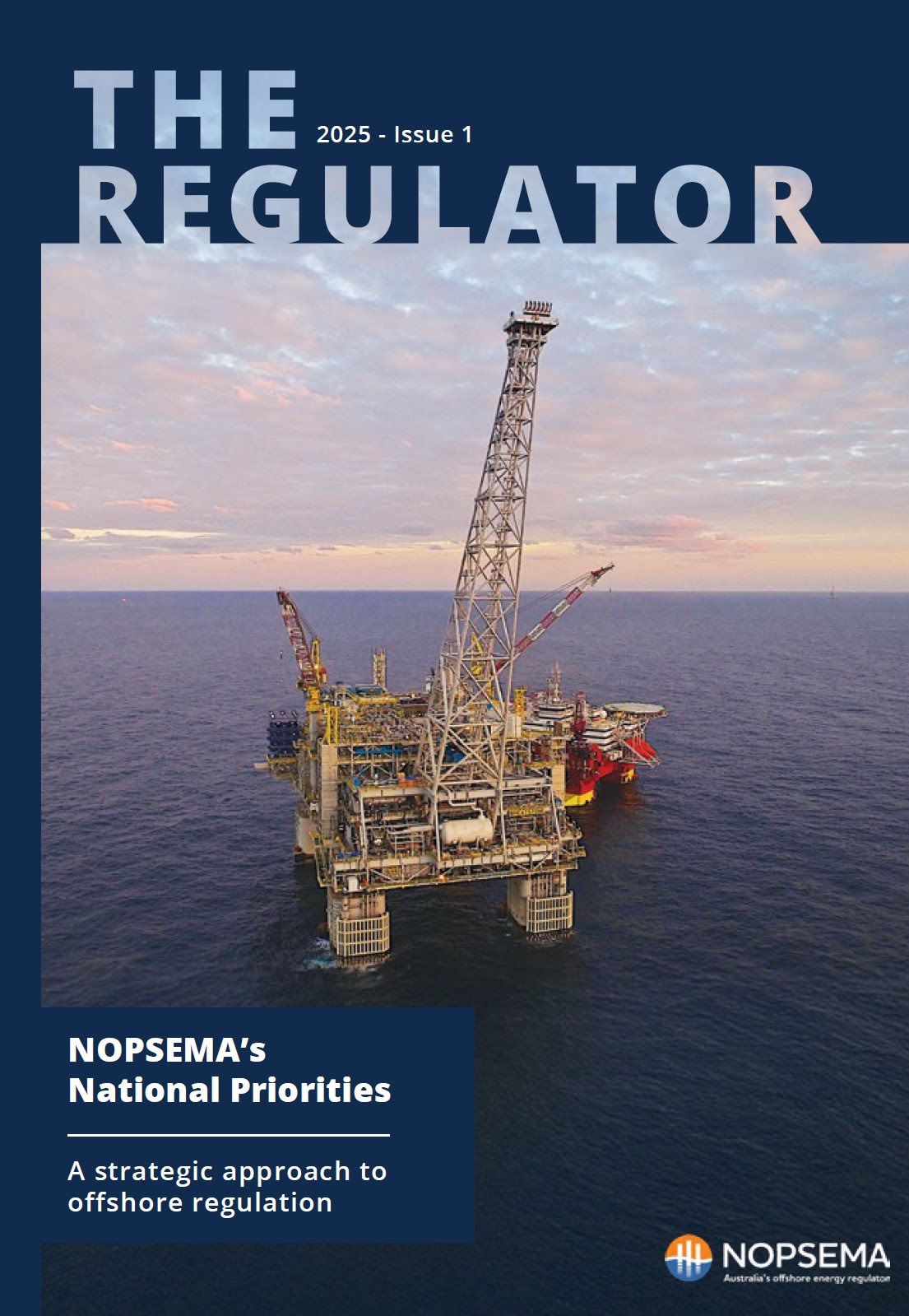
The Regulator

Firstly, BOE applauds NOPSEMA for being the only offshore safety regulator to publish a newsletter on a regular basis.

Their latest issue identifies and explains their five National Priorities. These priorities could apply worldwide:

  • Structural integrity – Ensuring offshore assets remain safe and well maintained.
  • Addressing redundant wells – Strengthening oversight to ensure wells are decommissioned responsibly.
  • Psychosocial health – Protection of worker mental health and well being.
  • Control of work – Promoting effective systems to ensure work is carried out safely and we learn from incidents to continually improve.
  • Leadership and management – Sharing how decision-making impacts safety and environmental outcomes on offshore facilities

I also strongly support their commitment to investigating non-work related fatalities at offshore facilities. These incidents should not simply be classified as non-occupational with no further explanation. NOPSEMA’s investigation of these fatalities involves the following steps:

  • Identify the circumstances of the reported death.
  • Assess the immediate response to the reported death.
  • Identify any work related causal factors present prior to the reported death.
  • Identify the cause of death as provided by the relevant Coroner or medical practitioner

Lastly, I like the name of their newsletter, which shows pride in being an offshore safety regulator. Safety regulators facilitate offshore energy development by identifying and mitigating safety and environmental risks. With few exceptions, they perform their legislatively mandated duties effectively and efficiently. I’m proud to have been an offshore safety regulator for many years.

Related: One of our pioneering offshore regulator newsletters (1981) from the US North Atlantic drilling days.

Read Full Post »

Based on BOEM and BSEE lease and well data for the past 10 years, LLOG’s Dome Patrol field appears to have reached first production in the shortest time for any new deepwater field. Less than 6.5 years after acquiring the Mississippi Canyon lease, LLOG began producing from a single Dome Patrol well (Mississippi Canyon Block 505) that is tied back to the Who Dat subsea infrastructure.

Lease No.Lease DateField Discovery DateFirst ProductionOperatorField NameWater Depth
G358277/1/20167/14/202012/15/2022LLOGDome Patrol3225′

Karoon Energy recently acquired a 30% interest in Dome Patrol as part of their Who Dat acquisition. Their presentation on that acquisition is informative.

Dome Patrol was the nickname for the outstanding linebacker corps of the New Orleans Saints during the late 1980s and early 1990s, and is thus consistent with the Who Dat theme.

Read Full Post »

Below is the promotional video produced by SafetyCulture for the tournament. Their products seem to be similar to the safety management software used by offshore operators and contractors. SEMPCheck was a pioneer in that regard.

Read Full Post »

As we approach the 55th anniversary of the Santa Barbara blowout (more to follow), pioneering subsea engineer JL Daeschler reminds us of a lesser known, but very serious, drilling blowout that occurred the same year offshore Northern Australia.

As is the case with most historic incidents, the lessons learned are still pertinent today and should be studied by those involved with well operations. Training sessions should consider what went wrong then, how technology and practices have changed since, how similar incidents could still occur, and innovations and improved practices that could further mitigate well control risks.

While well control technology and procedures are much improved, the fundamental issues discussed in the attached video remain the same. Well control must always be considered a work in progress with continuous improvement being the objective.

(The Sedco 135G semisubmersible that drilled this well is of the same design as the Sedco 135B rig that sank offshore Borneo in 1965.)

Read Full Post »

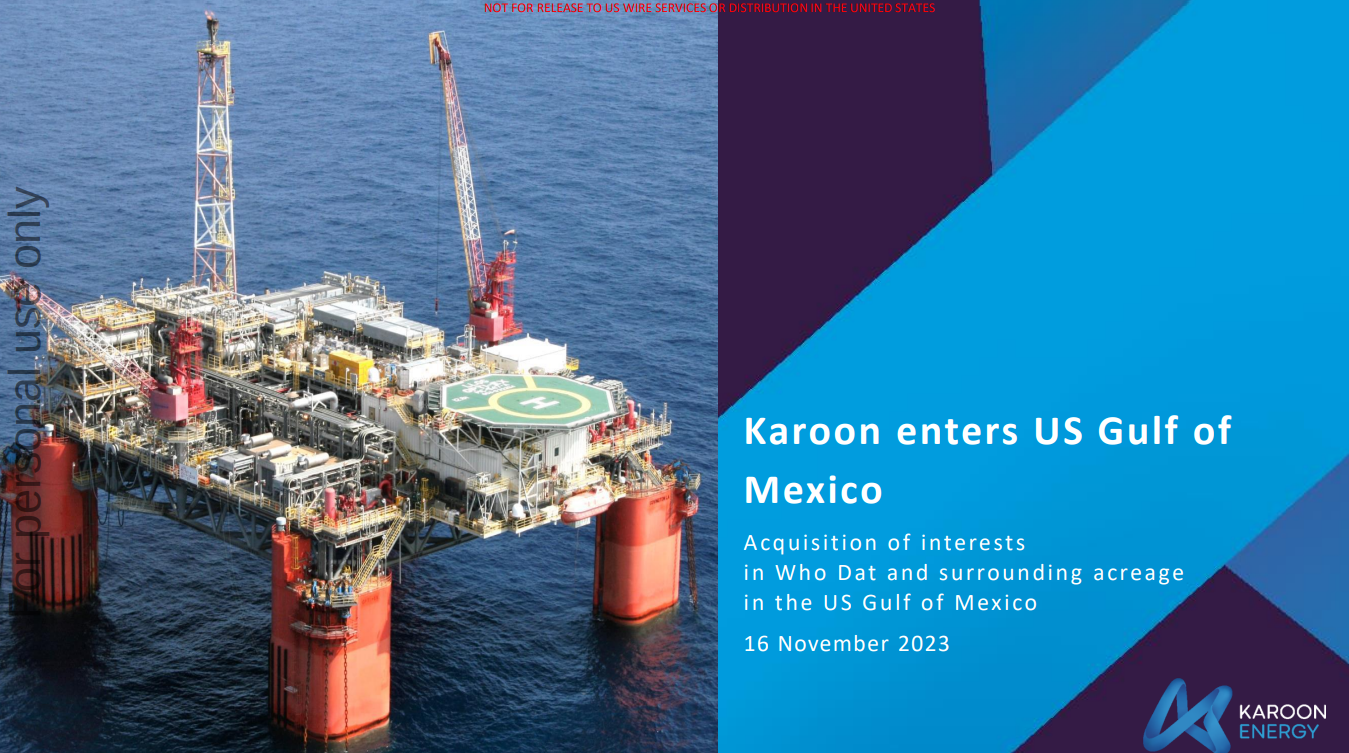
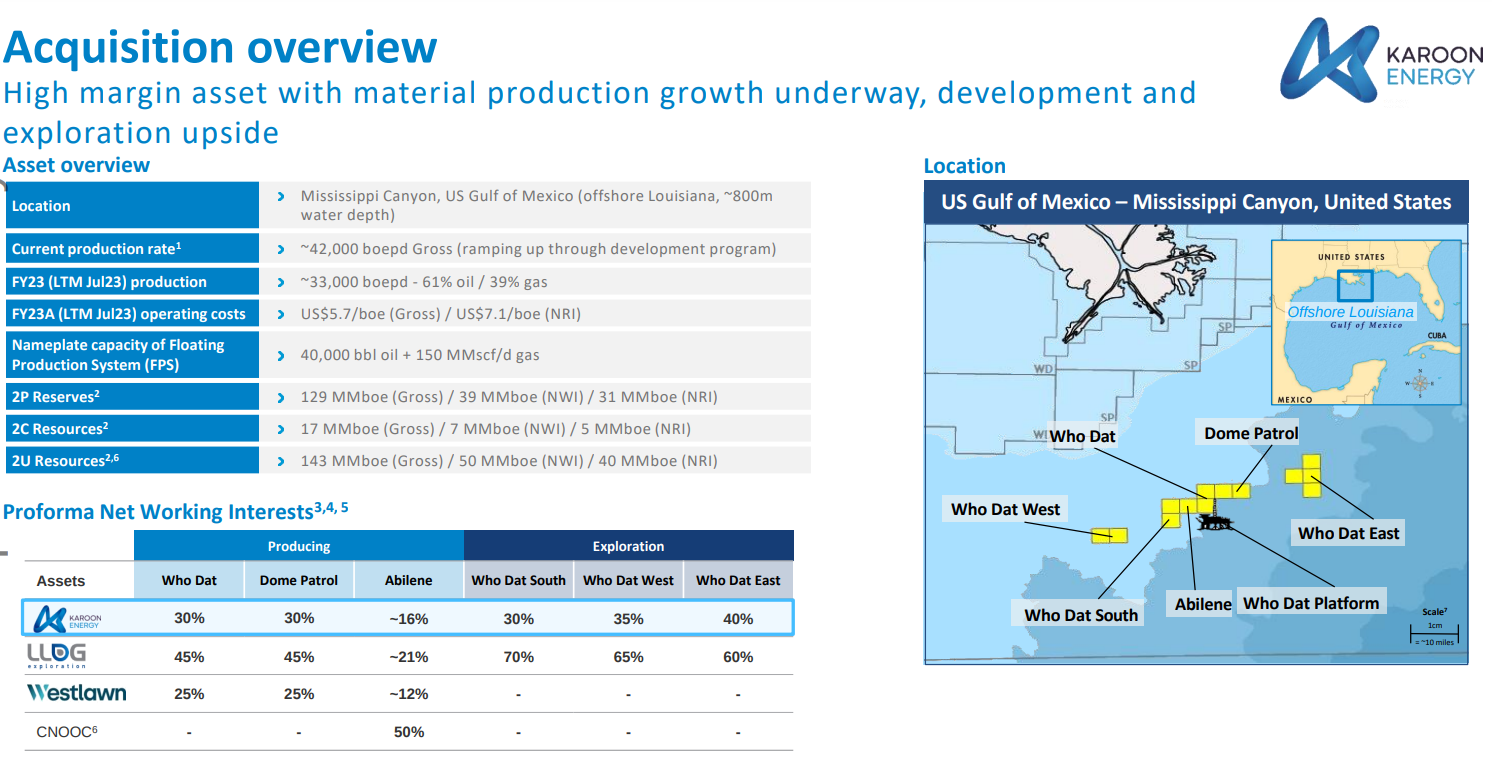
Karoon Energy, an Australian company, has entered the Gulf of Mexico in a big way by acquiring an interest in the Who Dat field (winner of BOE’s best field name award!) from LLOG. For more information on the acquisition, see Karoon’s slide at the end of this post. The full presentation is here.

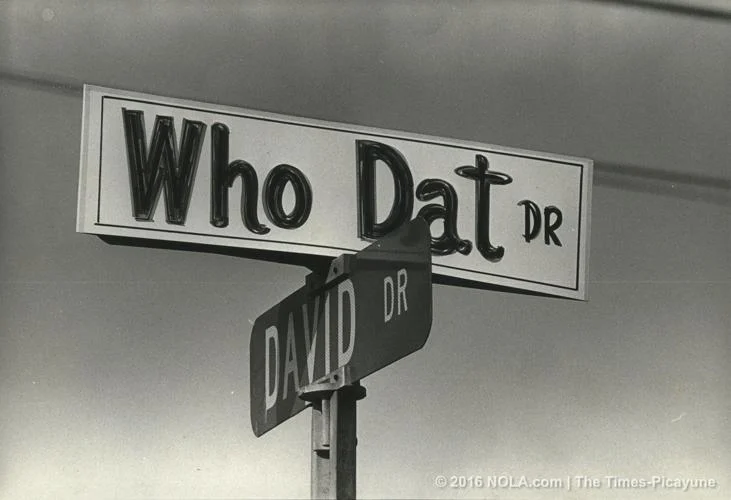
To learn more about the cultural importance of ‘Who Dat,’ see the youtube clip below, or read this article. For more in-depth ‘Who dat’ history, this wiki page is quite good.

Read Full Post »

NOPSEMA has kindly provided links for the slides presented at the 3-4 October International Regulators’ Forum Offshore Safety Conference in Perth, Australia. They will be uploading the video recordings at a later date.

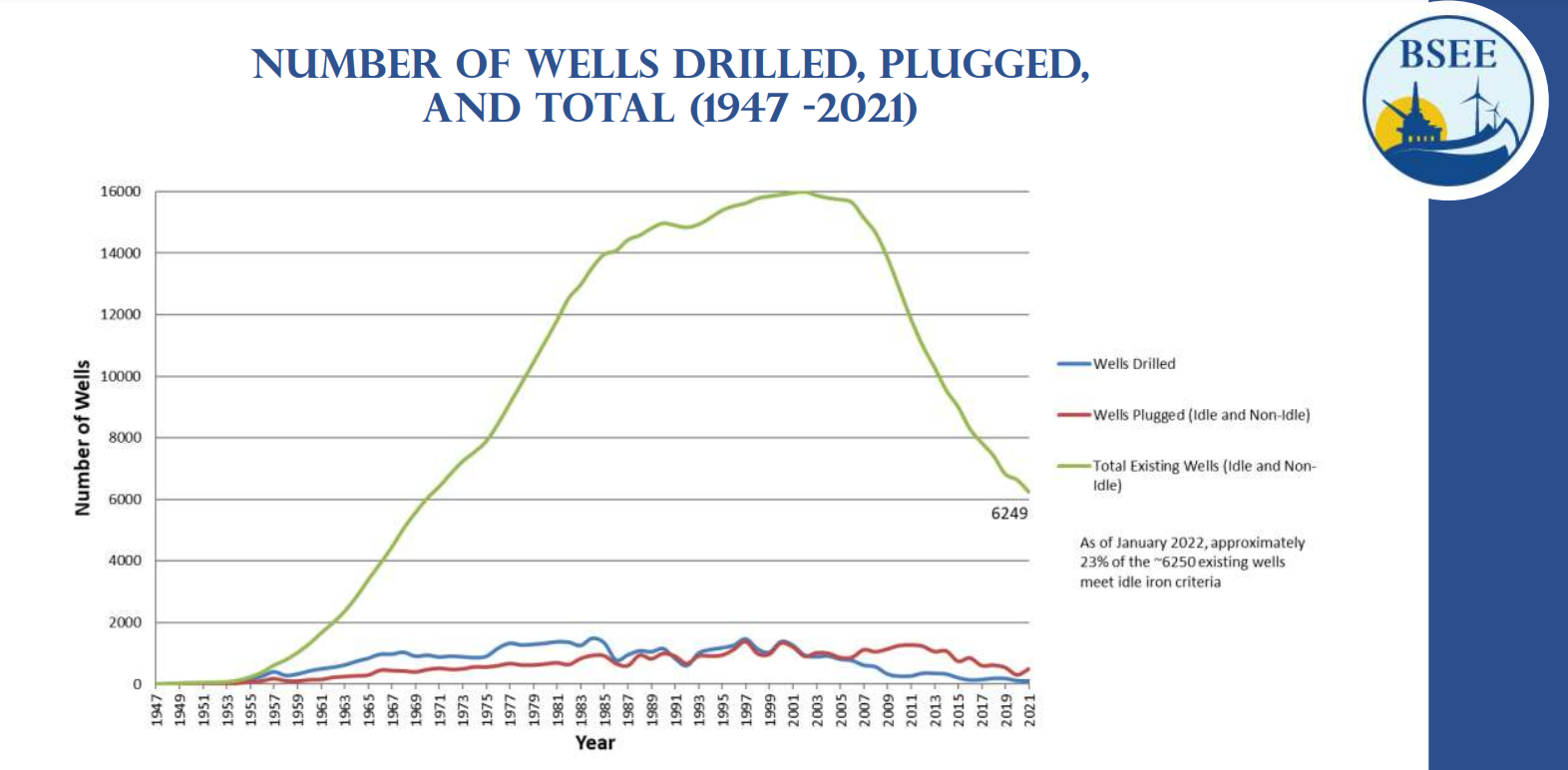
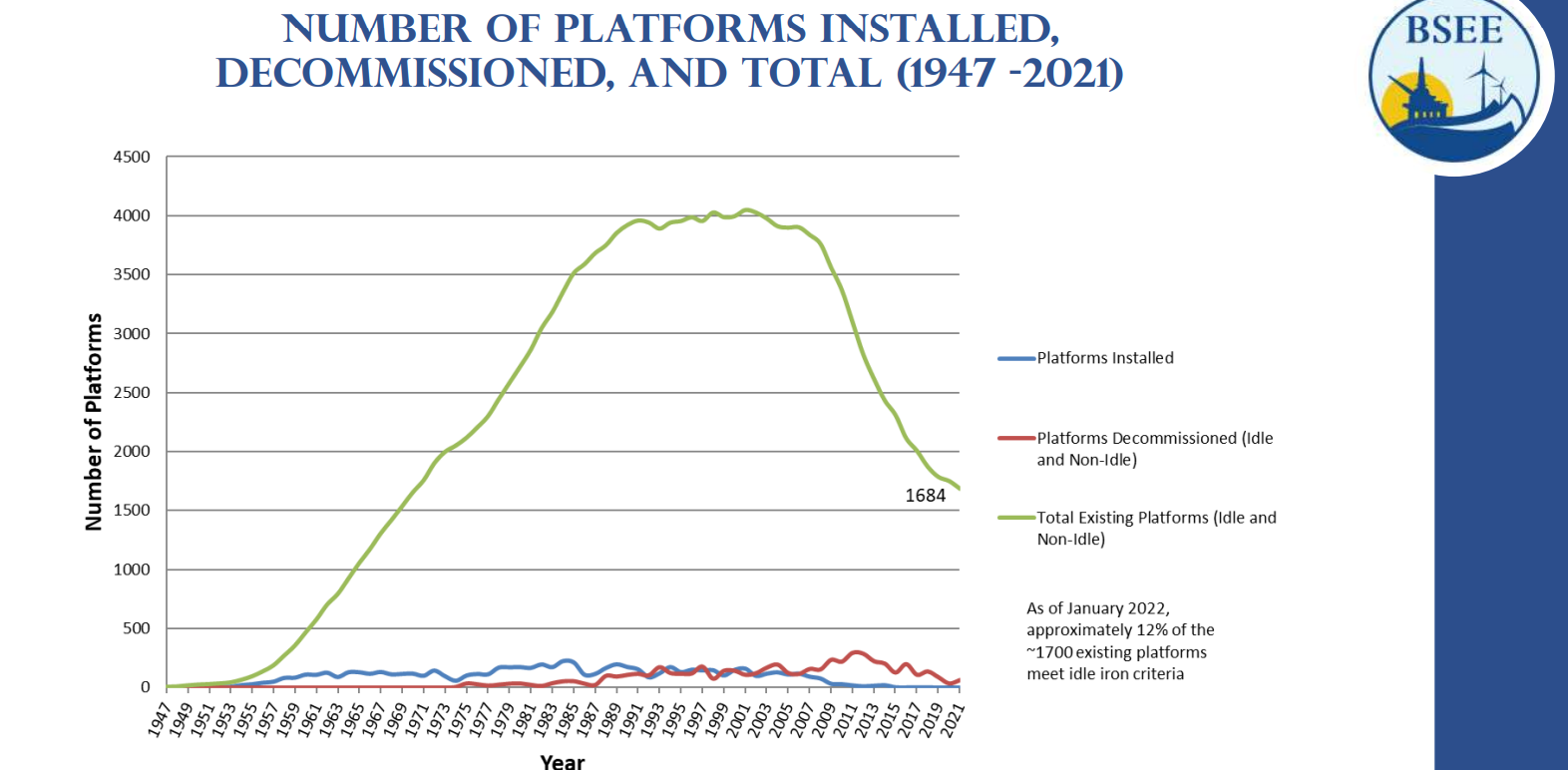
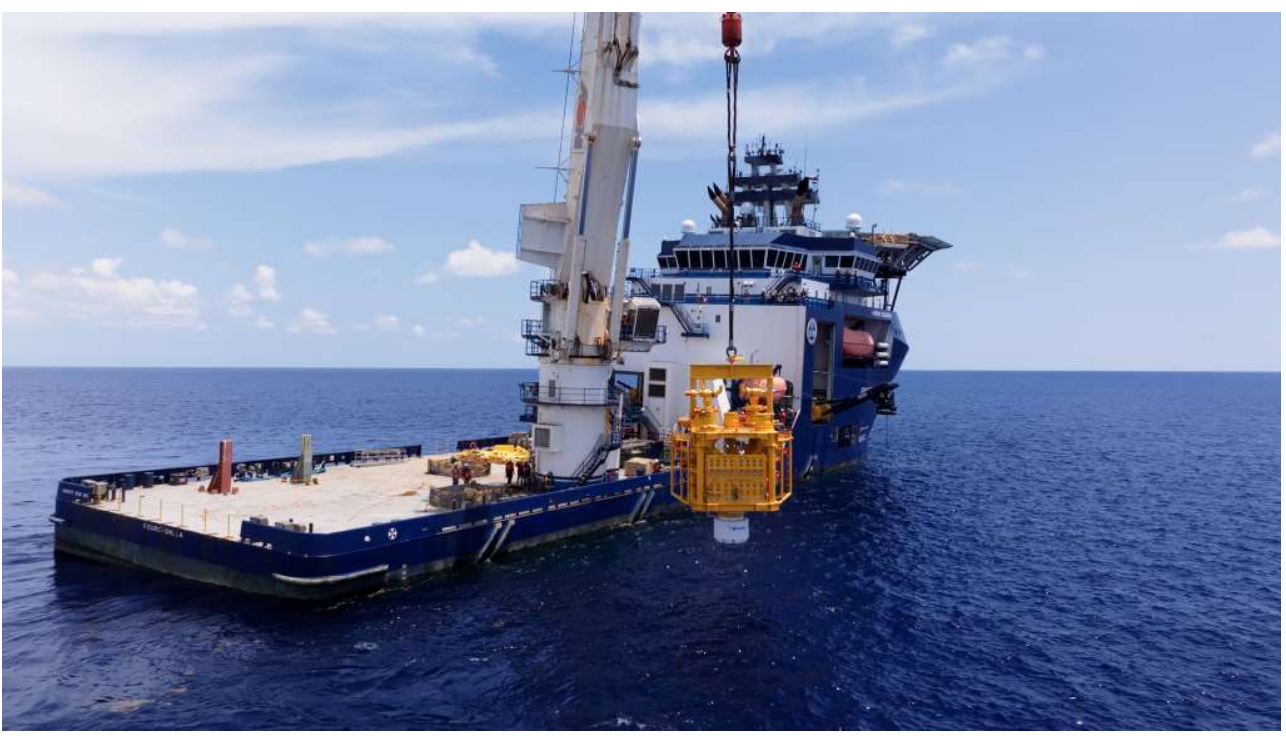
On day 2 (stream 2) Bryan Domangue (BSEE) presented updated data on the progress that is being made in plugging inactive wells and decommissioning idle platforms (see the charts pasted below). In the following session, Bryan made an interesting presentation on the capping stack deployment exercises in the GoM (picture below).

For excellent slides on investigation and sharing the lessons learned, see session 9 (day 2, stream 1).

Agenda

capping stack deployment exercise, Gulf of Mexico

Read Full Post »

NOPSEMA’s June 8 safety alert implies that the June 2nd fatality at the North Rankin complex, offshore Western Australia, was the result of a crane/lifting incident. Per NOPSEMA:

A recent fatal incident involving a person working on an offshore oil and gas facility has provided a tragic reminder of the risks of work involving the rigging, manipulation and movement of loads, including people and equipment.

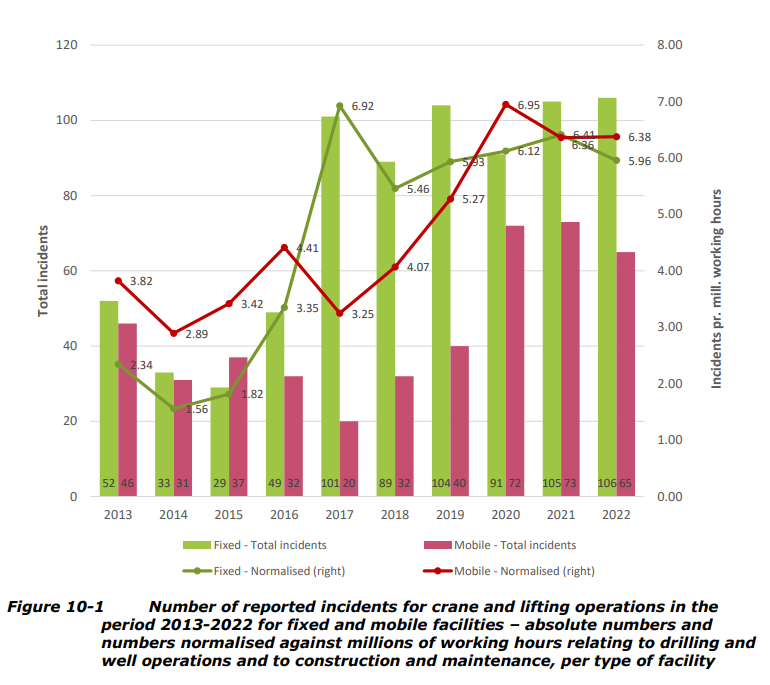
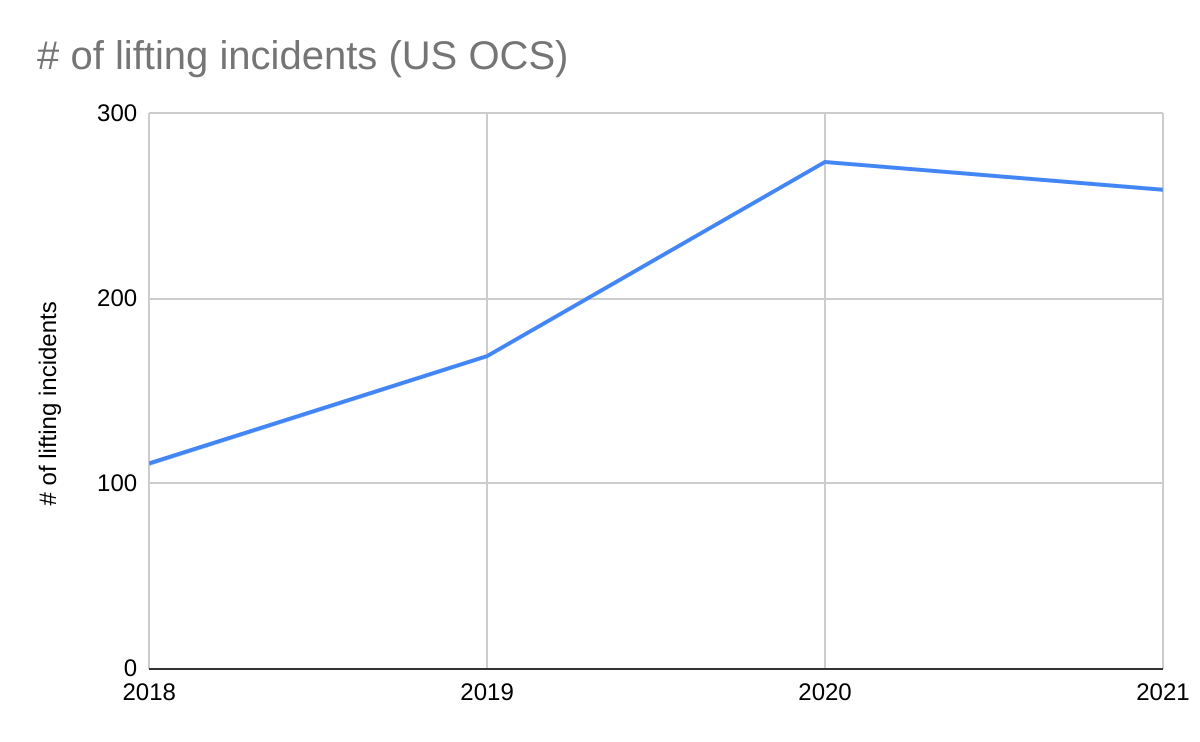
Despite the international focus on lifting operations over the past 30 years, Norwegian and US data do not suggest improved performance. PSA Norway’s “Trends in risk level on the Norwegian Continental Shelf” report shows an increase in lifting incident rates for both fixed and mobile facilities over the past 10 years (first chart below).

Similarly, recent lifting data from BSEE’s incident tables (summary below) and Jason Mathew’s June 2022 presentation (pages 48-63) suggest that lifting risks are not being effectively mitigated. Why are industy/regulator messages regarding hazard identification and controls not achieving the desired results? Perhaps a fresh look and renewed dialogue are needed.

Crane or personnel/material handling incident (as used in 30 CFR 250.188(a)(8)) refers to an incident involving damage to, or a failure of, the crane itself (e.g., the boom, cables, winches, ballring), other lifting apparatuses (e.g., air tuggers, chain pulls), the rigging hardware (e.g., slings, shackles, turnbuckles), or the load (e.g., striking personnel, dropping the load, damaging the load, damaging the facility) at any time during exploration, development, or production operations on the OCS. This includes all incidents of shock loading that, upon inspection, reveals damage to any part of the crane, lifting apparatus, rigging hardware, or load. Personnel handling incidents include events involving swing ropes, personnel baskets, and any other means to move personnel. Material handling incidents include any activities involving the loading and unloading of material and moving it on, off, or around an OCS facility.

Read Full Post »

All we know at this point is that a Woodside contractor died during work activities at noon today (AWST).

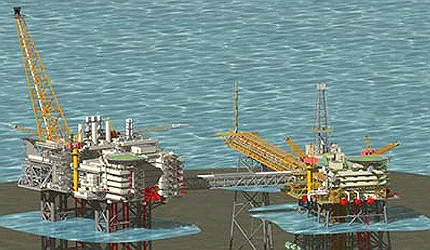
The North Rankin complex is in 135 km offshore from Dampier on the northwest coast of Australia and is in 125 m of water.

More to follow.

North Rankin complex

Read Full Post »

  • Date: 3-4 Oct 2023
  • Location: Perth, Australia
  • Announcement

IRF conferences present an excellent opportunity for dialogue among regulators, operators, trade organizations, contractors, academics, and other interested parties.

Some suggested agenda topics for the Perth conference:

Read Full Post »

“Our knowledge and expertise in geoscience and petroleum engineering represent advantageous foundation for CCS development, leading us towards our carbon emissions reduction target.” 

PTTEP

Those who closely followed Australia’s Montara Inquiry in 2010 may be less convinced about PTTEP’s expertise. The Montara well suspension program was completely irresponsible. Even though the production casing cement was clearly compromised, PTTEP suspended the well without a single barrier in the well bore. The company was extremely lucky to have avoided a major safety, environmental, and economic disaster. Perhaps they are a very different company now; I certainly hope so.

Montara blowout, Timor Sea

The PTTEP announcement adds to our skepticism about the motives of some CCS proponents. Is CCS prudent public policy? That question is by no means settled and there has been very little opportunity for comment and debate. BOE has raised concerns and there are no doubt many more that have yet to be addressed.

Read Full Post »

Older Posts »