We are yet to be persuaded by this, or any other report, that a national regulator would be the way to go. Norman Moore
Posted in accidents, Regulation, well control incidents, tagged Australia, Martin Ferguson, Montara, Norman Moore, offshore oil, safety, Western Australia on November 24, 2010| Leave a Comment »
We are yet to be persuaded by this, or any other report, that a national regulator would be the way to go. Norman Moore
Posted in accidents, well control incidents, tagged accidents, Australia, blowouts, Montara, NOPSA, offshore oil, oil spill, relief well, safety, well control on November 24, 2010| Leave a Comment »
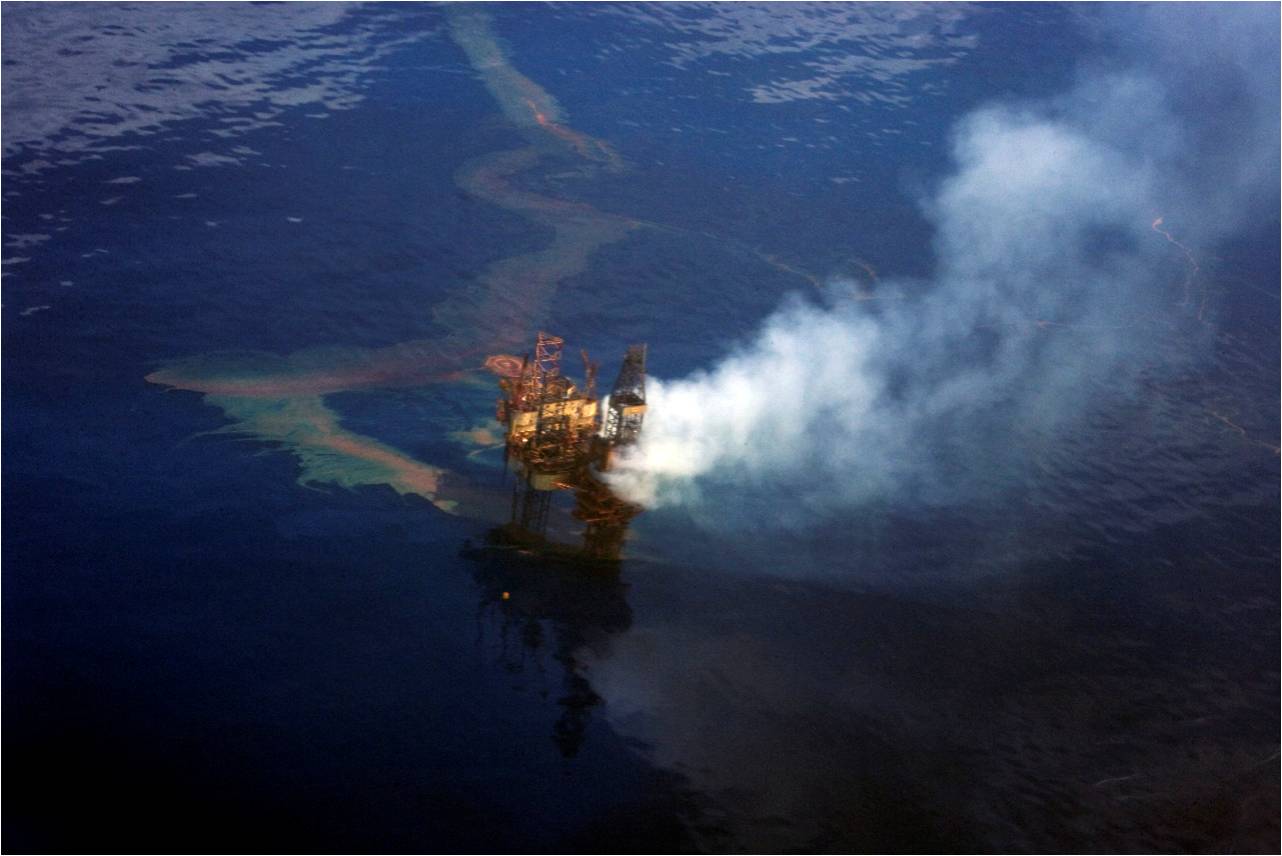
Montara Blowout - Timor Sea
Our virtual vigil is over. I awoke to messages from Odd, Anthea, and Kevin that the day had finally arrived – the Montara Report has been released. Not only do we have the Inquiry report, but also the government’s response and PTTEP’s action plan. We’ll be digesting this over the next few days (along with a turkey dinner), but below are a few key items (direct quotes from the government’s response) that are likely to be of interest to BOE readers:
Posted in accidents, tagged accidents, blowouts, Deepwater Horizon, drilling, Gulf of Mexico, macondo, National Commission, offshore oil, relief well, well control on November 23, 2010| Leave a Comment »

A couple of concerns:
Posted in accidents, well control incidents, tagged accidents, Bill Campbell, blowouts, Deepwater Horizon, drilling, Gulf of Mexico, offshore oil, safety, well control on November 22, 2010| Leave a Comment »
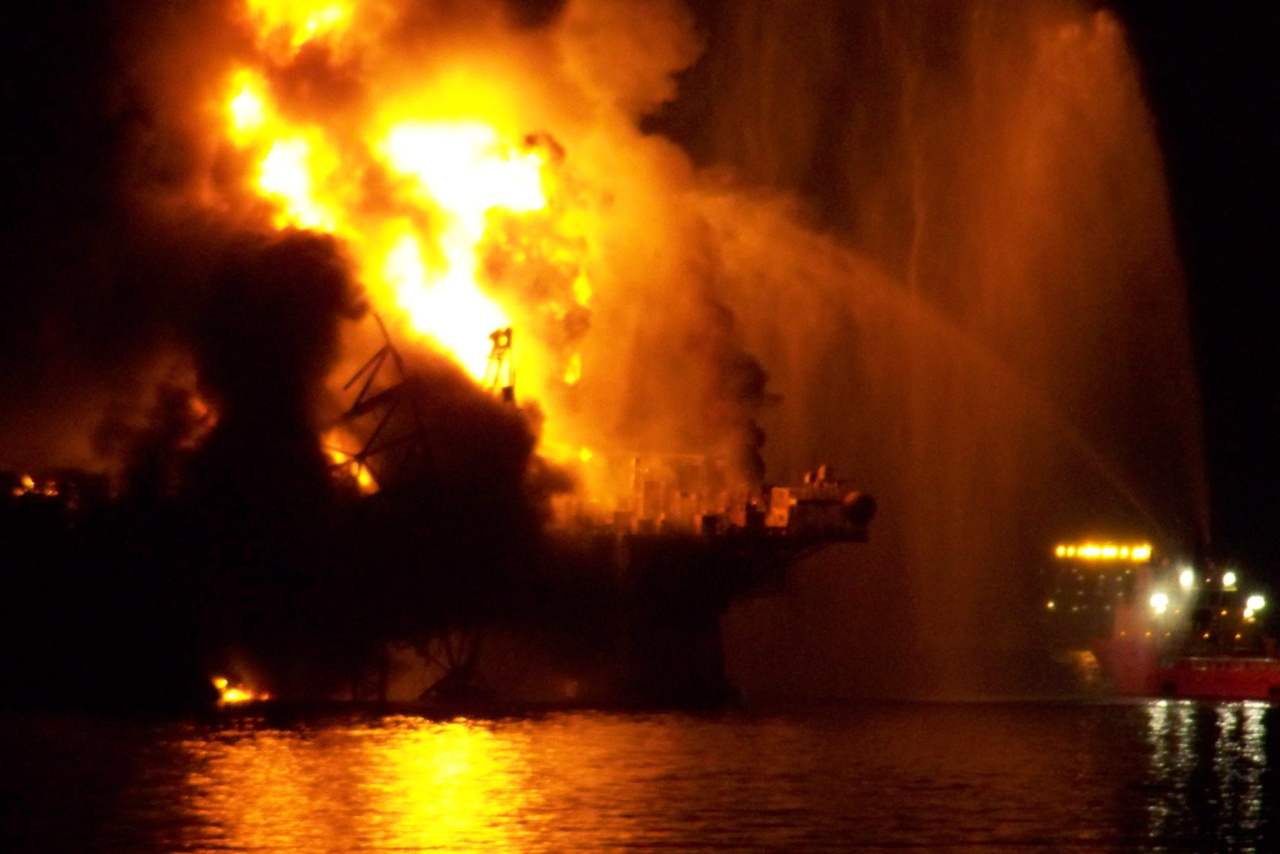
Deepwater Horizon
Nothing new, but a but a very good Macondo commentary by Bill Campell, a retired Shell employee. Worth reading.
In my opinion this event is not so much about the well as designed but the well as installed. Installing a well is similar to any other civil engineering project in that what is installed has to be tested or commissioned before it is put into use, just as you would test a vessel or pipeline designed to contain hydrocarbons under pressure. Wells, which are discovered to have a problem during integrity tests indicating for example a connection between the well and the reservoir, are worked over to rectify the problem and in a few hours after remedial activities have been undertaken, the integrity testing is re-commenced. Bill Campbell
Posted in accidents, Norway, tagged accidents, Norway, PSA, safety, well control on November 20, 2010| Leave a Comment »
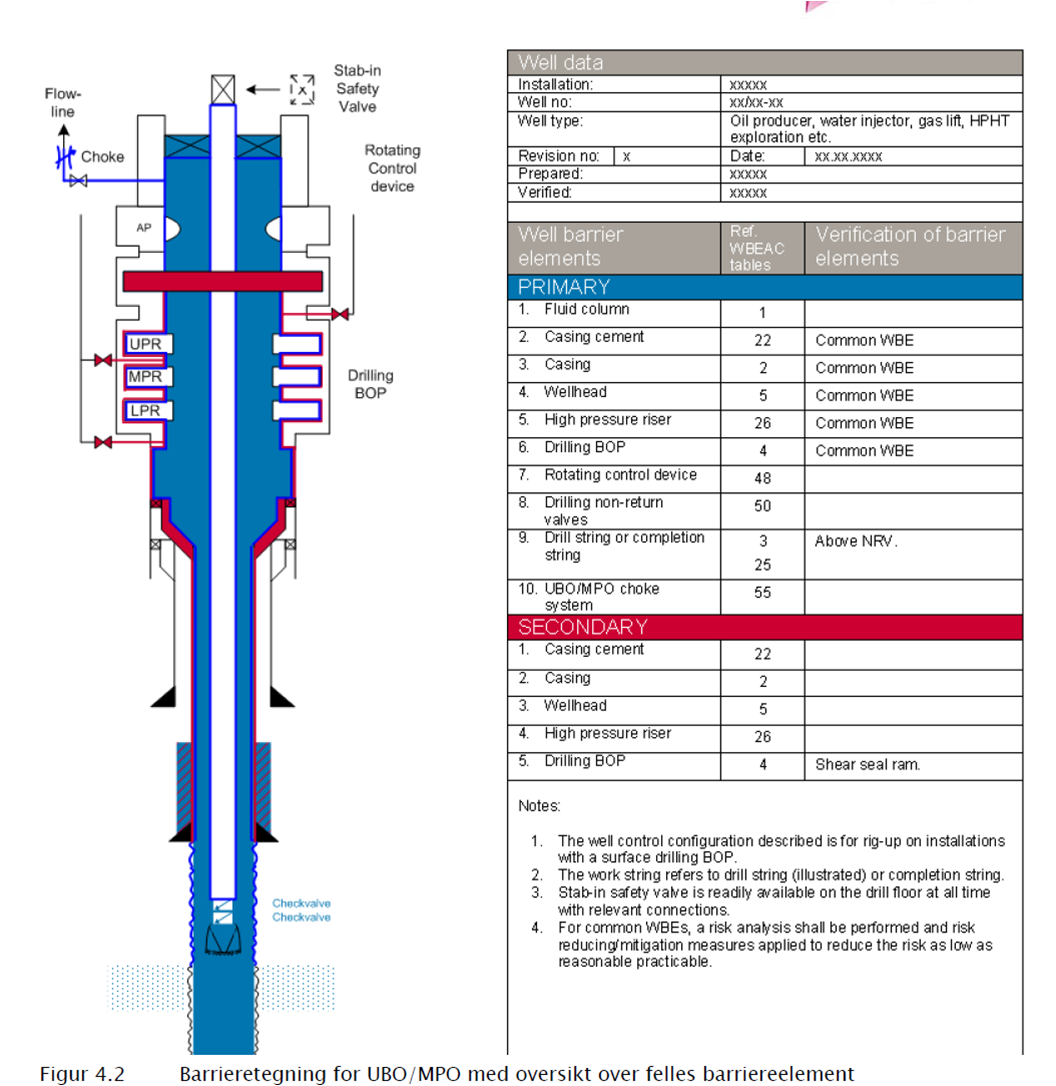
The Petroleum Safety Authority of Norway has commented on Statoil’s report on the well control incident at Gullfaks C:
The PSA regards the incident as very serious. It involved the lengthy loss of a barrier. Only chance averted a sub-surface blowout and/or explosion, and prevented the incident from developing into a major accident.
PSA had directed Statoil to do the following:
Posted in accidents on November 18, 2010| 1 Comment »

Sound familiar?:
The amount of failures is unprecedented,” said Richard Woodward, a fellow Qantas A380 pilot who has spoken to all five pilots. There is probably a one in 100 million chance to have all that go wrong.”
But it did.
Solution:
What we have got to ensure is that systems are separated so that no single point of failure can damage a system completely, Woodward said. In this situation the wiring in the leading edge of the wing was cut. That lost multiple systems.
Posted in accidents, Regulation, tagged Canada, CNLOPB, helicopter crash, Newfoundland, regulatory philosophy, Robert Wells on November 18, 2010| Leave a Comment »
Judge Wells’ report is quite expansive in a way that may be unprecedented for a helicopter accident review. His commission delves into cultural and organizational issues and regulatory philosophy. Consistent with the international trend, the commission recommends a separate safety authority (page 302):
It is recommended that a new, independent, and stand alone Safety Regulator be established to regulate safety in the C-NL offshore. Such a Safety Regulator would have to be established, mandated, and funded by both Governments by way of legislative amendment, regulation, or memorandum ofunderstanding, or other means.
In his background remarks, Judge Wells makes this comment on regulatory culuture:
I have come to believe that regulation to be effective must encompass more than a list of do’s and don’ts. It must set in place and lead an inclusive regime of many players, some very important, others less so. All the available knowledge, skills, and wisdom of all participant sshould be harnessed in the safety cause.
Posted in accidents, tagged Canada, CNLOPB, helicopter crash, Hibernia, Robert Wells, Sea Rose on November 17, 2010| Leave a Comment »
Robert Wells
On March 12, 2009, 17 lives were lost when a Sikorsky S-92-A helicopter crashed offshore Newfoundland. The helicopter was en route to the Sea Rose FPSO via the Hibernia platform. The Honorable Robert Wells, a very impressive judge who spoke at the Vancouver regulators conference, directed an official inquiry into the aspects of the crash that were not related to the helicopter’s airworthiness. The airworthiness issues are being investigated by the Canadian aviation authorities. Mr. Wells’ report was released today. If you don’t have time to read the entire report, I suggest that you go to the recommendations beginning on page 289 of volume 1.
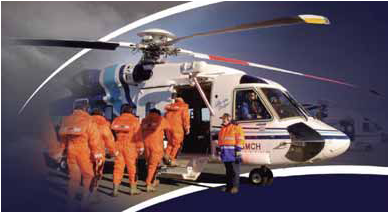
Passengers boarding an S-92A helicopter
Posted in accidents, well control incidents, tagged accidents, blowouts, Deepwater Horizon, drilling, Gulf of Mexico, macondo, NAE, national academies, offshore oil, safety, well control on November 17, 2010| Leave a Comment »
The National Academy of Engineering and the National Research Council have released the interim report of the Committee on the Analysis of Causes of the Deepwater Horizon Explosion, Fire, and Oil Spill to Identify Measures to Prevent Similar Accidents in the Future. The interim report includes the committee’s preliminary findings and observations on various actions and decisions including well design, cementing operations, well monitoring, and well control actions. The interim report also considers management, oversight, and regulation of offshore operations.
Comment: No significant surprises.
Posted in accidents, Regulation, tagged Deepwater Horizon, Gulf of Mexico, IMO, macondo, offshore oil, Regulation on November 17, 2010| Leave a Comment »
In conveying our deep condolences and solidarity to the United States Government and while sharing in the anguish of those whose livelihoods had been seriously affected, I asked that the report ofthe investigation into the accident be submitted to IMO as soon as possible after it has been concluded, so that we may move swiftly to introduce, into the regulatory regime of the Organization, whatever lessons may be learned from the incident in order to enhance safetyand environmental protection in the offshore industry and strengthen, should that prove necessary, the provisions of any relevant IMO instrument. Remarks by Secretary-General Efthimios Mitropoulos
The Secretary-General seems to be committed to an expanded role for IMO in regulating offshore oil and gas facilities. Questions:


