2023 vs. 2025: Not so subtle changes

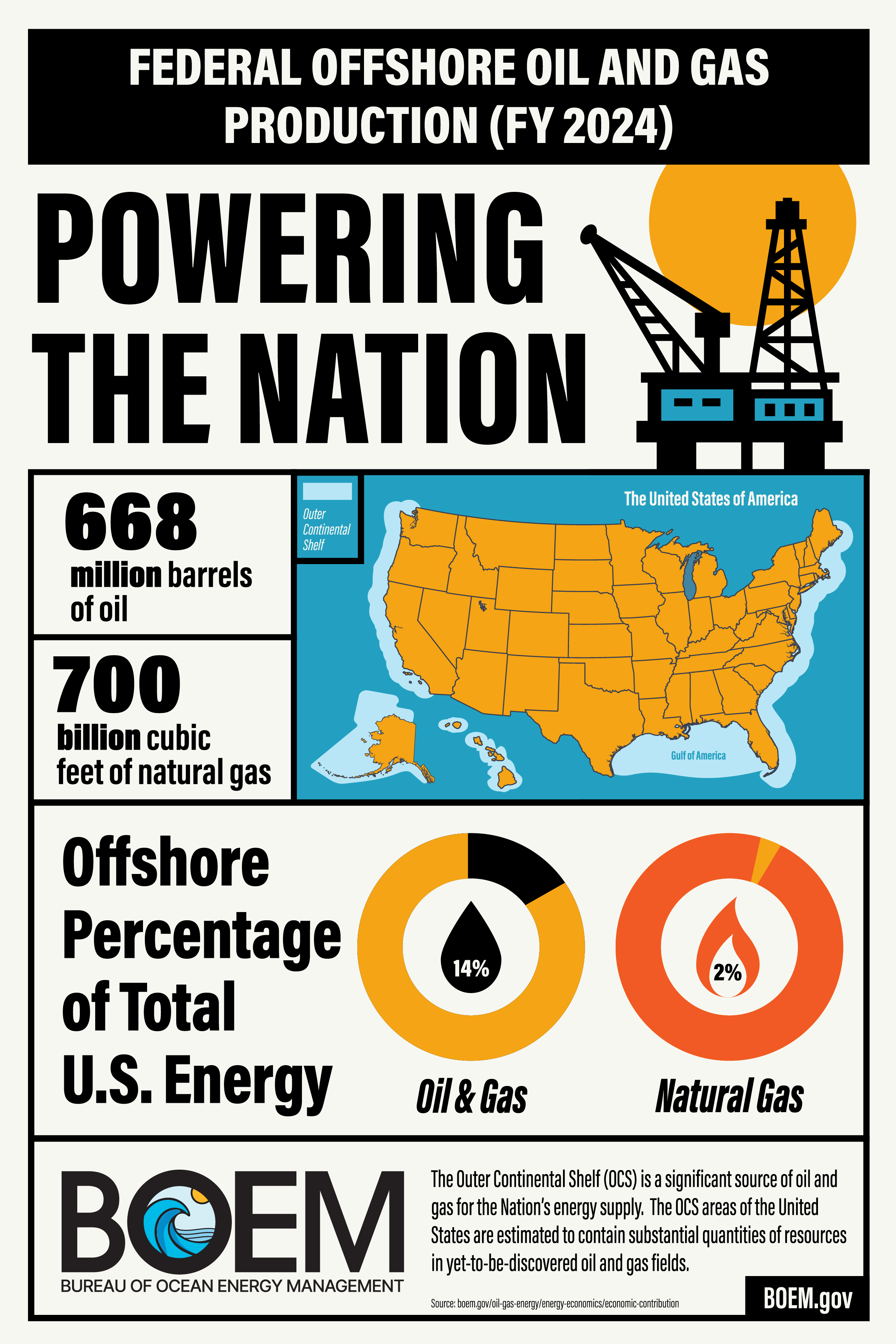


BTW, the new BSEE logo appears to have been influenced by the masterpiece Rig at Sunset 👍 😉

Posted in energy policy, Offshore Energy - General, Offshore Wind, Uncategorized, tagged BOEM, BSEE, OCS energy, policy changes, wind vs. oil and gas on August 8, 2025| Leave a Comment »
2023 vs. 2025: Not so subtle changes
BTW, the new BSEE logo appears to have been influenced by the masterpiece Rig at Sunset 👍 😉
Posted in energy policy, Offshore Wind, Regulation, tagged COP approval, litigation, Ocean City MD, Offshore Wind, US Dept. of the Interior, US Wind on August 7, 2025| Leave a Comment »
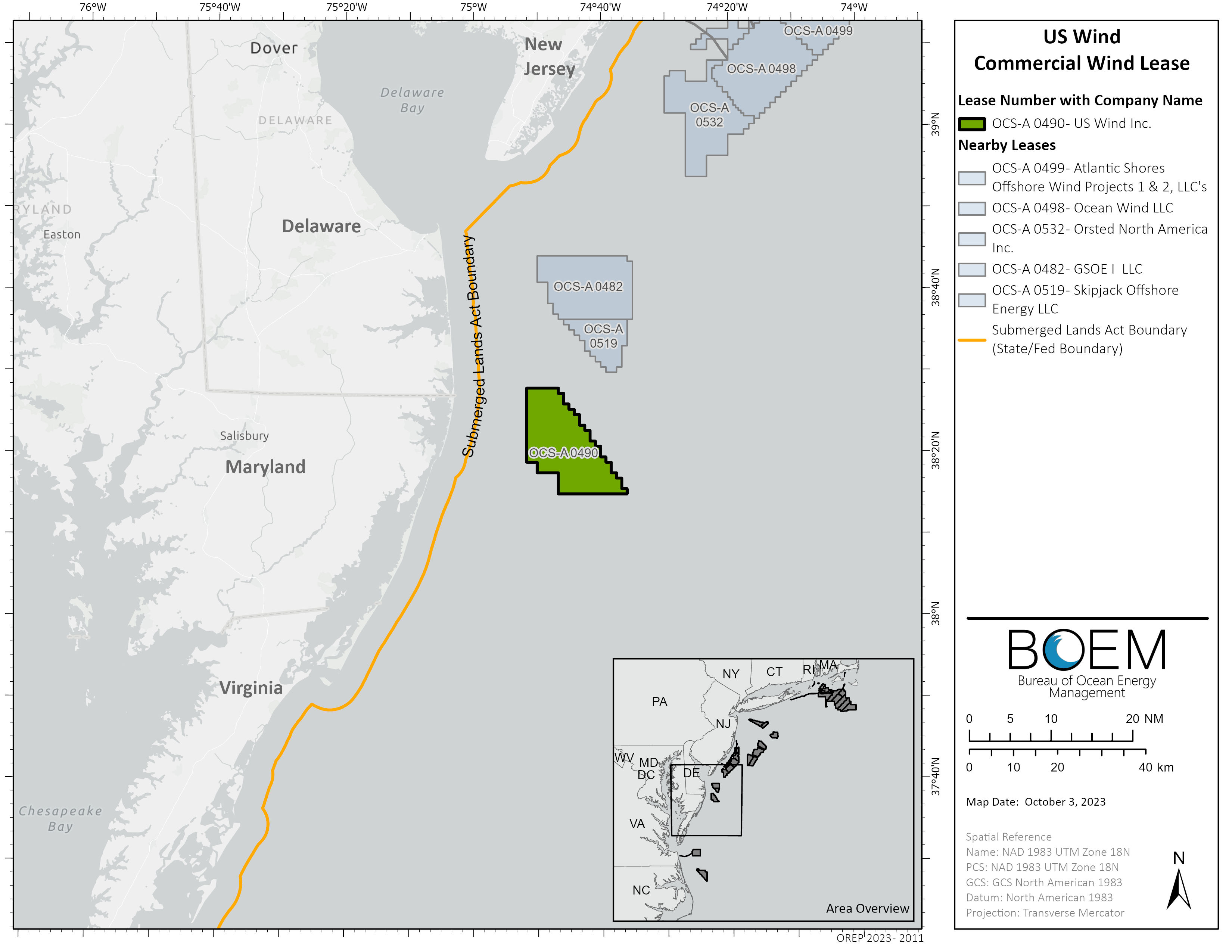
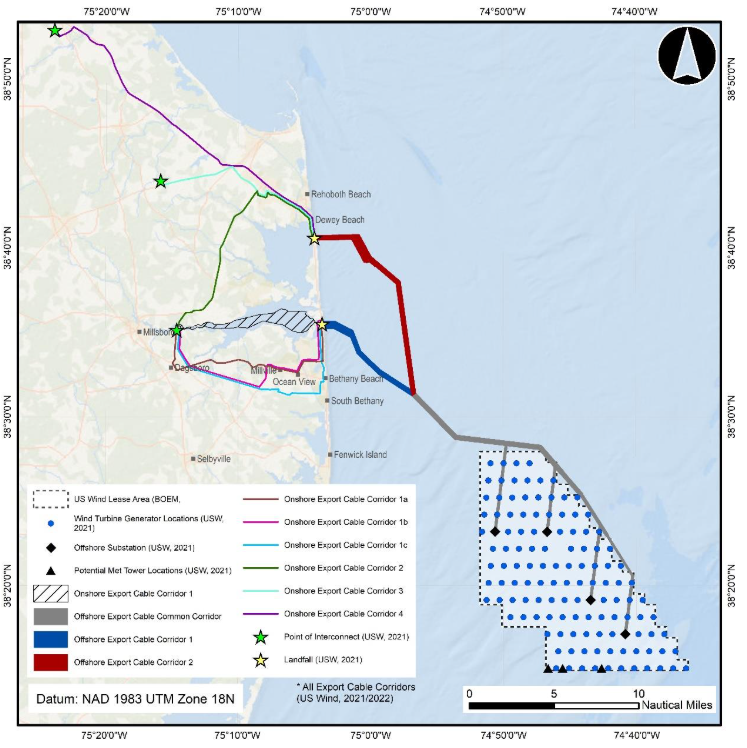
A new court filing (attached) informs that the Dept. of the Interior is reconsidering the Construction & Operations Plan (COP) approval for US Wind’s Maryland Offshore Wind (“MarWin”) Project (maps above). That approval is the subject of litigation filed by Ocean City MD and others.
The key section of the Federal government’s filing is pasted below.
Posted in Offshore Wind, energy policy, climate, tagged Vineyard Wind, Nantucket, climate change, historic preservation, Dawn Hill, Select Board on August 6, 2025| Leave a Comment »

Victoria Bonnet’s piece in the Nantucket Current challenges certain assertions made at the Select Board’s July 29 press conference. Key points:
“The government documents for ALL the Atlantic projects make it clear that there will be no benefit to climate change from implementing wide scale offshore wind.”
“And how is it possible that an attorney representing an island that is receiving the full brunt of the environmental impacts from this massive industrial project is lecturing the press that historic preservation can co-exist with offshore wind? The sight of just the first 40 towers from Vineyard Wind makes it clear they can’t.”
“Blindly following public relations statements about offshore wind as a critical solution to climate change that must be implemented immediately is how we got here in the first place. It has become clear that Nantucket receives no benefits from, but is significantly harmed by, Vineyard Wind. Our Select Board’s role should not be to advocate for any energy source that harms Nantucket.”
“Dawn Hill, a signatory to the Good Neighbor Agreement and the current Select Board Chair, was a bright spot in the meeting. Her acknowledgment that the project is way more impactful than communicated at the time the Good Neighbor Agreement was signed gives hope that more rational thinking and action is on the way.“
Posted in climate, energy policy, Offshore Wind, tagged Denmark, electricity imports, Jens Christiansen, Wind Energy on August 6, 2025| Leave a Comment »
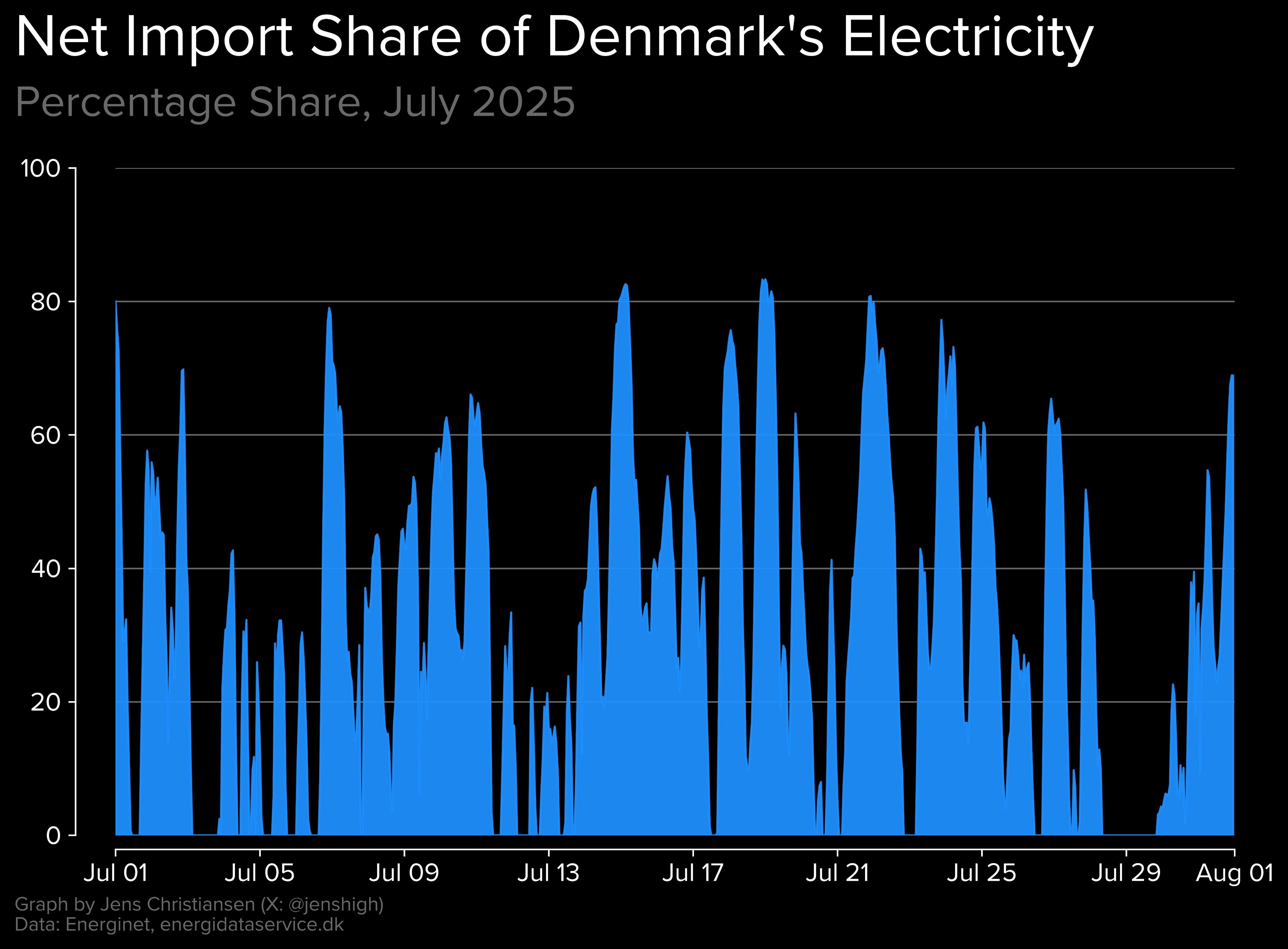
As indicated in the Jens Christiansen graphic above, Denmark’s net imports exceeded 80% of demand several times in July. Per Jens, a Danish physicist, “this is the downside of being a wind leader we have to talk about.”
Posted in Gulf of Mexico, Offshore Energy - General, pipelines, tagged deepwater oil production, forecast, Gulf of America production, May 2025, zinc issue on August 5, 2025| Leave a Comment »
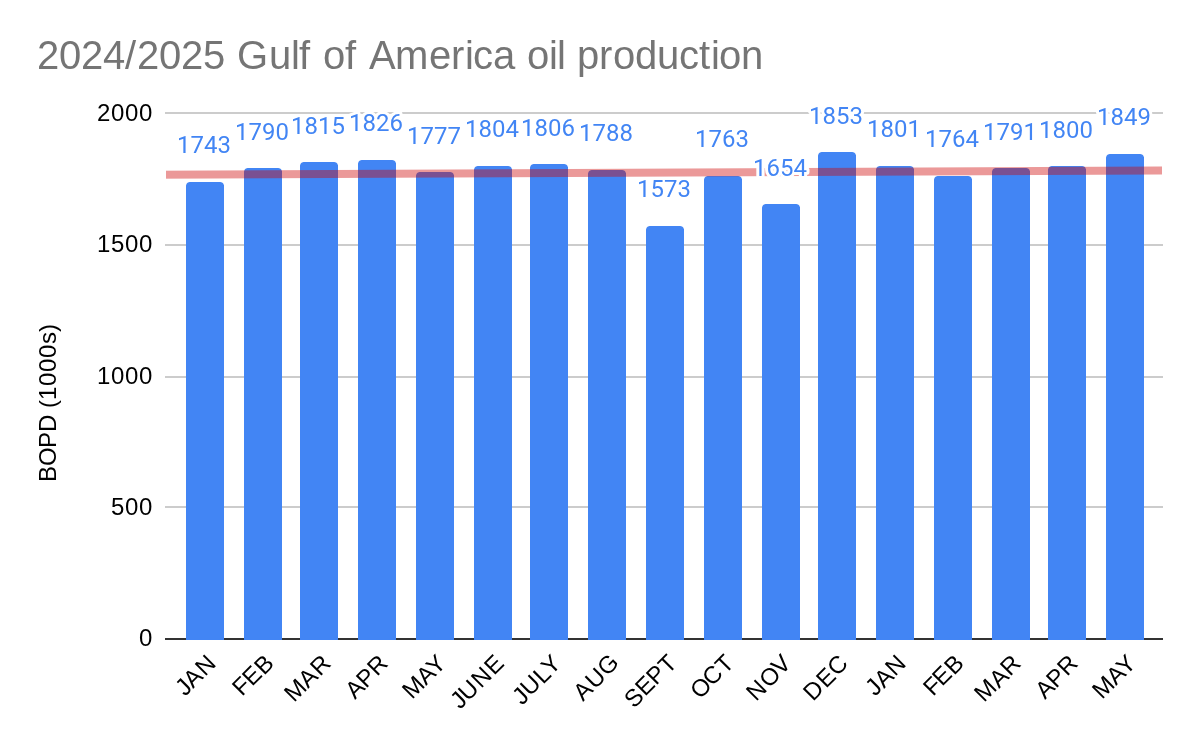
With deepwater projects ramping up, modest production growth should continue over the near to intermediate term.
At the end of September, when the July production figures are released, we should get a better sense of the temporary reduction in production caused by zinc contamination in the Mars pipeline system.
Posted in Offshore Energy - General, tagged bp, Brazil, Bumerangue block, major oil discovery, pre-salt, Santos Basin on August 4, 2025| Leave a Comment »
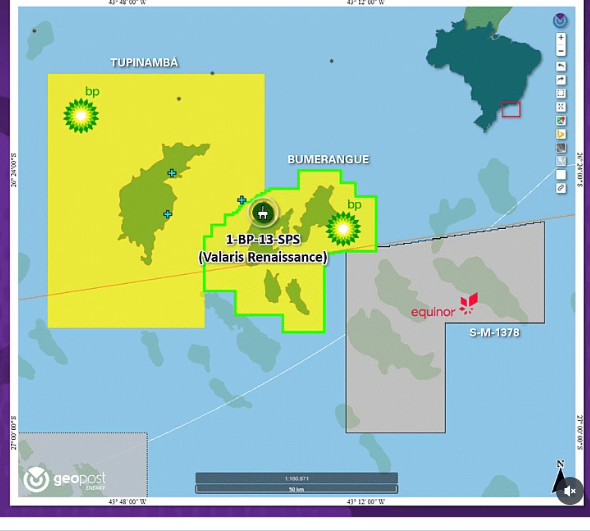
Looks like the buzz may be warranted:
The well intersected the reservoir about 500 metres below the crest of the structure and penetrated an estimated 500 metre gross hydrocarbon column in high-quality pre-salt carbonate reservoir with an areal extent of greater than 300 square kilometres.
Posted in climate, energy policy, Offshore Energy - General, UK, tagged 13000 jobs lost, JL Daeschler, North Sea, Scotland, UK energy policy on August 4, 2025| Leave a Comment »

North Sea pioneer, JL Daeschler, reports from Scotland that “more than 13,000 Scots oil and gas jobs have been lost in the space of just one year while over 40% of the UK’s energy needs is being imported ….”
The UK’s self destructive energy policy, while sadly not unique, is particularly troubling because of the North Sea’s enormous contribution to the domestic economy over the past 50 years. As Gillian Bowditch aptly commented:
“We all want to protect our environment and Scotland, with its vast natural resources and expertise in energy, should be leading the way. Instead, we have squandered an opportunity in favour of a facile show of moral posturing.”
Posted in decommissioning, energy policy, Offshore Wind, Regulation, tagged decommissioning, financial assurance, MV Times, transparency, turbine production data, Vineyard Wind on August 4, 2025| Leave a Comment »
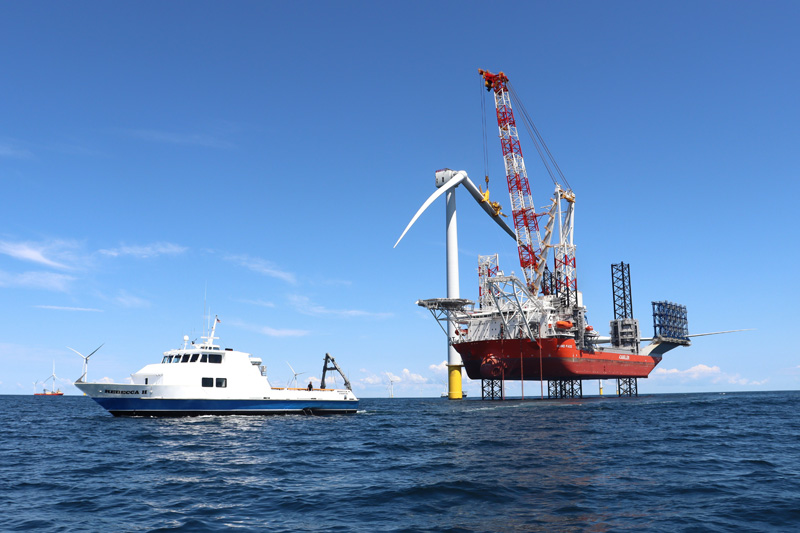
MV Times: “The recent site visit raised questions on the production of the wind farm. The Times has been able to neither verify the report independently nor confirm disparities between visuals on the ground and the Iberdrola report.”
An MV Times photo of a Vineyard Wind substation is pasted below. These substations are large structures. Per the Construction and Operations Plan (COP) for Vineyard Wind, the topsides for a conventional electrical service platform (ESP) (also known as an offshore substation or OSS) are 45 x 70 x 38 m, which is larger in surface area than a typical 6-pile oil and gas platform (~30 x 30 m), and is comparable in size to a large jackup drilling rig.
Decommissioning financial assurance requirements were relaxed to reduce development costs, thus increasing taxpayer liability risks. This policy decision should be reviewed.

Posted in energy policy, Offshore Energy - General, tagged New Zealand, oil and gas exploration, resource estimates, reverses ban, USGS on August 1, 2025| Leave a Comment »
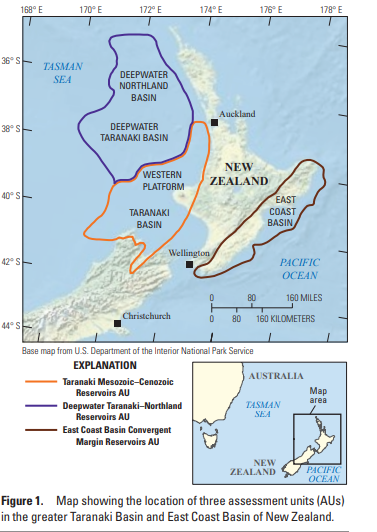
New Zealand may again issue new oil and gas permits following yesterday’s action by parliament.
The extent to which this will result in new exploration remains to be seen. Increased natural gas production is the primary objective.
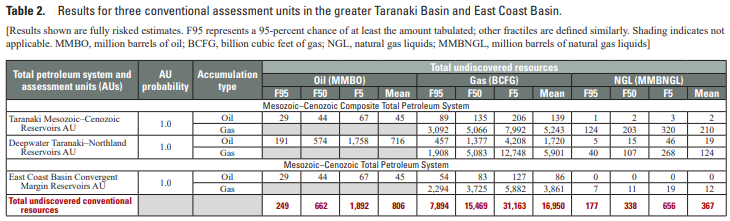
USGS (2020) undiscovered resource estimates are encouraging. The fully risked total for natural gas is 17 Tcf (mean), with a range of 7.9 to 31.1 Tcf. See the table pasted below.
Policy shift at a glance:
April 2018: New Zealand is halting all new offshore oil and gas exploration to become a global leader in the fight against climate change, the centre-left government said Thursday, but opponents accused it of “economic vandalism”.
June 2024: The country’s coalition government is preparing to invite energy companies to resume exploration in the three major offshore fields that supply most of its gas. It comes after National Grid operator Transpower was last month forced to warn families to limit their electricity usage to avoid a shutdown during a cold snap.
July 31, 2025: Parliament reverses the law banning new offshore oil and gas exploration permits.
 Bud's Offshore Energy (BOE)