Archive for March, 2024
We all know this, but somehow the message resonates better in Spanish
Posted in energy policy, Uncategorized, tagged if oil disappeared, OPEC on March 16, 2024| Leave a Comment »
CNOOC holding onto Gulf of Mexico leases
Posted in energy policy, Gulf of Mexico, Guyana, Offshore Energy - General, tagged Appomattox, CNOOC, deepwater development, Nexen, Stabroek, Stampede, TikTok on March 15, 2024| Leave a Comment »
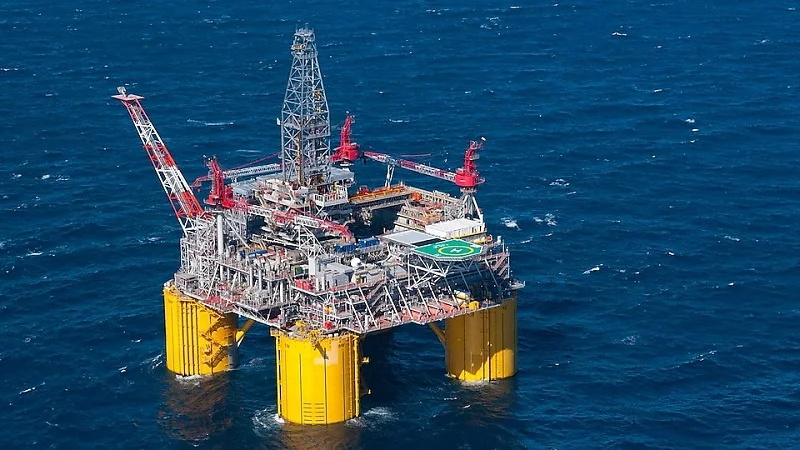
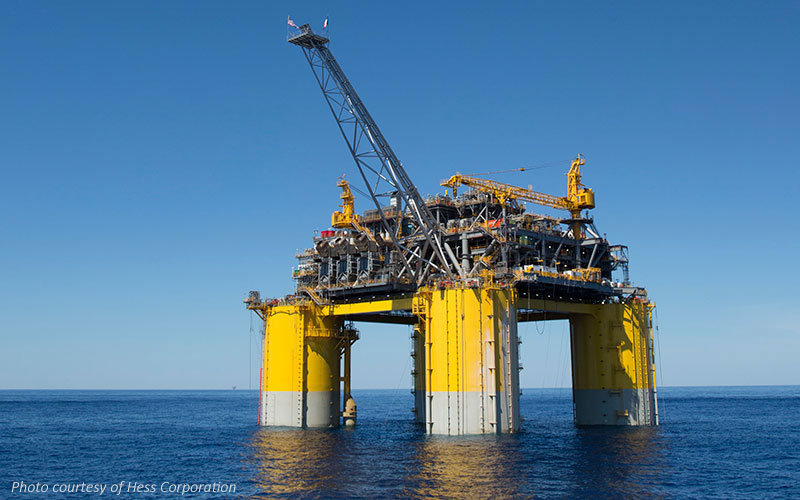
In light of the TikTok drama in Washington, I thought I’d take another look at Chinese ownership of Gulf of Mexico oil and gas leases.
A year ago, it was reported that State owned China National Offshore Oil Corp. (CNOOC) was considering an exit from its operations in the US, Canada, and the UK because of sanctions concerns. That may still be the case for other properties, but CNOOC has retained its Gulf of Mexico lease interests.
Per BOEM lease data, CNOOC continues to own 25% and 21% interest respectively in the important Stampede (Green Canyon 468, 511, and 512) and Appomattox (Mississippi Canyon 391, 392, and 393) deepwater projects. CNOOC reports are positive on those operations, noting that the production wells have performed better than expected.
CNOOC also owns interest in five other GoM leases. No CNOOC lease interest has been assigned to other companies in the past two years.
As is the case with CNOOC’s position in Guyana’s Stabroek block, their GoM lease holdings were acquired as part of CNOOC’s takeover of Nexen in 2013.
I welcome foreign investment in our offshore program, and see little downside in Chinese entities owning minority shares of OCS leases. GoM lease ownership does advance CNOOC’s understanding of deepwater exploration and development technology, but that knowledge can also be acquired elsewhere, sometimes in partnership with US companies (as is the case in Guyana).
Can Nord Stream AG ‘pig’ the investigation pipeline?
Posted in accidents, climate, energy policy, Gulf of Mexico, natural gas, pipelines, tagged Arch Insurance, Denmark, English High Court, germany, law suit, Lloyds, methane emissions, Nord Stream, pipeline pig, Sweden on March 14, 2024| Leave a Comment »
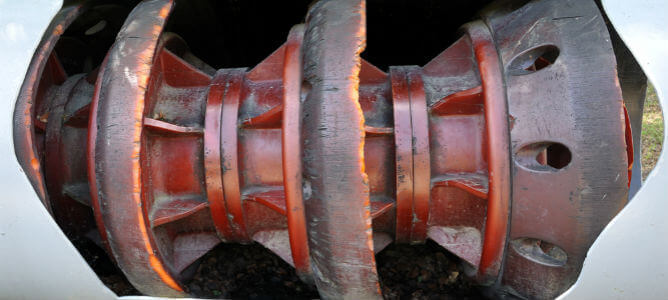
Nord Stream AG has sued insurers Lloyds and Arch in the English High Court for failing to pay for pipeline damage incurred during the Sept. 2022 Baltic Sea explosions. The estimated pipeline repair costs range from €1.2 to €1.35 billion, and Nord Stream is seeking €400 million from the insurers.
Could this litigation help us learn more about the findings of the official Nord Stream investigations? After 17 months of investigation, Denmark recently concluded that “there are not sufficient grounds to pursue a criminal case in Denmark.” Only nineteen days before Sweden had announced that “Swedish jurisdiction does not apply and that the investigation therefore should be closed.” These weak announcements at the end of lengthy investigations seem too convenient, and may lend credence to Hersh’s Nord Stream account or a recent variation that implicates the UK. Germany is presumably still investigating, and it remains to be seen whether they will release findings.
Could the parties in the Nord Stream case pursue documents or testimony from the Swedish, Danish, or German investigation teams? Both sides in this case, Nord Stream AG and the insurers, would benefit from details that could help identify the responsible parties.
It’s more than a little hypocritical for Western governments and their NGO partners to rail against offshore oil and gas operations while quietly accepting (without investigation) the economic and environmental consequences of the Nord Stream sabotage. Compare the Nord Stream methane emissions with those associated with Gulf of Mexico operations.
Perfect scores for Wyoming and California – albeit at opposite ends of the spectrum 😉
Posted in California, Canada, energy policy, Regulation, Uncategorized, tagged California, Fraser Institute, North America, perception index, upstream oil and gas, Wyoming on March 13, 2024| Leave a Comment »
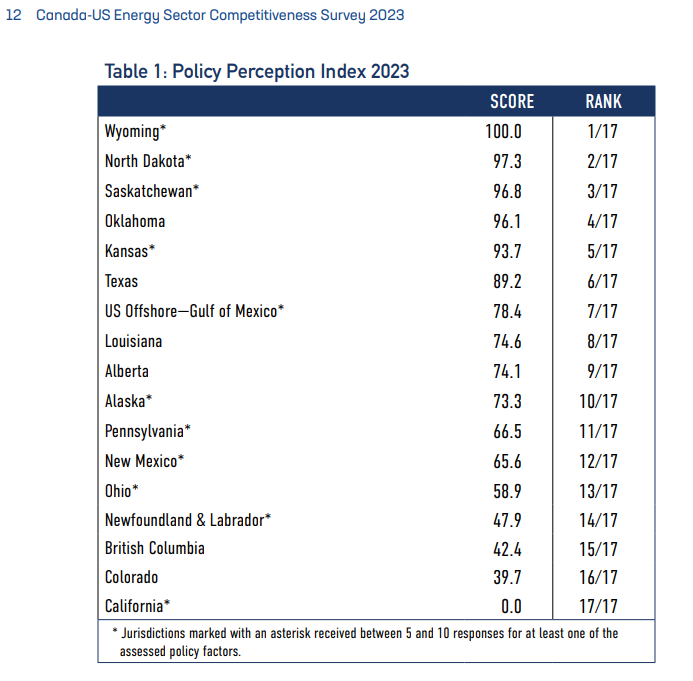
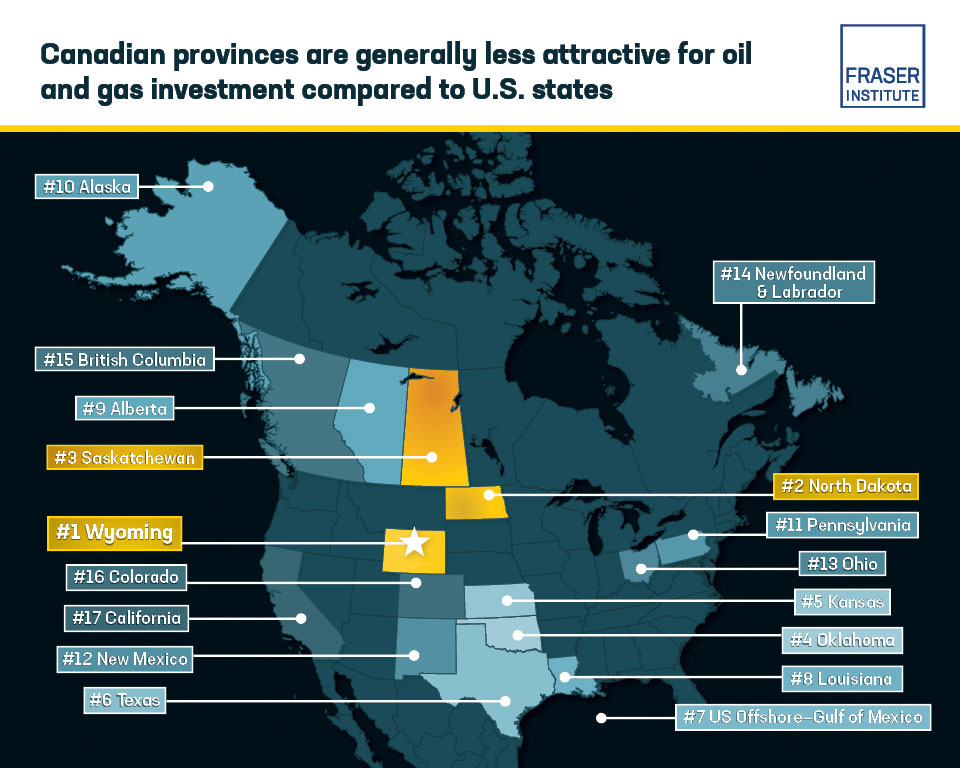
The Fraser Institute’s 2023 Canada-US Energy Sector Survey of senior executives in the upstream oil and gas sector provided data for assessing the competitiveness of US and Canadian jurisdictions. The resulting perception index (below) ranked Wyoming at the top with a score of 100.0 and California at the bottom with a score of 0.0. Perhaps one or more of the respondents have been mired in the California decommissioning quagmire. ☹
A US offshore wind lease may NOT be issued after 12/20/2024 unless an oil and gas lease sale is held prior to that date.
Posted in energy policy, Offshore Energy - General, Offshore Wind, Regulation, tagged 5 year leasing plan, Inflation Reduction Act, offshore oil and gas, Offshore Wind on March 12, 2024| 2 Comments »
(2) the Secretary may not issue a lease for offshore wind development under section 8(p)(1)(C) of the Outer Continental Shelf Lands Act (43 U.S.C.1337(p)(1)(C)) unless—
‘‘Inflation Reduction Act of 2022,” p. 646
(A) an offshore lease sale has been held during the 1-year period ending on the date of the issuance of the lease for offshore wind development; and (B) the sum total of acres offered for lease in offshore lease sales during the 1-year period ending on the date of the issuance of the lease for offshore wind development is not less than 60,000,000 acres.
Lease Sale 261 was held on 12/20/23. Absent legislative action, no wind leases may be issued after 12/20/24 unless another oil and gas lease sale is held prior to that date. Given that the minimalist 5 year oil and gas leasing plan, which is being challenged, does not propose a sale until 2025, wind lease issuance will likely be suspended at the end of the year. (Note: I wonder if the legislative restriction also applies to lease assignments from existing owners to new owners? Probably not, but that would be very significant given the current state of the offshore wind industry.)
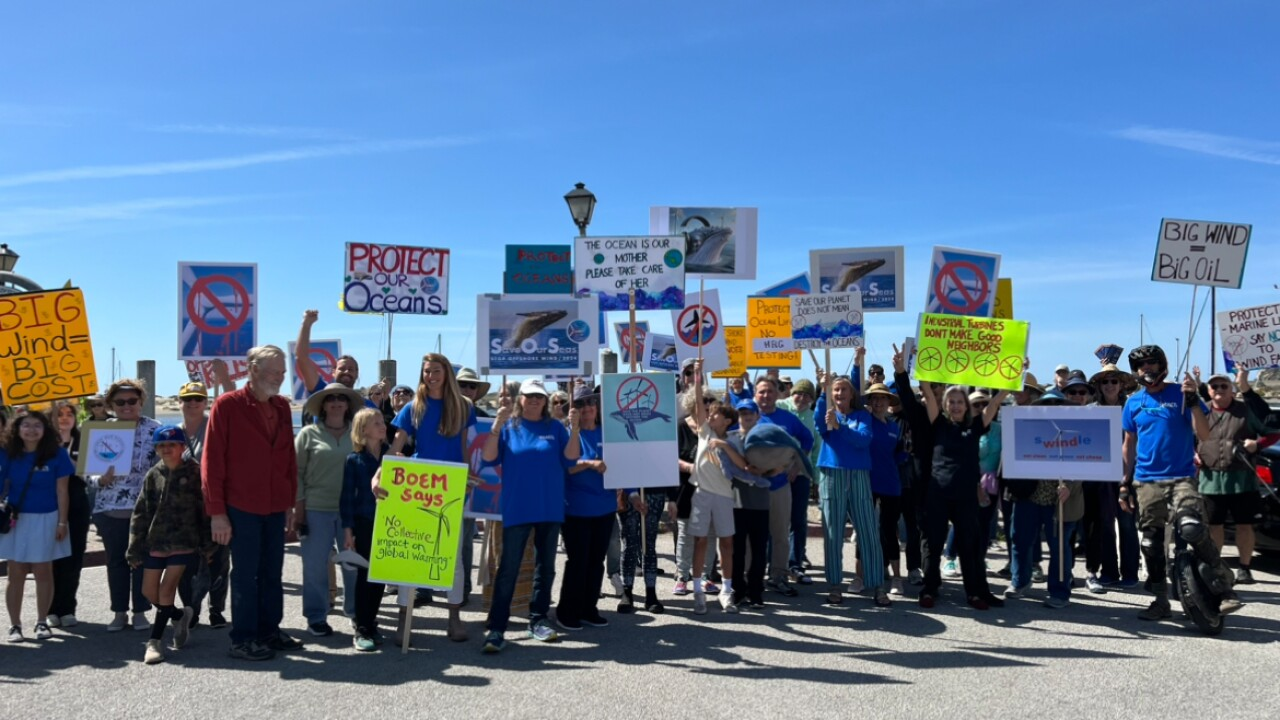
The legislative restriction may be a partial explanation for the apparent rush to issue wind leases. 16 new wind leases were issued in 2022 and 2023, bringing the total number of active leases to 36. The philosophy seems to be this: issue as many leases as you can, as fast as you can, wherever you can (ala James Watt’s failed strategy for the oil and gas program.) Coastal residents are not entirely thrilled.
Perhaps the wind program should be required to develop 5 year leasing plans, as is the case for the oil and gas program. This might facilitate a more holistic approach to wind energy development and ease concerns about cumulative impacts.
Huntington Beach sheen caused by natural source not platform spill
Posted in California, Offshore Energy - General, oil spill response, tagged Huntington Beach sheen, natural seeps, not from platforms on March 11, 2024| Leave a Comment »
Test results came back from the Office of Spill Prevention and Response – part of the Department of Fish and Wildlife – indicating the natural oil source, said Richard Uranga, US Coast Guard public affairs specialist.
“From the first initial stages, they were tracking that from the samples,” he said. “The oil rig samples were not the same as the oil that was gathered from the oil sheen.”
LA Daily News
So why did the LA Times report shortly after the sheen was detected that it was not from natural causes, and attribute that finding to the Coast Guard? It was too soon for the lab results to be back. Was a platform spill the desired narrative?
Keep in mind that up to several hundred barrels of oil per day seep naturally into Southern California waters.
Stabroek dispute: the Venezuela and China factors
Posted in Guyana, Offshore Energy - General, tagged Chevron, CNOOC, Exxon, Guyana, Stabroek, venezuela on March 11, 2024| Leave a Comment »
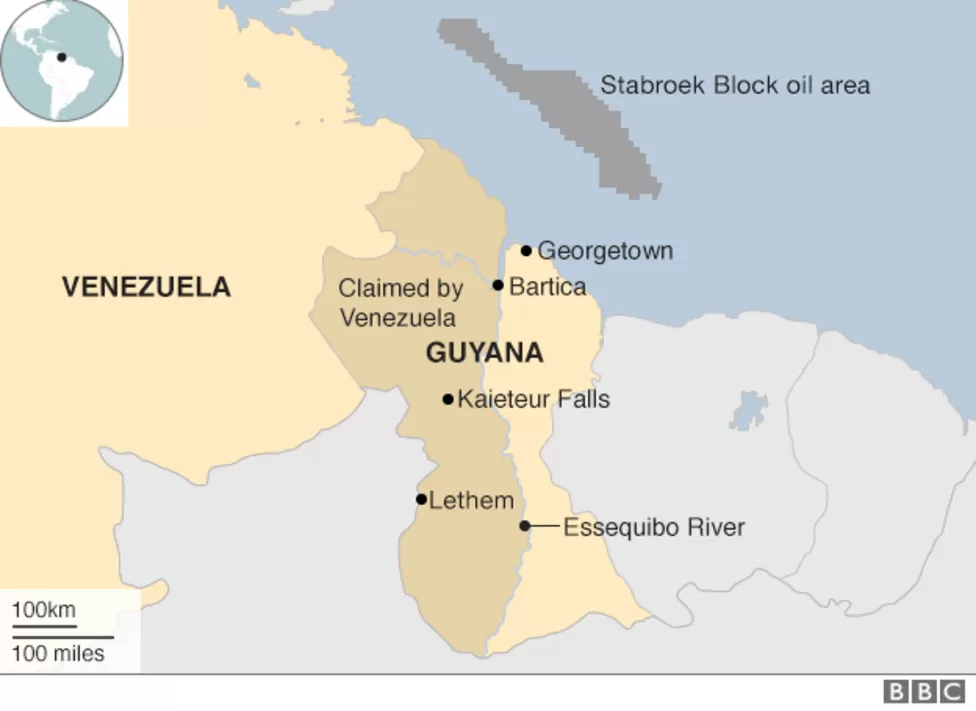
Exxon has filed for arbitration at the International Chamber of Commerce (ICC), the next step in the company’s attempt to derail or delay Chevron’s acquisition of Hess. Adding to the intrigue are the ambitions of neighboring Venezuela, which has claimed 2/3 of Guyana and the adjacent offshore territory.
Chevron continues to operate in Venezuela and is a beneficiary of the easing of US sanctions that facilitated the resumption of oil exports. Is the government of Guyana okay with Stabroek partners helping to support the regime that claims much of their offshore oil?
On the other hand, what about Exxon’s Stabroek partner, state-owned China National Offshore Oil Corp.? CNOOC has a 25% share of the Stabroek block (vs. 45% for Exxon and 30% for Hess) as a result of their takeover of (Canadian) Nexen in 2013. The CNOOC acquisition of Nexen was similar to Chevron’s acquisition of Hess. Was Exxon okay with that change in ownership?
CNOOC hasn’t released any public statements on the Stabroek dispute, but appears to be aligned with Exxon. Presumably, CNOOC also wants a larger share of the Stabroek pie. Is the Government of Guyana okay with an ally of Venezuela increasing their influence and having access to geologic, reservoir, and operational data for the Stabroek block? CNOOC is also partnered with Exxon on the block they acquired at the most recent licensing round.
Given the national security implications, is the Government of Guyana okay with leaving the resolution of this dispute to an ICC tribunal in Paris?
Oil sheen offshore Huntington Beach in the vicinity of Platforms Eva and Emma
Posted in California, oil spill response, tagged Coast Guard, Huntington Beach, oil sheen on March 9, 2024| Leave a Comment »
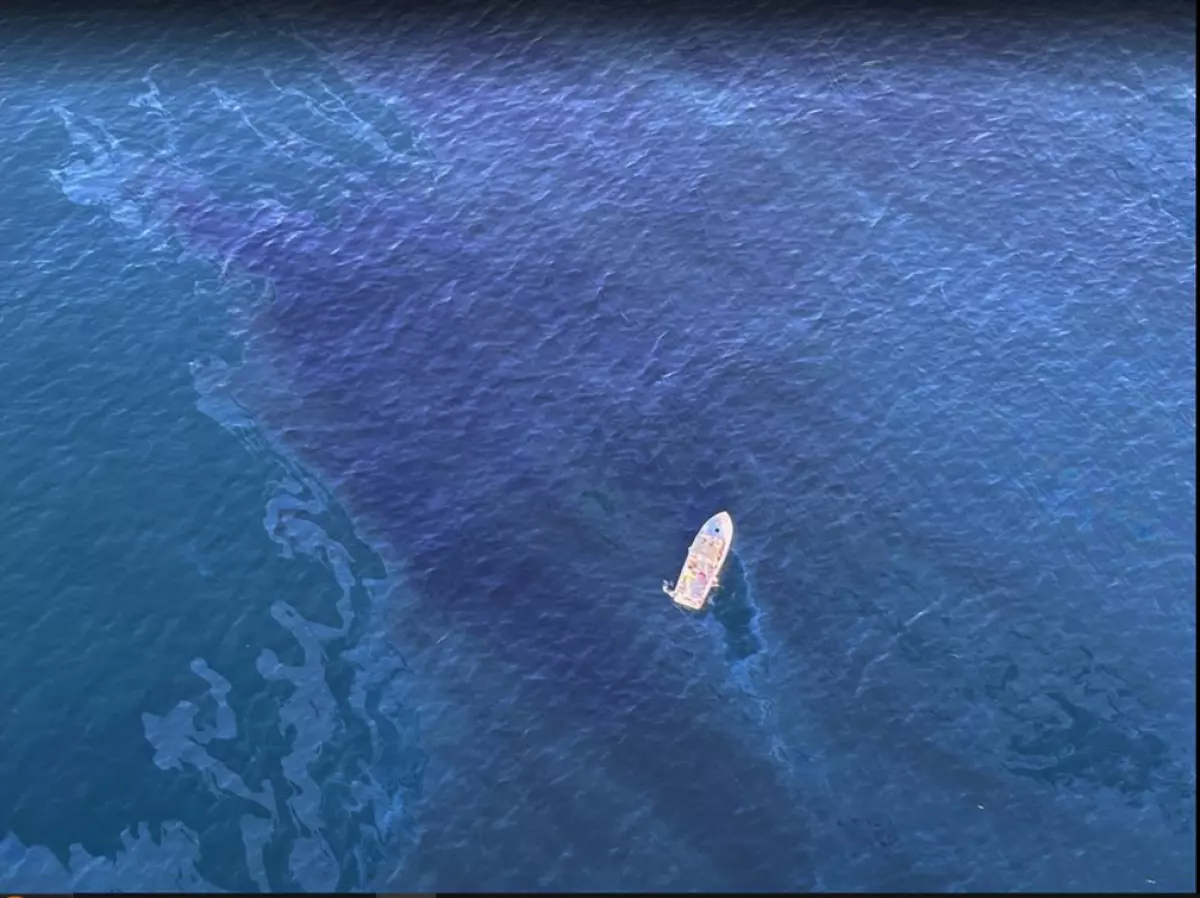

According to the LA Times, the Coast Guard said the sheen was not from natural causes, but the Coast Guard press releases don’t say that. One of the nearby platforms could have been the source as could a pipeline or vessel. We’ll see what, if anything, the investigators find.
Strategic Petroleum Reserve: still over 50% depleted, but up 4% from the 2023 low
Posted in energy policy, tagged Cathy Rodgers, GAO review, House Energy and Commerce, SPR depletion, SPR refill, Strategic Petroleum Reserve on March 8, 2024| Leave a Comment »
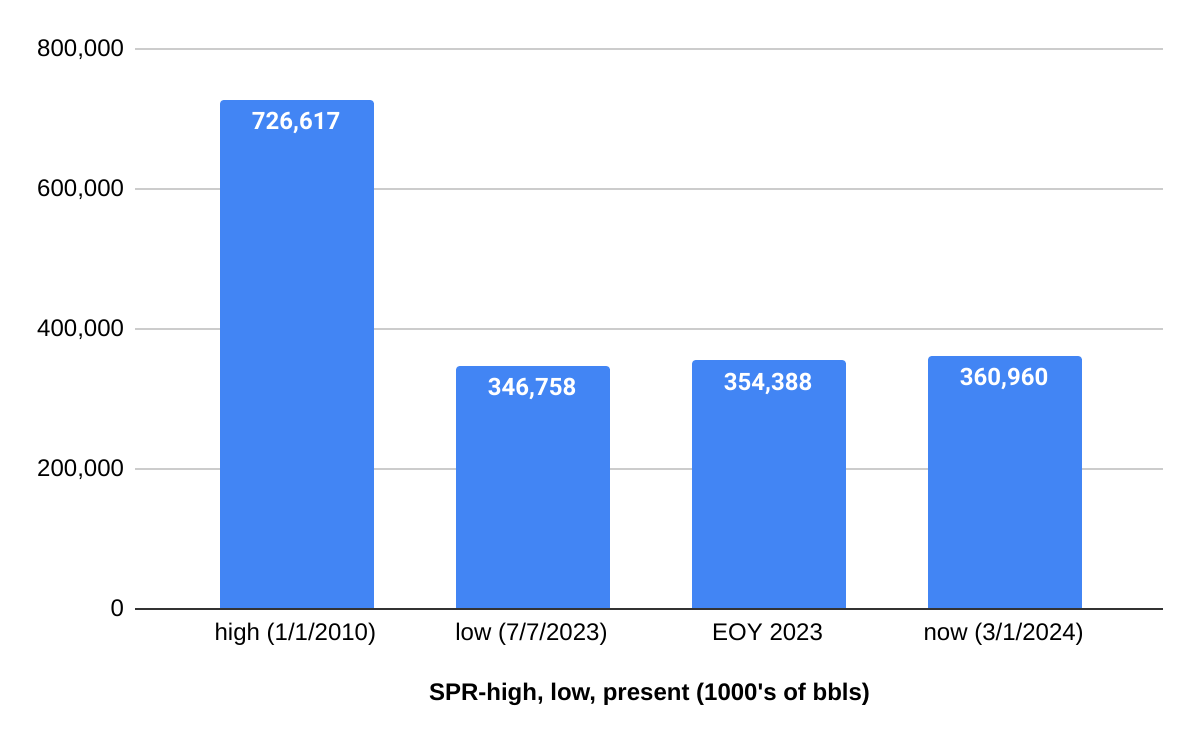
Last May, Cathy Rodgers, Chair of the House Committee on Energy and Commerce, requested that the General Accountability Office (GAO) address the following questions (letter attached):
- Has the Biden administration conducted a long-term strategic review of the SPR, and if so, is the review adequate to inform decision making and protect the nation from energy supply disruptions in both current and future scenarios?
- What damage and increased maintenance requirements, including well remediation, cavern closure, and both pipeline and pump replacements, have resulted from the recent drawdowns?
- What physical or cybersecurity threats are there to the SPR facilities?
- How thorough are DOE’s studies and assessments of the SPR’s structural integrity?
- Has the DOE developed an adequate plan for replenishing the SPR? If so, please explain.
The GAO has not yet published their report.
US offshore carbon disposal: And so it has begun…
Posted in CCS, climate, decommissioning, energy policy, Gulf of Mexico, Offshore Energy - General, Regulation, tagged Bayou Bend CCS, BOEM, carbon disposal, DOI CCS regulations, EPA, Louisiana, Ocean Dumping, Texas on March 7, 2024| Leave a Comment »
Bayou Bend CCS LLC commenced drilling an offshore (Texas State waters) and an onshore stratigraphic well for carbon sequestration in the first quarter 2024.
Talos

Is offshore carbon disposal ocean dumping? One of the provisions that was slipped into the “2021 Infrastructure Bill” exempted carbon sequestration from the Marine Protection, Research, and Sanctuaries Act of 1972 (Ocean Dumping Act). This exemption revises the OCS Lands Act and thus does not apply to State offshore lands. The Texas offshore wells must therefore be permitted by EPA as “Class VI wells,” as is the case for onshore disposal wells. However, Texas and Louisiana have asked the EPA for “primacy,” which would allow state agencies to approve and oversee these operations.
Meanwhile, the regulations for carbon disposal on the OCS, which the Infrastructure Bill mandated by November 2022, have yet to be published for comment. The latest Federal regulatory agenda indicates a publication date of 12/00/2023 for these regulations. Presumably the staff work has been completed and the rule is stalled in the review process.
Despite the absence of a regulatory framework, BOEM has accepted sequestration bids at the last three oil and gas lease sales. These bids were evaluated as if the leases were being acquired for oil and gas exploration and production, even though the bidders’ intentions were widely known. Why was BOEM a willing participant in this charade, not just at one sale, but at three sales in succession?
Given that the perceived carbon disposal bonanza is dependent on mandates and subsidies, one has to wonder about the massive revenue projections for this industry and raise concerns about the associated public and private financial risks. What is the long term business plan for this industry? Who will be monitoring the offshore wells (in perpetuity)? How will the public be protected from financial assurance and leakage risks? We will see how the myriad of carbon sequestration issues are addressed in the proposed regulations.
 Bud's Offshore Energy (BOE)