
Not only have no official findings been released, but there has been little new speculation since our June 2023 update. Given the political stakes, it is increasingly unlikely that the responsible parties will be identified.
Posted in climate, energy policy, Offshore Energy - General, pipelines, Uncategorized, tagged Denmark, germany, Nord Stream, pipelines, sabotage, Sweden on September 25, 2023| Leave a Comment »
Not only have no official findings been released, but there has been little new speculation since our June 2023 update. Given the political stakes, it is increasingly unlikely that the responsible parties will be identified.
Posted in energy policy, Gulf of Mexico, Offshore Energy - General, Regulation, tagged BOEM, court order, Lease Sale 261 on September 23, 2023| Leave a Comment »
The Federal Government has joined the Sierra Club et al in appealing Judge Cain’s order on Sale 261. BOEM has nonetheless committed to complying with the order if the appeal fails (likely).
BOEM is taking steps to comply with an order issued on September 21, 2023, by the U.S. District Court for the Western District of Louisiana regarding Gulf of Mexico Outer Continental Shelf Oil and Gas Lease Sale 261.
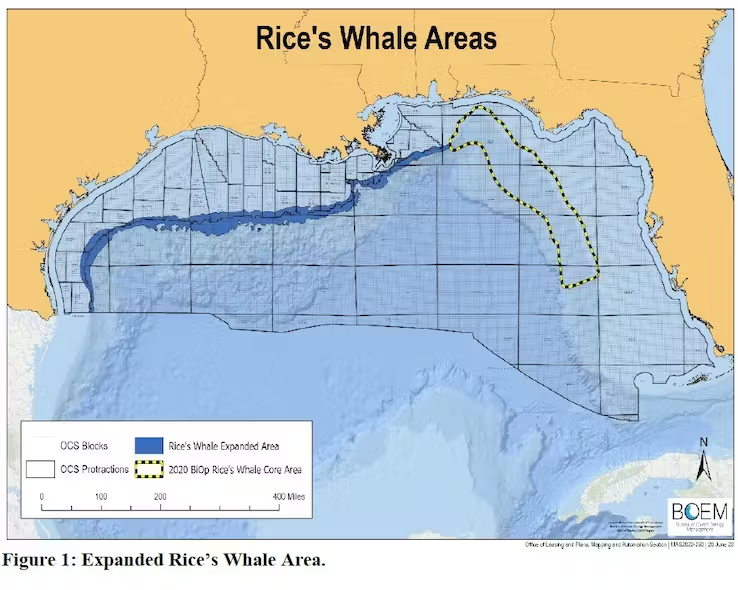
Lease Sale 261 will be conducted on September 27, 2023. In accordance with the court’s order, BOEM will include lease blocks in Lease Sale 261 that were previously excluded due to concerns regarding potential impacts to the Rice’s whale distribution in the Gulf of Mexico.
BOEM is also extending the bid submission period to 3 p.m. CST on September 26, 2023.
BOEM
Posted in energy policy, Gulf of Mexico, Offshore Energy - General, Regulation, tagged BOEM, injunction, Judge Cain, Lease Sale 261, Louisiana, Rice's whale on September 22, 2023| Leave a Comment »
Quotes from the judge’s order (emphasis added):
The challenged lease term for the expanded Rice’s whale area only arose in a July 2023 district court filing and then appeared in the FNOS for Lease Sale 261 on August 25, 2023—one month before the statutory deadline for the sale. BOEM failed to follow its own procedures by making significant changes to the FNOS, thereby depriving both affected states and the public the opportunity for meaningful review and comment. The procedural error is particularly grave here, because of both the compressed timeline and BOEM’s inexplicable about-face on the scientific record it had previously developed. (p.19)
The challenged provisions inserted into these leases at the eleventh hour, and the acreage withdrawal, are based only on an unexplained change in position by BOEM on a single study a few months after that supplemental EIS. The process followed here looks more like a weaponization of the Endangered Species Act than the collaborative, reasoned approach prescribed by the applicable laws and regulations. (p.22).
According to an affidavit from Shell’s commercial manager, the new restrictions on vessel traffic apply to an area of the northern Gulf that separates Shell’s existing offshore leases from the onshore infrastructure that supports them. Shell Offshore Inc., No. 2:23-cv-1167, at doc. 4, att. 2, ¶¶ 23–27. (p. 23).
Given the shaky justification offered by BOEM, the court cannot find that the challenged provisions are so necessary that withholding them even on a preliminary basis will outweigh the risk of irreparable economic harm shown by plaintiffs. Additionally, “there is generally no public interest in the perpetuation of unlawful agency action.” (p. 26)
Posted in energy policy, Gulf of Mexico, Offshore Energy - General, Regulation, tagged API, Chevron, injunction, Lease Sale 261, Louisiana, Rice's whale on September 22, 2023| Leave a Comment »
For the reasons stated above, the court hereby ORDERS that the Motions for Preliminary Injunction be GRANTED. Accordingly, the government defendants are enjoined from implementing the acreage withdrawal and Stipulation 4(B)(4) as described in the Final Notice of Sale and Record of Decision for Lease Sale 261. Government defendants are ordered to proceed with Lease Sale 261, absent the challenged terms, by September 30, 2023.
Full docket: State of Louisiana v. Haaland (2:23-cv-01157)
Posted in energy policy, Gulf of Mexico, Offshore Energy - General, tagged API, Gulf of Mexico, Lease Sale 261, Louisiana Federal Court, Rice's whale on September 22, 2023| Leave a Comment »

Posted in climate, drilling, energy, Uncategorized, tagged DOE, microwave drilling, Quaise Energy, ultradeep geothermal on September 21, 2023| 2 Comments »
As has been previously discussed on this blog, the renewable energy source that shows the greatest promise for generating the power needed to support economic growth is ultradeep geothermal.
This JPT article nicely describes the opportunities and challenges
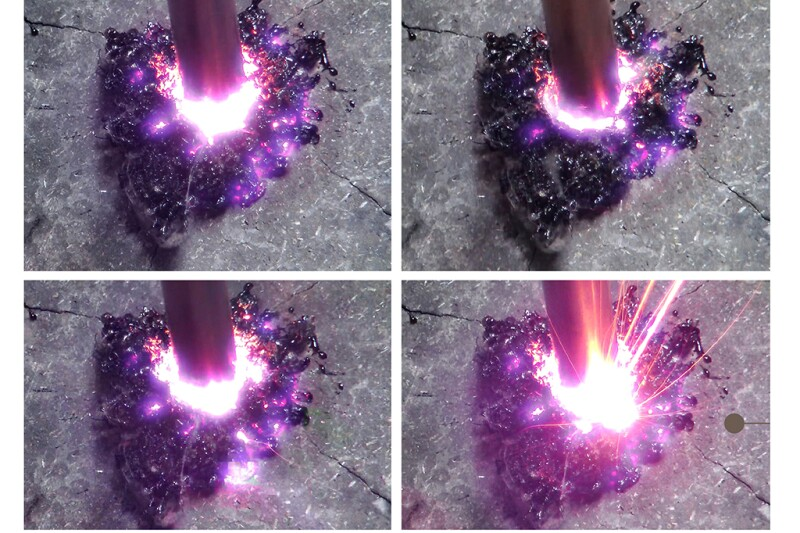
Good comparison of drilling into hard basement rock with conventional and millimeter wave (microwave) technologies:

Quaise Energy’s first full-scale testing of a hybrid drilling rig combining conventional rotary drilling and millimeter wave drilling capabilities is scheduled for 2024.
Posted in climate, energy policy, Offshore Wind, Uncategorized, tagged Atlantic wind woes, Commonwealth Wind, high bids, Massachusetts, power purchase agreements, SouthCoast Wind on September 20, 2023| Leave a Comment »
A BOE post from last December commented on the seemingly irrational bidding for Atlantic and Pacific wind leases. More recent posts have reported on the woes of Atlantic leaseholders.
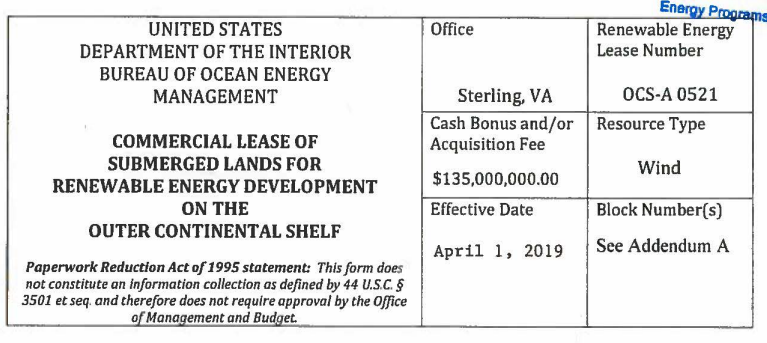
Two Atlantic lessees, Commonwealth Wind and SouthCoast Wind, which paid $135 million for each of their North Atlantic leases, have now agreed to pay $48 million and $60 million respectively to cancel their power purchase agreements with electric utilities. Perhaps the effective date of these leases (see below) reflects on the wisdom of their purchase.🍋
Both Commonwealth Wind and SouthCoast Wind are hoping to rebid their projects in a Massachusetts offshore wind procurement scheduled for next year.
Commonwealth Magazine
Some northeast states and their public utilities may be in a bit of a bind. Either they accept higher electric rates and the likely public backlash, or they deviate from their staunch anti-gas, anti-nuclear orthodoxy. Similarly, oil companies that have invested heavily in offshore wind may find that they are not just less profitable, but (even) less popular.
Posted in climate, energy policy, Offshore Energy - General, tagged natural gas, New York, offshore platforms, power plants, renewable energy, safety on September 19, 2023| Leave a Comment »
New York’s looming, self-imposed electric power crisis:
Something here does not remotely add up. If New York state succeeds by 2030 in closing its natural gas plants — the plants that account for 60% of the State’s generation capacity — that would bring our total installed capacity down from 37.5 GW to as little as 15 GW. But we need almost 60 GW to meet projected demand. And that’s 60 GW that can be called on any time as needed to meet peak usage. The 9 GW of projected offshore wind turbines wouldn’t make much of a dent even if they operated all the time and could be dispatched to meet peak demand, which they can’t. Instead, they will operate only about a third of the time, and at their own whim. At best they will provide about 3 GW on average, when what we need for this full electrification project is more like 45 GW of dispatchable power to add to our existing hydro and nuclear.
Manhattan Contrarian
Power generation realities:

Offshore platforms: In some regions, there is a push to power platforms with renewable energy transported by electric cable. Currently, most platforms are efficiently powered by gas turbines which satisfy energy needs even when demand spikes during well operations like tripping out of the hole. The extent to which renewables can reliably support platform operations during these and other operations, when power interruptions are unacceptable from a safety standpoint, is a risk that must be assessed prior to committing to alternative energy sources.
The environmental benefits of powering platforms with renewable energy also have not been clearly documented. In most cases, offshore platforms produce sufficient gas to support their power demands. Should platforms be powered by imported electricity, gas that is not used for platform operations would presumably be marketed for consumption elsewhere or reinjected.
If the gas is marketed and consumed elsewhere, there is essentially no net (global) CO2 emissions reduction benefit. Gas that is reinjected is wasted unless there is an enhanced oil recovery benefit. So, the net environmental benefit from importing electric power seems questionable, and the operational risks could be significant.
Posted in Guyana, Offshore Energy - General, tagged Guyana, licensing round, OilNow, Sispro on September 18, 2023| Leave a Comment »
Good for Guyana and good for offshore energy!

In Guyana’s inaugural offshore licensing round, Sispro Inc. stands out as the only Guyanese company among the bidders. Located in South Cummingsburg, Georgetown, this indigenous start-up is a stand-out. So, who are the locals behind it?
Founded by four women – Dr. Melissa Varswyk, Abbigale Loncke-Watson, Dr. Ayodele Dalgety Dean, and Dee George, Sispro has leadership with diverse backgrounds in finance, health, education, energy, and human rights.
OilNow, Guyana
Interesting:
Out of the 14 bids made in Guyana’s inaugural offshore licensing round, Sispro was the only individual bidder, with others bidding as groups.
And it looks like they have assembled a capable, mostly Guyanese, team.
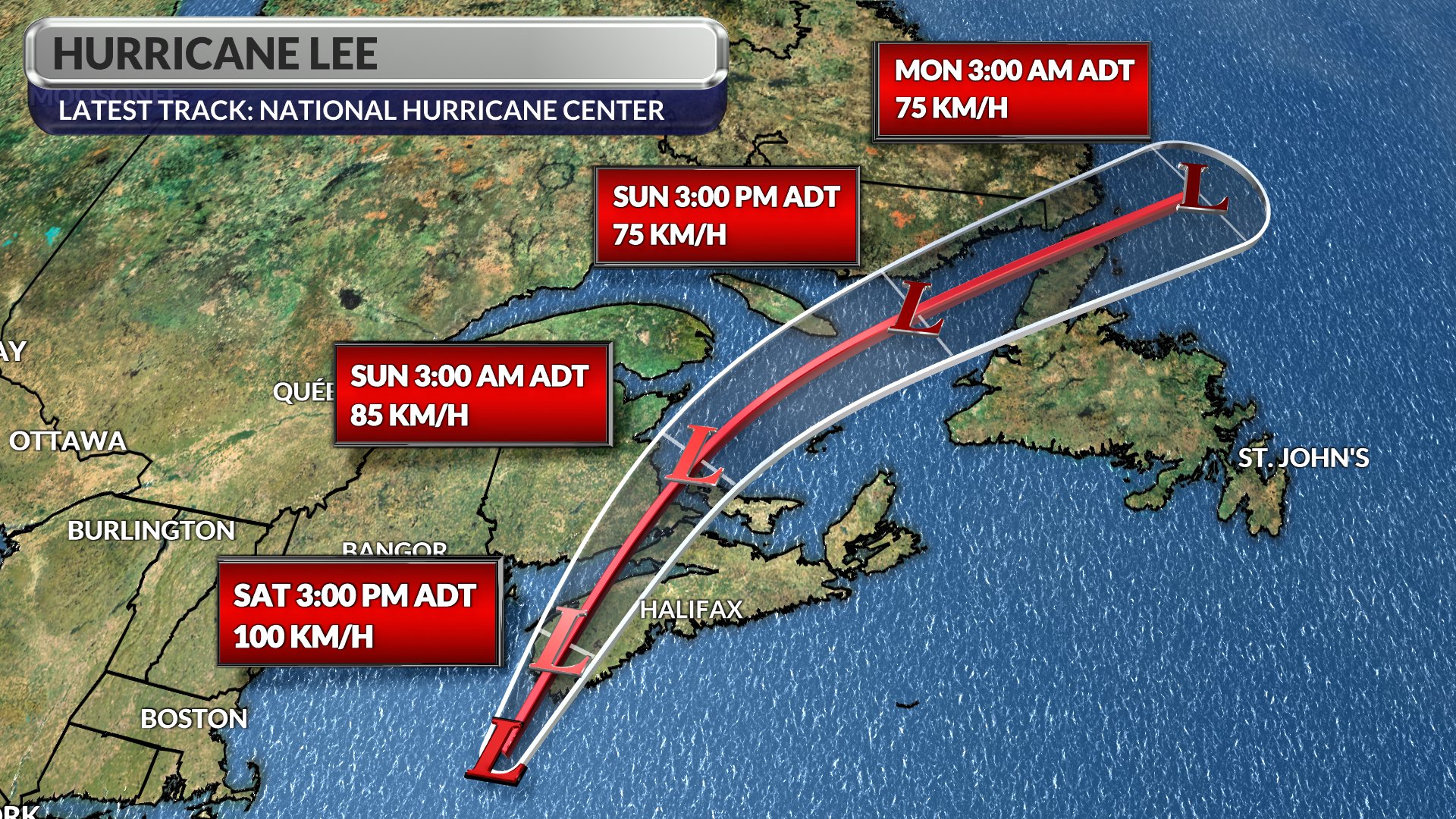
Posted in Georges Bank, hurricanes, Uncategorized, tagged Georges Bank, NOAA buoy, Tropical Storm Lee, wave heights, winds on September 16, 2023| Leave a Comment »
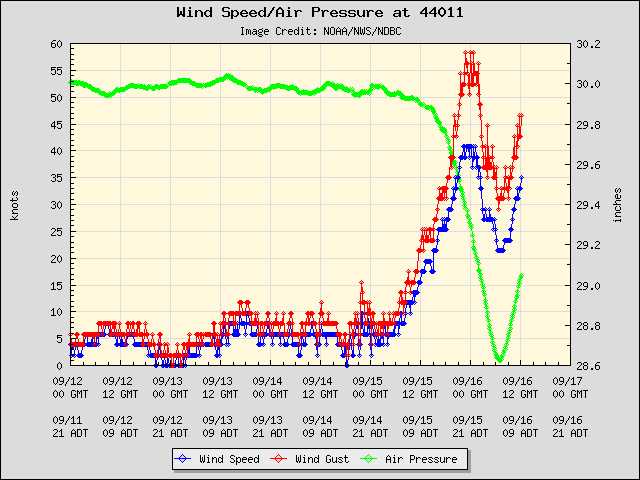
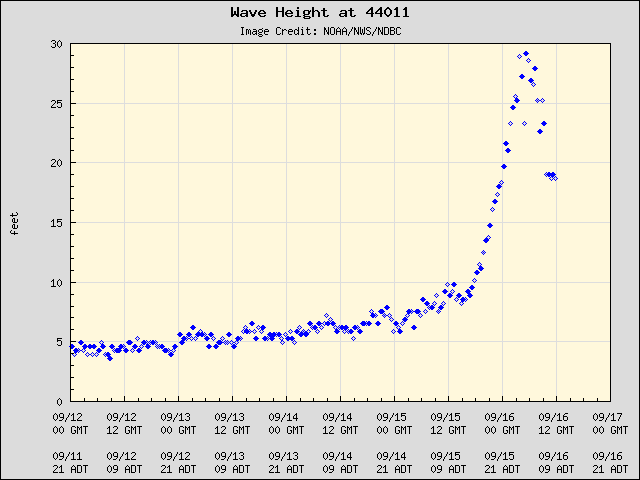
The worst conditions were relatively common by Georges Bank standards. Per the NOAA data buoy (see plots below), the wind speed peaked at 40.8 kts, gusts at 58.3 kts, and wave height at 29.2 ft.
Looking back at my Georges Bank Exploratory Drilling paper (1983), a spring storm in April 1982 generated 105 mph winds and 35 foot swells. I’ll post information on the rig performance issues during those operations at a later date.

 Bud's Offshore Energy (BOE)