Feeds:
Posts
Comments

Archive for December, 2022

Despite the spectacular 2022 lease sales, not all is rosy for US offshore wind development.

In 2011, then-Interior Secretary Ken Salazar said the Obama administration had set a goal of “10 gigawatts of offshore wind generating capacity by 2020 and 54 gigawatts by 2030.” How has that worked? Well, 11 years after Salazar’s speech, the US has seven turbines operating offshore with a total of capacity of 42 megawatts — or some 9,958 megawatts short of the goal laid out by Salazar.

Gordon Hughes, a professor of economics at the University of Edinburgh, has found that the output of Europe’s offshore wind turbines has been declining by about 4.5% per year. In a report titled “Wind Power Economics: Rhetoric and Reality,” published by the London-based Renewable Energy Foundation in 2020, Hughes concluded that declining output will result in higher operating costs that will start to exceed revenues “after 12 or 15 years.

Forbes

Opposition to NJ offshore wind projects dominate DEP hearing

addressing climate change through ocean “industrialization” using an “inefficient, expensive and largely untested strategy” was not the right path forward – Kari Martin, Clean Ocean Action

“By undertaking an industrialization project this big, it far outweighs any (climate change) benefit anybody’s ever talked about, or even tried to quantify,” he said. “The harms of this undertaking is, in my view, far worse than any benefits we could realize.” – Michael Dean, Middletown, NJ

Offshore Wind Farms Change Marine Ecosystems

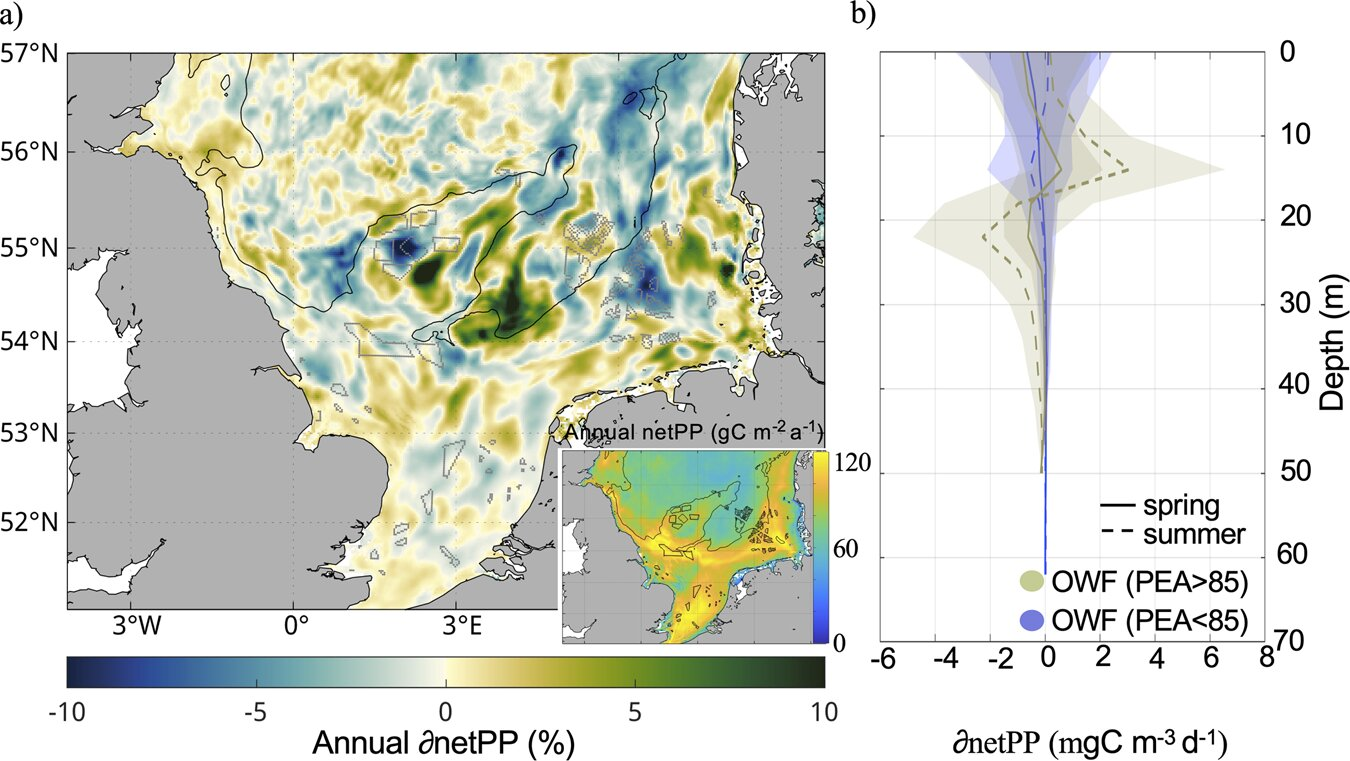
In their latest publication, (scientists at the Helmholtz-Zentrum Hereon) now show that large-scale wind farms can strongly influence marine primary production as well as the oxygen levels in and beyond the wind farm areas. Their results were published in the journal Communications Earth & Environment.

… For example, Nils Christiansen’s team proved that wake turbulences—air vortices caused by wind turbines—change the flow and stratification of the water beneath them. But the climate just above the sea surface is also being permanently changed, as another team led by Dr. Naveed Akhtar was able to show.

PHYS.org

Annual mean response of net primary productions (netPP) to atmospheric changes due to offshore wind farms
More:

Commonwealth Wind project paused indefinitely

Park City Wind project delayed

RODA files a motion for a summary judgement in its lawsuit over approval of the Vineyard Wind 1 project, touted as the nation’s first commercial scale offshore project.

Discouraging Spectator article on UK onshore wind.
Read Full Post »

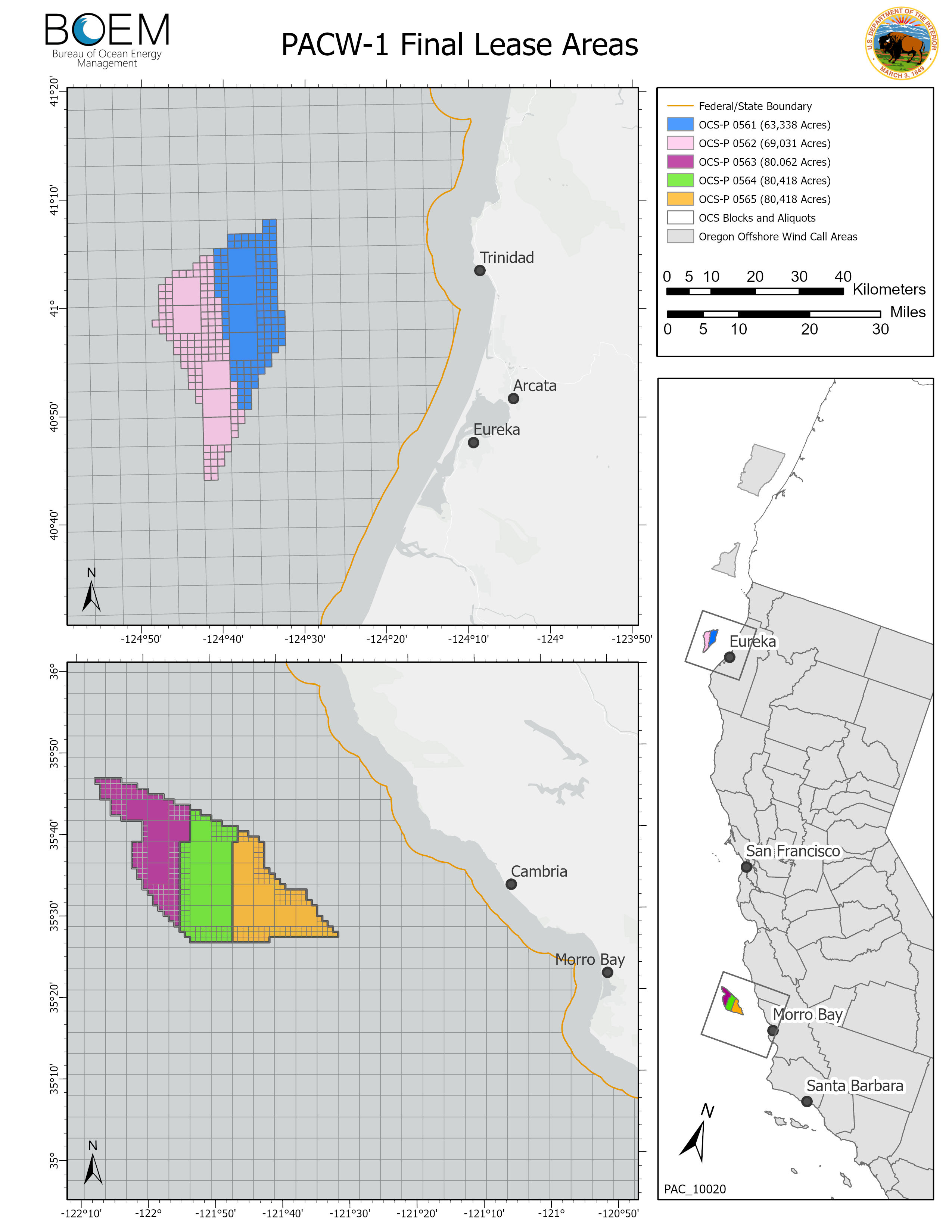
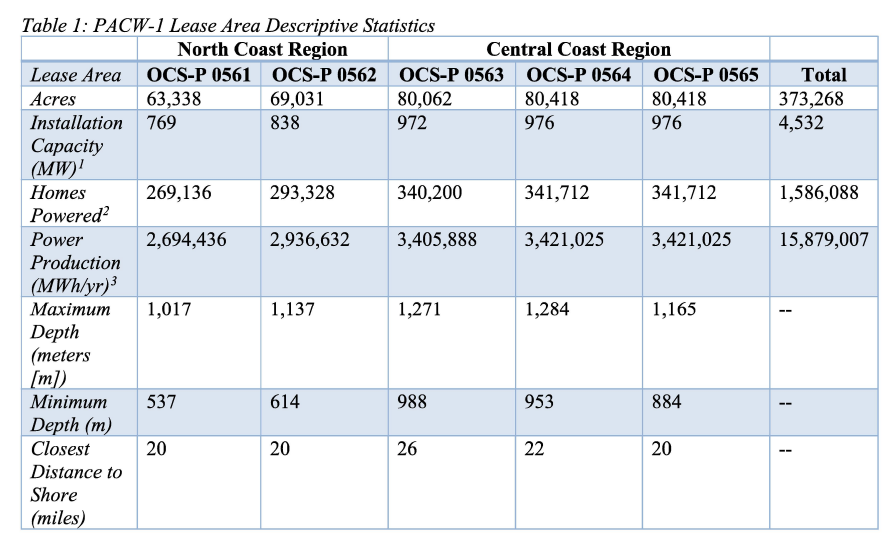
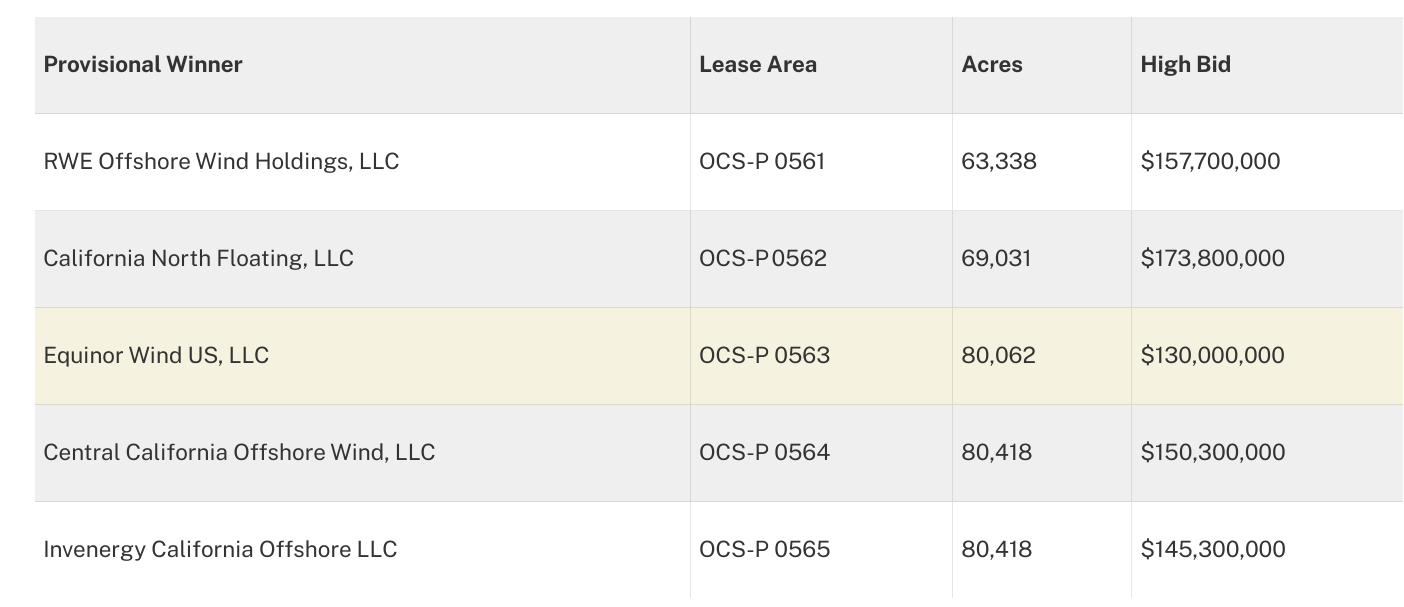
California offshore wind sale: 5 leases, $757.1 million in high bids

The California wind sale bidding, while lower than the record Atlantic sale in February, was extraordinary given that the 5 leases are relatively distant from shore (20+ miles) and in water depths (537 to 1284 m) that dictate the use of floating turbines. Generous subsidies, credits, and State mandates no doubt contributed to the seemingly inflated bidding, as did an auction system that is designed to maximize bonus payments.

Given the slow progress in US offshore wind development, the setbacks the industry is experiencing, the added challenges associated with commercial deepwater development, the potential cost burden on taxpayers and power customers, and the government’s financial and policy support, a more development-friendly leasing system would seem to be prudent. BOEM took a step in that direction with the with the limited training and supply chain credits provided for in the Sale Notice, but fundamental changes in the auction system may be desirable.

Read Full Post »

After 20 rounds yesterday, the sale resumes today.

The biggest difference between the wind and the oil and gas programs may be the way the sales are conducted. For oil and gas leases, you submit a single sealed bid. Here is a simplified description of how a wind lease sale is conducted:

  • At the start of each round, BOEM will state an asking price for each Lease Area. A bid at the full asking price is referred to as a “live bid.”
  • If the bidder has qualified for a non-monetary credit, it will meet the asking price by submitting a multiple-factor bid—that is, a live bid that consists of a monetary (cash) element and a non-monetary credit.
  • To participate in the next round of the auction, a bidder is required to have submitted a live bid for one of the Lease Areas (or have a carried-forward bid) in each previous round.
  • As long as there are two or more live bids (including carried-forward bids) for at least one of the Lease Areas, the auction moves to the next round
  • If there was only one live bid (including carried-forward bids) or no live bids for a Lease Area in the previous round, the asking price would not be increased.
  • A live bid would automatically be carried forward if it was uncontested in the previous round, and the bidder who placed the uncontested bid would not be permitted to place any other bid in the current round of the auction.
  • Conversely, if a live bid was contested in the previous round, the bidder who placed the contested bid would be free to bid on any Lease Area in the auction in the next round, at the new asking price.
  • If a bidder decides to stop bidding before the final round of the auction, there are circumstances in which the bidder could nonetheless win a lease.
  • Between rounds, BOEM will disclose to all bidders that submitted bids: (1) the number of live bids (including carried-forward bids) for each Lease Area in the previous round of the auction.
  • In any round after the first round, a bidder may submit an “exit bid” only for the same Lease Area as the bidder’s contested live bid in the previous round. An exit bid is a bid that is greater than the previous round’s asking price, but less than the current round’s asking price.
  • The auction ends (finally) when a round occurs in which each of the Lease Areas in the auction receives one or zero live bids (including carried-forward bids), regardless of the number of exit bids on any Lease Area.

Perfectly clear? You can read the full description in the Sale Notice.

Is this the best way to award offshore wind leases?

Read Full Post »

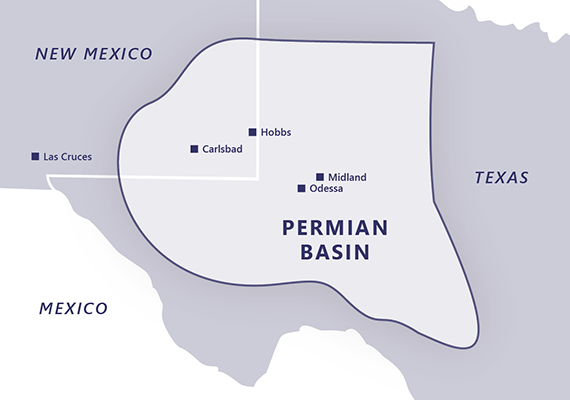
Like its salty neighbor to the east, the Permian Basin of west Texas and southeastern New Mexico has been proclaimed dead on many occasions. Such proclamations of their demise, however, are mere exaggerations as the Gulf of Mexico and the Permian Basin continue to thrive.

These historic oil and gas production powerhouses have delivered to global markets billions of barrels of oil and trillions of cubic feet of natural gas over the past century. Through the booms and the busts, the resiliency of each was made possible by the combination of ingenuity and perseverance and by advancements in techniques and technologies.

JPT

Thirty years ago the Gulf of Mexico was called “the Dead Sea” because of the decline in drilling and production activity. Deepwater technology reversed that trend and led to record Gulf of Mexico oil production averaging 1.9 million BOPD in 2019.

Similarly, horizontal drilling and hydraulic fracturing technology launched the shale revolution, and Permian oil production has risen impressively to 5.4 million BOPD.

Both the Permian and the GoM have the potential to sustain or increase production. The Permian Basin, much of which is privately owned, is more adaptable to market conditions and less exposed to political risks. The offshore program is dependent on effective long-term planning and supportive lease management policies. Unfortunately, the proposed 5 year leasing plan suggests a commitment to throttling offshore production rather than sustaining it. When will our energy policy pendulum swing back to a more balanced position?

Read Full Post »

As a result of a provision in the Inflation Reduction Act, leases may be sold but not awarded. See the paragraph below that was inserted at the end of the sale notice. No wind leases may be issued until Sale 259 oil and gas leases are issued (presumably late next spring).

XV. Compliance With the Inflation Reduction Act (Pub. L. 117-169 (Aug. 16, 2022)(Hereinafter, the “IRA”):

Section 50265(b)(2) of the IRA provides that “[d]uring the 10-year period beginning on the date of enactment of this Act . . . the Secretary may not issue a lease for offshore wind development under section 8(p)(1)(C) of the Outer Continental Shelf Lands Act (43 U.S.C. 1337(p)(1)(C)) unless— (A) an offshore lease sale has been held during the 1-year period ending on the date of the issuance of the lease for offshore wind development; and (B) the sum total of acres offered for lease in offshore lease sales during the 1-year period ending on the date of the issuance of the lease for offshore wind development is not less than 60,000,000 acres.” Section 50264(d) of the IRA provides that “. . . not later than March 31, 2023, the Secretary shall conduct Lease Sale 259[.]” Conducting Lease Sale 259 is needed for BOEM to satisfy the requirements in section 50265(b)(2) of the IRA and issue the leases resulting from this lease sale. Notwithstanding the foregoing, nothing in the IRA prevents BOEM from holding this auction.

Read Full Post »

Read Full Post »

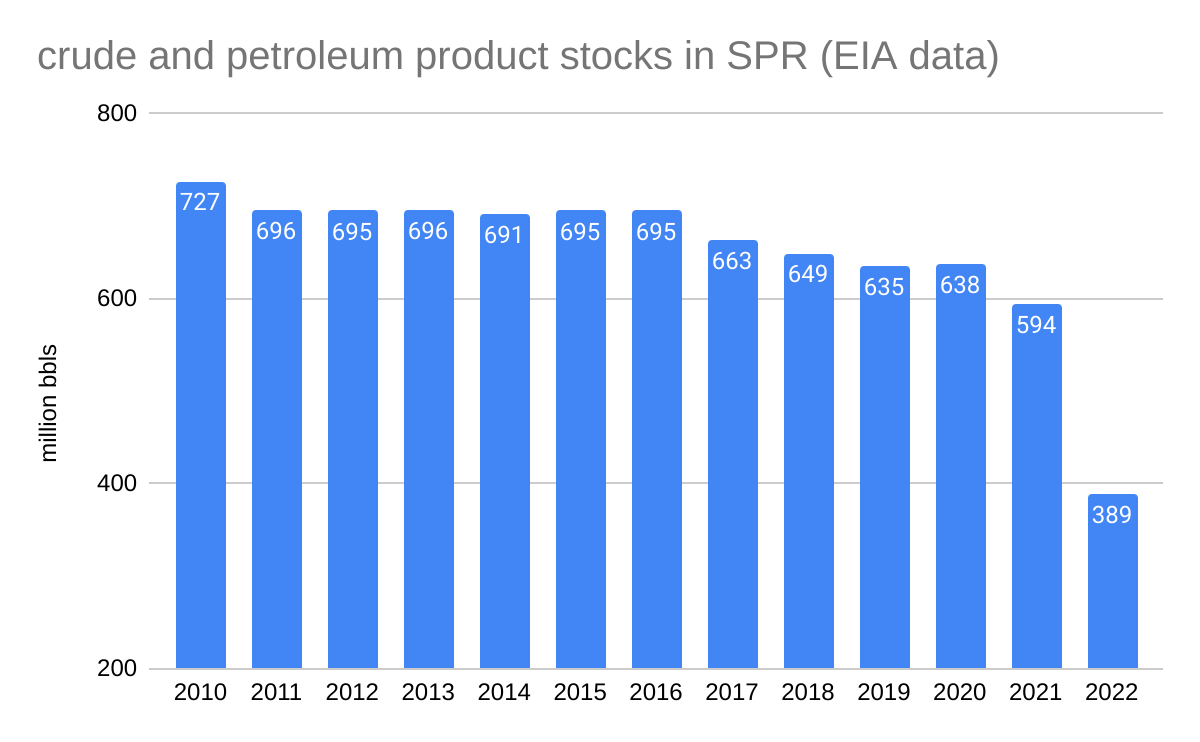
The reserve is at its lowest level since 3/16/1984, and is now 46.5% below capacity.

Meanwhile OPEC+ considers further cuts.

Read Full Post »

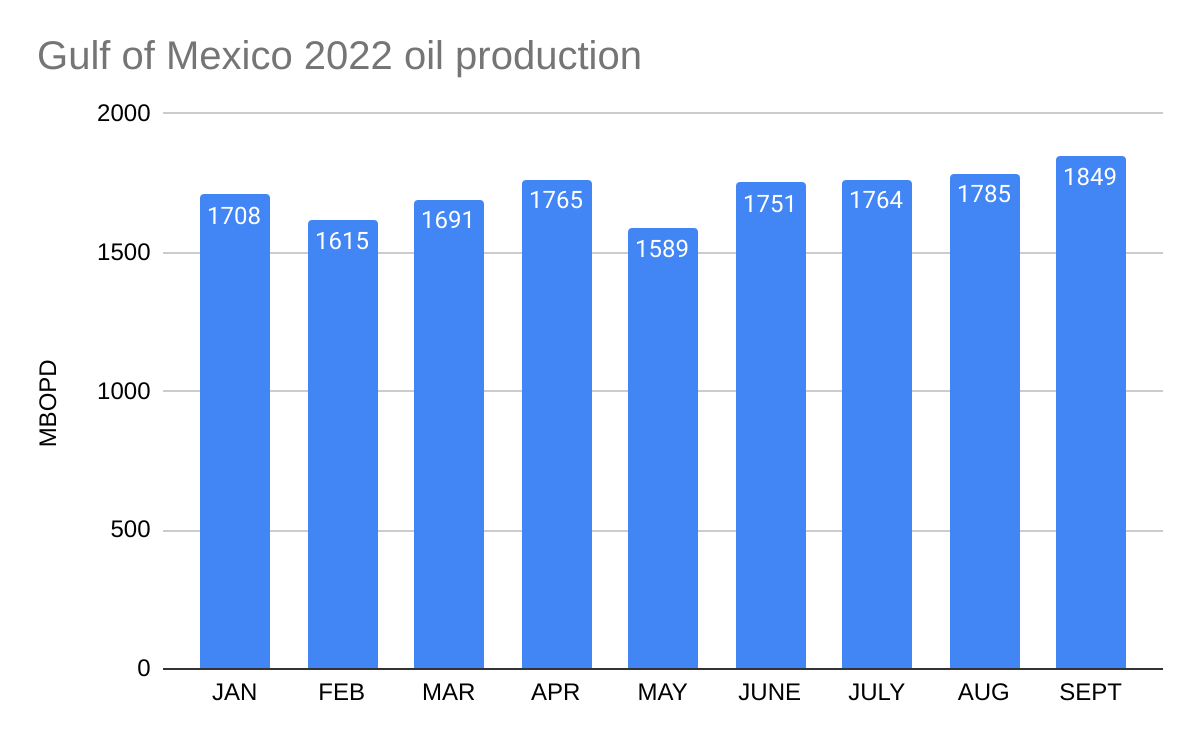
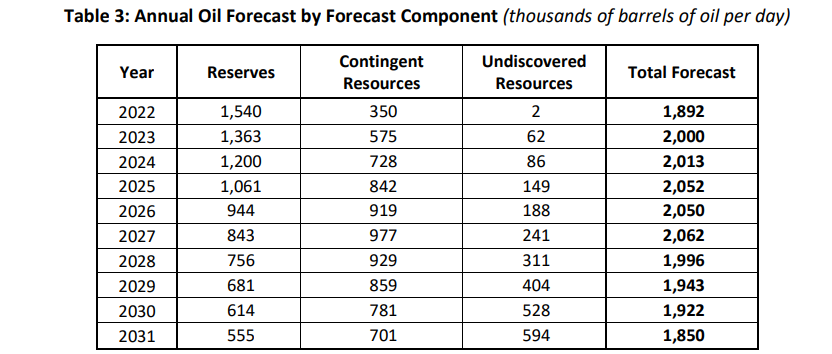
The September total reflects production from recent deepwater startups, including King’s Quay (Murphy) and Spruance (LLOG). Other new deepwater facilities should further boost GoM oil production next year as forecasted by BOEM (table below). Unfortunately, the BOEM forecast considerably overstates 2022 production and appears to be optimistic for the outyears. This is a significant concern given that US offshore leasing policy, as reflected in the 5 Year Plan, is naively focused on throttling long-term production. See the rather startling quote below:

BOEM’s short-term (20-year) production forecast for existing leases shows steady growth from 2022 through 2024 and declining thereafter (see Section 5.2.1). The long-term nature of OCS oil and gas development, such that production on a lease can continue for decades makes consideration of future climate pathways relevant to the Secretary’s determinations with respect to how the OCS leasing program best meets the Nation’s energy needs.

5 Year Leasing Program, p.3

Read Full Post »

Symbolic gesture or troubling precedent?

OSLO, Nov 29 (Reuters) – Norway will not issue licences for energy companies to explore for oil and gas in frontier areas during the life of the current parliament, which ends in 2025, its oil and energy minister told Reuters on Tuesday.

“SV (Socialist Left Party) has had this as a demand for this year and we went along with that. And have accepted that this can be held off for this parliamentary period,” (per Minister of Petroleum and Energy Minister Terje Aasland).

Aasland said there was “no drama” in the decision as authorities still issue licences to oil companies in a parallel licensing around called the APA round, in so-called mature areas that are already open to oil companies.

Reuters

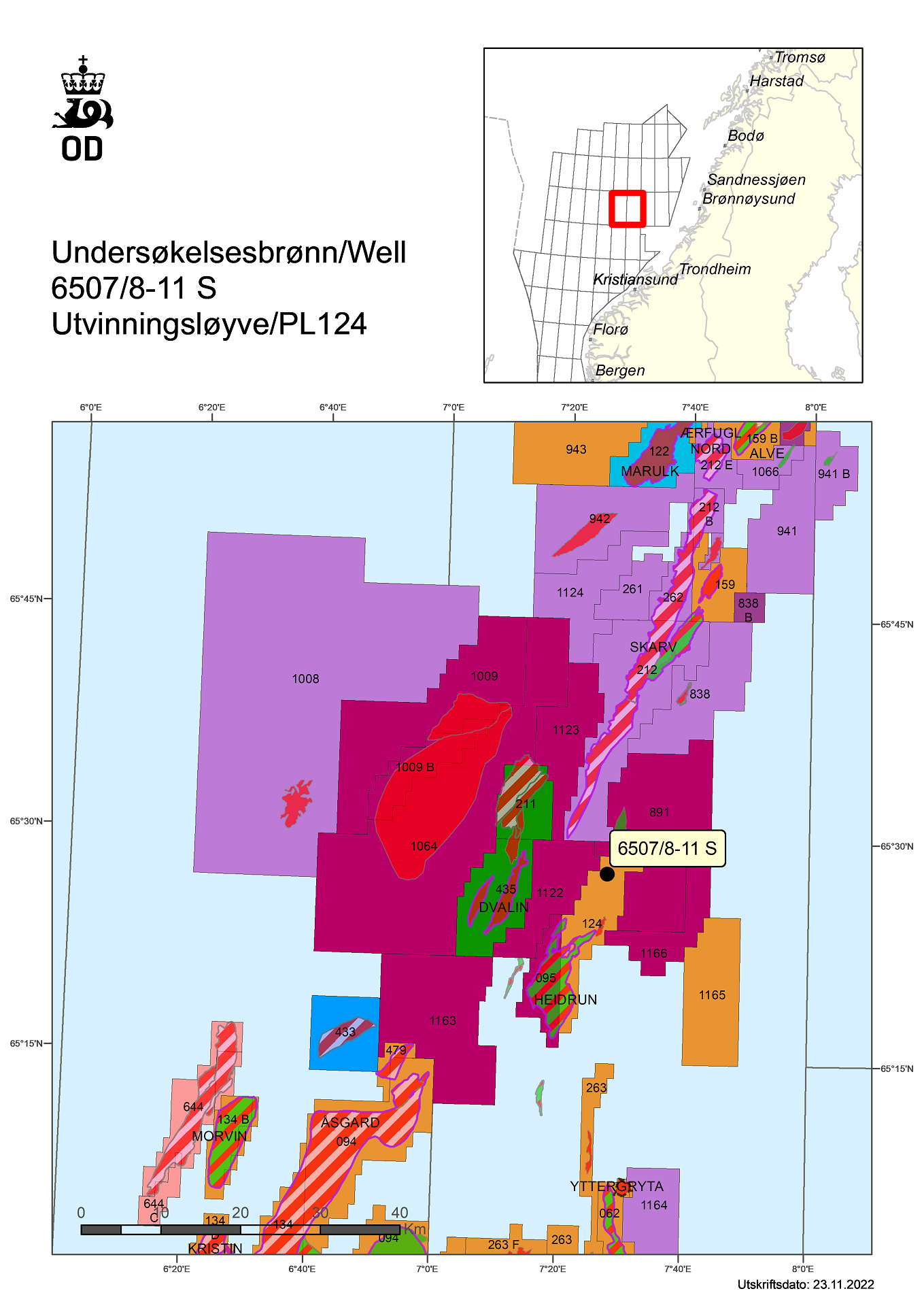
Meanwhile NPD reports a dry hole 17 km north of the Heidrun field in the Norwegian Sea.

Read Full Post »

« Newer Posts